






















Conjunction Assessment
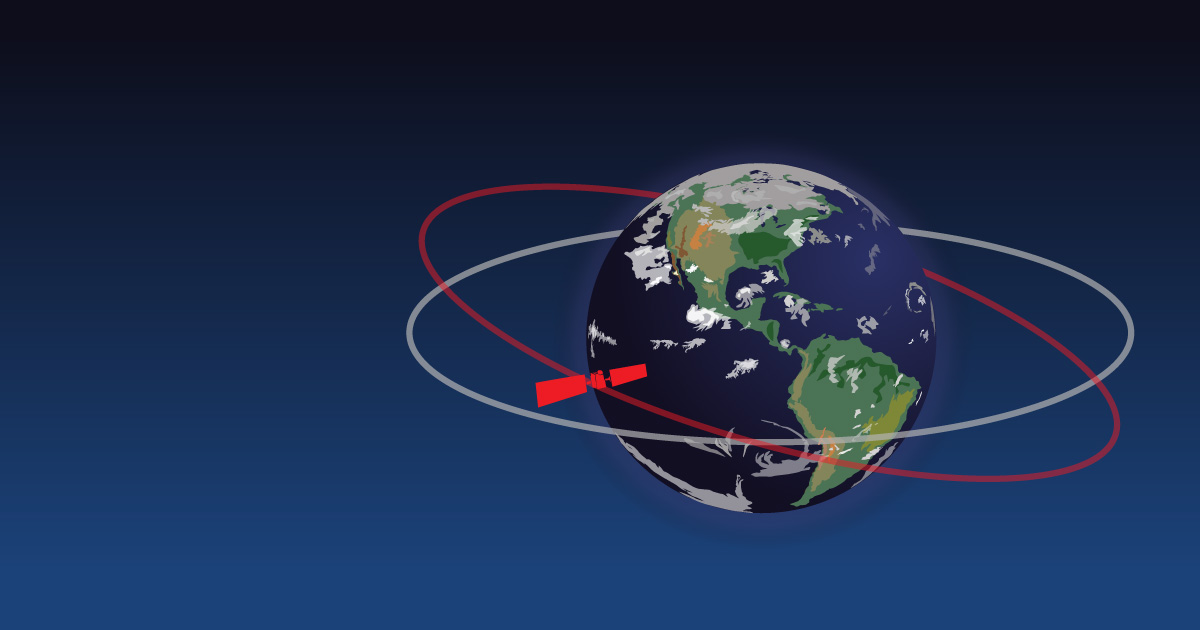
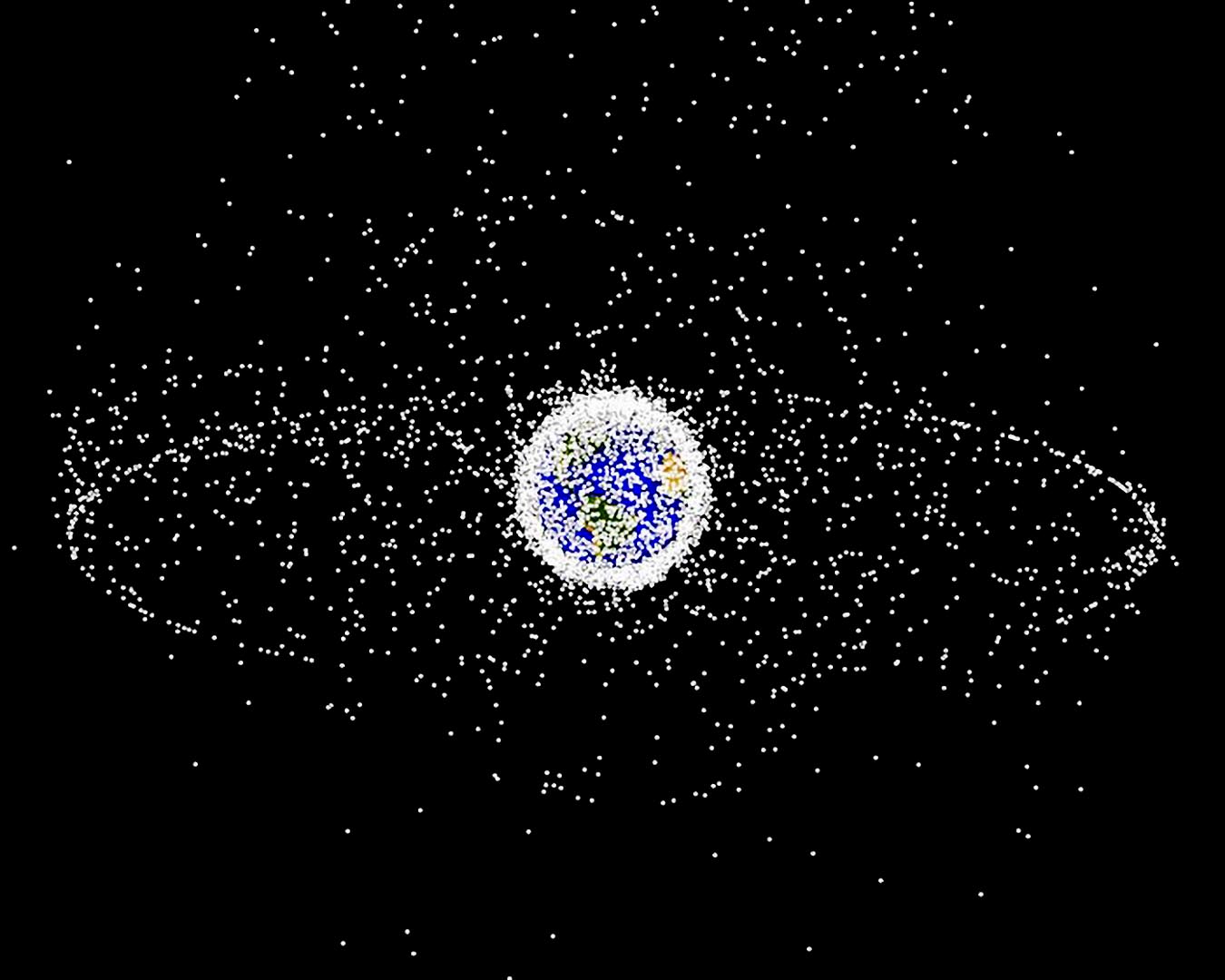
Collision avoidance orbital safety includes analyzing future predicted positions of NASA protected assets (called the “primary” object), and all of the other known objects in space (called the “secondary” object). On orbit conjunction assessment is driven by screenings conducted three times a day by the US Space Force 18th Space Defense Squadron. In each of these screenings, volumetric regions around the primary object are analyzed to determine whether any of the other catalogued objects penetrate this volume, which are then assessed as conjunction threats.
Conjunction Assessment
CARA service for conjunction assessment screenings and risk analysis.
FOD
The Flight Operations Directorate (FOD) at NASA’s Johnson Space Center touches every program and part of sending humans to space.

CA Handbook
NASA Spacecraft Conjunction Assessment and Collision Avoidance Best Practices Handbook
CA Handbook: Appendix N
Pc Calculation Approaches – UPDATE 3/20/24

CA Handbook: FAQ 2025
This document collects a variety of potential questions and answers related to NASA’s collision avoidance policies and guidance.
Conjunction Assessment Risk Analysis
CARA Sections
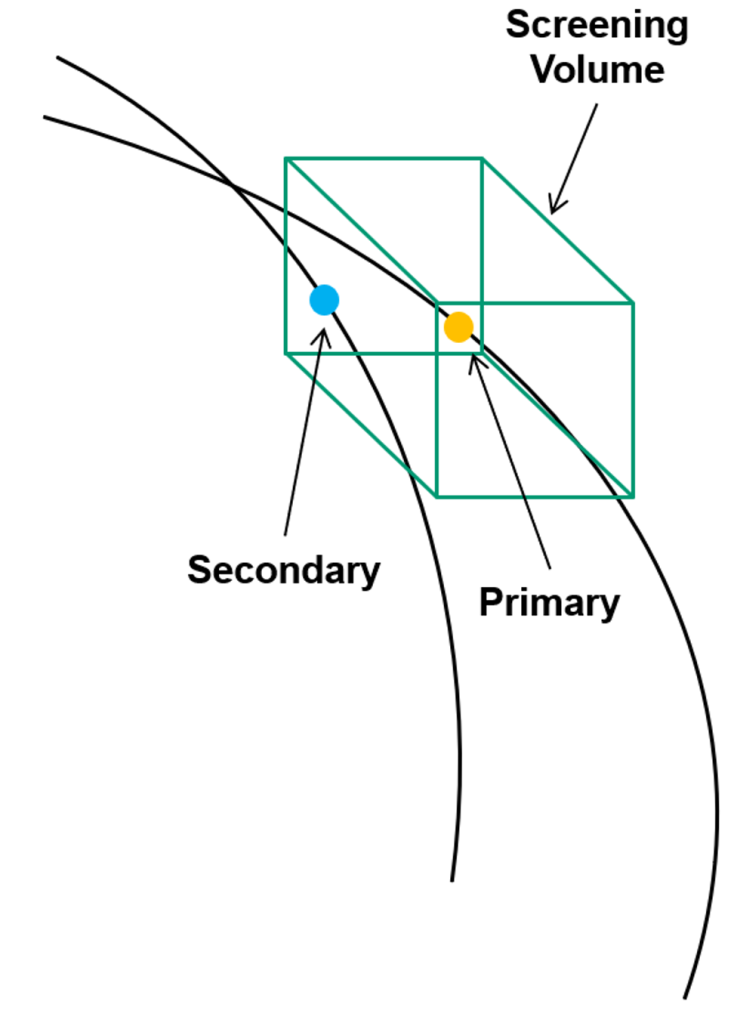
Step 1: Conjunction Event Prediction
Conjunction Screenings are performed to identify close approaches
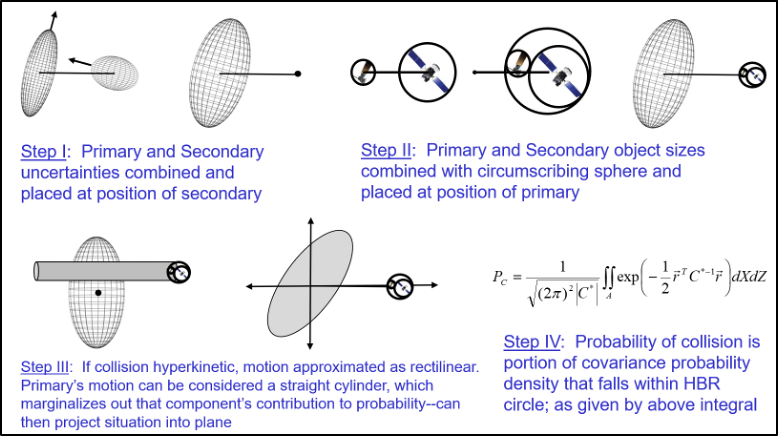
Step 2: Close Approach Risk Assessment
The results from a Conjunction Assessment (CA) screening
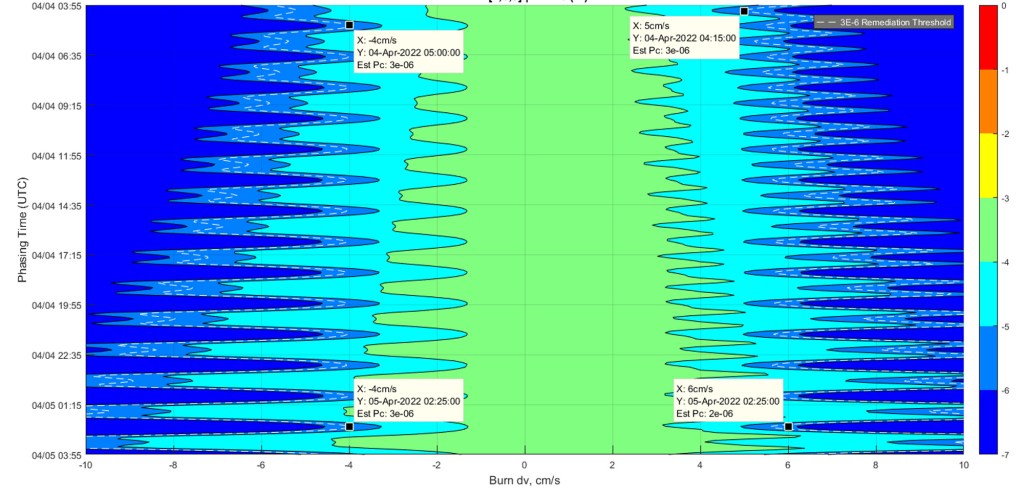
Step 3: Close Approach Risk Mitigation
For close approaches that manifest a high level of collision risk