






















Aeronautics Research Mission Directorate
NASA’s origins trace back to 1915 with the National Advisory Committee for Aeronautics, which soon established its people and facilities as the world’s leading home for aeronautics research. Today, every U.S. commercial aircraft and air traffic control facility incorporates NASA-developed technology. That heritage continues at NASA, where the first “A” stands for Aeronautics, and the efforts to safely and sustainably transform aviation for the 21st century are managed by the agency’s Aeronautics Research Mission Directorate (ARMD).
Latest ARMD News

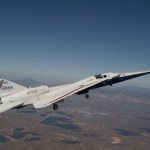
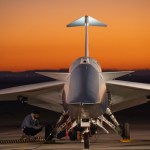
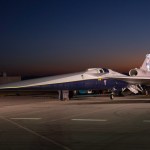
ARMD Videos Playlist
Your next bingeworthy series is right here. Enjoy this collection of videos that help tell the story of how NASA’s Aeronautics Research Directorate is transforming aviation for the 21st century.
See the ARMD Video PlaylistNASA Aeronautics – Shaping the Future of U.S. Aviation
NASA’s Aeronautics Research Mission Directorate is transforming U.S. aviation across four key areas, delivering benefits for the industry and air travelers nationwide.
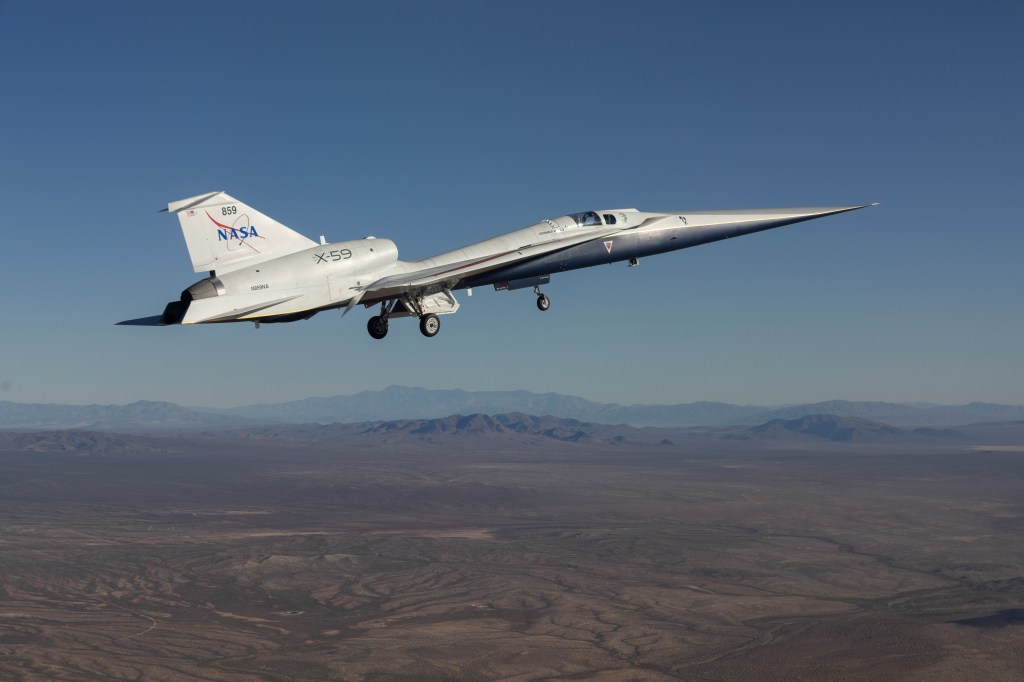
Pioneering High-Speed Flight
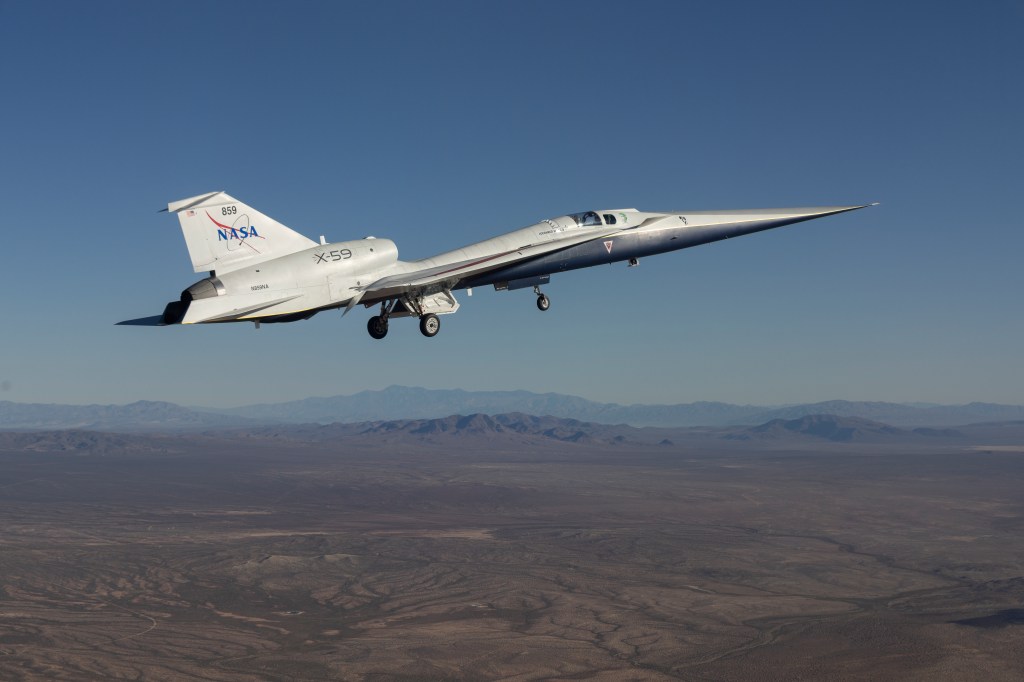
Speed defines modern air transportation, and faster journeys bring economic opportunity. NASA is pushing the envelope to enable routine commercial supersonic flight over land and open opportunities for flight over five times the speed of sound.

Transforming Airframes and Propulsion
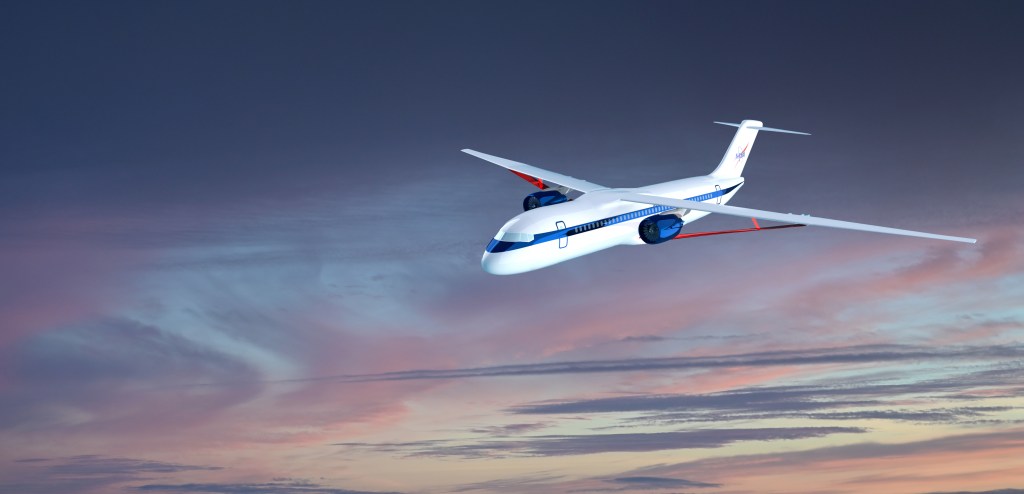
Modern airliners are foundational to worldwide travel. Meeting future demand and improving fuel efficiency require new breakthroughs. NASA is exploring new designs, advanced propulsion, and novel integration techniques to enhance aircraft performance.
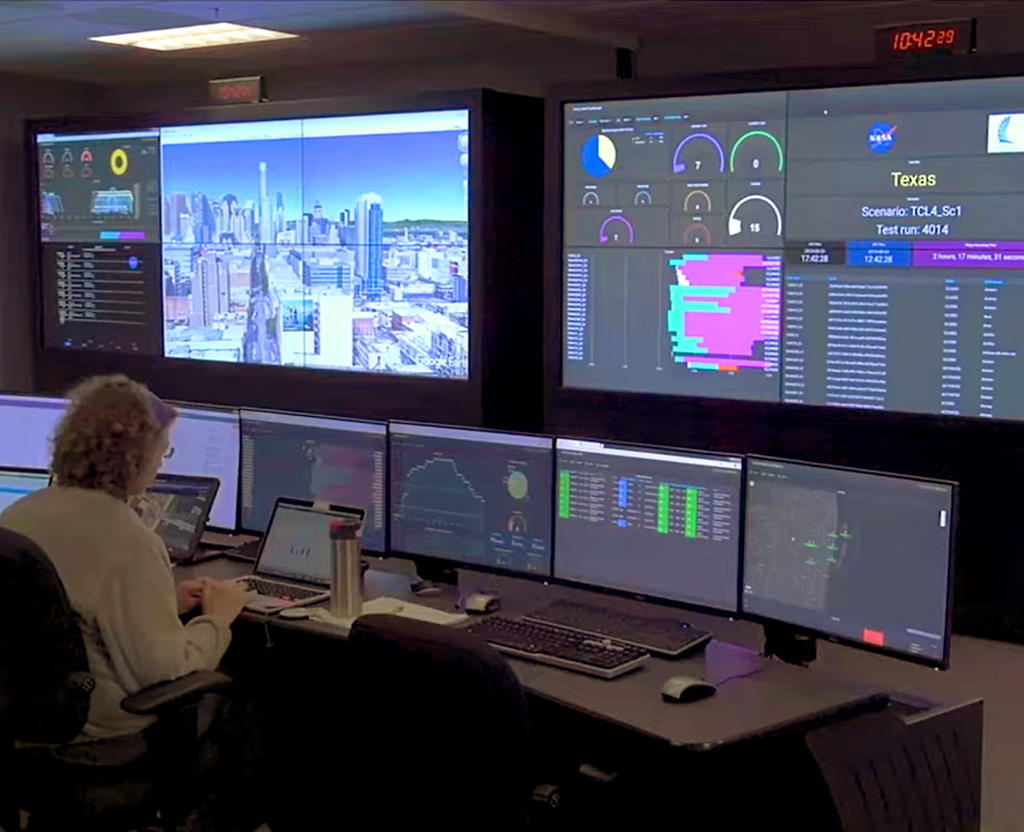
Automating Airspace and Safety Management
As demand grows and airspace becomes more complex, the U.S. needs a modern system that can safely accommodate more crowded skies. NASA develops technologies and collects data needed to ensure aircraft of any size, purpose, or altitude can operate safely and efficiently.
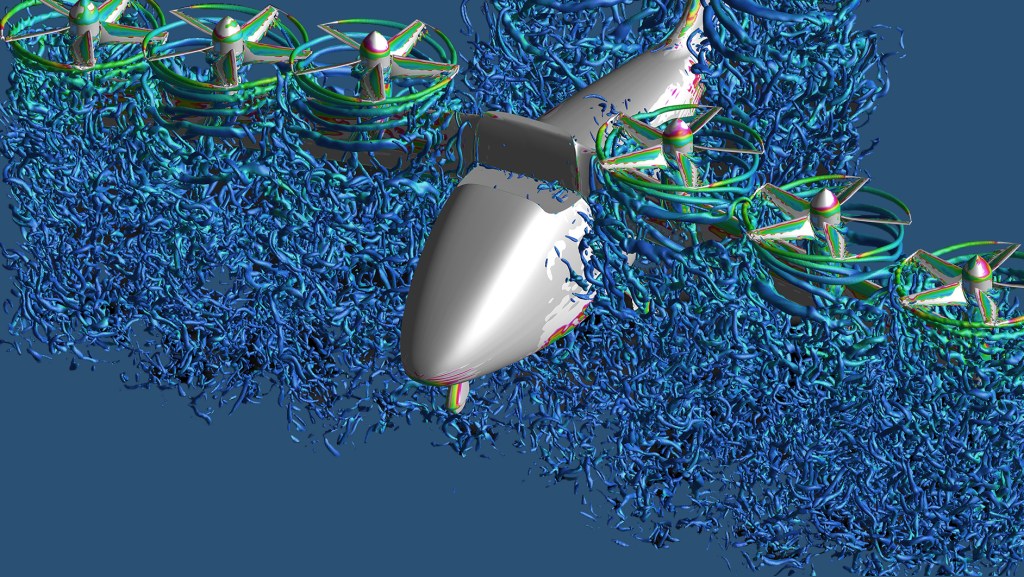
Revolutionizing Engineering Methods
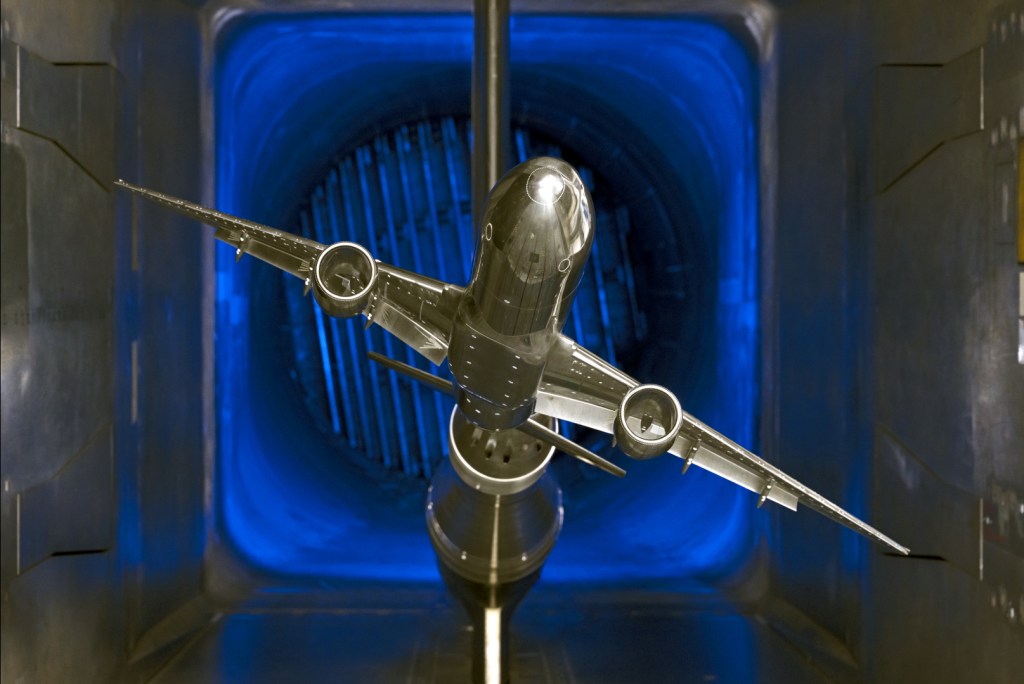
Designing next generation aerospace systems demands faster, smarter engineering. NASA operates unique test facilities and develops advanced tools to drive the future of aviation. Many of these tools support space exploration missions and strengthen the broader industry.
Our Strategy
This Strategic Implementation Plan sets forth NASA's vision for aeronautical research aimed at the next 25 years and beyond. It encompasses a broad range of technologies to meet future needs of the aviation community, the nation, and the world for safe, efficient, flexible, and environmentally sustainable air transportation.
Read the Plan about Our Strategy
ARMD Programs
NASA’s aeronautical research is organized into four major programs. Learn about them here.
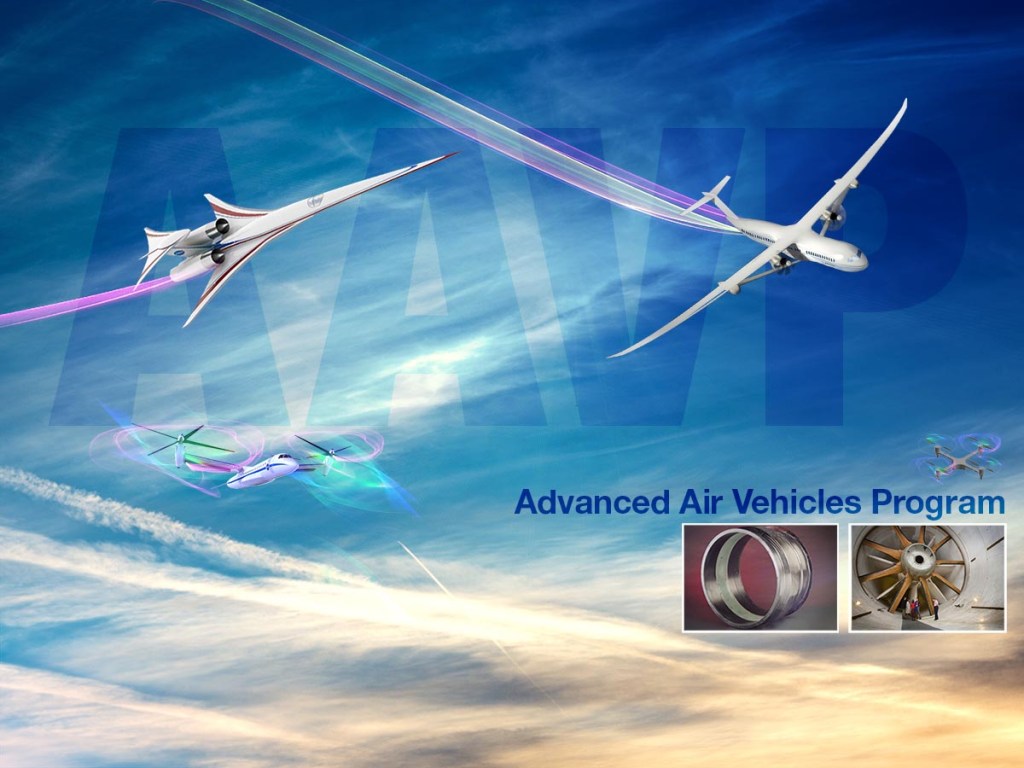
Advanced Air Vehicles Program
Advanced Air Vehicles Program (AAVP) studies, evaluates, and develops technologies and capabilities for new aircraft systems, and also explores far-future concepts that hold promise for revolutionary air-travel improvements.
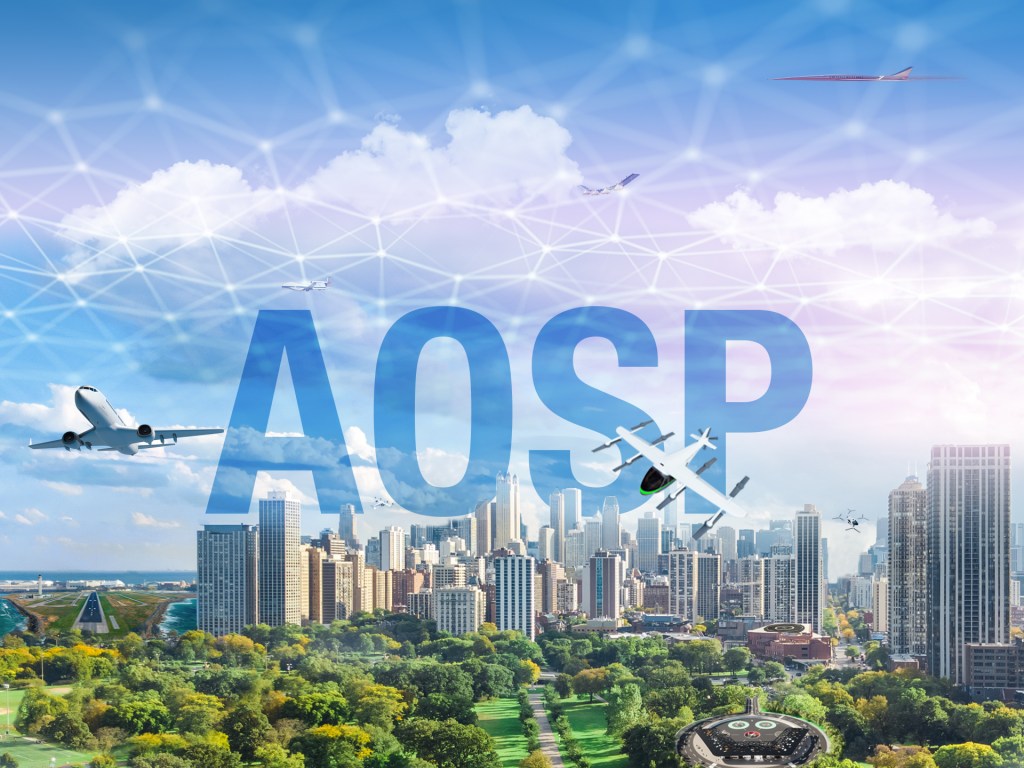
Airspace Operations and Safety Program
Airspace Operations and Safety Program (AOSP) transforms the national airspace to accommodate the variety, density, and complexity of future operations — ensuring U.S. skies remain safe, innovative, and globally competitive.
Integrated Aviation Systems Program
Integrated Aviation Systems Program (IASP) conducts flight-oriented, system-level research and technology development to effectively mature and transition advanced aeronautic technologies into future air vehicles and operational systems.

Transformative Aeronautics Concepts Program
Transformative Aeronautics Concepts Program (TACP) cultivates concepts and capabilities that inspire new solution paths, enable innovative design, and lead to technologies that transform aviation.
Aerosciences Evaluation and Test Capabilities
The Aerosciences Evaluation and Test Capabilities portfolio office executes strategic efforts to preserve and enhance research and test capabilities for NASA’s world-class portfolio of National Wind Tunnel facilities.
Learn More About the AETC Portfolio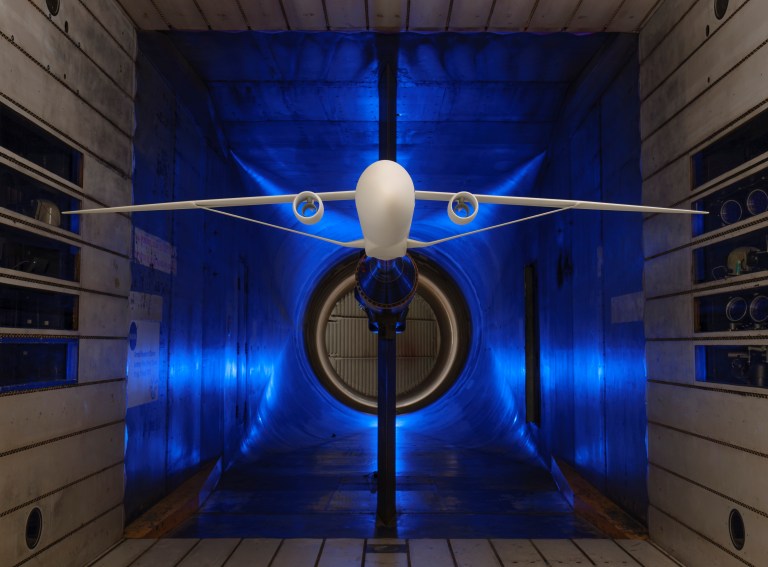
Quesst Mission
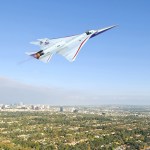
Interested in flying to your next destination in half the time? NASA's Quesst mission is to lead a government-industry team to collect data that could make commercial supersonic flight over land possible, dramatically reducing air travel time in the United States or anywhere in the world. The centerpiece of the mission is the X-59 aircraft.
Learn More About the Quesst Mission about Quesst Mission
Advanced Air Mobility
NASA’s work with advanced air mobility seeks to transform our communities by bringing the movement of people and goods off the ground, on demand, and into the sky. This air transportation system of the future will include low-altitude passenger transport, cargo delivery, and public service capabilities.
Learn More About AAM about Advanced Air Mobility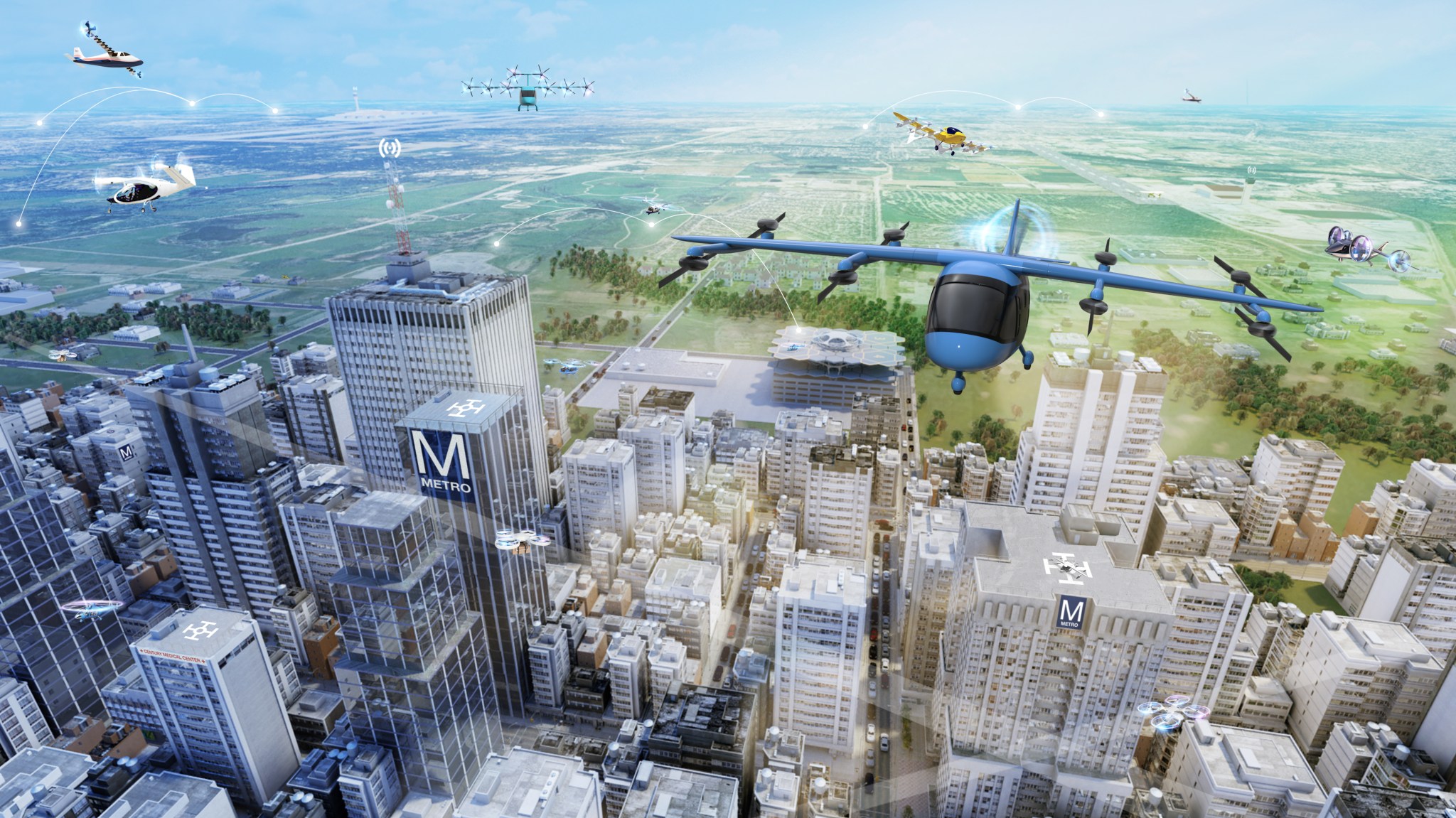
Office of the Associate Administrator for Aeronautics
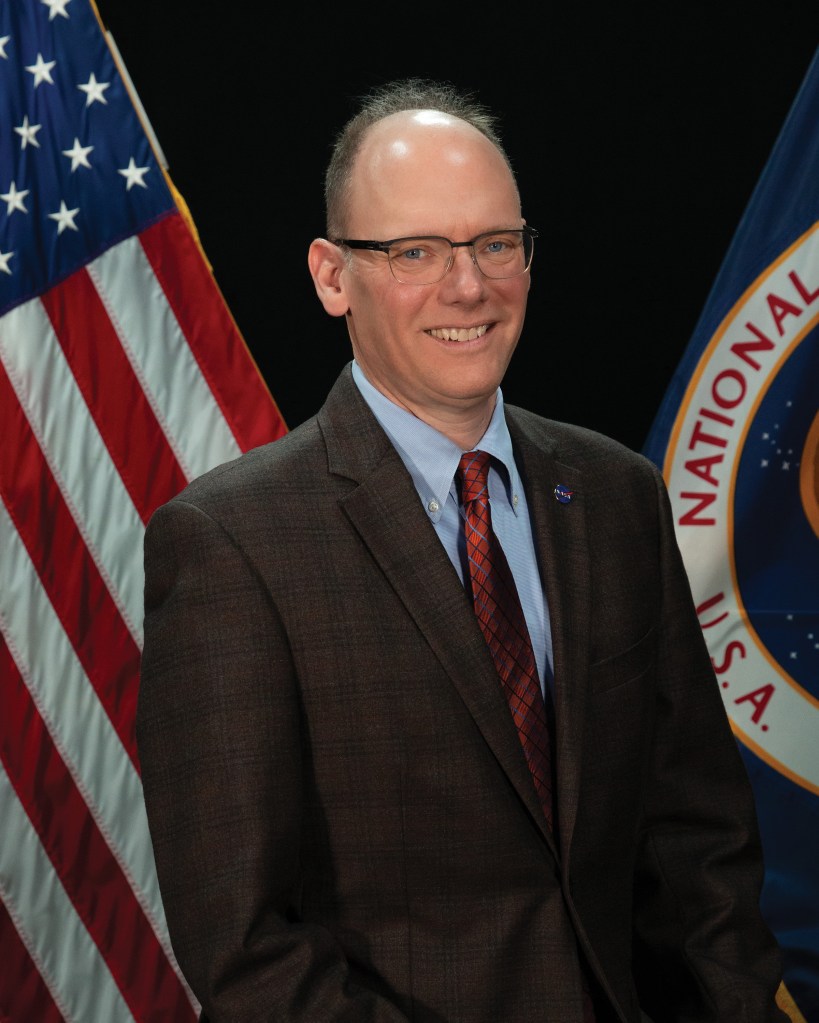
Aeronautics Research Mission Directorate Leadership Team


ARMD AA Awards
The ARMD Associate Administrator (AA) Awards are presented to NASA employees, contractors, and students or interns who distinguish themselves, either individually or as part of a group, through their overall approach to their work and through results they achieved during the award year.
View the 2024 AA Awards Honorees about ARMD AA Awards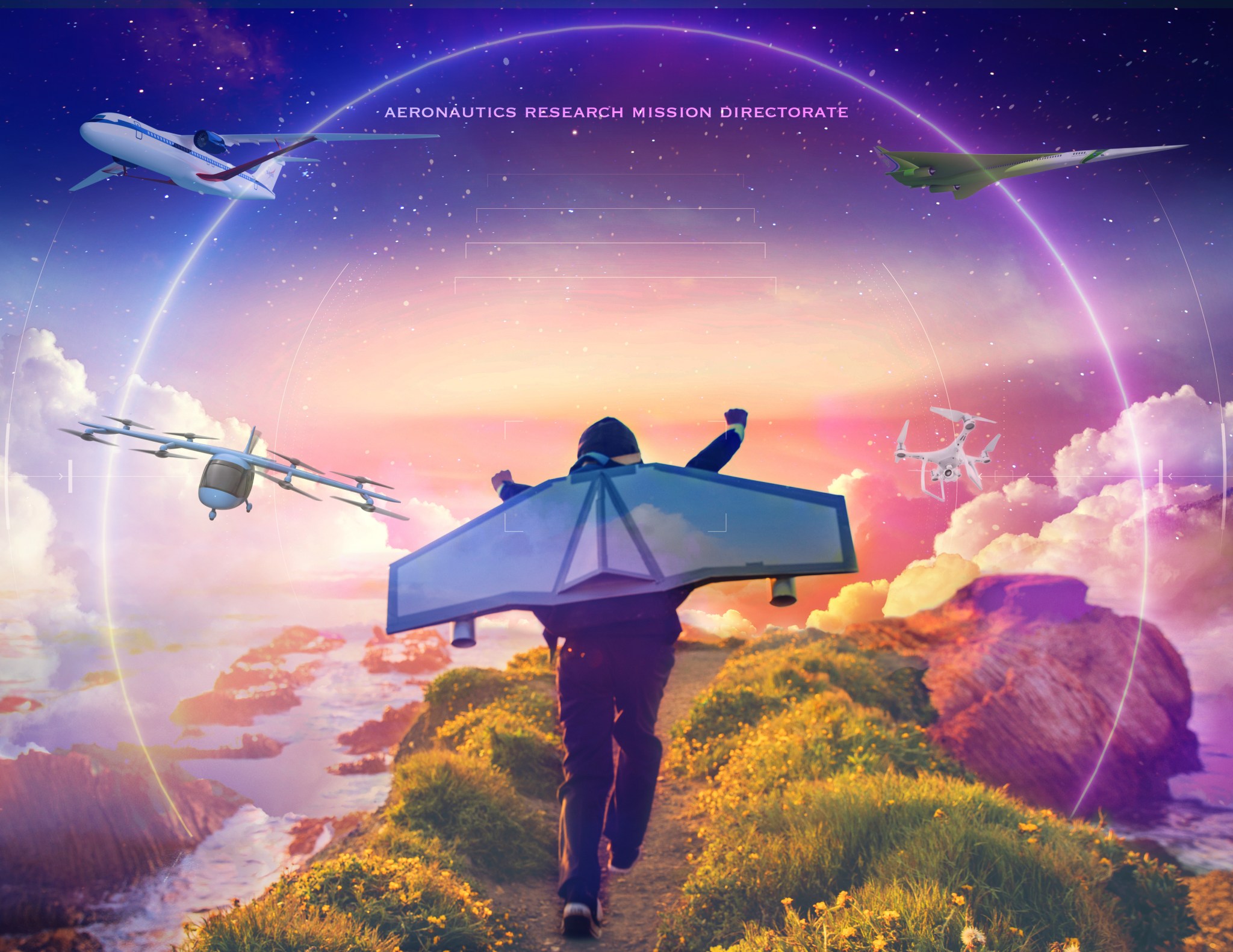
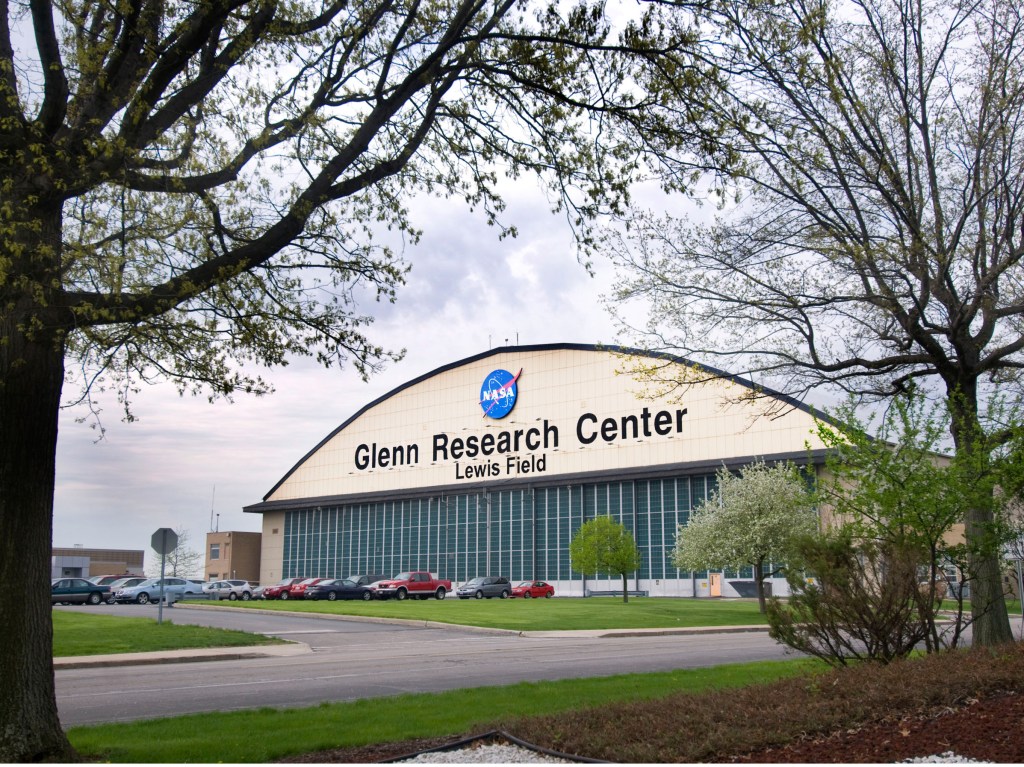
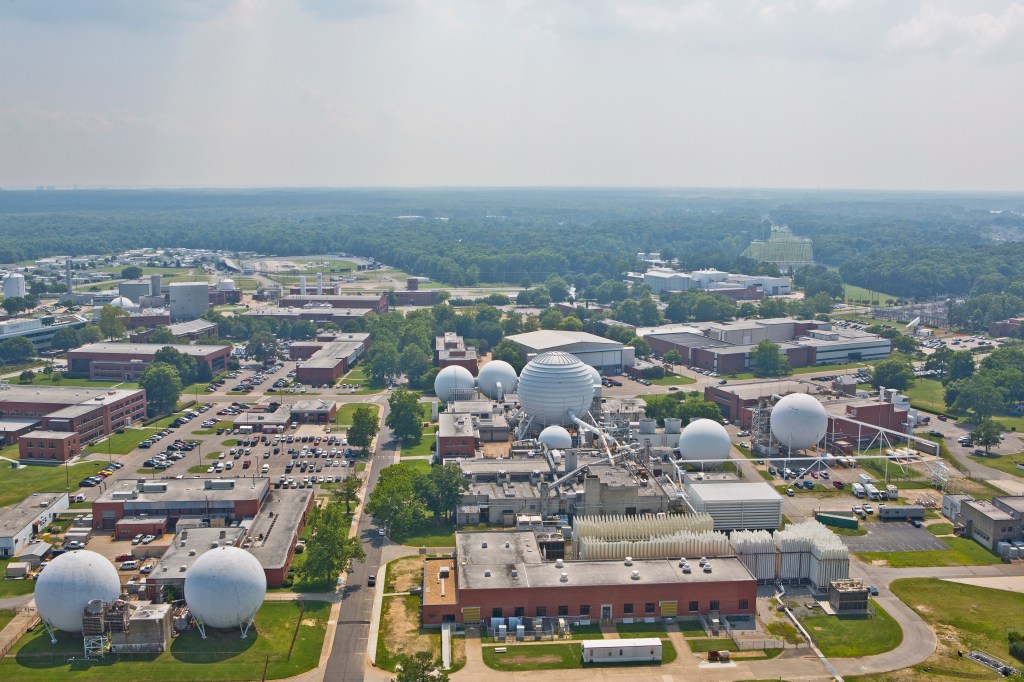
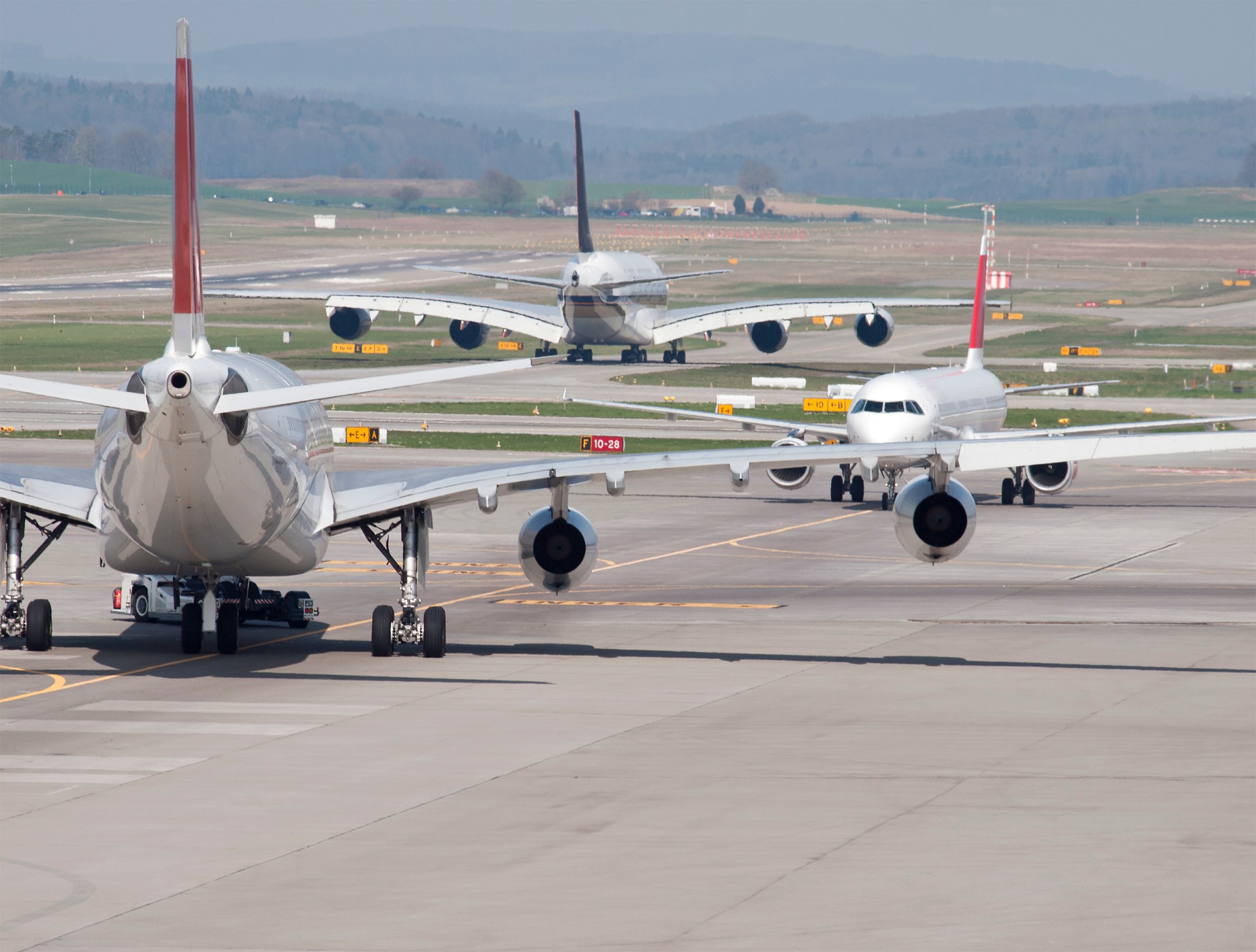
NASA Aeronautics Field Centers
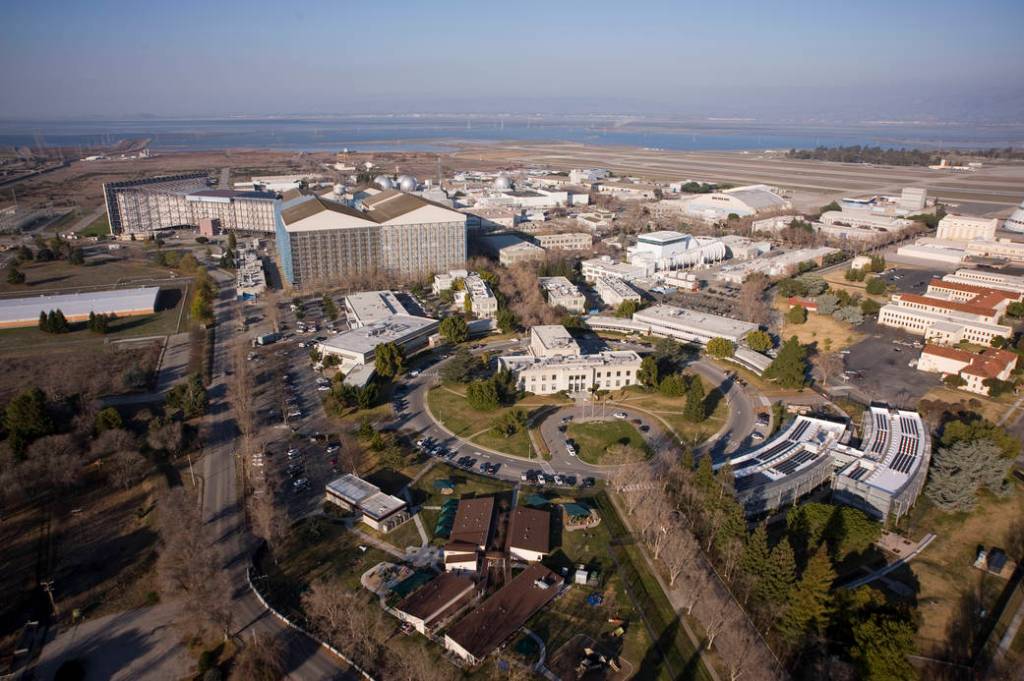
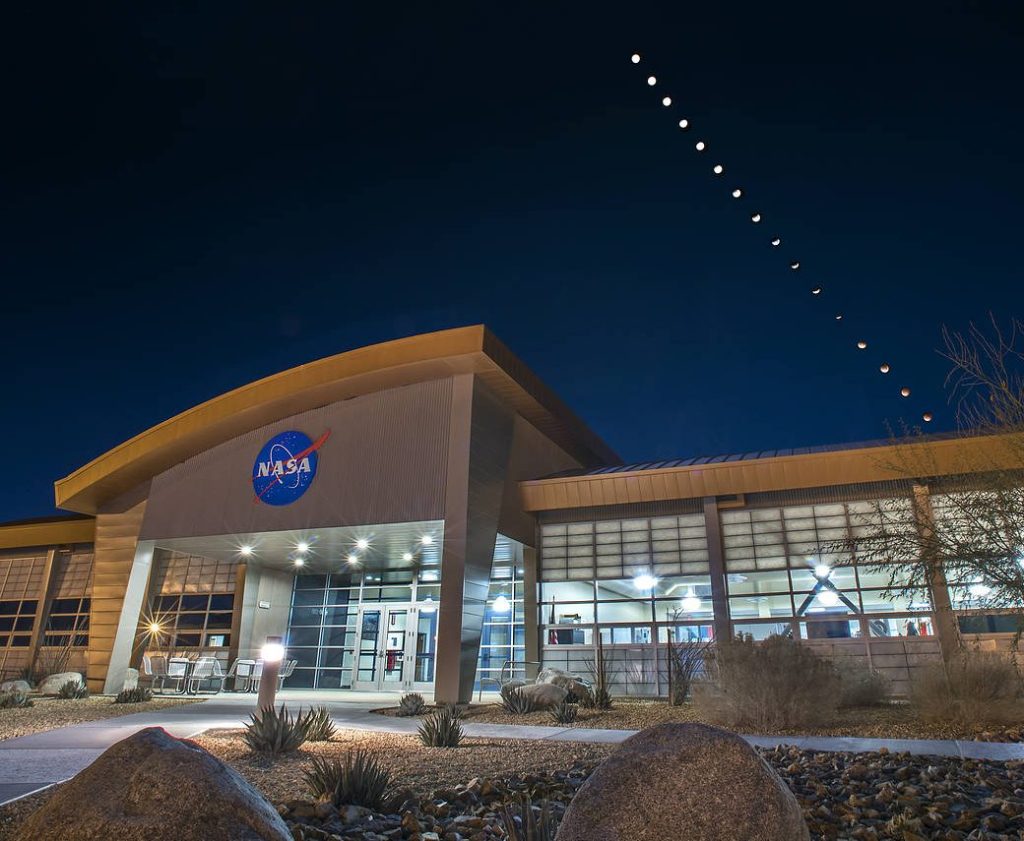
NASA conducts its research and operations at field centers across the United States. Four of those centers have traditionally been home to the agency's aeronautics work. Learn more about them.

Why should I care?
You may not have flown today, but something you needed or used today did. The latest electronic gadget, flowers for a loved one, life-saving medicine, or even fresh seafood for supper — many of your most important needs and wants were delivered to you because of air travel. The importance of aviation to our lives, our economy, and to our society at large is undisputed. Ensuring we have the safest, most sustainable, and most advanced aeronautics technology is the goal of our hard-working aeronautical innovators. Here are some facts about aviation’s contributions to the the U.S. economy:
9.24 million flights by U.S. carriers worldwide in 2025
972 million passengers flown by U.S. airlines in 2025
22 million tons of freight transported by U.S. airlines in 2025
2.23 million aerospace/defense jobs; 4682,000 in aeronautics/aircraft in 2025
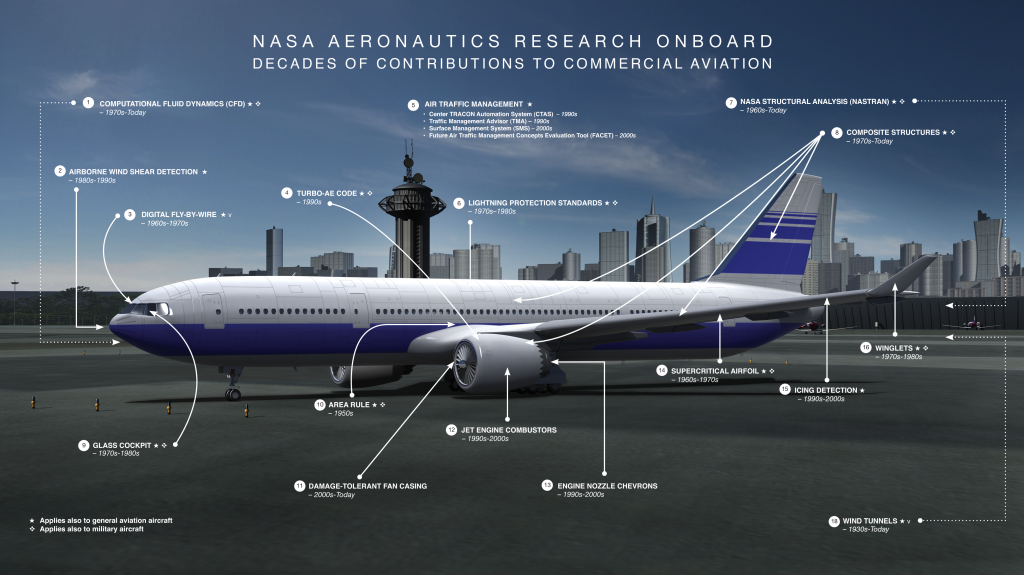
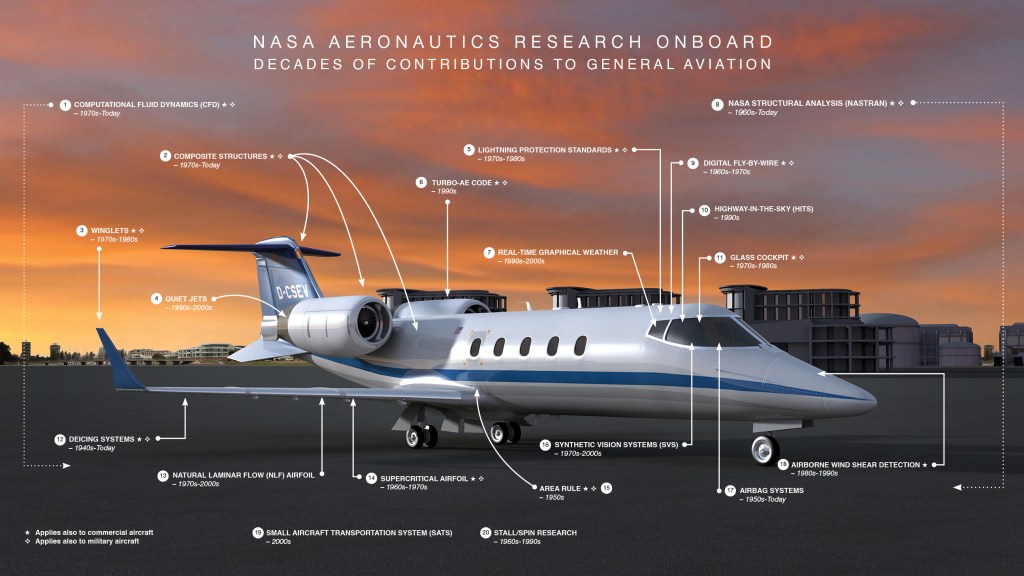
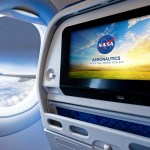
With more than a century of aeronautical research heritage to back it up, we’re fond of reminding folks that NASA is with you when you fly. That’s because some piece or form of NASA technology is in use on every U.S. airplane flying today. The images presented here offer just a few examples of how you benefit from NASA when you fly.


Aeronautics Innovation Challenge
NASA’s Aeronautics Innovation Challenges are your entry points to the exciting, fast-moving aviation world of today. And they’re valuable ways for us to get inputs and ideas that may never have occurred to us. Thank you for joining our journey!
Learn More about Aeronautics Innovation Challenges about Aeronautics Innovation Challenge
Learn More and Get Involved

Research Solicitations
Find opportunities to collaborate with NASA’s aeronautical innovators and/or contribute to their research to enable new and improved air transportation systems.

ARMD Strategic Vision
The Strategic Implementation Plan sets forth the NASA Aeronautics Research Mission Directorate vision for aeronautical research aimed at the next 25 years and beyond. Read this important document here.
NASA Aeronautics Research Institute
The NASA Aeronautics Research Institute promotes innovation in aeronautics across a broad spectrum of aeronautical challenges in the nation’s air transportation system. Learn about them here.

NASA Advisory Council Aeronautics Committee
The NASA Advisory Council's aeronautics committee advises the agency's leadership on strategic plans, programs, and other matters pertinent to aeronautics research. Public input at meetings is welcome. Read more here.
Aeronautics STEM & Learning Resources
Explore hands-on activities, interactive lesson plans, educator guides, and other downloadable content about aeronautics.
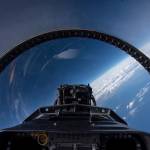
Aeronautics Innovation Challenges
Learn more about NASA Aeronautics sponsored challenges and competitions.

Aeronáutica en español
Conozca los avances tecnológicos desarrollados por la NASA, la industria de la aviación está mejor equipada que nunca para transportar pasajeros y carga de manera segura y eficiente a destinos alrededor del mundo en español.
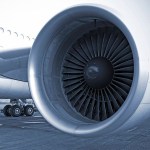
Past ARMD Projects
Explore links to past ARMD projects. Online content relevant to these past projects is being kept online for historical purposes, but is no longer being updated.
Technical Excellence
Explore a collection of hand-picked stories that showcase the aviation technology NASA is working on — or has worked on and turned over to others for use in the National Airspace System.
Other Aeronautics topics

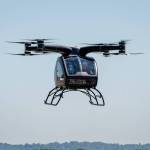
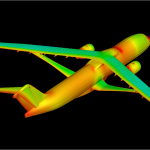

Here are Some Other Cool NASA Aeronautics Stuff to Check Out
Aeronautics Innovation Challenges
Learn more about NASA Aeronautics sponsored challenges and competitions.
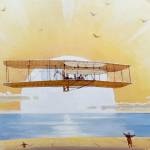
Aeronautics @ Home
A collection of activities and lessons to learn more about NASA Aeronautics and the science of flight that you can do at home.

STEM Learning Resources
Explore hands-on activities, interactive lesson plans, educator guides, and other downloadable content related to aeronautics.
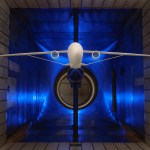
Aeronautics Virtual Backgrounds
Take video calls from your home or office in the cockpit of the X-59 or from inside a wind tunnel! And other aviation themes.
Free E-Books to Download
Add these books covering NASA Aeronautics and other aviation and space topics to your electronic library.
NASA X Video Files
This binge worthy page collects aeronautics-themed topics from the popular NASA X video series.
NASA Aeronautics on Mars & Earth
Learn more about NASA's Ingenuity Helicopter.