
























Spectrum
NASA’s SCaN (Space Communications and Navigation) Program provides spectrum management on behalf of NASA at both the national and international stages, enabling secure and efficient communication networks for NASA.
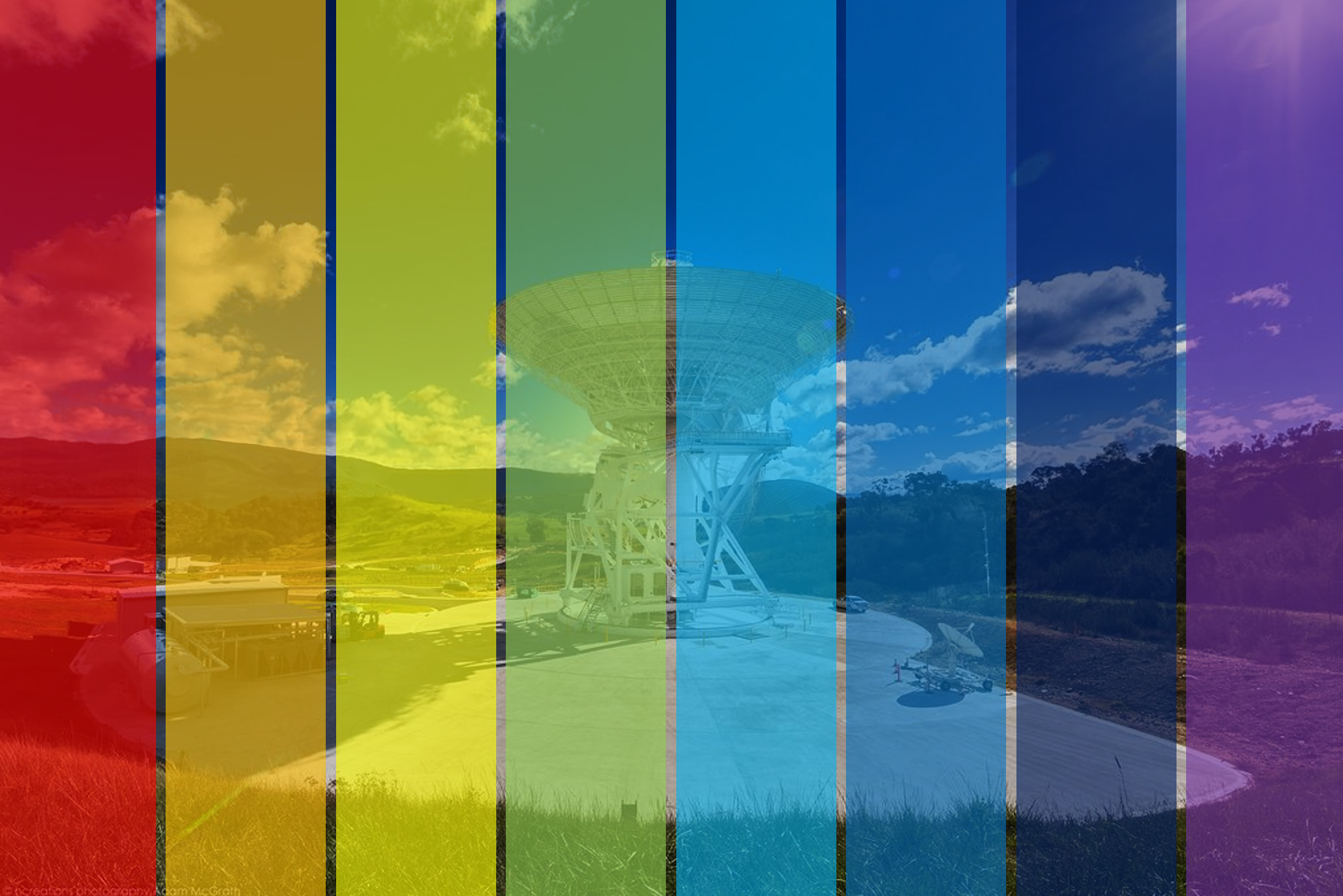
Science and exploration, enabled.
The video of Buzz Aldrin setting foot on the Moon.
Scientific data modeling Earth’s weather and climate.
The Mission Control Center guiding astronauts through spacewalk procedures.
Virtually every endeavor by the agency requires communications — the transfer of data via the radio frequency spectrum. NASA’s spectrum professionals further the agency’s goals and objectives by analyzing potential changes in international or domestic spectrum policy and proposing solutions that promote global collaboration.
Spectrum Organizations and Stakeholders
Federal Communications Commission (FCC)
The FCC regulates interstate and international communications by radio, television, wire, satellite, and cable.

International Telecommunication Union (ITU)
The ITU manages the global spectrum regulations to optimize uses of the spectrum and reduce the likelihood of interference.

National Telecommunications and Information Administration (NTIA)
The U.S. regulators at NTIA are responsible for developing and administering domestic spectrum regulations.

Space Frequency Coordination Group (SFCG)
SFCG annual meetings provide a forum for discussing international regulatory issues related to Earth, lunar, and deep space spectrum use.

World Radiocommunication Conference (WRC)
The WRC is held every three to four years for ITU members to review the radio regulations governing the use of the radio-frequency spectrum.
Spectrum Enables Science, Exploration, and Innovation
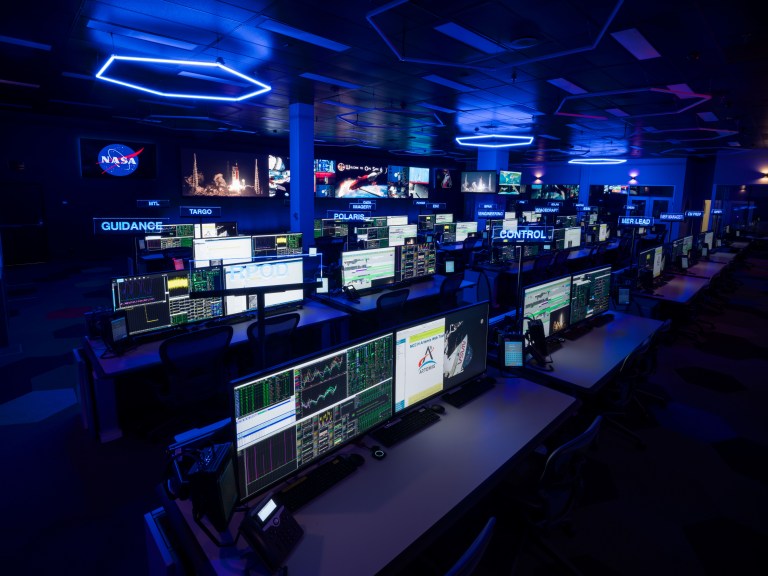
The spectrum team supports and protects NASA's spectrum users.
When NASA's future missions envision new uses for radio waves, SCaN’s spectrum professionals work with other stakeholders to develop compatible radio frequency (RF) architectures. For the Artemis campaign, the team is enabling the use of radio waves for science data, communications, positioning, navigation, and timing while limiting the risk of interference with Earth-based systems. NASA’s spectrum professionals work with users early in project planning to understand data needs and determine the required antennas, transmitters, and receivers. With that information, a spectrum manager helps to define spectrum requirements, such as bandwidths, modulation, and other technical characteristics. Once these spectrum requirements are determined, they coordinate spectrum operations with other users within and beyond NASA.
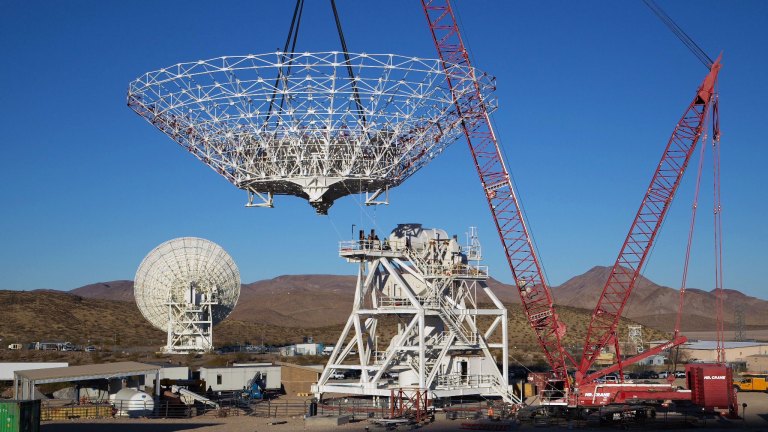
Reliable communications is the backbone of discovery.
Valuable scientific data from NASA missions, video from the International Space Station, air traffic control systems here on Earth, and even office Wi-Fi and wireless electronics — they all use RF within the electromagnetic spectrum. The spectrum management team, part of NASA's SCaN Program, protects NASA’s spectrum uses by collaborating with U.S. and international users across 35 countries on the technical matters that inform policy discussions. Their expertise ensures the integrity of NASA's scientific missions by keeping domestic and international regulators well informed as they develop or revise spectrum regulations.
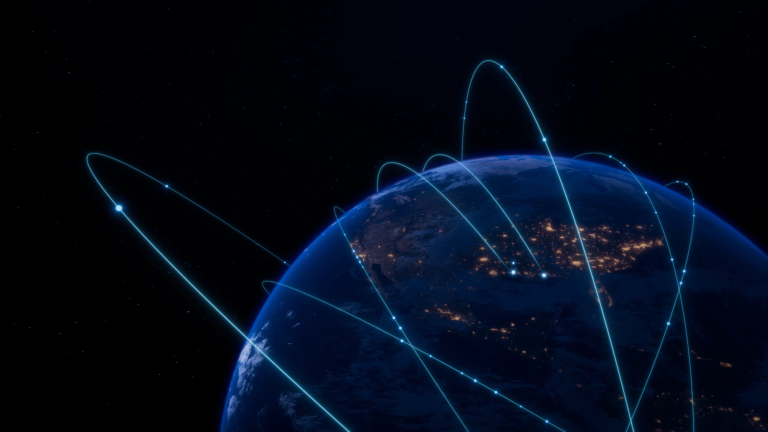
Spectrum is a shared resource.
Consider how many wireless devices surround people at any moment. Service allocation defines how the spectrum is shared between different applications by designating frequency bands for particular RF services. For example, television broadcasting satellites operate in frequency bands allocated to the broadcasting satellite service, cellular devices operate in mobile service bands, and the communications antennas on the International Space Station operate in space operations service bands. Many of NASA’s most notable uses of spectrum rely on the following service allocations: Earth exploration-satellite service, space research service, space operations service, and inter-satellite service. Each allocation has a different designation for communicating from Earth-to-space, space-to-Earth, or space-to-space directions— and additional designations for different kinds of communications within those services. Most frequency bands are shared, with each frequency band typically supporting two or more radio services, and RF engineers and regulators continue developing ways for users to share frequencies at the same time in the same place. Careful regulation, planning, and management aim to identify mutually compatible services while limiting negative impacts. The spectrum management team works closely with international agencies, other U.S. government agencies, and the private sector to ensure missions overlap in time, location, and frequency without interference.
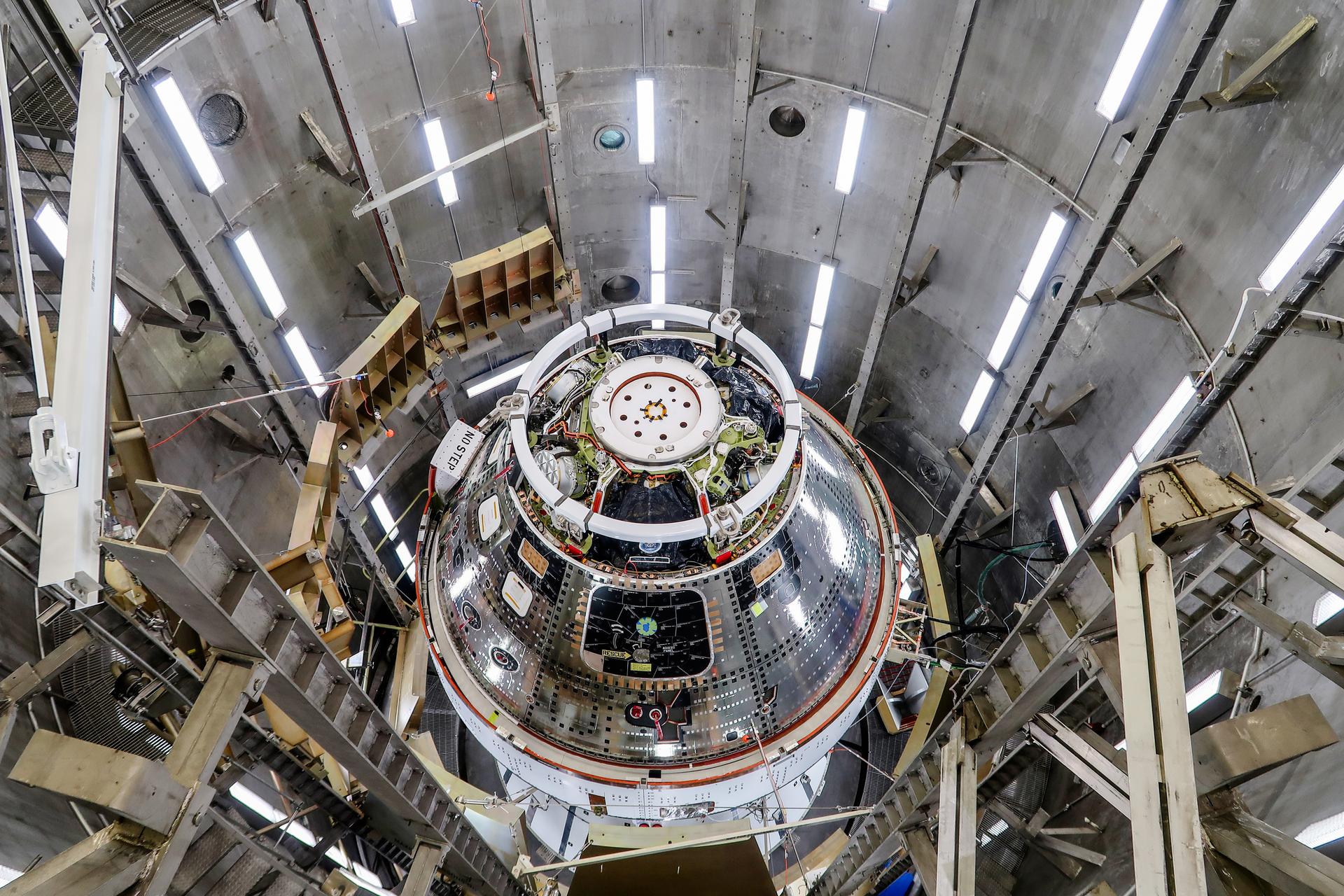
Mission success depends on limiting spectrum interference.
Protecting missions from interference is crucial. Missing information could impact data quality or even mission pointing. Avoiding or reducing interference requires regulators and users to maintain and enforce the policies that define who can use which frequencies, where, when, and how. NASA, like all other users, must comply with these regulations and collaborate with stakeholders to ensure its RF spectrum use can continue and evolve. In the event of interference, NASA's spectrum team identify, resolve, and report it, either domestically through direct resolution or internationally through reports to spectrum regulators. These reports help advocate for new protections that protect the integrity of science data and the safety of human spaceflight.
Radio in Space
None of NASA’s exciting science and engineering endeavors would be possible without the use of radio waves to send data, communications, and commands between researchers or flight controllers and their flight platforms or instruments.
Learn moreResources

Spectrum Contacts
Review spectrum management contacts across the agency.