





















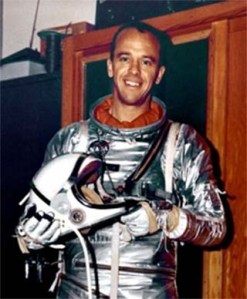
Alan B. Shepard, Jr.
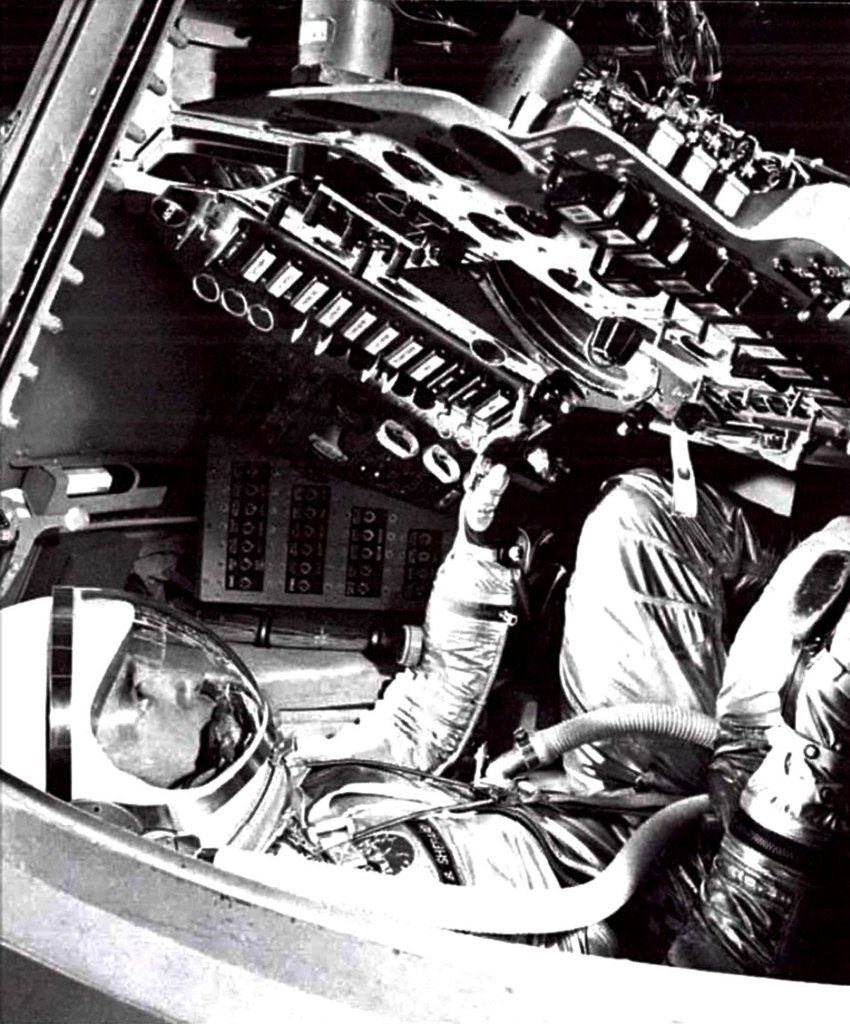
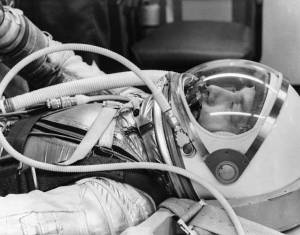
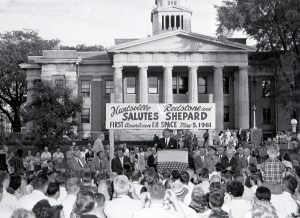
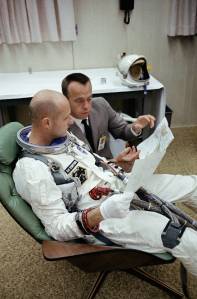
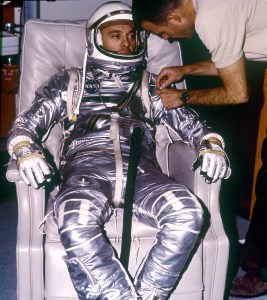
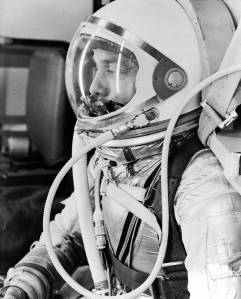
On May 5, 1961, in the Freedom 7 spacecraft, he was launched by a Redstone vehicle on a ballistic trajectory suborbital flight—a flight which carried him to an altitude of 116 statute miles and to a landing point 302 statute miles down the Atlantic Missile Range.
Quick Facts
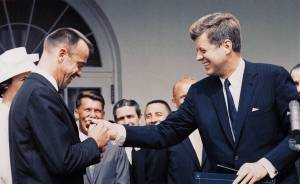
Shepard holds the distinction of being the first American to journey into space.
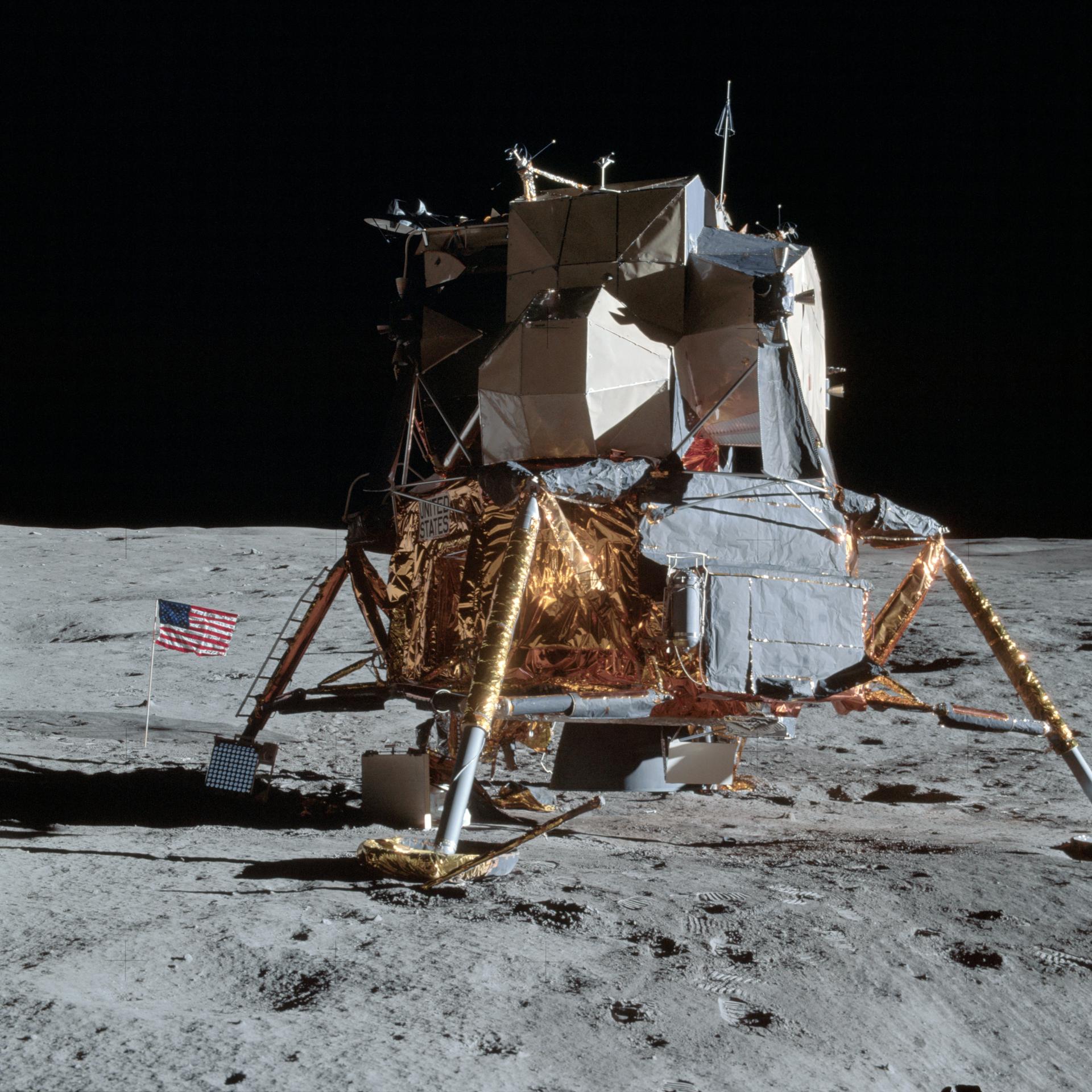
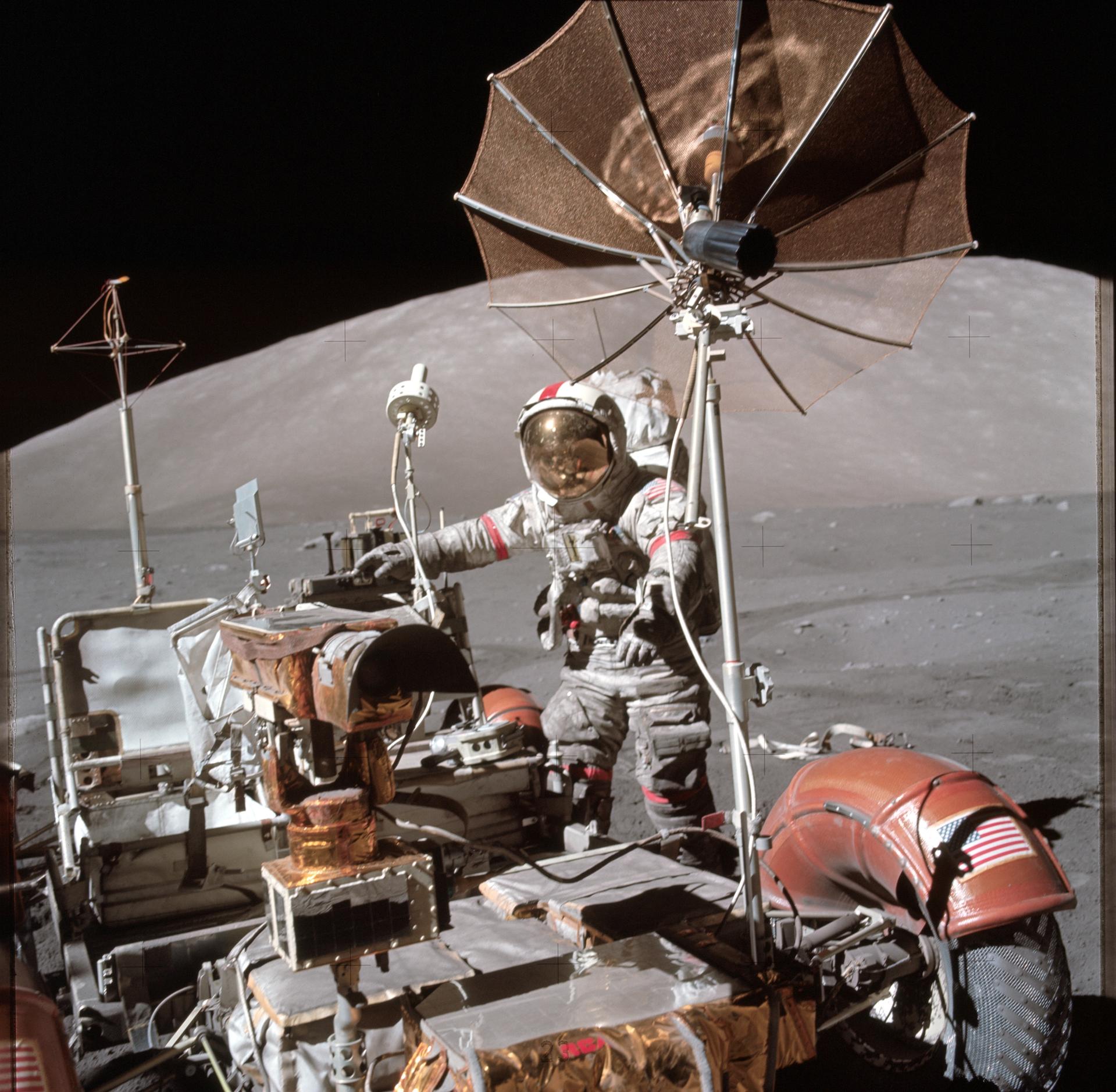
Shepard made his second space flight as spacecraft commander on Apollo 14, January 31 – February 9, 1971.
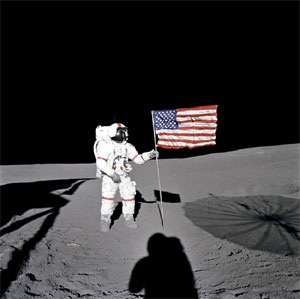
Shepard has logged a total of 216 hours and 57 minutes in space, of which 9 hours and 17 minutes were spent in lunar surface EVA.
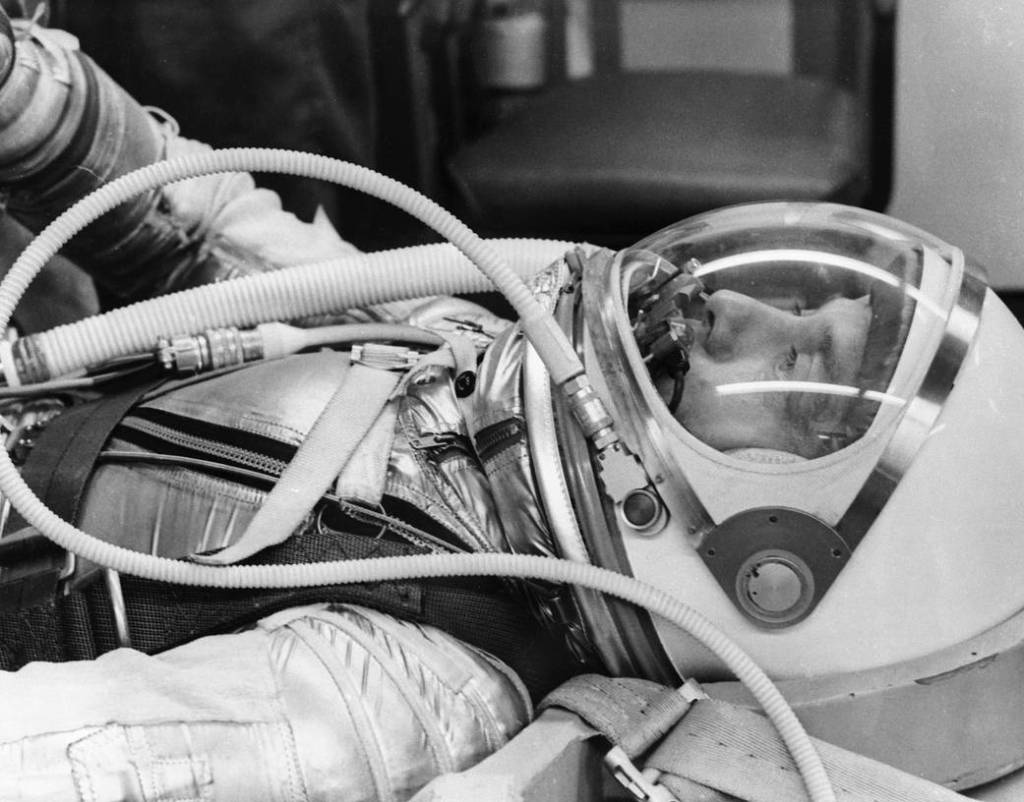
Shepard has been awarded two NASA Distinguished Service Medals.
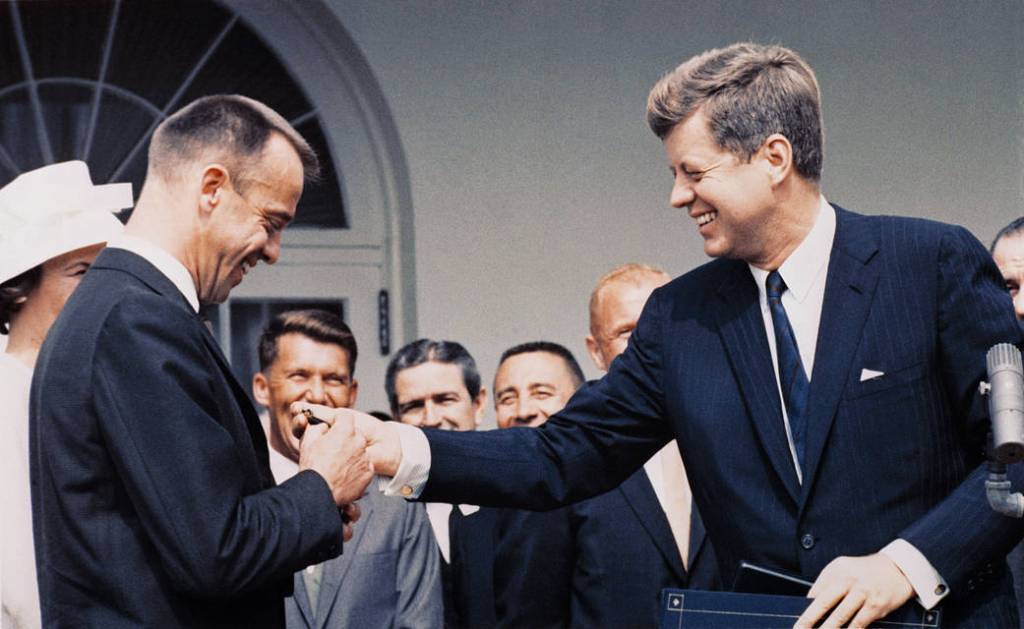


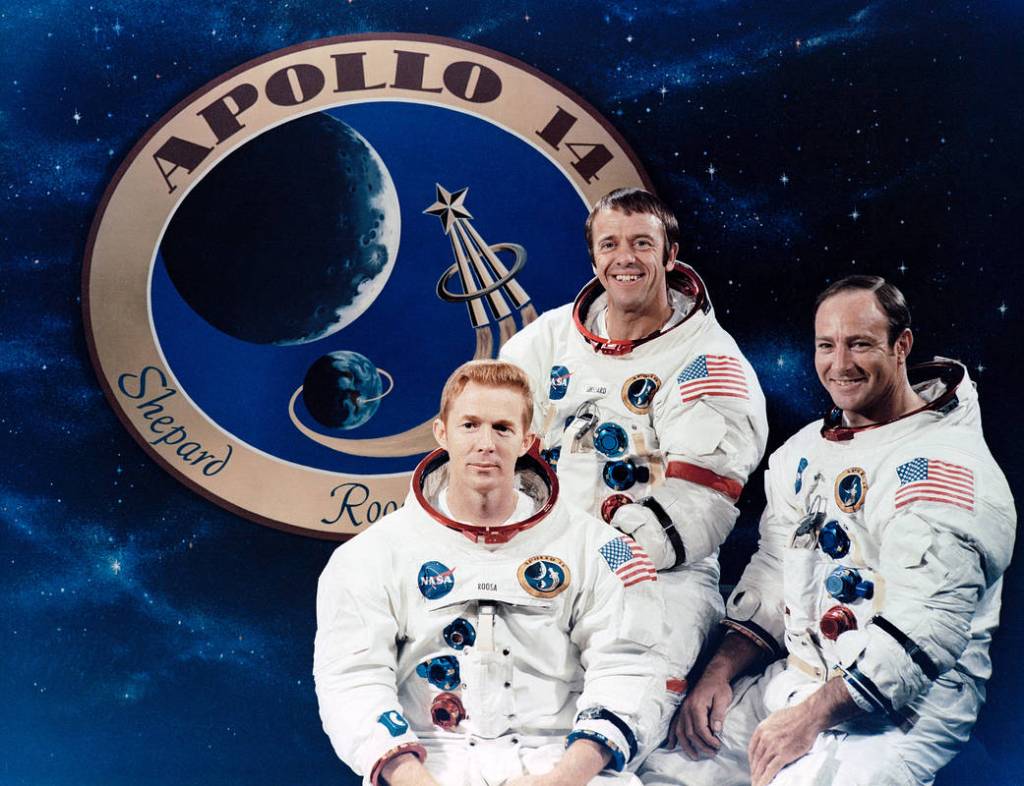
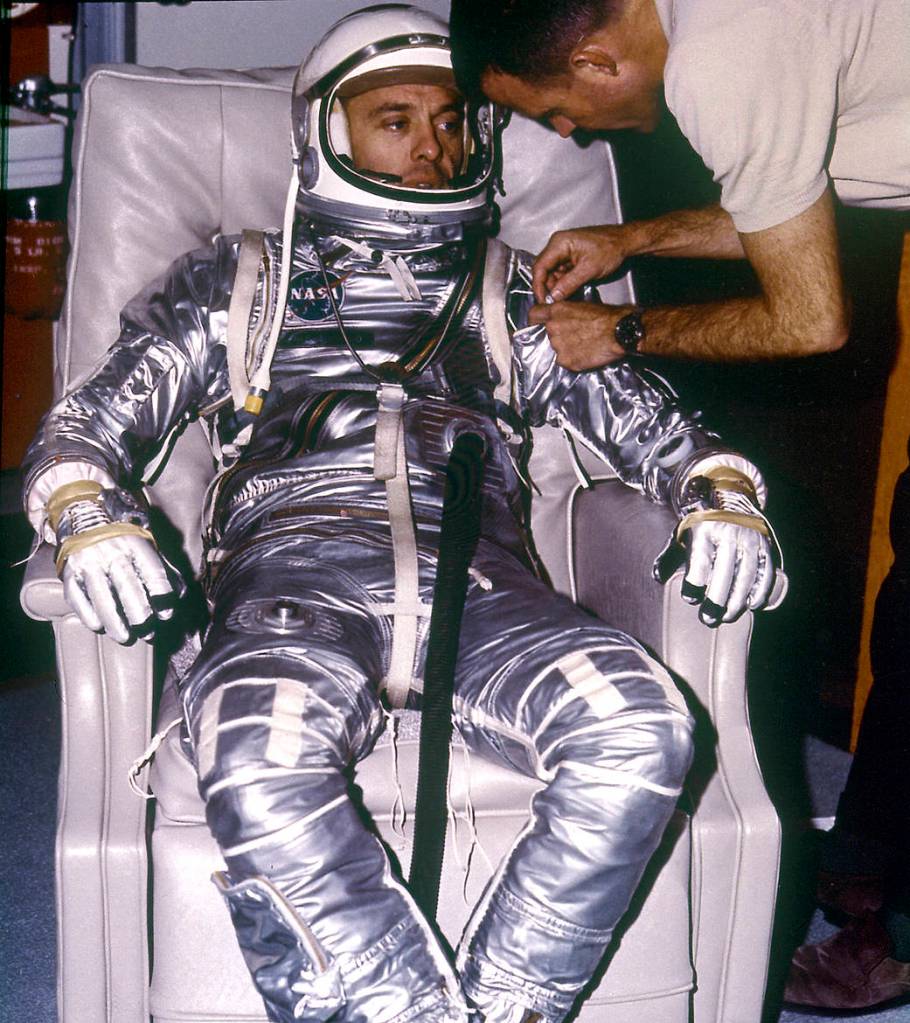
Biography
Alan B. Shepard, Jr.
Learn more about Astronaut Alan Shepard, including when he was selected by NASA to be an astronaut, his flight experience, education, background and more.
Learn More about Alan B. Shepard, Jr.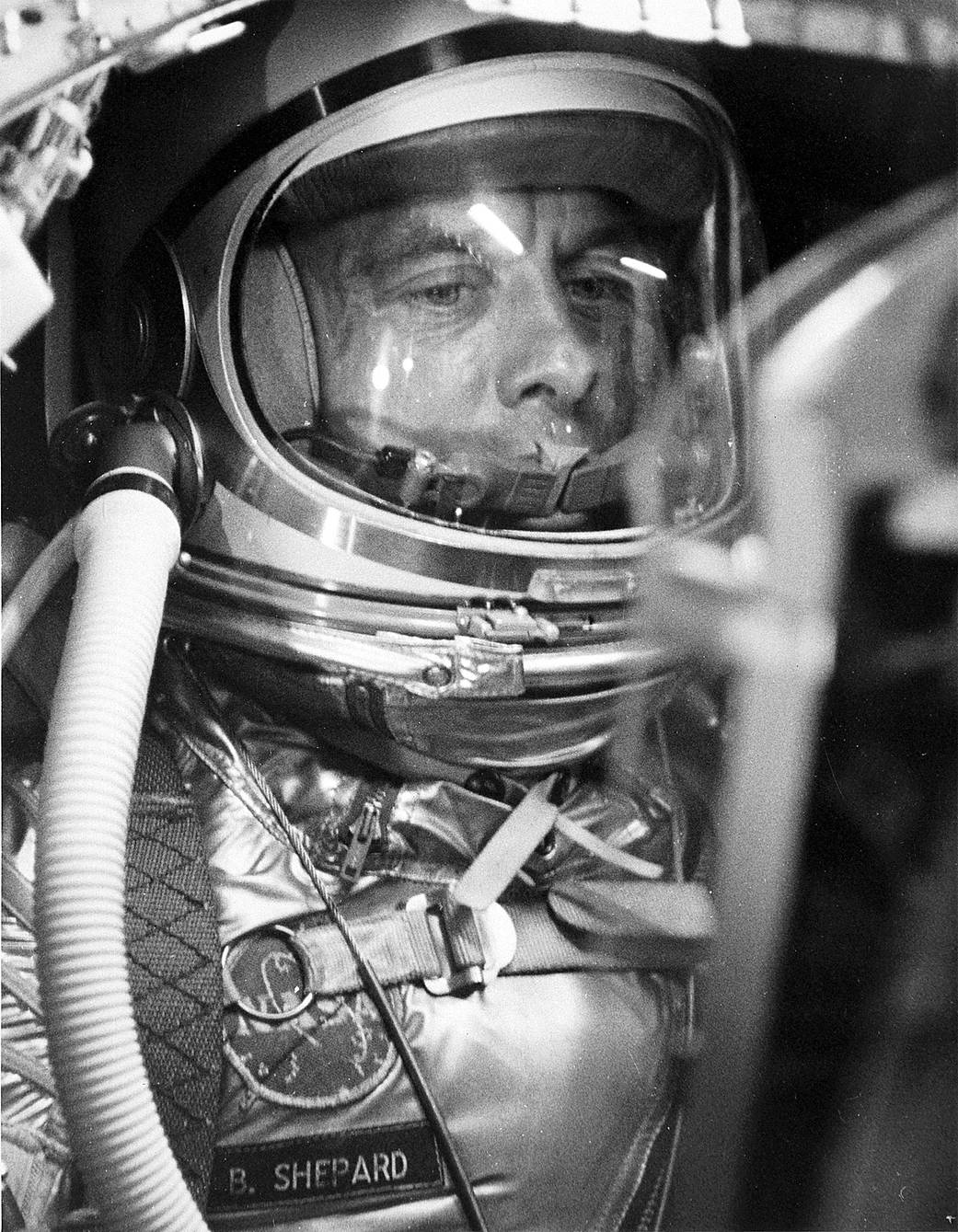
Mercury-Redstone 3: Freedom 7
The first U.S. human spaceflight on May 5, 1961, Mercury Redstone 3 was piloted by astronaut Alan Shepard. The main scientific objective of project Mercury was to determine man's capabilities…
Learn More About Mercury-Redstone 3: Freedom 7
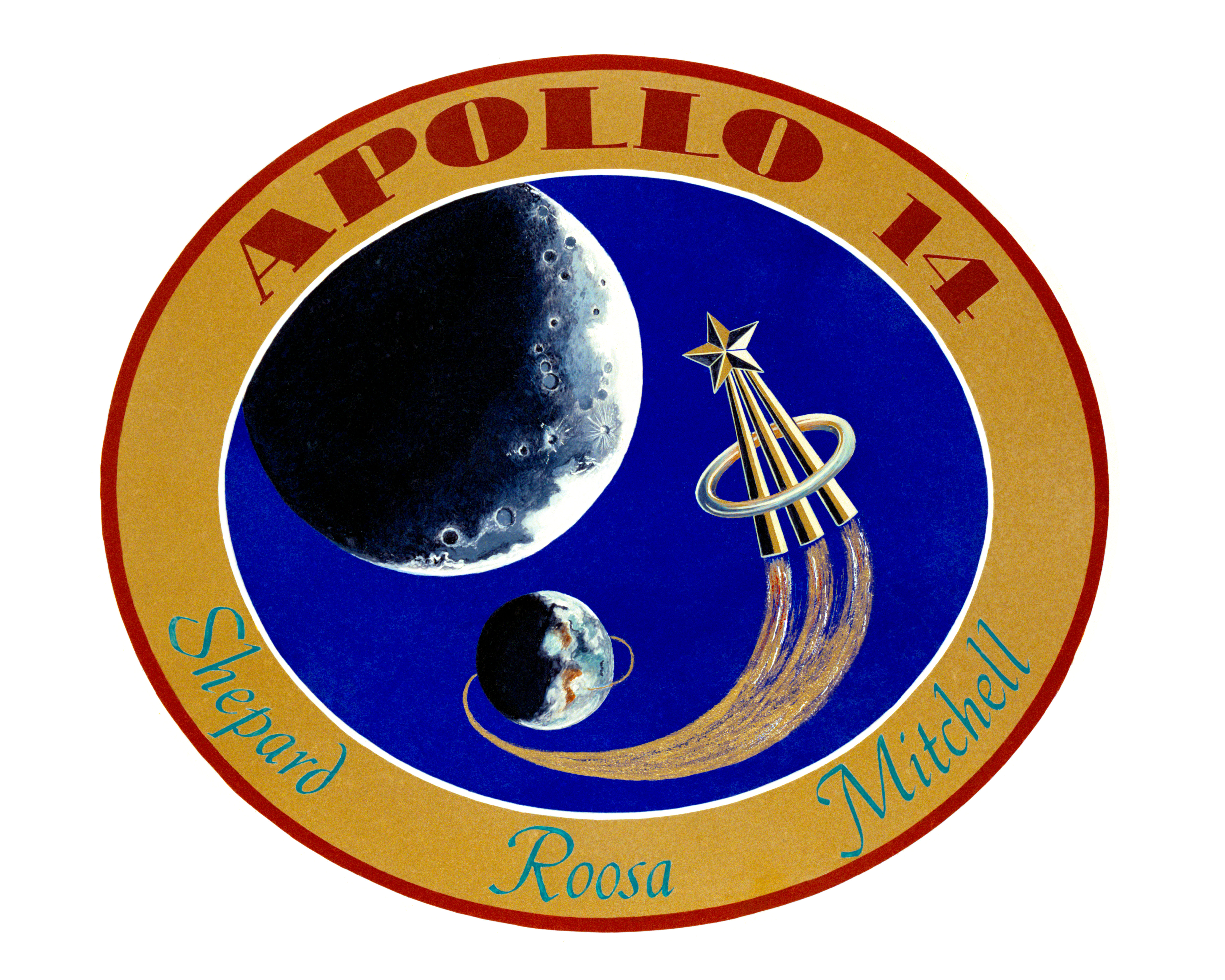
Apollo 14
The primary objectives of this mission were to explore the Fra Mauro region centered around deployment of the Apollo Lunar Surface Scientific Experiments Package, or ALSEP; lunar field geology investigations;…
Learn More About Apollo 14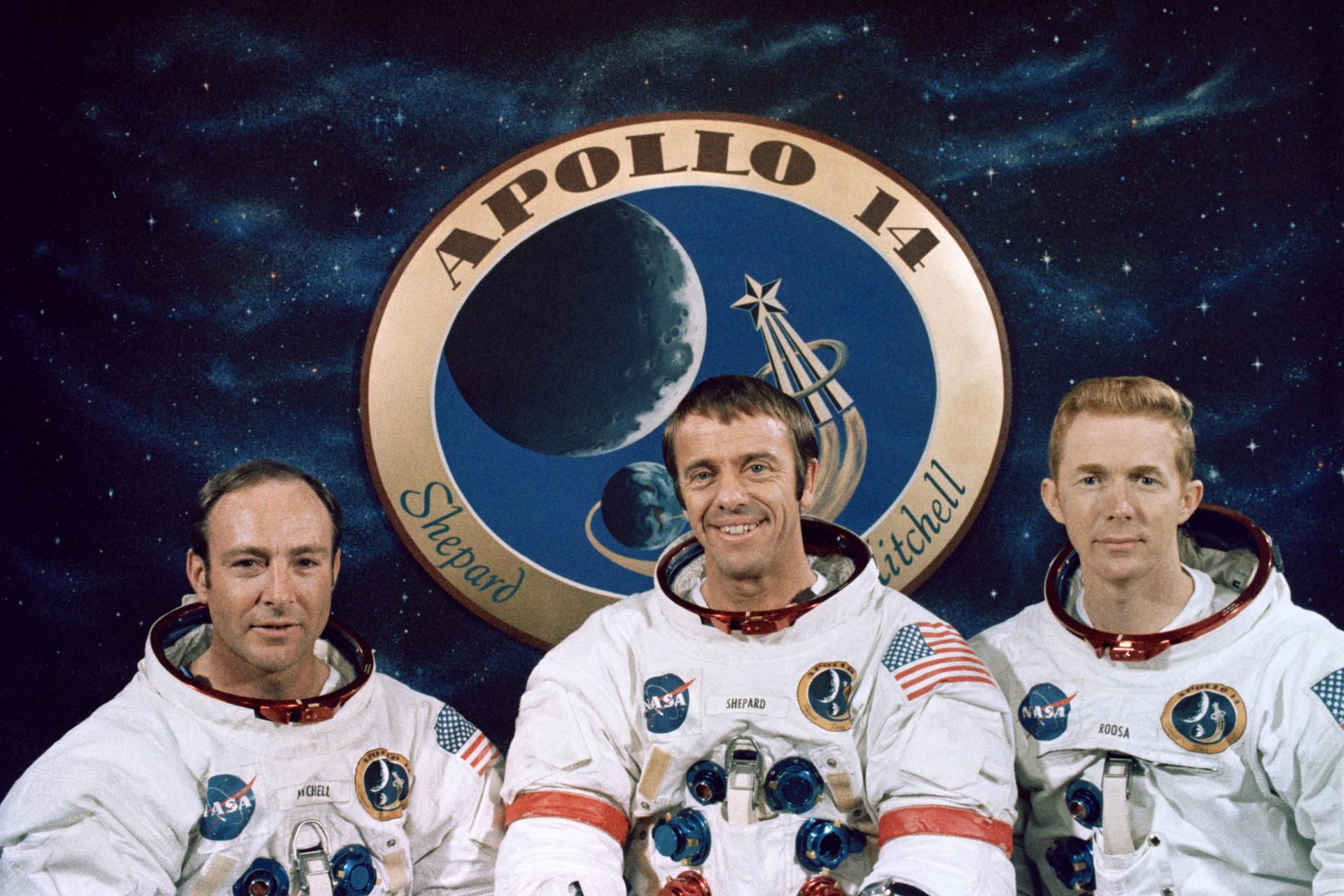
Oral History Interview
Read the transcript of the February 20, 1998, oral history interview conducted with Alan Shepard
More About Alan Shepard
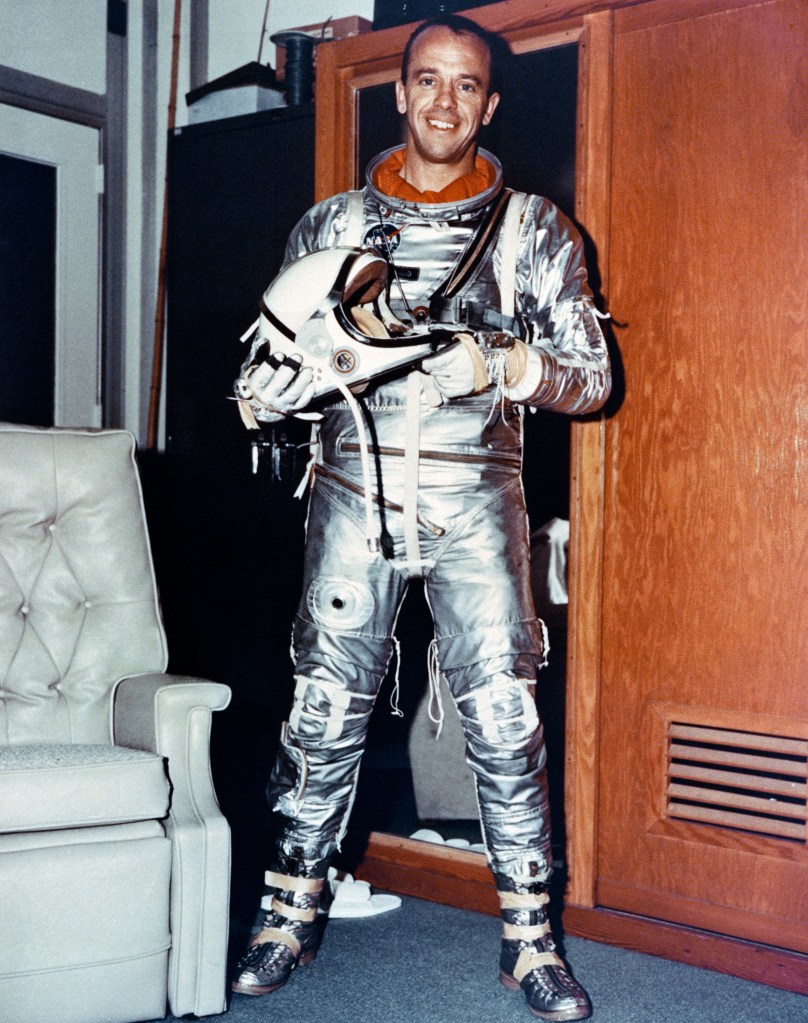
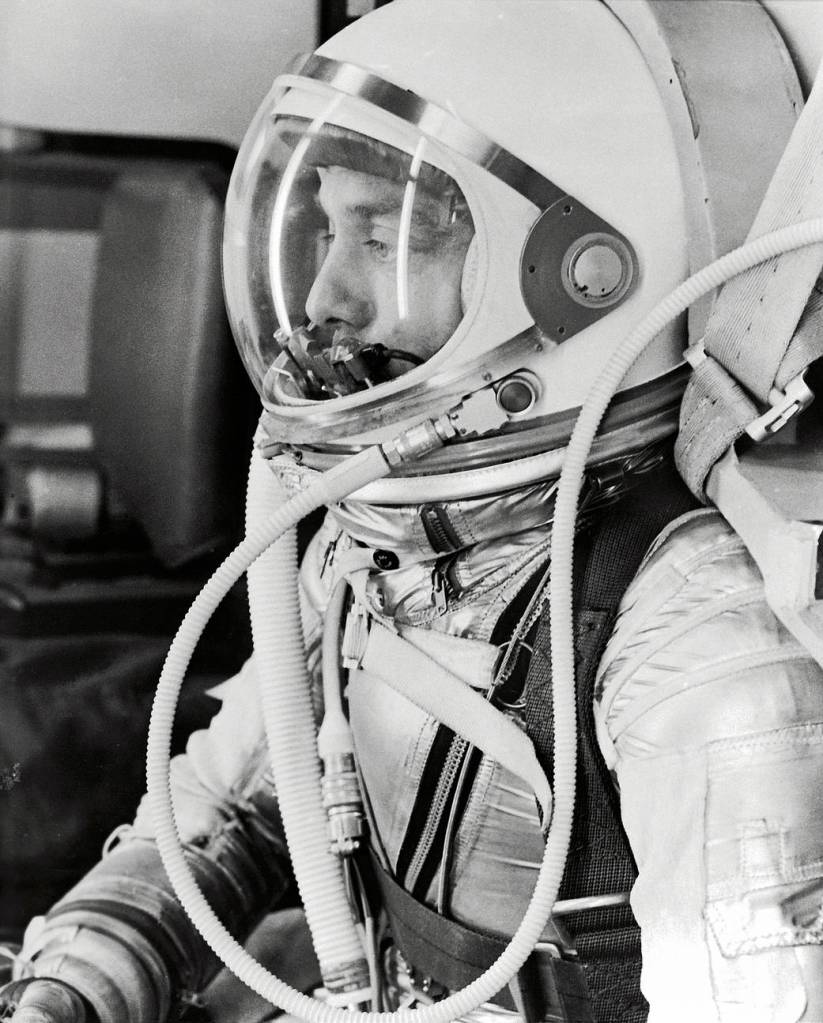
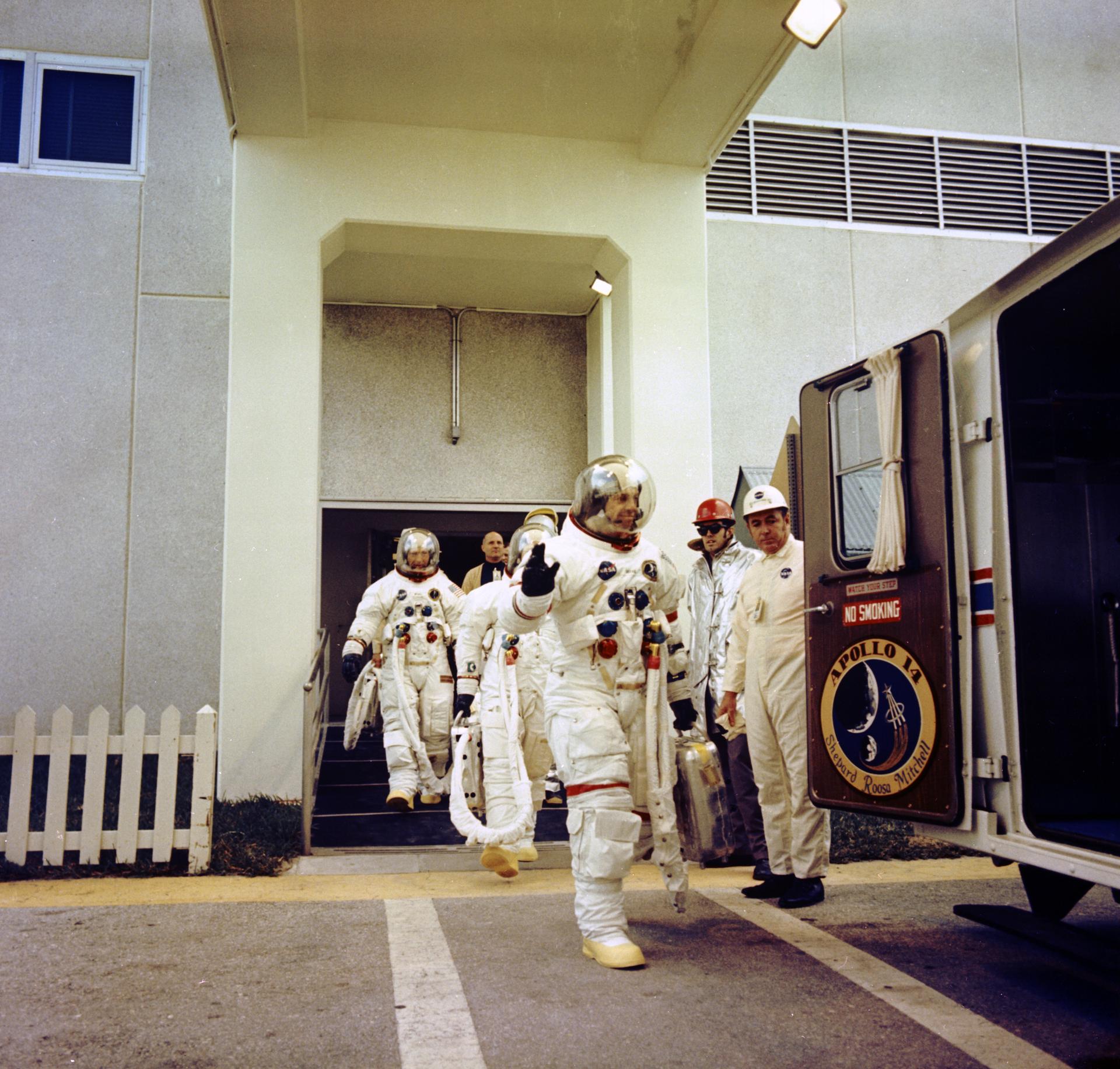
Alan Shephard
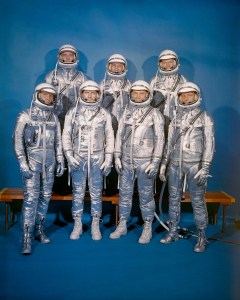
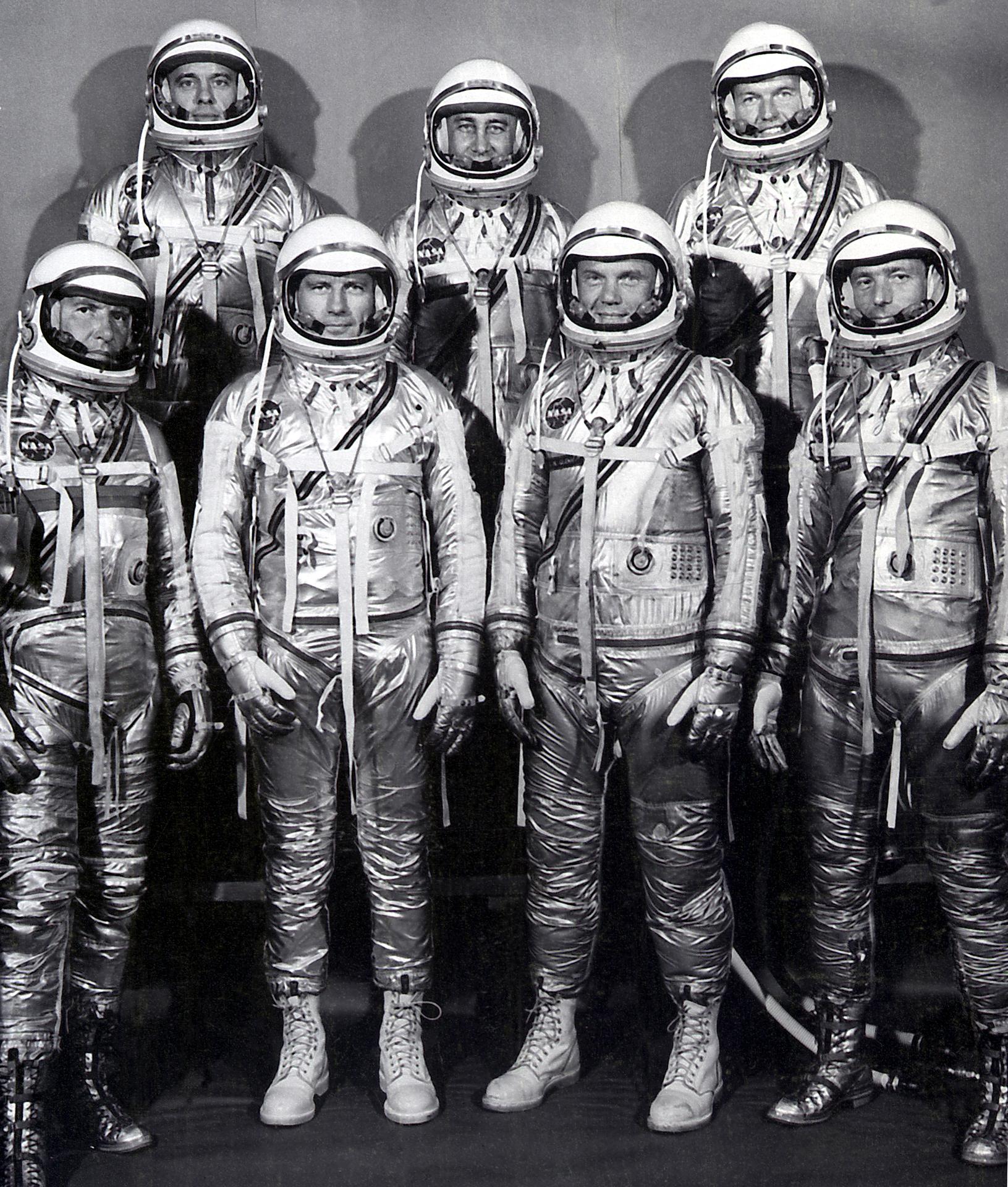
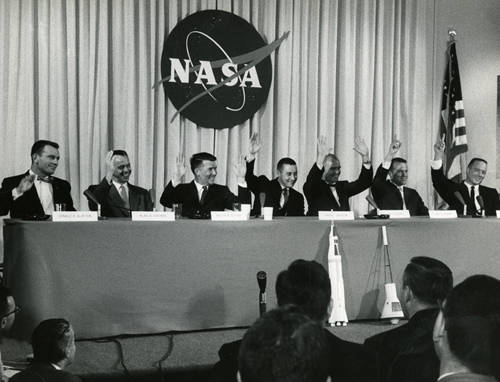
The Mercury Seven
On October 7, 1958, shortly after NASA opened for business, it announced its first major undertaking, Project Mercury. The objectives were threefold: to place a human spacecraft into orbital flight around Earth, observe human performance in such conditions, and recover the human and the spacecraft safely. In January 1959, the committee received and screened 508 service records of a group of talented test pilots, of which seven were ultimately chosen.
Learn More about The Mercury Seven