















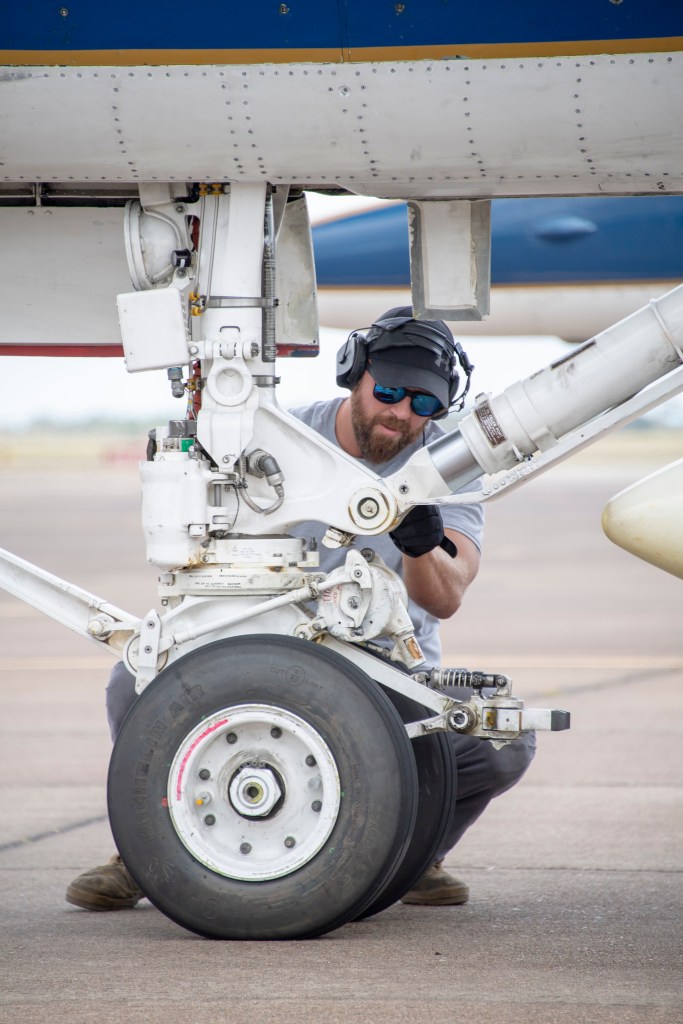








About Goddard
NASA’s Goddard Space Flight Center in Greenbelt, Maryland, is home to the nation’s largest organization of scientists, engineers and technologists who build spacecraft, instruments and new technology to study Earth, the sun, our solar system and the universe.
meet the Goddard Leadership

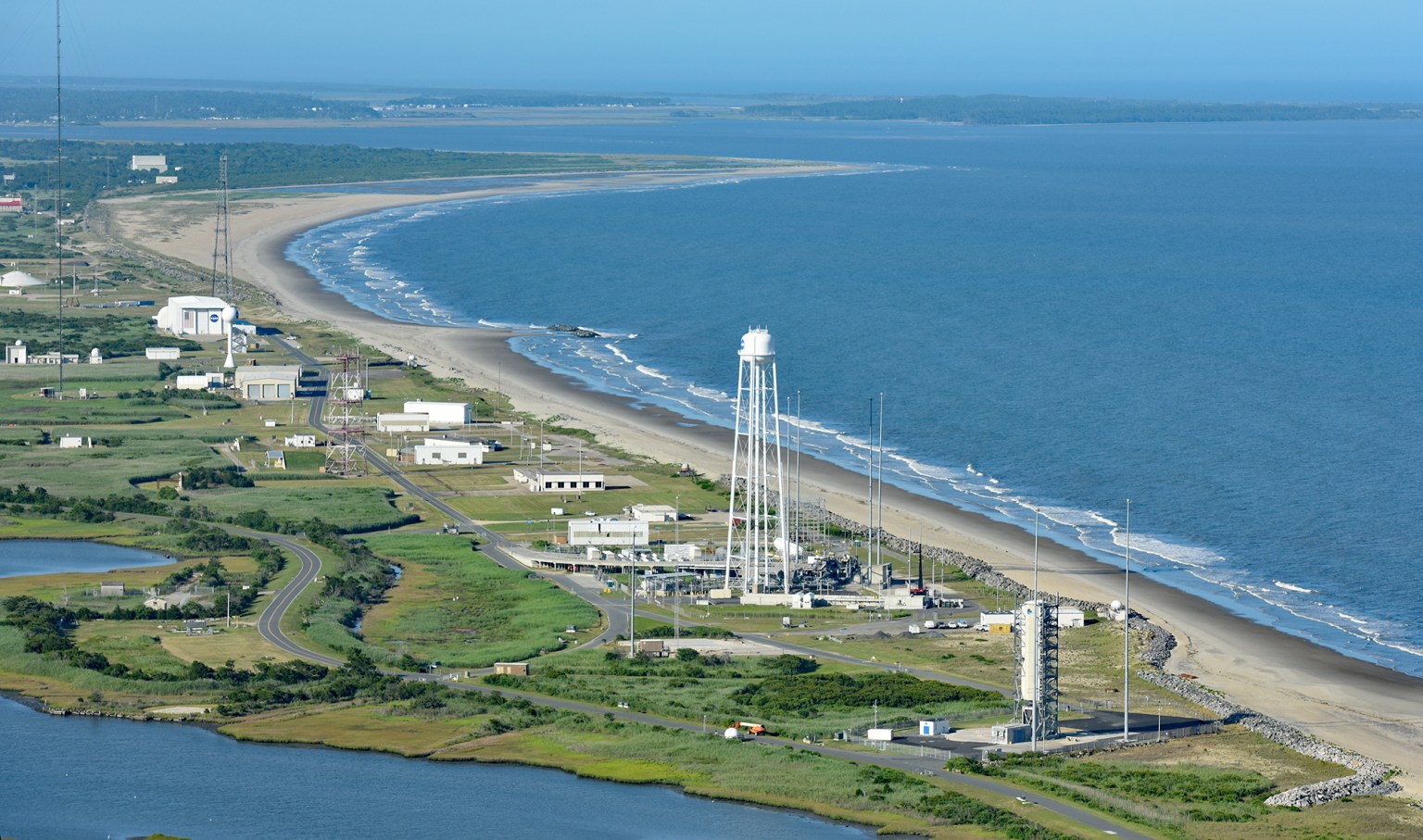
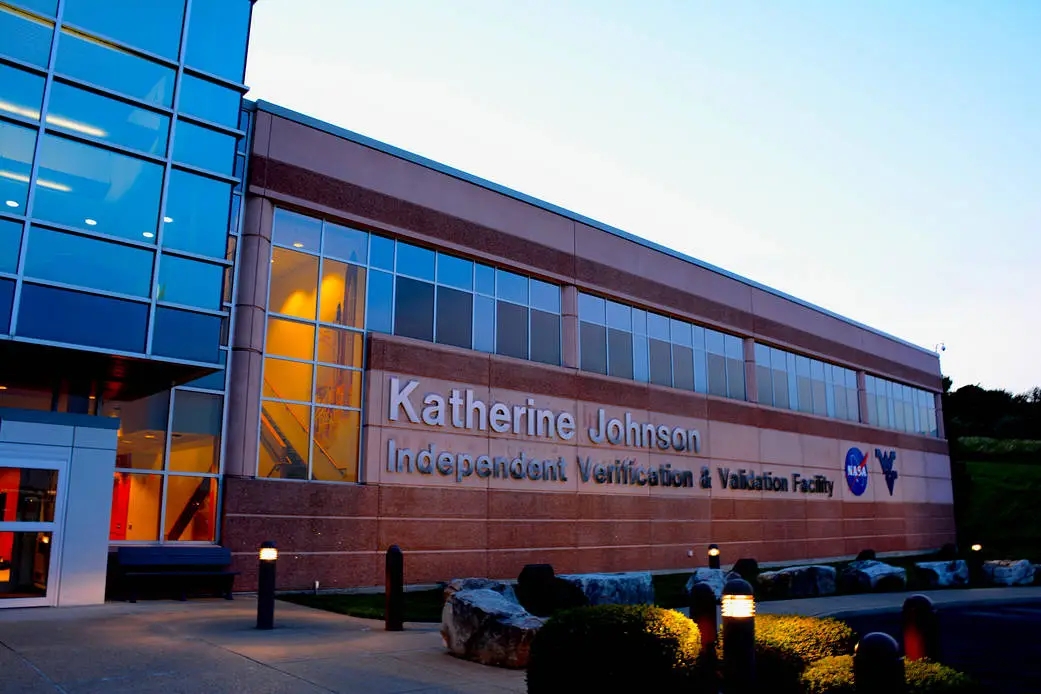
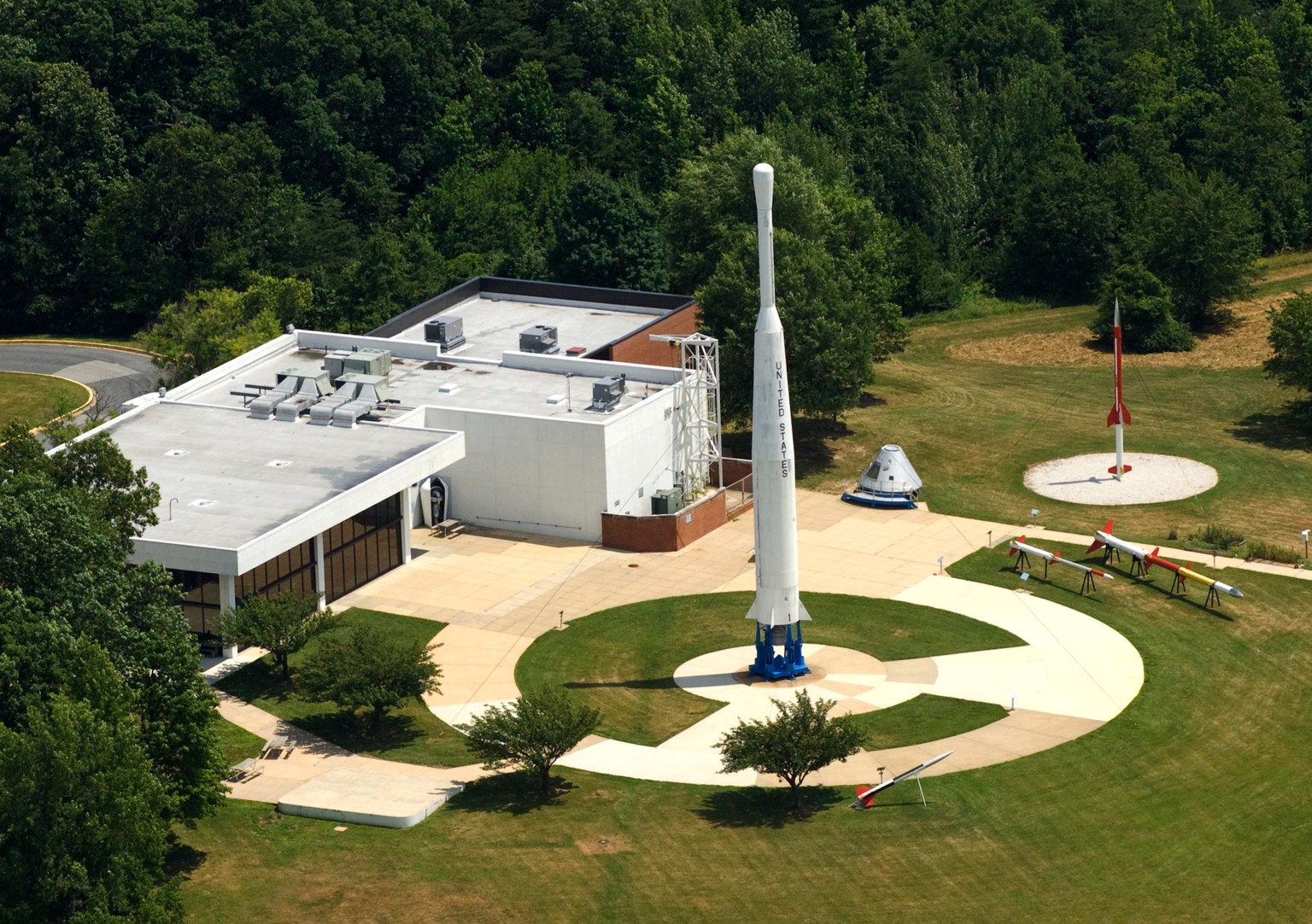
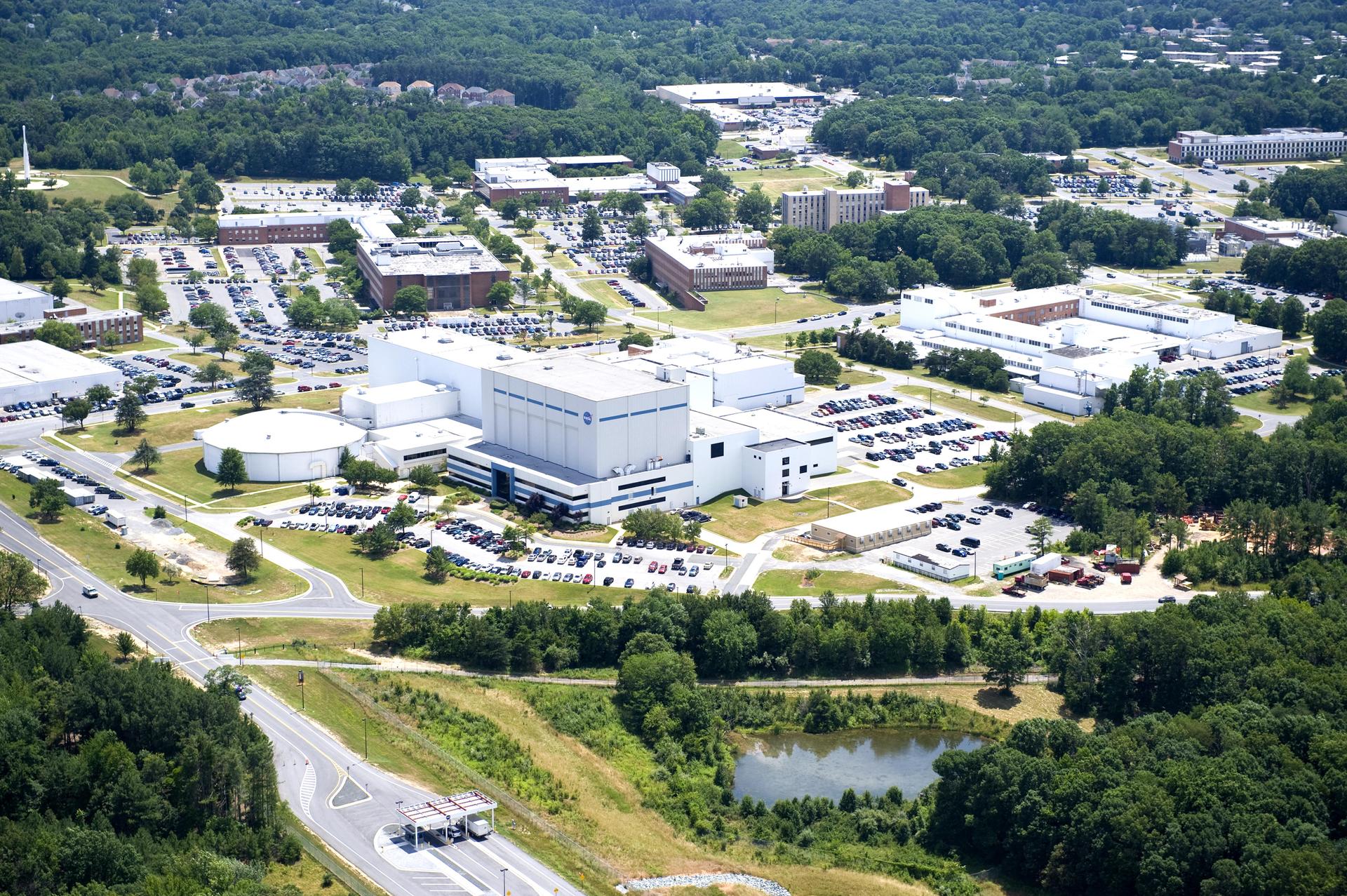
Just outside Washington, Goddard is home to Hubble operations and a proving ground for the recently launched James Webb Space Telescope. Goddard manages communications between mission control and orbiting astronauts aboard the International Space Station. Goddard scientists stare into the Sun, grind up meteorites for signs of life’s building blocks, look into the farthest reaches of space, and untangle the mysteries of our own changing world. Goddard engineers construct sensitive instruments, build telescopes that peer into the cosmos, and operate the test chambers that ensure those satellites’ survival. Named for American rocketry pioneer Dr. Robert H. Goddard, the center was established May 1, 1959, as NASA’s first space flight complex. Goddard and its several installations are critical in carrying out NASA’s missions of space exploration and scientific discovery.
Quick Facts
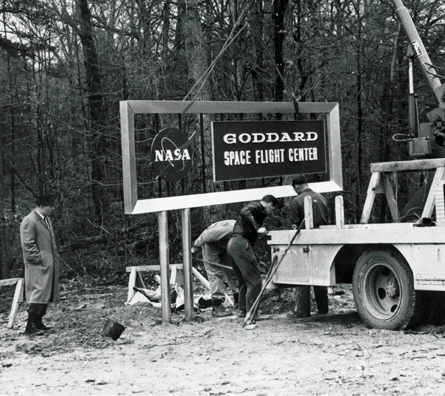
Chartered May 1, 1959, NASA’s Goddard Space Flight Center is NASA’s first space flight complex.
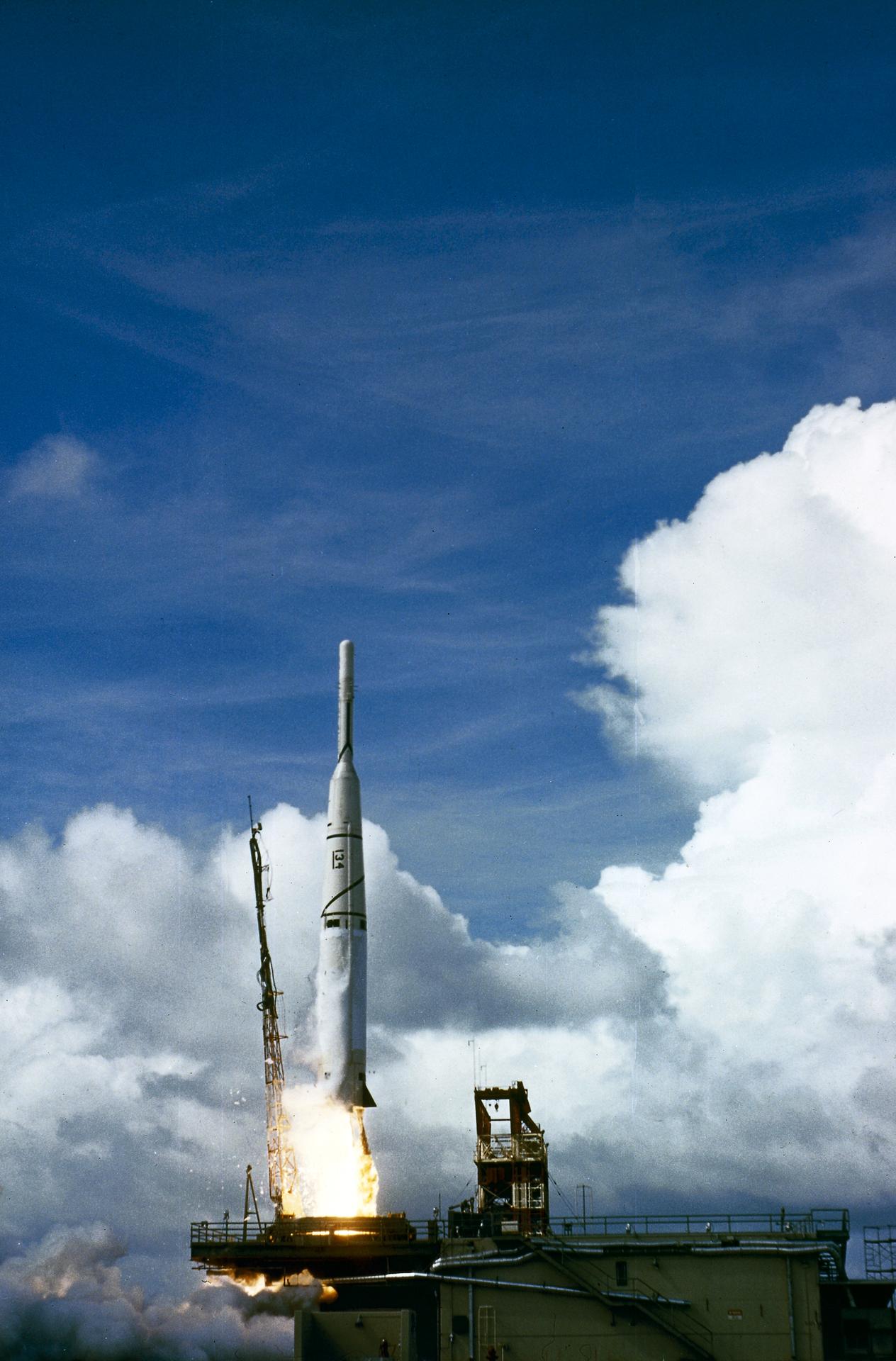
Explorer 6, launched Aug. 7, 1959, from Cape Canaveral, was the first scientific satellite under Goddard’s project direction.
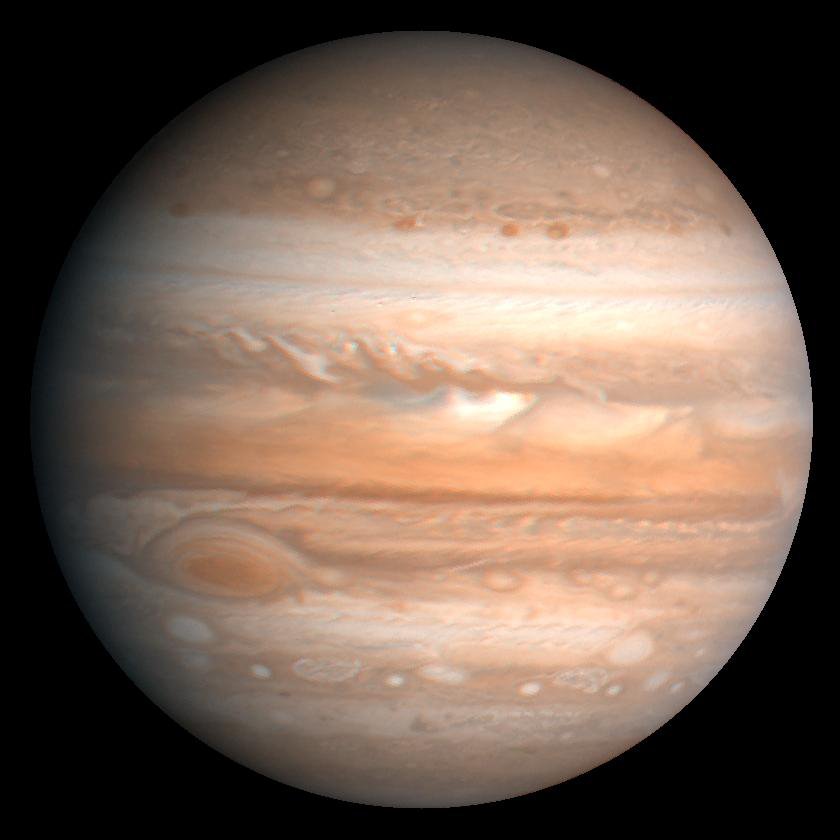
Instruments from Goddard have traveled to every planet in the solar system.
Queen Elizabeth II and her husband, Prince Philip, Duke of Edinburgh, visited Goddard in May 2007.

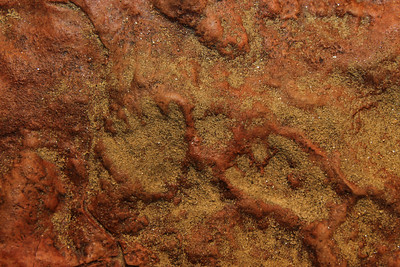
Fossils found in 2012 at Goddard’s Maryland campus included dinosaur and mammal tracks from 100 million years ago.
Learn more about NASA’s Goddard Space Flight Center
Media Resources
Staff in Goddard's Office of Communications maintain this website on behalf of the center.
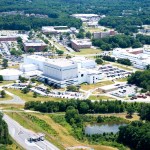
Goddard's Master Plan
The master plan will serve as an essential element in developing a blueprint for Goddard’s future. It will inform decisions for facility and infrastructure improvements to support staff, functions and operations for future Goddard and NASA missions.
Goddard Annual Reports
Highlights and accomplishments from Goddard over the years.
FOIA Requests
Enacted in 1966, the Freedom of Information Act (FOIA) provides that any person has a right, enforceable in court, to obtain access to federal agency records, except to the extent that such records (or portions of them) are protected from public disclosure by one of nine exemptions or by one of three special law enforcement record exclusions.
History
Dr. Robert Goddard
Named for American rocketry pioneer Dr. Robert H. Goddard, the center was established May 1, 1959, as NASA's first space flight complex.
Dr. Robert Hutchings Goddard (1882-1945) is considered the father of modern rocket propulsion. A physicist of great insight, Goddard also had a unique genius for invention. It is in memory of this brilliant scientist that NASA established the Goddard Space Flight Center.
Learn More about Dr. Robert Goddard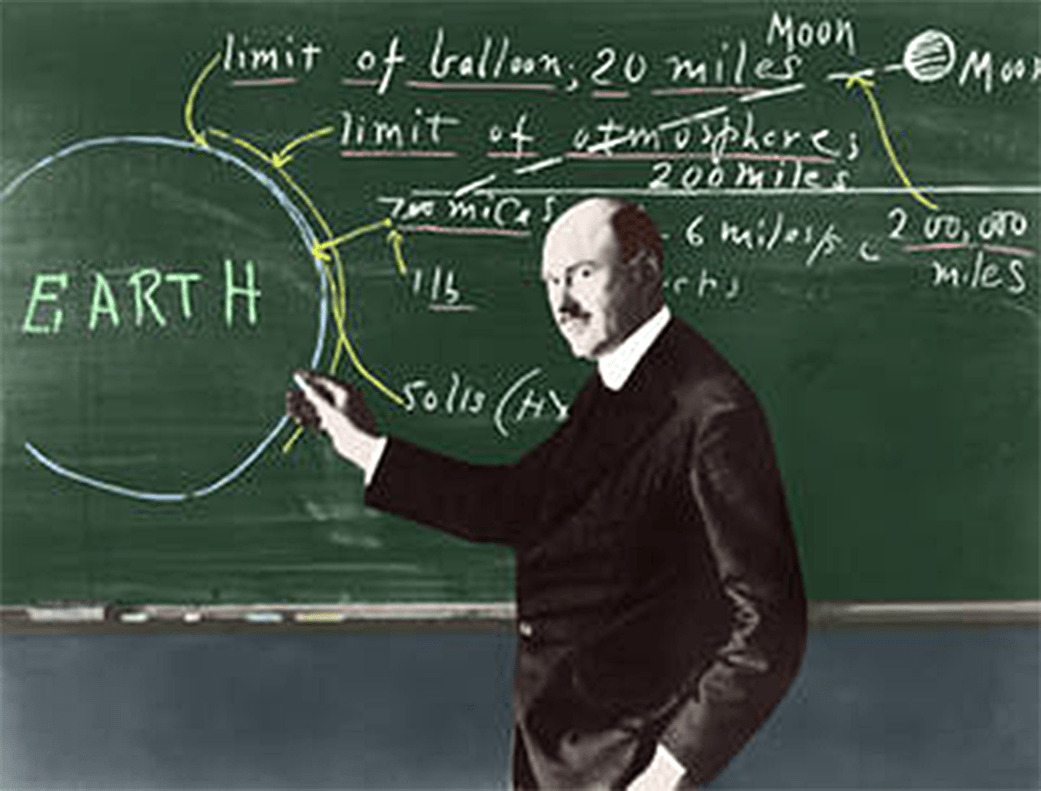
Goddard Directorates
Safety and Mission Assurance
Goddard's Safety and Mission Assurance Directorate's (Code 300) mission is to reduce the risk of exploring Earth and space to achieve 100% mission success.
Flight Projects
Flight Projects Directorate (Code 400) is responsible for overall management and implementation of the flight projects at Goddard Space Flight Center.
Engineering and Technology
Goddard's Engineering and Technology Directorate (ETD) (Code 500): Where engineering and science partner to build the systems of tomorrow, today.
Science and Exploration
Goddard’s Sciences and Exploration Directorate (Code 600) is the largest Earth and space science research organization in the world.
Explore Goddard

Spacecraft Test Facilities
Goddard is home to different facilities used to test spacecraft and instrumentation in environments that simulate conditions that the spacecraft may be exposed to during launch operations and while in space.
Chief Information Officer
The Goddard chief information officer is the chief adviser to the Goddard center director for IT strategy, planning and IT service provisioning.

Medical and Environmental
The Goddard Medical and Environmental Management Division (MEMD) (Code 250)
Chief Technologist
Goddard’s Office of the Chief Technologist supports advanced technology research and development to enable NASA’s mission.
NASA’s Exploration & In-space Services (NExIS)
NExIS develops groundbreaking technologies to service spacecraft and pioneer in-space assembly and manufacturing.
Goddard Mission Services Evolution Center
The Goddard Mission Services Evolution Center (GMSEC) is a subdivision of Code 580 at GSFC/NASA, responsible for the creation and development of the GMSEC suite of software components.
Sustainability
Sustainability at Goddard (Code 220)
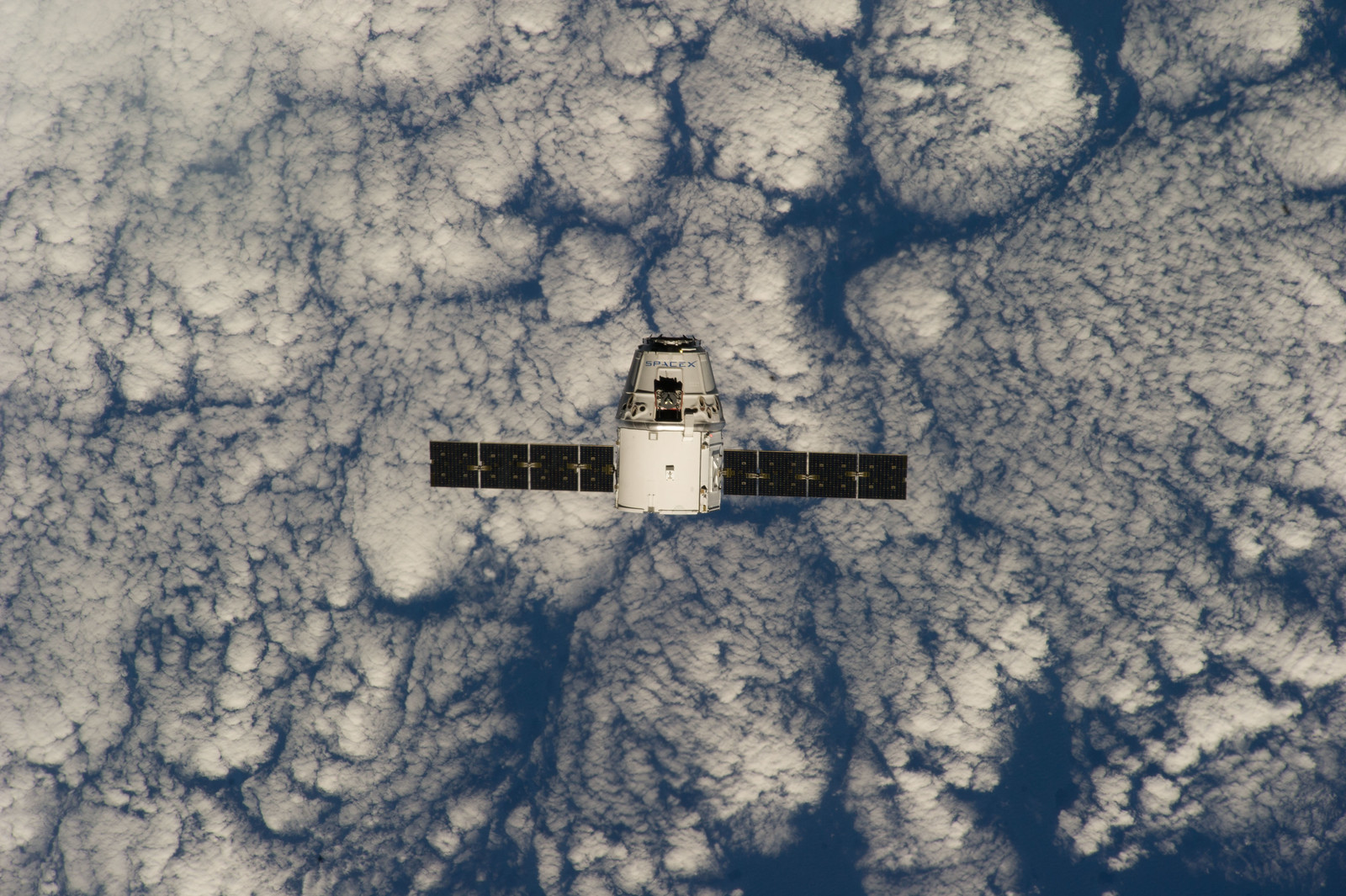
Procurement
Providing Goddard/Headquarters-specific procurement information to the business community.