























NACA and NASA History
Discover Our Past
Whether just getting the basics or diving into your research, we invite you to connect with our ever-expanding collection of mission profiles, biographies, articles, e-books, chronologies, and source documents spanning the history of the NACA and NASA.
Human Spaceflight History
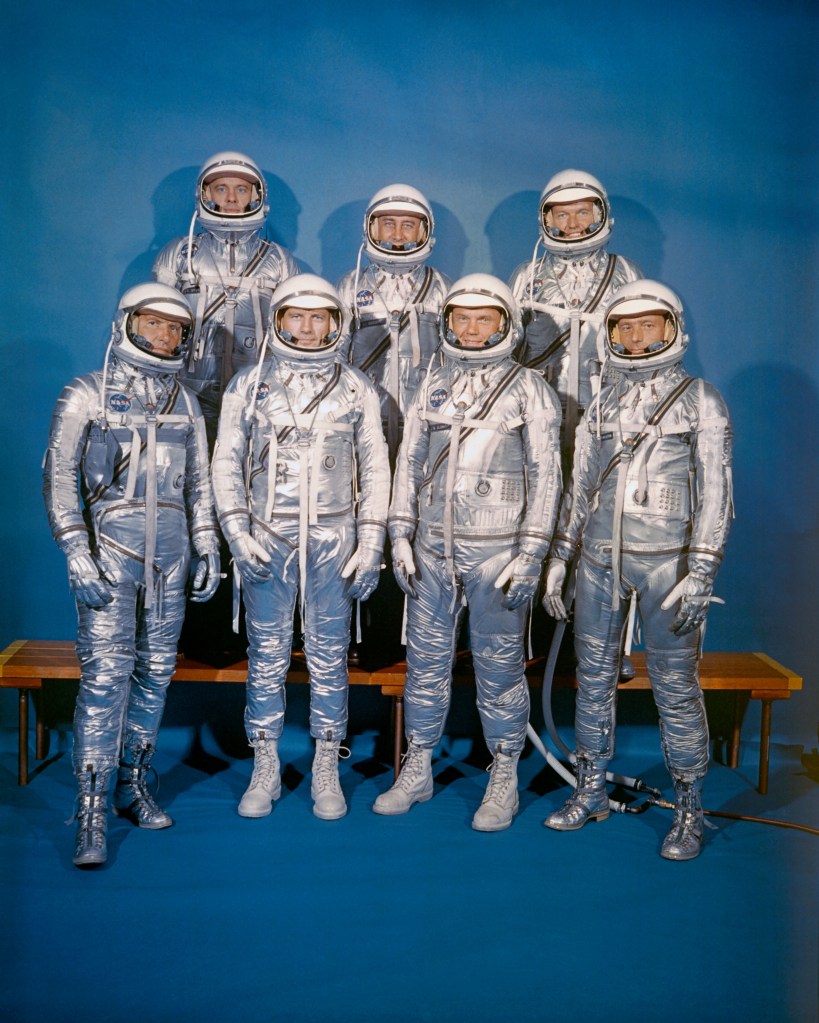
Project Mercury
Learn about NASA's first class of astronauts announced in 1959, and their pioneering missions to space.
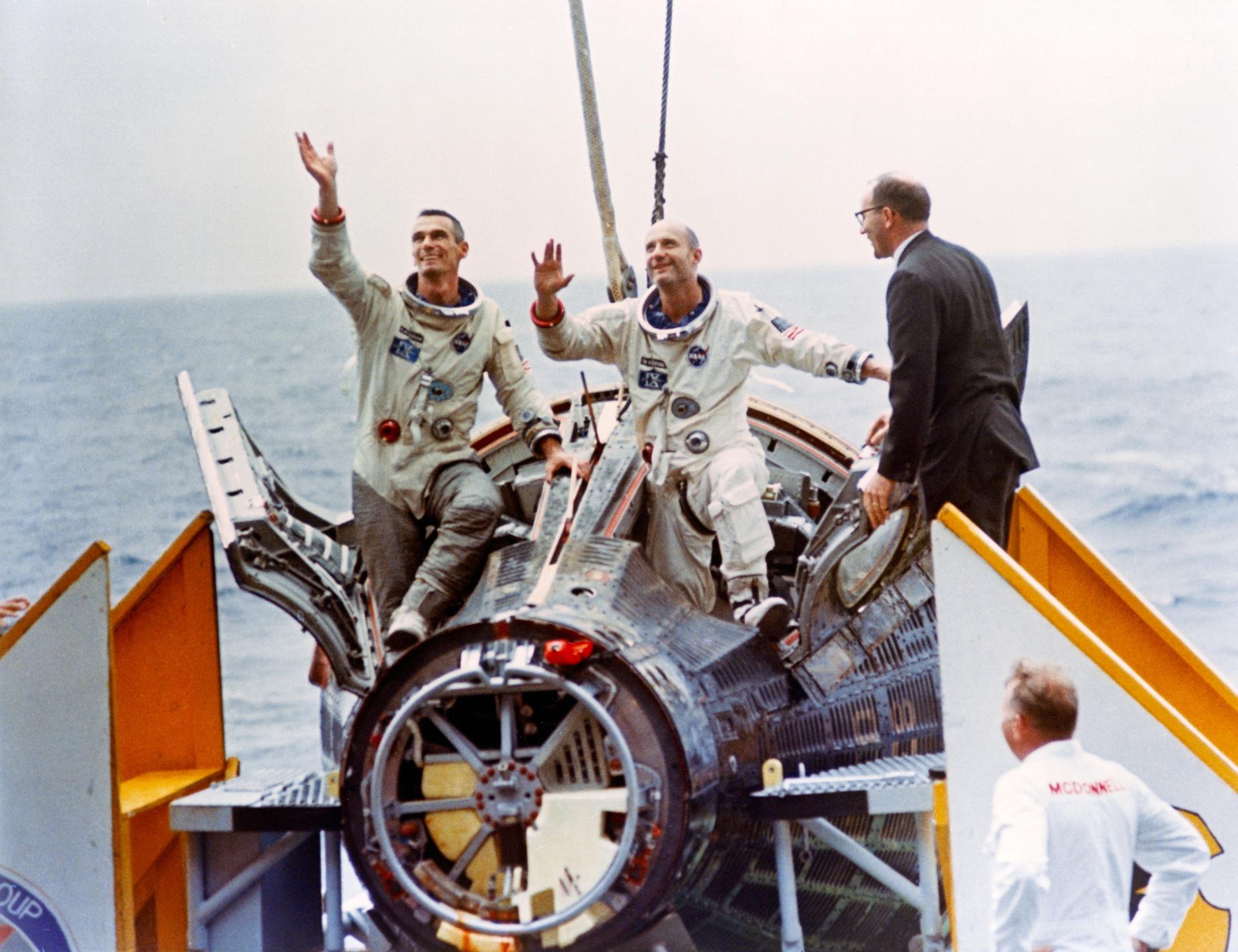
Project Gemini
NASA's second human spaceflight program, Project Gemini missions spanned the years from 1961 to 1966, paving the way for landing humans on the Moon.

The Apollo Program
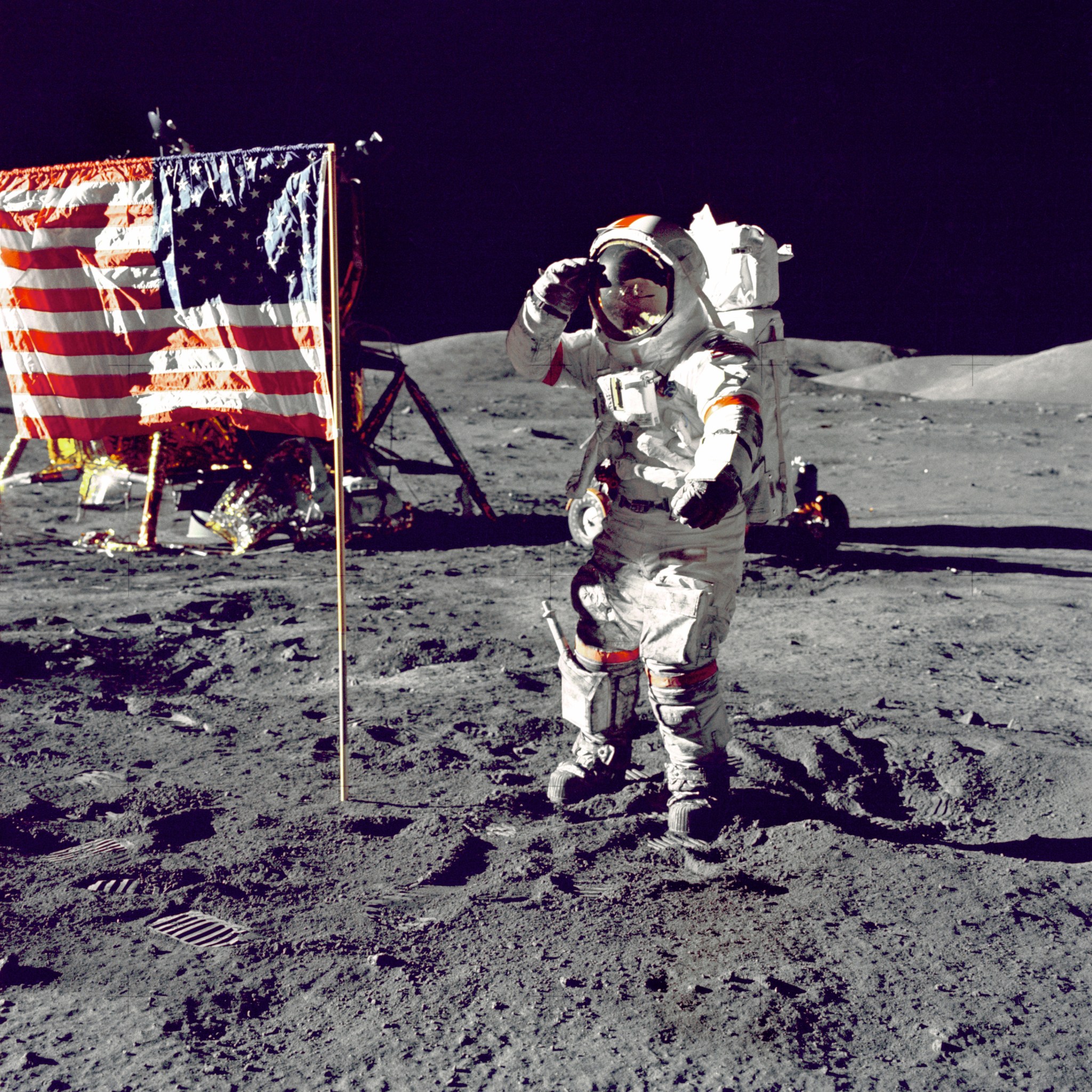
NASA astronauts made humanity's first crewed lunar landing in July 1969 for Apollo 11 and made five more Moon landings over the next three years.
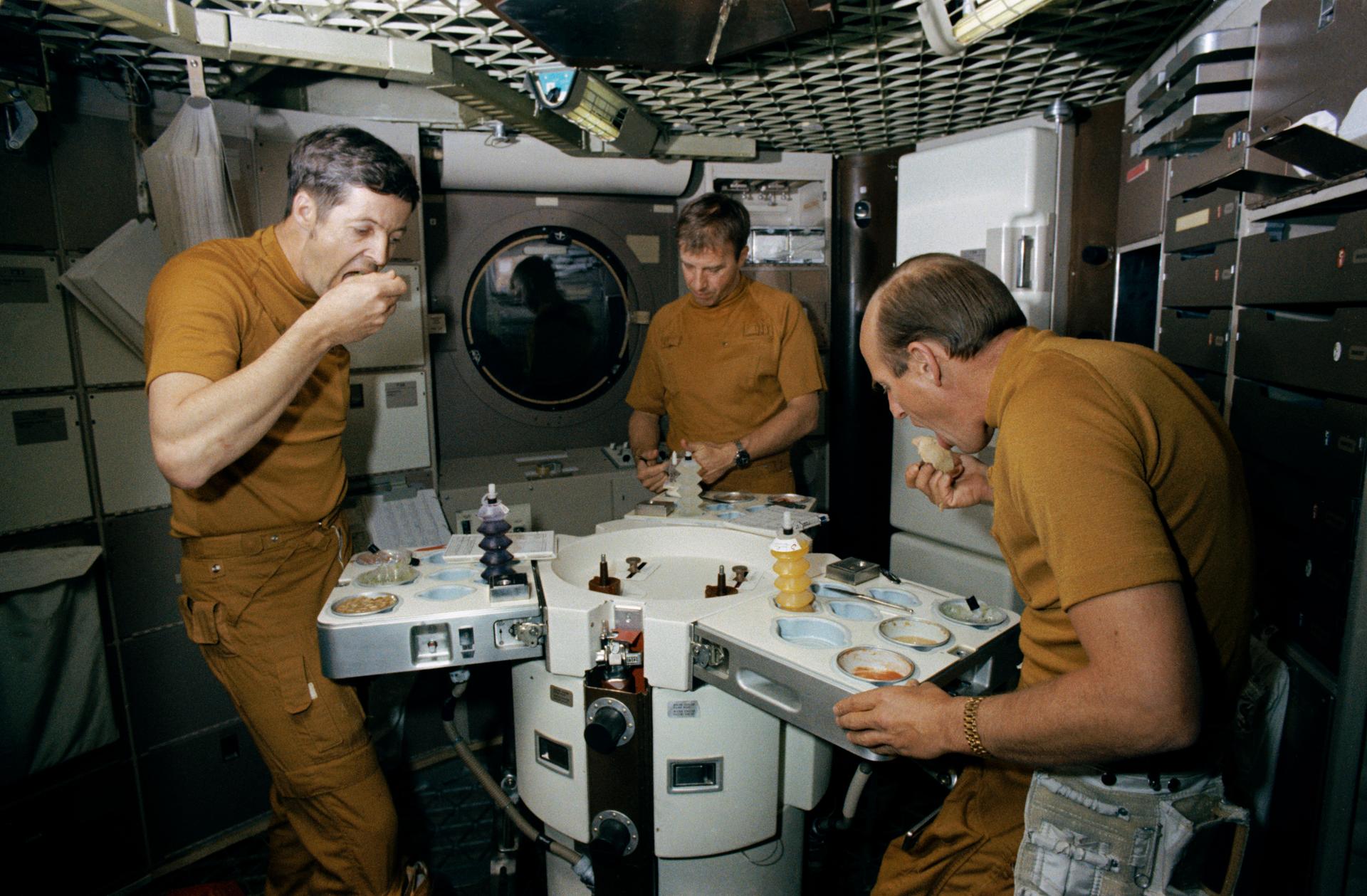
Skylab
Launched in 1973, America's first space station was visited by three crews and made leaps in space science.
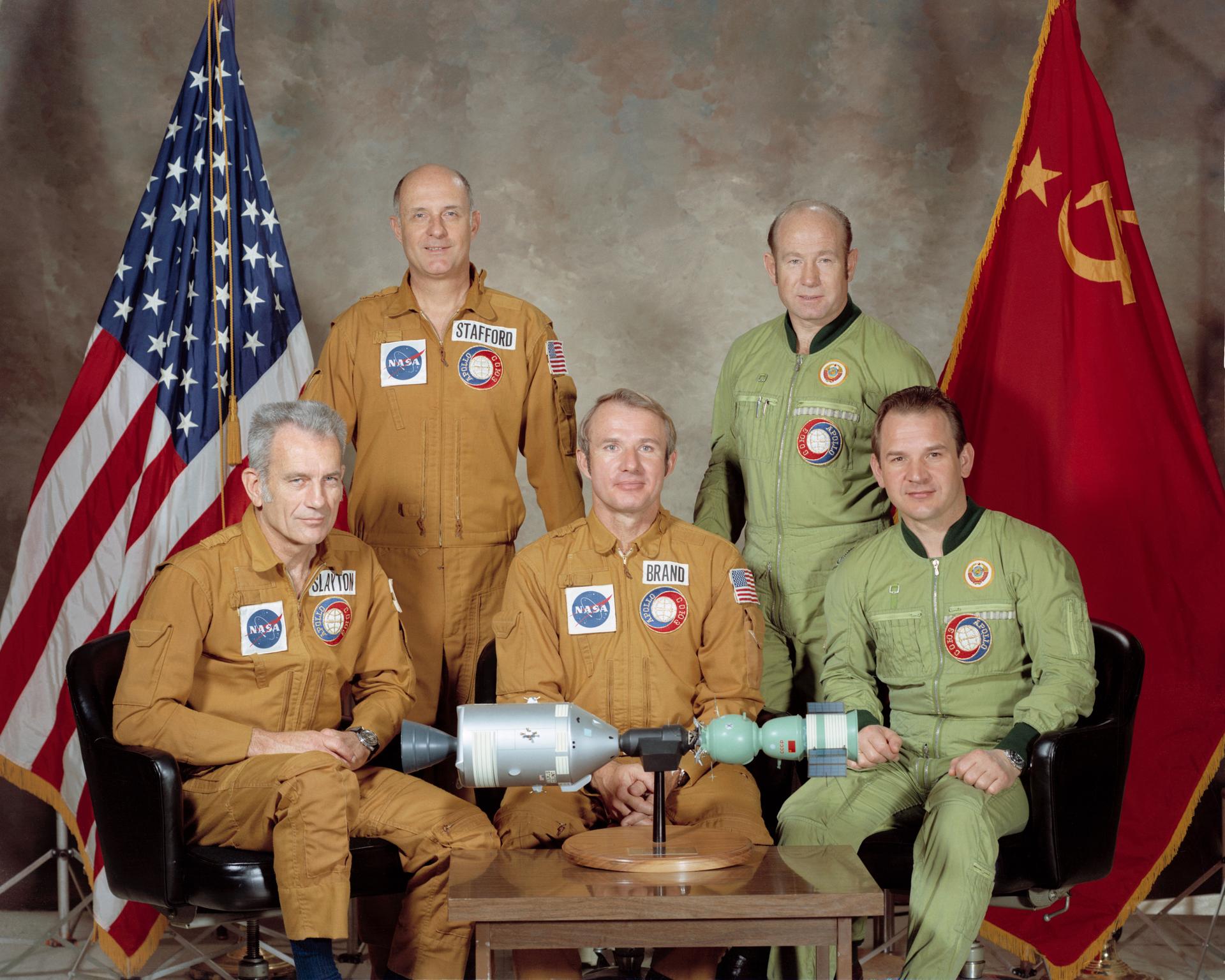
Apollo-Soyuz Test Project
On July 15, 1975, an Apollo spacecraft launched carrying a crew of three and docked two days later with a Soyuz spacecraft and its crew of two.
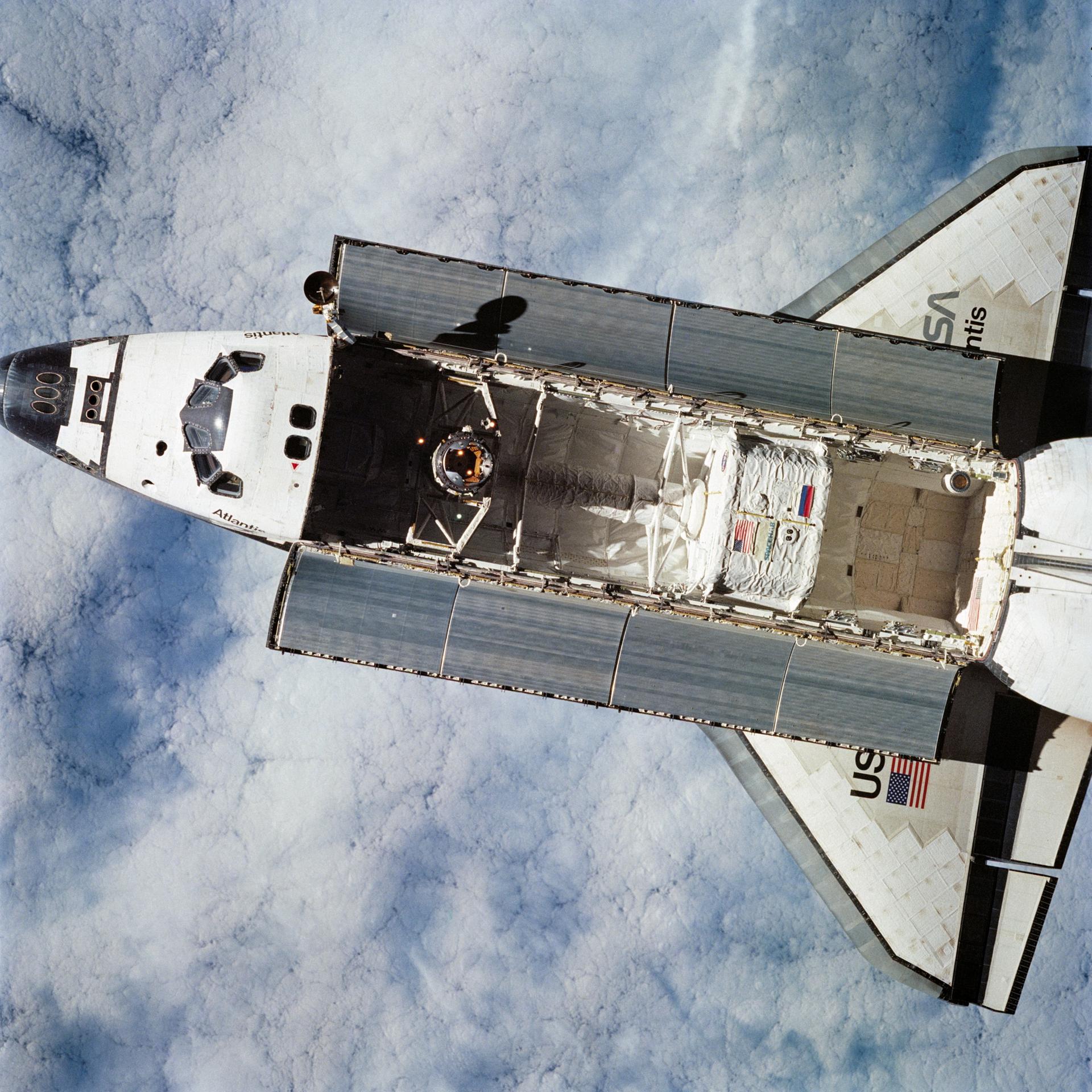
The Space Shuttle Program
From 1981 to 2011, 135 missions with the reusable shuttle vehicles were carried out to perform research and deliver crew and cargo to and from low-Earth orbit.
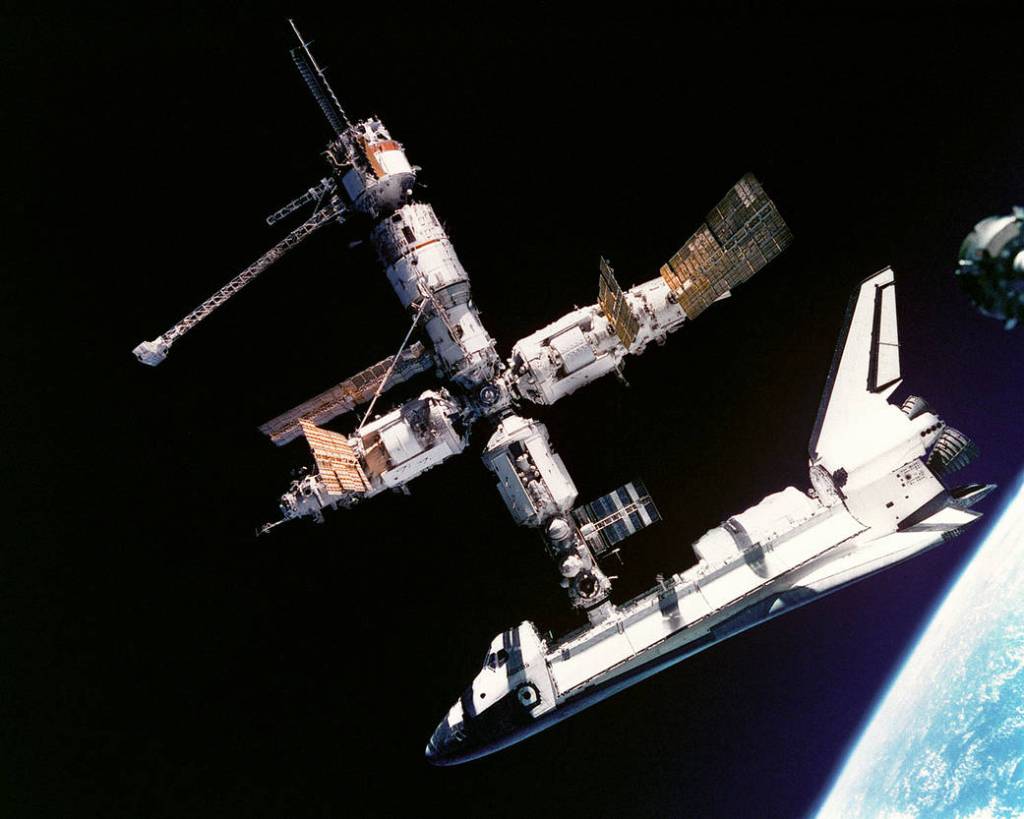
Shuttle-Mir Program
From early 1994 into 1998, the Shuttle-Mir Program prepared the way for the International Space Station and began an era of cooperation and exploration, rarely seen in human history.
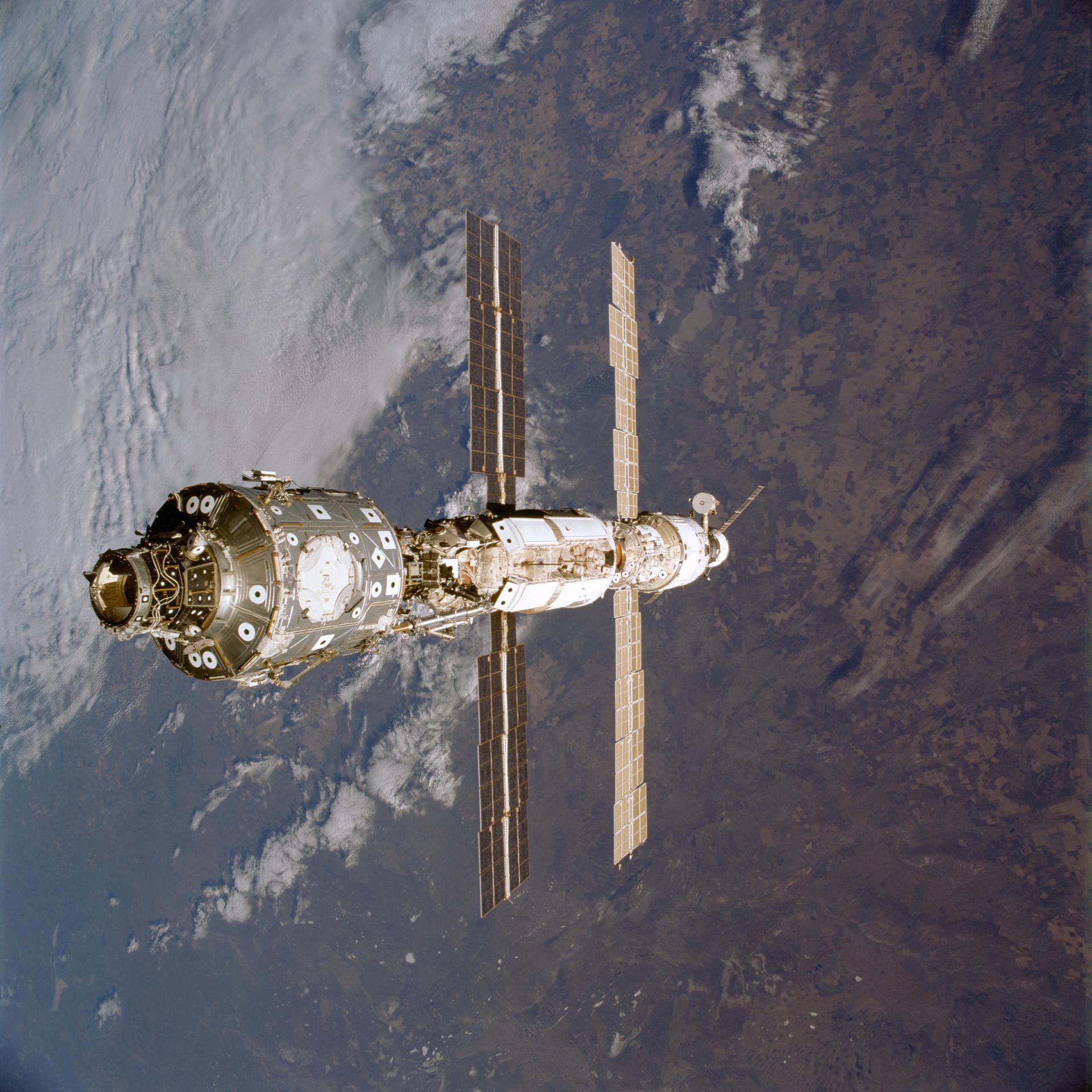
The International Space Station
On December 6, 1998, the crew of space shuttle mission STS-88 began attached the U.S.-built Unity node and the Russian-built Zarya module together in orbit. Learn more about the beginnings of this 25-year international venture.
NACA Center and Facility History
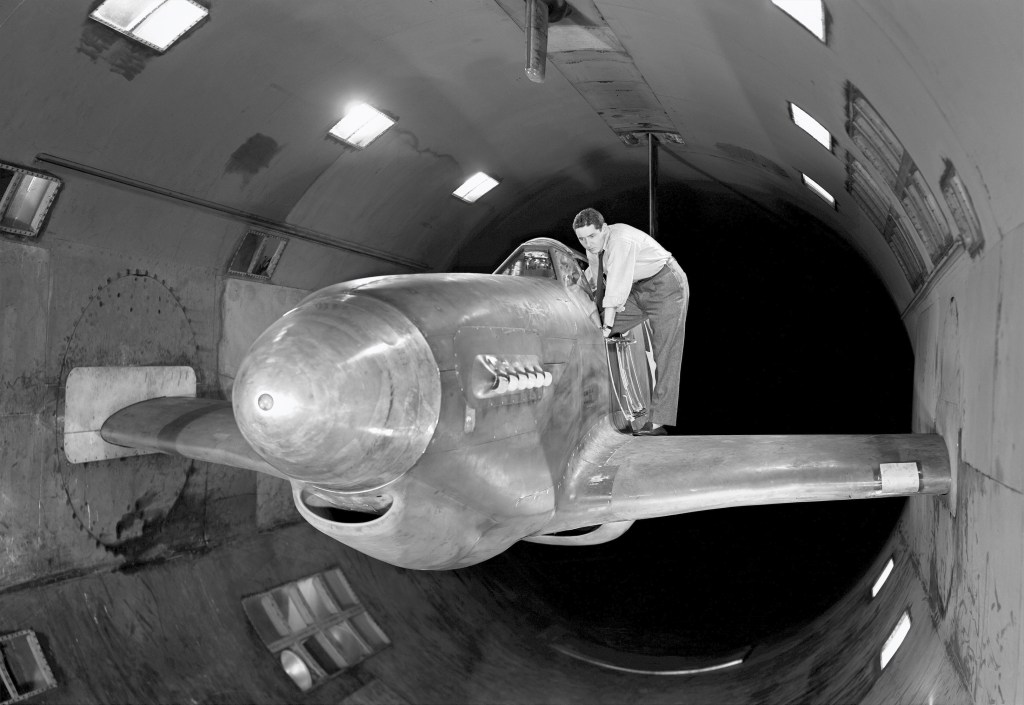
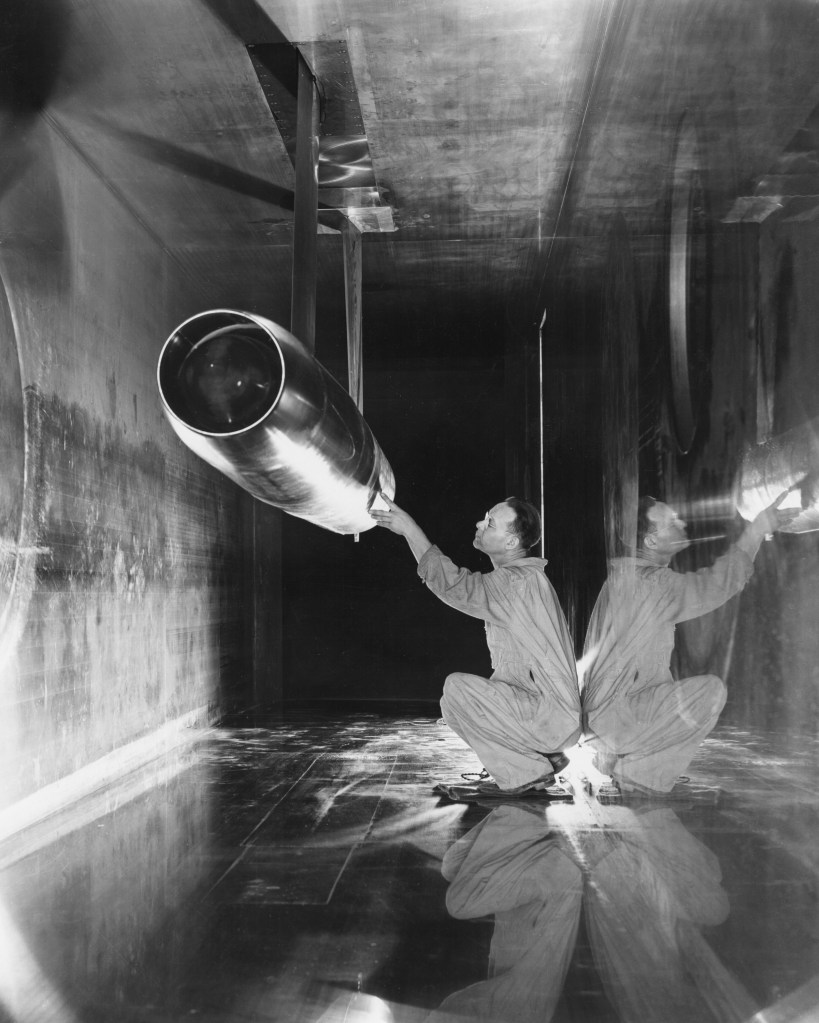
Ames Research Center
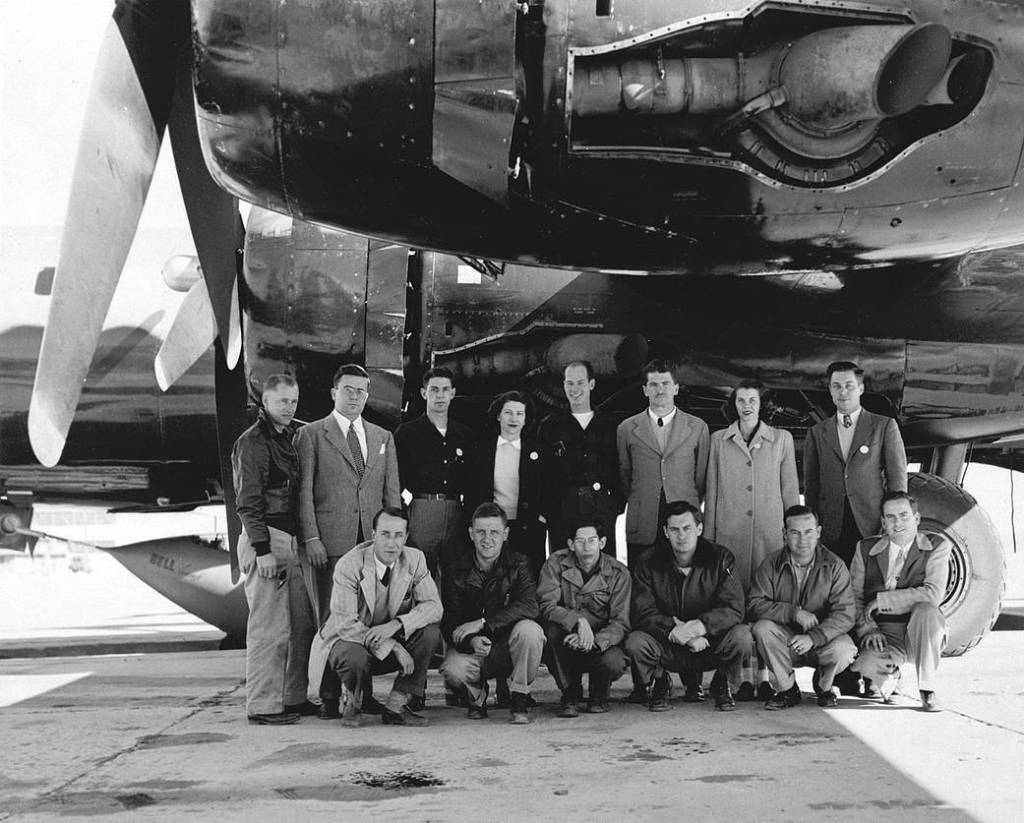
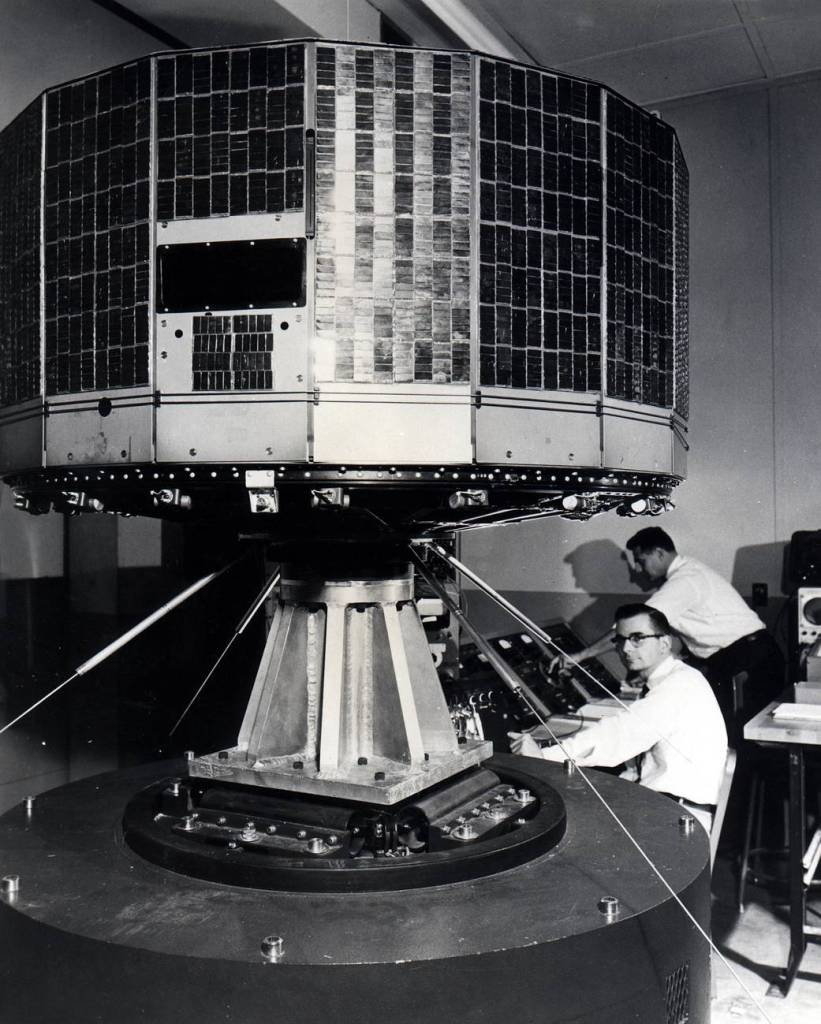
Goddard Space Flight Center
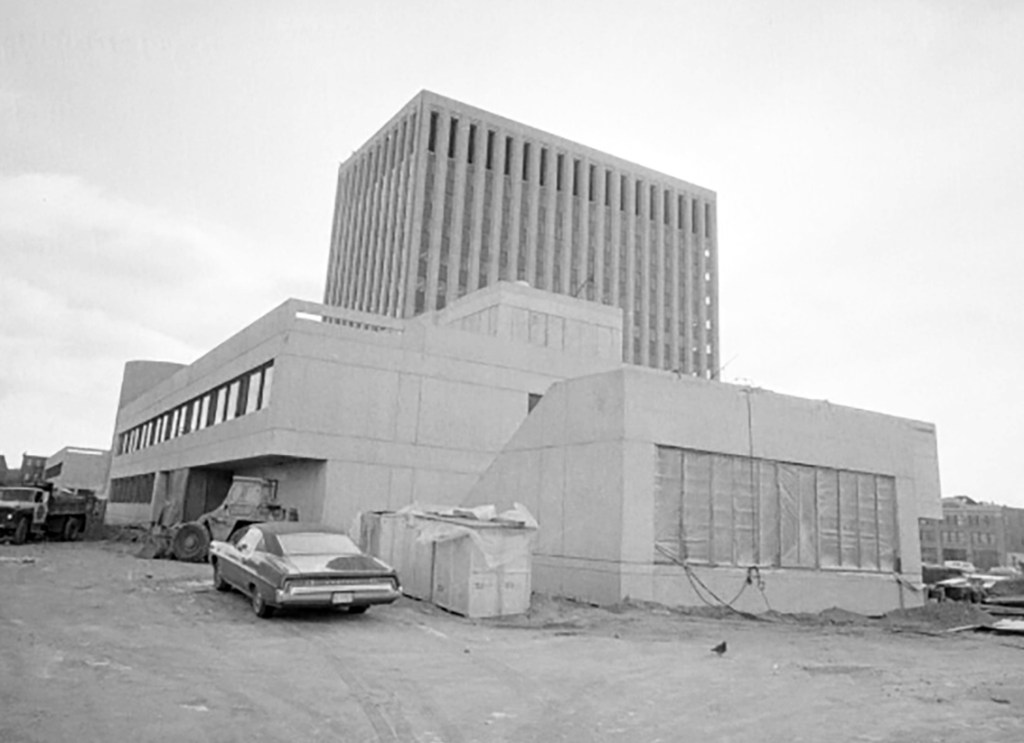
Electronics Research Center

Johnson Space Center
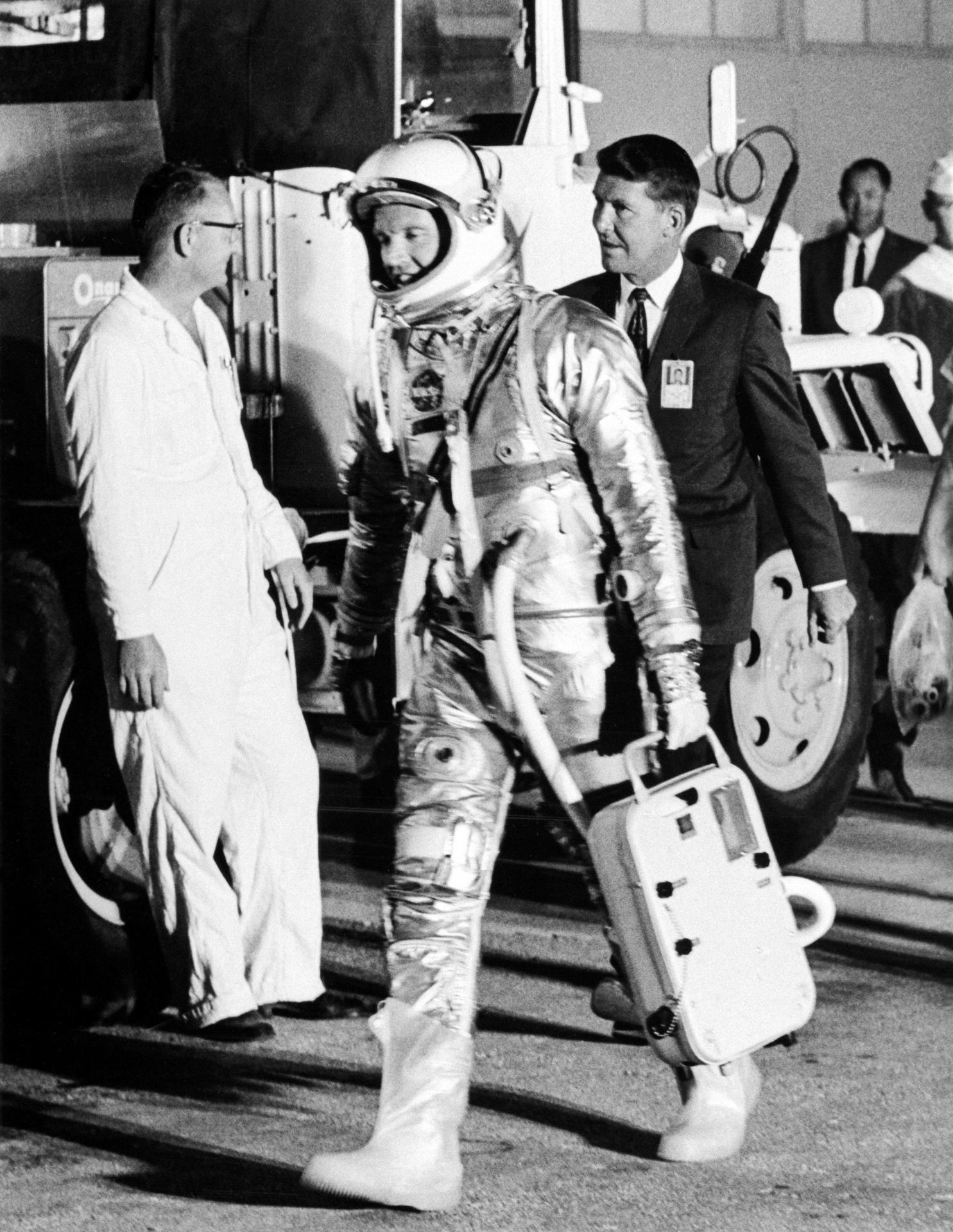
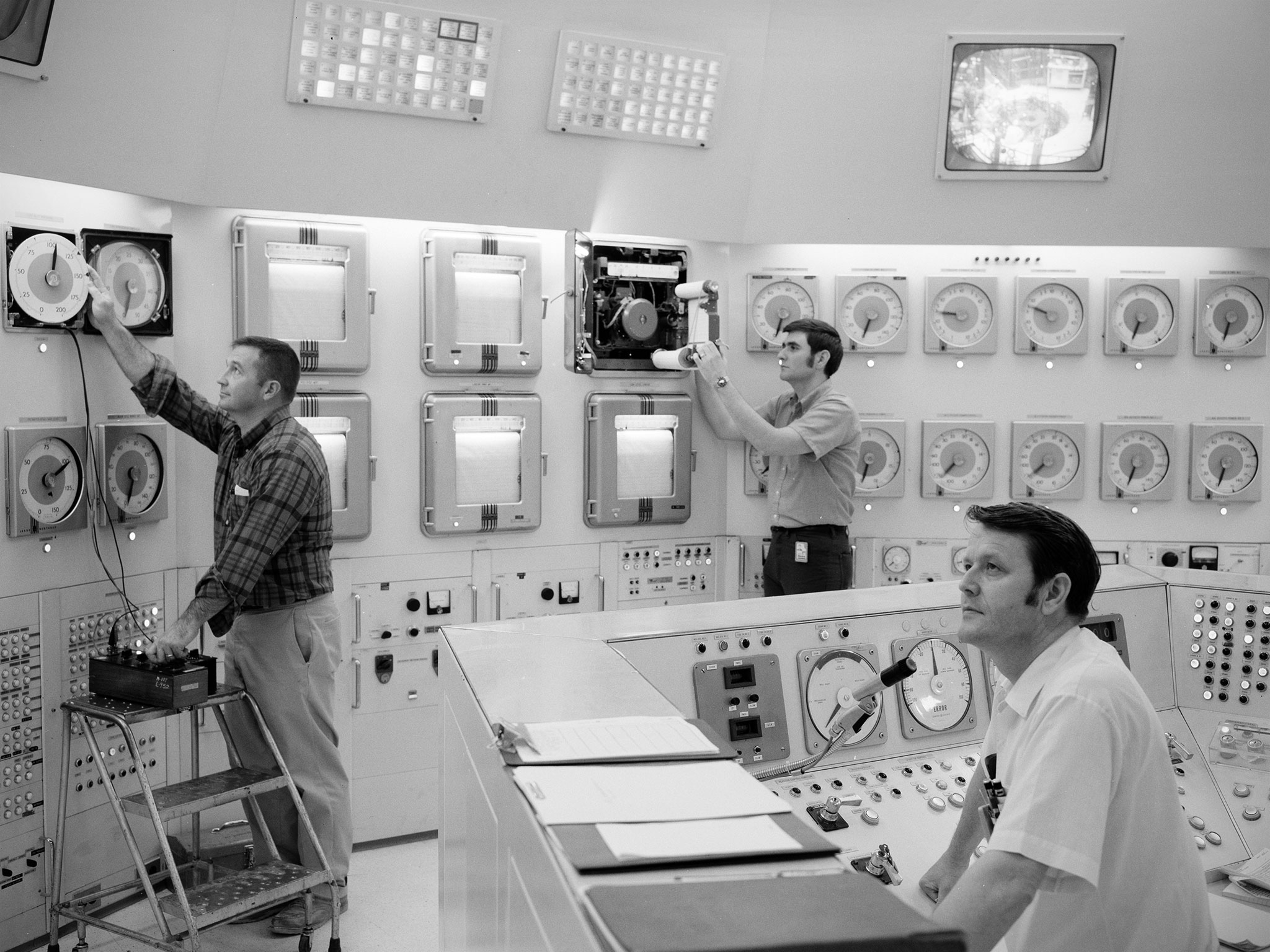
Neil Armstrong Test Facility
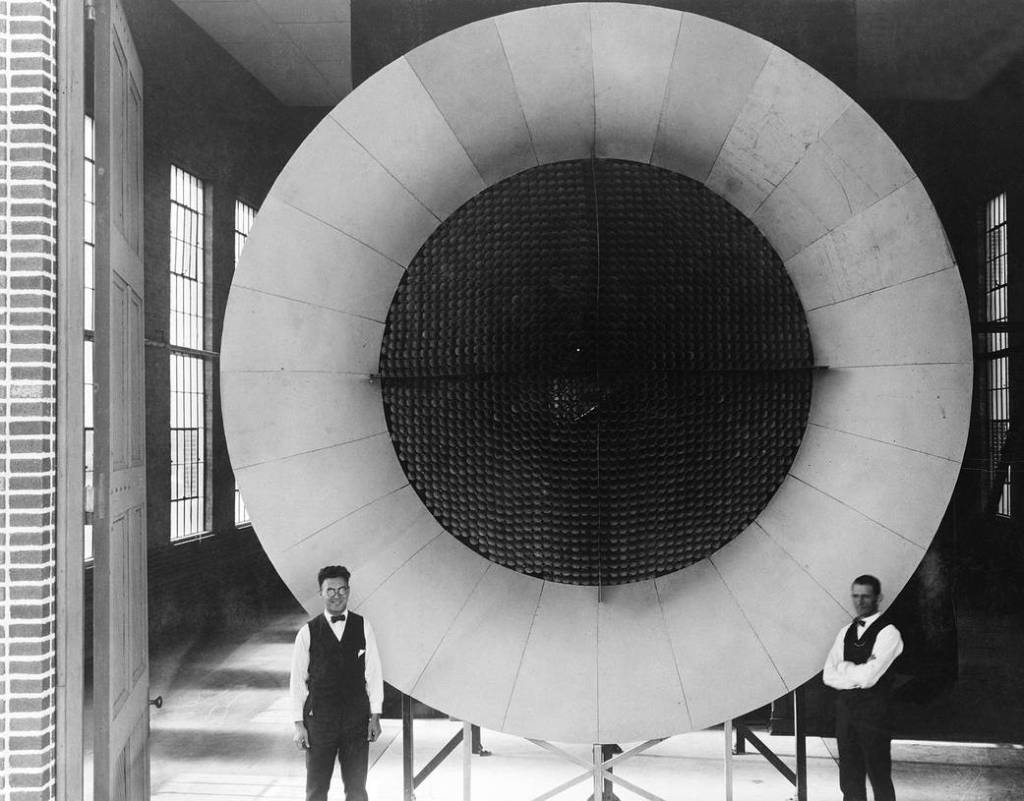
Langley Research Center
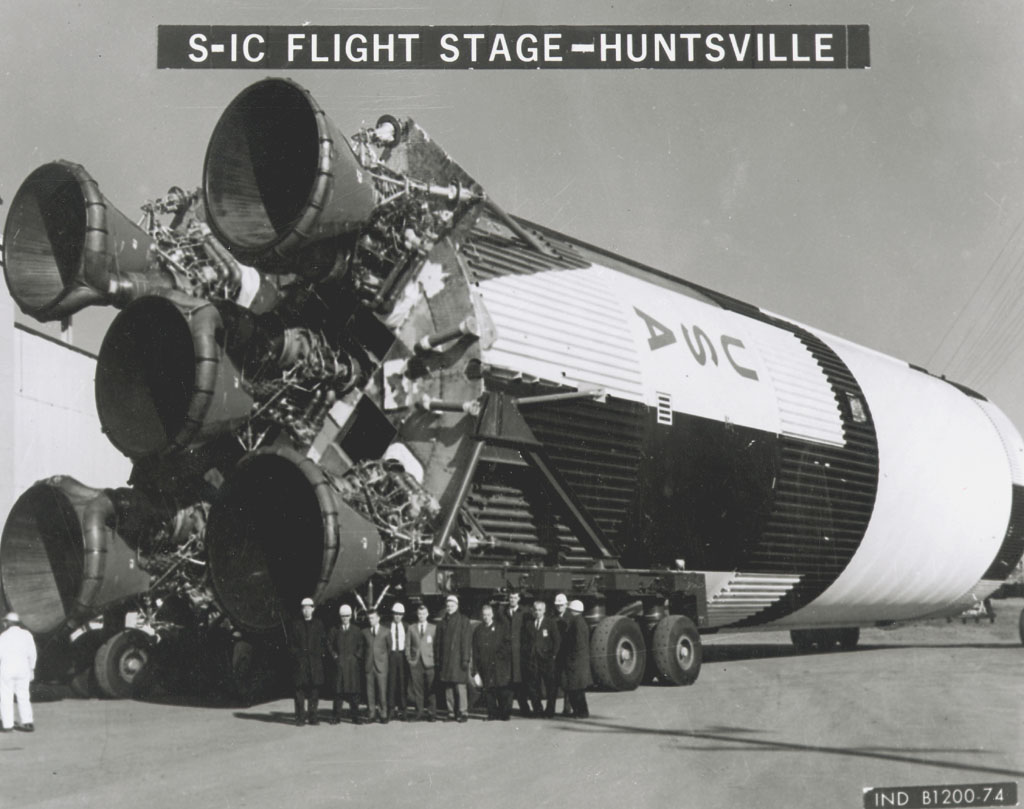
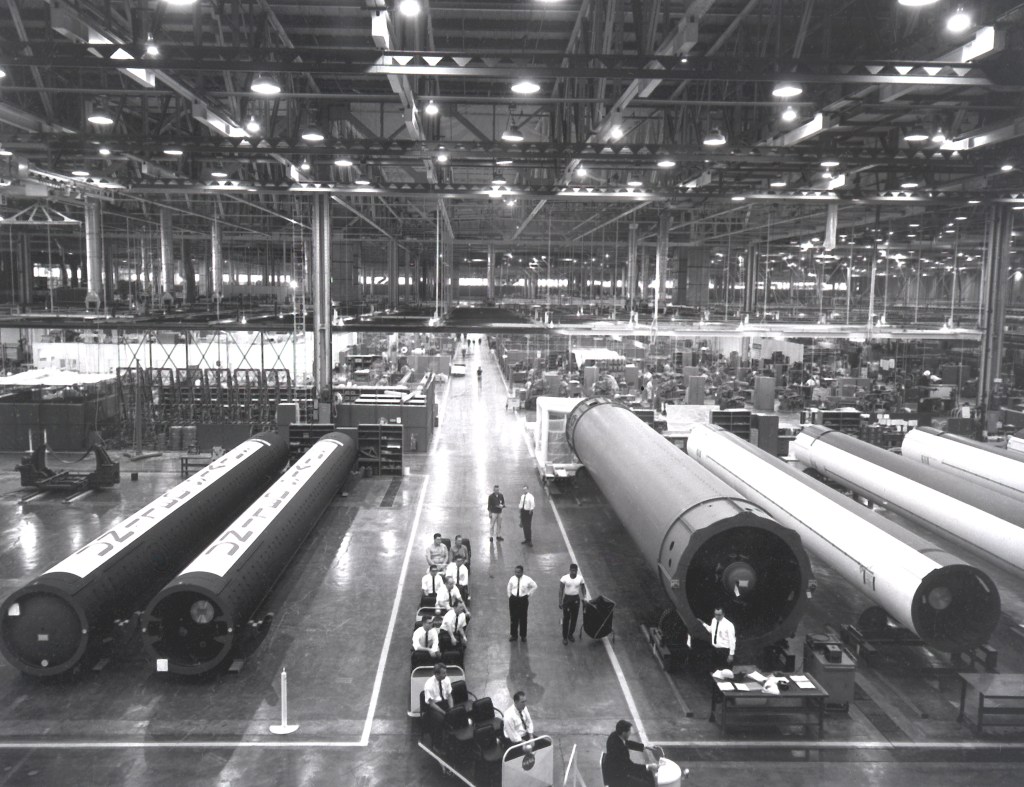
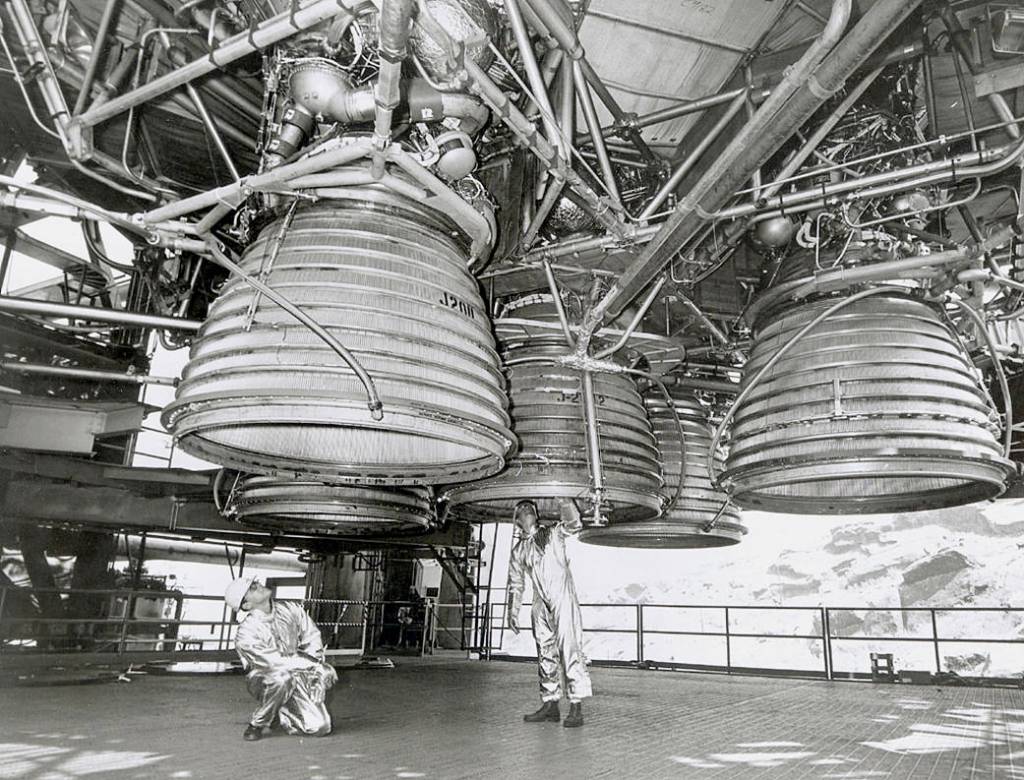
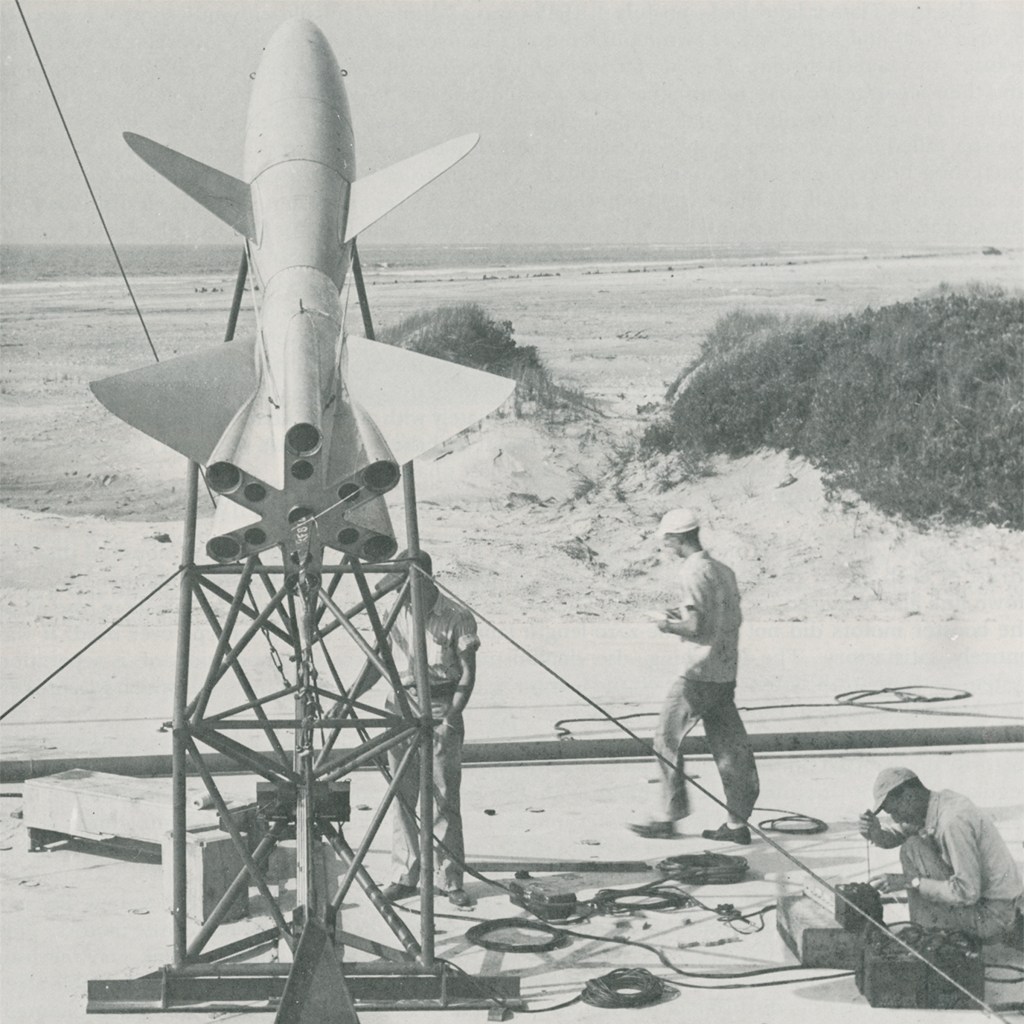

White Sands Test Facility
Earth, Planetary, and Solar Science History
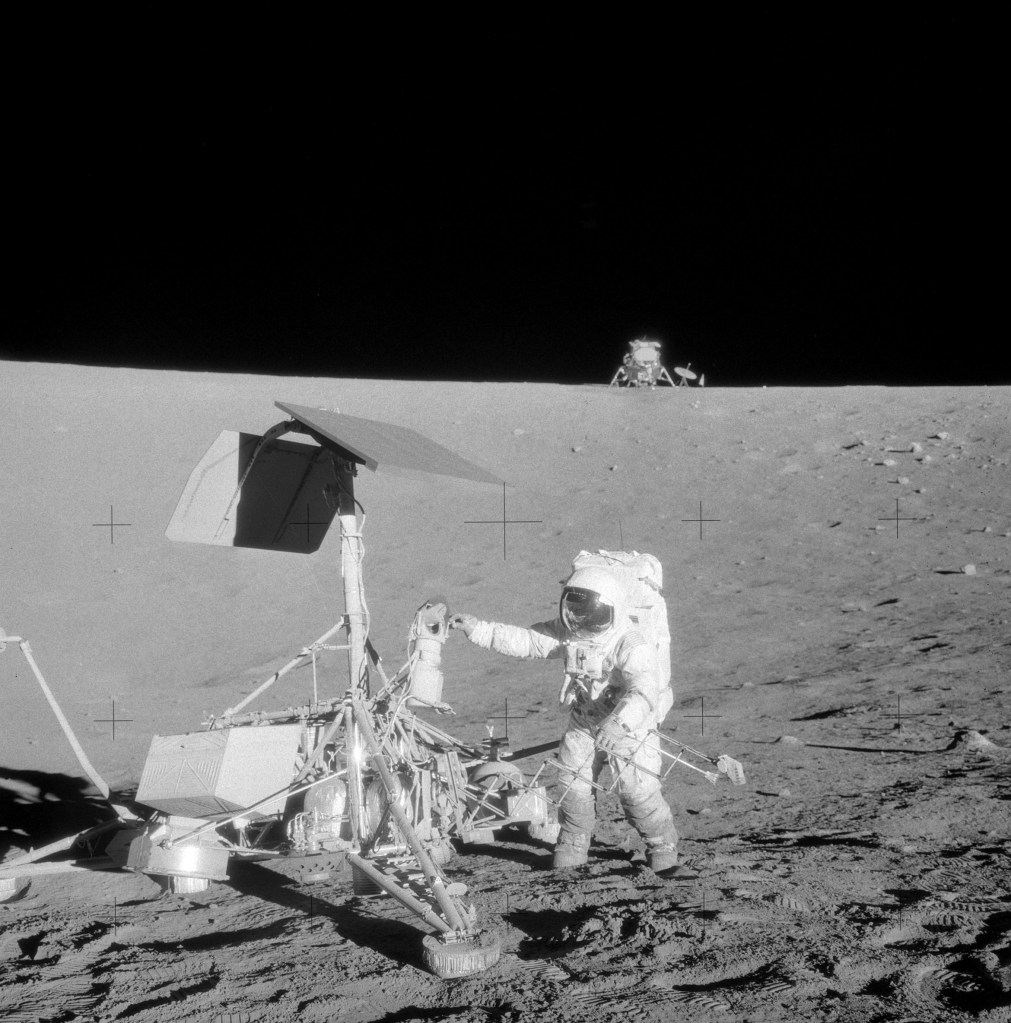
The History of Missions to the Moon
Starting in 1958, humans began launching spacecraft to explore the Moon. See a list of both the successful and unsuccessful Moon missions through the decades.
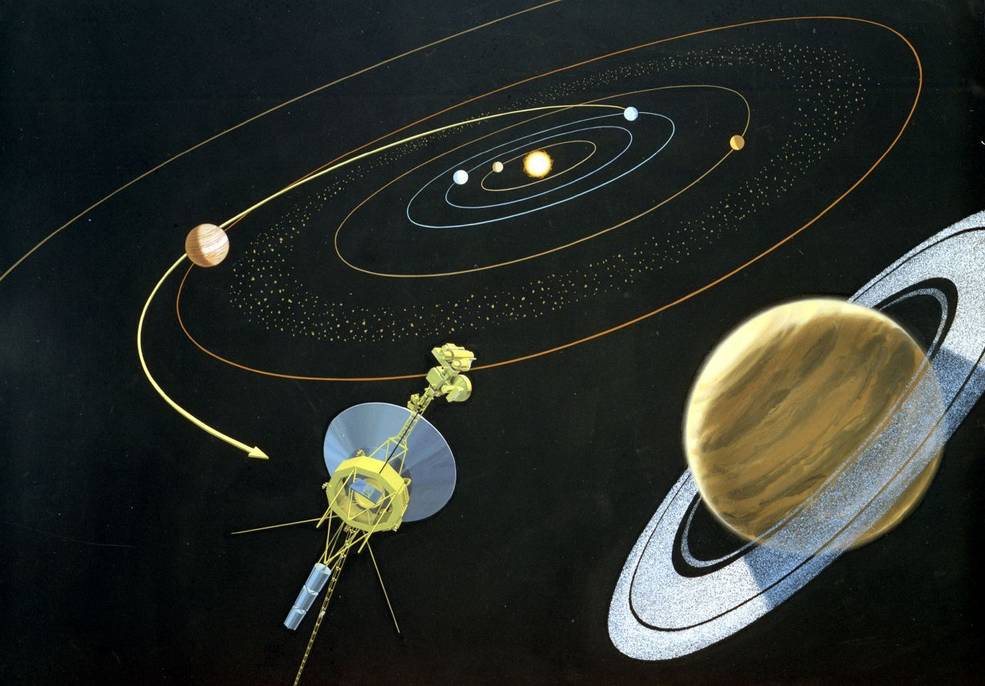
Voyager 1 and 2
Launched in 1977, Voyager 1 and 2 brought us our first close-up views of the outer planets of our solar system and continue their missions today in interstellar space!
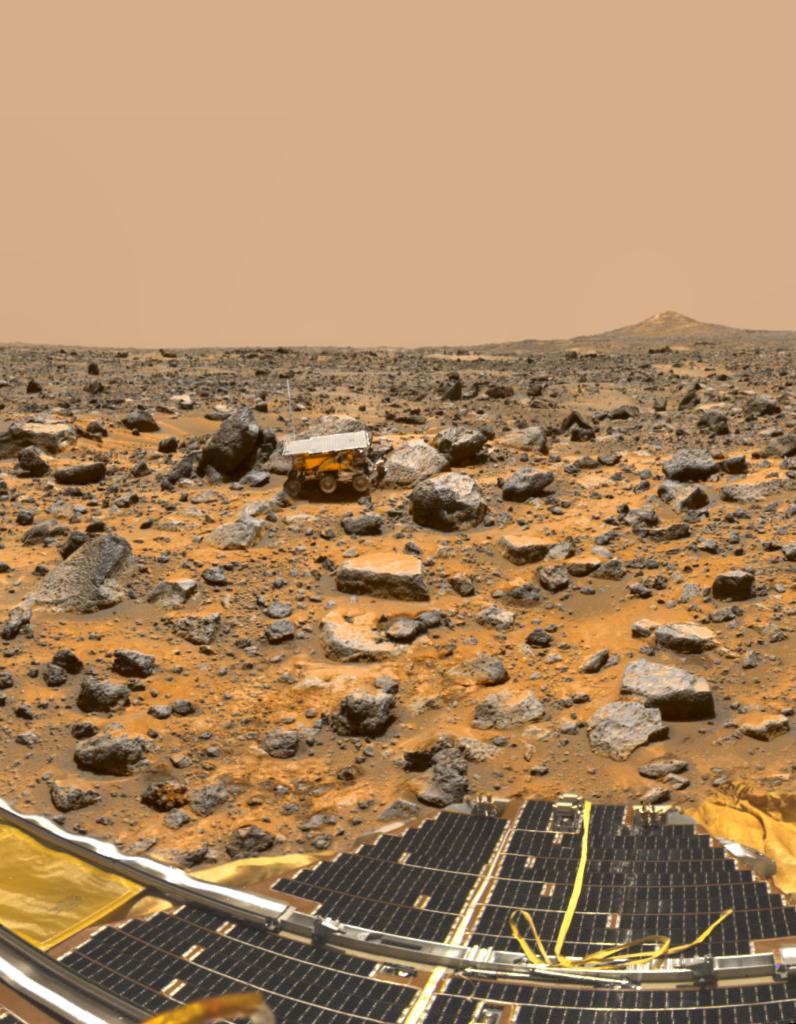
NASA's Missions to Mars
NASA has been exploring the Red Planet for more than 60 years. Explore the timeline of the orbiters, landers, and rovers that have provided a continuous flow of scientific information and discovery about Mars.
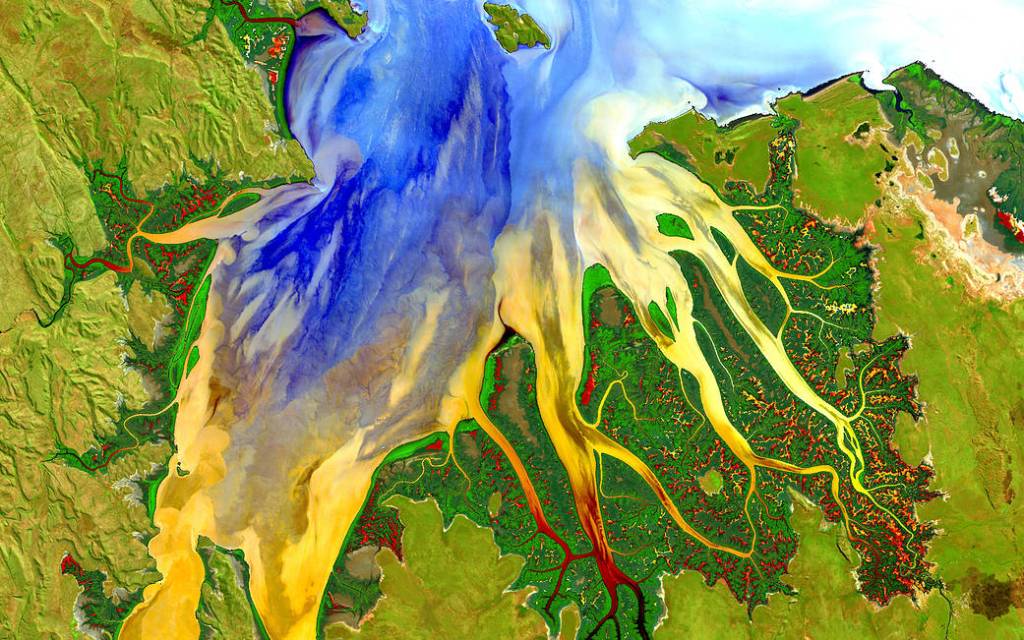
Landsat
Since 1972, the Landsat Program has provided the longest continuous space-based record of Earth's land.

Cassini
Over its nearly 20 years in space from 1997 to 2017, the Cassini spacecraft gathered data on Saturn and its moons in unprecedented detail.
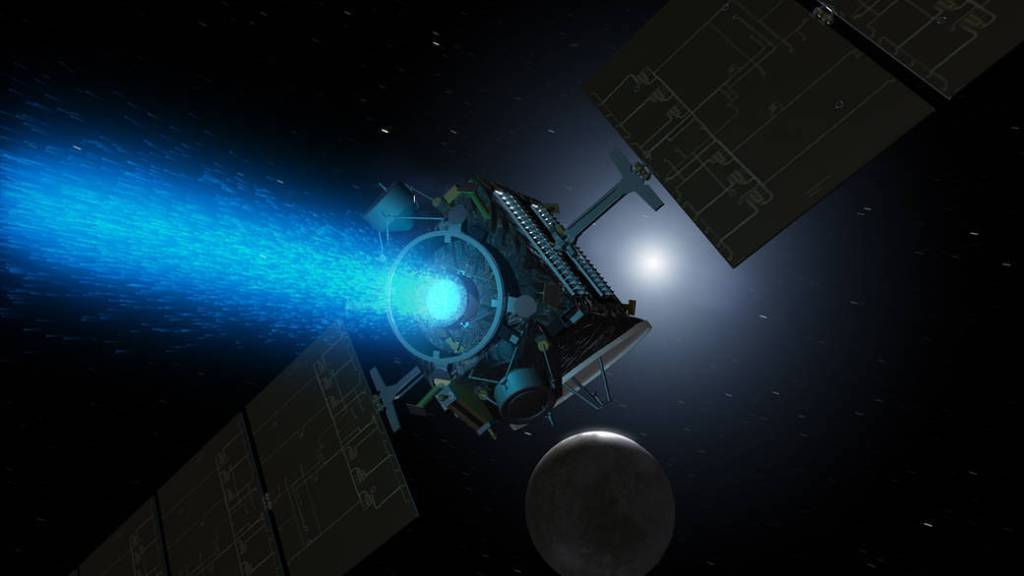
NASA's Discovery Program
NASA's Discovery Program has used robots and robotic technology to explore other planets and objects in our solar system since the mid-1990s.
Learn about NASA’s History from the People Who Made It
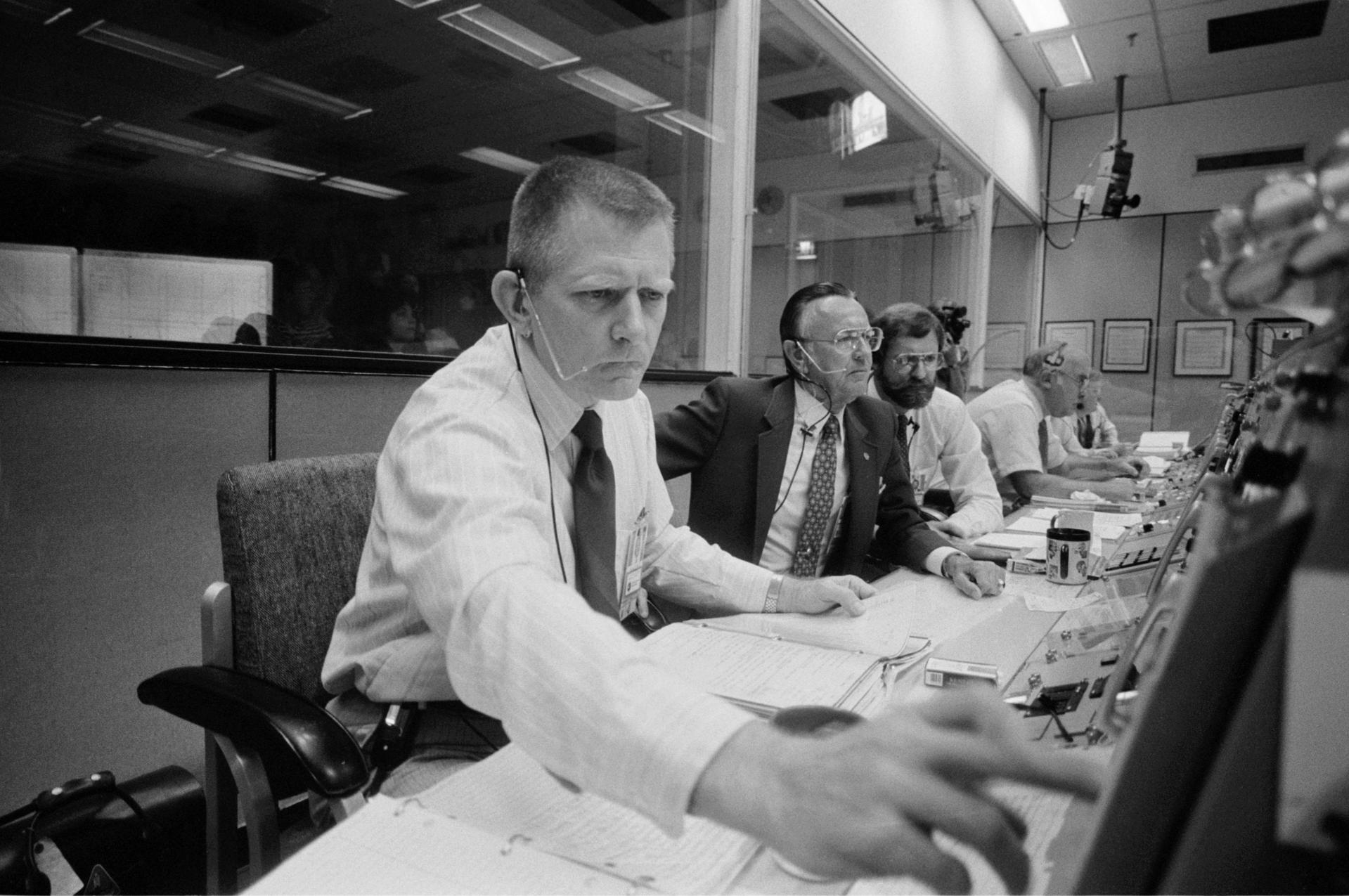
Oral History Interviews
Oral histories ensure that the words of aerospace pioneers live on to tell future generations about the excitement and lessons of space exploration. Search our collection of interviews.
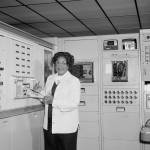
From Hidden to Modern Figures
Learn more about the African-American women who were essential to the success of early spaceflight and how their legacy continues today.
Former Astronauts
Get biographies of NASA's former astronauts.
Historic Personnel
This timeline of NASA's Administrators, Deputy Administrators, and Center Directors, provides biographies of NASA's key personnel since 1958.
Astronomy and Astrophysics History
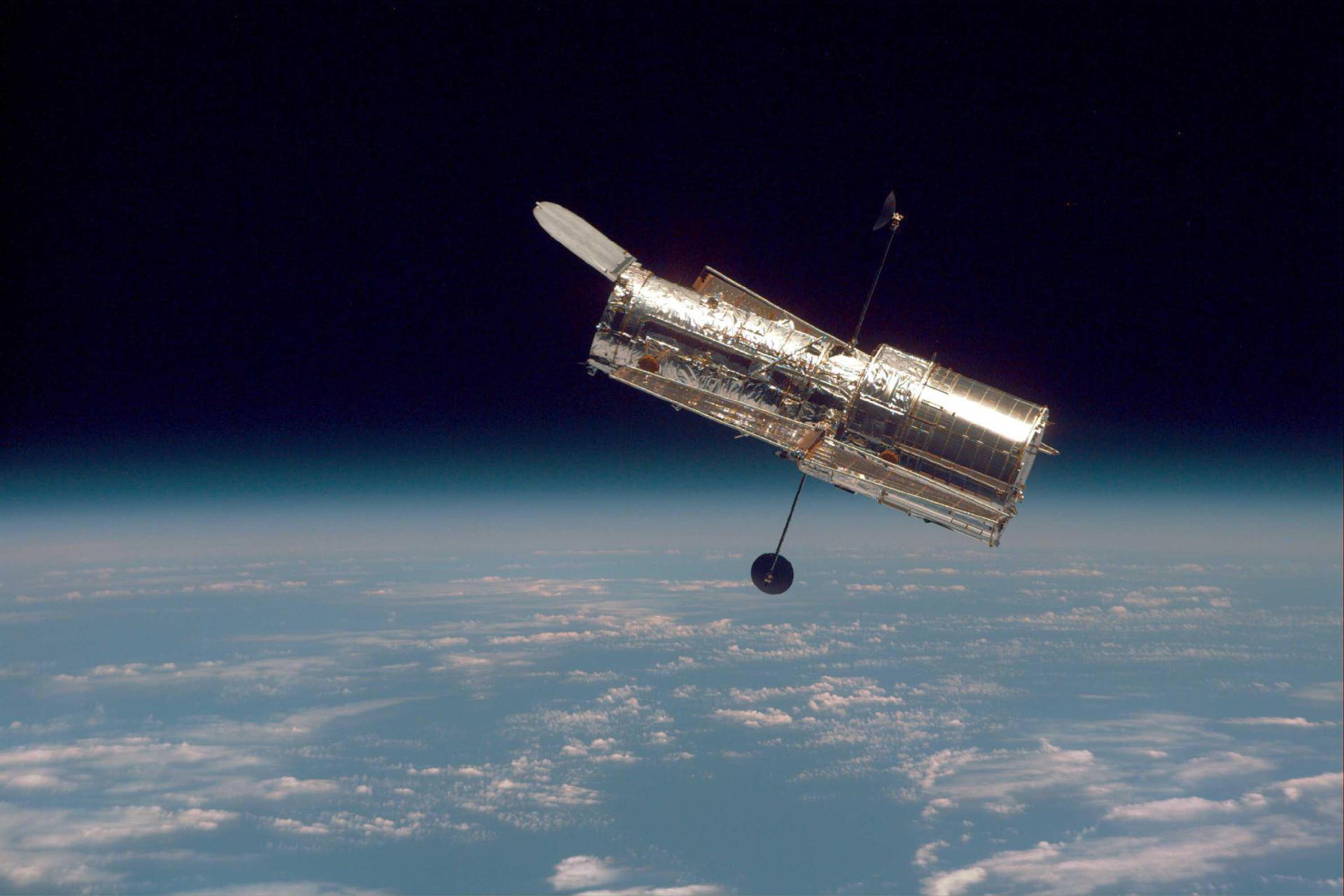
Hubble Space Telescope History
Launched into Earth orbit in 1990, the Hubble Space Telescope has been visited by astronauts four times to make repairs and install new instruments.
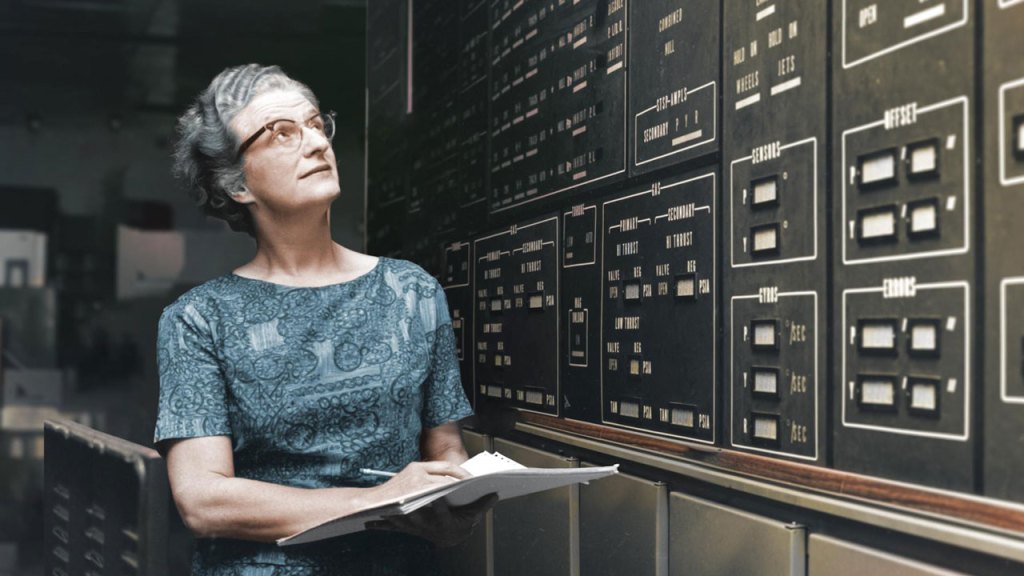
Nancy Grace Roman
Known as "The Mother of Hubble," Nancy Grace Roman was NASA's first chief astronomer.
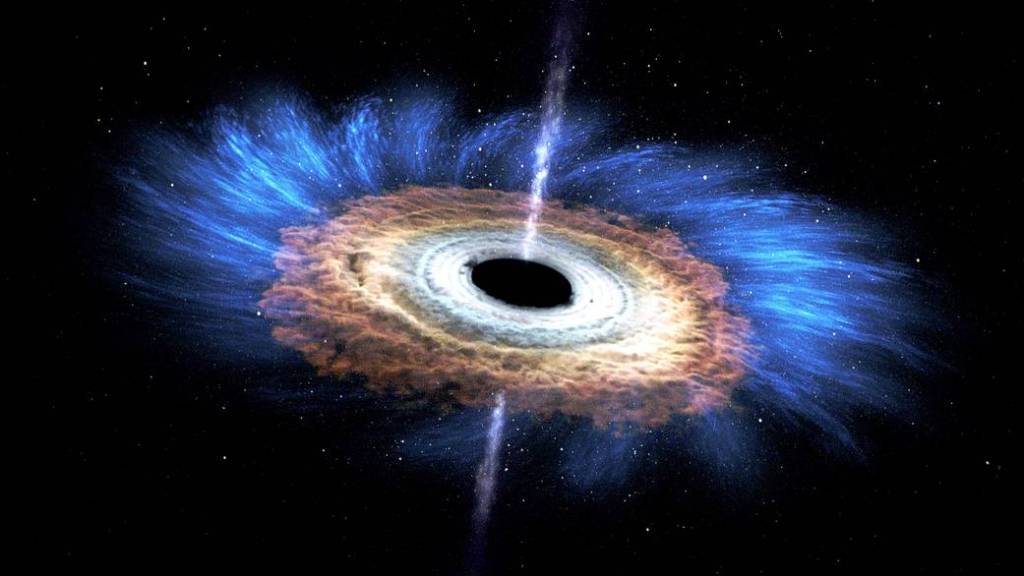
The History of Gamma-Ray Burst Science
On June 1, 1973, astronomers around the world were introduced to a powerful and perplexing new phenomenon called gamma ray bursts (GRBs).
The NACA
NASA's precursor, the National Advisory Committee for Aeronautics (NACA) was established by Congress in 1915 to advance the United States' standing in flight. Over its 40-some years in existence, it pushed the frontiers of air technology through groundbreaking aeronautics research, preparing the country for its venturing steps into space.
Learn More About the NACA about The NACA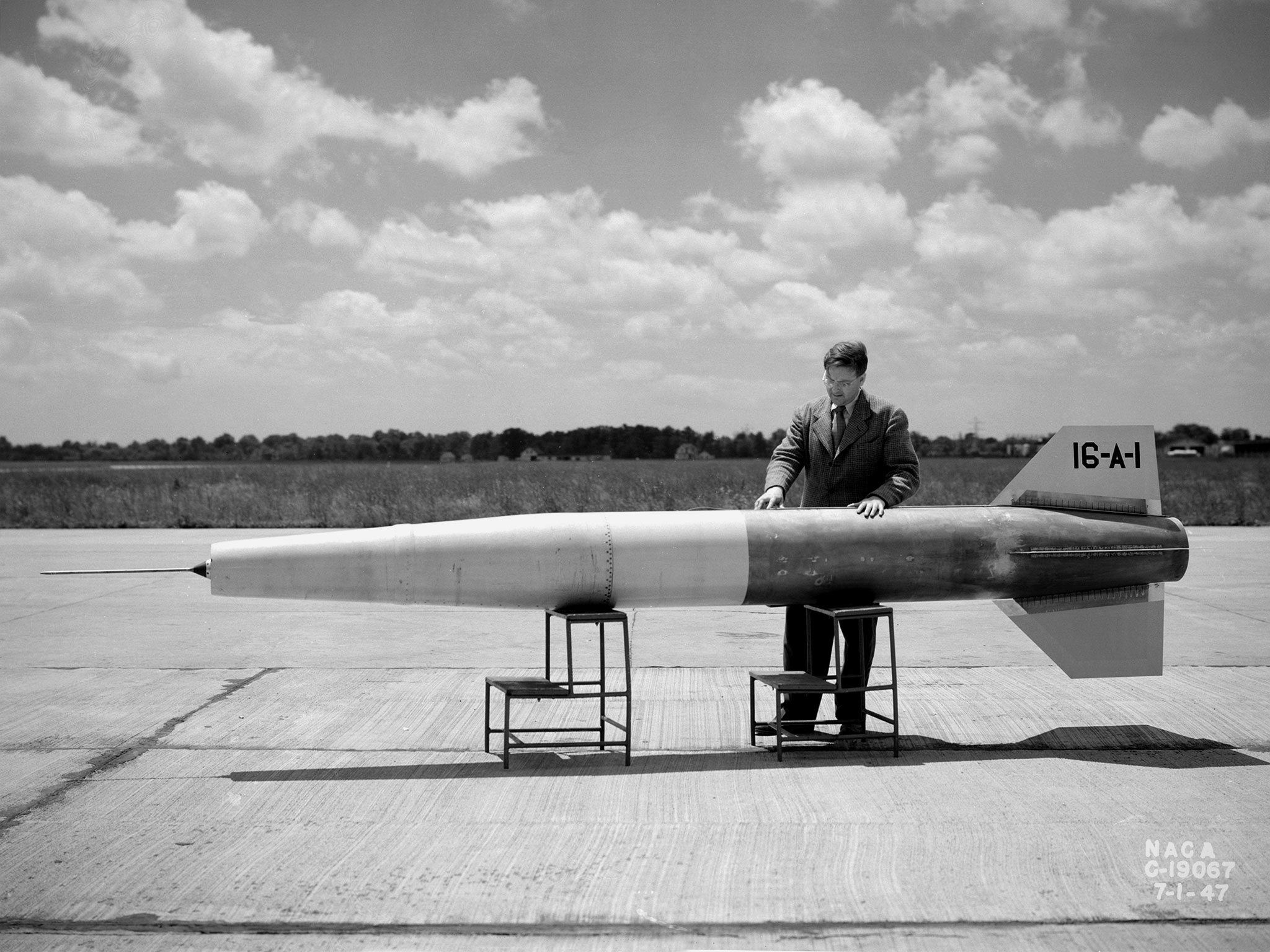
Aeronautics History
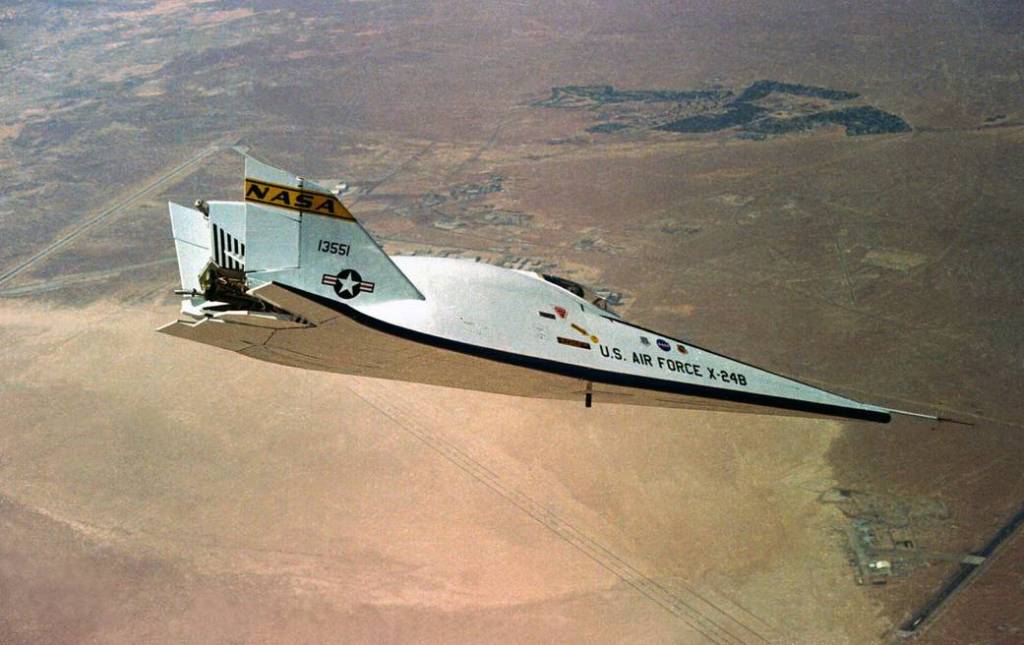
X-Planes Flown at NASA Armstrong
Learn about the wide variety of experimental aircraft flown over the decades at NASA's Armstrong Flight Research Center.
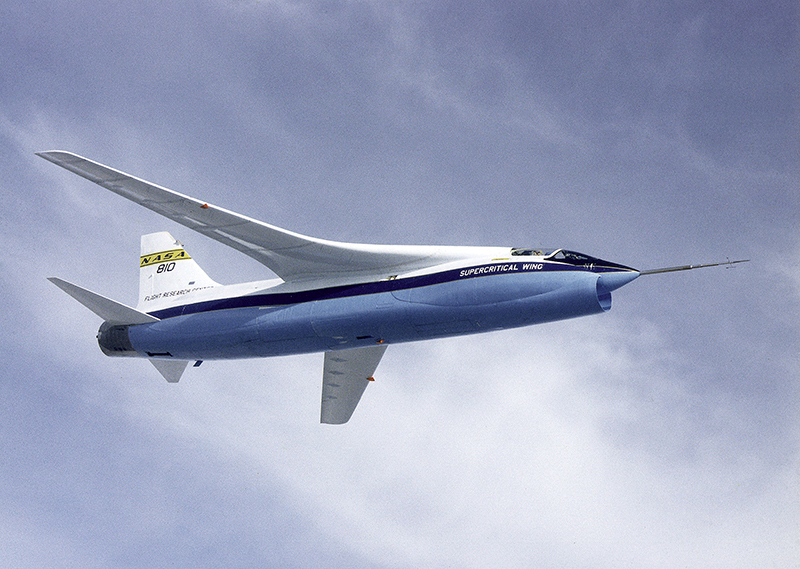
NASA's First A: Aeronautics from 1958–2008
Read Robert G. Ferguson's book outlining the aeronautics research work NASA has undertaken.
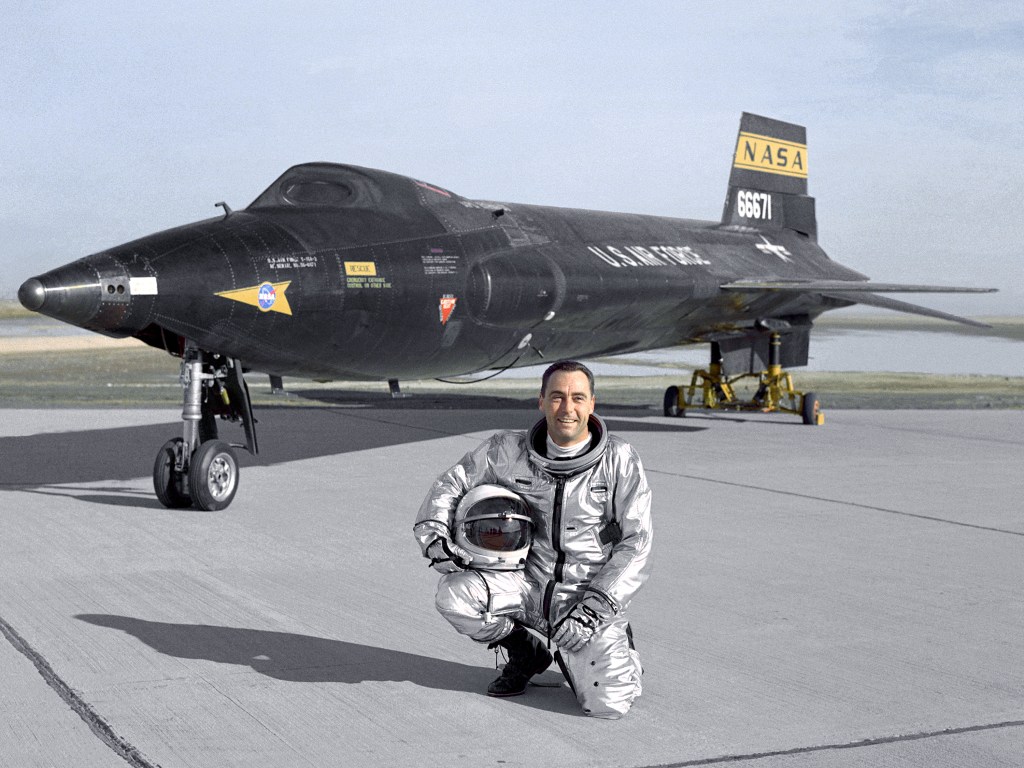
The X-15 Hypersonic Flight Research Program
Between 1959 and 1968, the X-15 rocket research aircraft broke speed and altitude records for piloted aircraft.
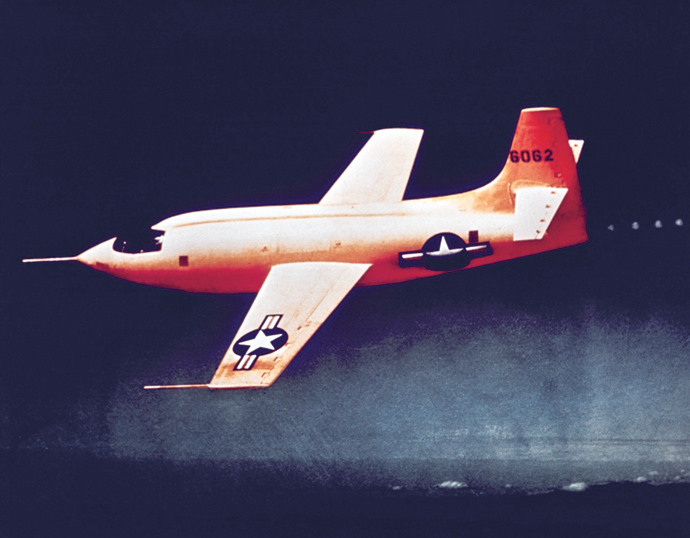
The Bell X-1
Learn about the history of the first aircraft documented to exceed the speed of sound.
Space Technology History
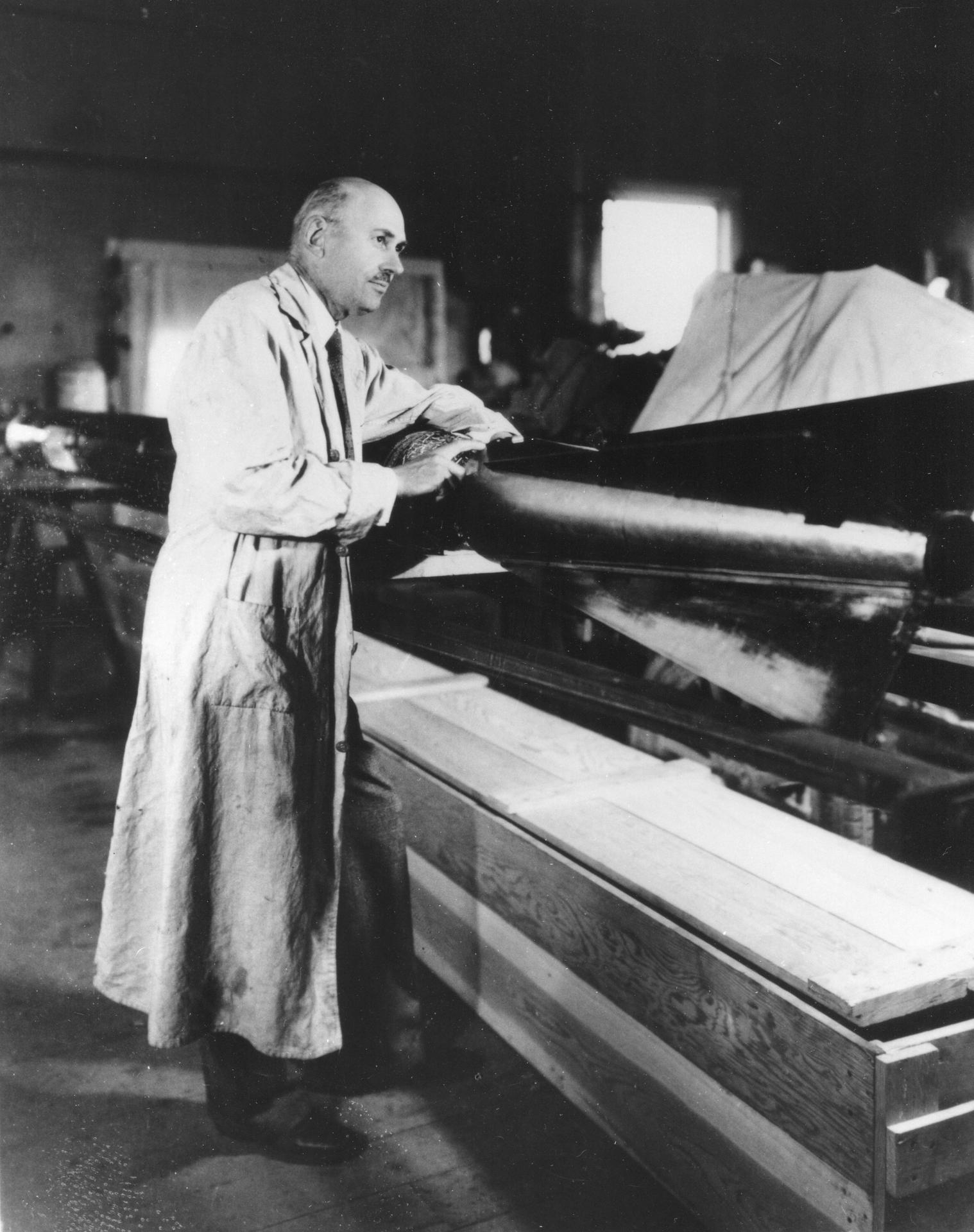
Robert Goddard
Dr. Robert Hutchings Goddard is considered the father of modern rocket propulsion. A physicist of great insight, Goddard also had a unique genius for invention.
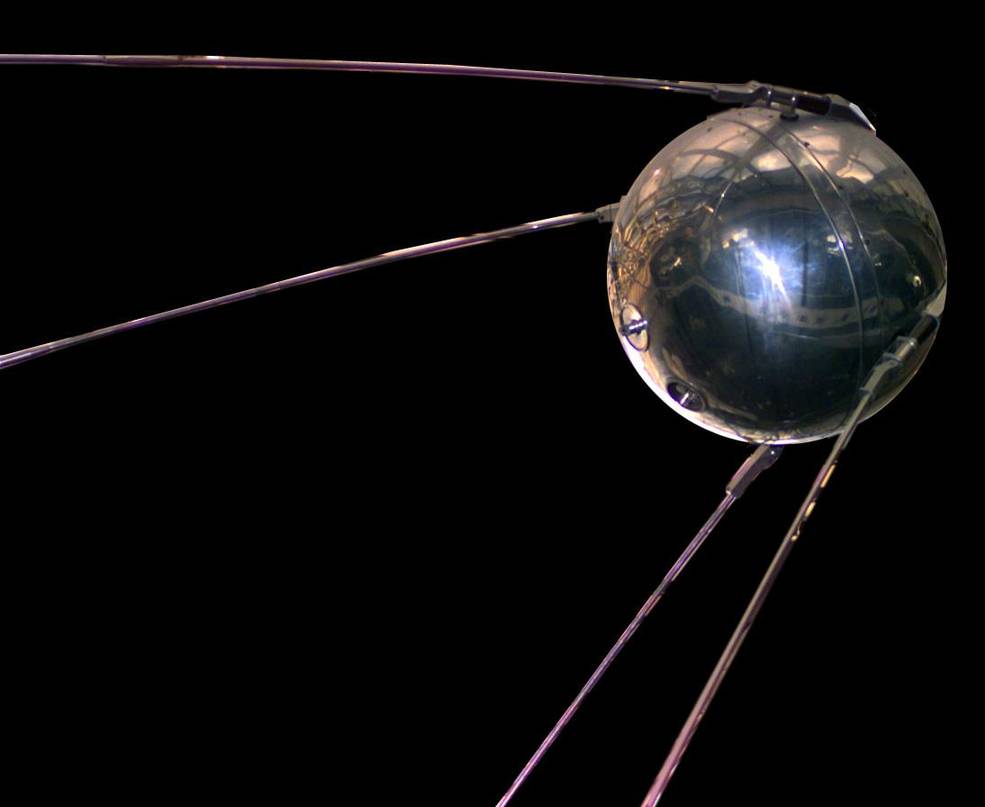
Sputnik and the Dawn of the Space Age
Resources, timelines, and further reading centering on the launch of the world's first satellite in October 1957.
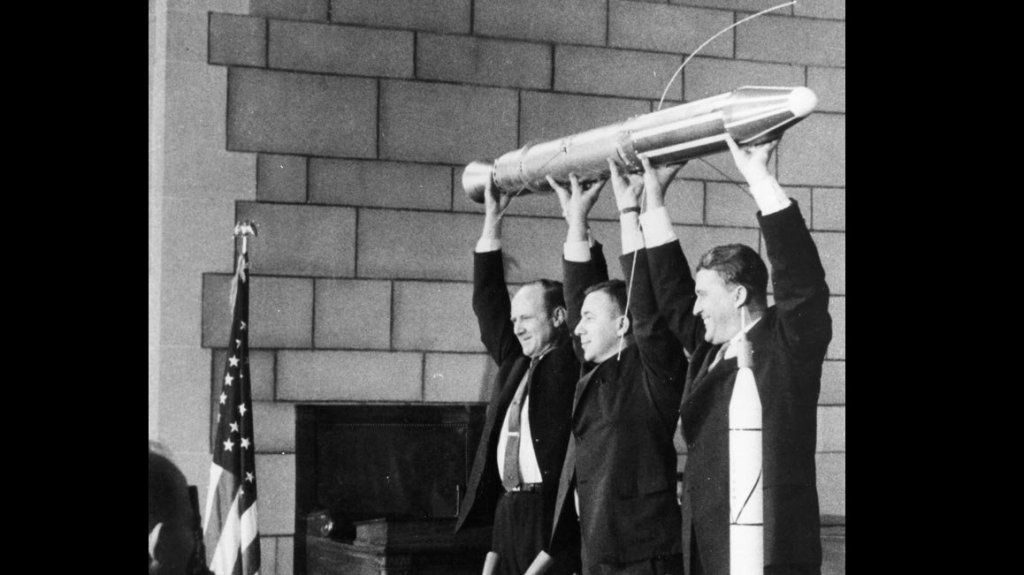
Explorer 1
Read the story of Explorer 1, America's first satellite to be put in orbit.
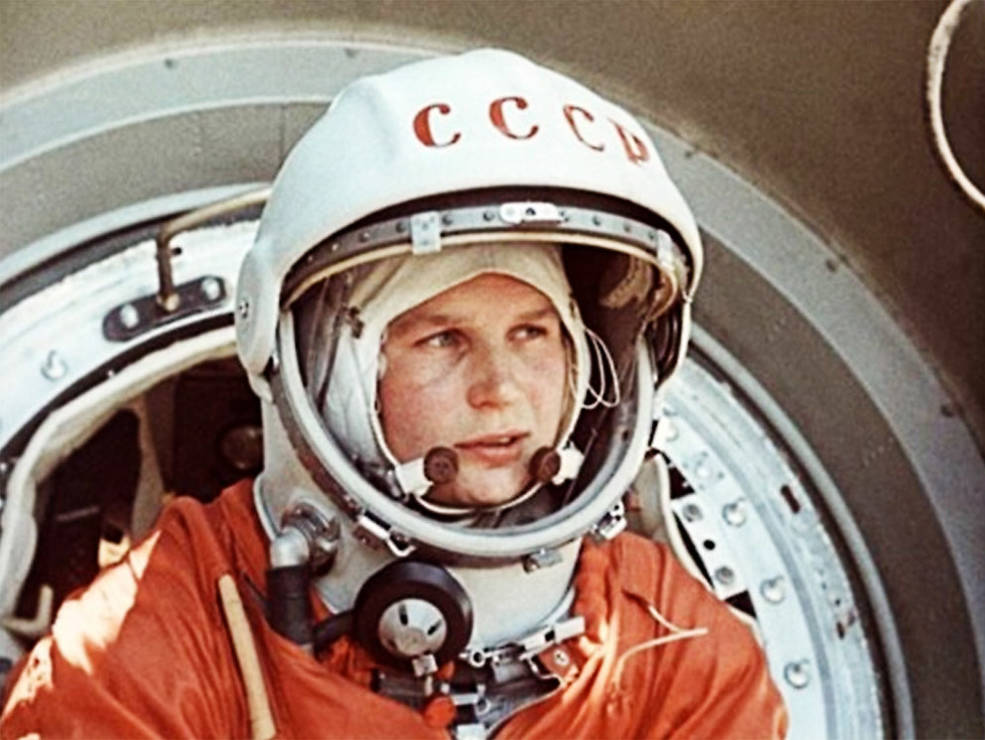
Rockets and People
Boris Chertok's first hand account of the Soviet space program from its beginning through 1974 is presented in a 4-volume series of books.
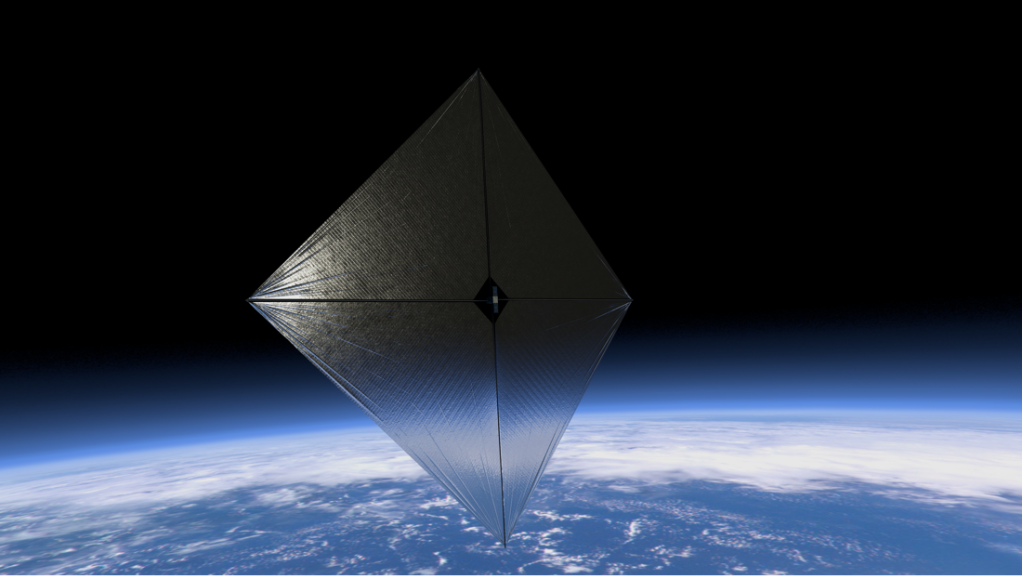
Past Technology Demonstration Missions
What do solar sails, a deep space atomic clock, and human exploration telerobotics have in common? These are a few of the projects NASA has tested to advance space exploration technology!
Recent NASA History Stories
Stay up-to-date with the latest NASA history content as we revisit the discoveries and challenges of NASA's past.
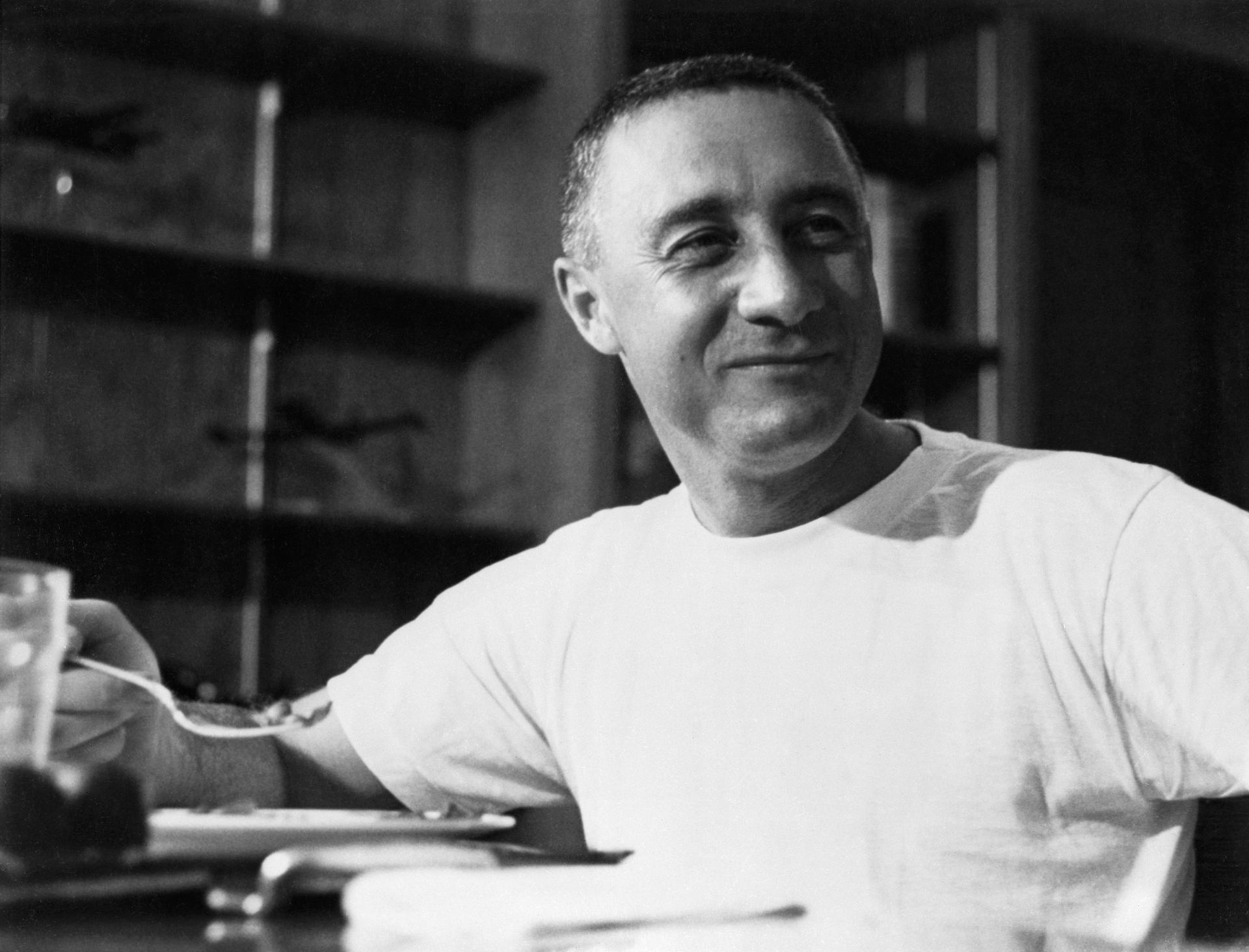
Today marks the 100th anniversary of the birth of Virgil I. “Gus” Grissom, born April 3, 1926, in Mitchell, Indiana.…
Editor’s Note: This article was originally published on April 25, 2022 and has been updated to reflect changes including the…
From the voyages of spacecraft to the Moon and beyond, to the launches of satellites that help us navigate, communicate,…
Snow covered the ground that Tuesday morning 100 years ago, when a college professor and his wife took a morning…
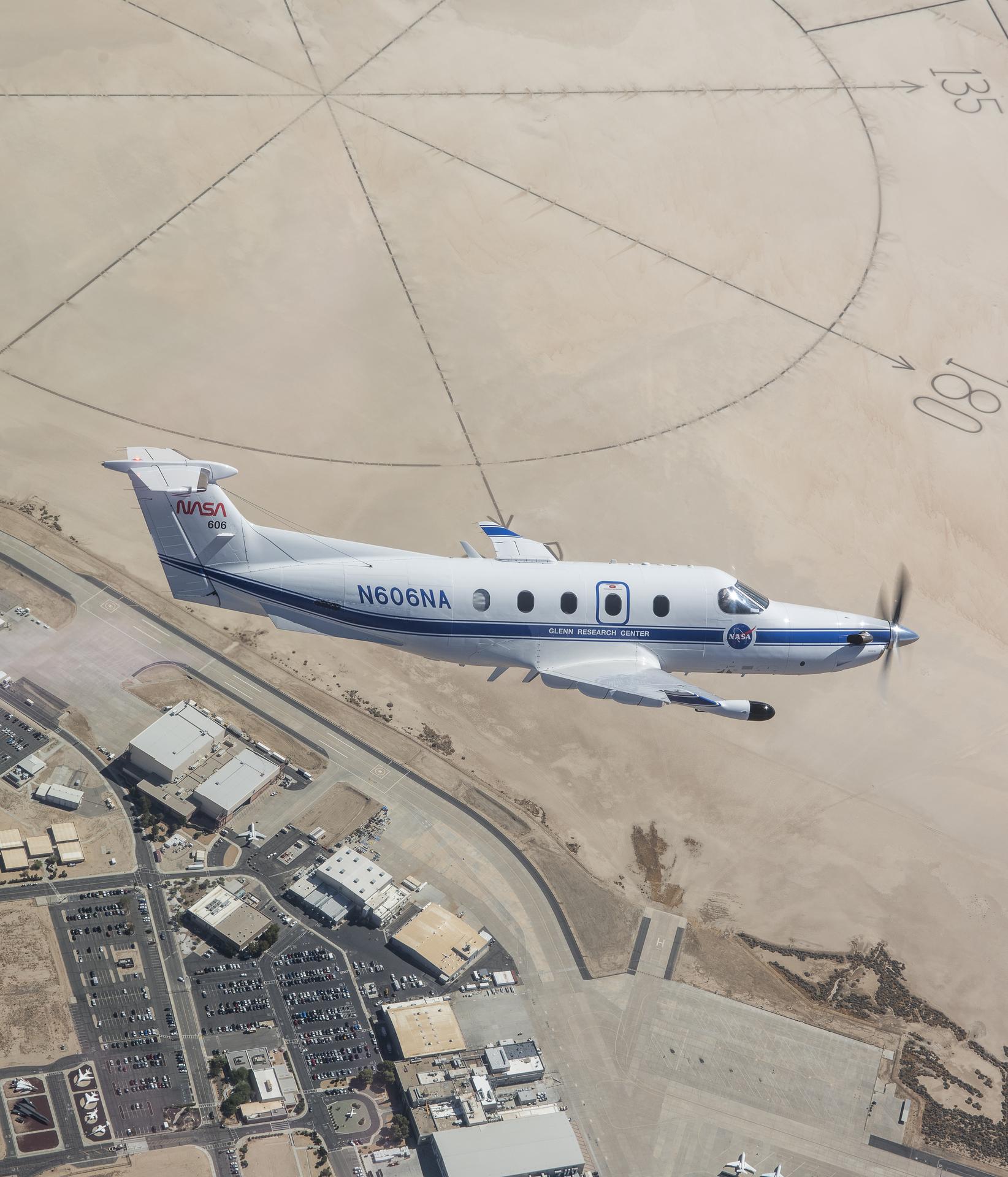
Nestled in the Mojave Desert, NASA’s Armstrong Flight Research Center in Edwards, California, pushes the boundaries of flight to advance…
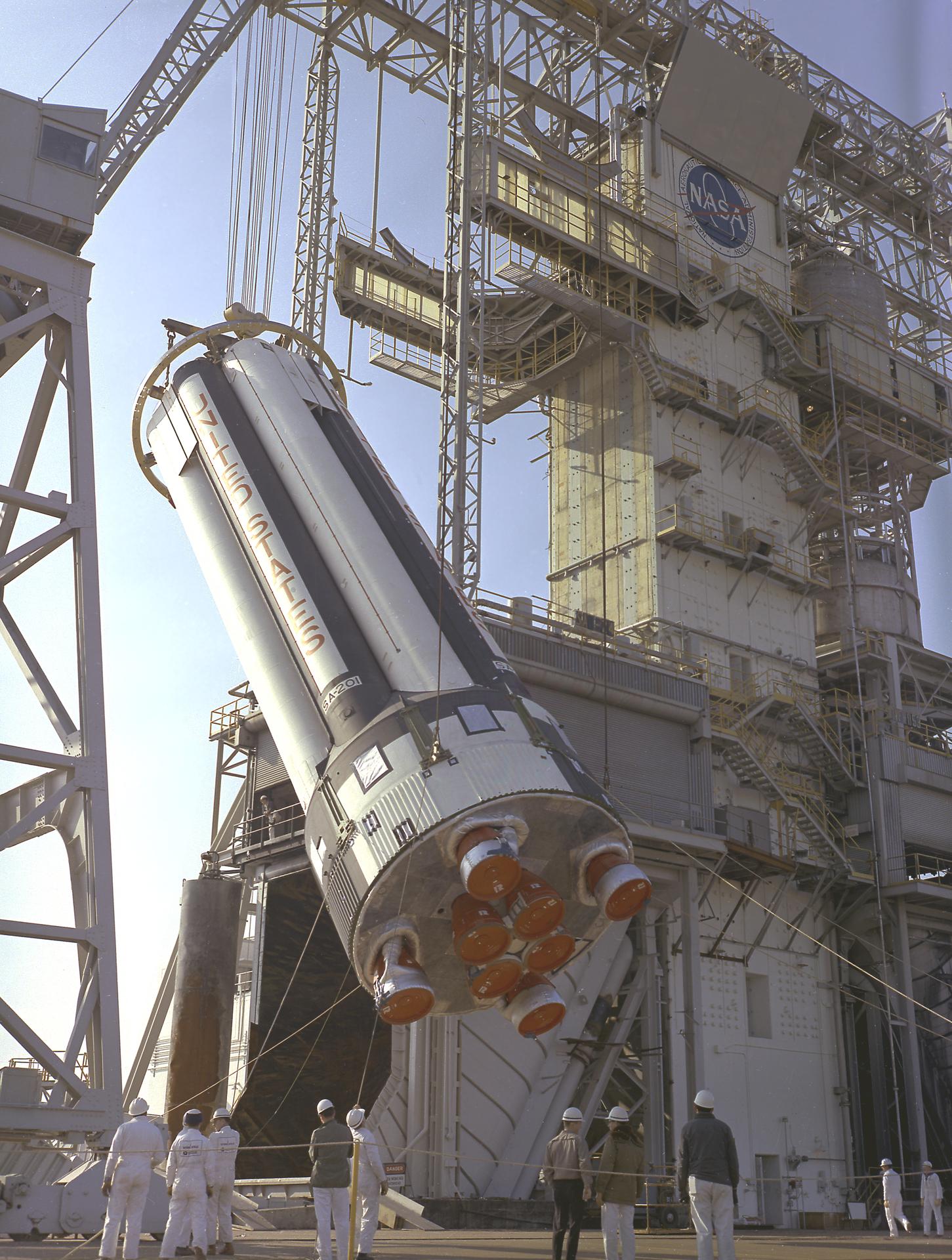
NASA is preparing for the demolition of three iconic structures at the agency’s Marshall Space Flight Center in Huntsville, Alabama.…
Dig Deeper into NASA History
Explore NASA's history publications, oral histories, and archival holdings for in-depth information on the Agency's projects, people, and centers.
Take a Dive into our Resources