




















Launch Services Program Upcoming Missions
COSI
COSI (Compton Spectrometer and Imager) is a wide-field gamma-ray telescope that will study energetic phenomena in the Milky Way and beyond, including the creation and destruction of matter and antimatter and the final stages of the lives of stars.
Learn More About COSI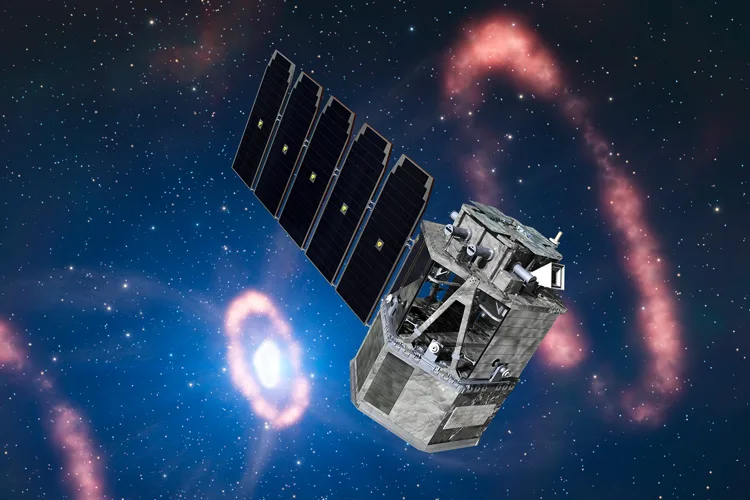
Dragonfly
Making multiple flights, the Dragonfly rotorcraft will explore a variety of locations on Saturn's moon Titan.
Learn More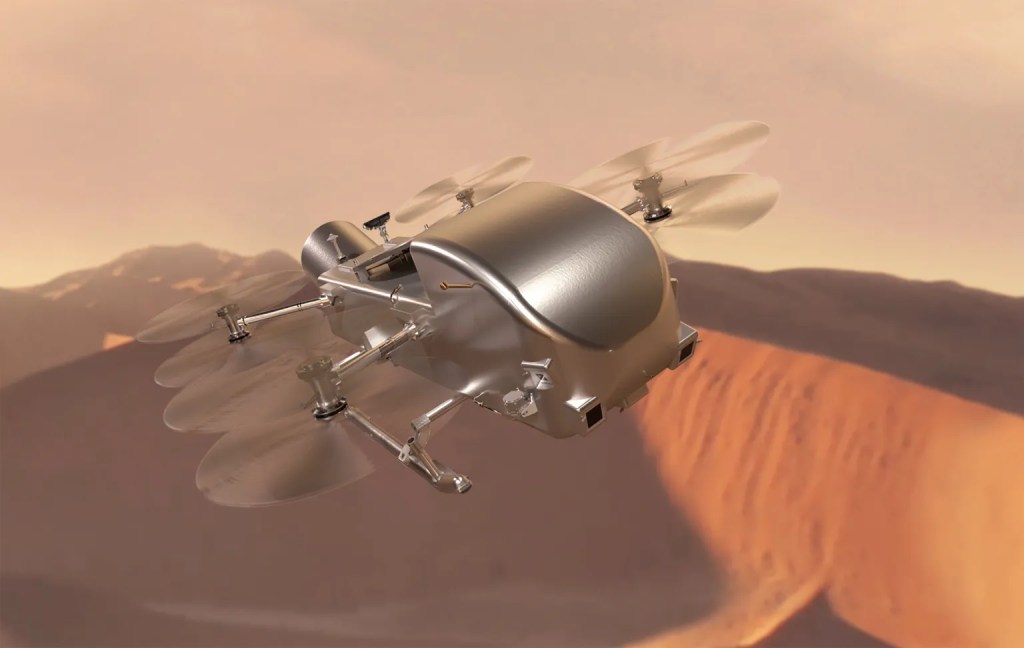
ESCAPADE
The two ESCAPADE (Escape and Plasma Acceleration and Dynamics Explorers) spacecraft will study the transfer of solar wind energy and momentum through Mars’ unique hybrid magnetosphere.
Learn More About ESCAPADE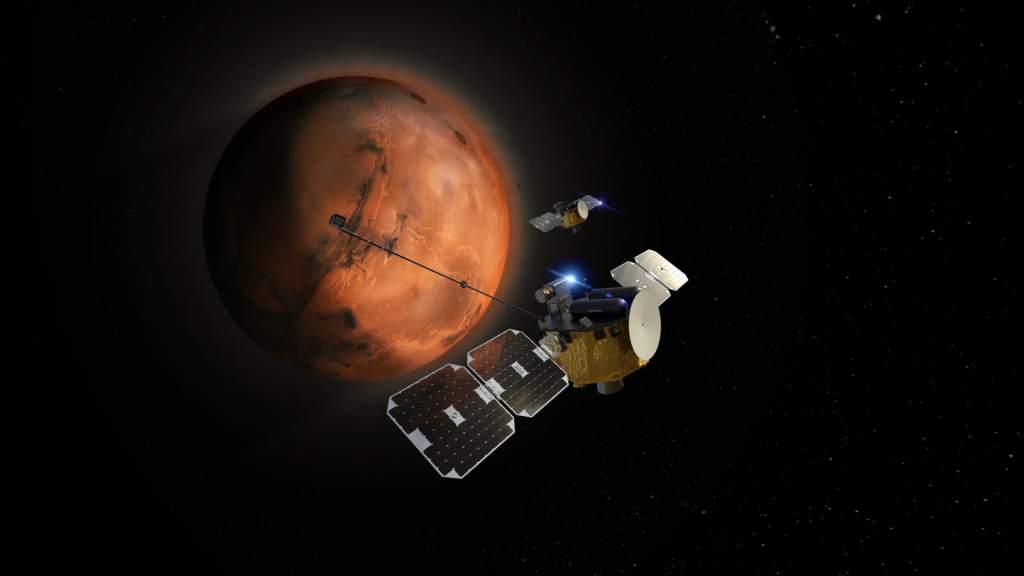
IMAP
The IMAP (Interstellar Mapping and Acceleration Probe) mission will help researchers better understand the boundary of the heliosphere.
Learn More About IMAP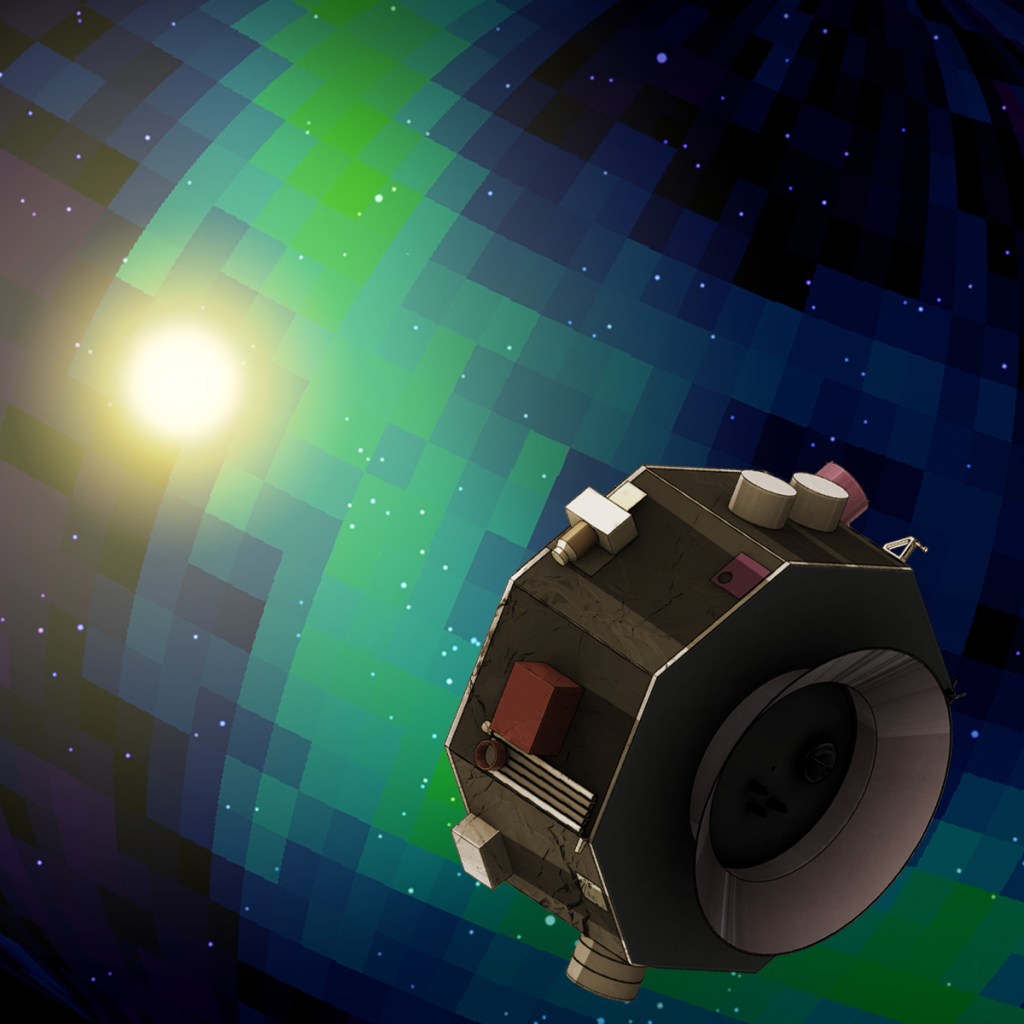
INCUS
INCUS (INvestigation of Convective UpdraftS) will include three SmallSats flying in tight coordination to study why convective storms, heavy precipitation, and clouds occur exactly when and where they form.
Learn More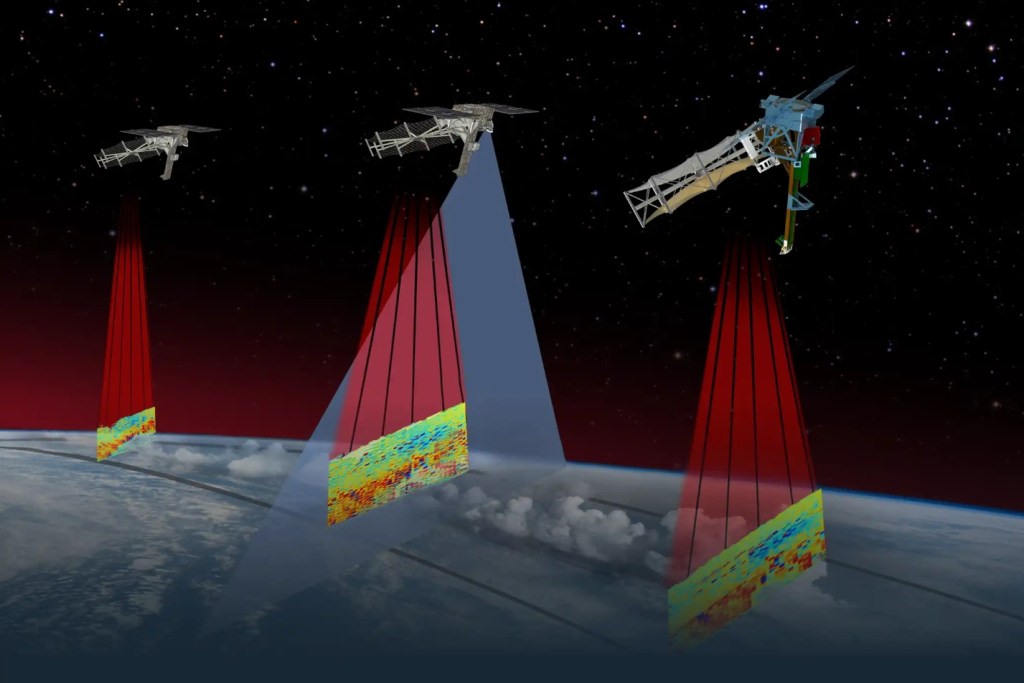
JPSS-4
JPSS (Joint Polar Satellite System) is the nation's advanced series of polar-orbiting environmental satellites. NOAA's JPSS-4 will be the next JPSS satellite to launch.
Learn More About JPSS-4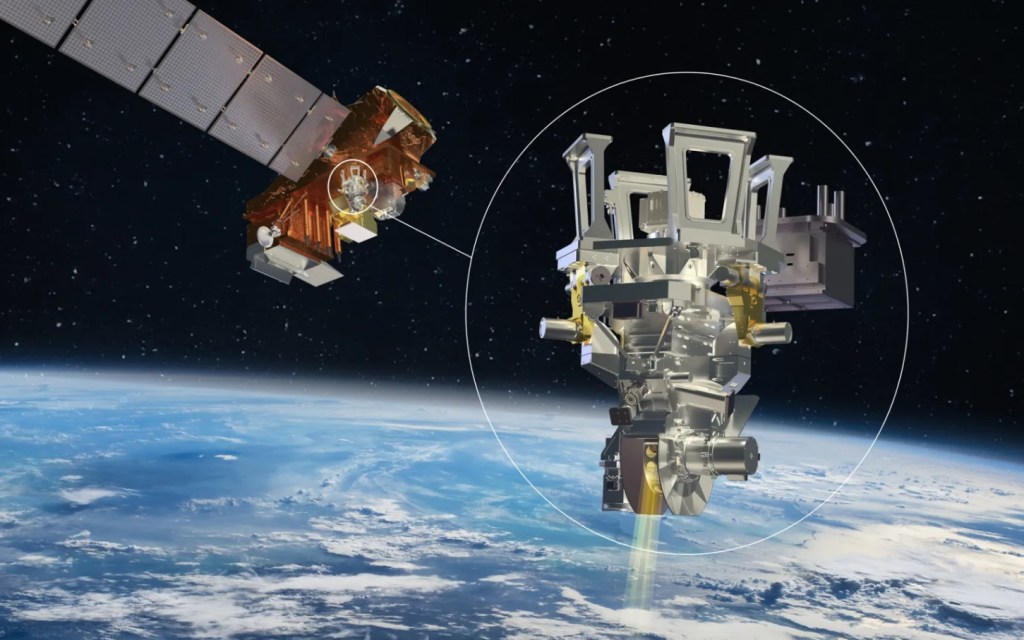
Nancy Grace Roman Space Telescope
The Nancy Grace Roman Space Telescope is a next-generation observatory that will answer pressing cosmic questions.
Learn More About The Nancy Grace Roman Space Telescope
NEO Surveyor
Near-Earth Object (NEO) Surveyor is the first space telescope specifically designed to hunt asteroids and comets that may be potential hazards to Earth.
Learn More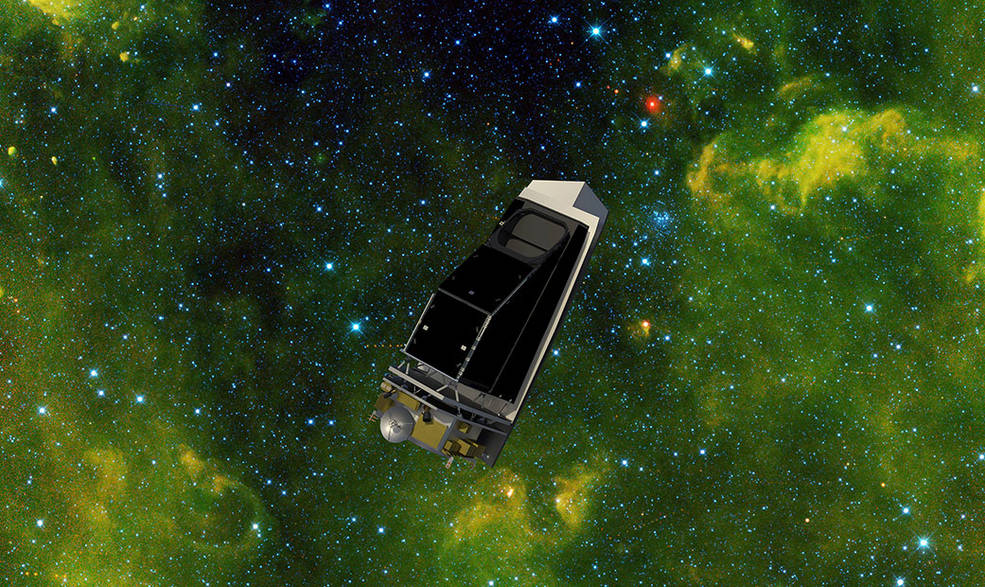
Pandora
Pandora is a small satellite designed to characterize exoplanet atmospheres and their host stars. It is slated to observe at least 20 different planets during its one year of science operations.
Learn More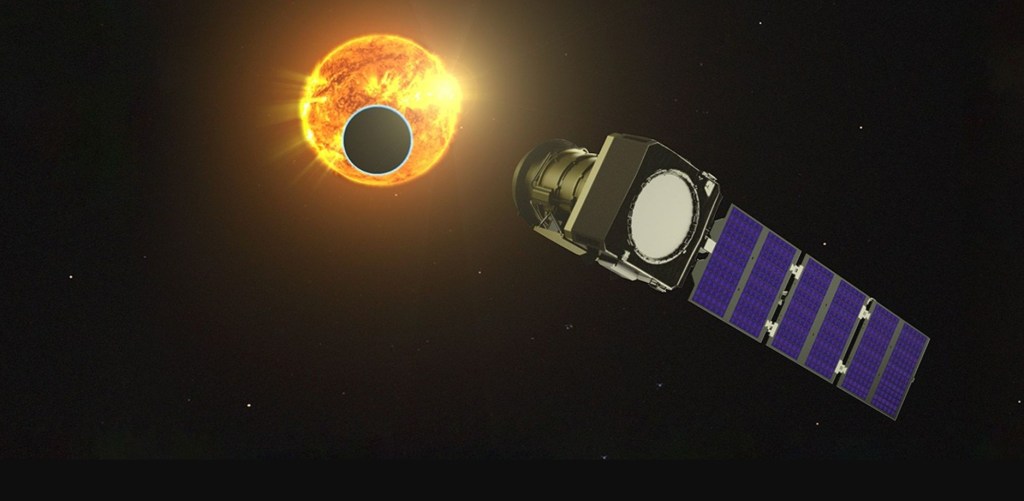
PPE and HALO
The Power and Propulsion Element (PPE) and Habitation and Logistics Outpost (HALO) will be critical to Gateway, the agency's lunar outpost.
Learn More About PPE And HALO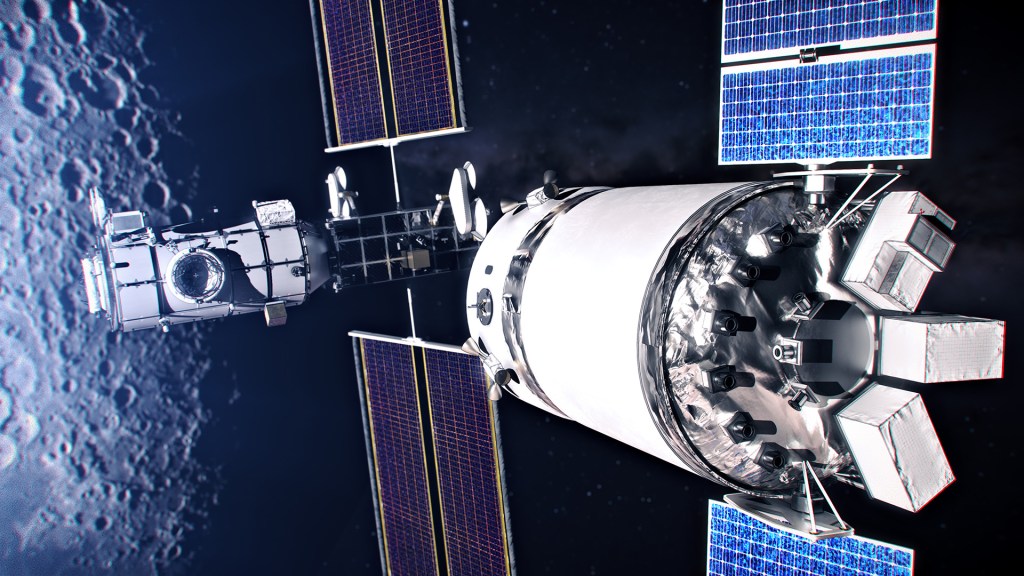
Sentinel-6B
The second of two identical satellites, with the first launched November 21, 2020 (Sentinel-6 Michael Freilich), Jason-CS (Jason Continuity of Service)/Sentinel-6 will ensure continuity of sea level observations into a fourth decade.
Learn More About Sentinel-6B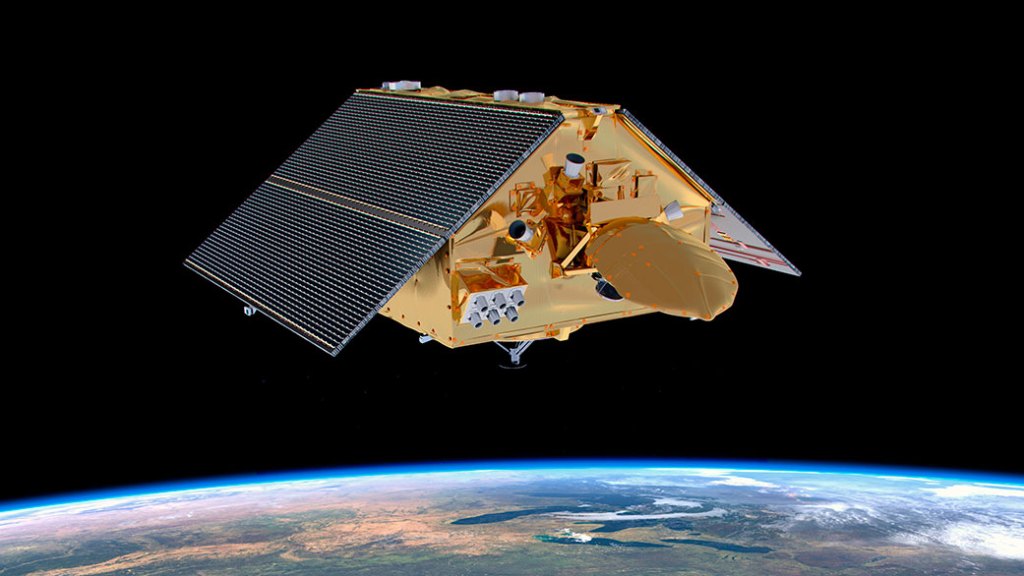
TSIS-2
TSIS-2 will measure the Sun's energy input to Earth. Unlike its predecessor which operates from the International Space Station (ISS), TSIS-2 will ride on a free-flying spacecraft.
Learn More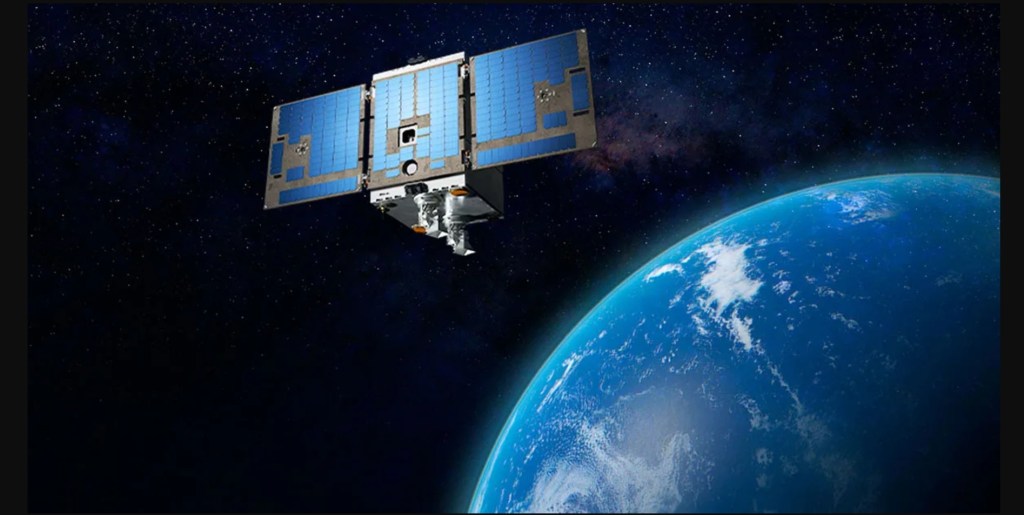
Discover More Topics From NASA
Eyes
NASA’s Eyes is a suite of 3D visualization applications that allows everyone to explore and understand real NASA data and…
Jet Propulsion Laboratory – Future Missions
Missions and instruments built or managed by JPL have visited every planet in our solar system and the sun and…
Psyche
Psyche is heading to a metal-rich asteroid with the same name, located between Mars and Jupiter, and begin exploring in…

Core Area of Expertise: Cost-effective Space Missions