























For Educators
Find learning opportunities for students in multiple settings – in school, afterschool programs, informal institutions like museums and science centers, and at home.
Don't Miss These Opportunities!
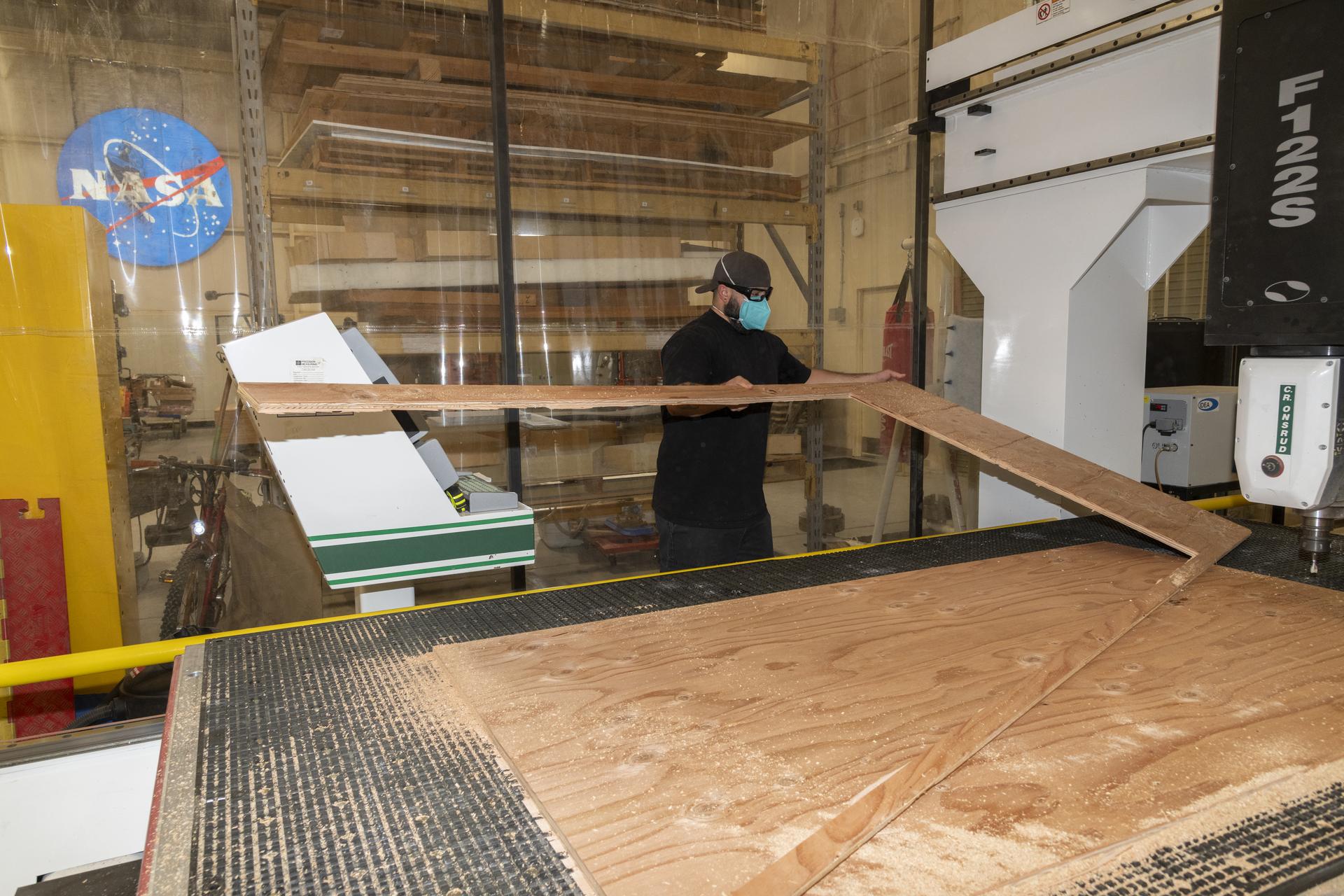
Virtual Career Connection: National Apprenticeship Week
Join us for a virtual event celebrating National Apprenticeship Week by exploring this essential pathway to prepare highly skilled workers contributing to groundbreaking achievements in space exploration. Registration Deadline: April 14
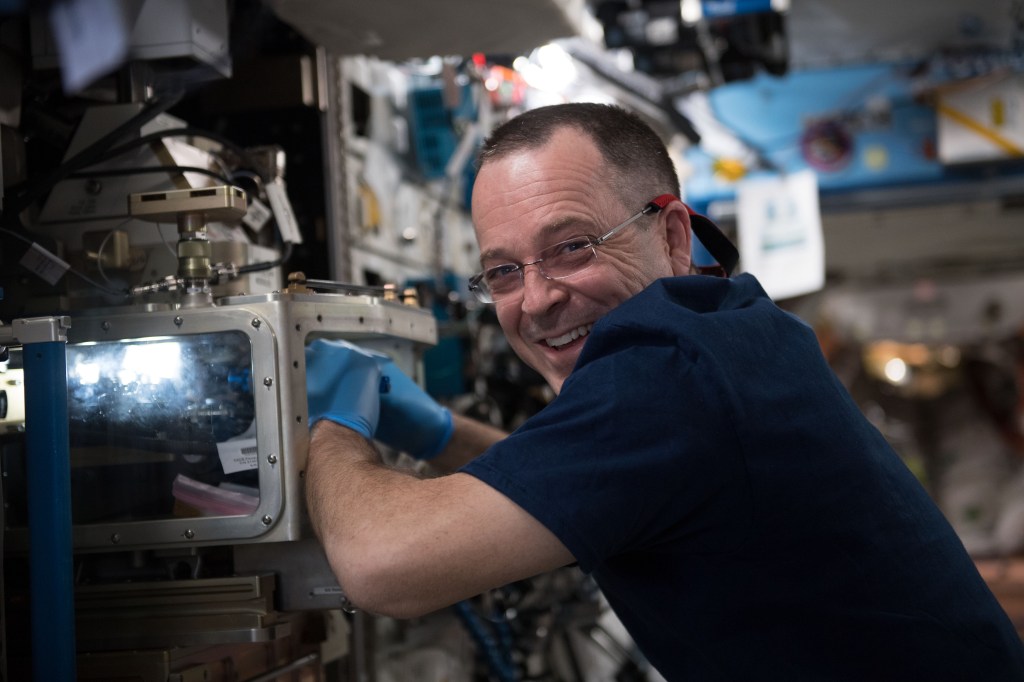
Student Spaceflight Experiments Program — Mission 22 to the International Space Station
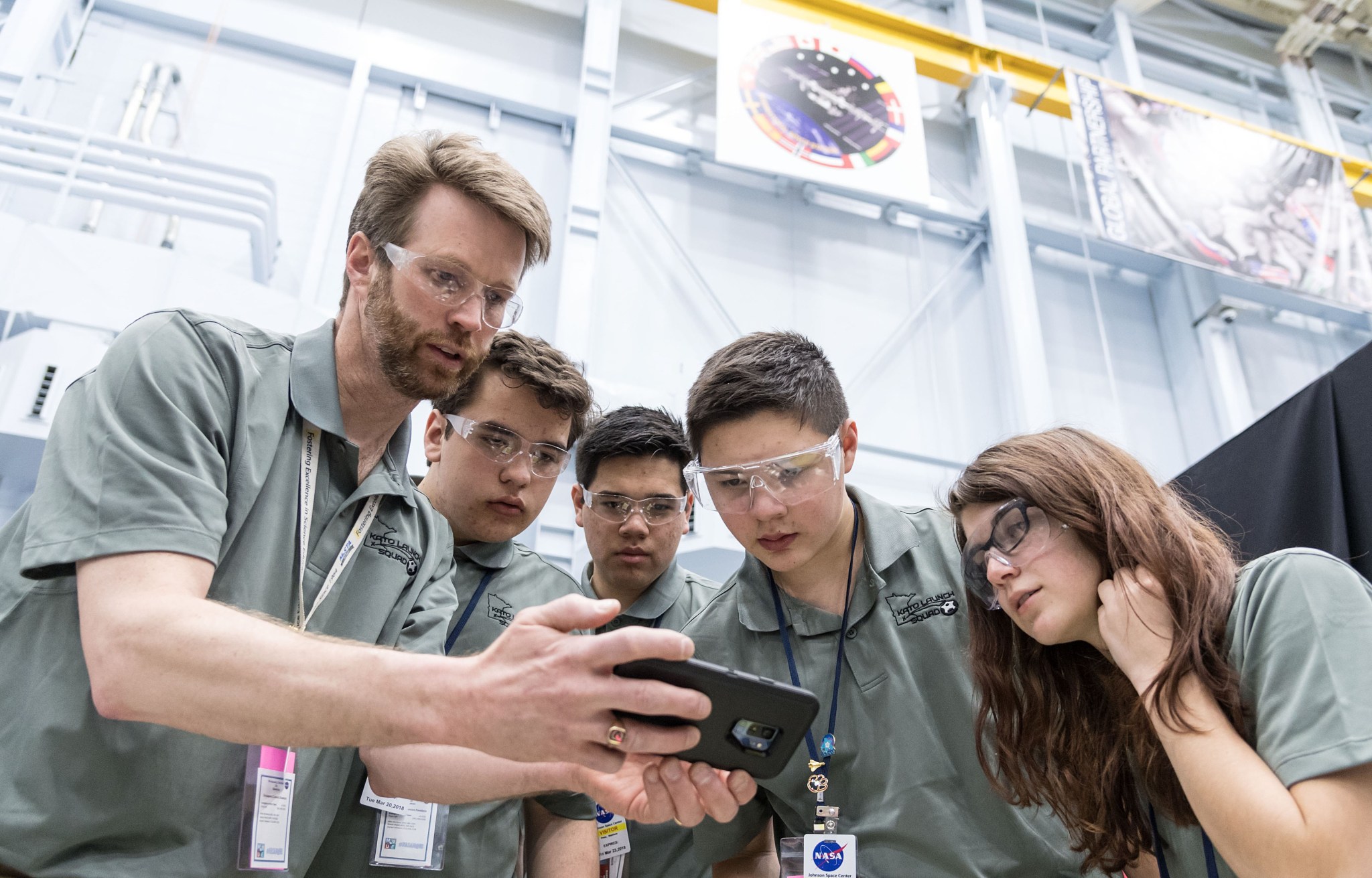
The National Center for Earth and Space Science Education and the Arthur C. Clarke Institute for Space Education announce Mission 22 to the International Space Station, a community engagement initiative in STEM. Open to school communities to engage students in grades 5-college, each selected community will choose a student-designed experiment to fly in low-Earth orbit on the space station. Inquiry Deadline: April 15
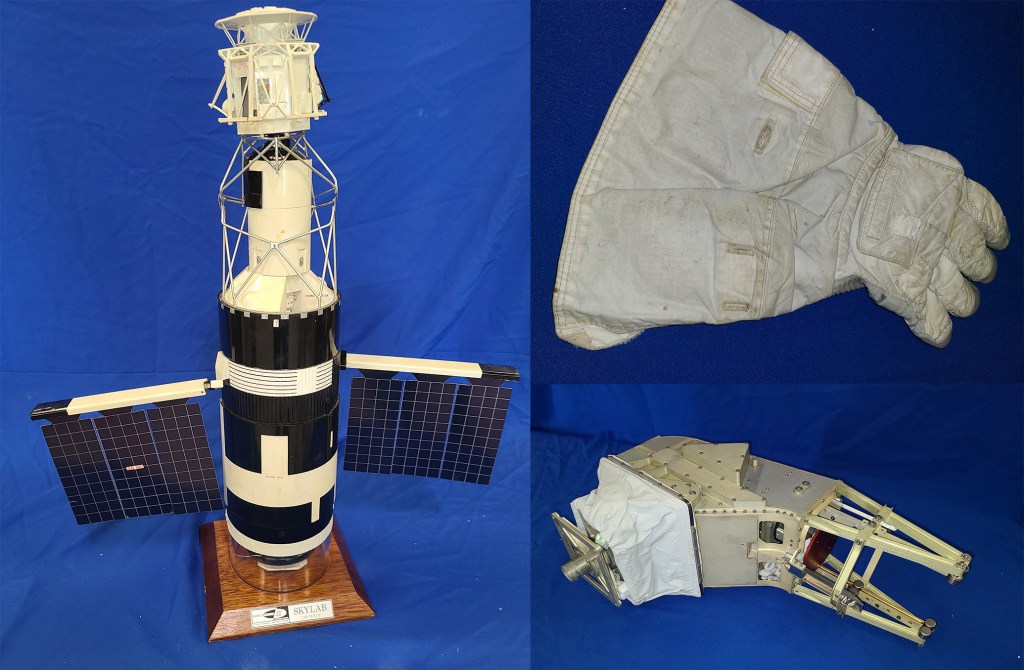
Bring Exploration to Your Classroom With NASA’s Artifact Module
NASA’s Artifact Program offers your organization the opportunity to enhance STEM education and spark curiosity in future innovators by bringing authentic space artifacts into your classroom or exhibit. Enrich your curriculum with various historical items from NASA’s collection, from spacecraft models and mission equipment to astronaut gear and engineering instruments. Request Deadline: April 17
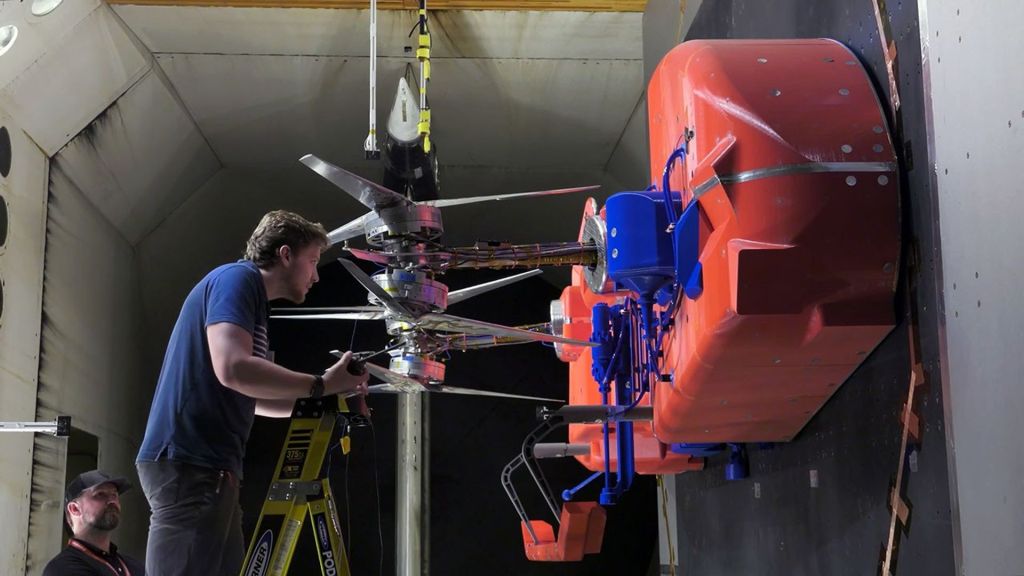
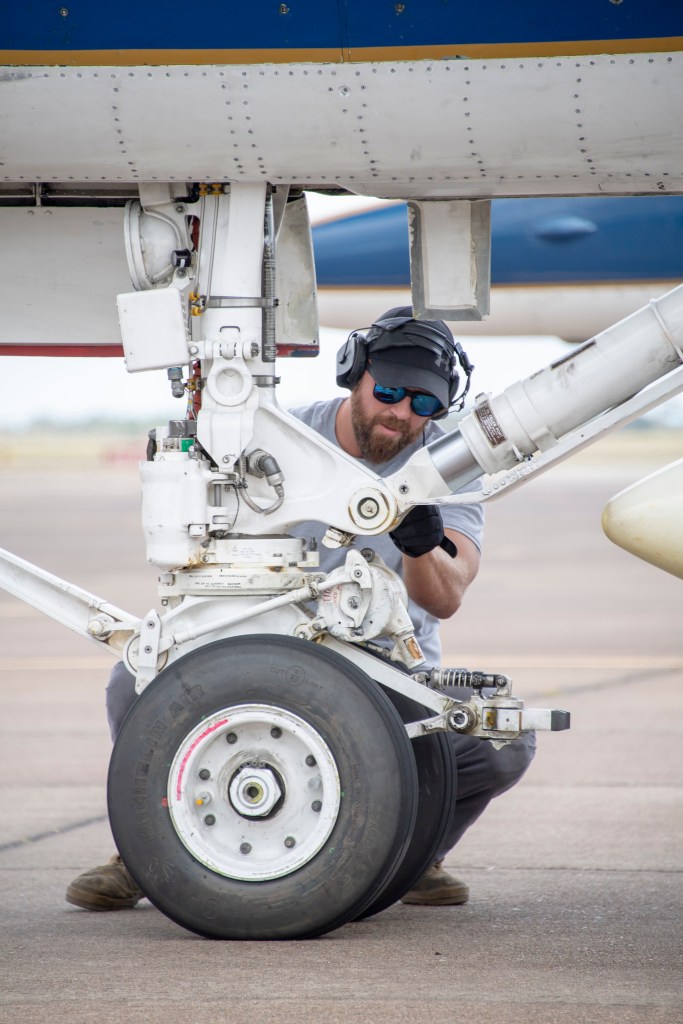
Virtual Career Connection: Exploring Skilled Trades at NASA’s Langley Research Center
Join us for an interactive virtual event exploring how technical trade professionals are essential to advancing cutting-edge research and supporting groundbreaking missions. Get a behind-the-scenes look at NASA’s Langley Research Center in Hampton, Virginia, and hear valuable insights from NASA experts who will share their career journey. Registration Deadline: April 21
Contact Opportunity: Amateur Radio on the International Space Station (ARISS)
On Monday, April 6, ARISS-US will begin accepting proposals from U.S. schools, museums, and community youth organizations (working individually or together) to host an amateur radio contact with an astronaut aboard the International Space Station between Jan. 1 and June 30, 2027. Proposal Deadline: May 22
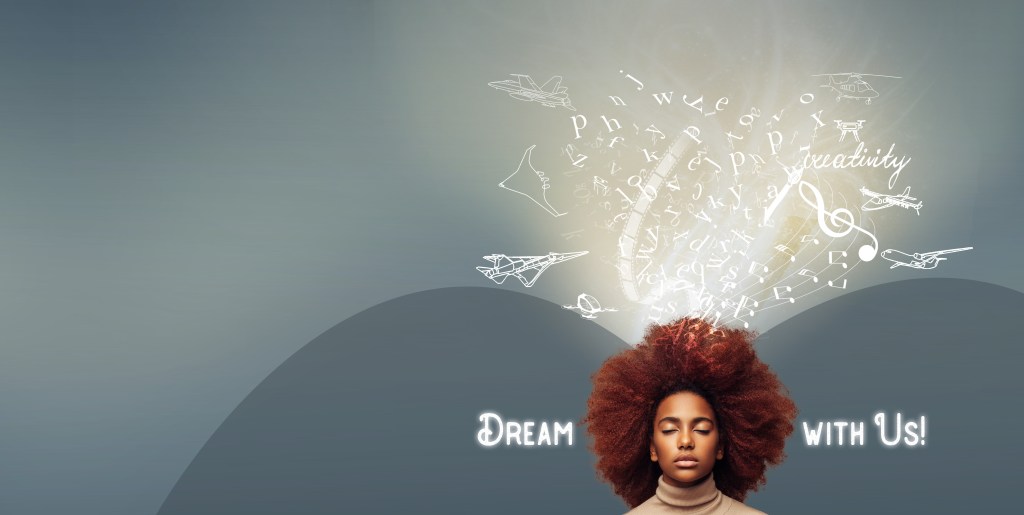
Seeking Judges for the Dream With Us! Design Challenge
NASA Aeronautics and the Federal Aviation Administration are teaming up on the Dream With Us! design challenge to invite middle school and high school student teams to envision ways drones and technology can help the agricultural industry. Want to be a judge for the challenge?
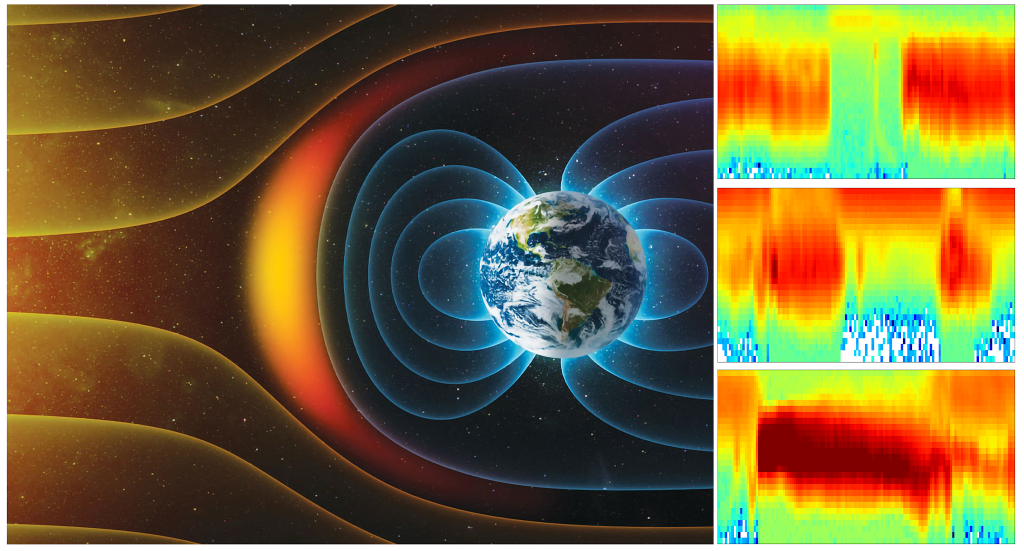
Help Map Earth’s Magnetic Field With Space Umbrella
When charged particles in the solar wind reach our planet, Earth’s magnetic field acts as a giant umbrella to shield us. NASA’s Magnetosphere Multiscale mission has been collecting data in this dynamic region of space since 2015. And now, the Space Umbrella project lets you help scientists examine mission data to better understand solar storms.
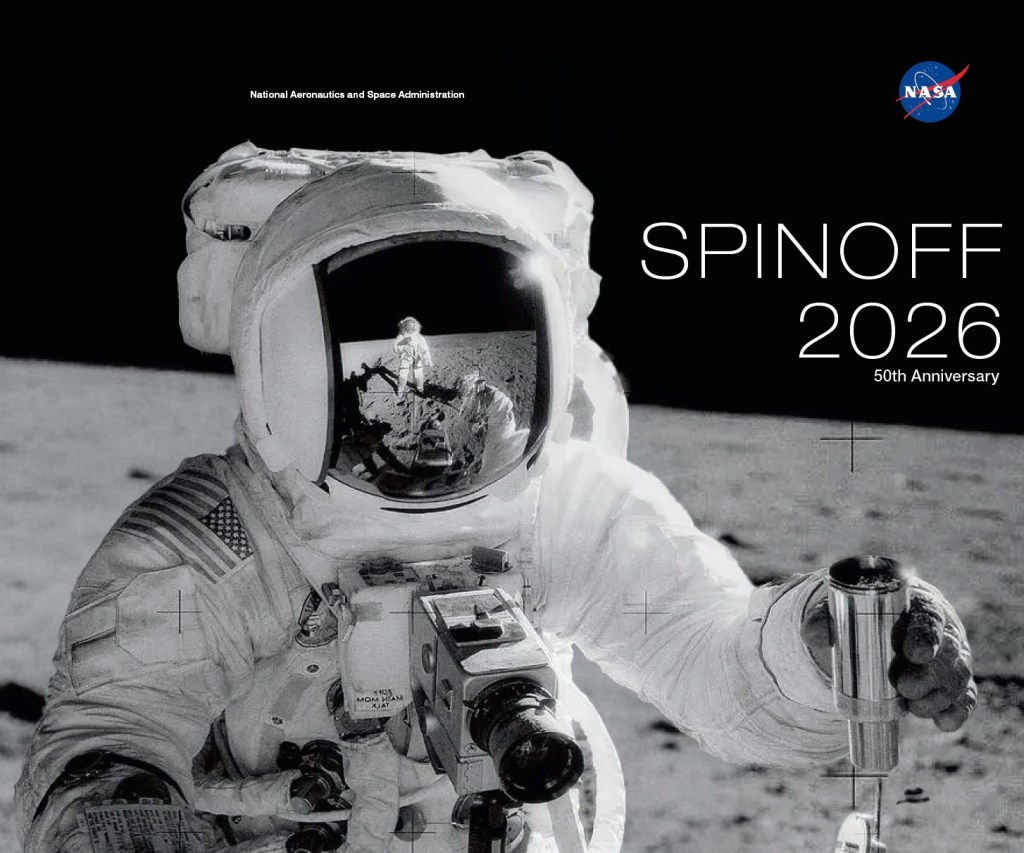
Celebrate 50 Years of NASA Spinoffs
Where is NASA in your life? Everywhere! In your car, in your home, in your school, and in the world around you. This year, the NASA Spinoff publication is celebrating 50 years of spotlighting the NASA technologies that improve everyday life on Earth. Check out the latest spinoff technology innovations in the Spinoff 2026 publication.
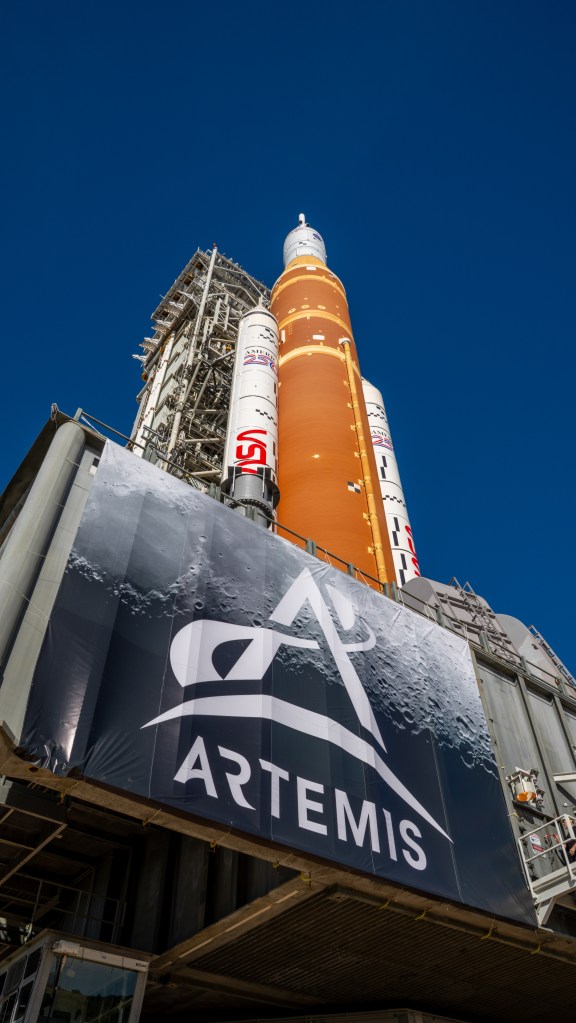
Join the Artemis Mission to the Moon
Make, launch, compete and learn. Find your favorite way to be part of the Artemis mission.
Go to the Website about Join the Artemis Mission to the Moon
Resource Collections by STEM Topics
Explore resources and activities for grades K-12. To modify the collection, use the facets provided on the search results page.
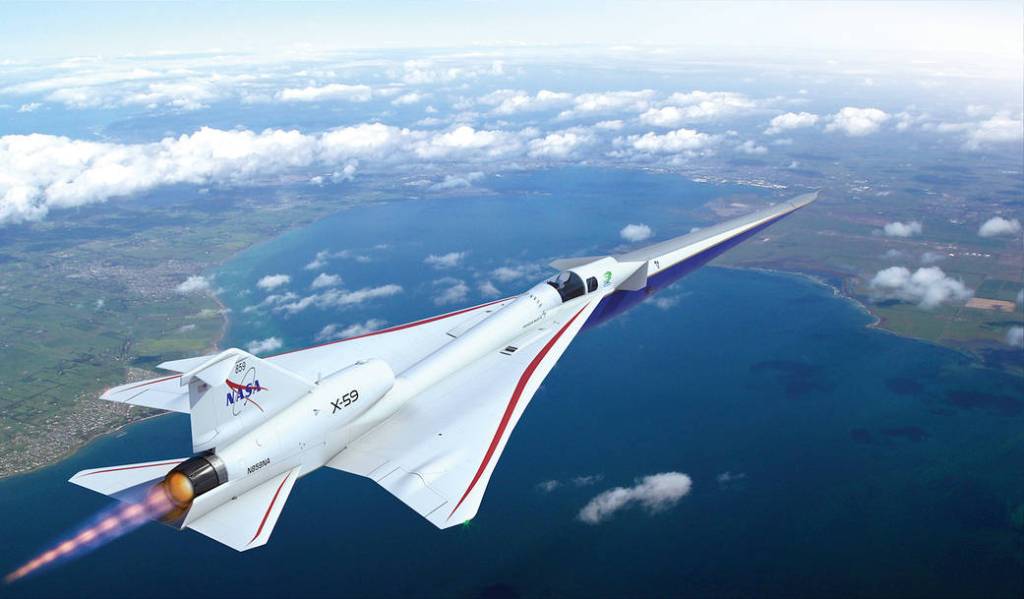
Aeronautics and Flight
Discover how NASA’s technological breakthroughs of today transforms tomorrow’s future with aeronautics. Explore STEM resources that focus on cutting-edge aeronautics content that will encourage our future explorers to take a deep dive into the world of a new generation of flight.
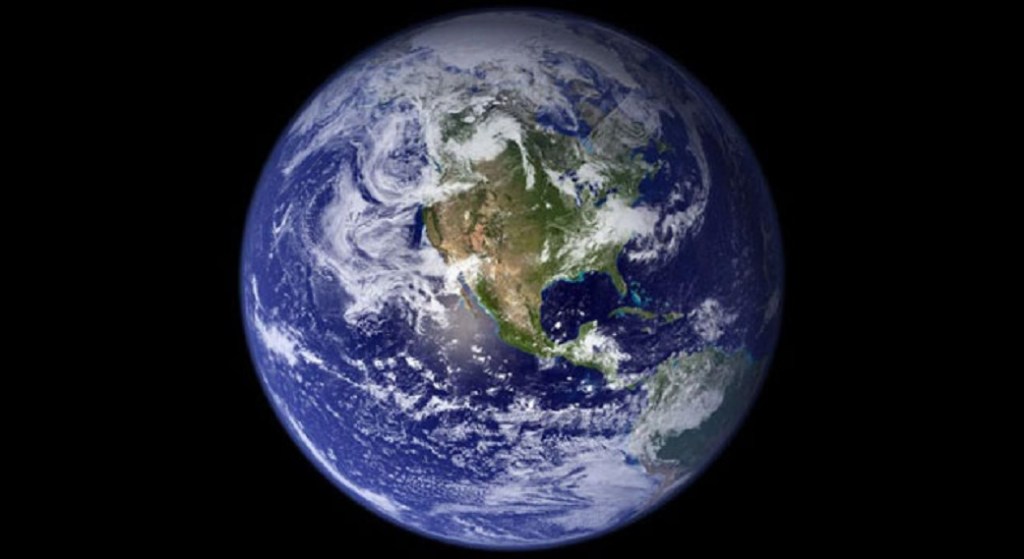
Earth Science
NASA uses a fleet of satellites, instruments on board the International Space Station (ISS) and ambitious airborne and ground-based observation campaigns.to monitor the vital signs of Earth. Discover resources to learn about Earth and climate science missions, connect with the ISS and its crew, and learn new ways to contribute to NASA’s Missions.
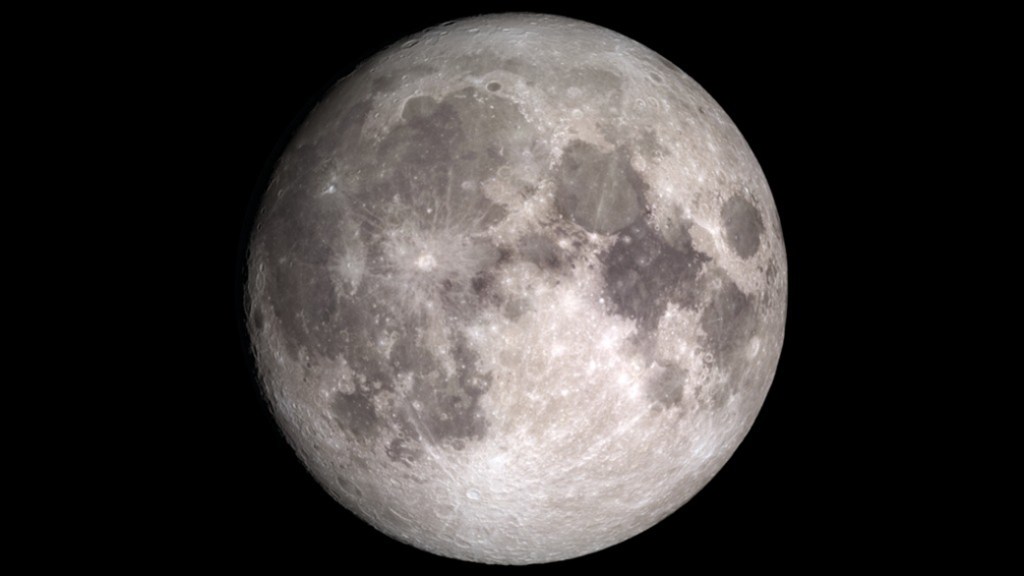
Earth's Moon
K-12 activities that help students understand NASA’s Artemis missions to the Moon. From launch to splashdown, anyone can learn about the ground, transportation, exploration, and communication systems NASA plans to use to make a return of a human presence near and on the Moon possible.
Earth and Climate
From Space, sky, sea and land, NASA provides detailed climate data and research to the world. Engage students in K-12 activities and multimedia resources related to weather and climate.

Eclipse
NASA studies solar eclipses on the ground, in our atmosphere, and in space, influencing solar and Earth science. Engage students and explore curated K-12 activities.

Solar System and Beyond
Discover engaging hands on student activities and resources to help K-12 students learn more about how NASA is uncovering new worlds, stars and cosmic mysteries, near and far with our powerful fleet of space and ground-based missions.
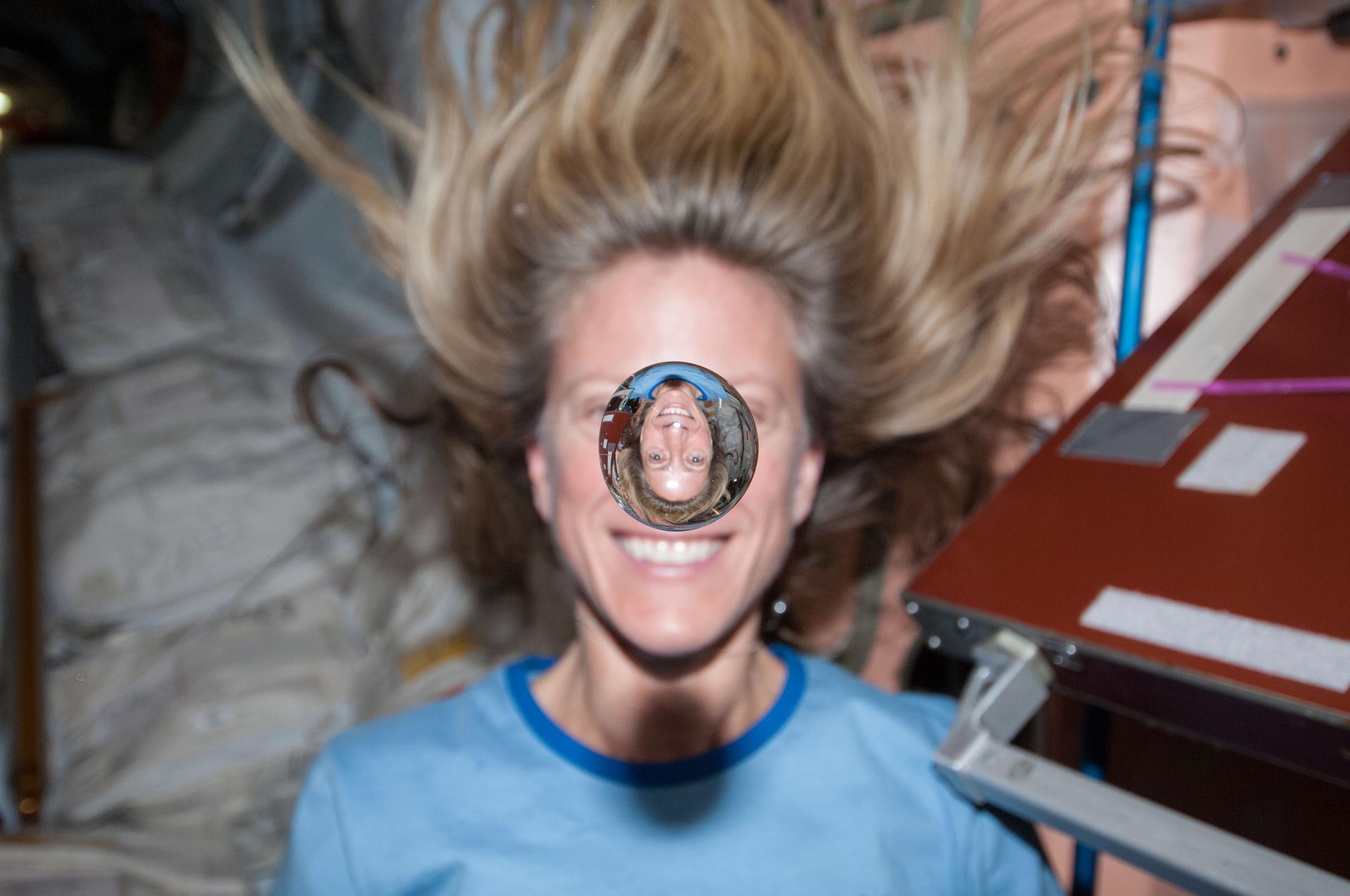
STEM on Station
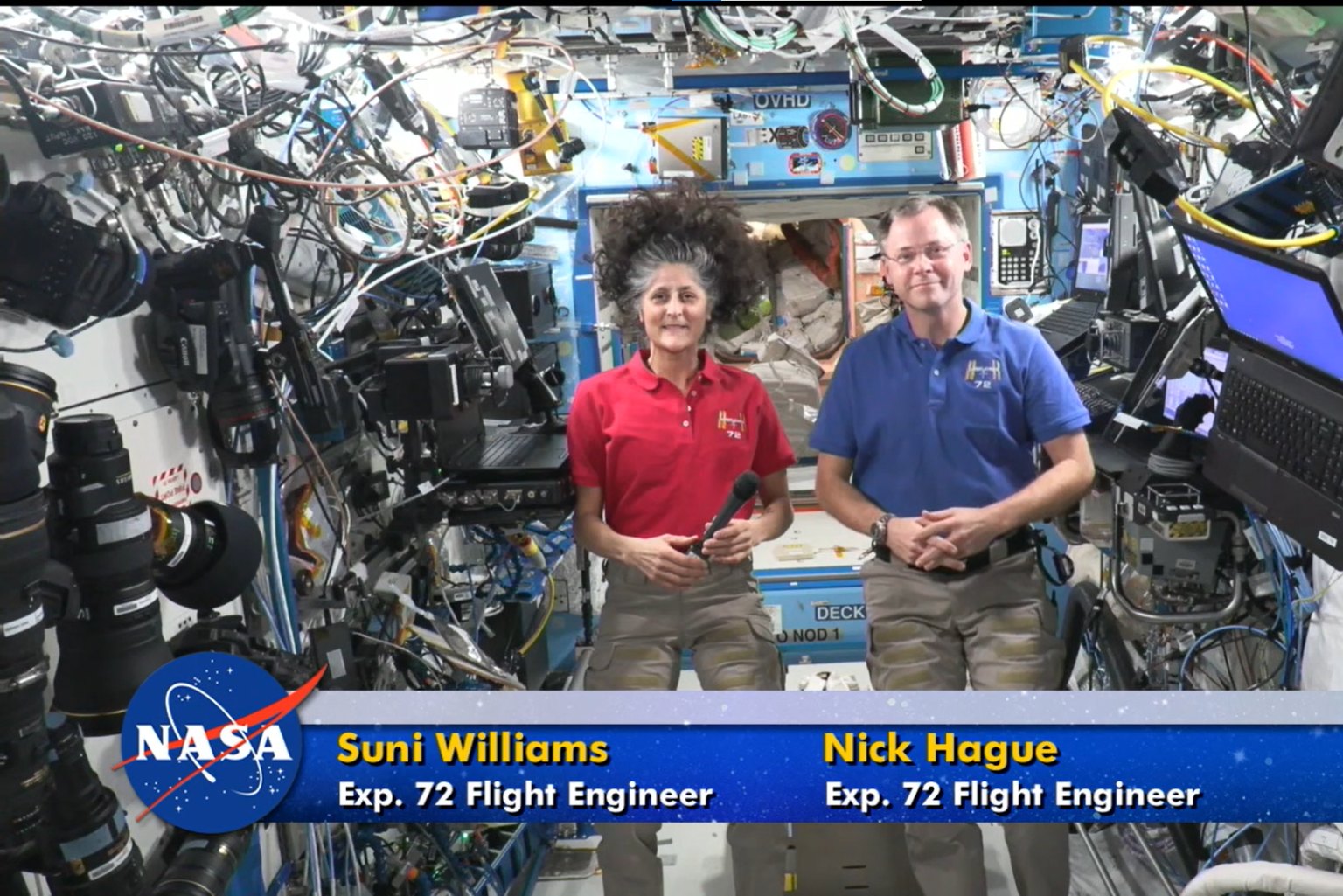
Have you ever wondered what kind of STEM activities occur on the International Space Station? Follow astronauts as they demonstrate STEM concepts such as Newton’s Laws of Motion, surface tension, advances in technology and more.
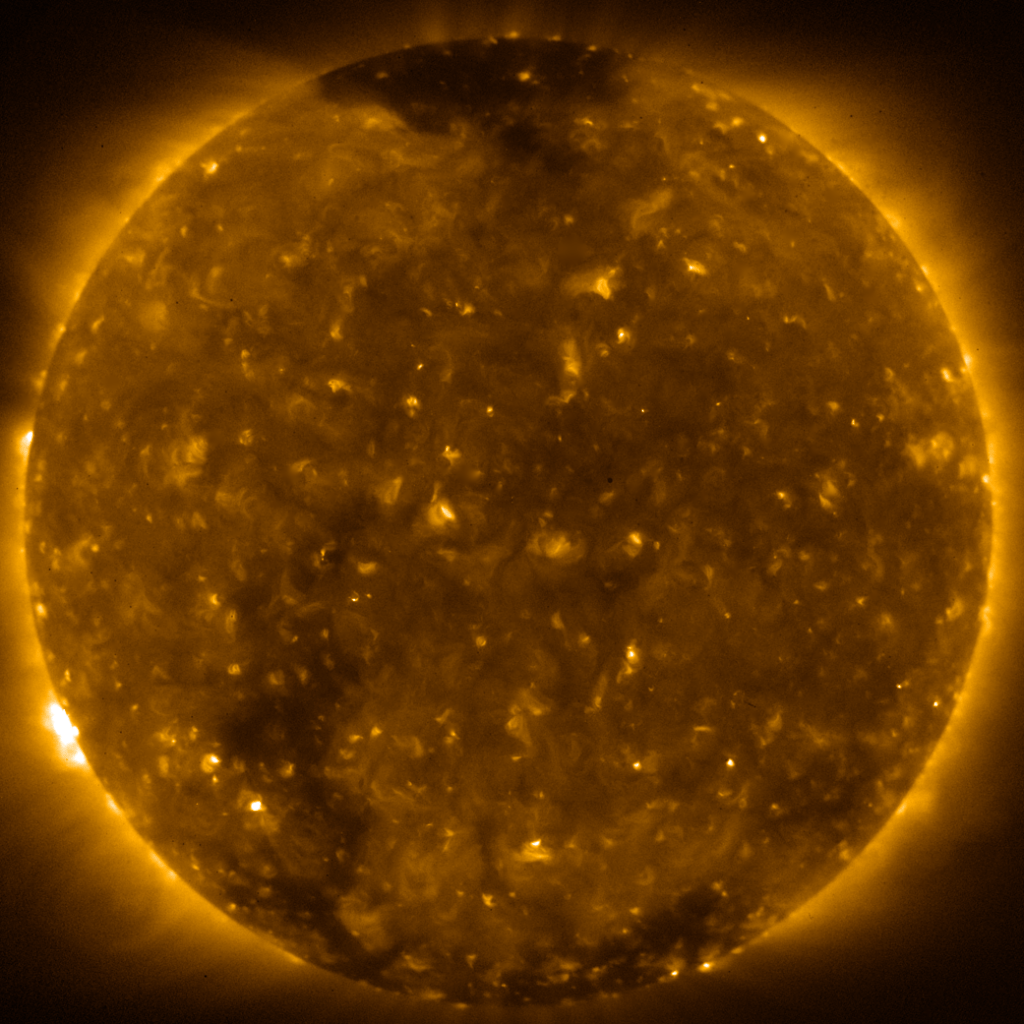
Sun
Scientist at NASA study heliophysics or the physics of the Sun and its connection with the solar system. Engage students and explore our very own star with curated K-12 activities.
NASA Express Newsletter Sign-up
Are you looking for NASA's latest STEM opportunities and resources? Subscribe to the NASA EXPRESS newsletter to get the latest NASA STEM opportunities delivered to your inbox every Thursday.
Learn More about NASA Express Newsletter Sign-up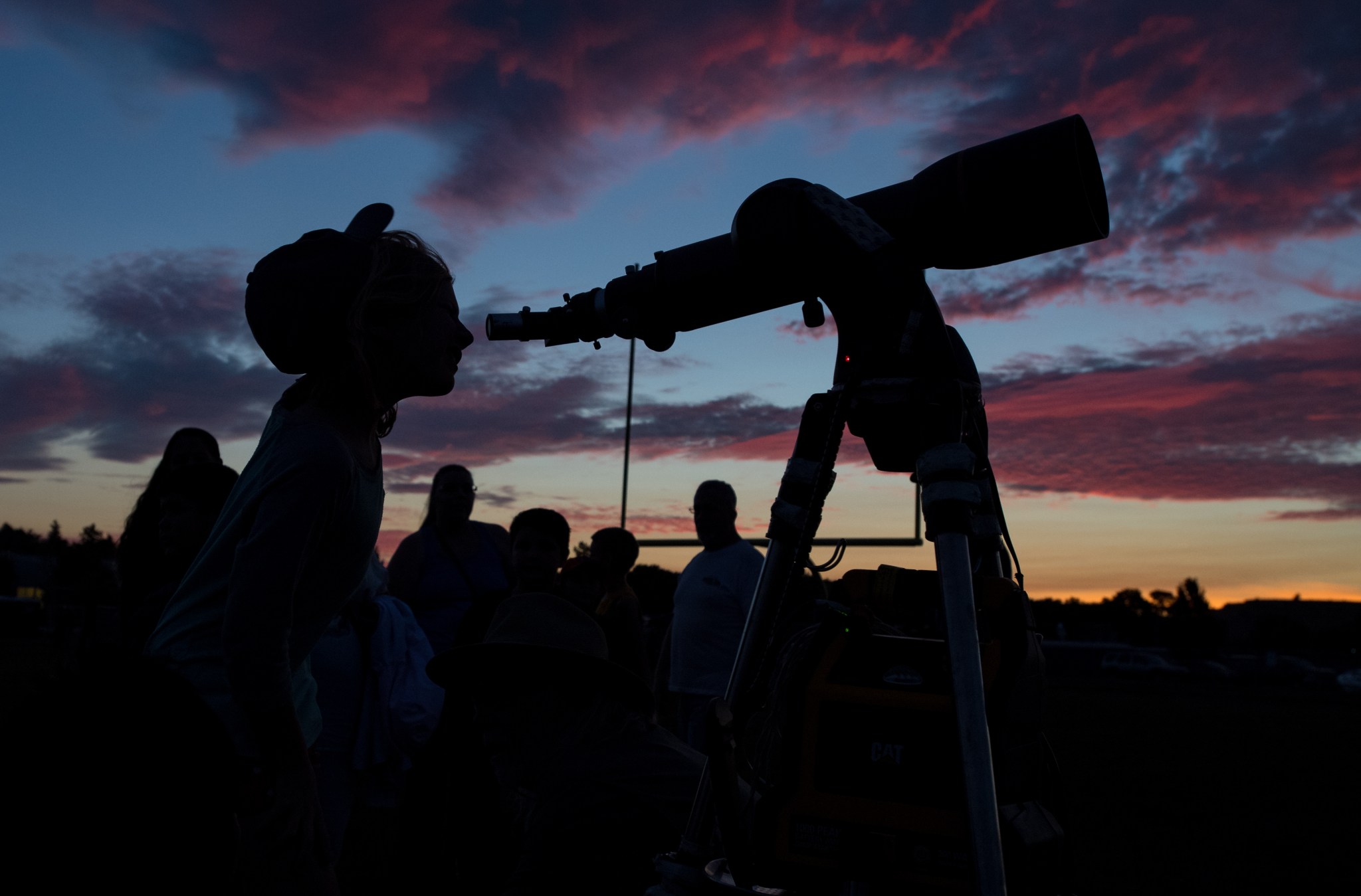
Productos de STEM en español
Estamos llevando el aprendizaje a nuevas alturas con recursos de STEM que conectan a educadores, estudiantes, padres y cuidadores con el inspirador trabajo de la NASA. STEM es un acrónimo en inglés que hace referencia a las materias de ciencia, tecnología, ingeniería y matemáticas. Desde actividades que se pueden realizar en casa hasta guías educativas más detalladas, ofrecemos algo para estudiantes de cualquier nivel.
Explora Productos de STEM en español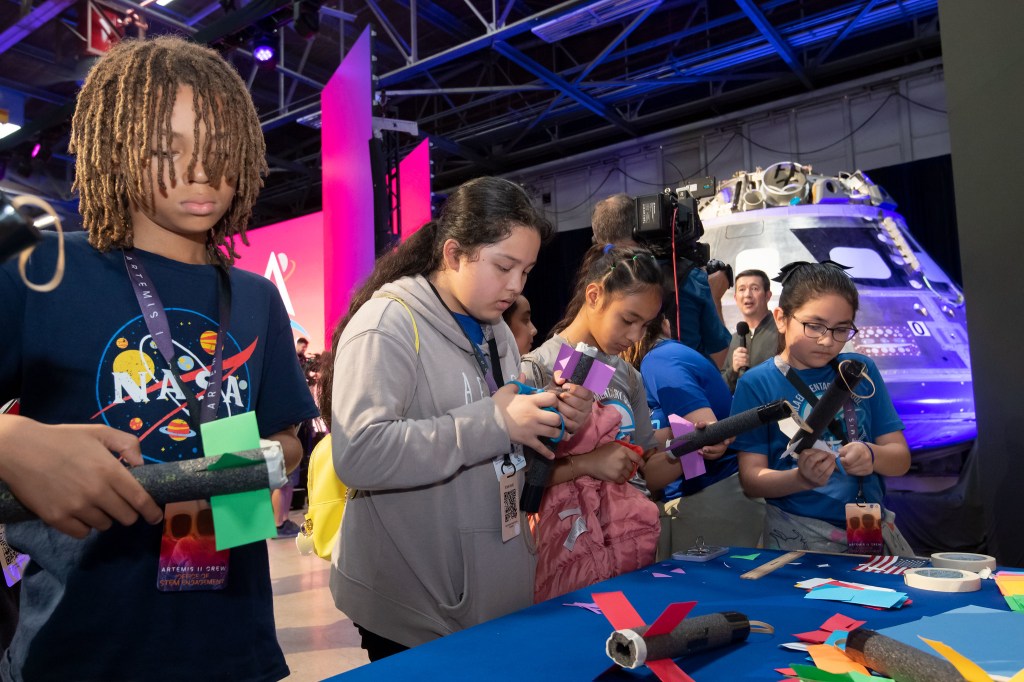
Outside the Classroom
Competitive Grant Opportunity
NASA Teams Engaging Affiliated Museums and Informal Institutions (TEAM II) enables informal education institutions to bring meaningful NASA connections and mission-inspired STEM content and programs into their communities via the TEAM II competitive awards program.
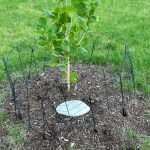
NASA STEM Artemis Moon Trees
NASA’s Office of STEM Engagement partnered with U.S. Department of Agriculture Forest Services to fly five species of tree seeds aboard Artemis I as part of a national STEM Engagement and conservation education initiative.
Partnering with NASA STEM Engagement
NASA STEM Engagement fosters an array of new partnerships that connect students from across the nation with NASA’s most exciting endeavors. Through partnerships between industry and NASA’s experts and resources, these agreements forge connections to the Artemis missions, the Mars Perseverance landing, STEM careers, and more.
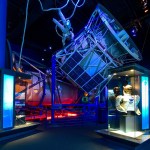
Museum and Informal Education (MIE) Alliance
The Museum and Informal Education Alliance is an active community of practice that provides informal educators with access to NASA resources.
Learn: Science Activation
The NASA Science Activation (SciAct) program connects diverse learners of all ages with science in ways that activate minds and promote a deeper understanding of our world and beyond.
Educational Resources for International Audiences
Explore a variety of educational resources and activities available to international audiences.
Learn More About Citizen Science
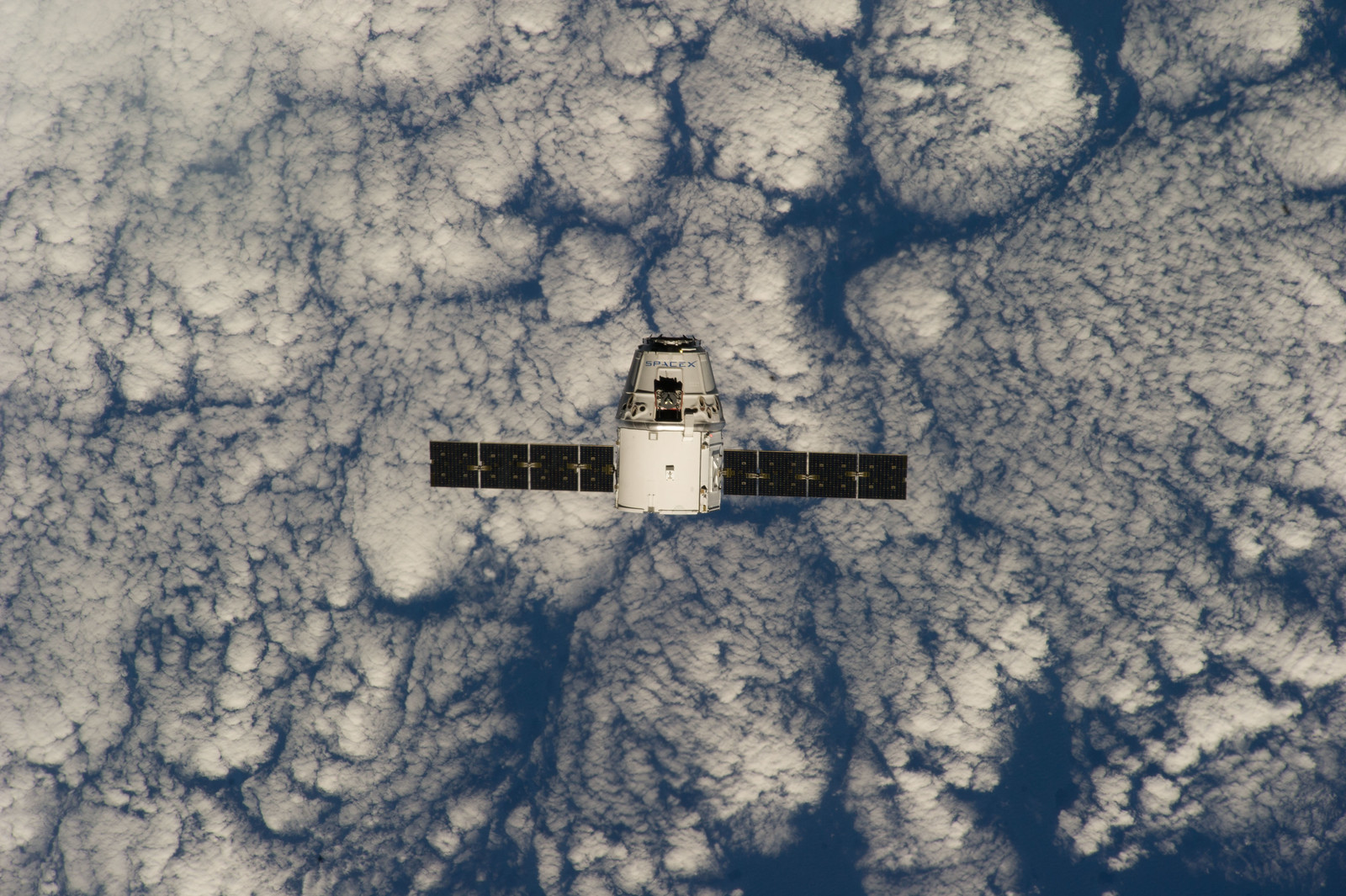
NASA’s citizen science projects are collaborations between scientists and interested members of the public. Through these collaborations, volunteers (known as citizen scientists) have helped make thousands of important scientific discoveries. NASA citizen science projects are open to everyone around the world, not limited to U.S. citizens or residents.