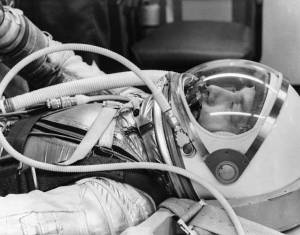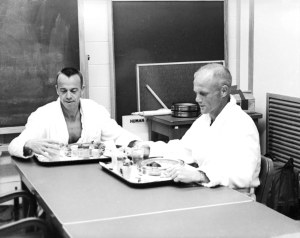





















Project Mercury
We are driven to explore the unknown, discover new worlds, push the boundaries of our scientific and technical limits, and then push further.
Retrospective
Crewed Missions
Years (1958-1963)
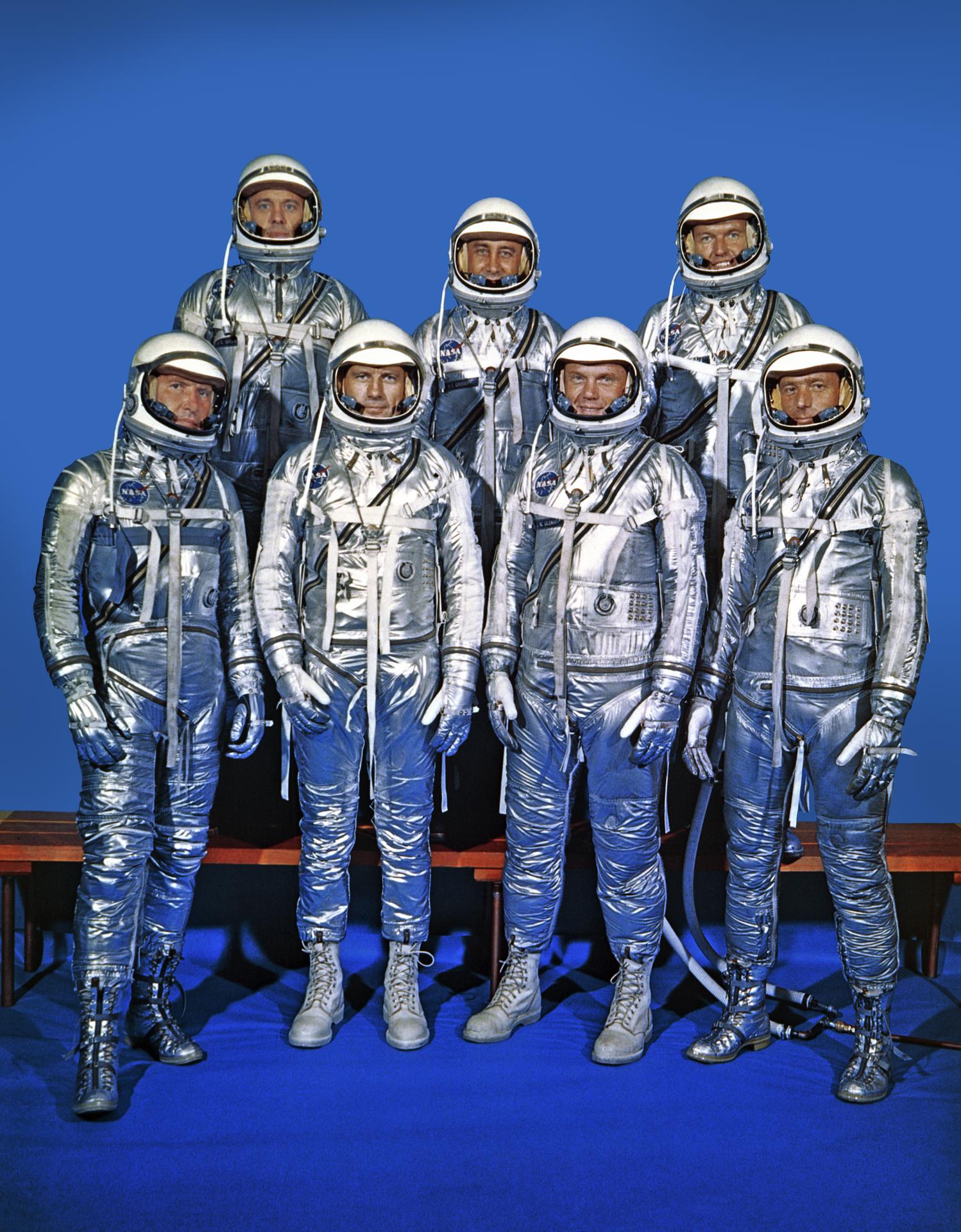
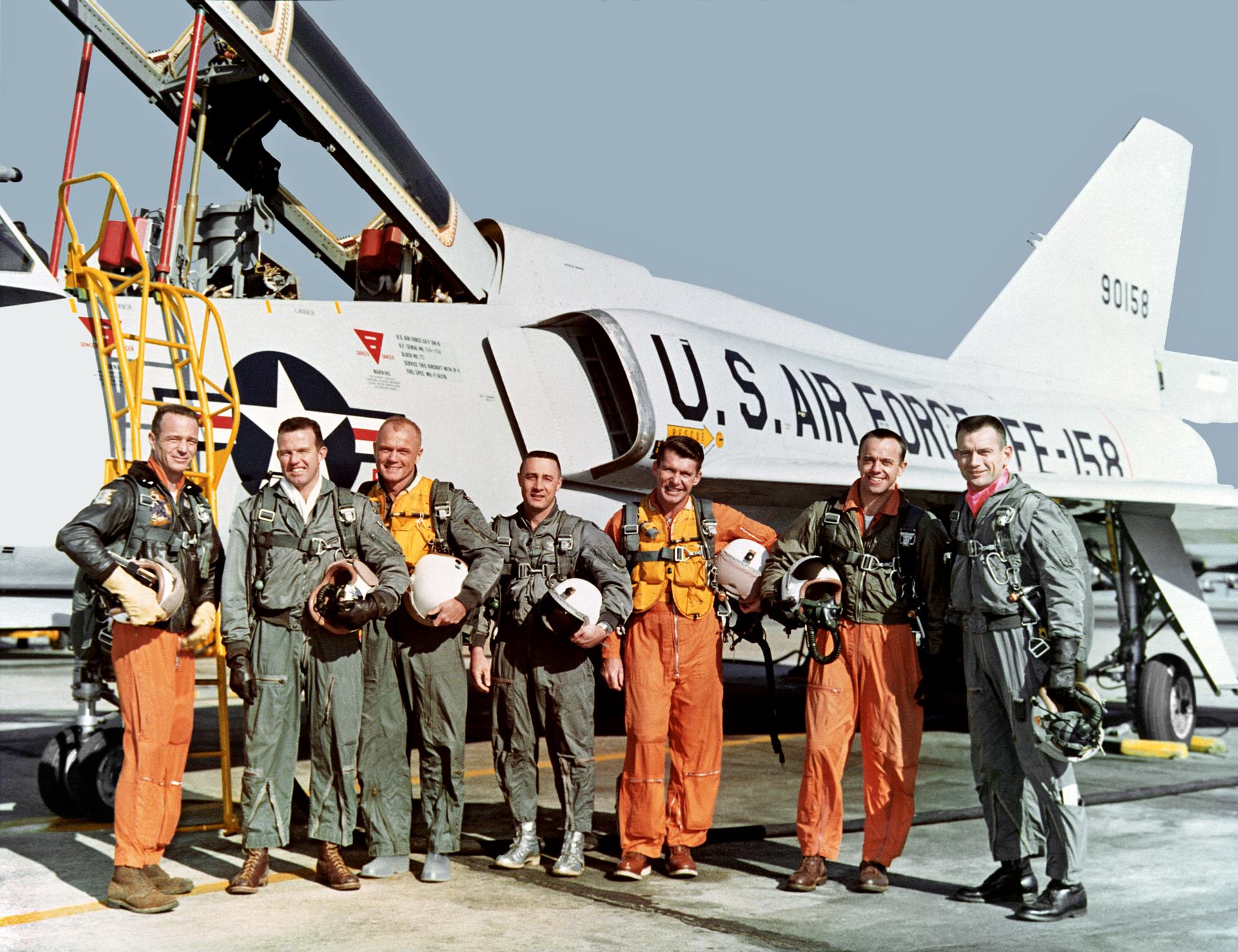
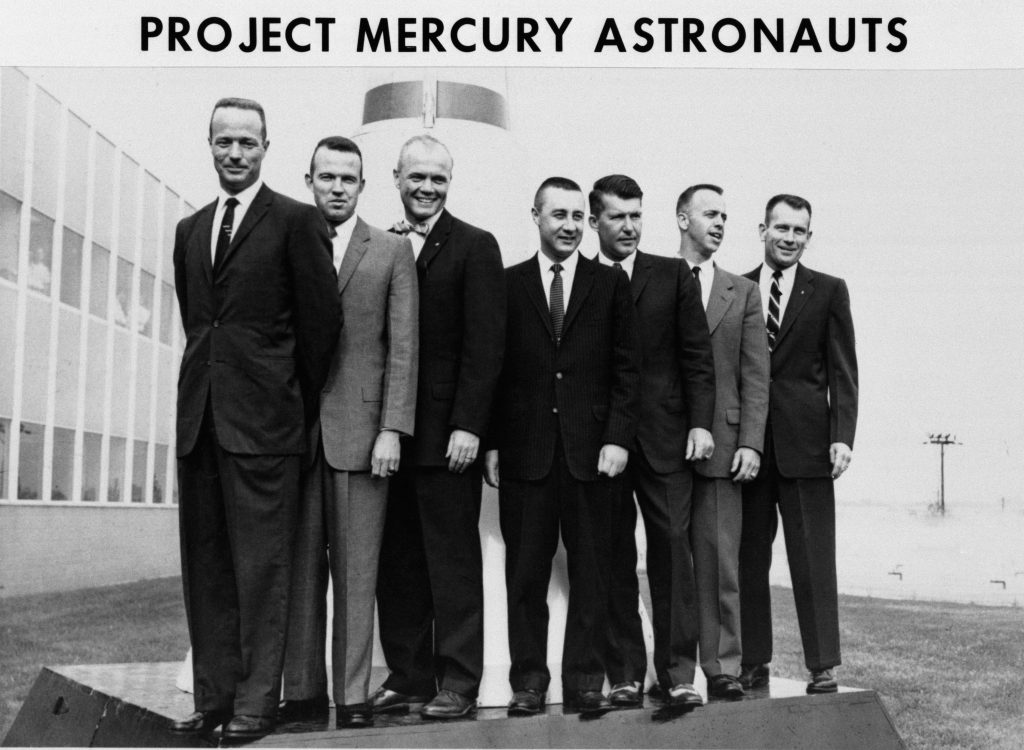
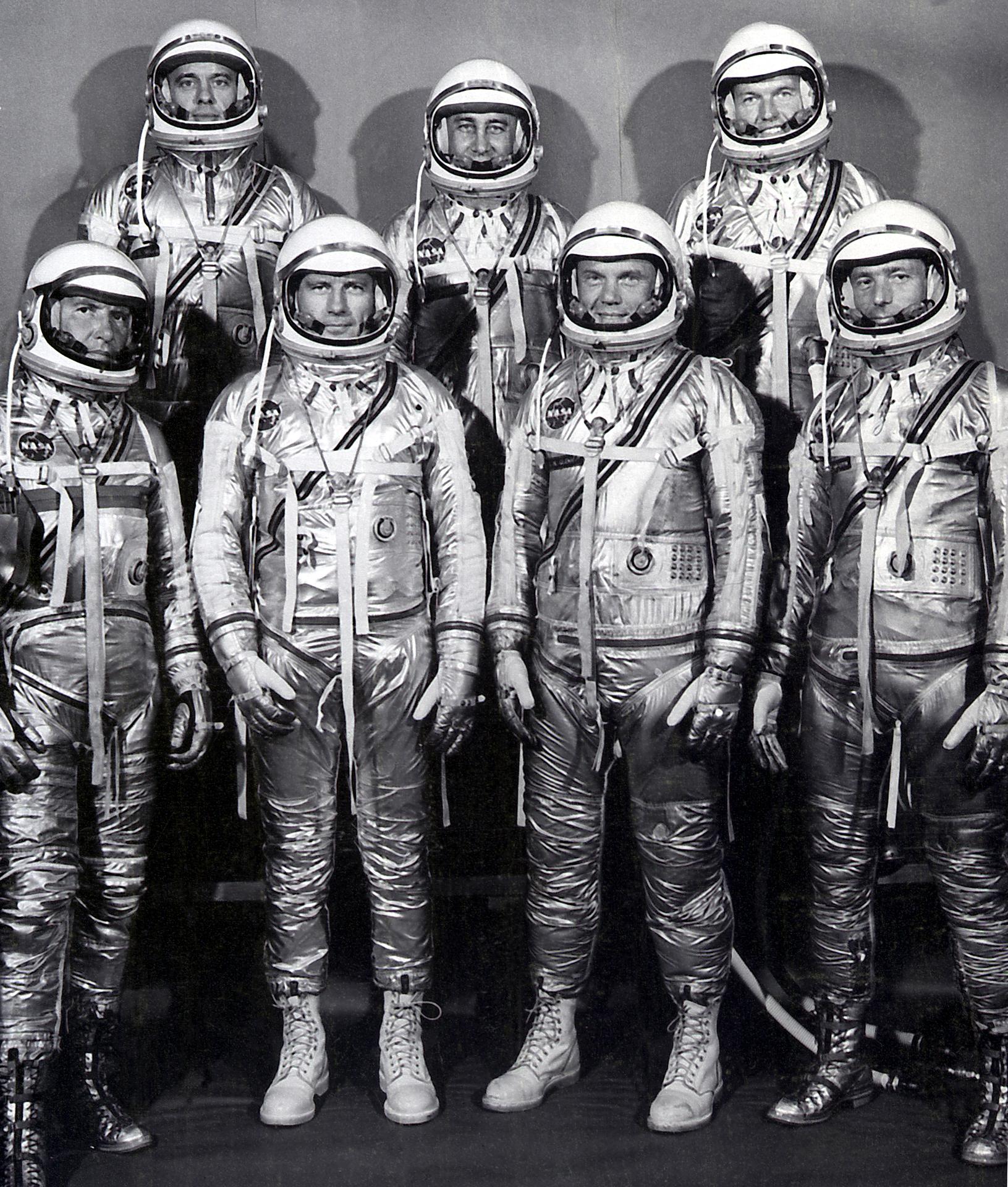
The Mercury Seven
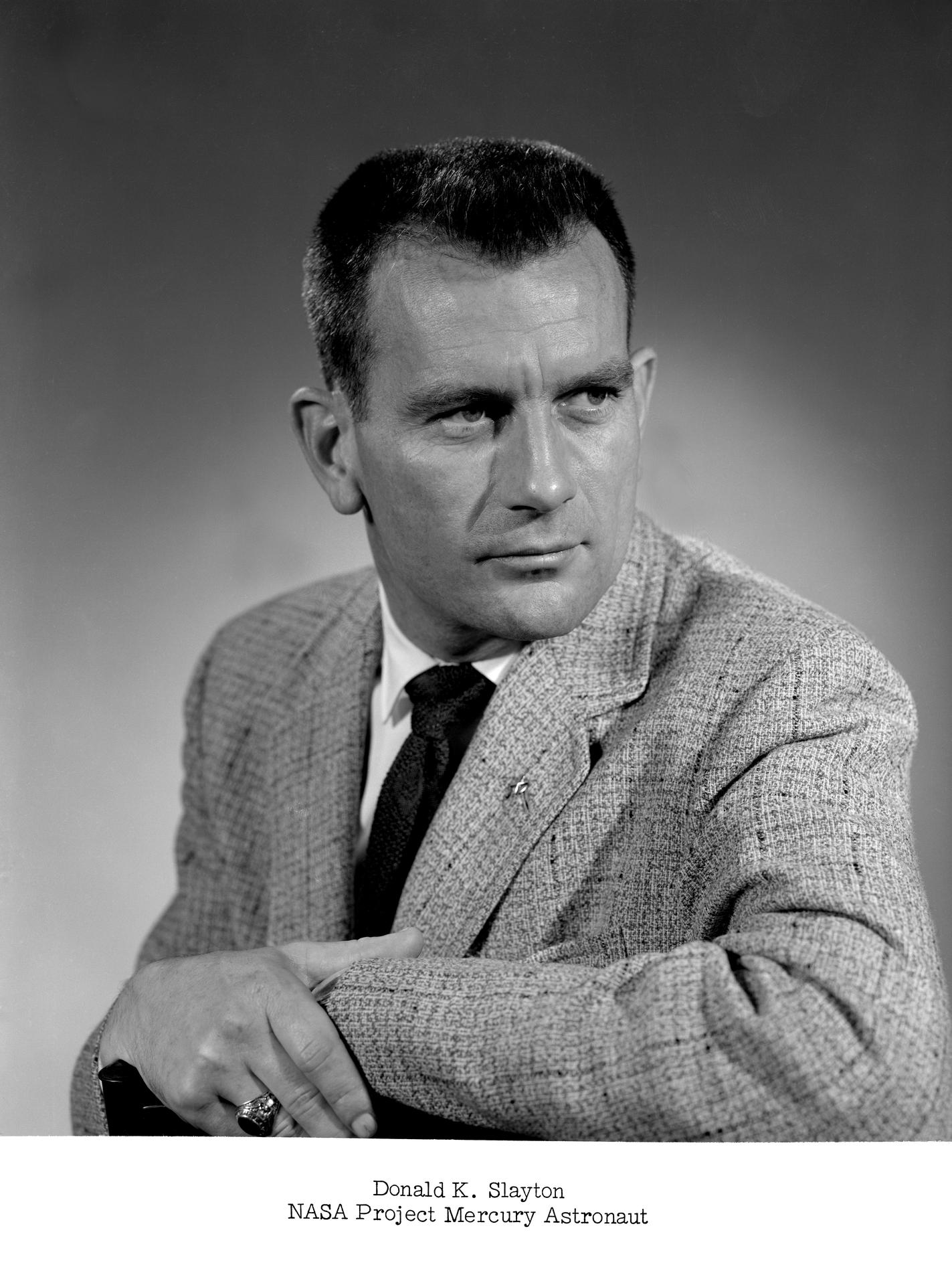
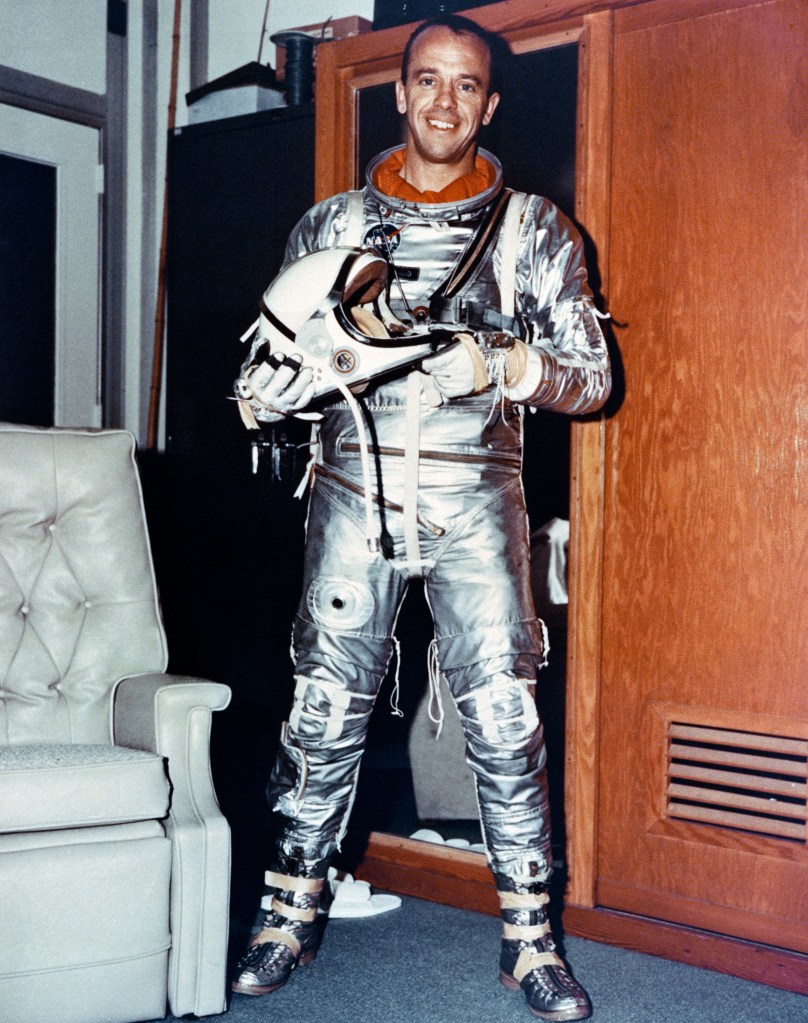
Mercury-Redstone 3: Freedom 7
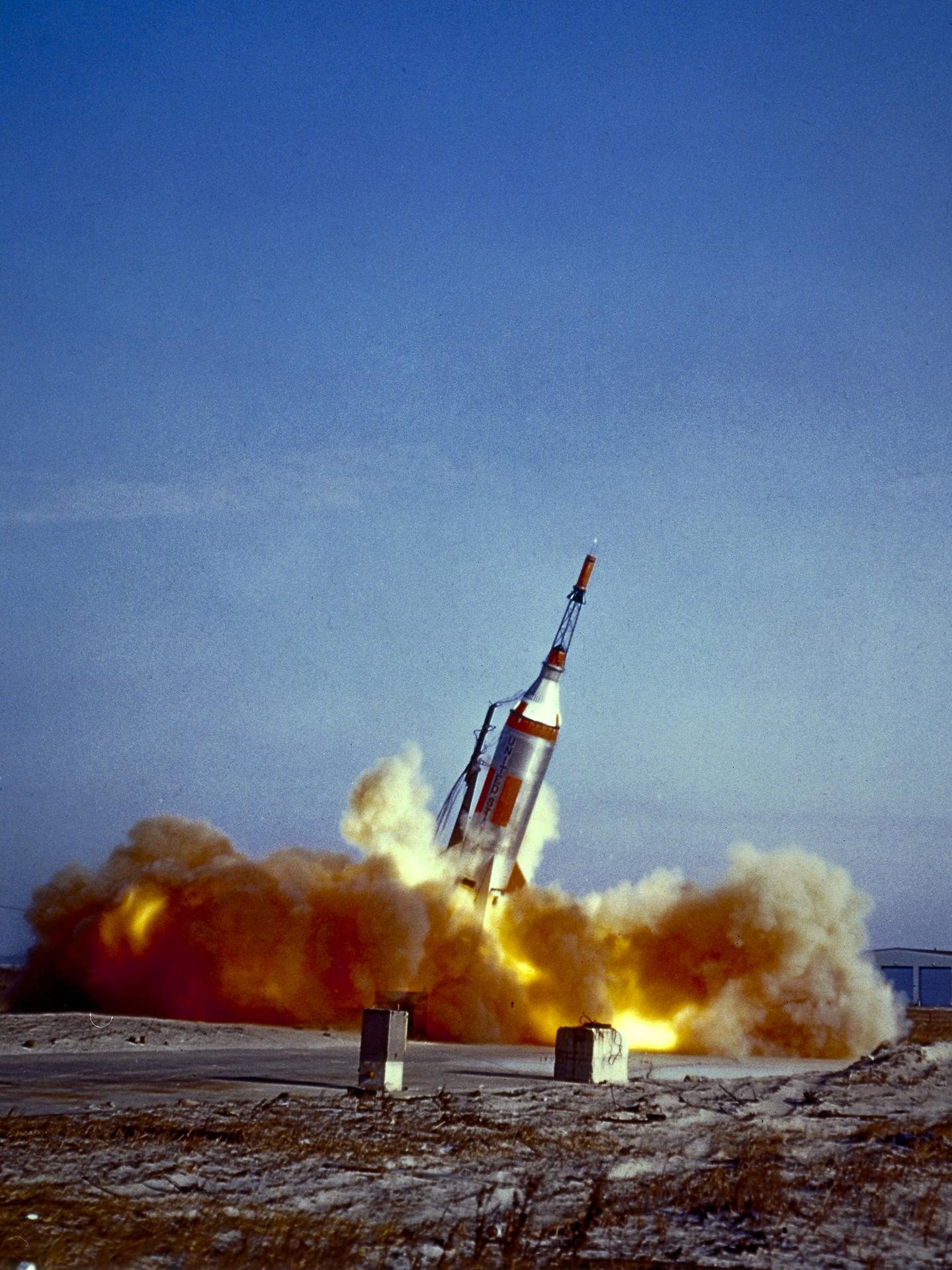
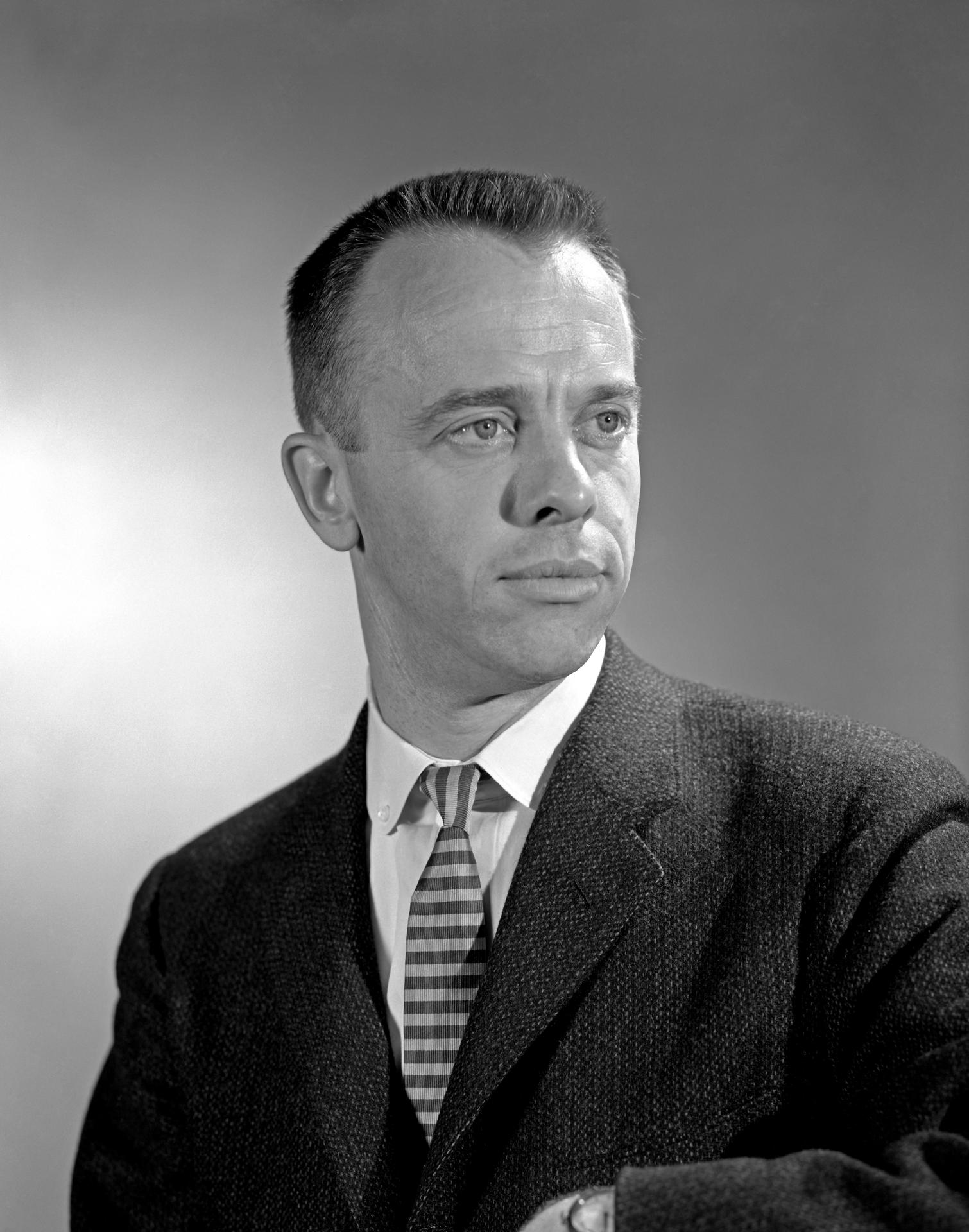
The first U.S. human spaceflight on May 5, 1961, Mercury Redstone 3 was piloted by astronaut Alan Shepard. The main scientific objective of project Mercury was to determine man's capabilities…
Learn More About Mercury-Redstone 3: Freedom 7
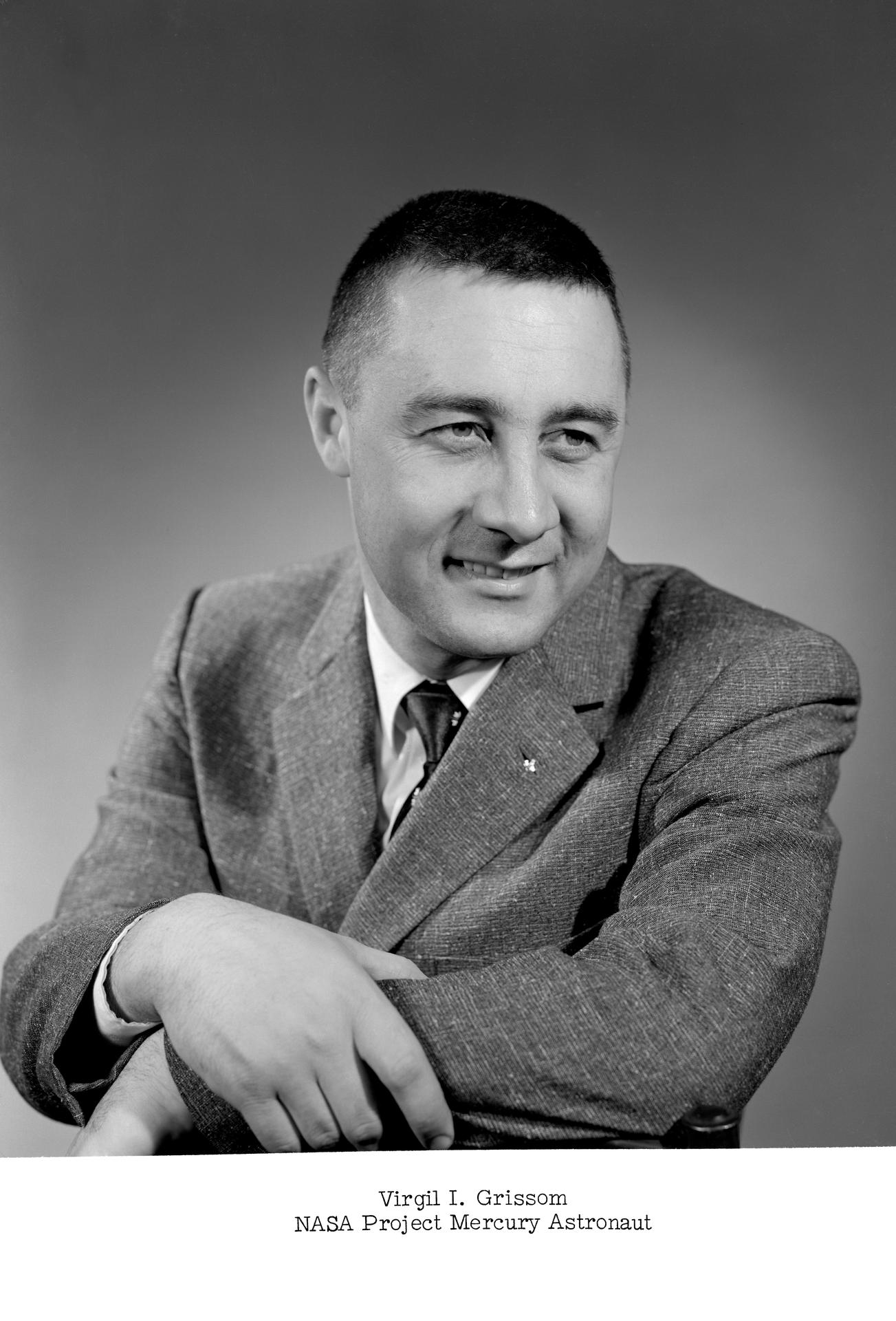
Mercury-Redstone 4: Liberty Bell 7
Mission Facts Mission: LIBERTY BELL 7Launch Pad: LC-5Vehicle: Redstone (6)Crew: Virgil I. GrissomBackup Crew: John H. Glenn, Jr.Payload: Spacecraft No. 11, Launch Vehicle MR-8 Milestones March 7, 1961: Spacecraft delivered to Hangar…
Learn More About Mercury-Redstone 4: Liberty Bell 7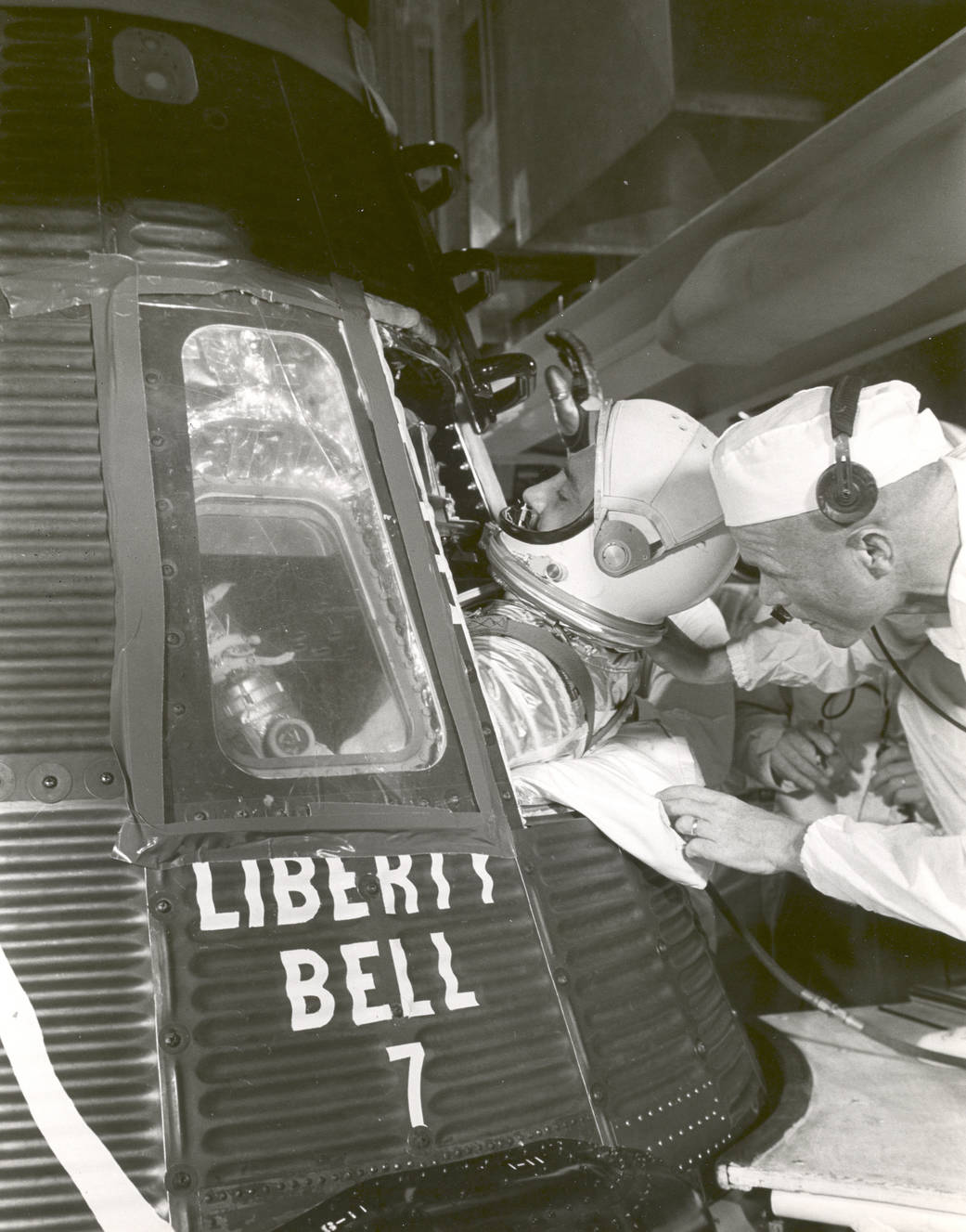
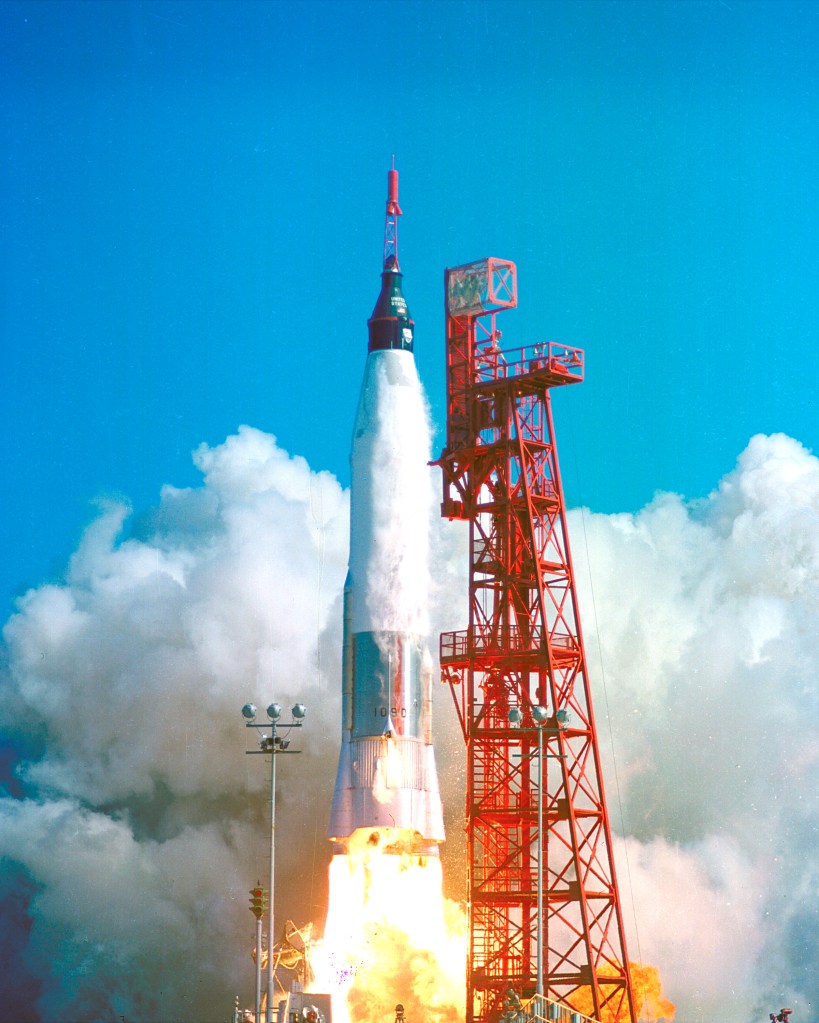
Mercury-Atlas 6: Friendship 7
Mission Facts Mission: FRIENDSHIP-7Launch Pad: LC-14Vehicle: Atlas (6)Crew: John H. Glenn, Jr.Payload: Spacecraft No. 13, Launch Vehicle Number 109-D Milestones August 27, 1961 – Capsule arrived at Cape Canaveral Air Force…
Learn More About Mercury-Atlas 6: Friendship 7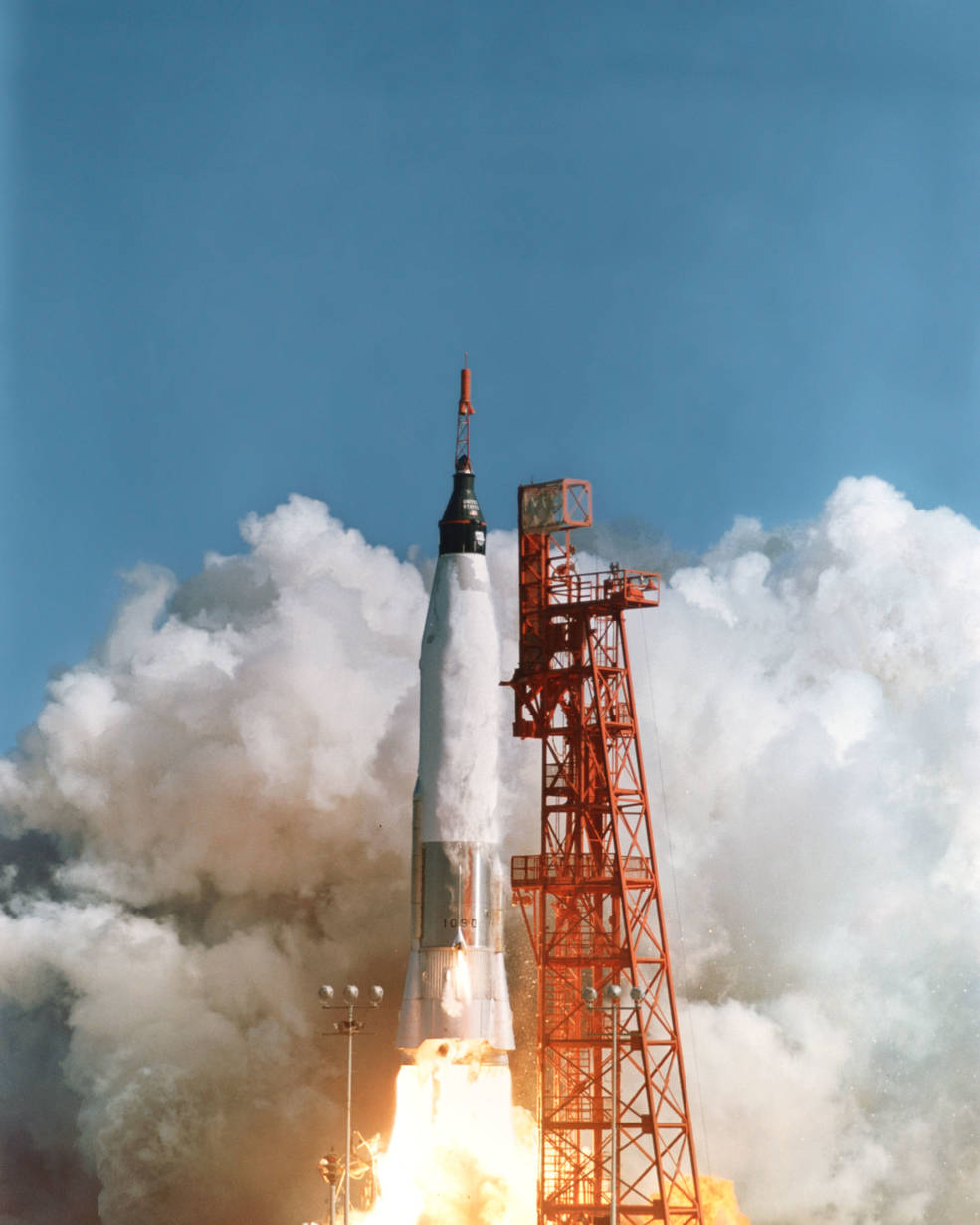
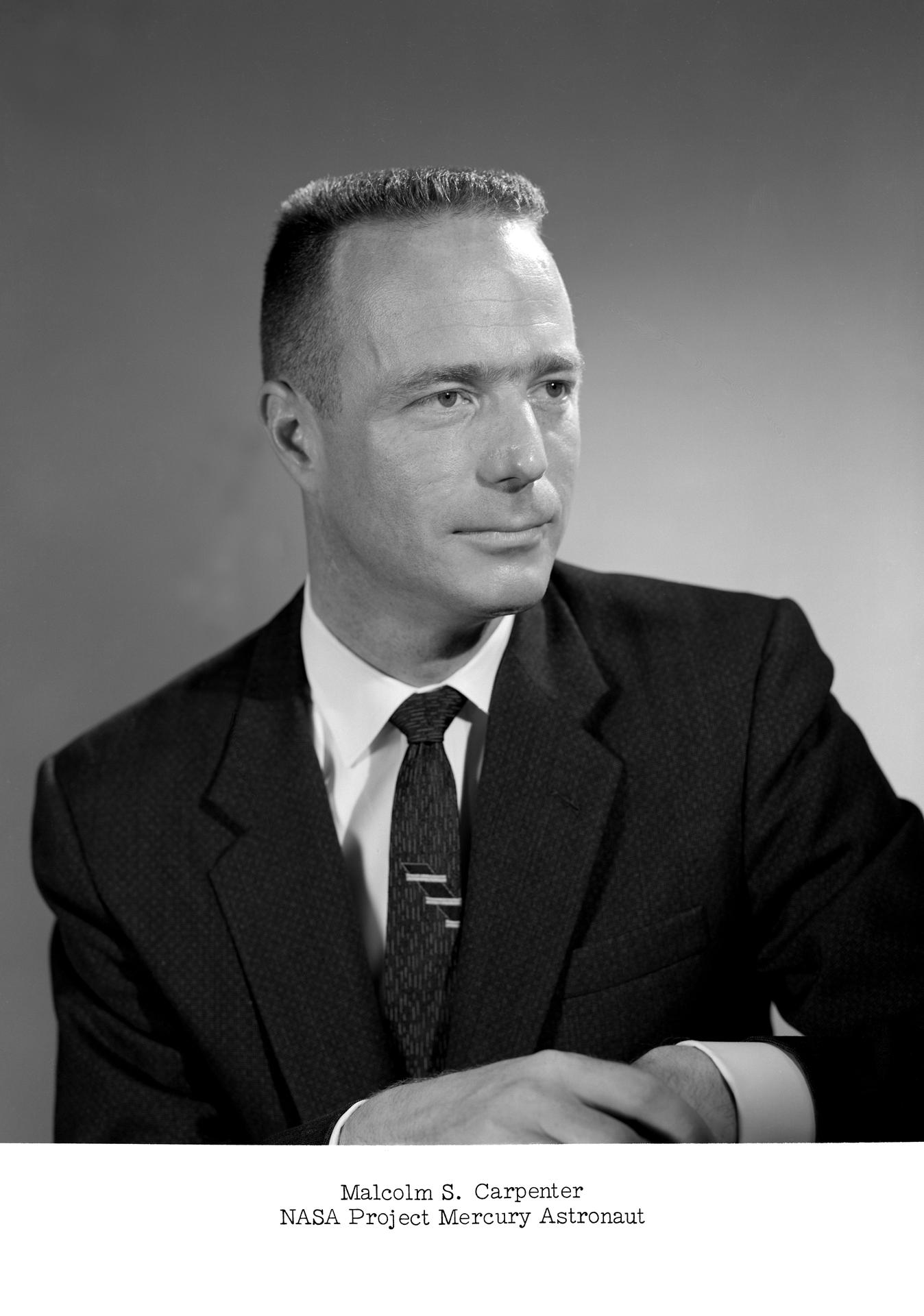
Mercury Atlas 7: Aurora 7
Launch Pad: LC-14Vehicle: Atlas (7)Crew: M. Scott Carpenter Payload Spacecraft No. 18, Launch Vehicle Number 107-D Mission Objective Corroborate man in orbit. Orbit Altitude: 166.8 by 99.9 statute milesOrbits: 3Period: 88…
Learn More About Mercury Atlas 7: Aurora 7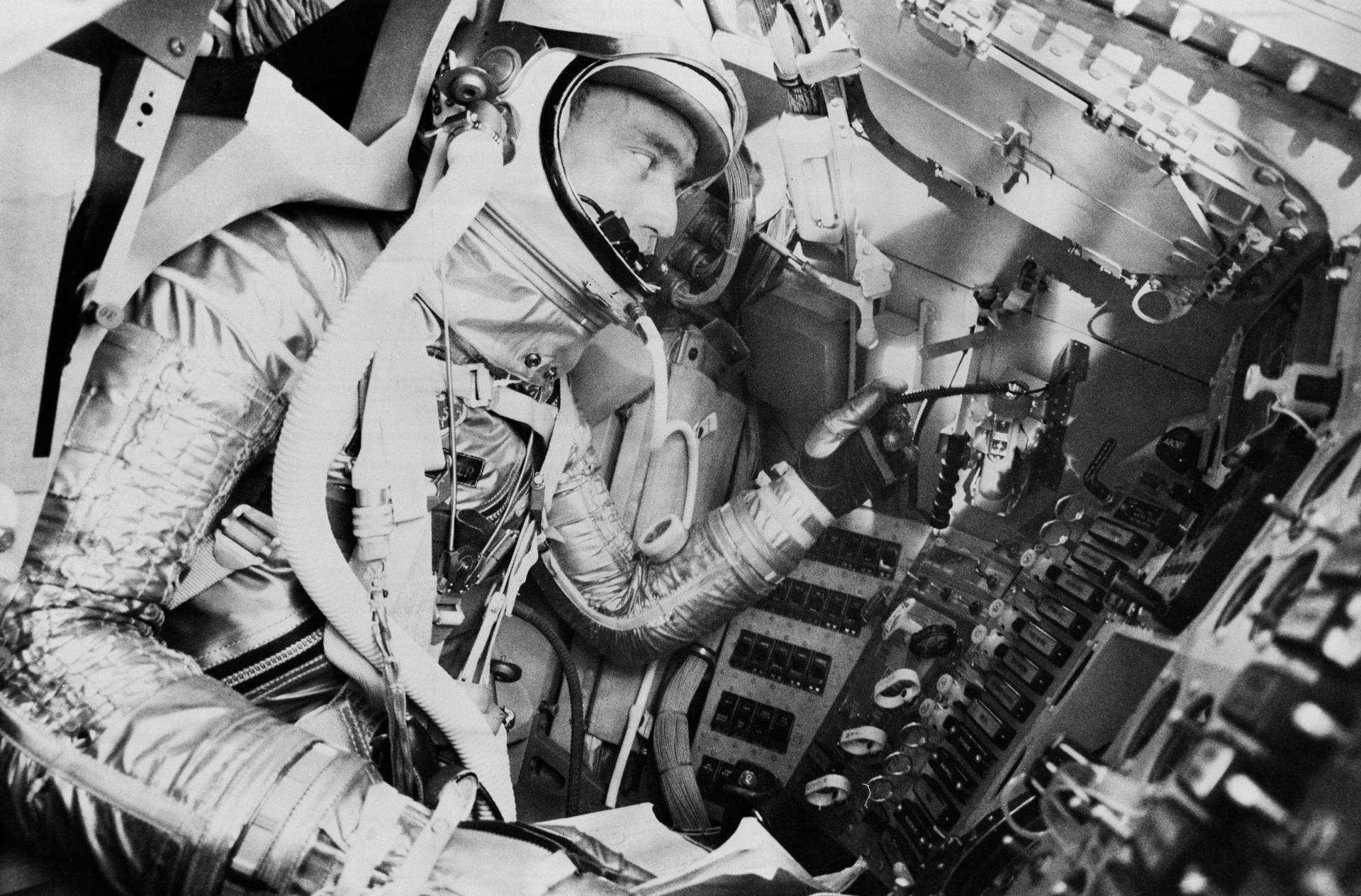
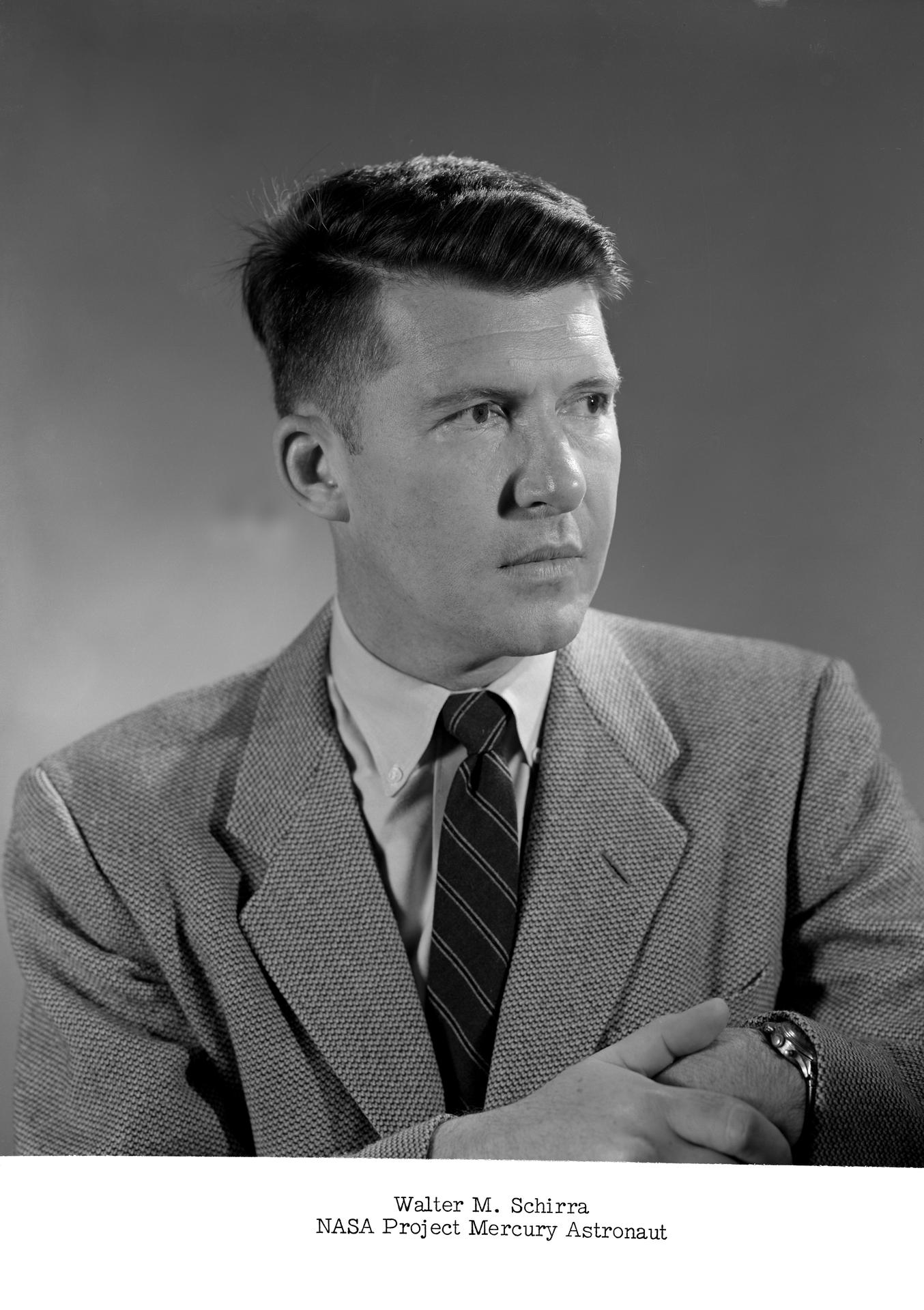
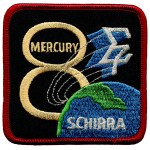
Mercury-Atlas 8: Sigma 7
Manned mission in orbit for 9 hours. Walter M. Schirra was the astronaut who flew on this mission.
Learn More About Mercury-Atlas 8: Sigma 7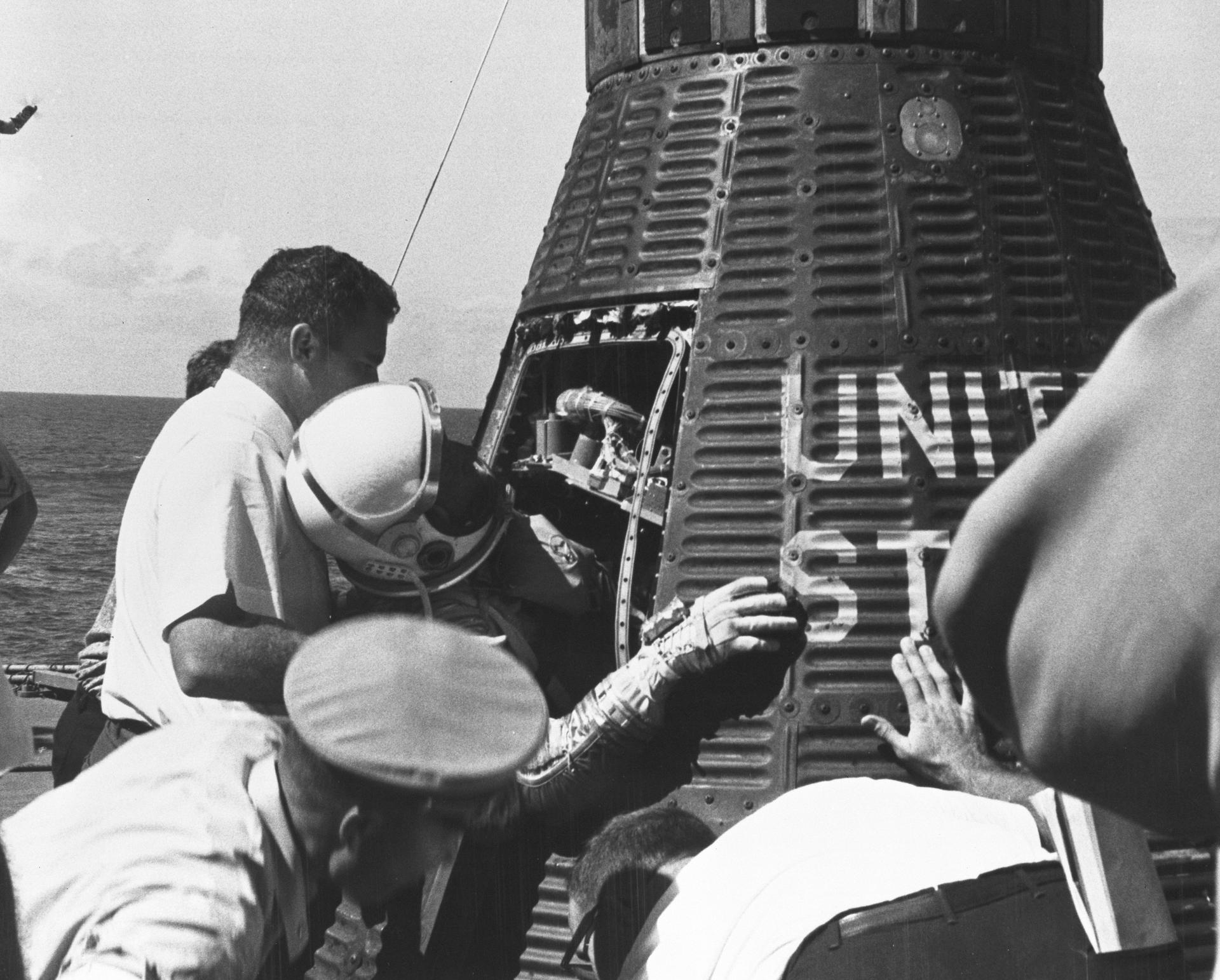
Mercury-Atlas 9: Faith 7
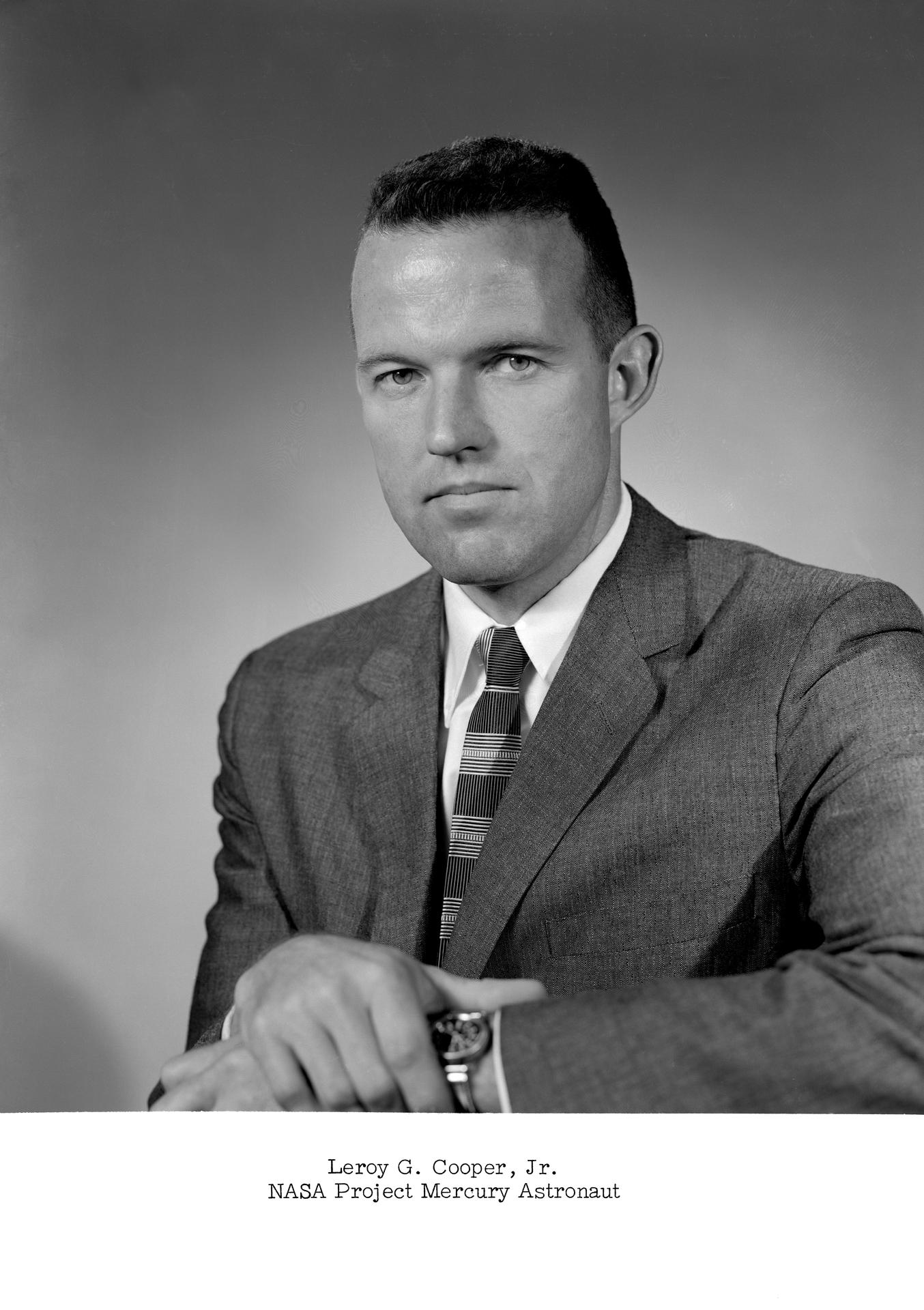
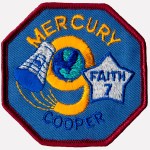
For the final crewed mission of Project Mercury, astronaut Gordon Cooper completed 22 orbits around the Earth, splashing down in the Pacific Ocean.
Learn More About Mercury-Atlas 9: Faith 7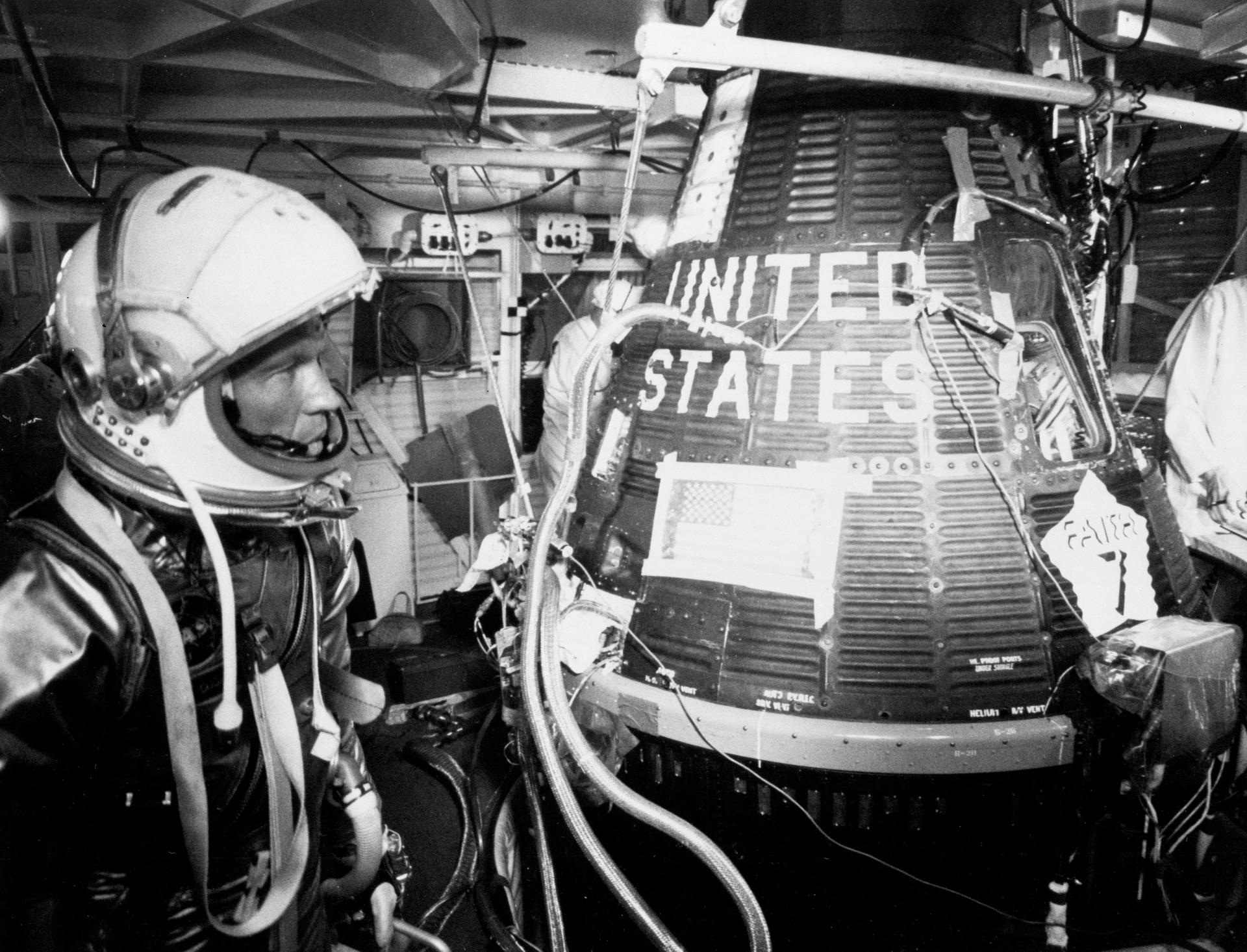
In the Beginning: Project Mercury
In October 1958, just six days after NASA formally organized, America’s first human spaceflight program was born. Project Mercury’s manned…
Read the Story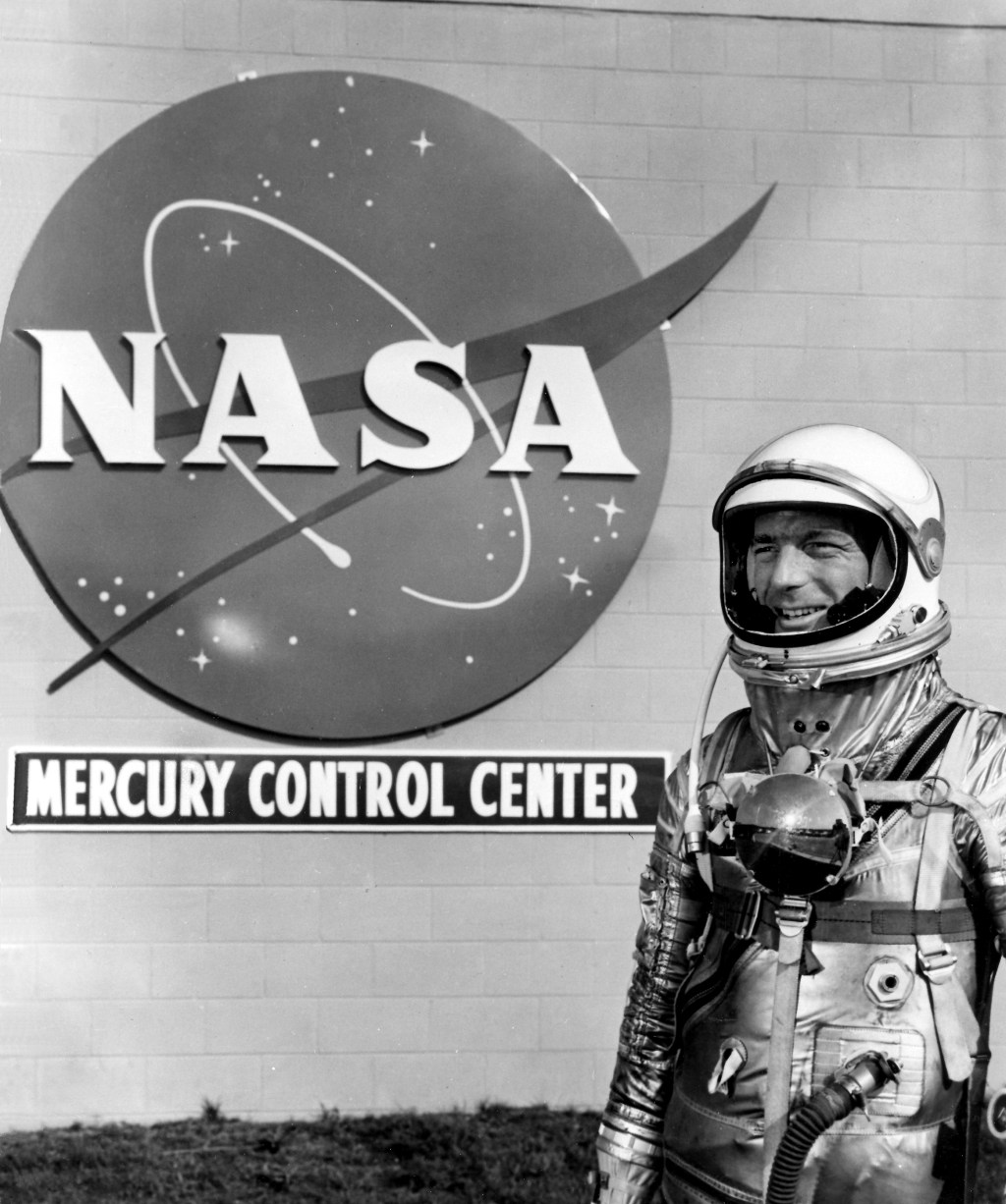
Women Who Reach for the Stars
The “Mercury 13” were 13 women who shared a dream – to be America’s first women pioneers in space.
Learn More
Learn More
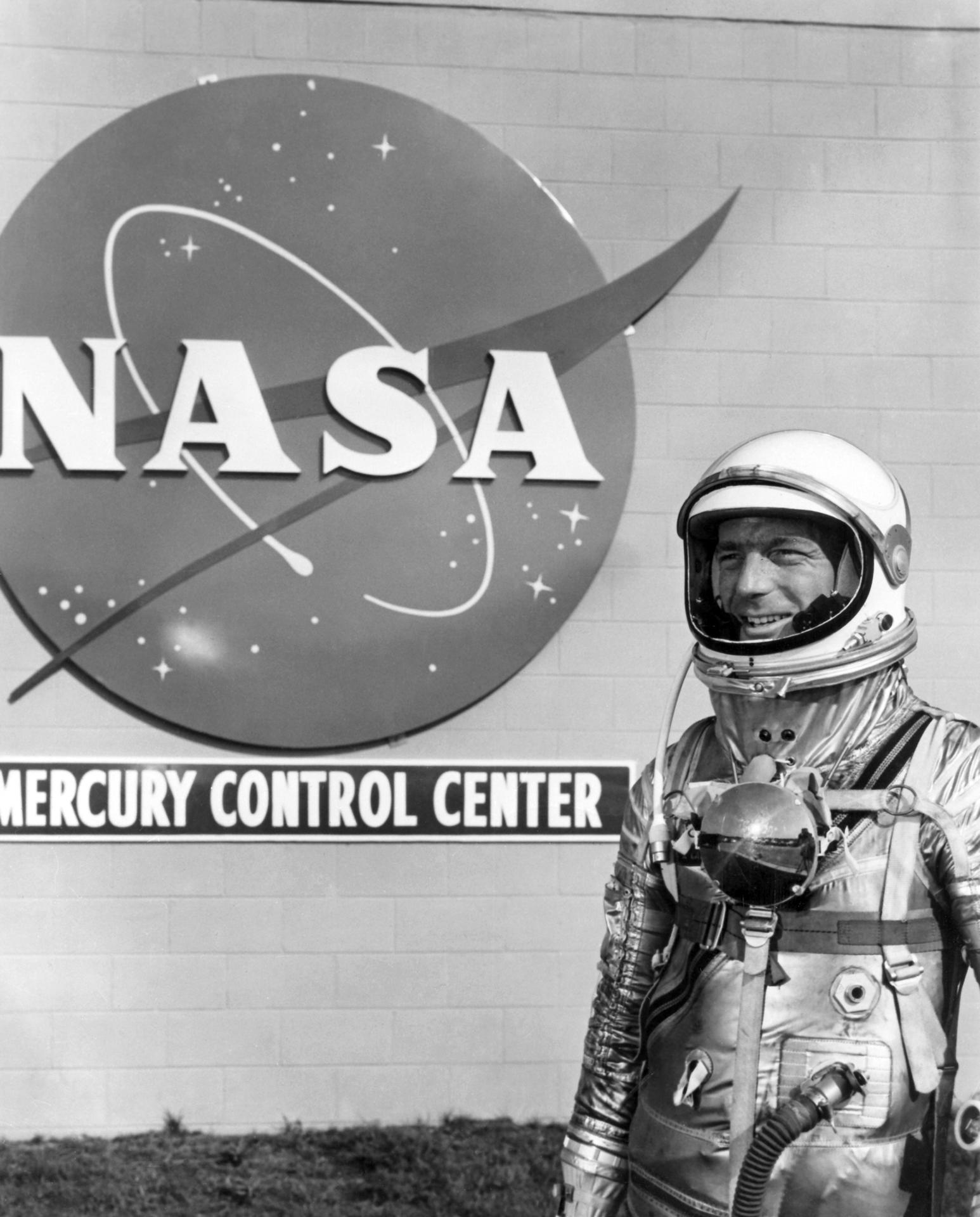
Project Mercury Overview
Initiated in 1958, completed in 1963, Project Mercury was the United States' first man-in-space program. The objectives of the program, which made six manned flights from 1961 to 1963, were specific.
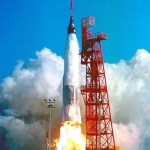
Objectives and Guidelines
The objectives of the Mercury Project, as stated at the time of project go-ahead, were as follows: 1. Place a manned spacecraft in orbital flight around the earth. 2. Investigate man's performance capabilities and his ability to function in the environment of space. 3. Recover the man and the spacecraft safely.
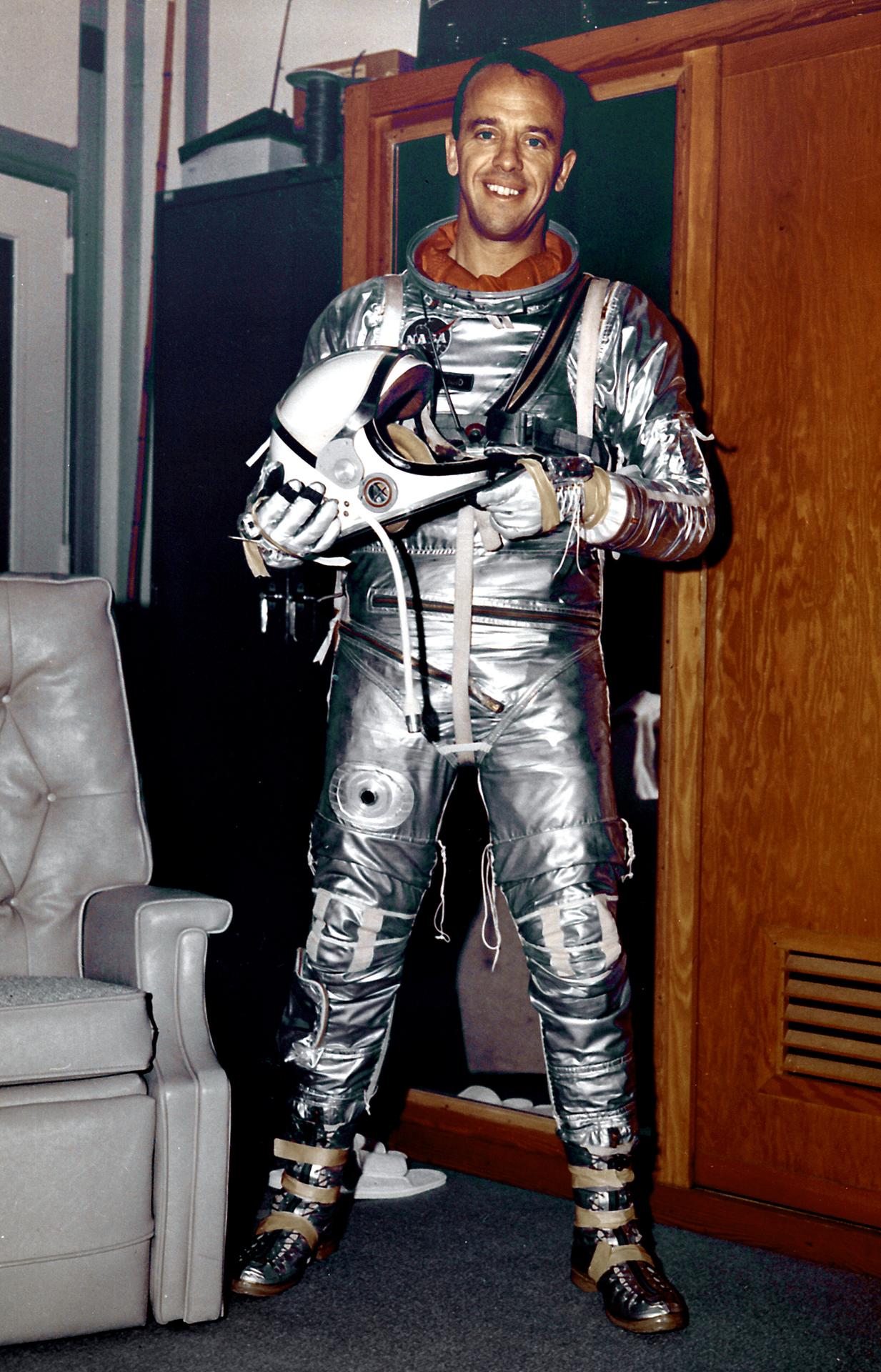
Overview – Astronaut Selection
Now that men had been chosen to serve as the focal points for all this effort, new spirits animated the Space Task Group. Indeed, the Nation as a whole began to participate vicariously in Project Mercury when, on April 9, 1959, at a press conference the public met the seven men chosen to be this Nation’s nominees for the first human voyagers into space.
Overview – Summary
The United States' first manned space flight project was successfully accomplished in a 5 year period of dynamic activity which saw more than 2,000,000 people from many major government agencies and much of the aerospace industry combine their skills, initiative, and experience into a national effort.
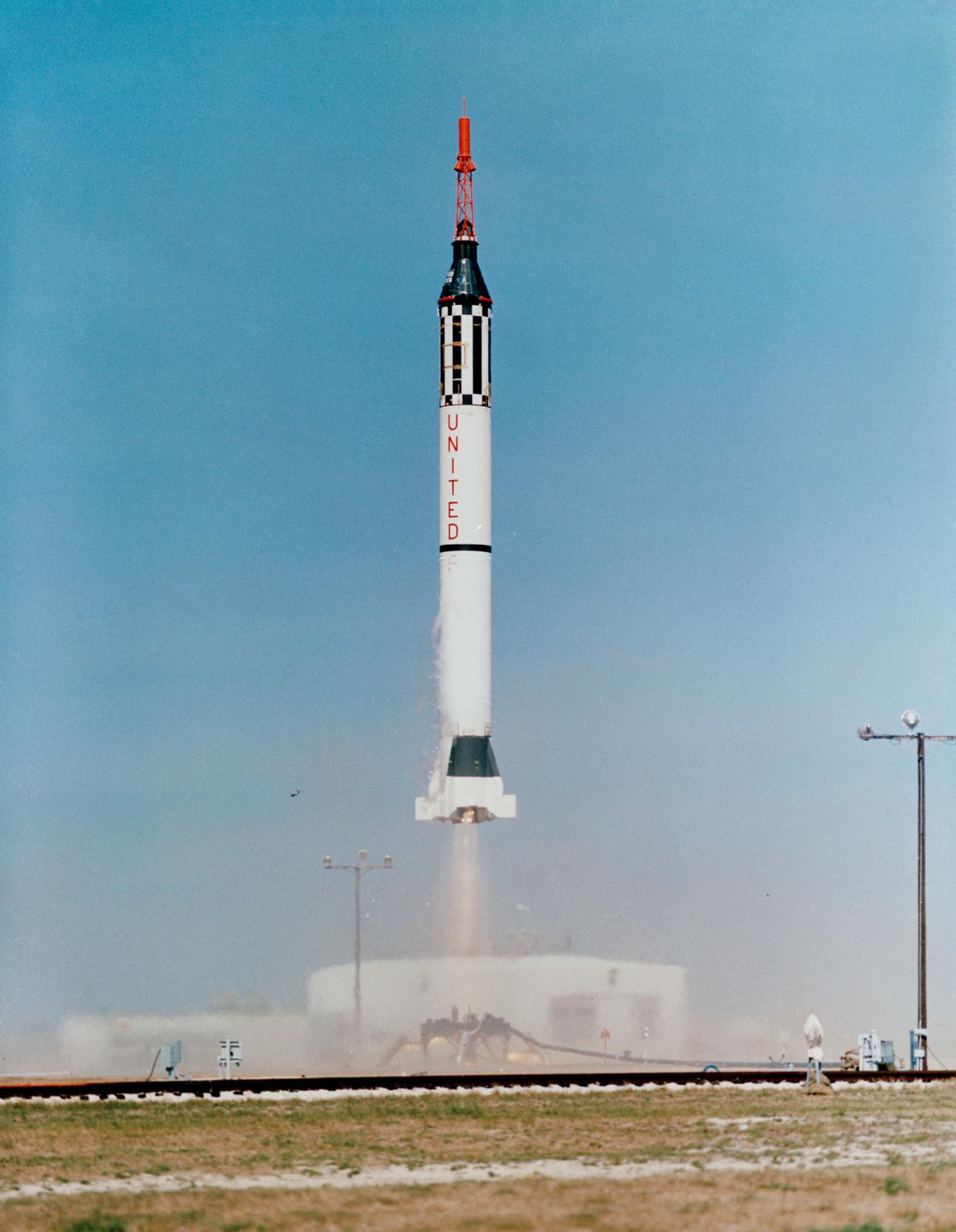
Uncrewed Missions
There were 20 unmanned Project Mercury missions in all. Learn more about them.
Crewed Flights Summary
Mercury, America's first human space flight program, introduced the nation to its first astronauts. There were six total flights with six astronauts flown. Total flight time for these missions was 53 hours, 55 minutes and 27 seconds.
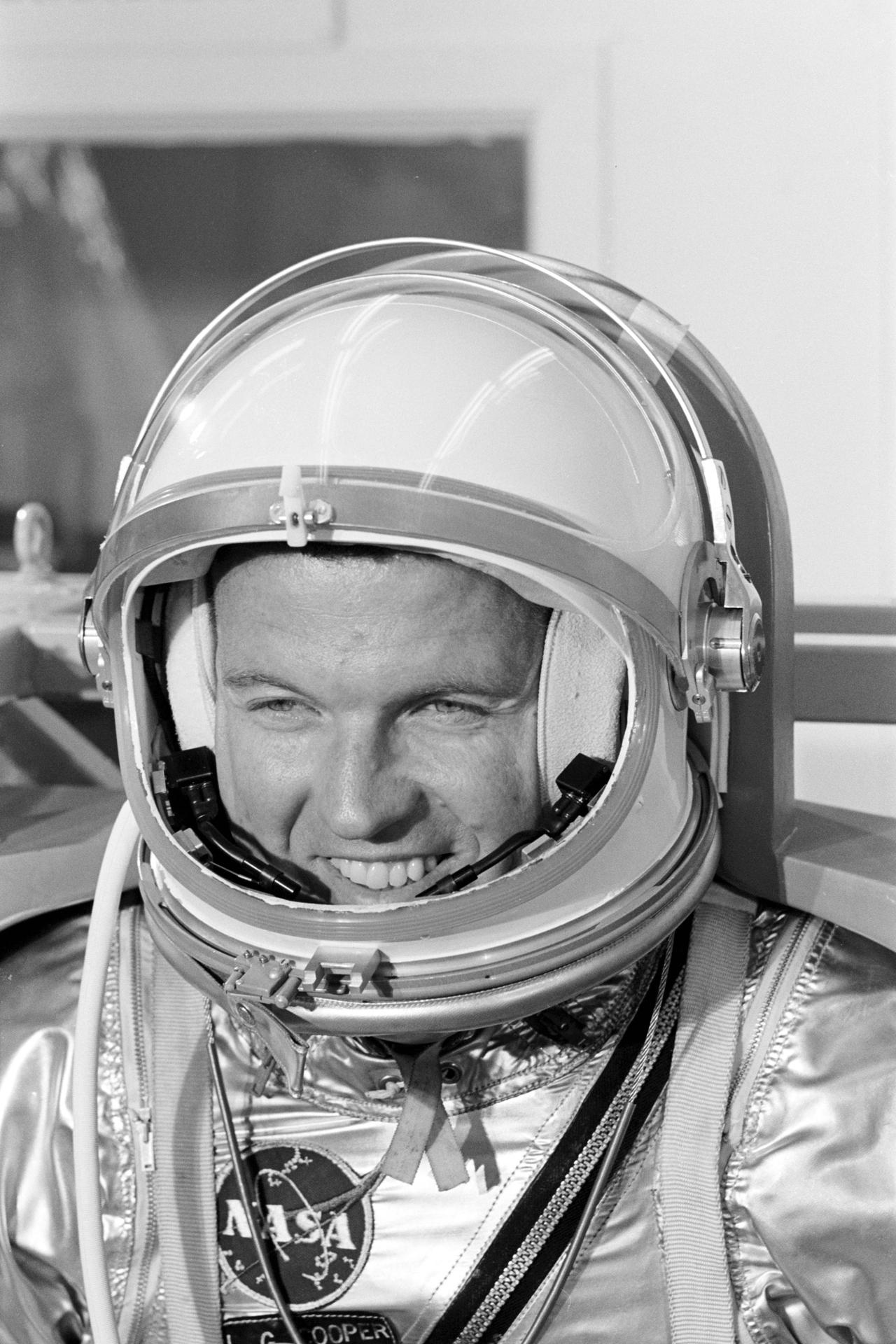
Mercury 7 History Resources
Biographies of the Mercury 7 astronauts, documents, and a bibliography for further reading are presented in this collection of resources prepared for the fourtieth anniversary of the selection of the Mercury 7.
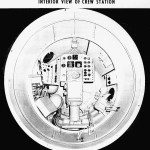
Mercury Spacecraft Technical Diagrams
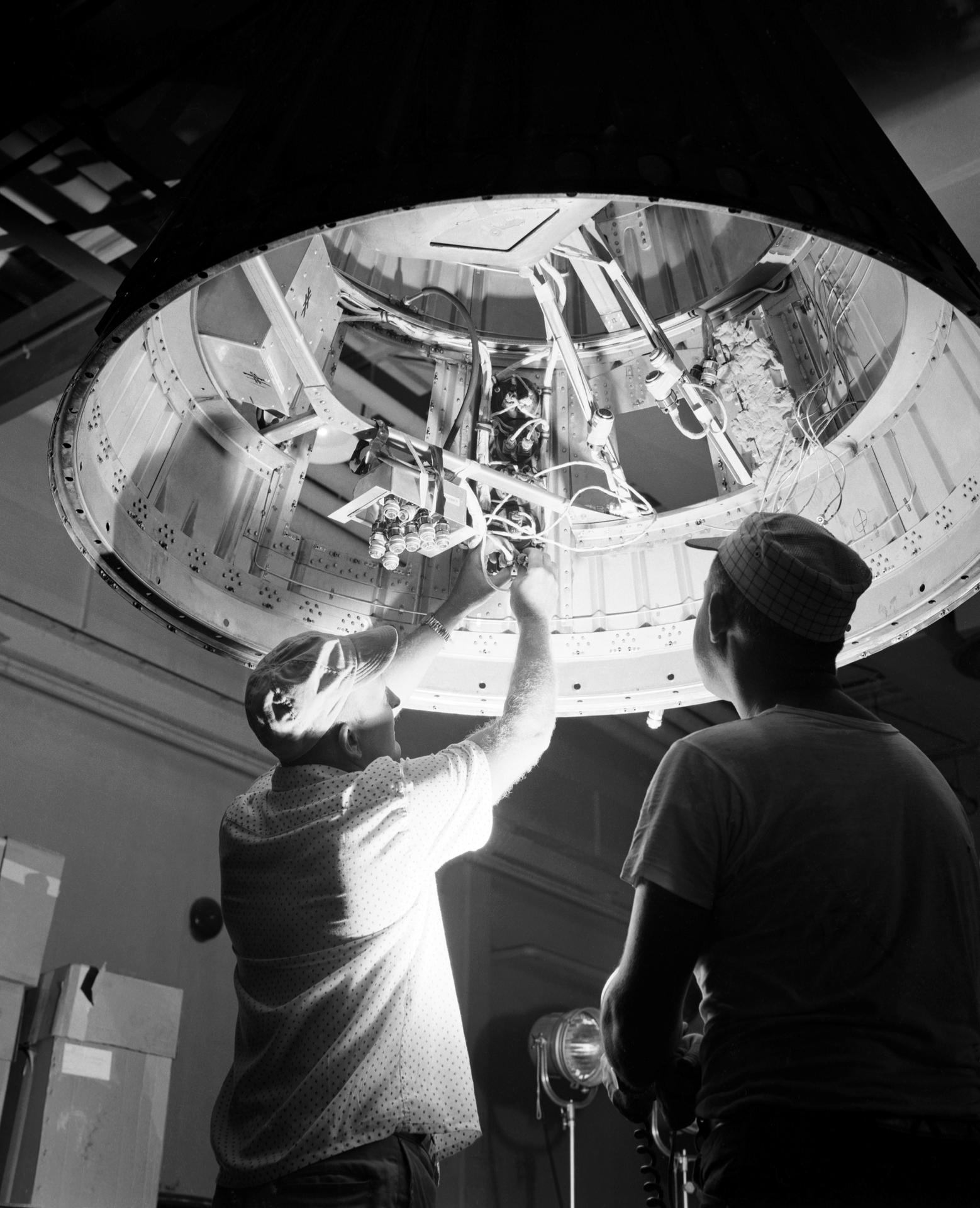
In this collection of technical diagrams, details of the Mercury-Redstone launch vehicle and the Mercury spacecraft come to light.
How 11 Deaf Men Helped Shape NASA’s Human Spaceflight Program
Before NASA could send humans to space, the agency needed to better understand the effects of prolonged weightlessness on the human body. So, in the late 1950s, NASA and the U.S. Naval School of Aviation Medicine established a joint research program to study these effects and recruited 11 deaf men aged 25-48 from Gallaudet College (now Gallaudet University). Today, these men are known to history as the “Gallaudet Eleven.”
Learn More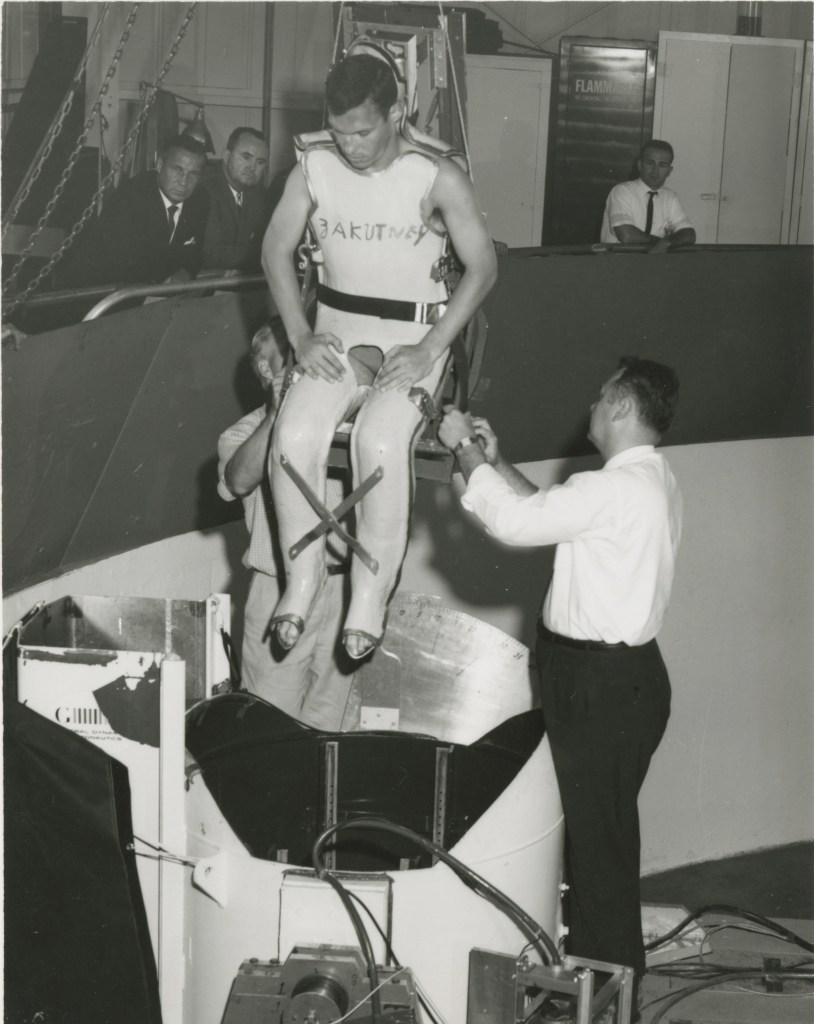
Read more about the Gallaudet Eleven
Larson and Myers Oral History Interview
Learn more about the NASA and U.S. Naval School of Aviation Medicine joint research program that became known as the Gallaudet Eleven by reading an oral history interview with two of the participants, Harry Larson and David Myers.
For Students
What Was Project Mercury?
For Students in Grades K-4
NASA chose seven astronauts for Project Mercury in 1959. It was one of the first things NASA did. NASA was only six months old. Alan Shepard made the first Mercury flight. He was the first American in space. He named his spacecraft Freedom 7. The 15-minute flight went into space and came back down. Shepard later walked on the moon during the Apollo 14 mission.

What Was Project Mercury?
For Students in Grades 5-8
Project Mercury was the NASA program that put the first American astronauts in space. Astronauts made a total of six spaceflights during Project Mercury. Two of those flights reached space and came right back down. These are called suborbital flights. The other four went into orbit and circled Earth. The first of those six flights was made in 1961. The last flight was made in 1963.