La NASA refuerza Artemis: añade una misión y perfecciona su arquitectura general
article1 month ago
Research Aircraft Integration Facility
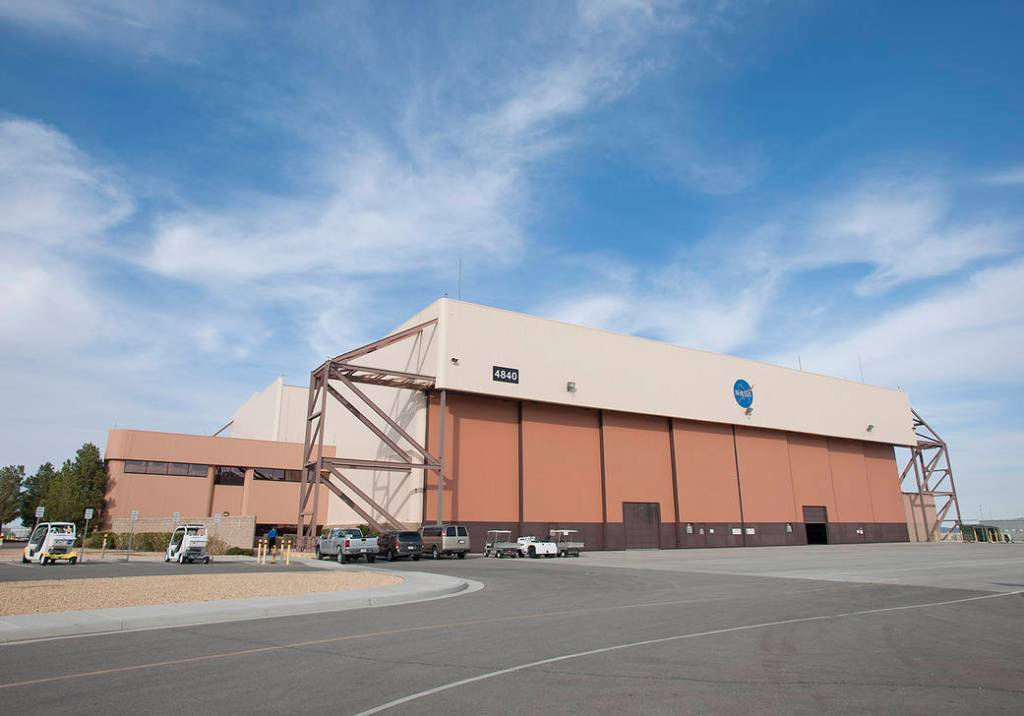
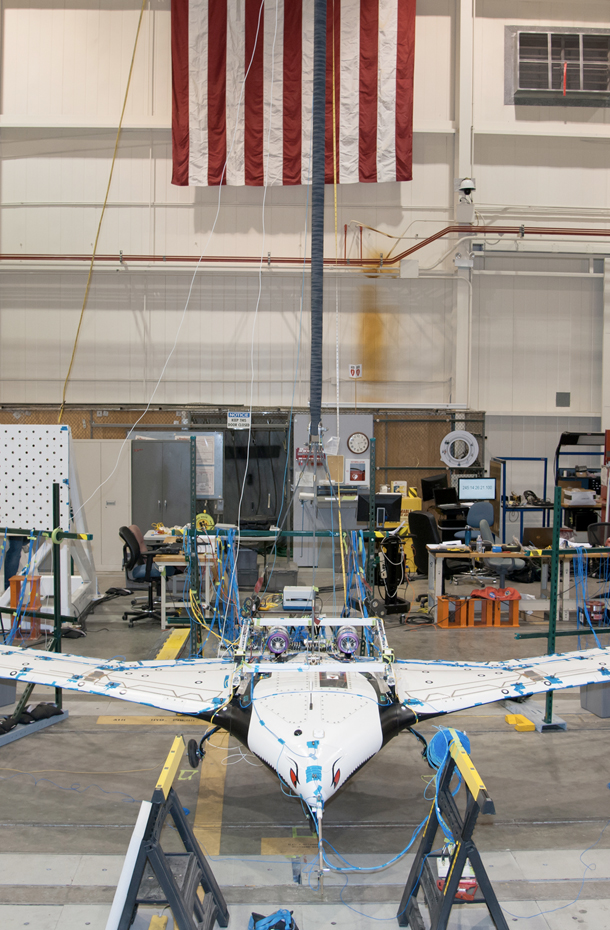
The Research Aircraft Integration Facility (RAIF) at NASA’s Armstrong Flight Research Center in Edwards, California, simultaneously supports advanced, highly integrated aerospace vehicles through all phases of aeronautics, science, and space-based programs and projects.
Quick Facts
The RAIF has supported groundbreaking research on aircraft from subsonic to hypersonic speeds, including the X-43A, X-59, F-15, F-18, X-57, and C-17.
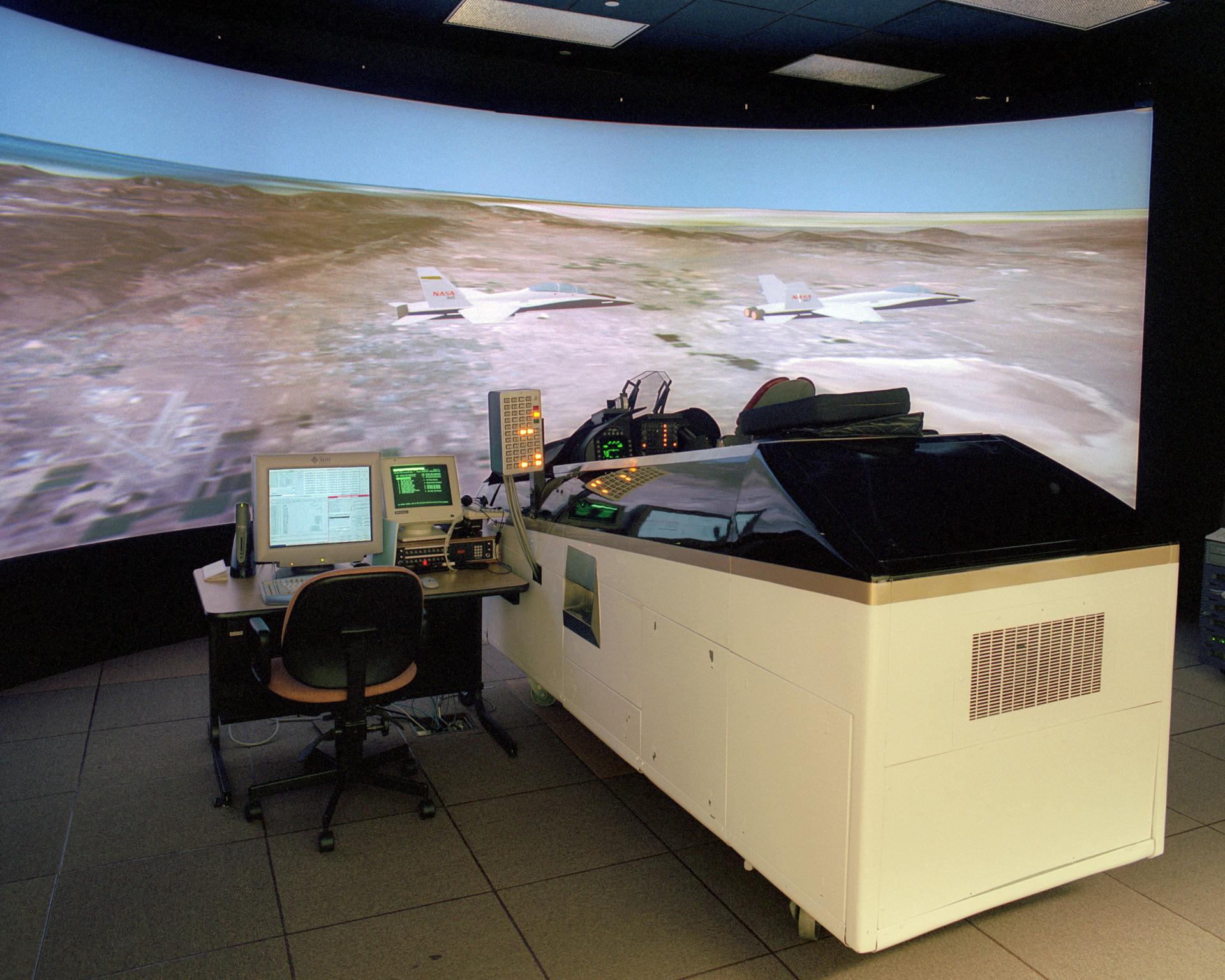
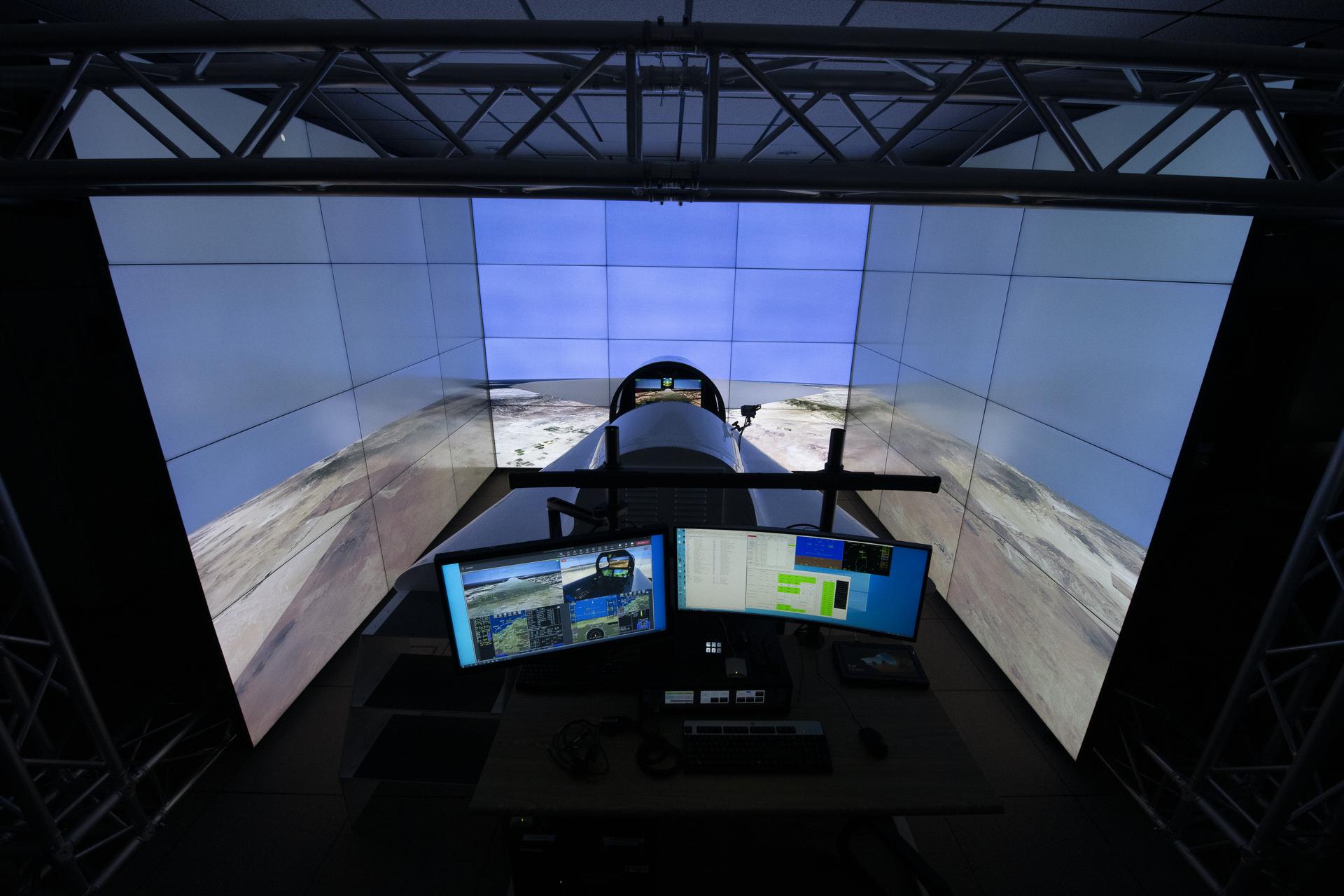
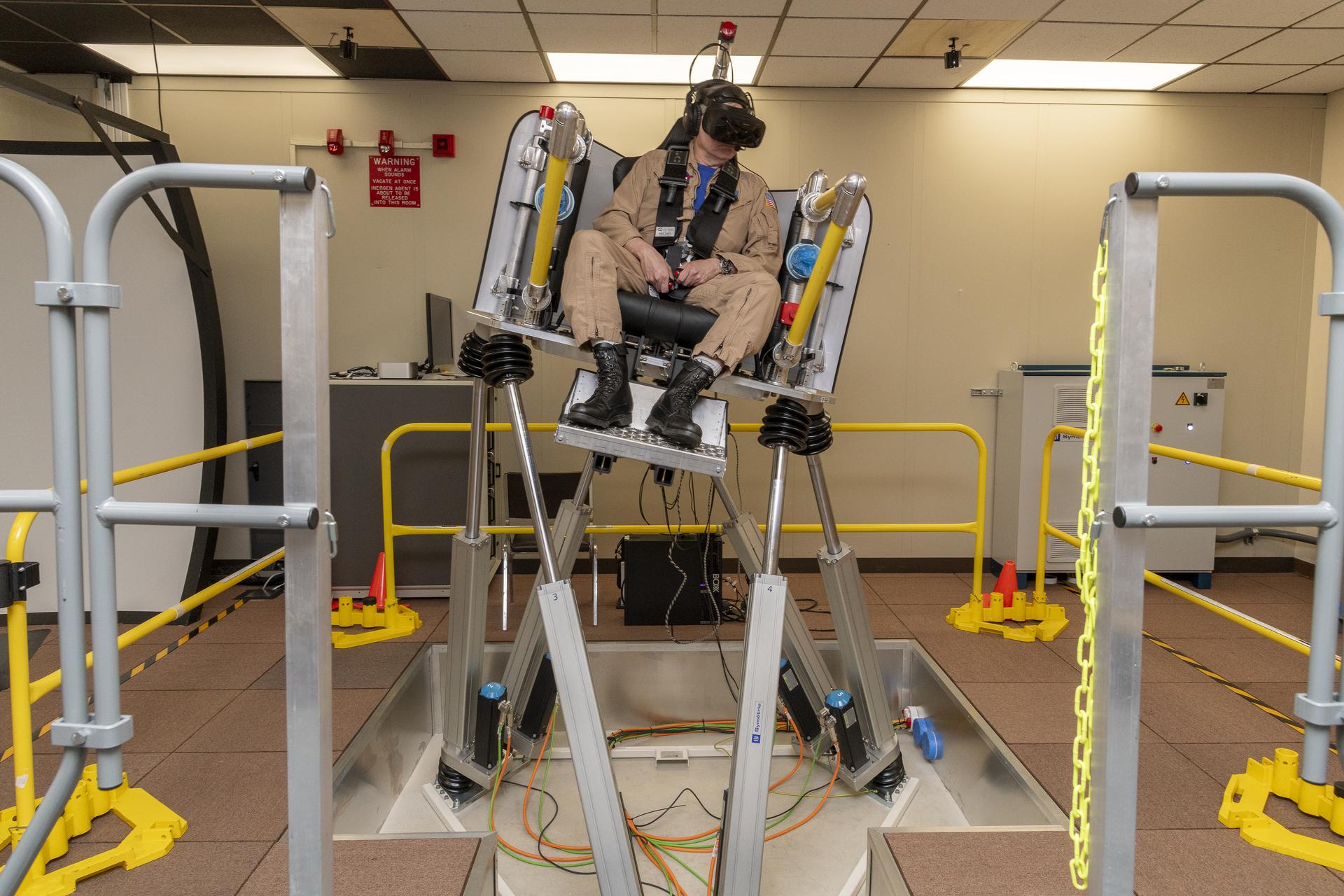
The RAIF’s high-fidelity simulators help pilots prepare for complex missions by replicating cockpit controls and flight conditions—without ever leaving the ground.
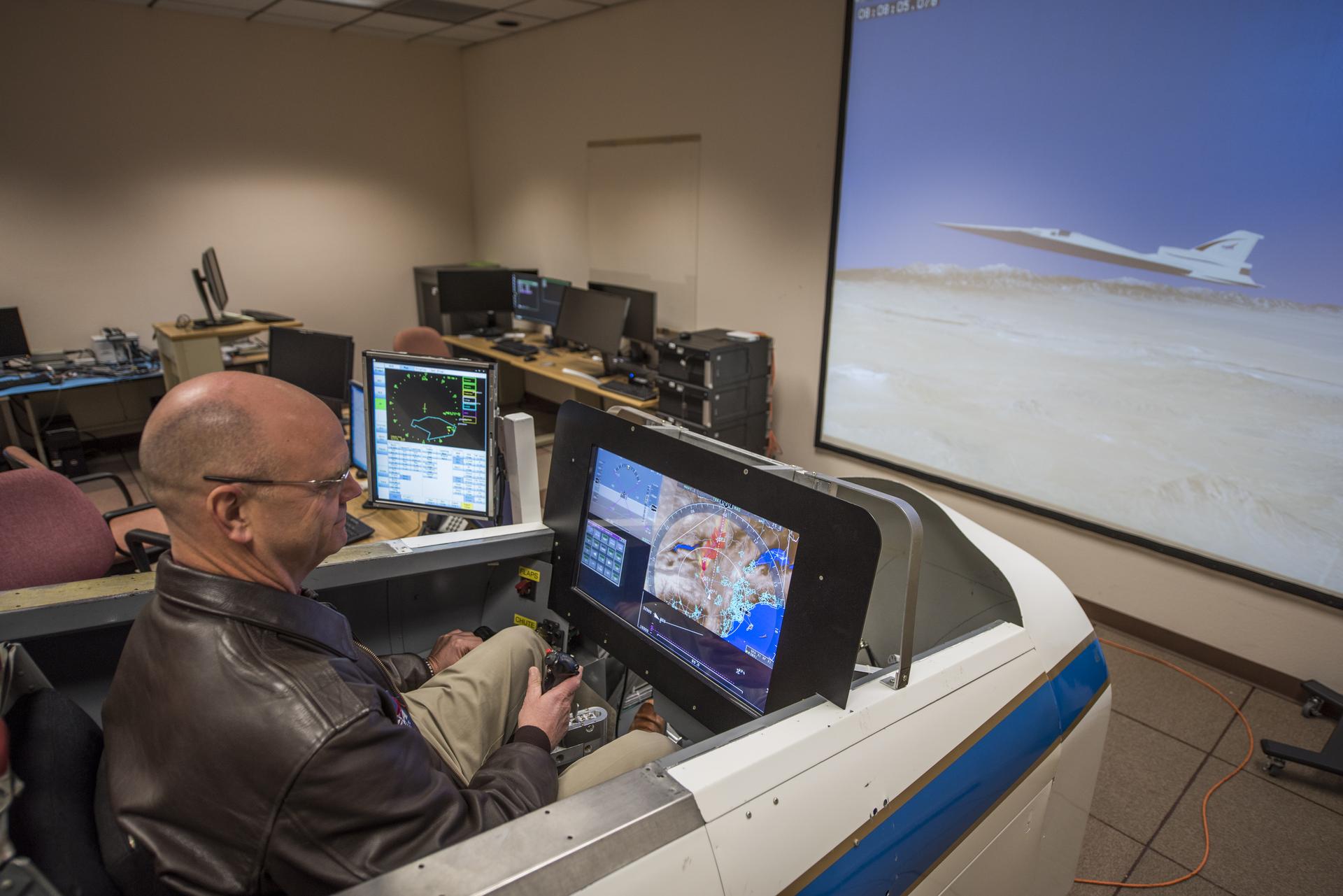
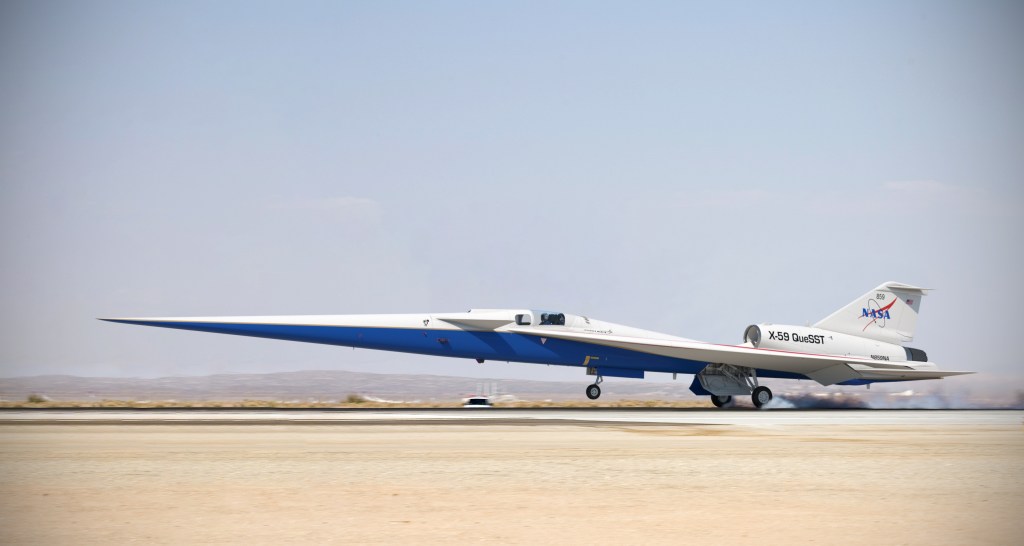
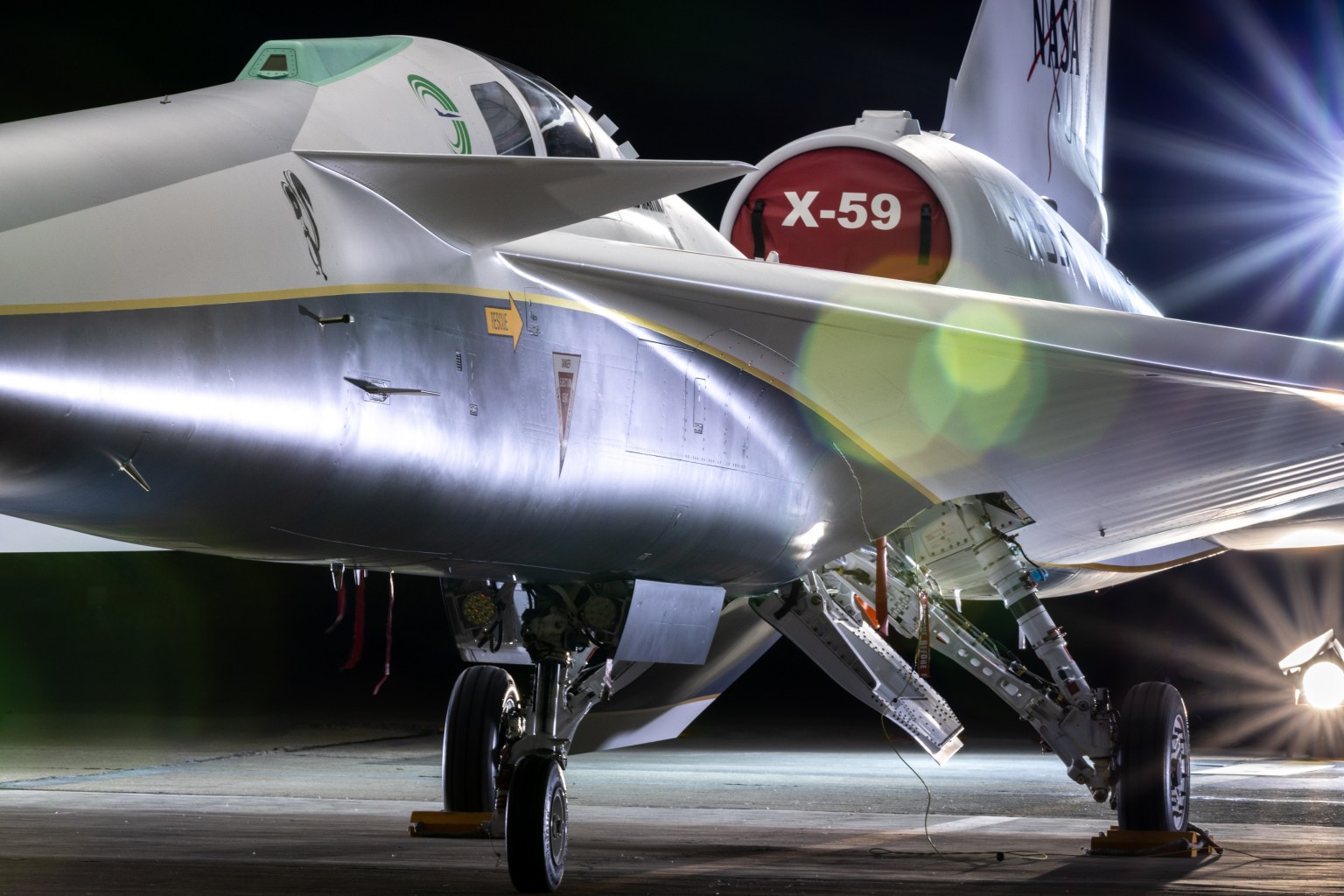
The X-59 simulator at NASA’s Armstrong Flight Research Center in Edwards, California, will help pilots prepare for Quesst missions. Quesst is NASA’s mission to demonstrate how the X-59 can fly supersonic without generating loud sonic booms and then survey what people hear when it flies overhead.
The Research Aircraft Integration Facility (RAIF) simultaneously supports advanced, highly integrated aerospace vehicles through all phases of aeronautics, science, and space-based programs and projects.
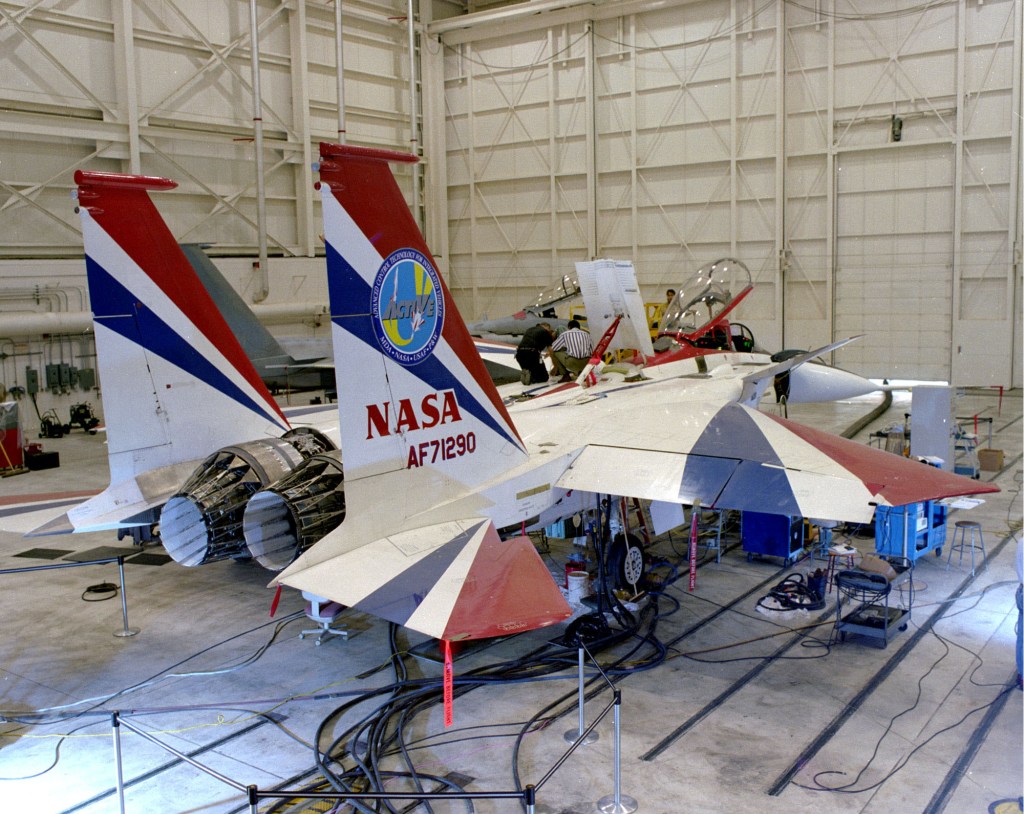
Operational checks of the flight control and instrumentation systems on the F-15 ACTIVE (Advanced Control Technology for Integrated Vehicles) are shown here during testing on Sept. 18, 1995, in a bay at the Integrated Test Facility at NASA’s Dryden (now Armstrong) Flight Research Center in Edwards, California. A key feature of the ACTIVE research project was the evaluation of thrust-vectoring nozzles, developed by Pratt & Whitney, which were designed to improve control and maneuverability at high angles of attack in future aircraft.
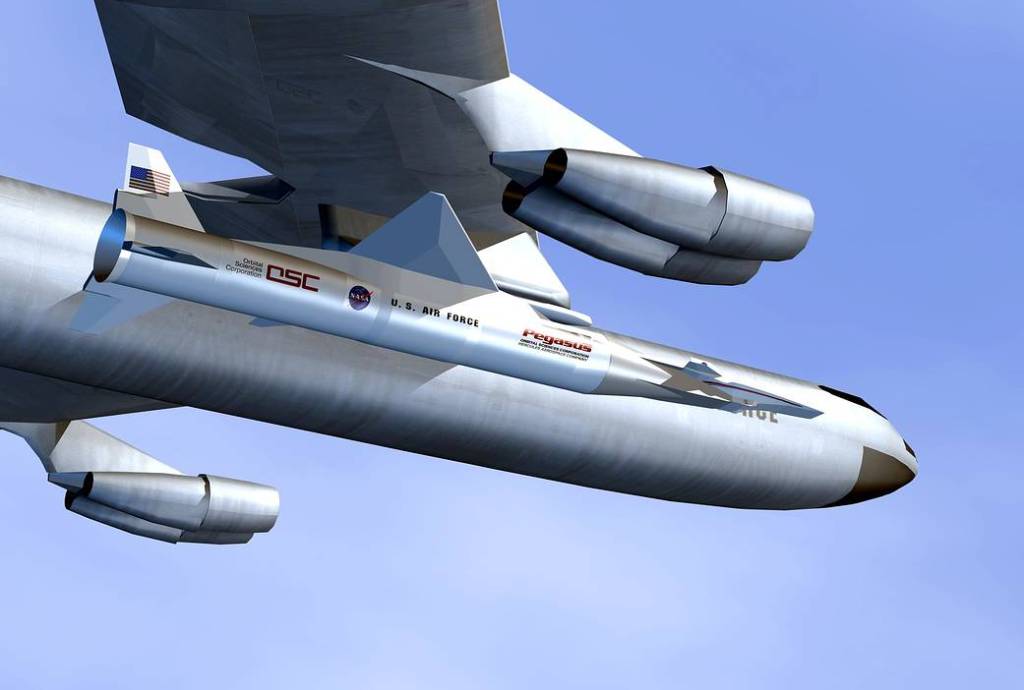
NASA’s historic B-52B mothership carried the X-43A and its Pegasus booster rocket on a captive-carry flight from Edwards Air Force Base on Jan. 26, 2004. The Research Aircraft Integration Facility (RAIF) supported the X-43A (Hyper-X) program by enabling integration and testing of flight hardware and software for both the X-43A and its B-52B mothership. The RAIF’s high-fidelity simulation capabilities helped verify system functionality and mission readiness prior to the program’s hypersonic flight tests.
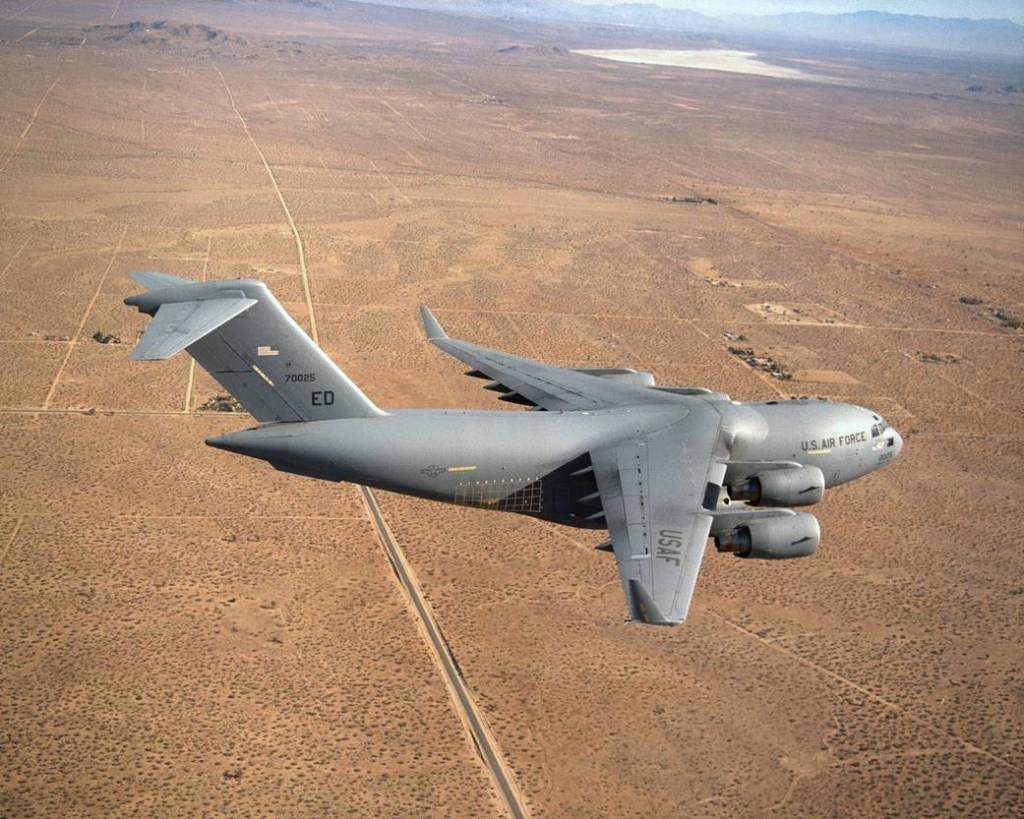
U.S. Air Force C-17 transport aircraft, tail number 0025, was used by NASA’s Dryden (now Armstrong) Flight Research Center in Edwards, California, and other NASA centers, the U.S. Air Force, Boeing, and Pratt & Whitney in the Propulsion Health Management (PHM) portion of the Integrated Vehicle Health Management (IVHM) program. NASA Armstrong’s high-fidelity simulation capabilities at the center’s Research Aircraft Integration Facility (RAIF) were utilized to develop and test the C-17 simulation, which supported the Research Flight Control System (REFLCS) project. This simulator provided both batch and pilot-in-the-loop capabilities, contributing to the IVHM project’s objectives of enhancing aircraft safety and reliability through advanced diagnostics and prognostics.
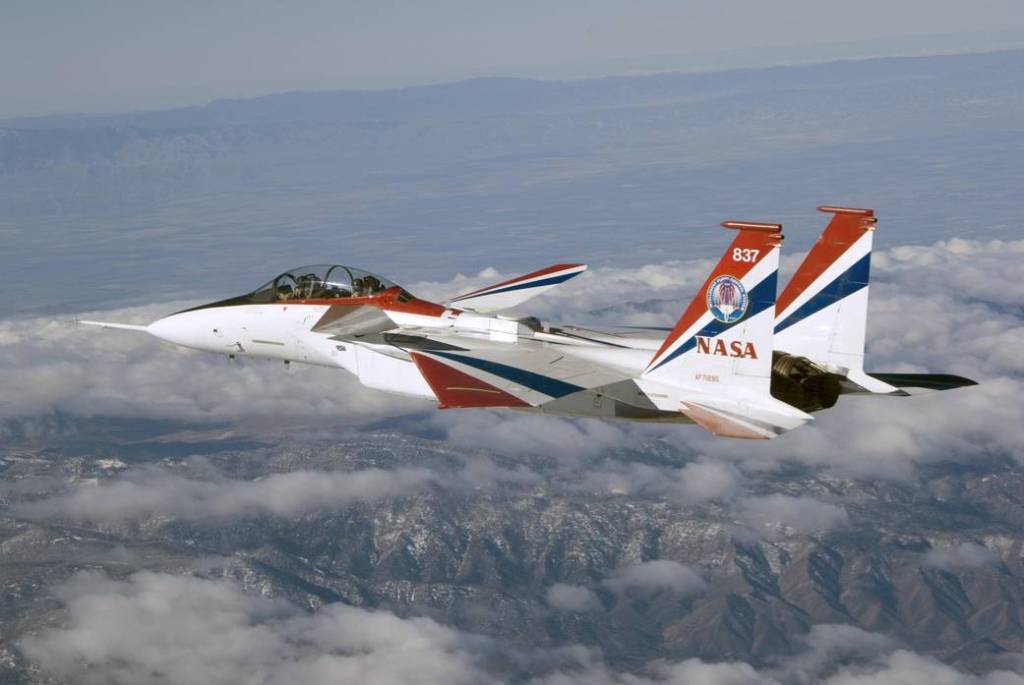
Antennas used for the Space-Based Range Demonstration and Certification (SBRDC) project protrude from the top of NASA’s NF-15B test bed during a research flight. NASA Armstrong’s Research Aircraft Integration Facility (RAIF) F-15 simulation capability provided pilot-in–the-loop support for the Intelligent Flight Control System (IFCS), F-15 ACTIVE, and Quiet Spike programs, and for Armstrong’s F-15 program support aircraft. This simulator was utilized for control room training and U.S. Air Force Test Pilot School training curriculum.
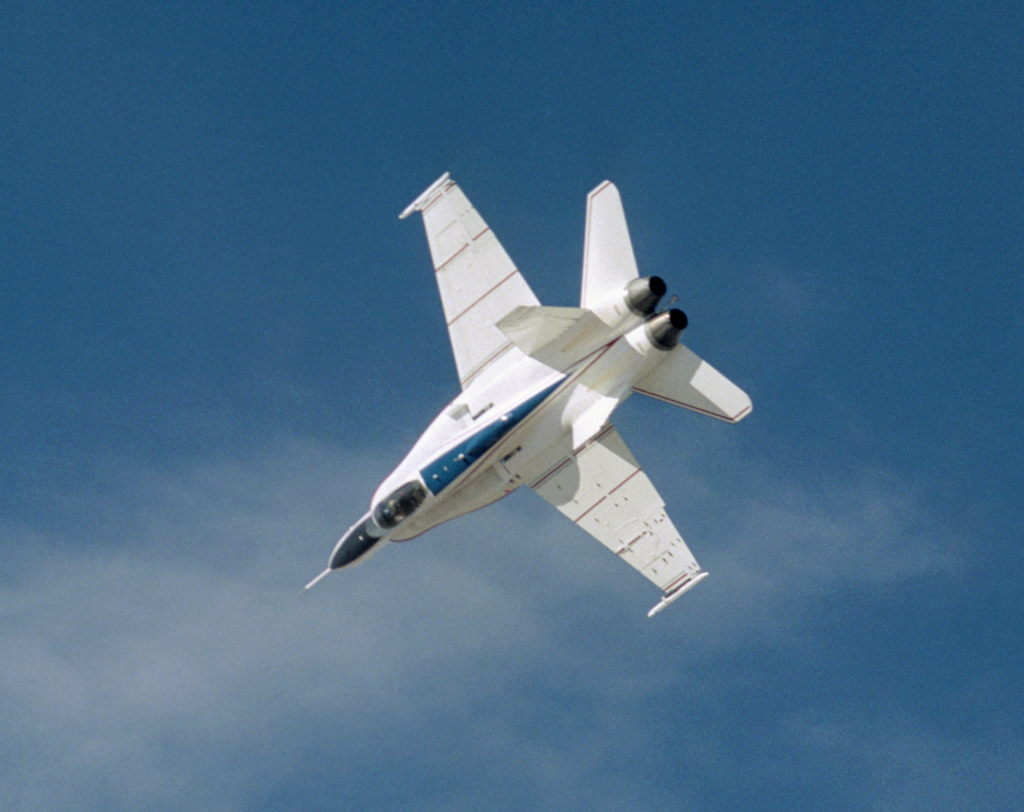
NASA’s flexible-wing F/A-18 maneuvers through a test point during the second phase of the NASA/Air Force Active Aeroelastic Wing flight research program. NASA Armstrong’s Research Aircraft Integration Facility (RAIF) supported a number of aeronautics research programs utilizing F-18 aircraft. These programs include the High Alpha Research Vehicle (HARV), the Systems Research Aircraft (SRA), Autonomous Flight Formation (AFF), Active Aeroelastic Wing (AAW), Autonomous Aerial Refueling Demonstrator (AARD), and the Autonomous Formation Flight (AFF).
NASA/Carla Thomas
Overview
At NASA’s Research Aircraft Integration Facility, or RAIF, engineers test aircraft systems on the ground in ways that closely simulate how they perform in flight. The facility allows researchers to run real-time tests with the actual aircraft, helping to ensure safety and efficiency before takeoff.
Each aircraft is connected to a detailed computer simulation. Engineers use workstations to set initial conditions, start the test, monitor performance, collect data, and generate reports. These tools also help analyze results and compare data across multiple tests.
The simulation systems can also run independently, using a stationary cockpit equipped with working controls and instruments. This setup is used to develop and modify flight control systems, refine aerodynamic and propulsion models, and plan missions.
Workstations give engineers computer-aided tools to speed up the approval of new flight software. The RAIF can connect to NASA Armstrong’s mission control rooms and other facilities, allowing real-time comparisons between flight and simulation results. This capability also provides realistic training for mission controllers.
simulation laboratory
NASA Lab Advances Aircraft Testing, Training
Simulation systems at NASA Armstrong’s RAIF can be tailored for each project, including different levels of aircraft hardware. These systems support a wide range of research tasks, such as testing how aircraft respond to various conditions, studying system failures, evaluating backup systems, and collecting flight data. Simulations also play a key role in training pilots, planning flight research missions, and supporting report writing.