






















Scientific Balloons Overview
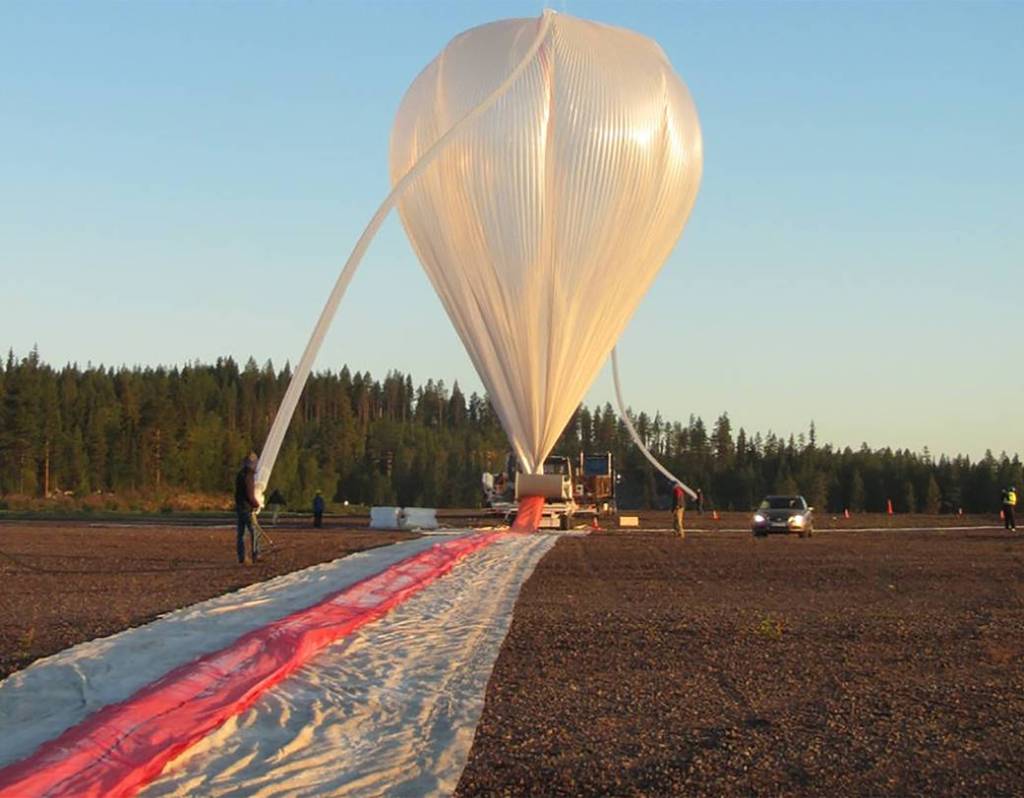
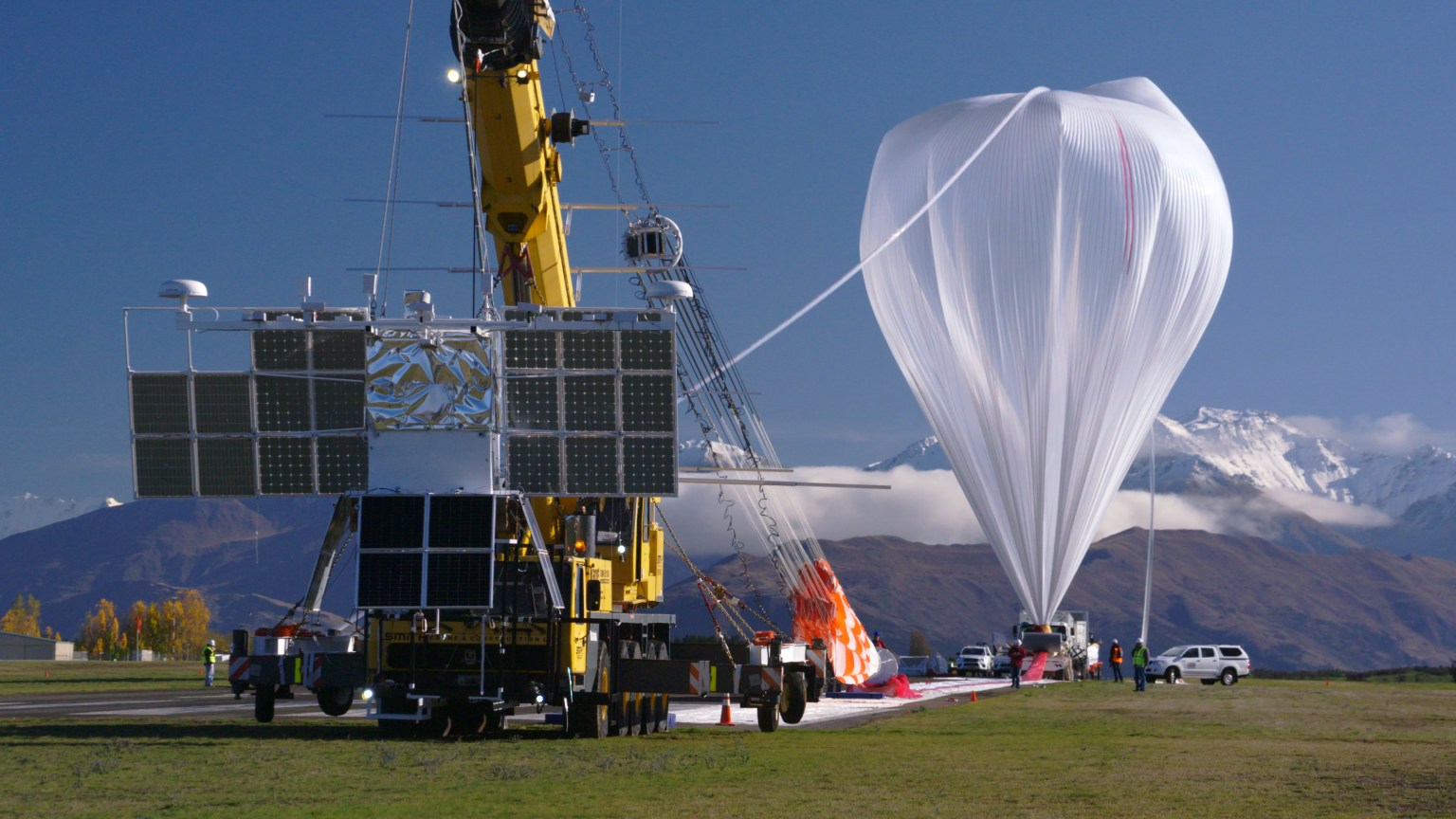
NASA’s Balloon Program Office provides low-cost, quick-response, near-space access for scientific research and technology maturation.
Mission Statement
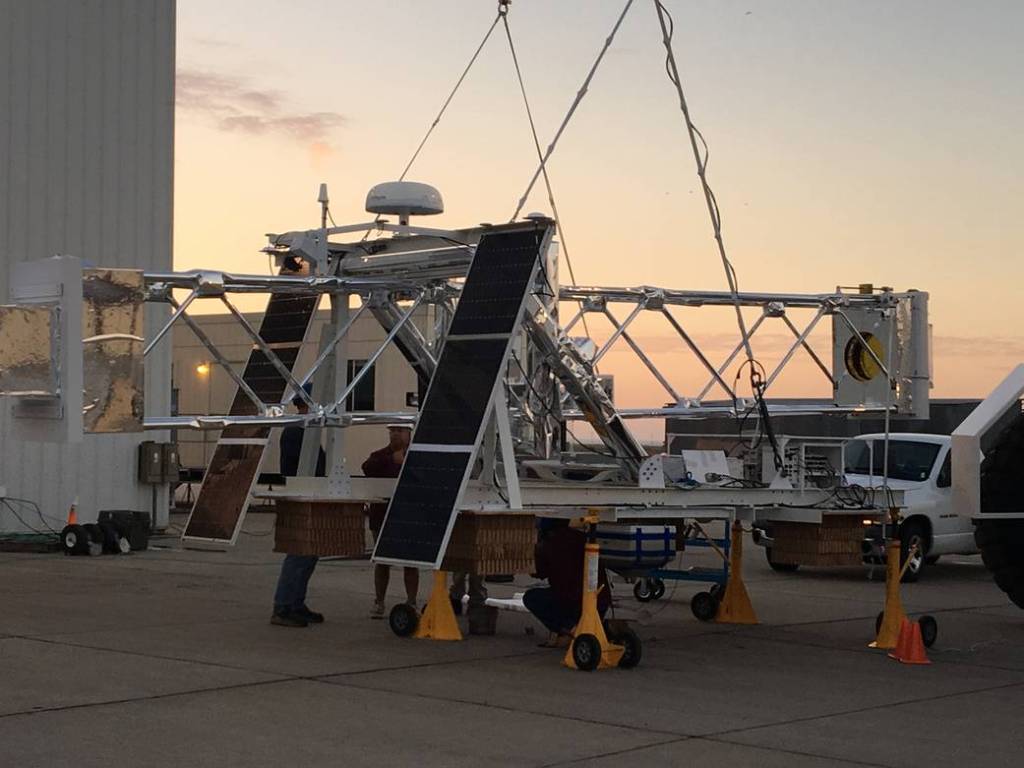
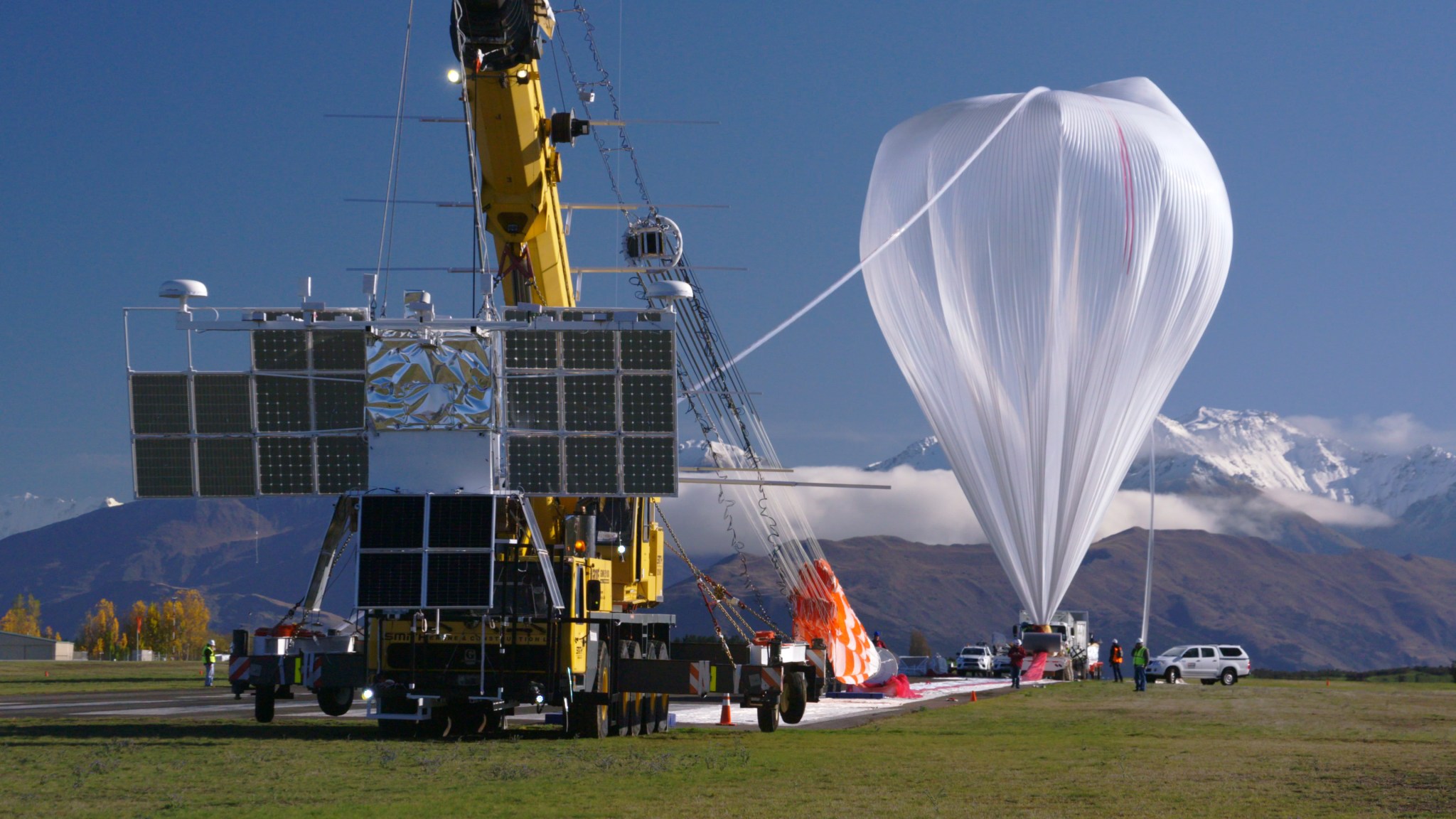
The primary objective of the NASA Balloon Program is to provide high altitude scientific balloon platforms for scientific and technological investigations. These investigations include fundamental scientific discoveries that contribute to our understanding of the Earth, the solar system, and the universe. Scientific balloons also provide a platform for the demonstration of promising new instrument and spacecraft technologies that enable or enhance the objectives for the Science Mission Directorate Strategic Plan.
Quick Facts
Since its establishment more than 30 years ago, the NASA Balloon Program has provided high-altitude scientific balloon platforms for scientific and technological investigations, including fundamental scientific discoveries that contribute to our understanding of the Earth, the solar system, and the universe.
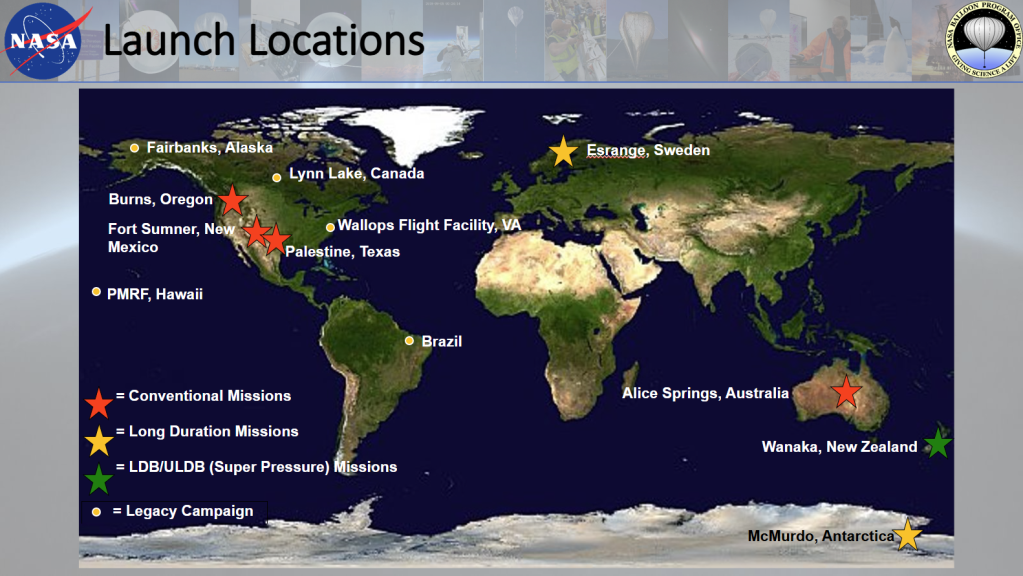
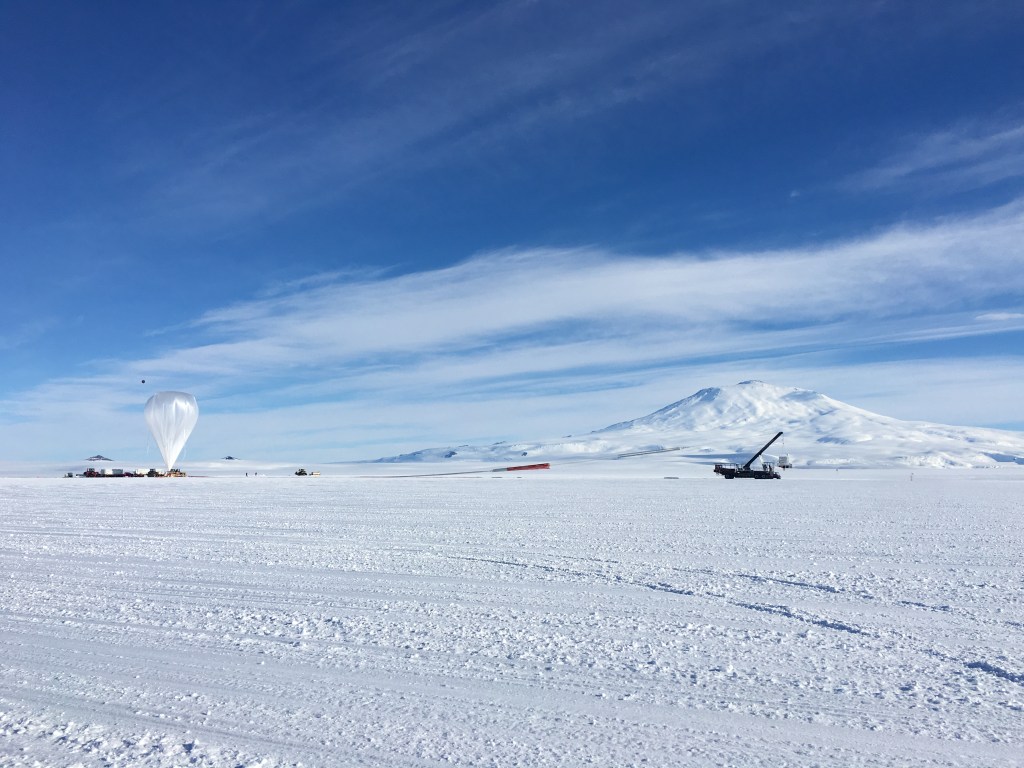
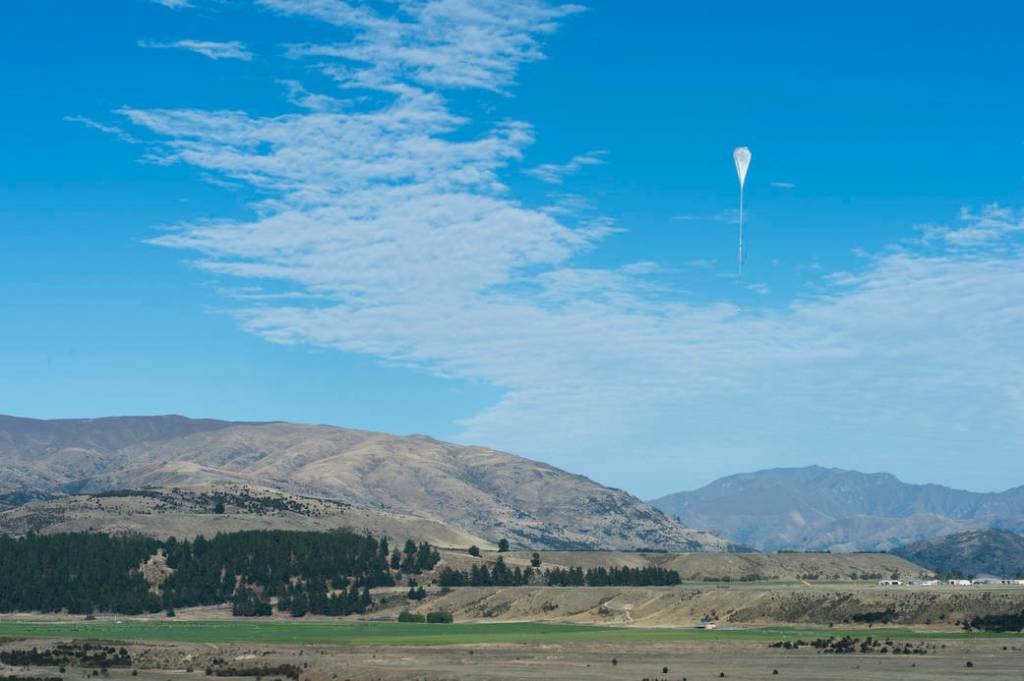
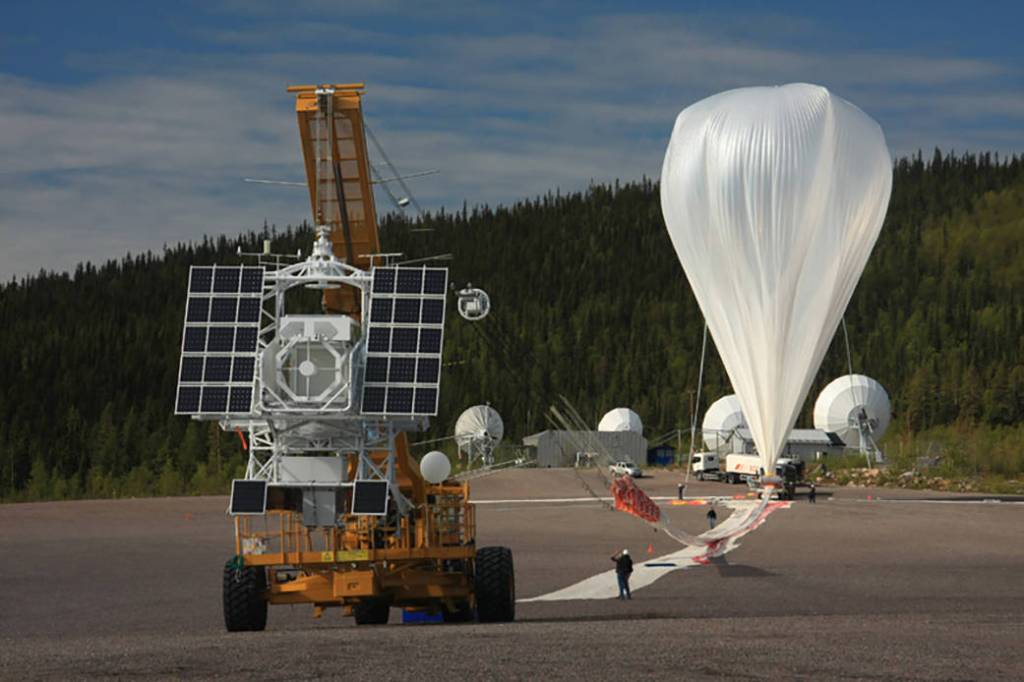
Balloons have been used for decades to conduct scientific studies. They can be launched from locations across the globe and are a low-cost method to carry payloads with instruments that conduct scientific observations.
Contact Us
Media Resources
Contact information and resources for members of the media.
Balloons provide low-cost, quick response, near-space access for:
- Conducting cutting-edge research.
- Developing technologies to enable future spacecraft science missions.
- Advancing lighter-than-air platform technologies.
- Providing calibration and validation of on-orbit instrumentation.
- Enabling hands-on training for the next generation of scientists and engineers.
Program Management
The NASA Scientific Balloon Program (SBP) is the largest of its kind with the singular capability of heavy lift suborbital stratospheric platforms serving the greatest breadth of science disciplines and providing end-to-end engineering, operations, and management.
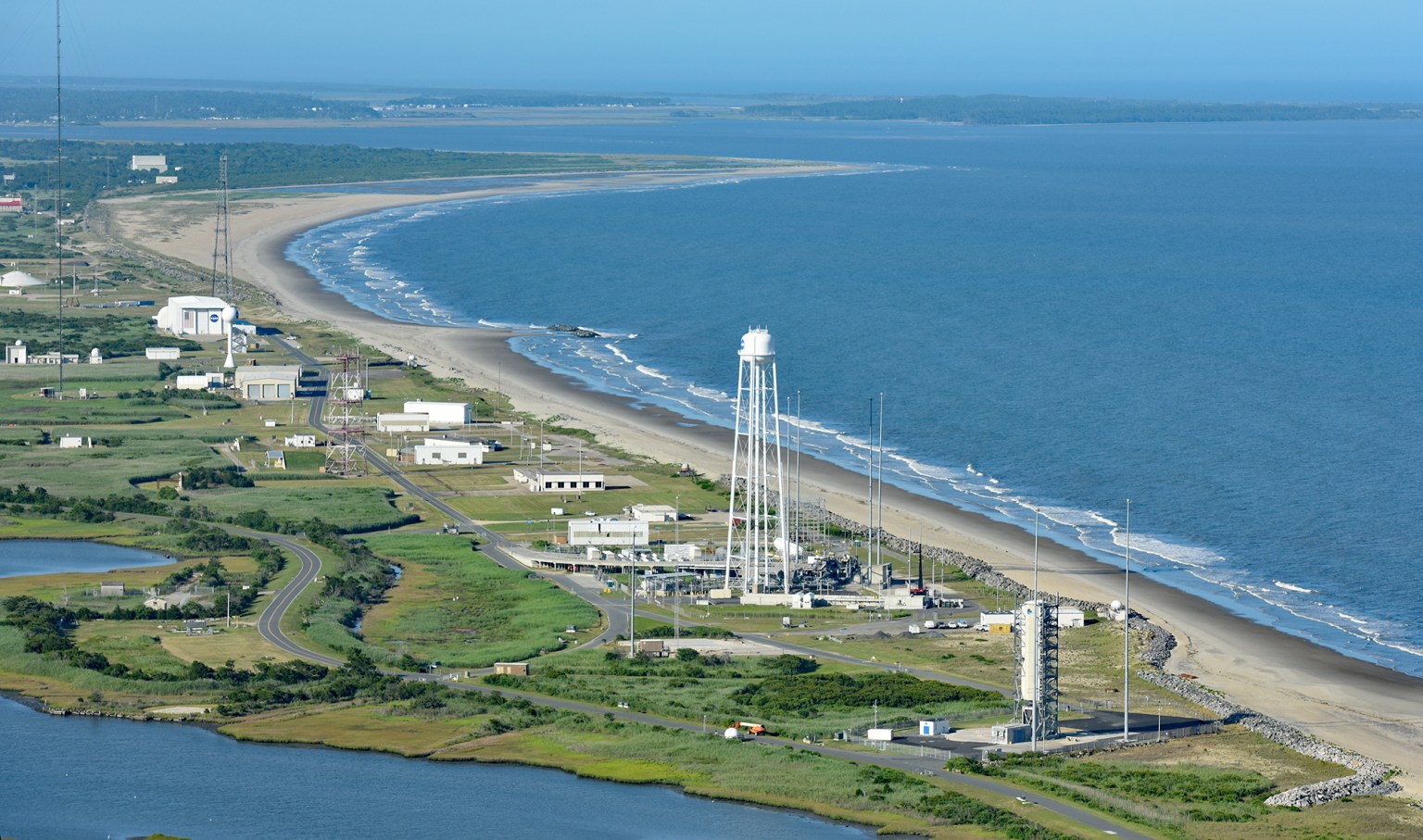
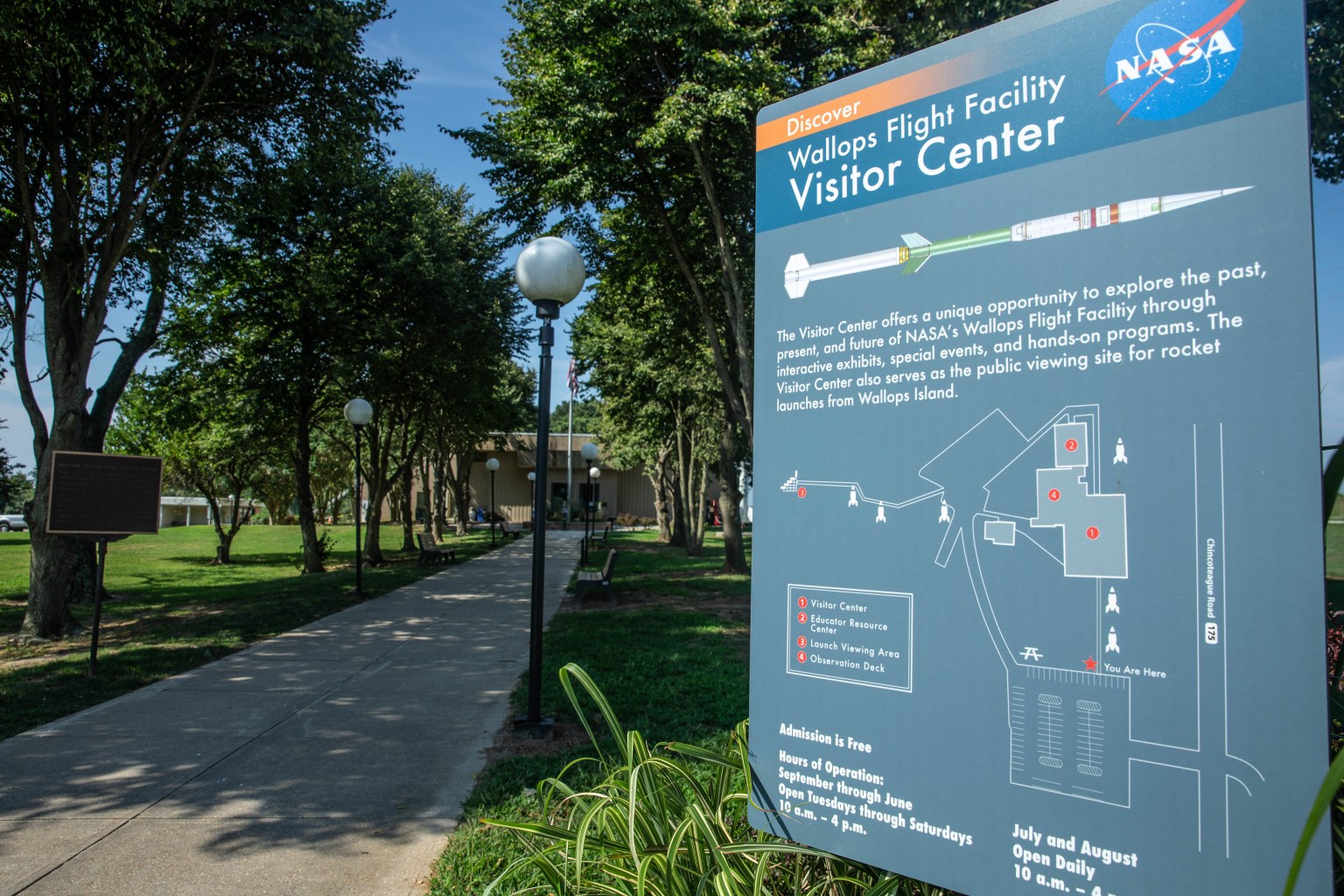
The Balloon Program is managed out of NASA Wallops Flight Facility providing program and project management, engineering, and integration and testing. The NASA Balloon Operations Contract II (NBOC II) operates from the Columbia Scientific Balloon Facility to provide launch operations and engineering services to the SBP
The SBP supports an on-going flight manifest of approximately 8-16 flights per year with 40-60 missions in progress at various stages of the mission lifecycle and of varying complexities.
Operations are conducted world-wide at both fixed and temporary launch sites.
Funded by the NASA Science Mission Directorate, Astrophysics Division.
Example Scientific Balloon Missions
BARREL
Balloon Array for Radiation-belt Relativistic Electron Losses was a series of balloon campaigns to study Earth's radiation belts, designed to supplement measurements from NASA’s Van Allen Probes.
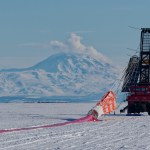
GUSTO
Galactic/Extragalactic ULDB Spectroscopic Terahertz Observatory is a scientific balloon mission that will measure emissions from the interstellar medium, the material between stars. This data will help scientists determine the life cycle of interstellar gas in our Milky Way galaxy.
Scientific Balloon Program Information
Balloon Program Analysis for 2020 Astrophysics Decadal
Apr 17, 2025
PDF (88.13 MB)