























The Apollo Program
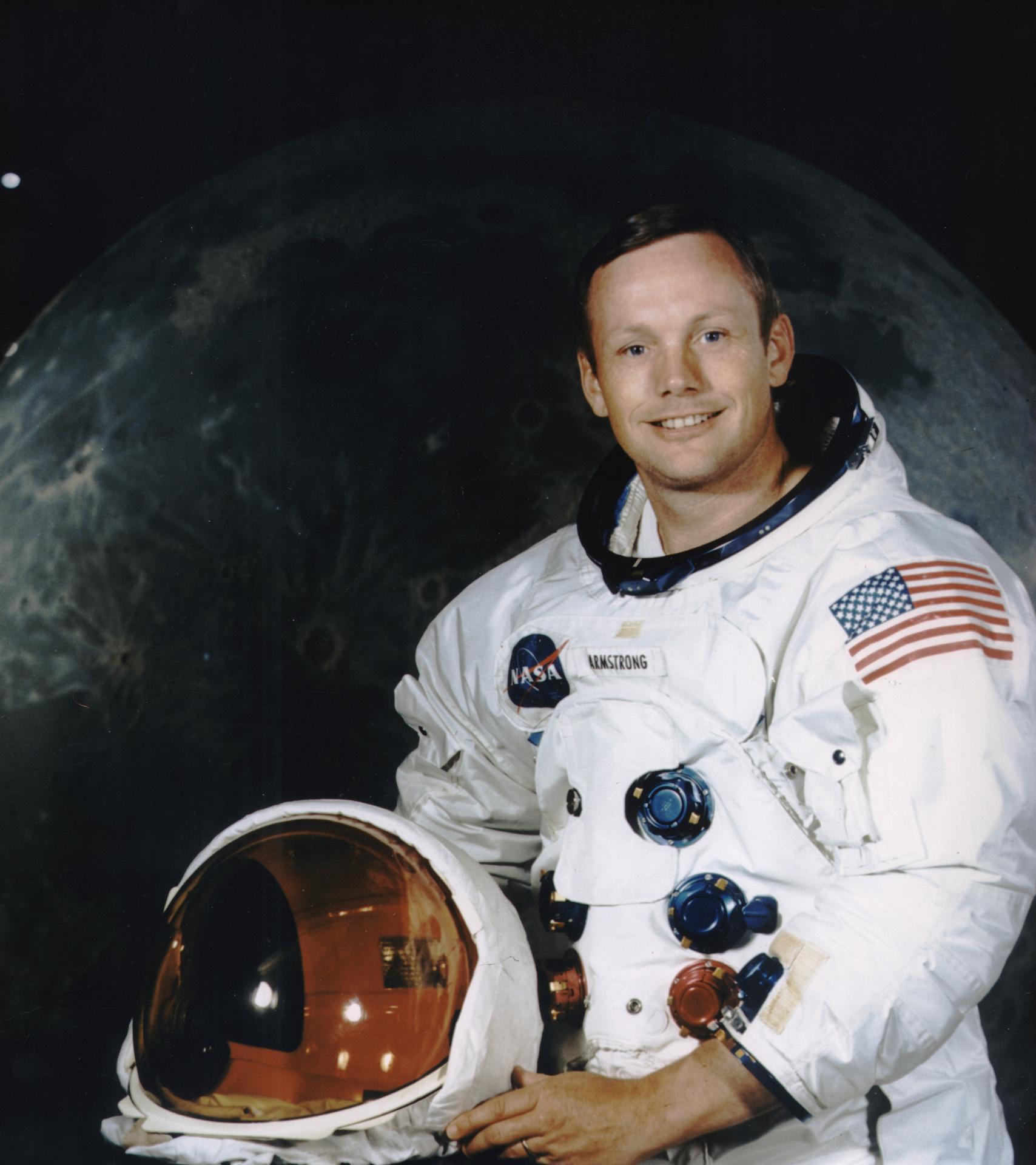
“That’s one small step for a man. One giant leap for mankind.” Neil Armstrong
1962-1972
Lunar Landing Missions
Crewed Missions
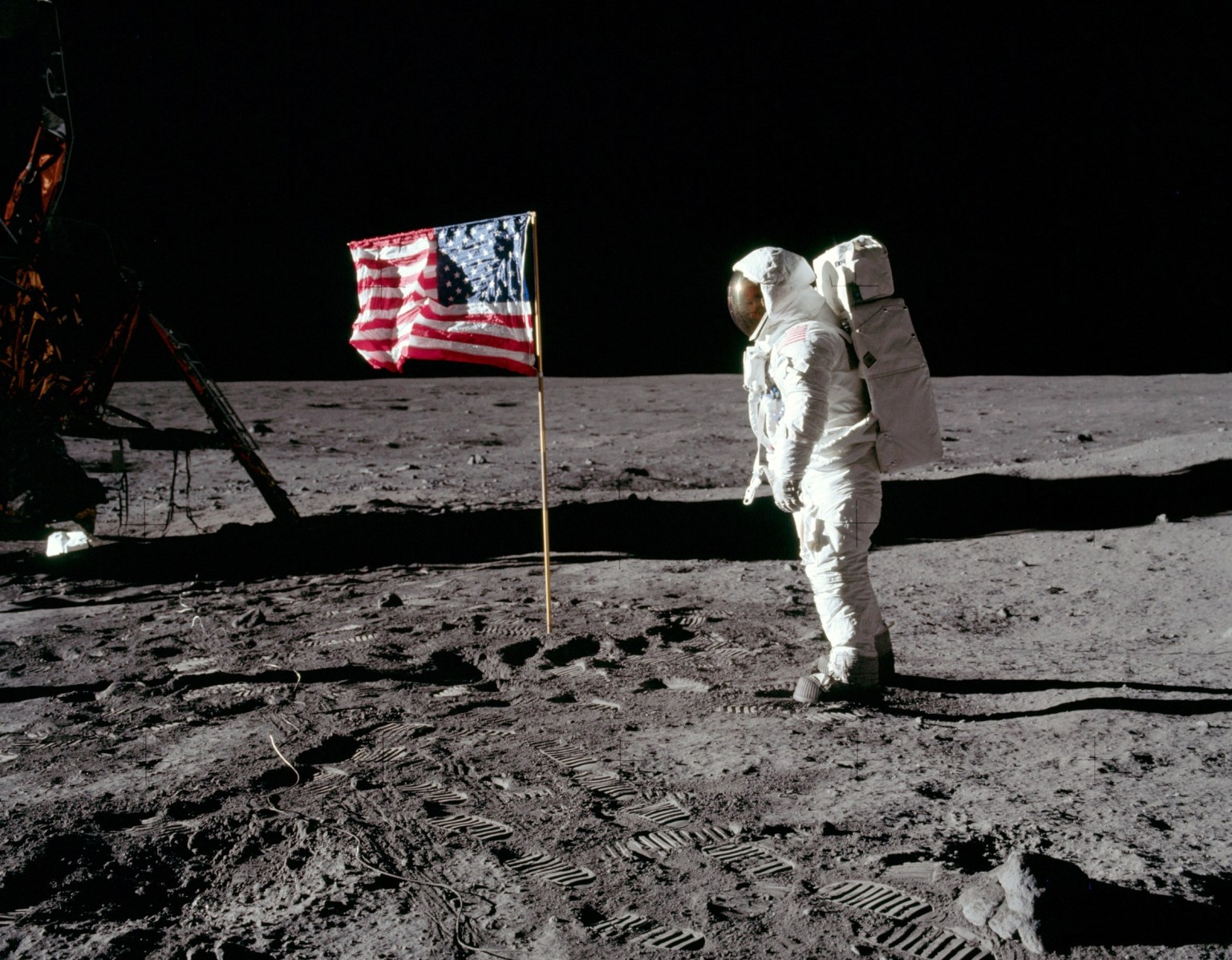
Astronauts on the moon
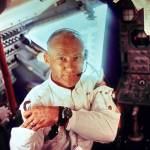

Apollo’s Goals
The national effort that enabled Astronaut Neil Armstrong to speak those words as he stepped onto the lunar surface fulfilled a dream as old as humanity. Project Apollo’s goals went beyond landing Americans on the moon and returning them safely to Earth. They included:
- Establishing the technology to meet other national interests in space.
- Achieving preeminence in space for the United States.
- Carrying out a program of scientific exploration of the Moon.
- Developing human capability to work in the lunar environment.
Rocket and Spacecraft
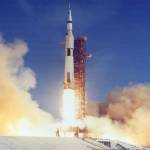
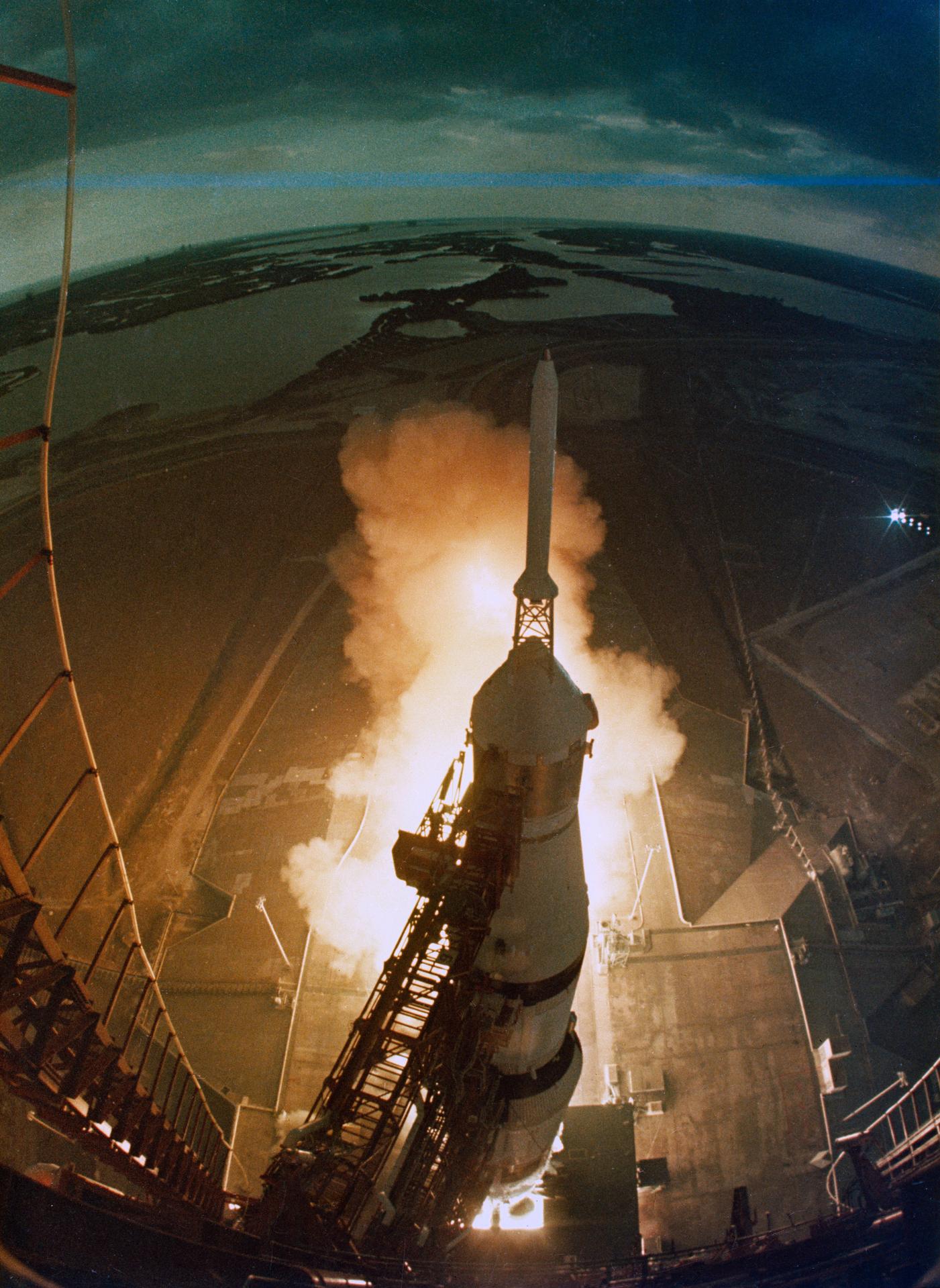
The flight mode, lunar orbit rendezvous, was selected in 1962. The boosters for the program were the Saturn IB for Earth orbit flights and the Saturn V for lunar flights.
Apollo was a three-part spacecraft: the command module (CM), the crew’s quarters and flight control section; the service module (SM) for the propulsion and spacecraft support systems (when together, the two modules are called CSM); and the lunar module (LM), to take two of the crew to the lunar surface, support them on the Moon, and return them to the CSM in lunar orbit.
View the Apollo Spacecraft News Reference book published in 1968.
The Apollo Missions
Apollo 1
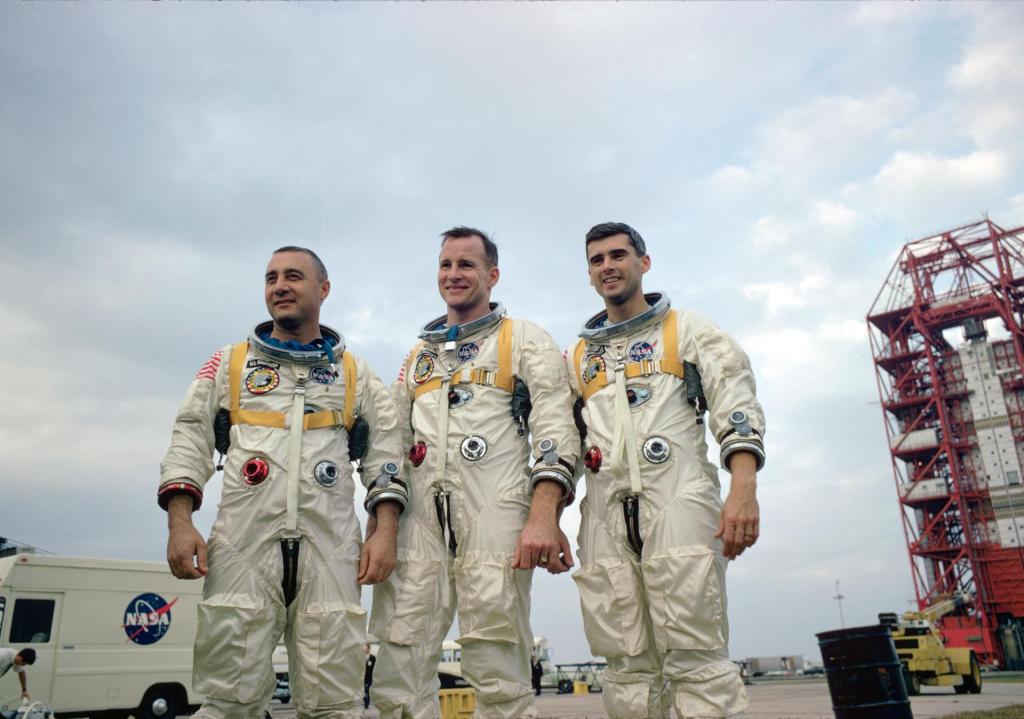
On Jan. 27, 1967, tragedy struck on the launch pad at Cape Kennedy during a preflight test for Apollo 204.
Apollo 4
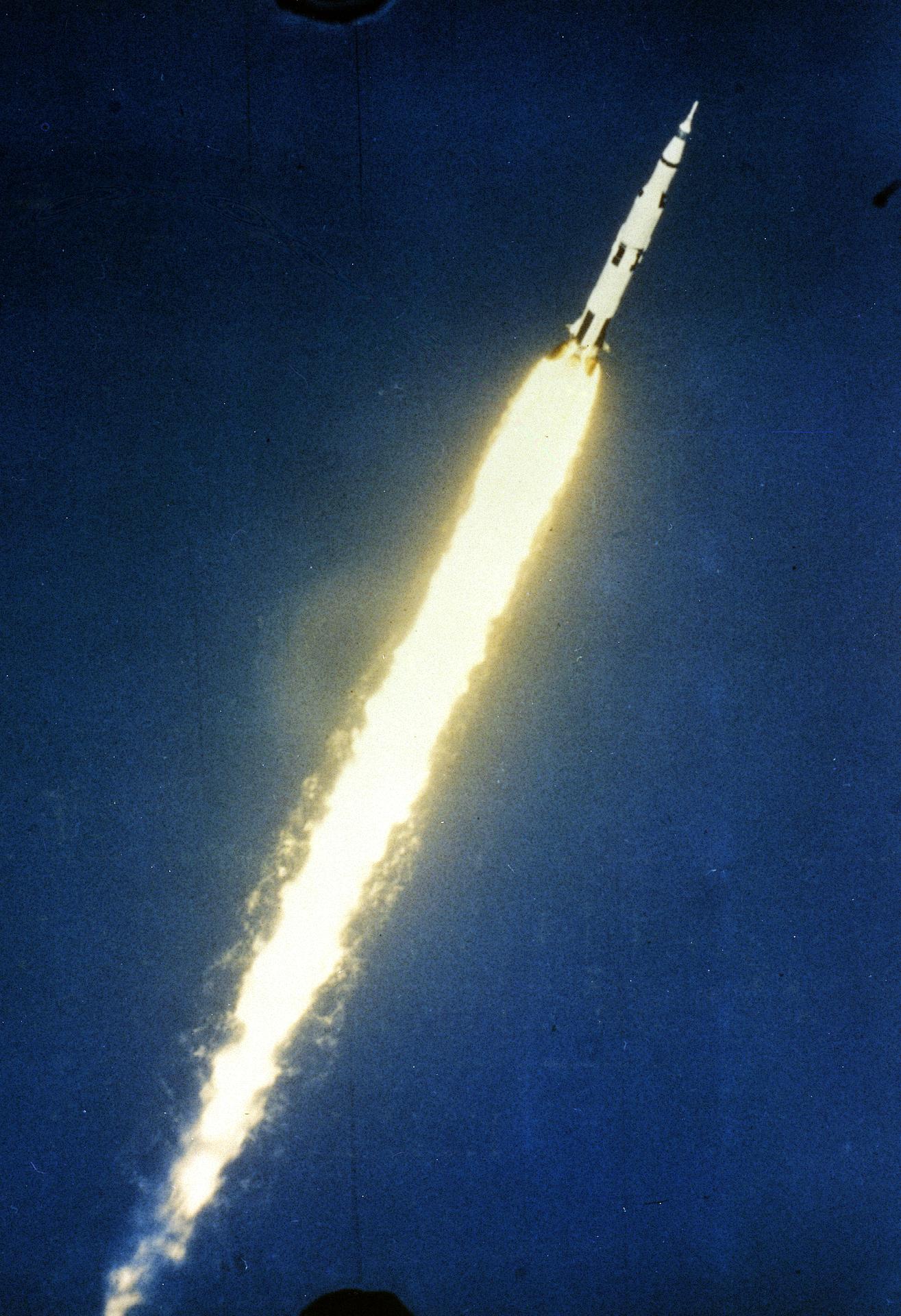
The uncrewed Apollo 4 mission was the first all-up test of the three-stage Saturn V rocket.
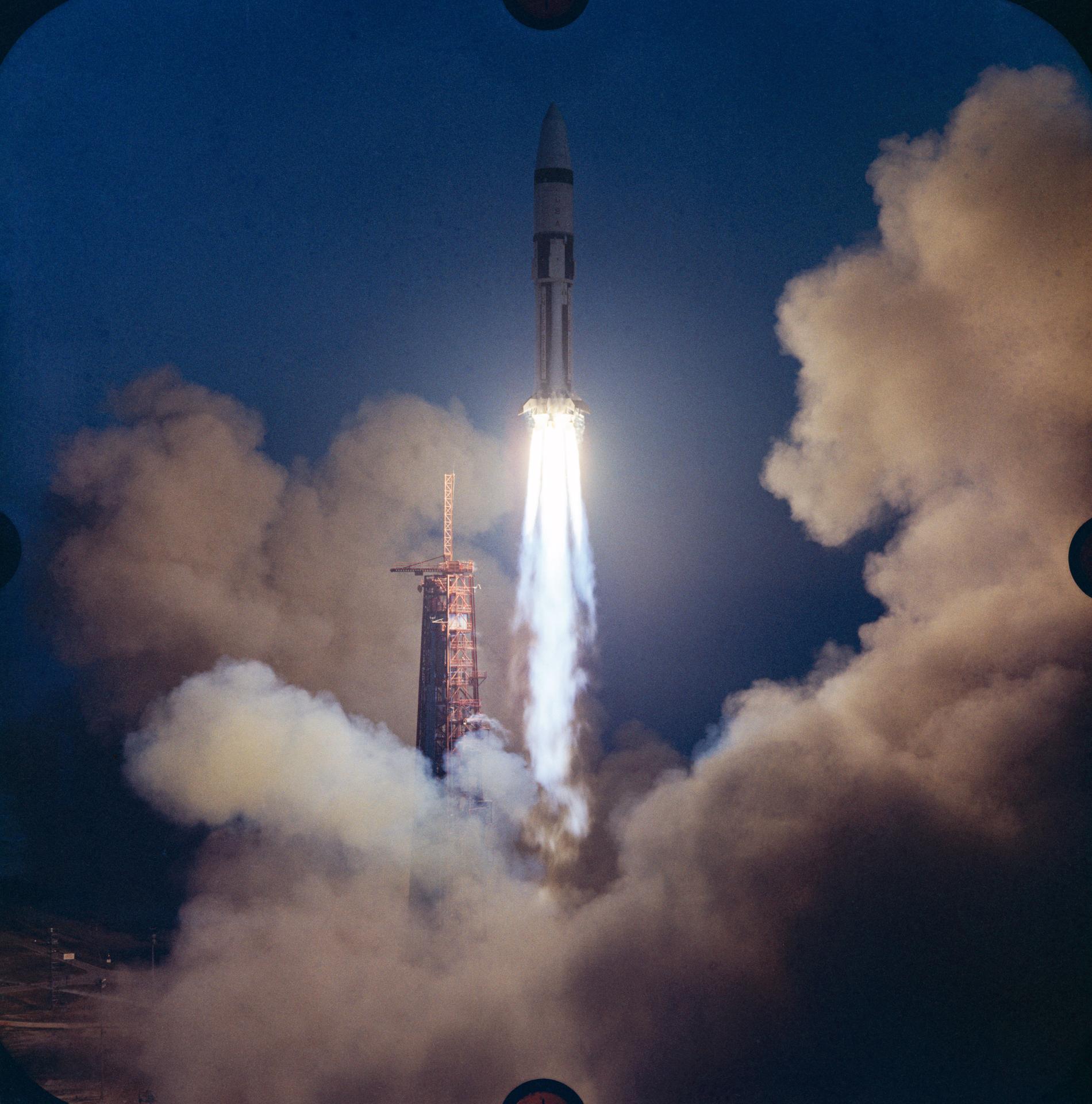
Apollo 5
The primary goal of the uncrewed Apollo 5 mission was to complete the first test flight of the Lunar Module.
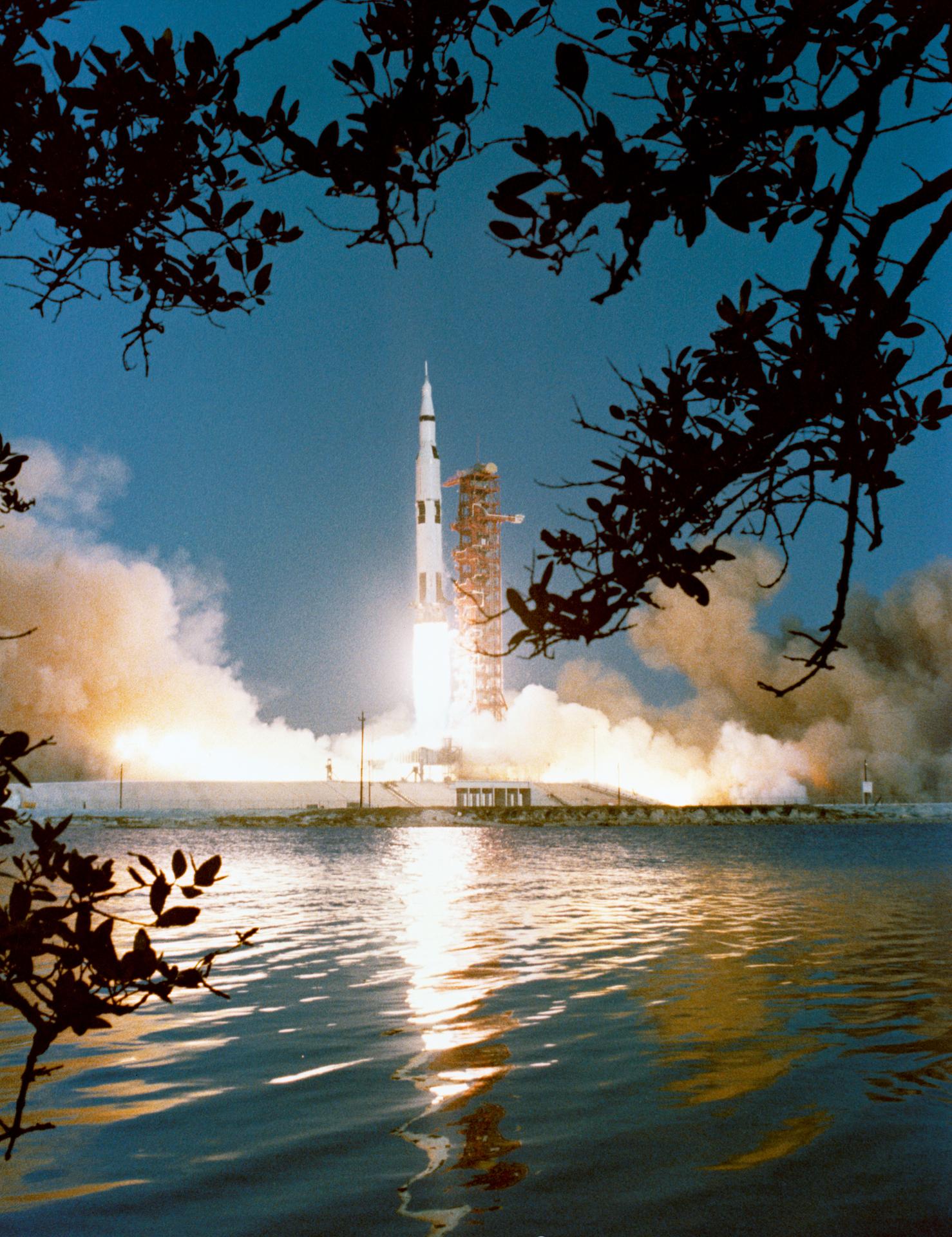
Apollo 6
The uncrewed Apollo 6 mission was the final qualification of the Saturn V launch vehicle and Apollo spacecraft for crewed Apollo missions.
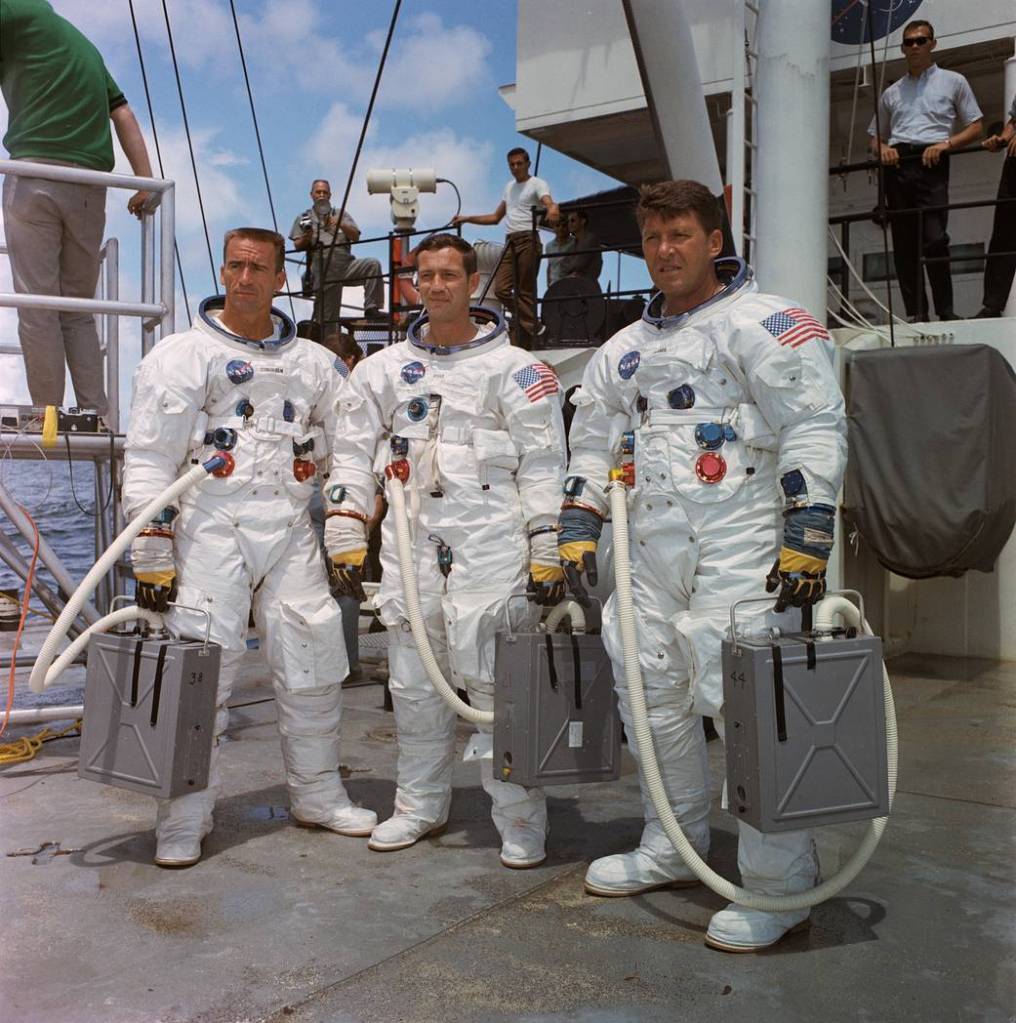
Apollo 7
The first crewed mission of the Apollo program lifted off on October 11, 1968, for a 10-day flight in Earth orbit.
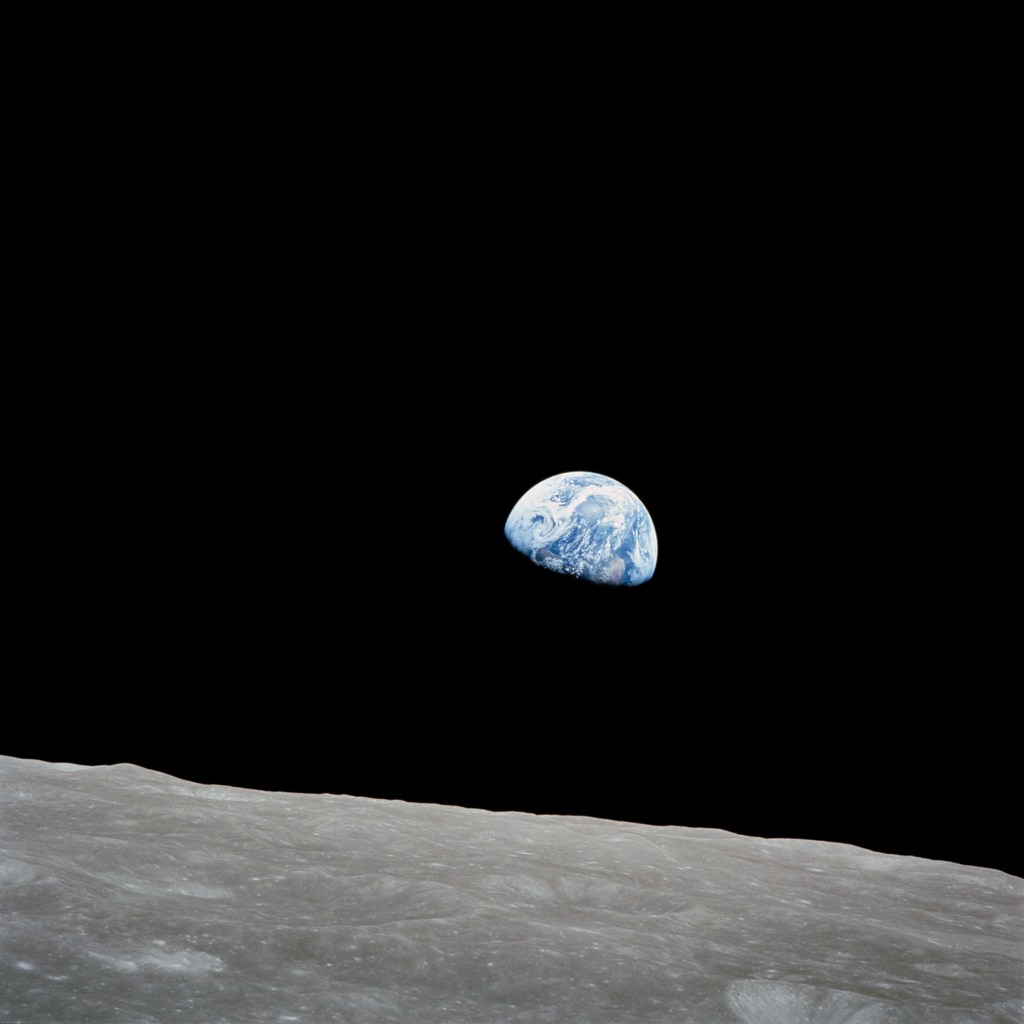
Apollo 8
Frank Borman, James Lovell, and William Anders made the first crewed mission to the vicinity of the Moon in December 1968.
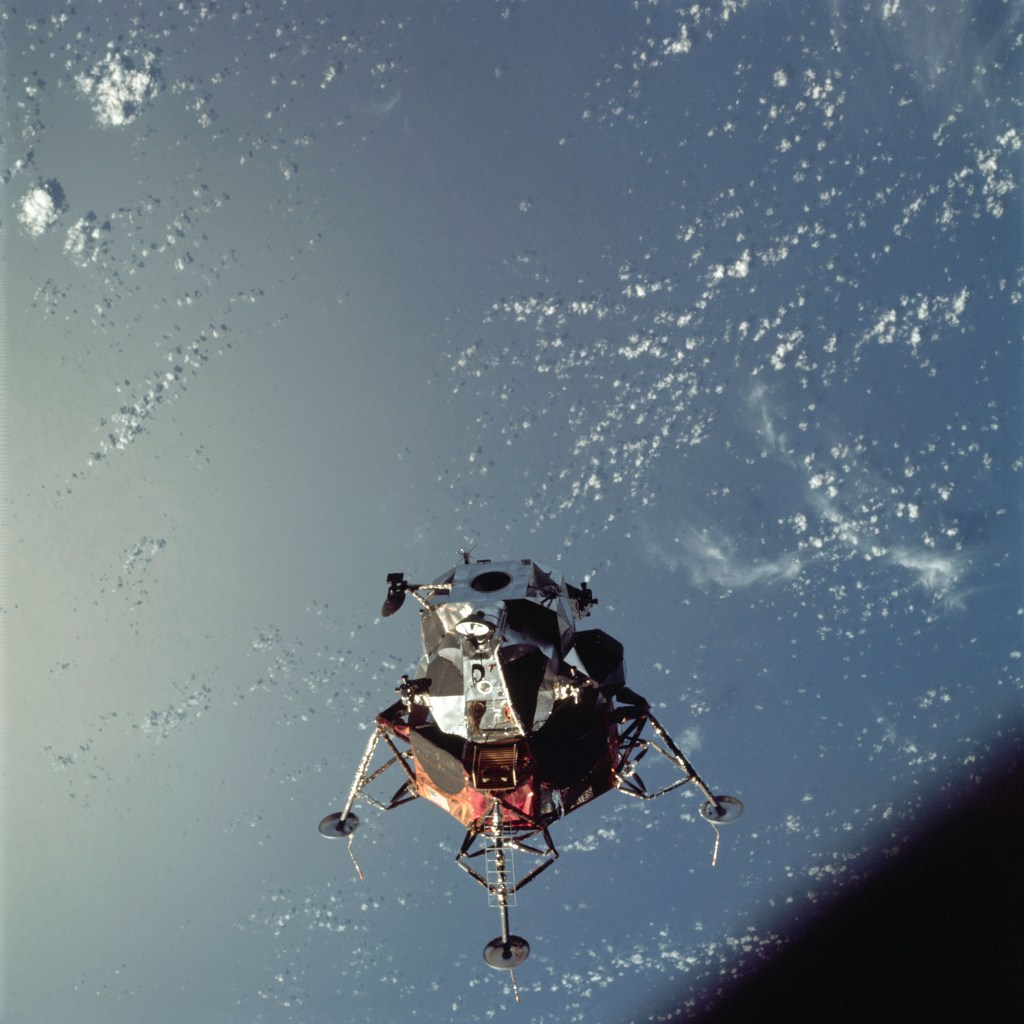
Apollo 9
James McDivitt, Russell Schweickart, and David Scott make the first flight of the full Apollo spacecraft in March 1969.
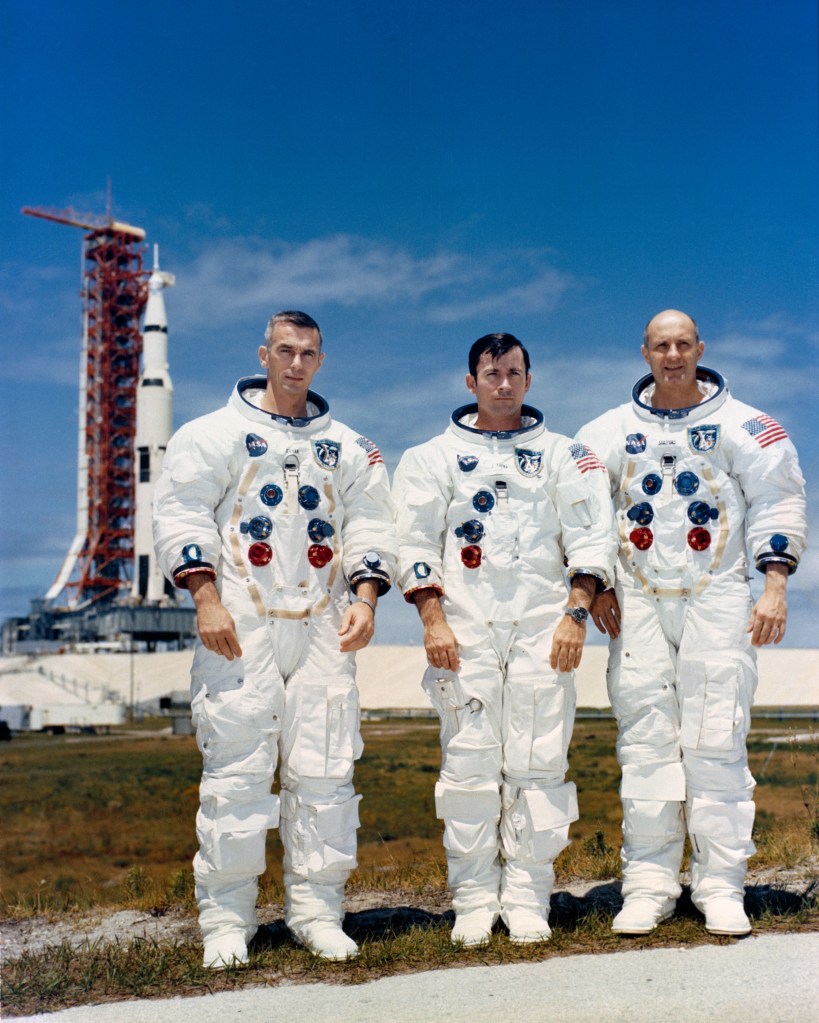
Apollo 10
Astronauts Thomas Stafford, John Young, and Eugene Cernan test all the components for a lunar landing mission, except landing on the Moon, in May 1969.
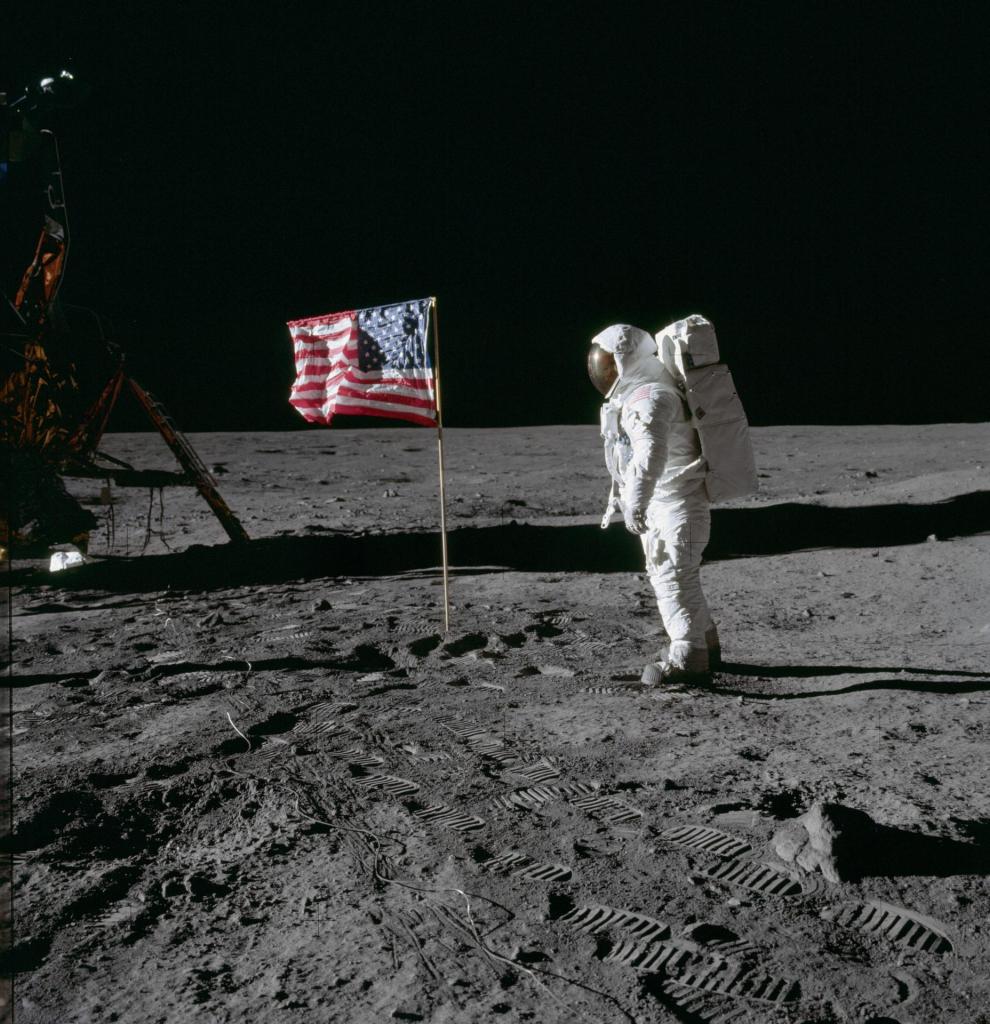
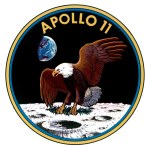
Apollo 11
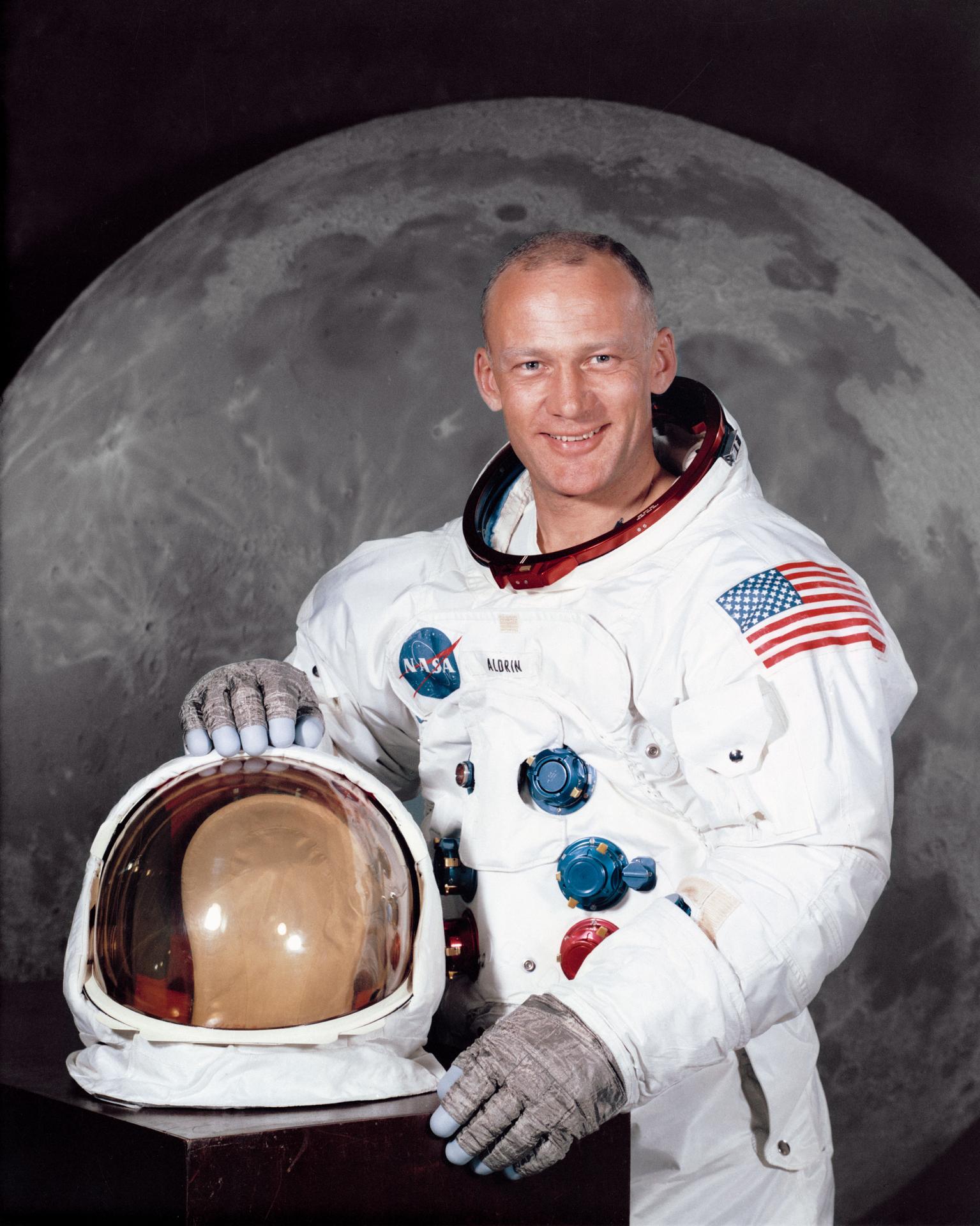
Neil Armstrong, Edwin"Buzz" Aldrin, and Michael Collins make history as Armstrong and Aldrin become the first humans to walk on the Moon in July 1969.

Apollo 12
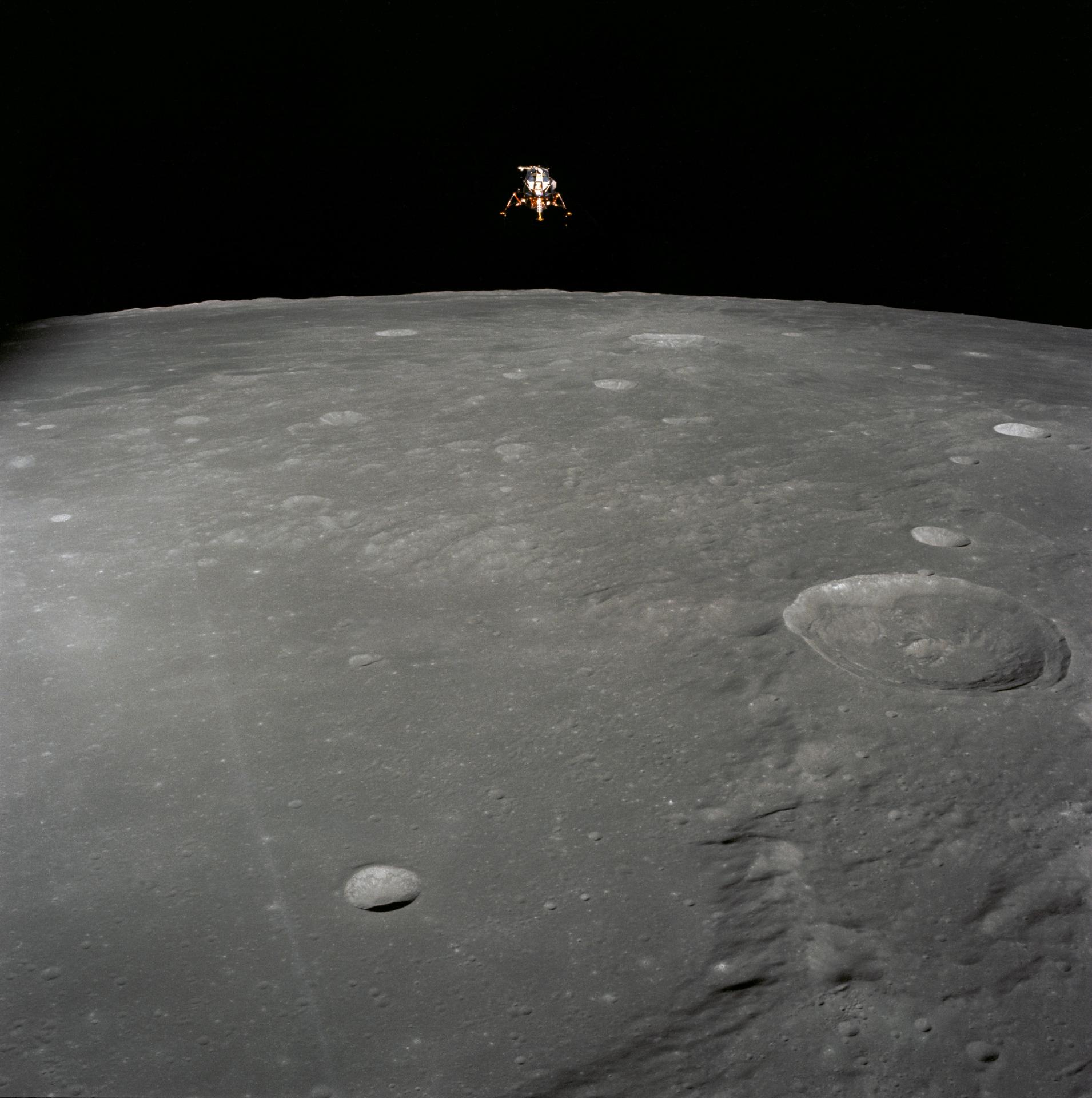
The second lunar landing of the Apollo Program was completed by Charles "Pete" Conrad, Richard Gordon, and Alan Bean in November 1969.
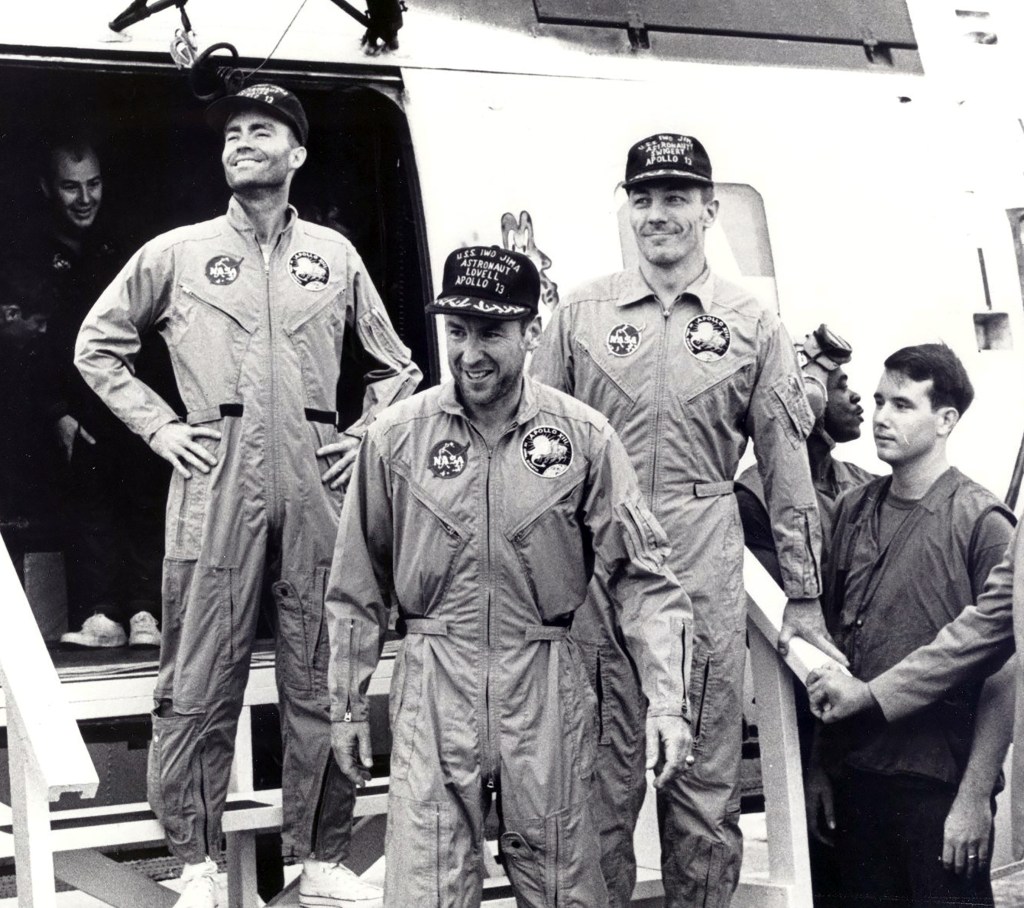
Apollo 13
An explosion on board forced Apollo 13 to circle the Moon without landing. Through the valiant efforts of the crew and ground team, the astronauts safely returned to Earth.
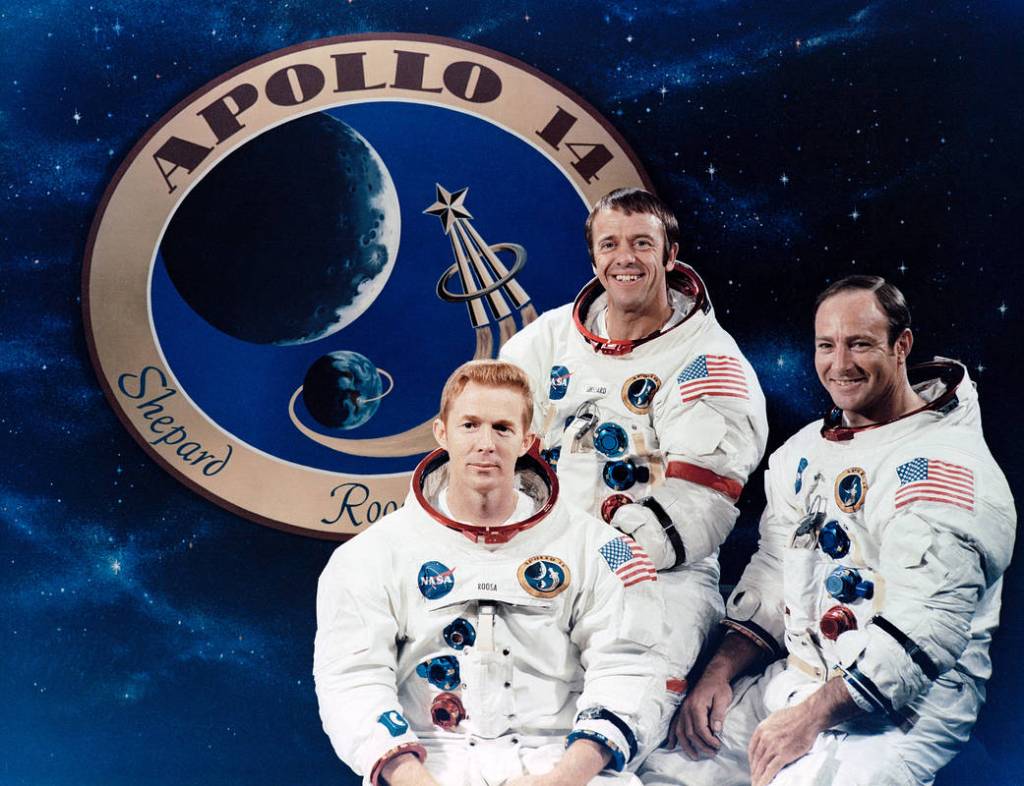
Apollo 14
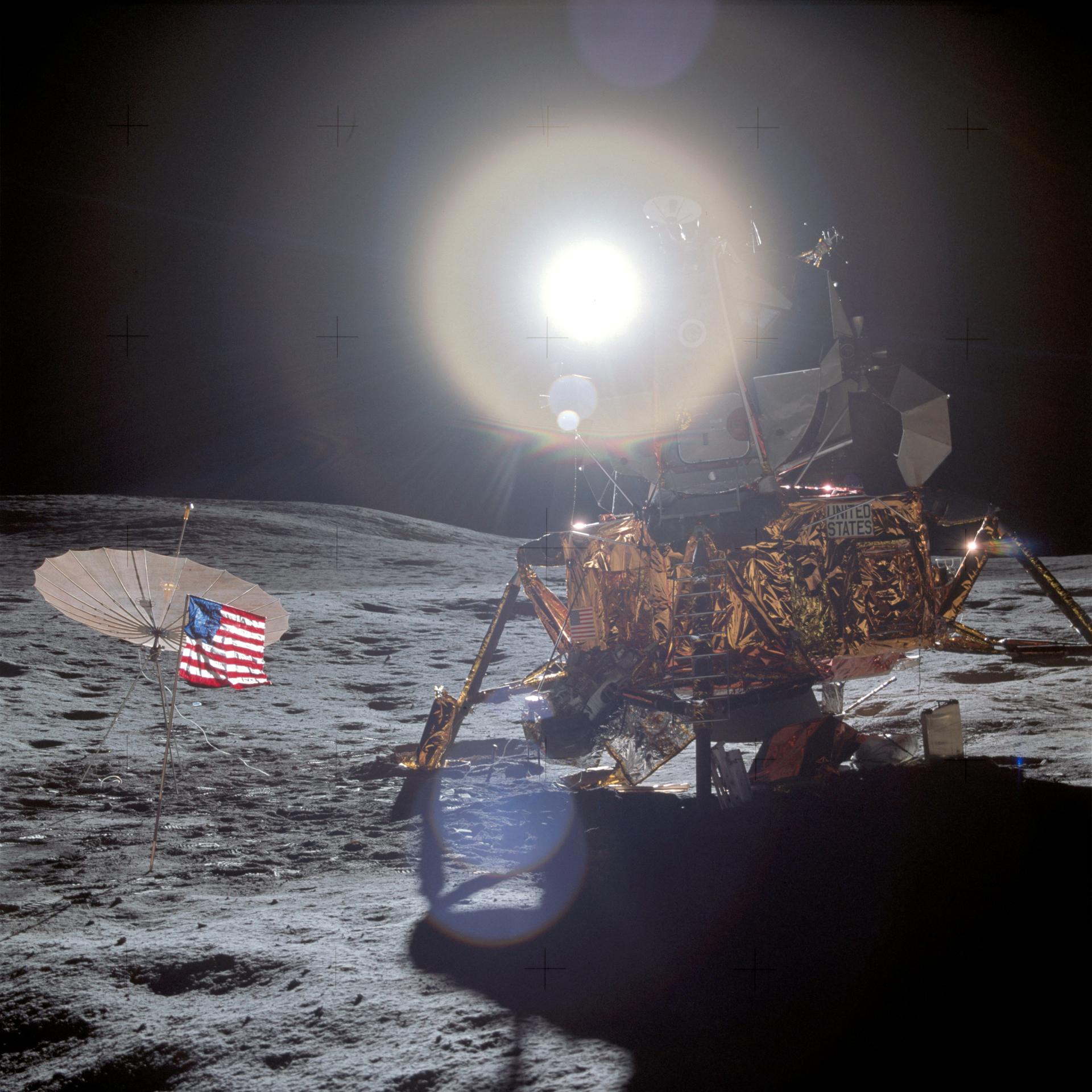
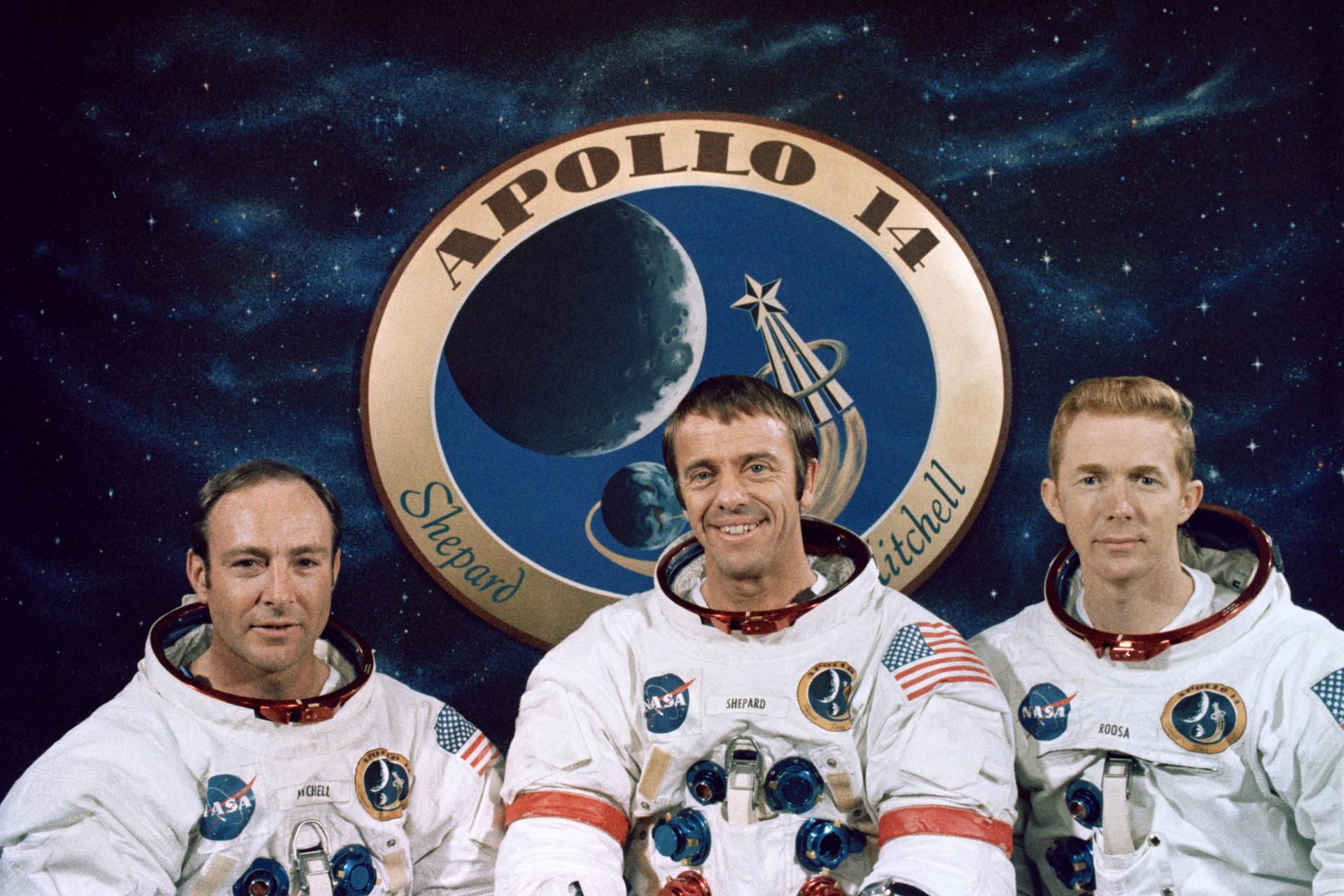
In January 1971, astronauts walked on the Moon for the third time, this time with Alan Shepard and Edgar Mitchell visiting the Moon's Fra Mauro region.
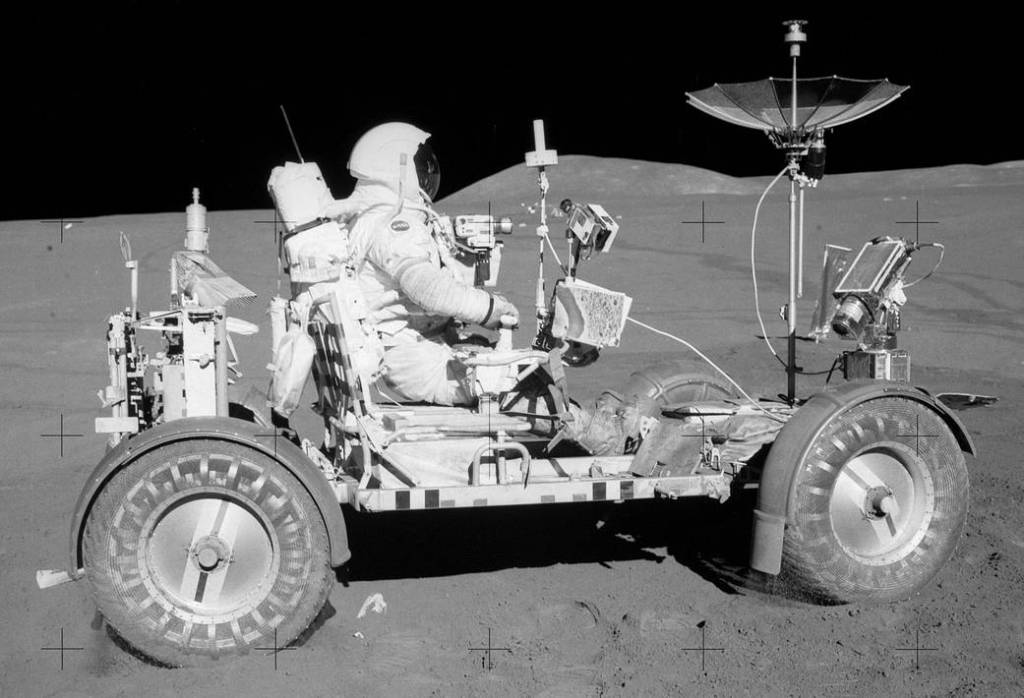
Apollo 15
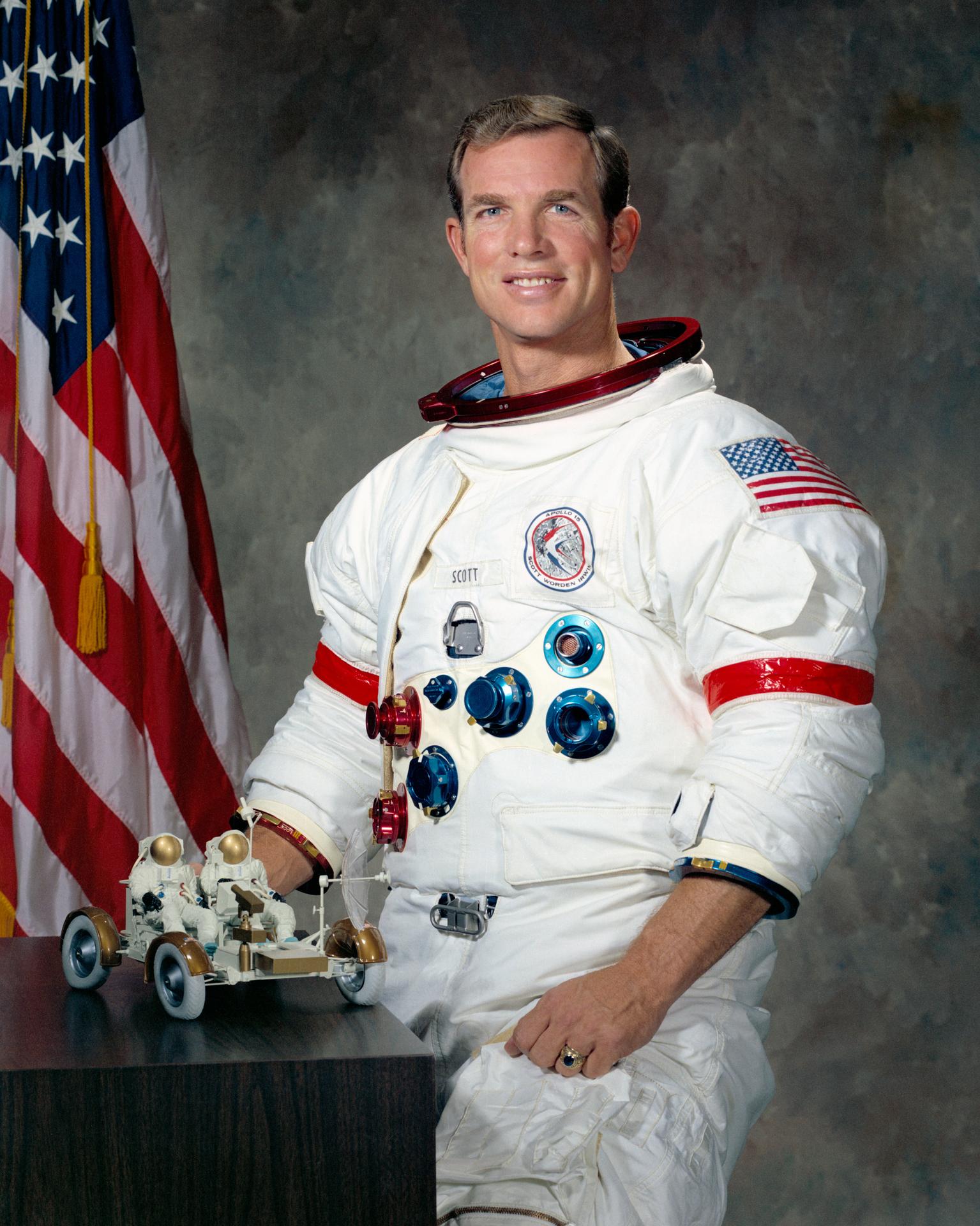
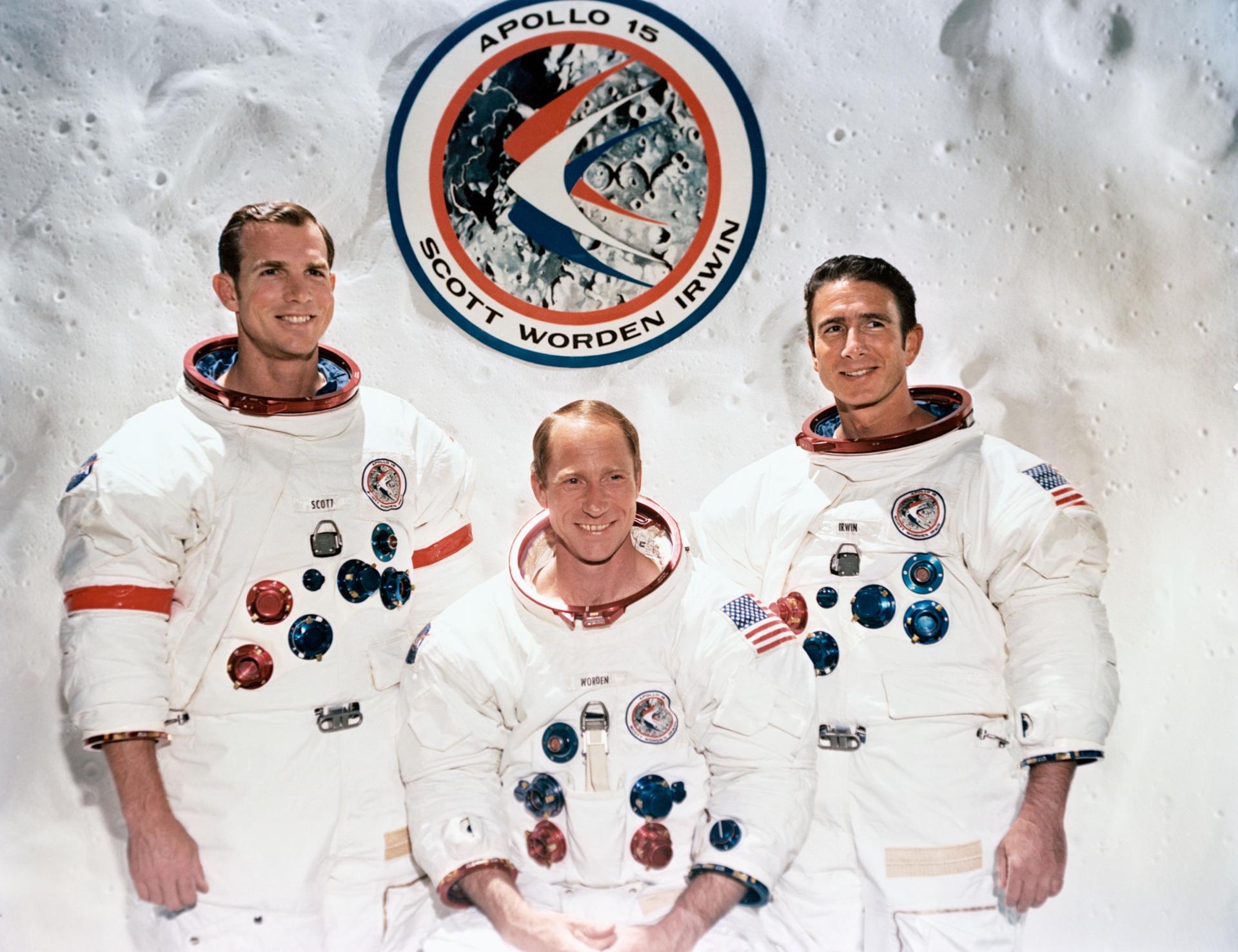
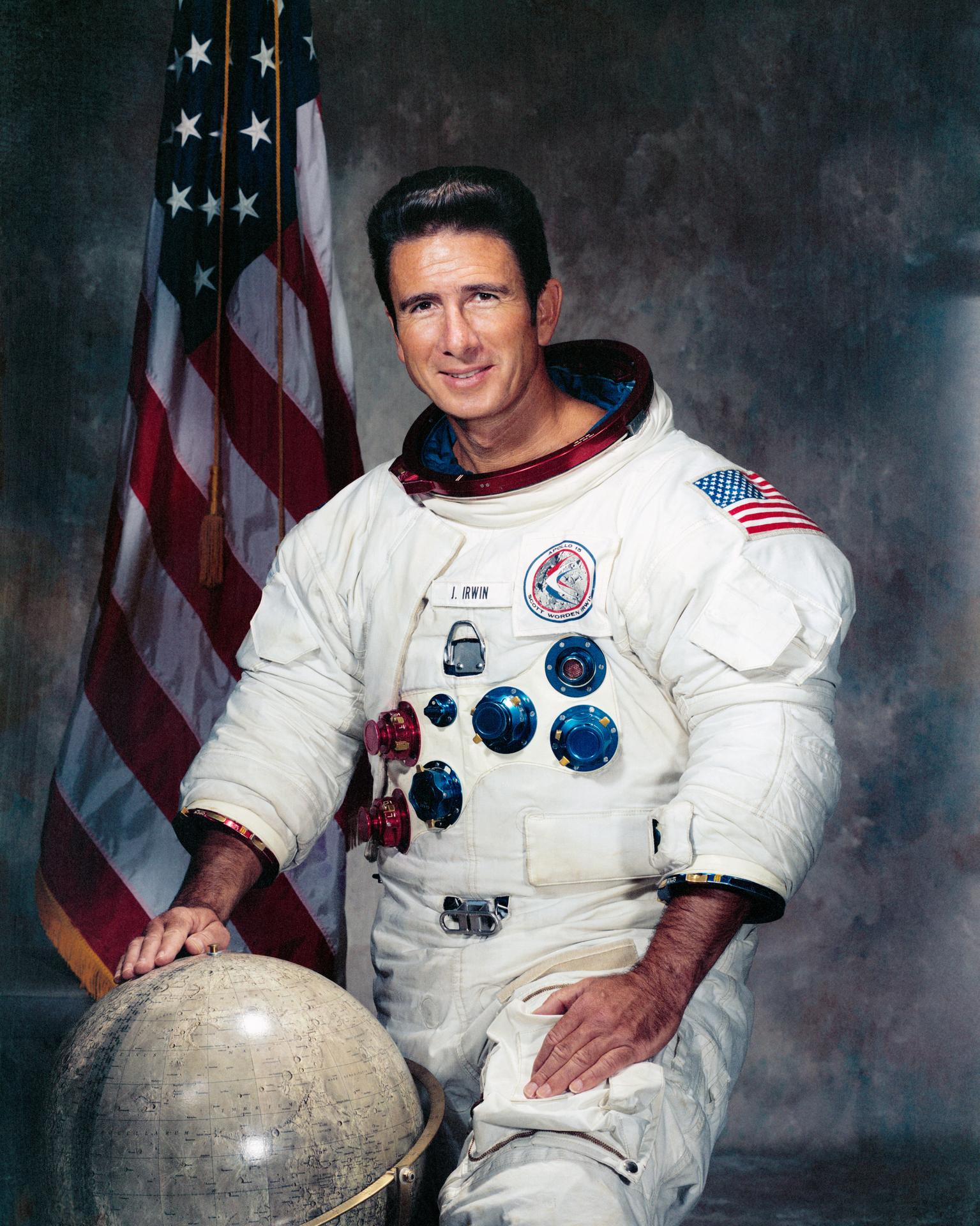
David Scott, Alfred Worden, and James Irwin launched to the Moon for the fourth Apollo lunar landing in July 1971. It was the first time the Lunar Roving Vehicle was driven on the Moon.
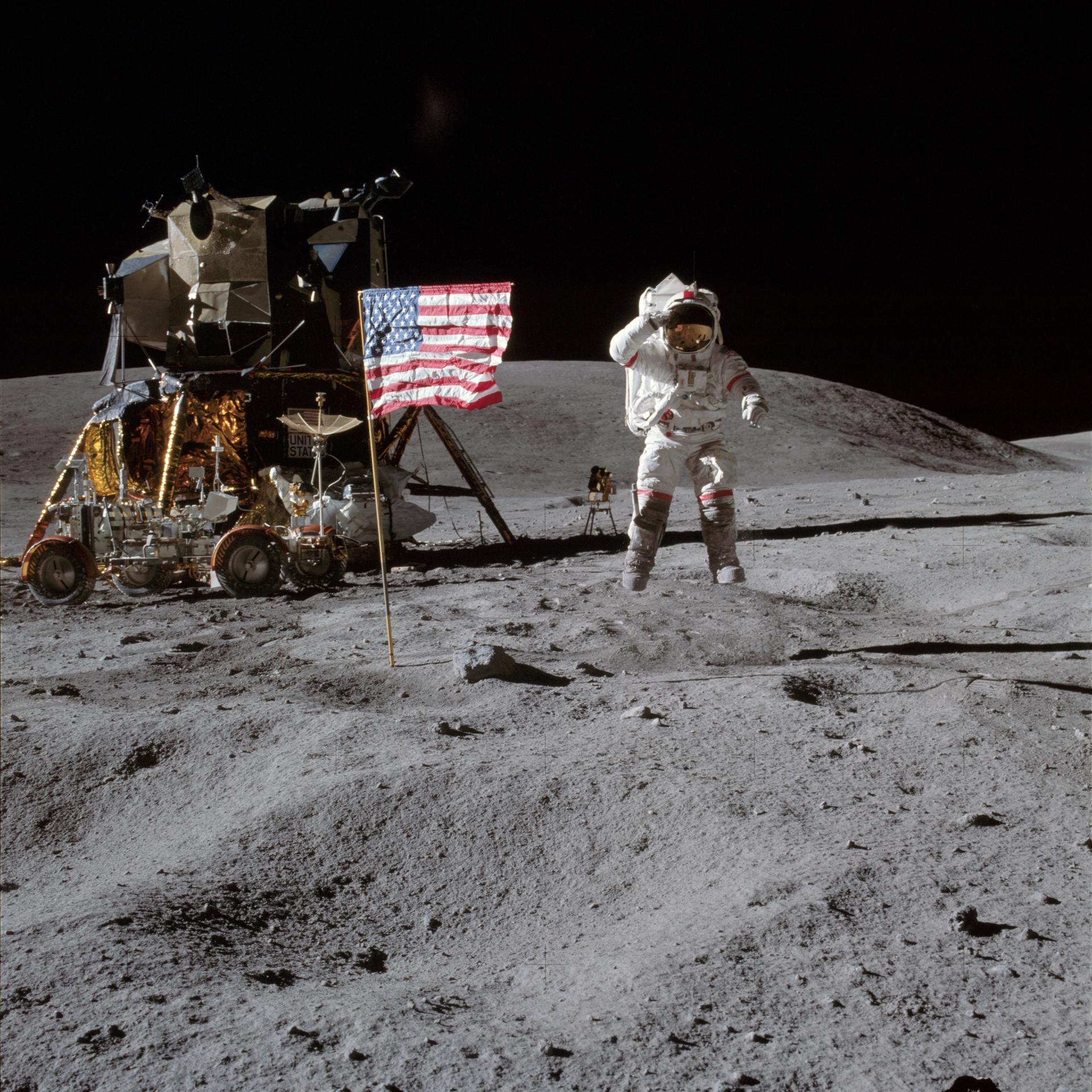
Apollo 16
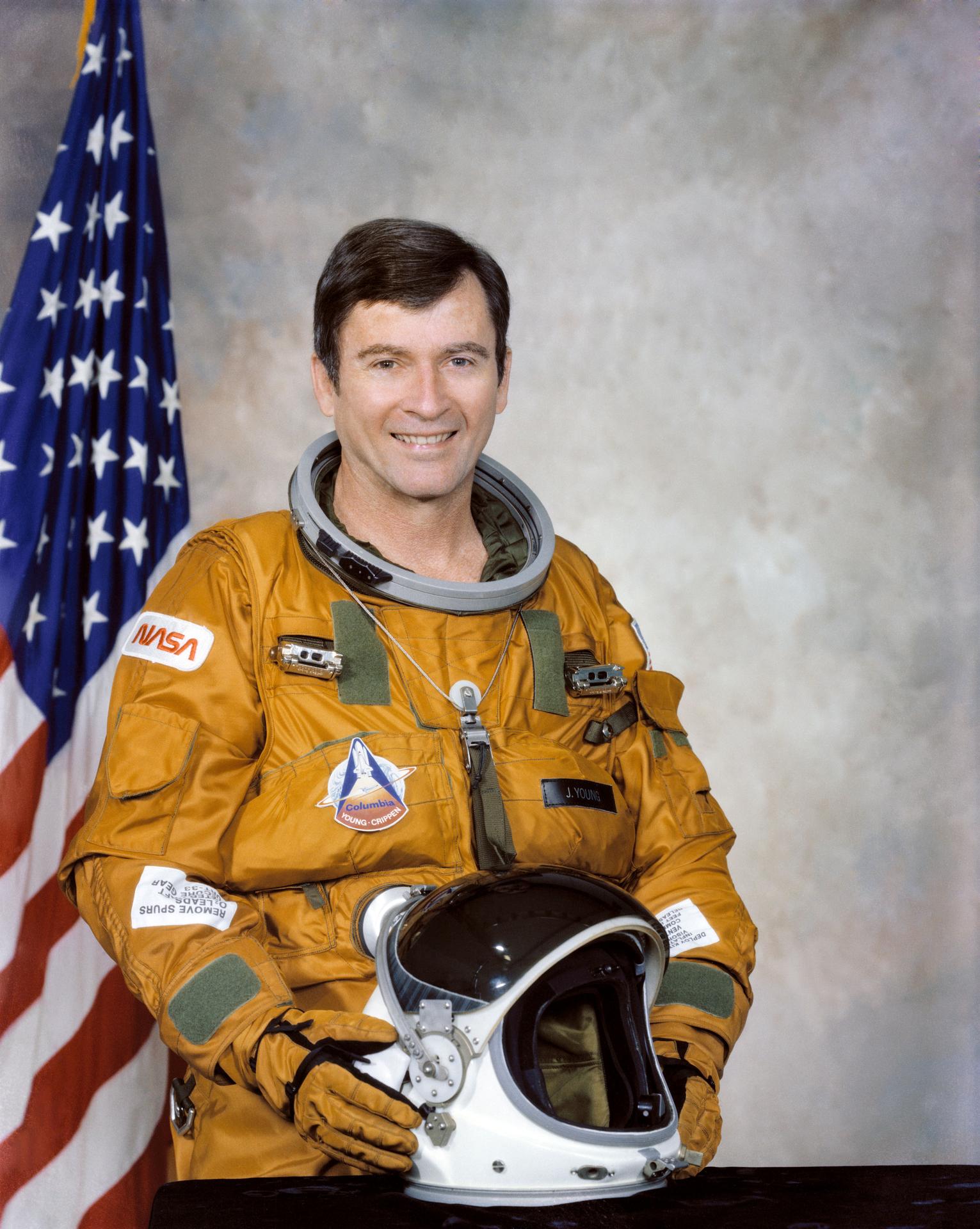
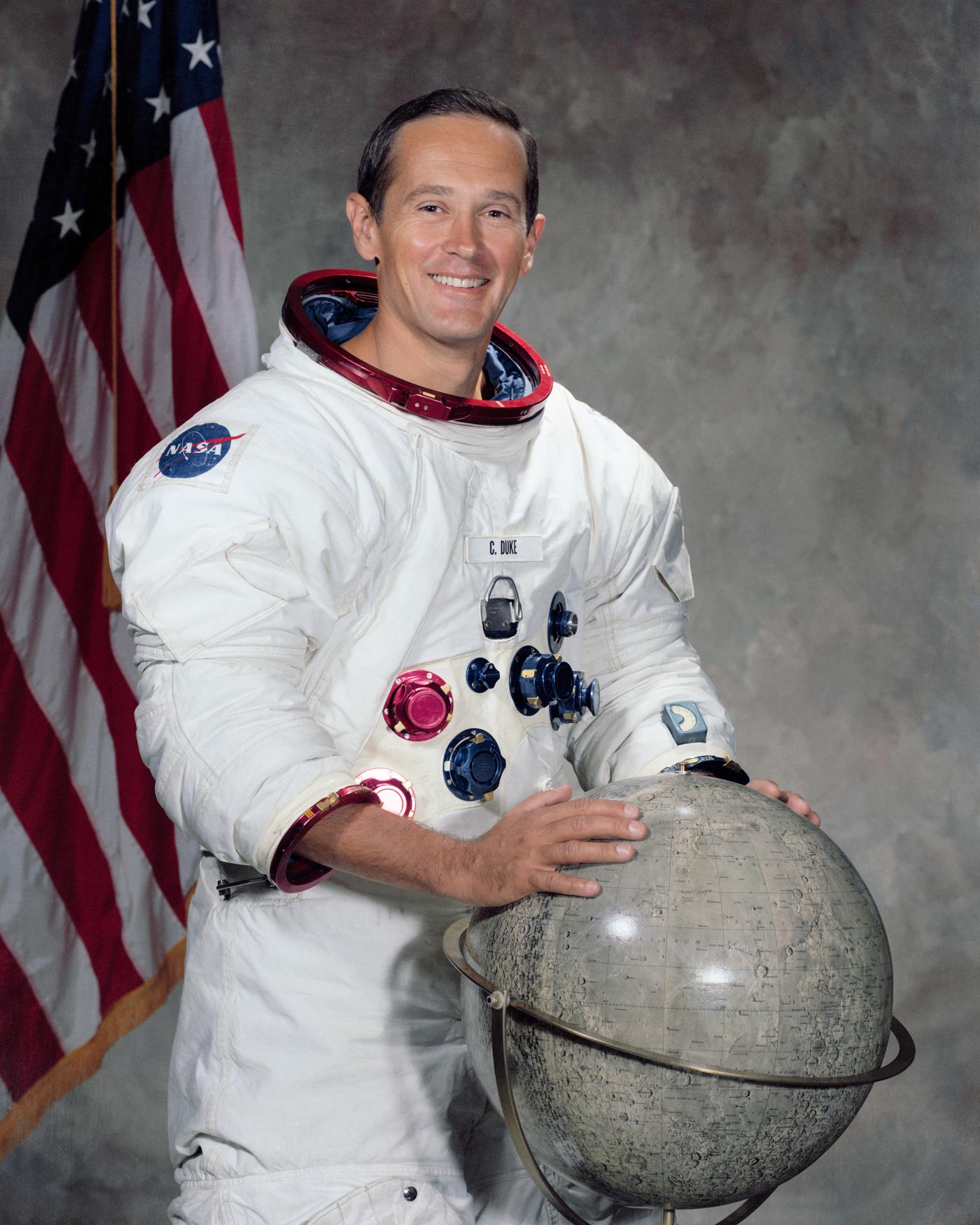
In April 1972, John Young, Charles Duke and Ken Mattingly made the penultimate lunar landing mission of the Apollo Program, visiting the Moon's Descartes Highlands.
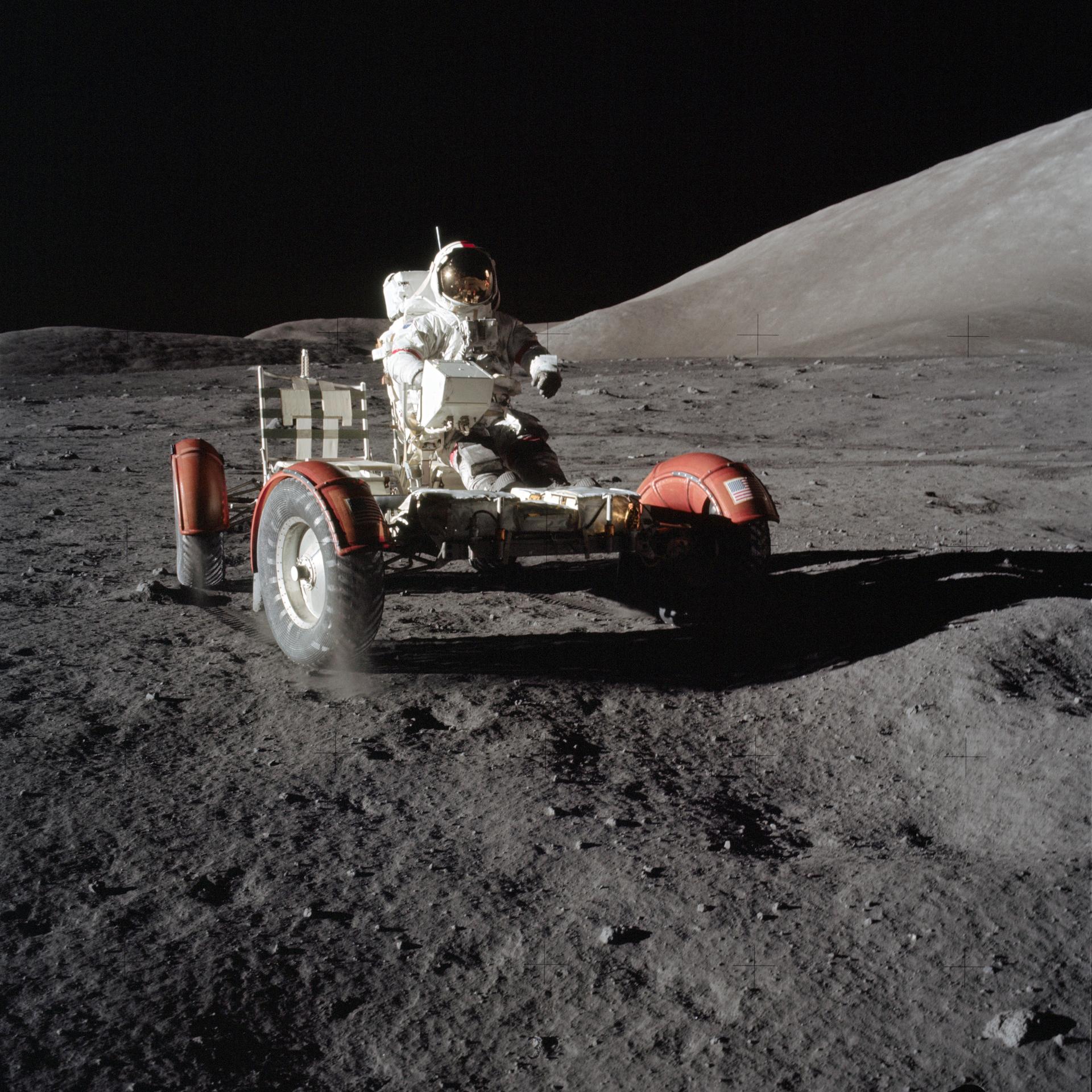
Apollo 17
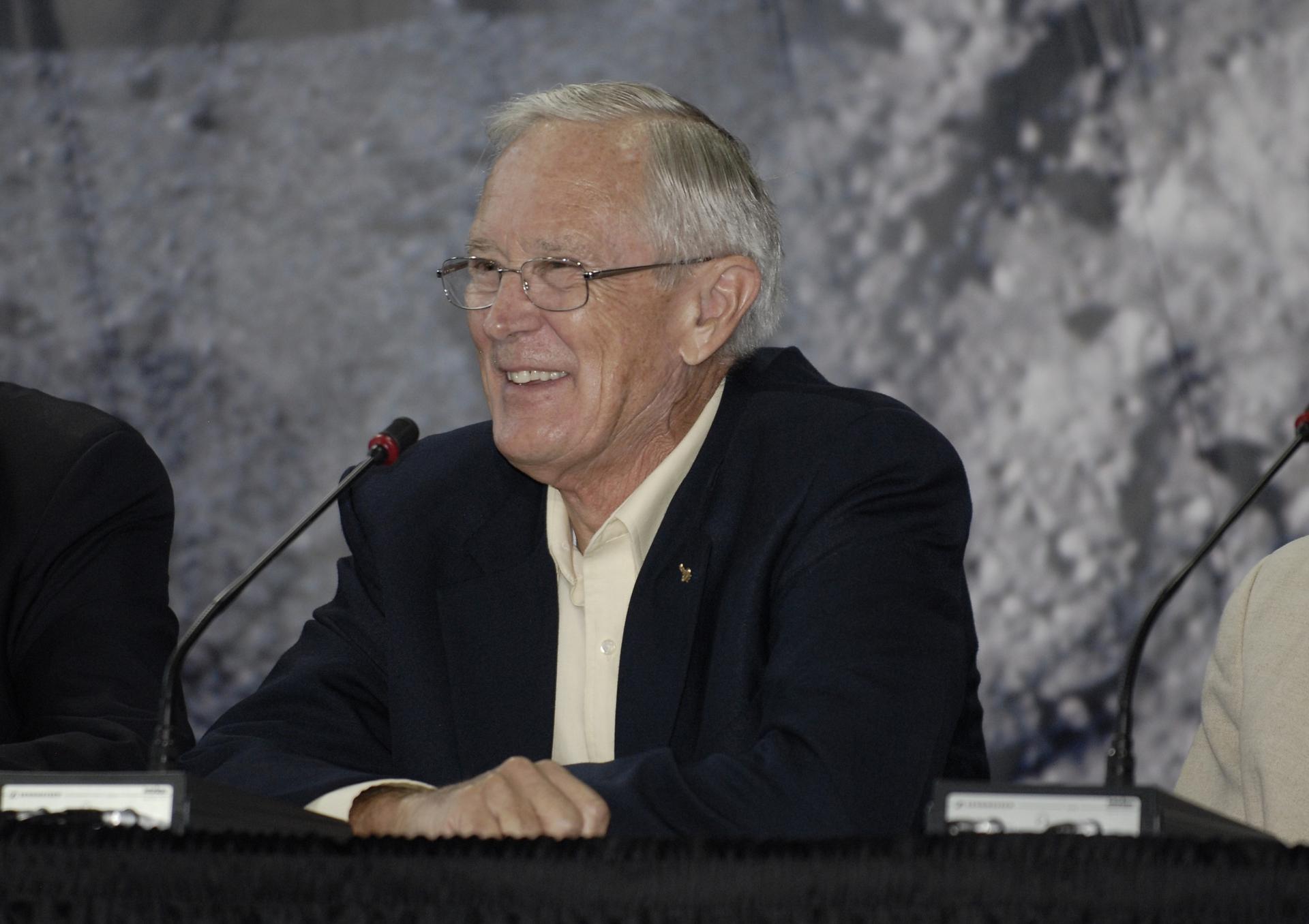
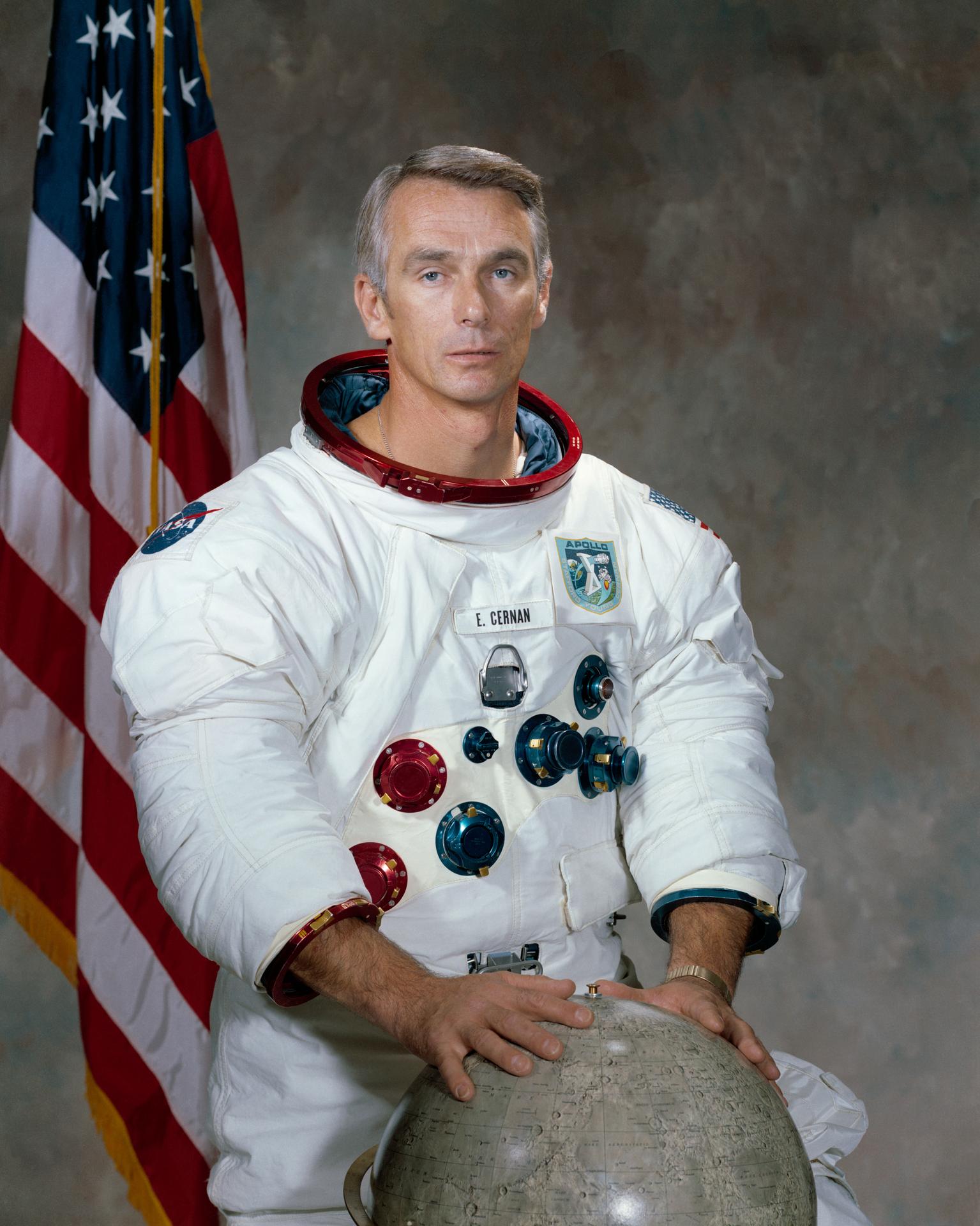
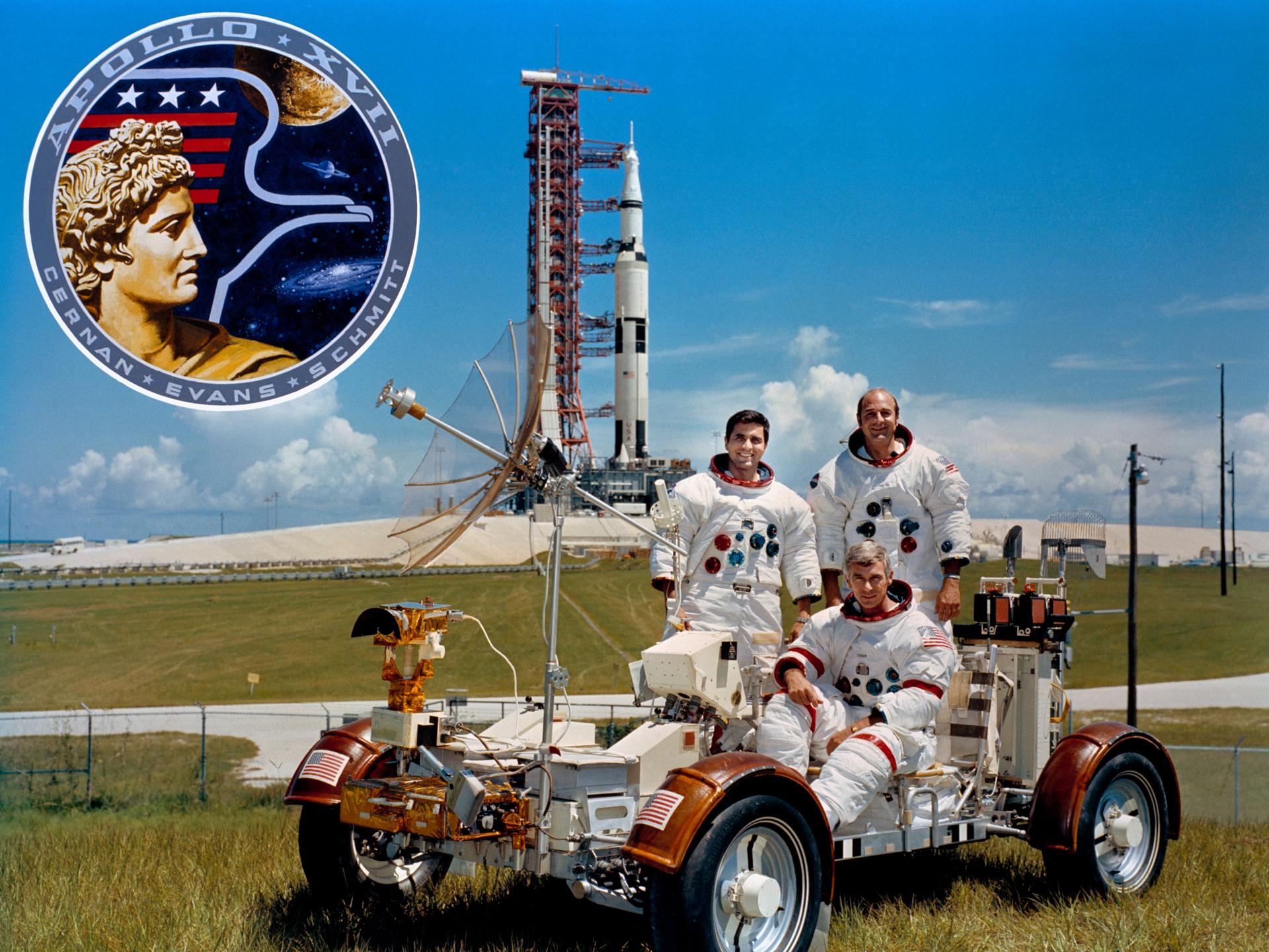
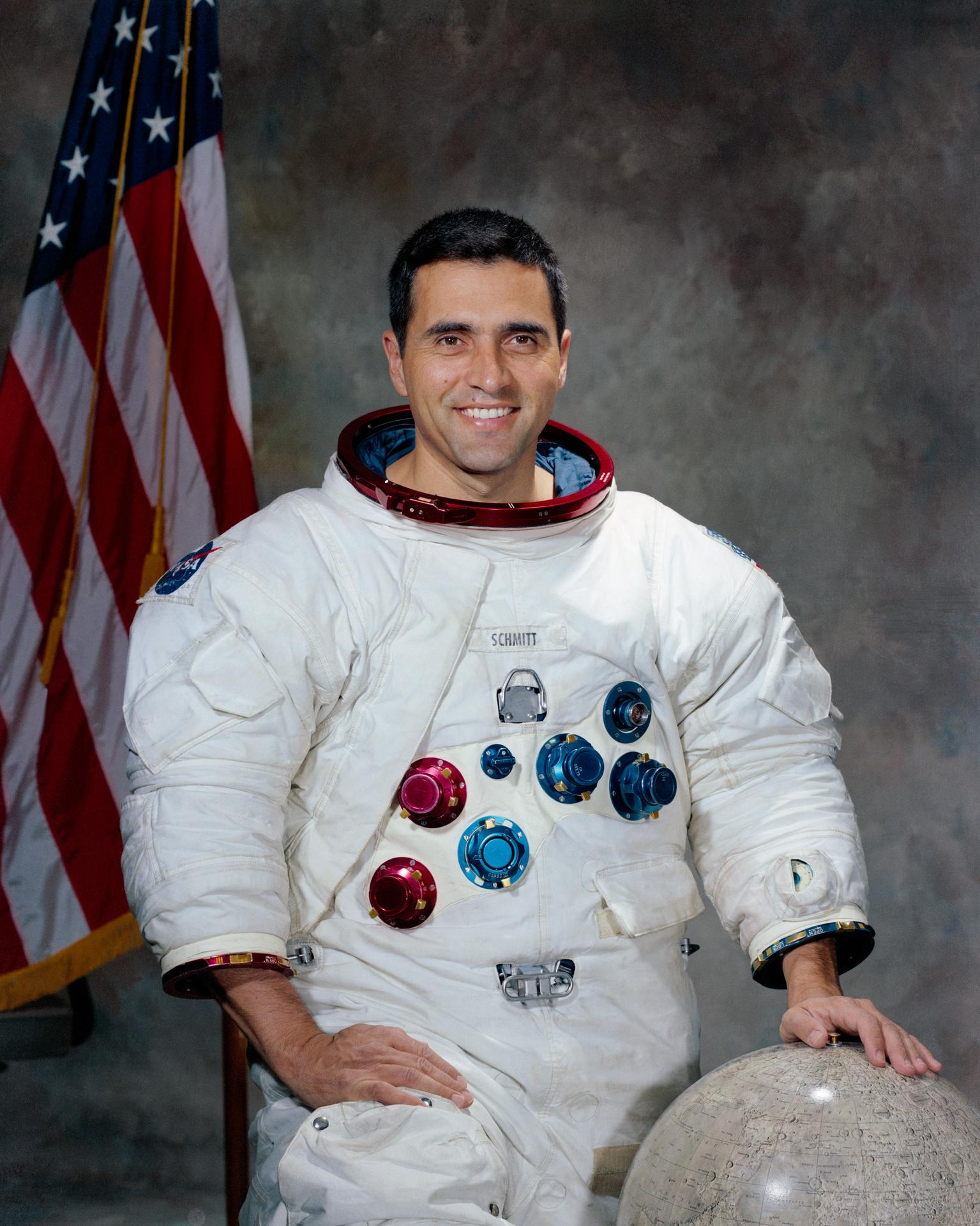
The final Apollo mission to the Moon took place in December 1972. Astronauts Eugene Cernan and Harrison Schmitt collected a record amount of lunar samples over three moonwalks.
Dig Deeper with Apollo Resources
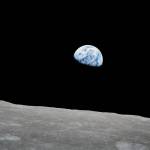
Apollo Flight Journal
The Apollo Flight Journal is a resource for those interested in the Apollo flights to the Moon and covers eleven human flights of the Apollo program, relating the parts of the missions not on the lunar surface.
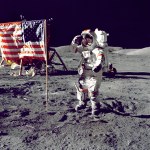
Apollo Lunar Surface Journal
The Apollo Lunar Surface Journal is a record of the lunar surface operations conducted by the six pairs of astronauts who landed on the Moon from 1969 through 1972.
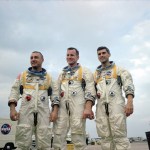
Remembering Apollo 1
Biographies, reports, bibliographies and other resources relating to the Apollo 1 tragedy that took the lives of Gus Grissom, Ed White, and Roger Chaffee.

Astromaterials 3D
A virtual library of NASA's Apollo lunar collections presented in three dimensions!

Apollo Resources for Students and Educators
Get hands-on activities, interactive, lesson plans, educator guides, and other downloadable content about the Apollo missions.
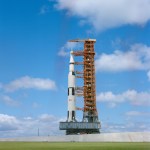
Apollo by the Numbers
This extensive statistical reference gives details for each of the Apollo missions.
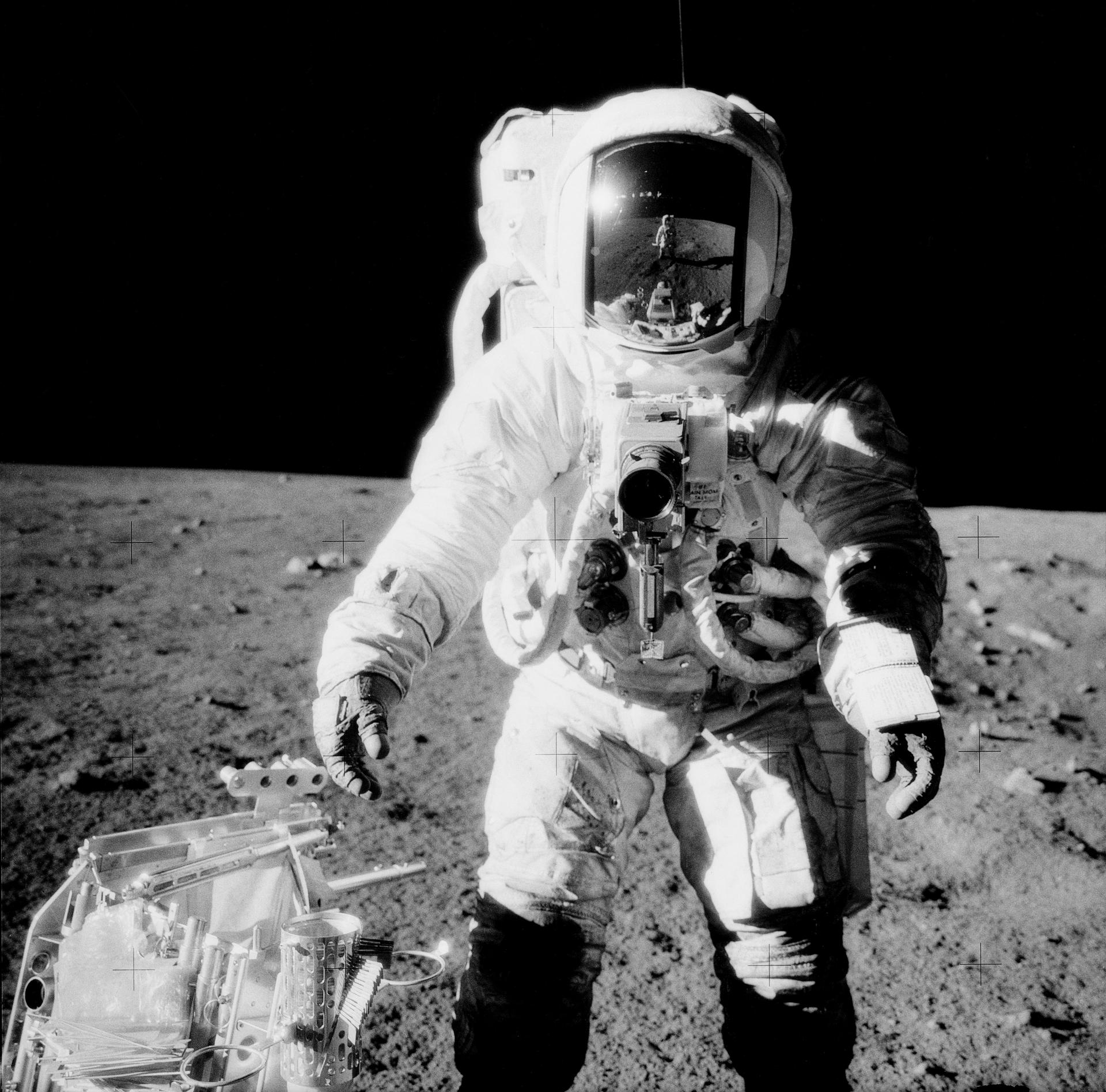
Annotated Bibliography of the Apollo Program
Compiled by Roger D. Launius and J.D. Hunley, this selective, annotated bibliography includes works judged to be most essential for researchers seeking to learn more about the Apollo program's varied history.
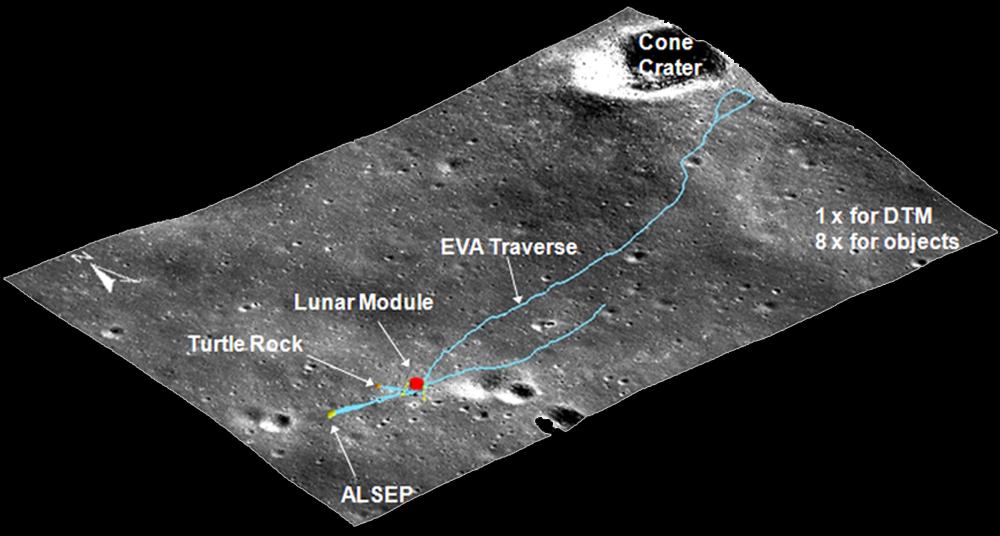
3D Print Apollo Landing Sites and Space Vehicles
Here you'll find a collection of 3D models of Apollo landing sites, space vehicles, and more. All of these resources are free to download and use.

Lunar and Planetary Institute's Apollo Resources
Founded at the height of the Apollo program in 1968, the Lunar and Planetary Institute (LPI) is home to an extensive collection of lunar science and exploration resources.
Apollo: A Retrospective Analysis
A look back on the events, decisions, and context of the Apollo Program with a collection of the key documents from its history.
NASA History Office's Apollo Publications
Download chronologies, management and program histories and other in-depth publications about the Apollo program.
Apollo News and Articles
Learn more about the selection of Apollo astronauts, development of the Apollo spacecraft, details about each of the missions, and much more.
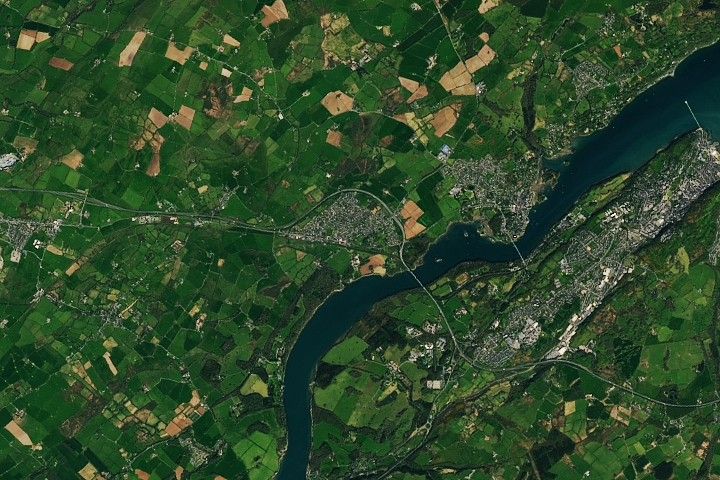
A NASA luminary from the Apollo era grew up in Wales near Llanfairpwllgwyngyllgogerychwyrndrobwllllantysiliogogogoch.
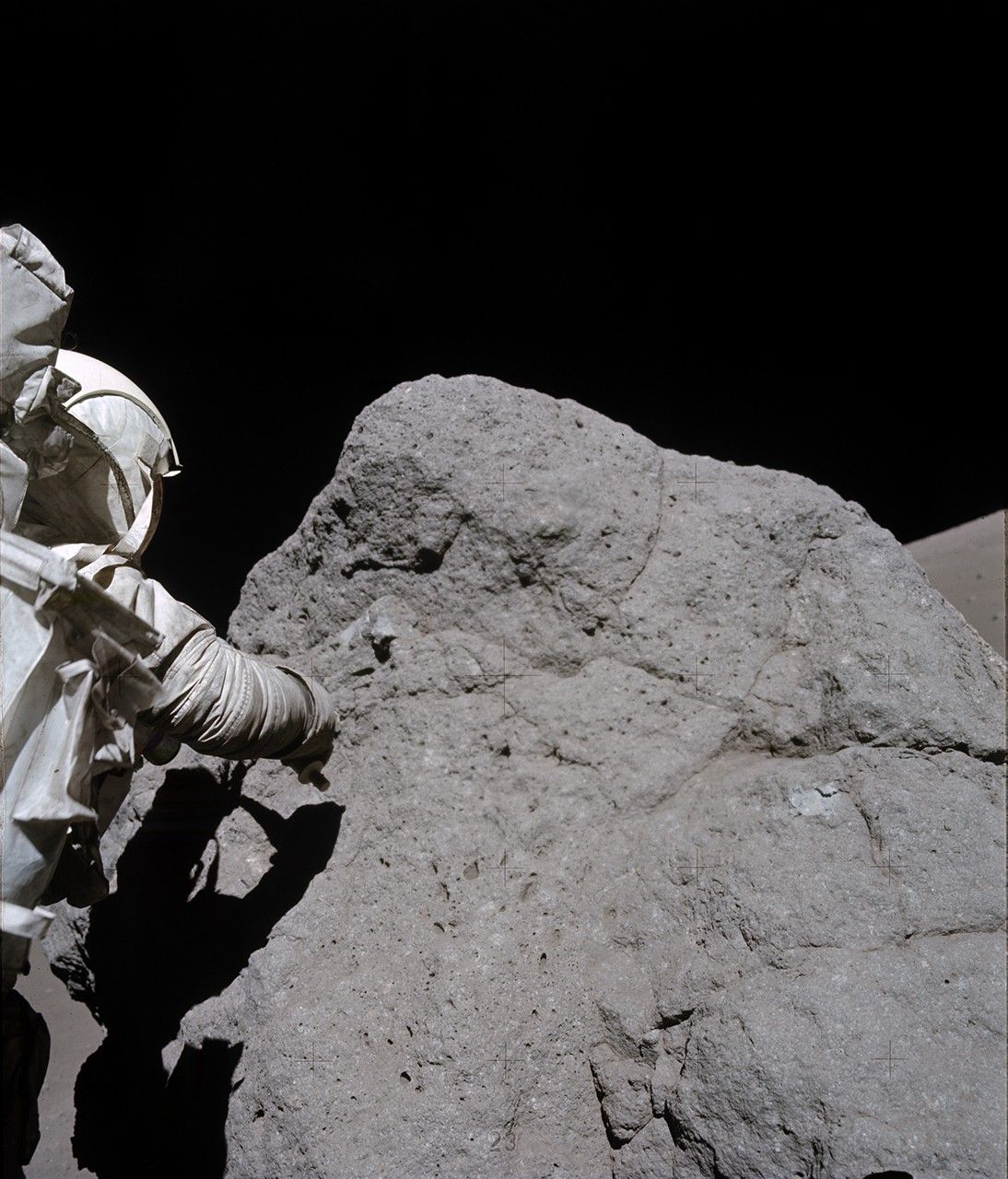
Moonquakes pose little risk to astronauts during a mission lasting just a few days. But their effects on longer-term lunar…
The following is a statement from acting NASA Administrator Sean Duffy on the passing of famed Apollo astronaut Jim Lovell.…