























About Wallops
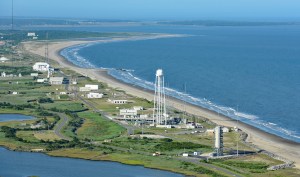
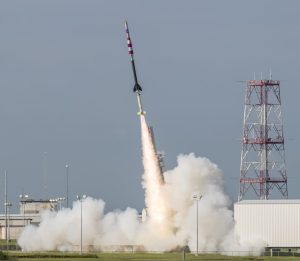
NASA’s Wallops Flight Facility provides agile, low-cost flight and launch range services to meet government and commercial sector needs for accessing flight regimes worldwide from the Earth’s surface to the moon and beyond.
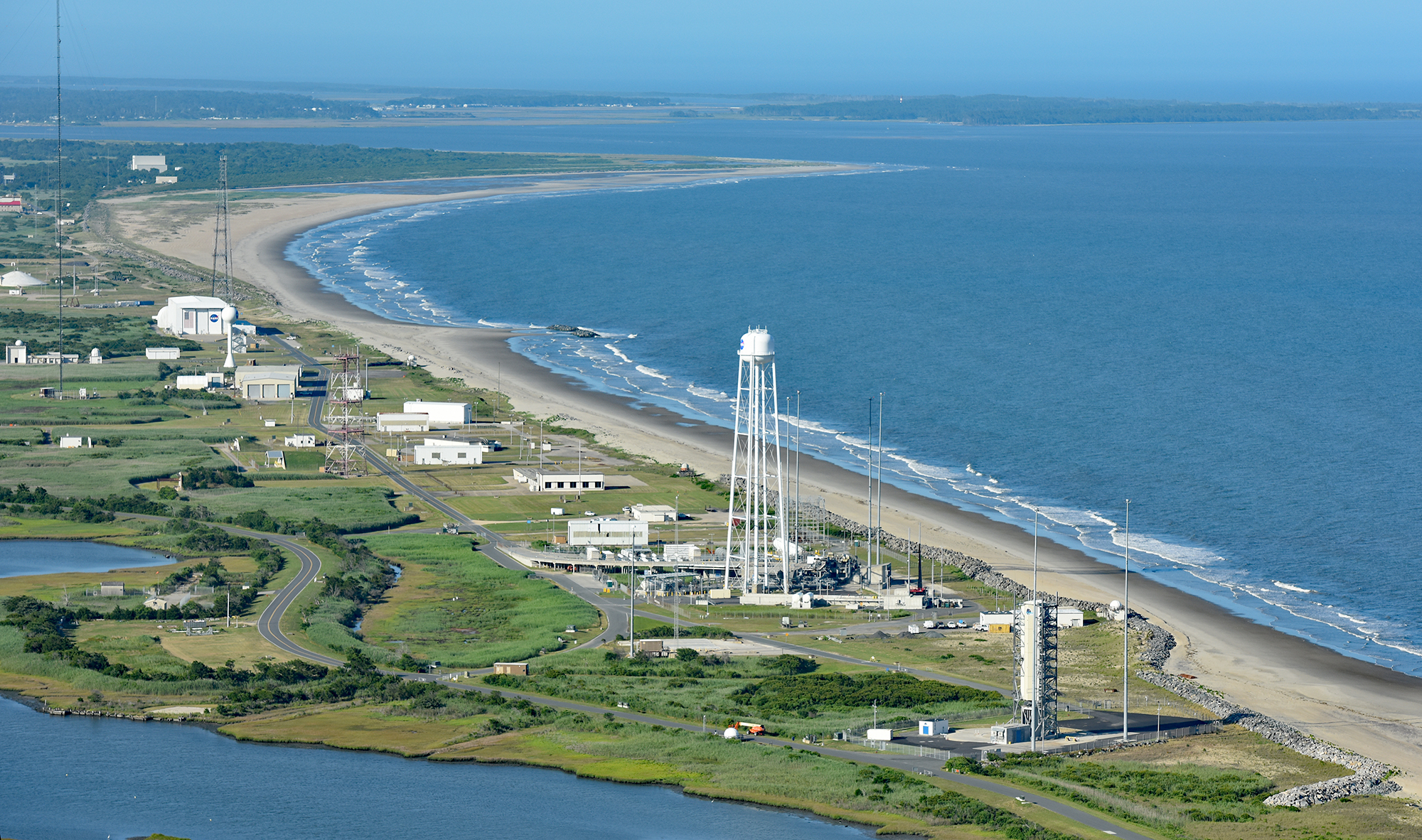
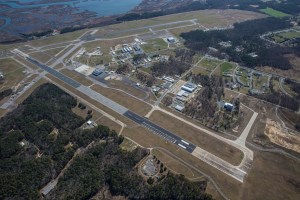
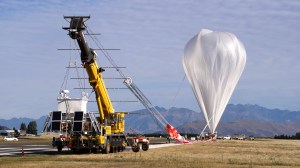
Wallops’ flight assets ranging from research aircraft, unmanned aerial systems and high-altitude balloons to suborbital and orbital rockets provide a full-range of capability while operational launch range and airfield capabilities meet ongoing and emerging needs in the science, aerospace, defense, and commercial industries. In addition, Wallops is a multi-user/multi-tenant facility in a geographic location ideal for supporting satellite tracking and commanding, military operations and training, scientific investigations, technology development and testing, as well as commercial aerospace. The facility’s diverse mission sets and on-site partners, including the U.S. Navy, National Oceanic and Atmospheric Administration, the Federal Aviation Administration, Virginia Space and the Mid-Atlantic Regional Spaceport, is a model for leveraging and optimizing multi-organizational capabilities and support services.
Quick Facts
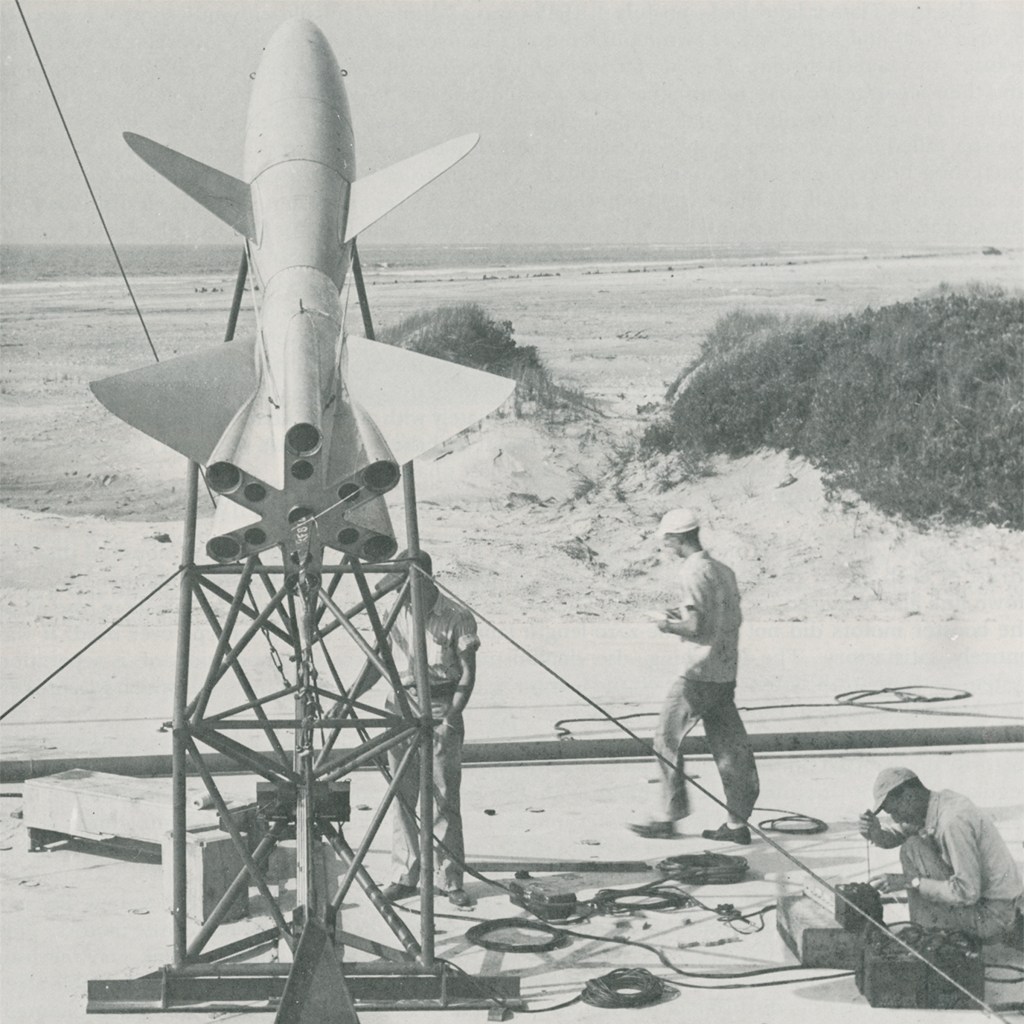
The Tiamat missile was the first research mission launched from Wallops Island on July 4, 1945, but the first actual launch occurred from June 27, 1945.
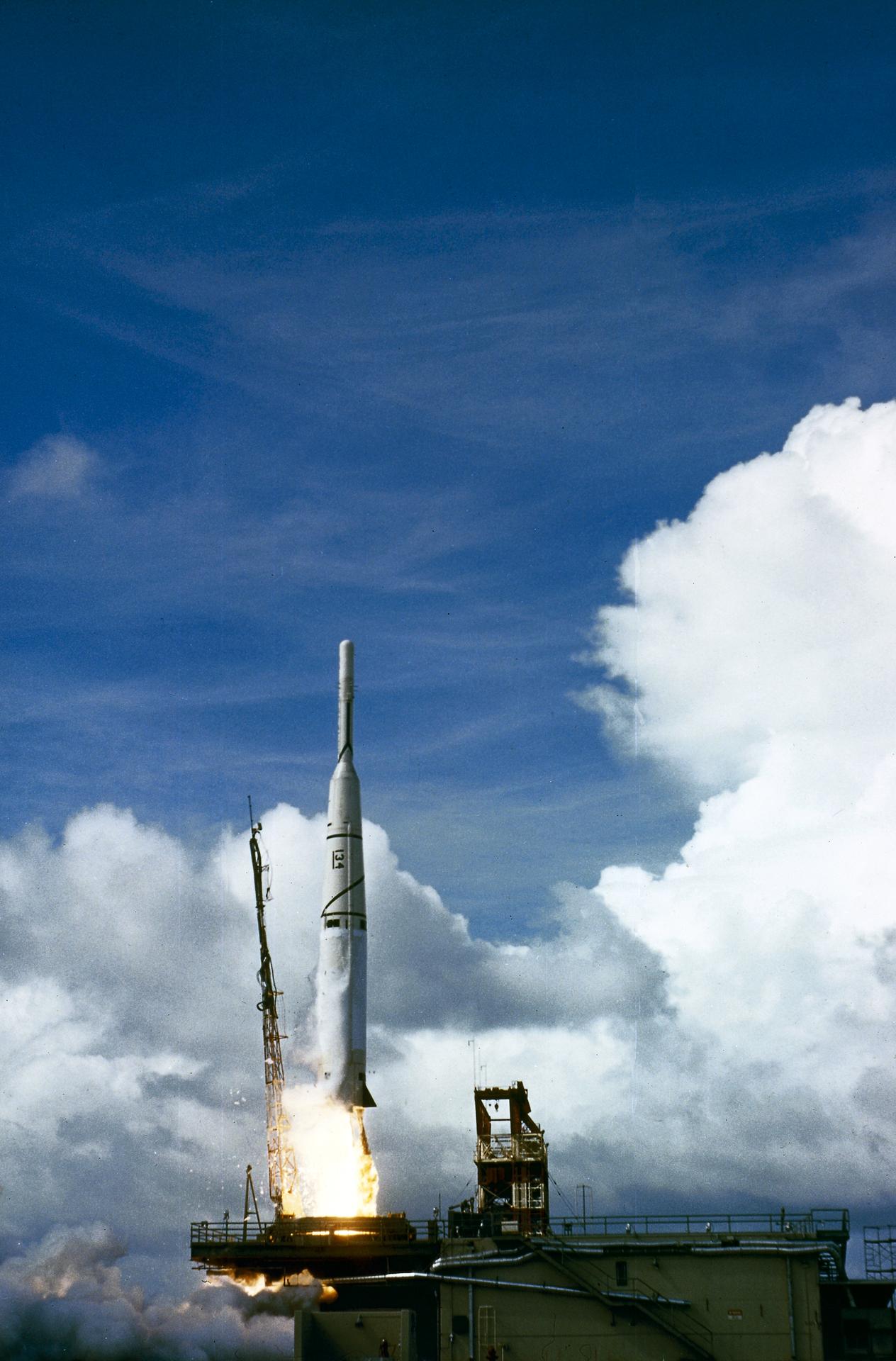
The Explorer IX mission launched on a Scout rocket Feb. 16, 1961, carried the first scientific satellite to orbit from Wallops.
Wallops supported the first human spaceflight program, Project Mercury, by launching Rhesus monkeys aboard Little Joe rockets to study the effects of stress during spaceflight.

Wallops Flight Facility is NASA’s only owned and operated launch range and research airport.
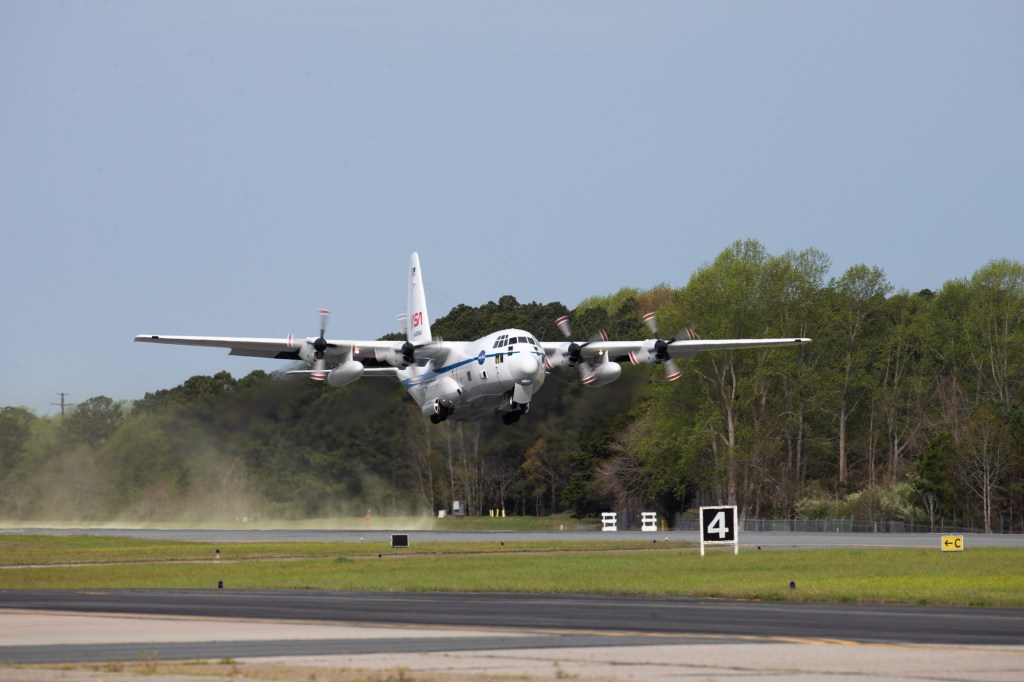
Learn more about NASA’s Wallops Flight Facility
Media Resources
Staff in Wallops' Office of Communications maintain this website on behalf of the center.
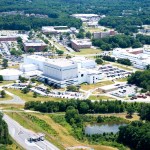
Goddard's Master Plan
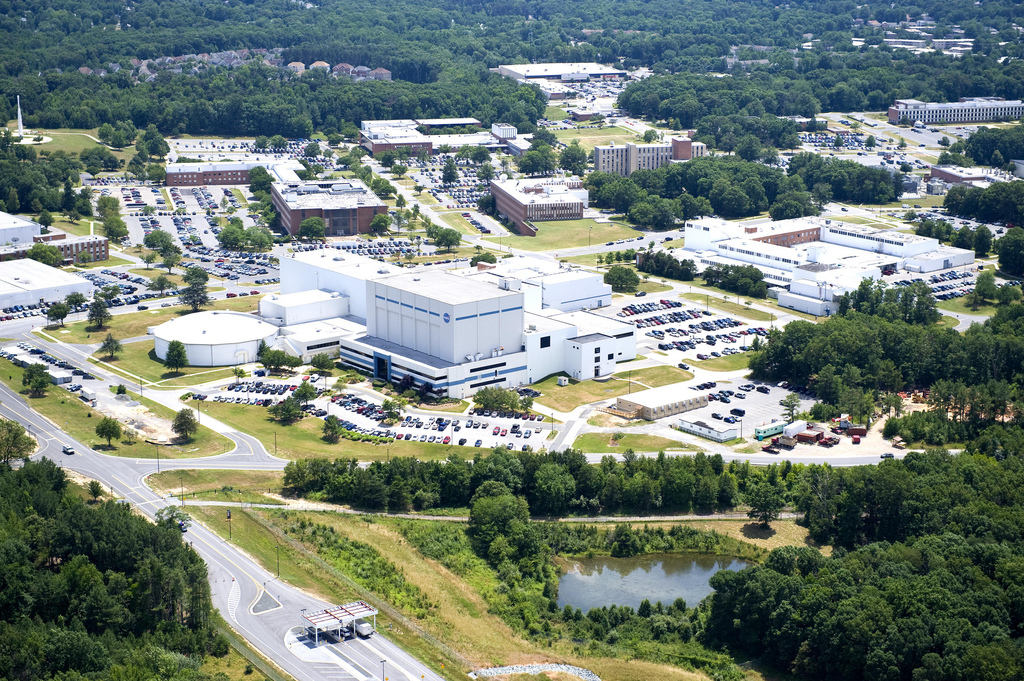
The master plan will serve as an essential element in developing a blueprint for Goddard’s future. It will inform decisions for facility and infrastructure improvements to support staff, functions and operations for future Goddard and NASA missions.
FOIA Requests
Enacted in 1966, the Freedom of Information Act (FOIA) provides that any person has a right, enforceable in court, to obtain access to federal agency records, except to the extent that such records (or portions of them) are protected from public disclosure by one of nine exemptions or by one of three special law enforcement record exclusions.
meet the Goddard Leadership



Offices at Wallops
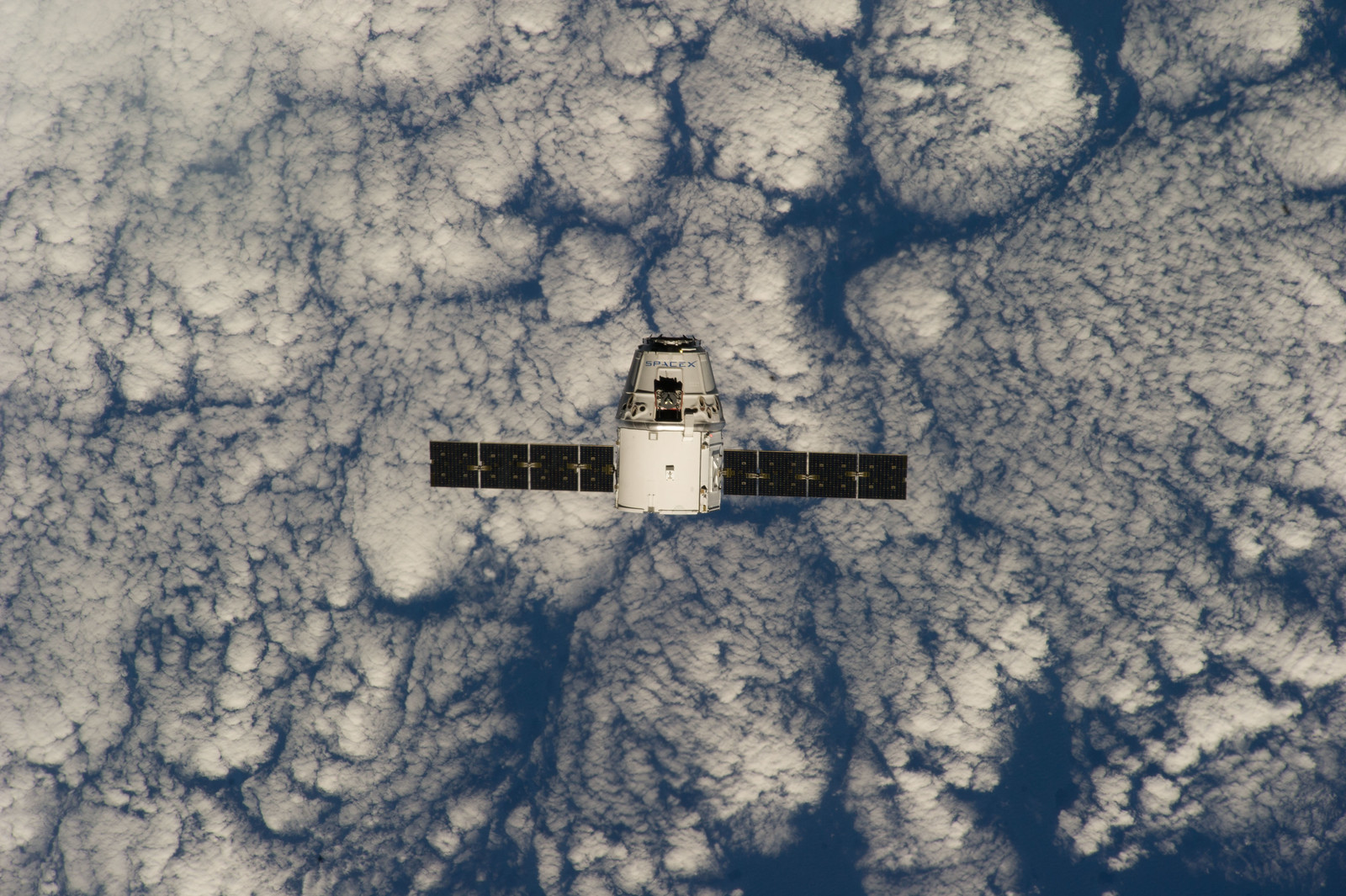
Safety and Mission Assurance Division
The Wallops Safety and Mission Assurance Division creates and uses NASA safety policies at Wallops.