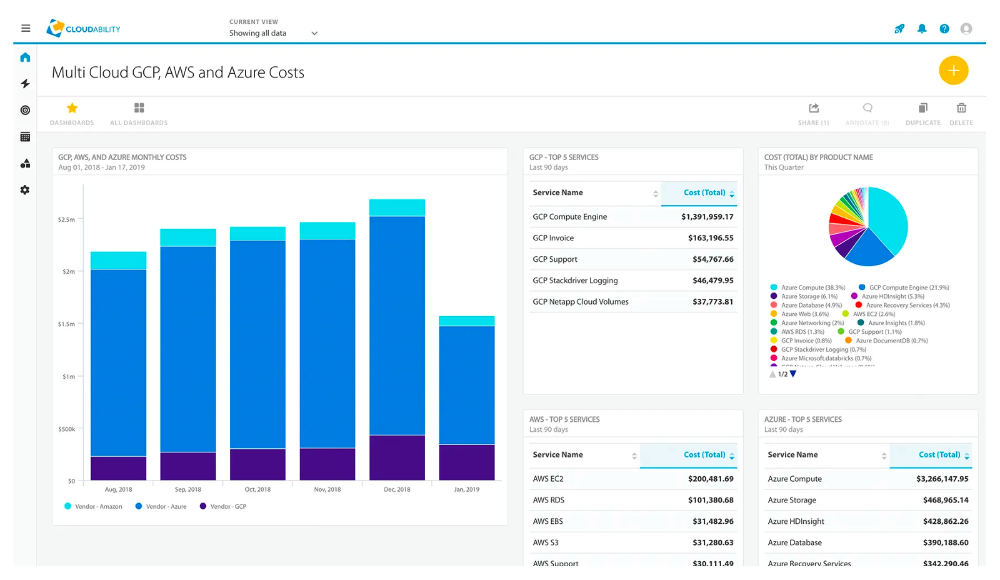
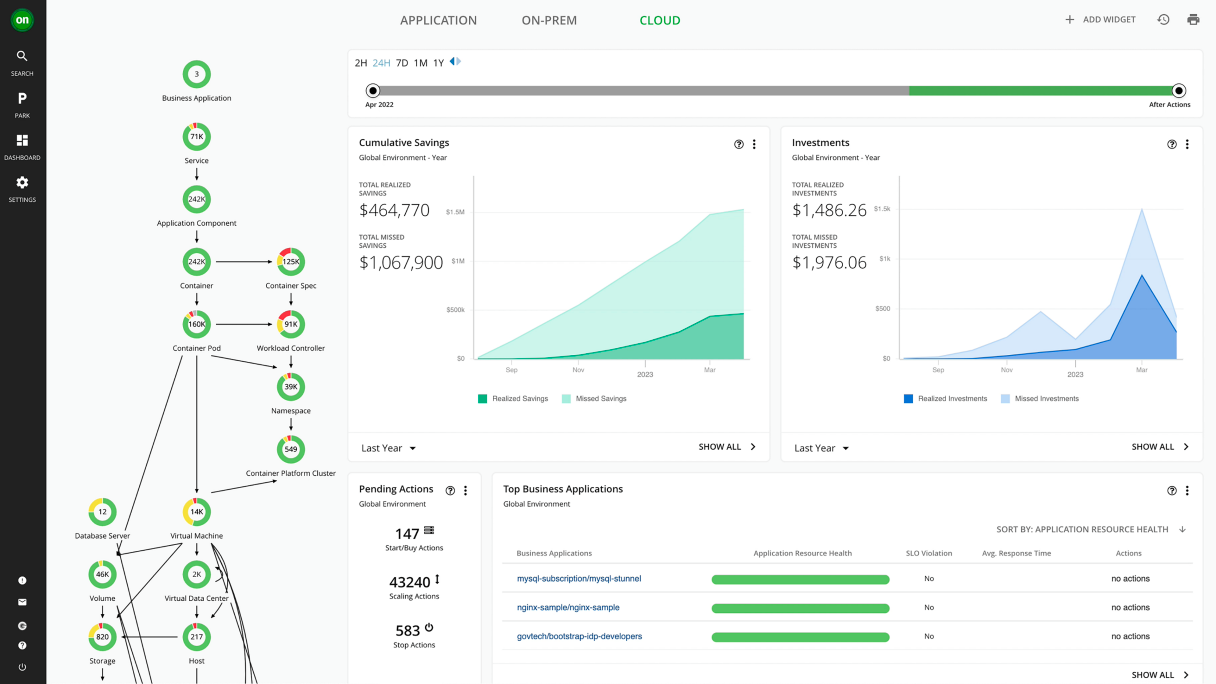
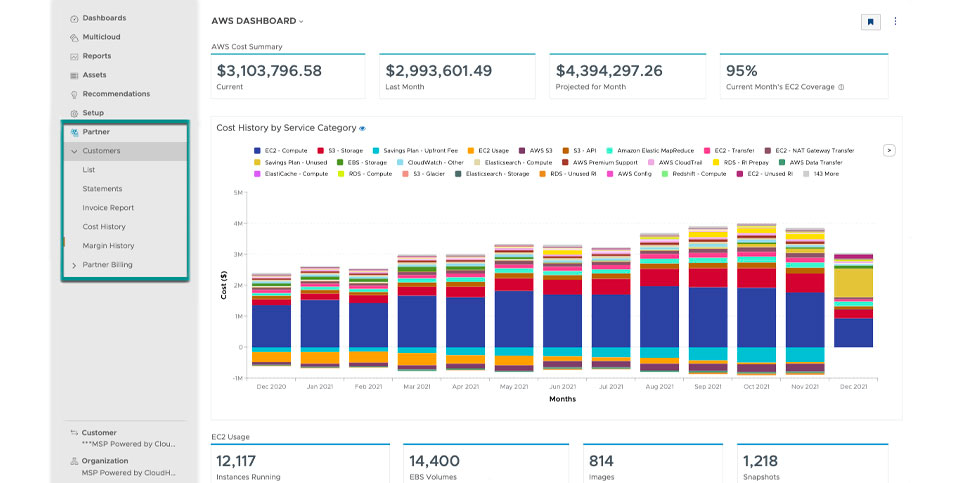
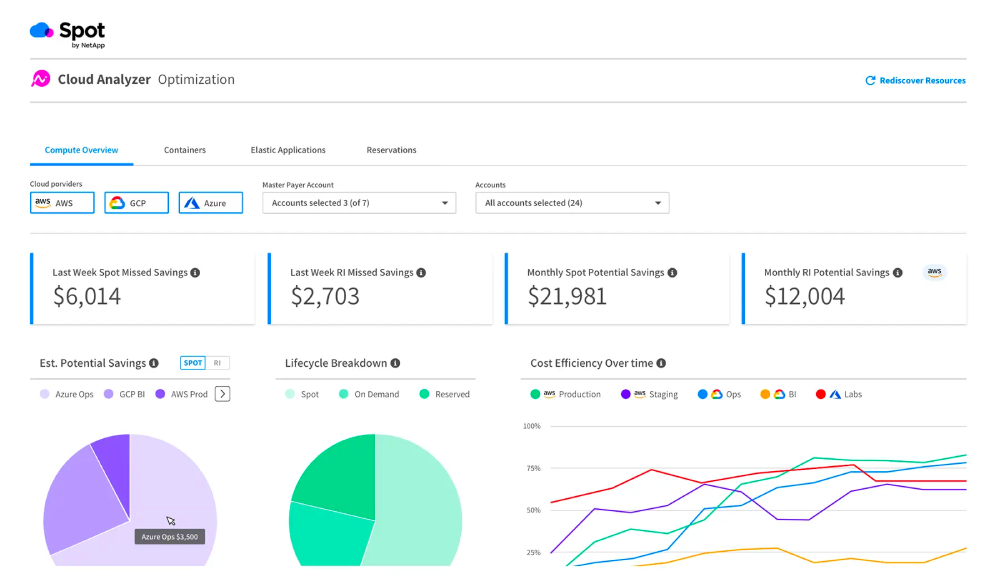
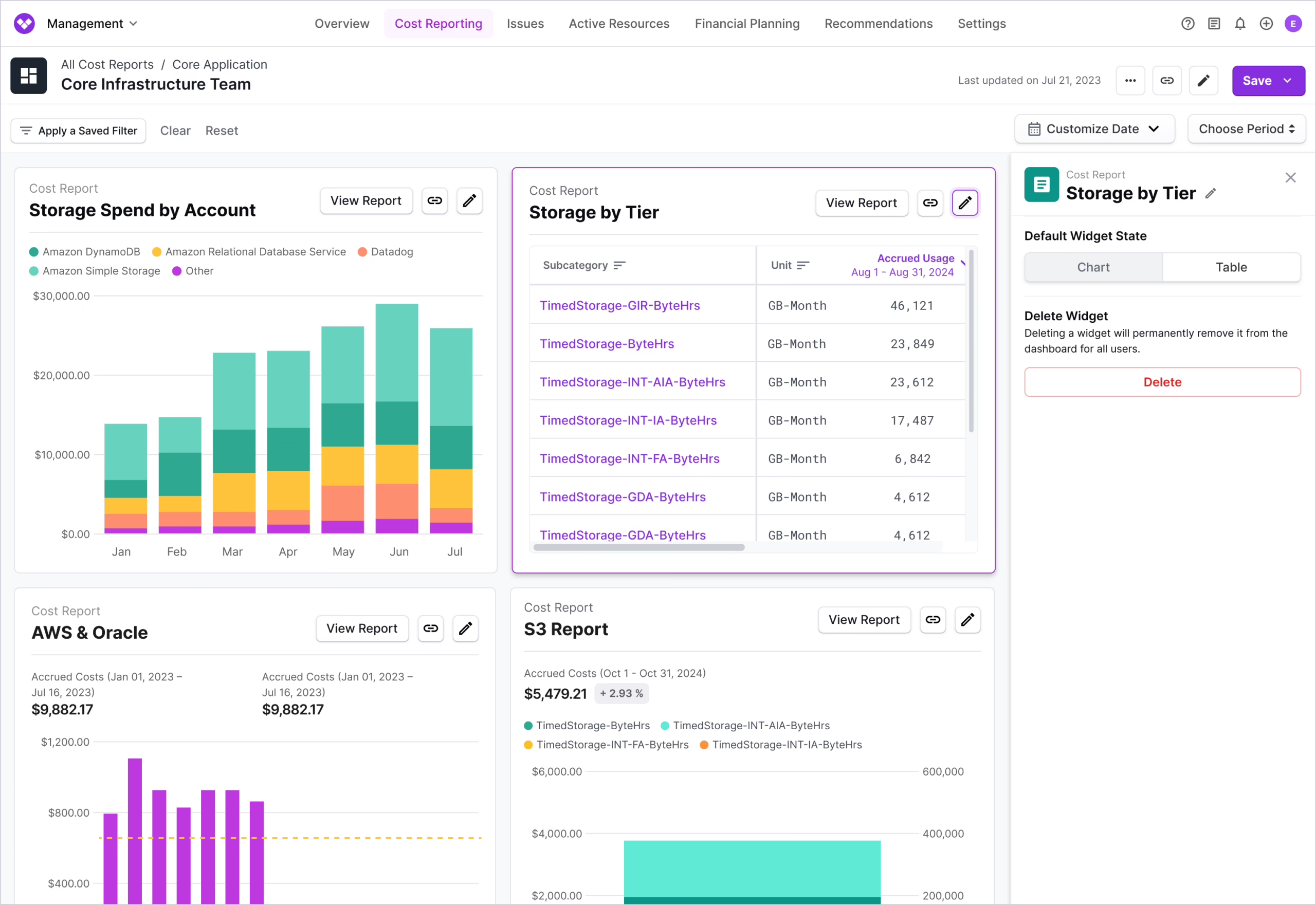
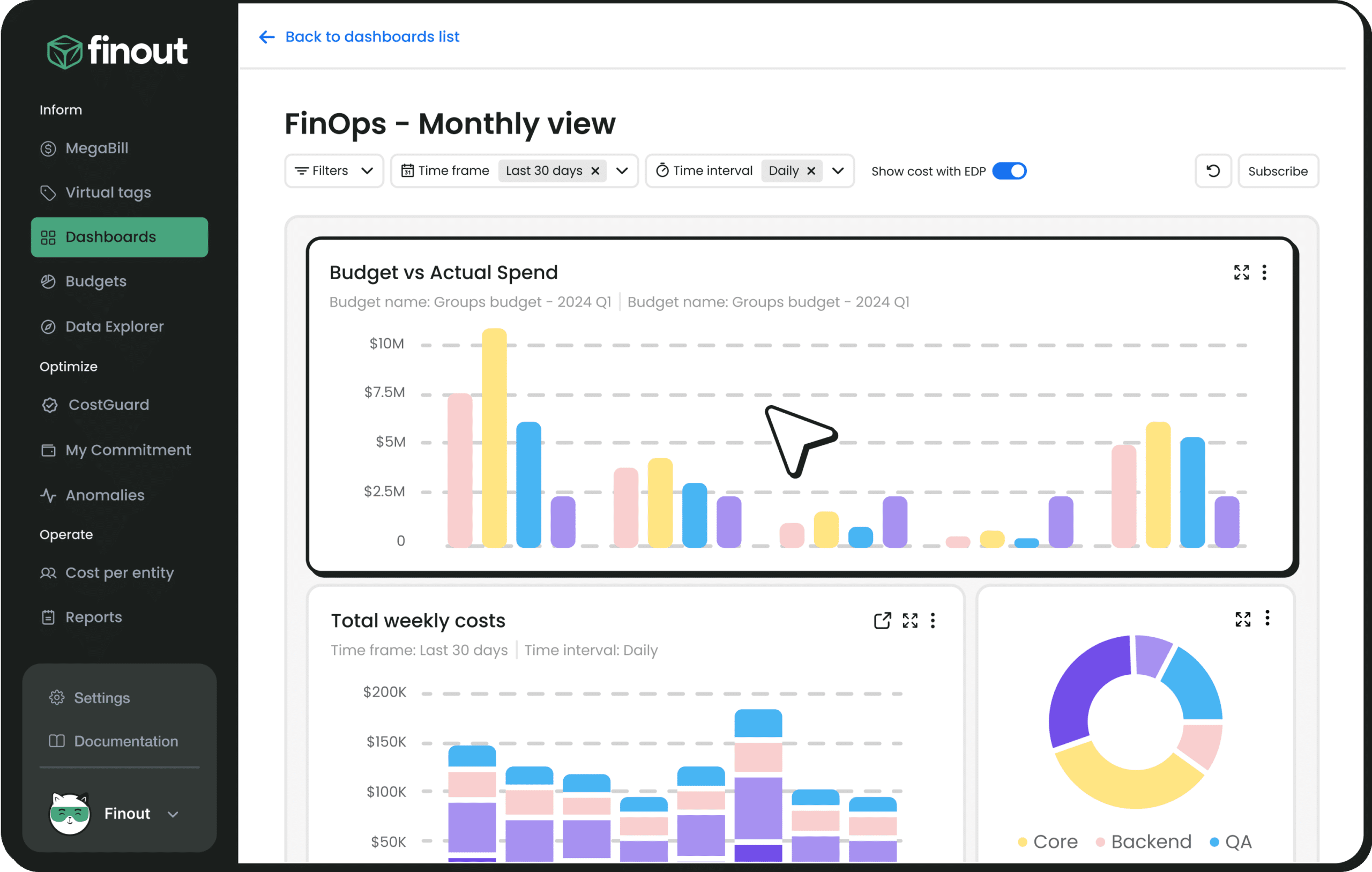
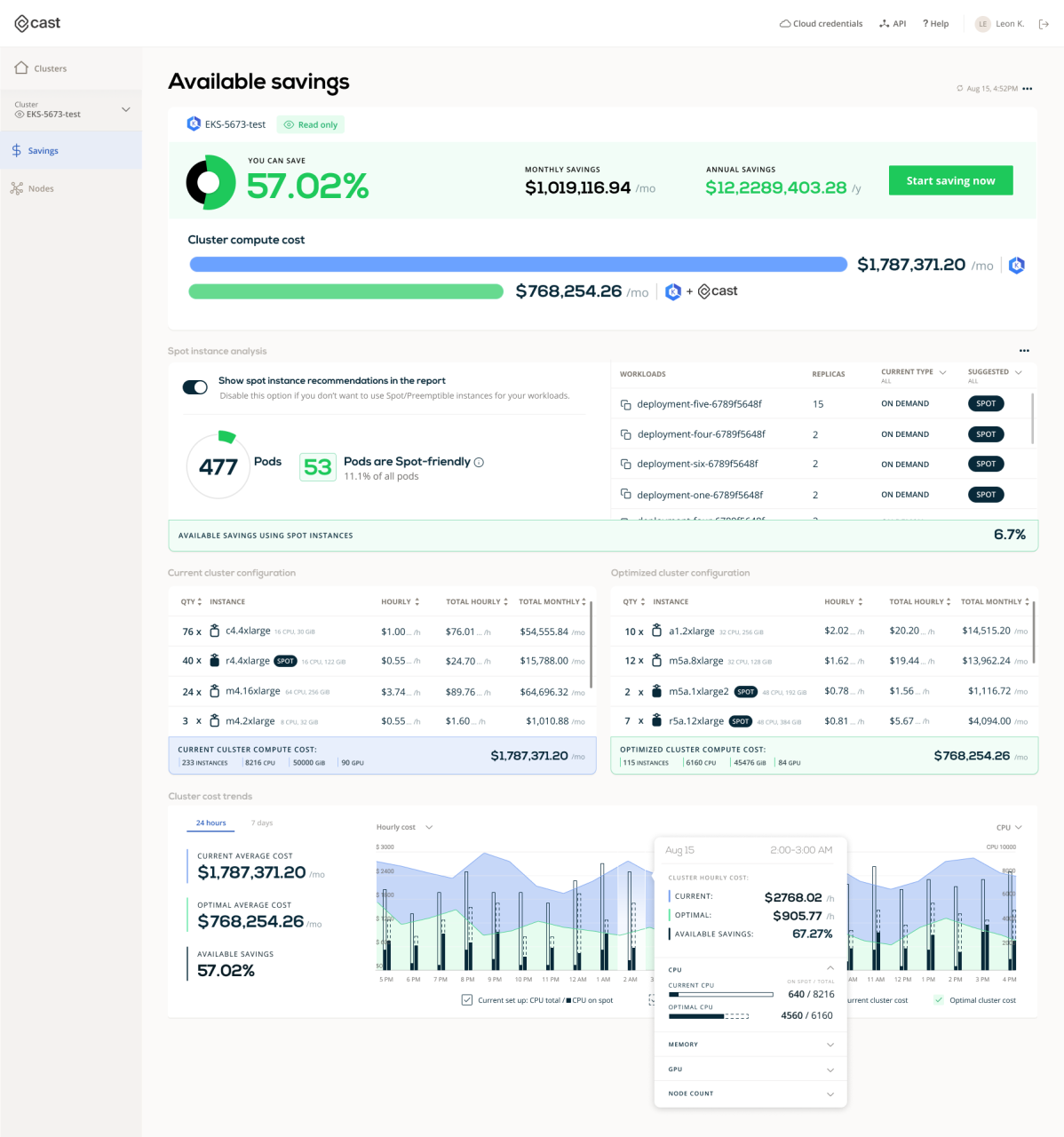
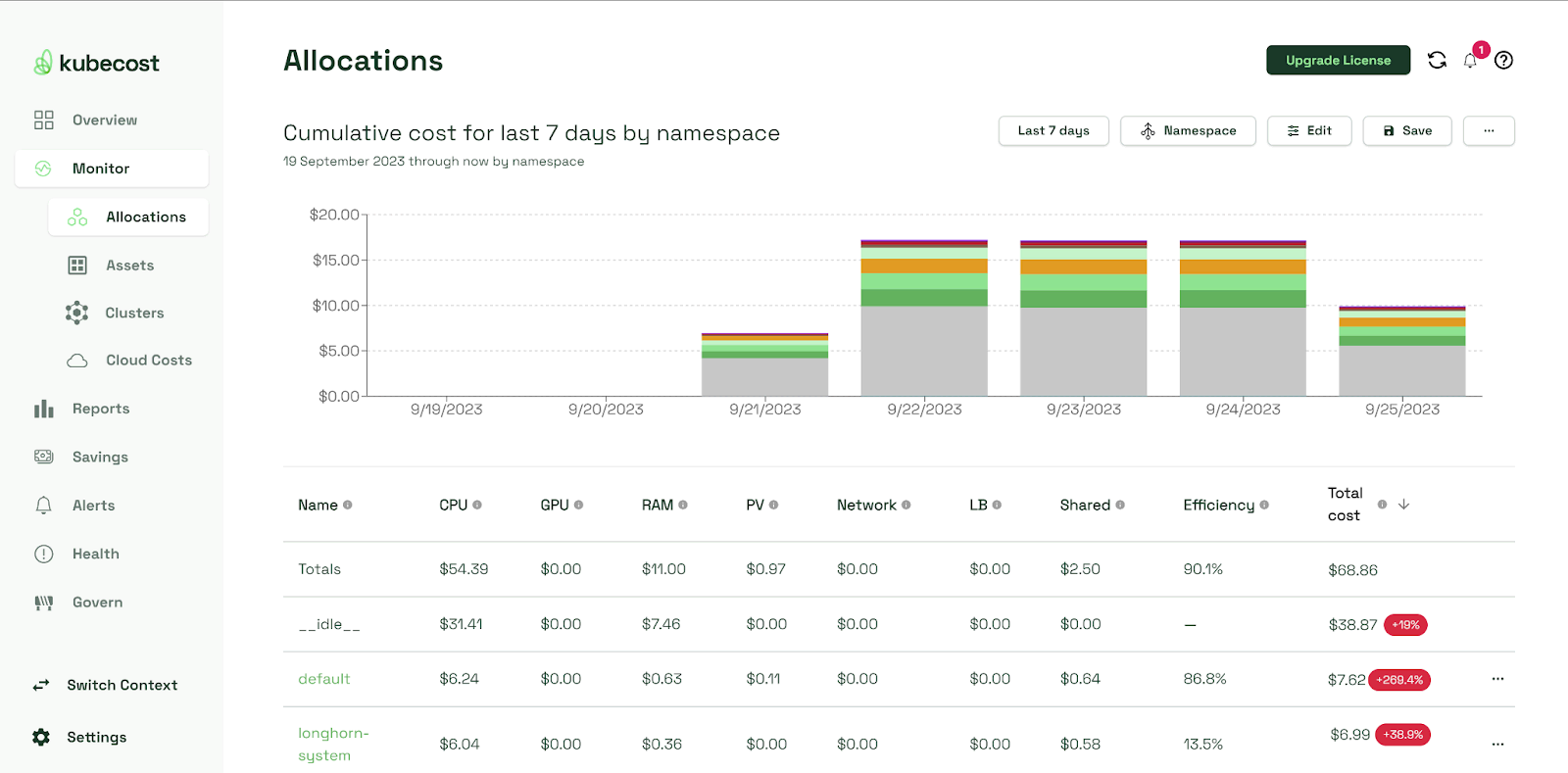
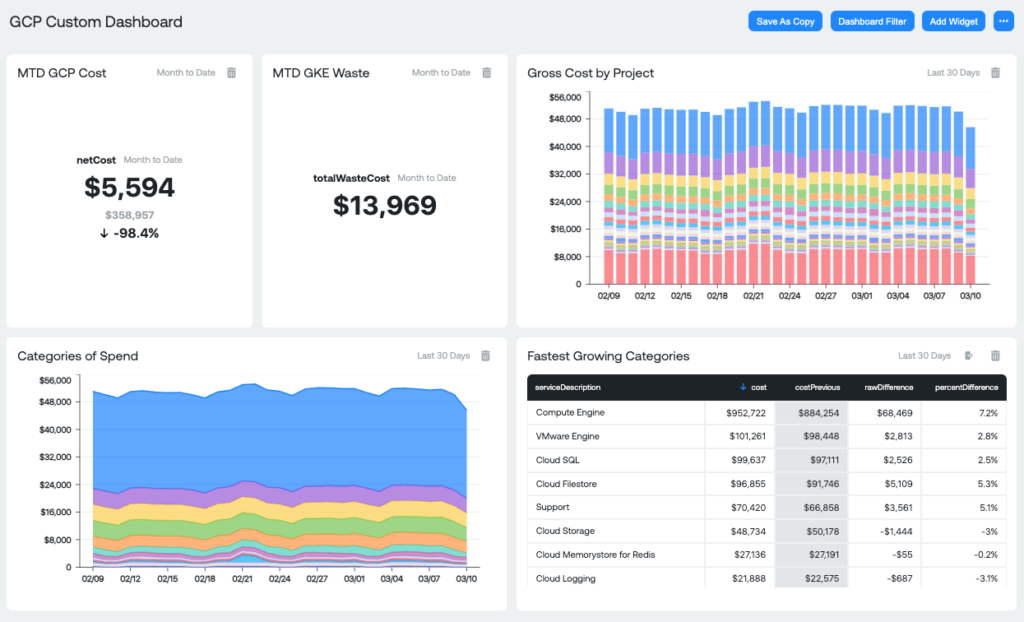
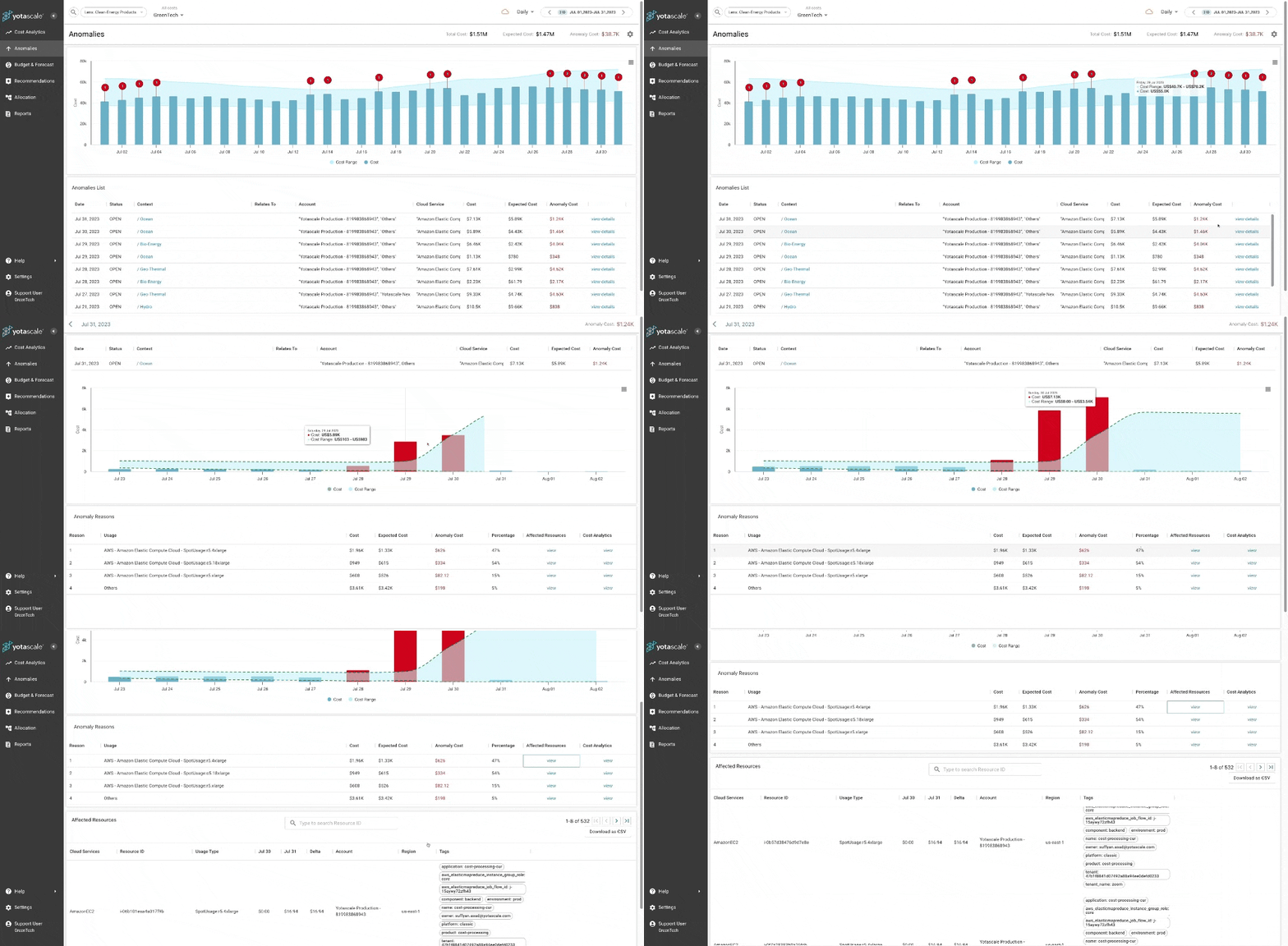
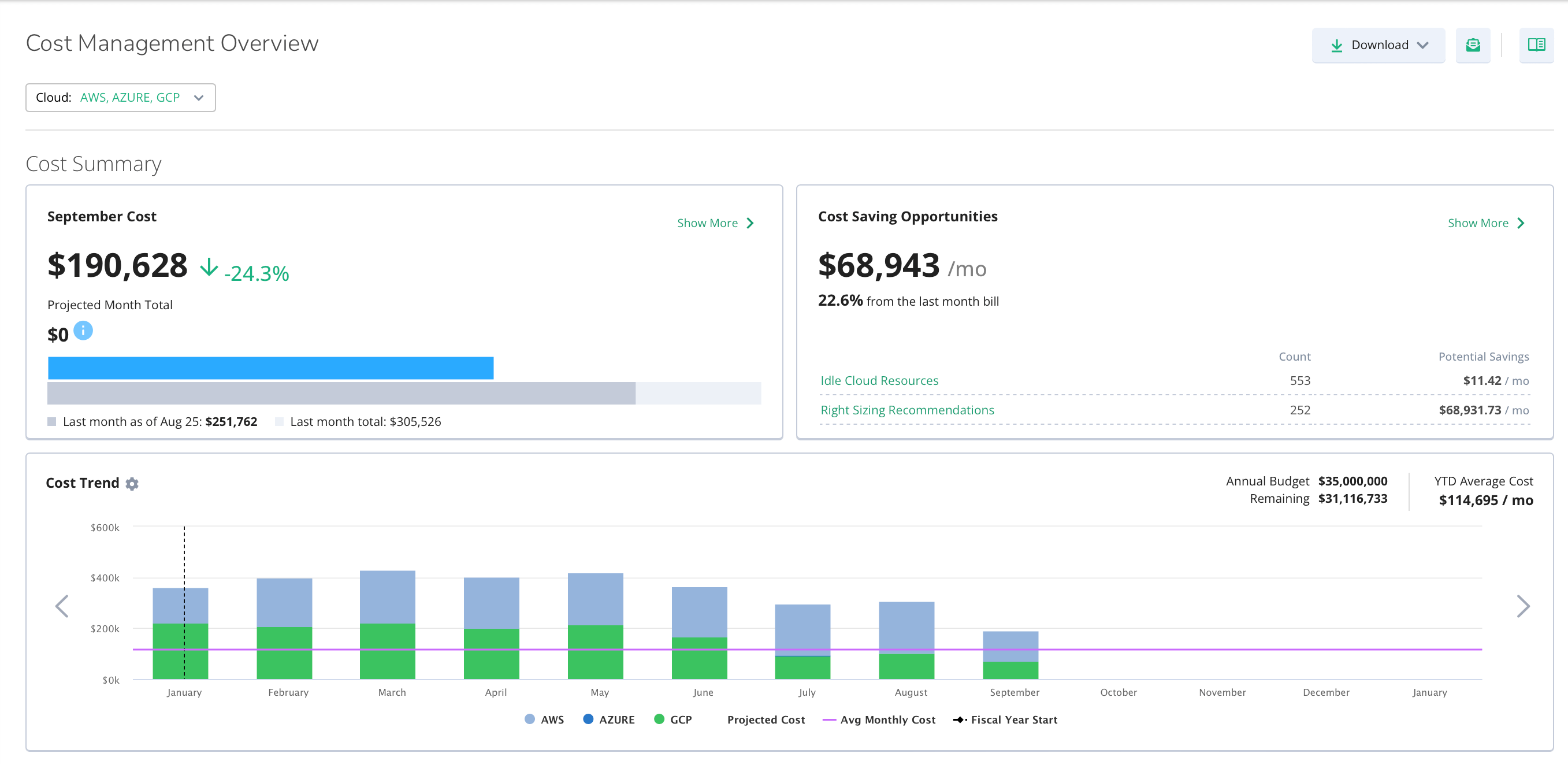
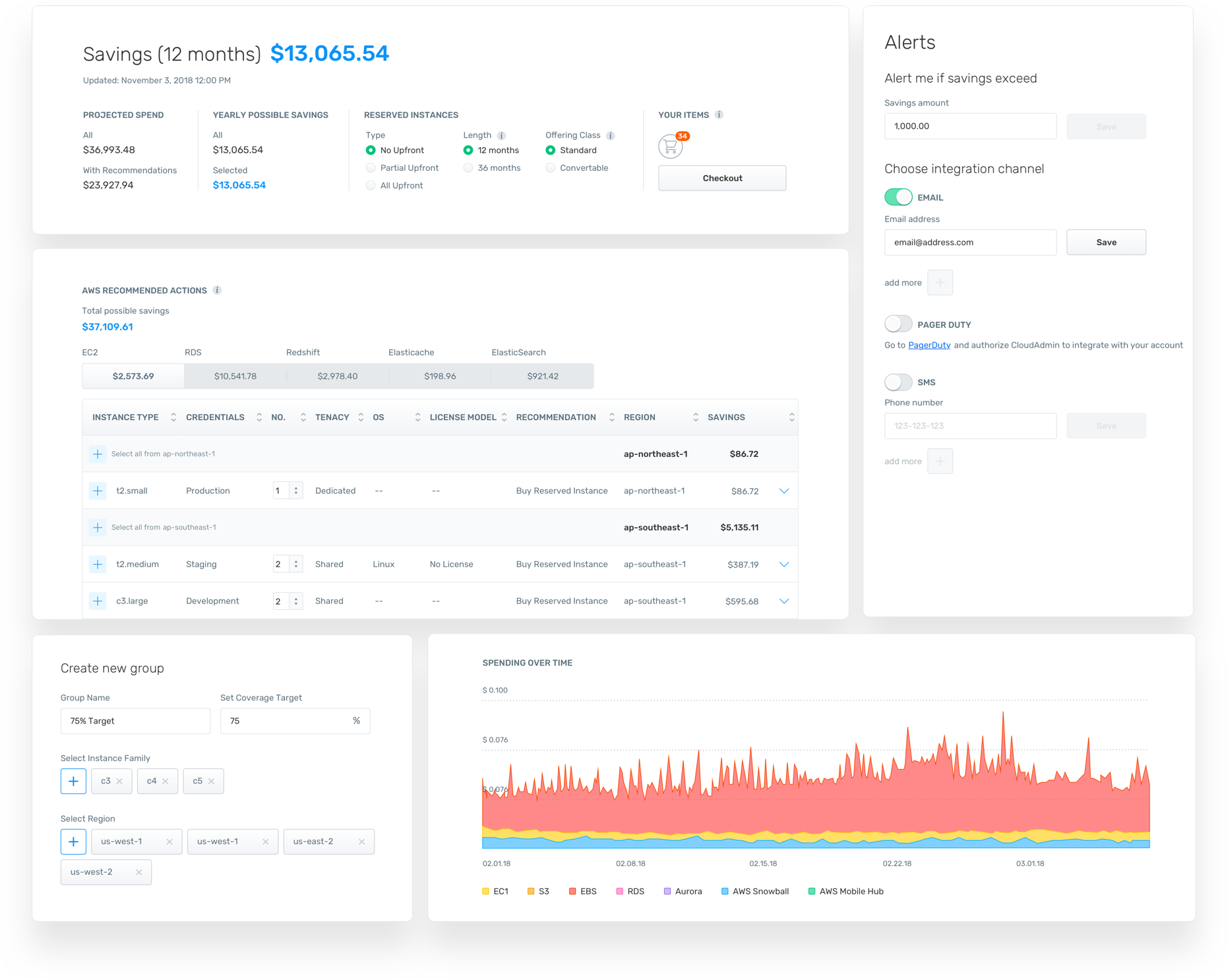
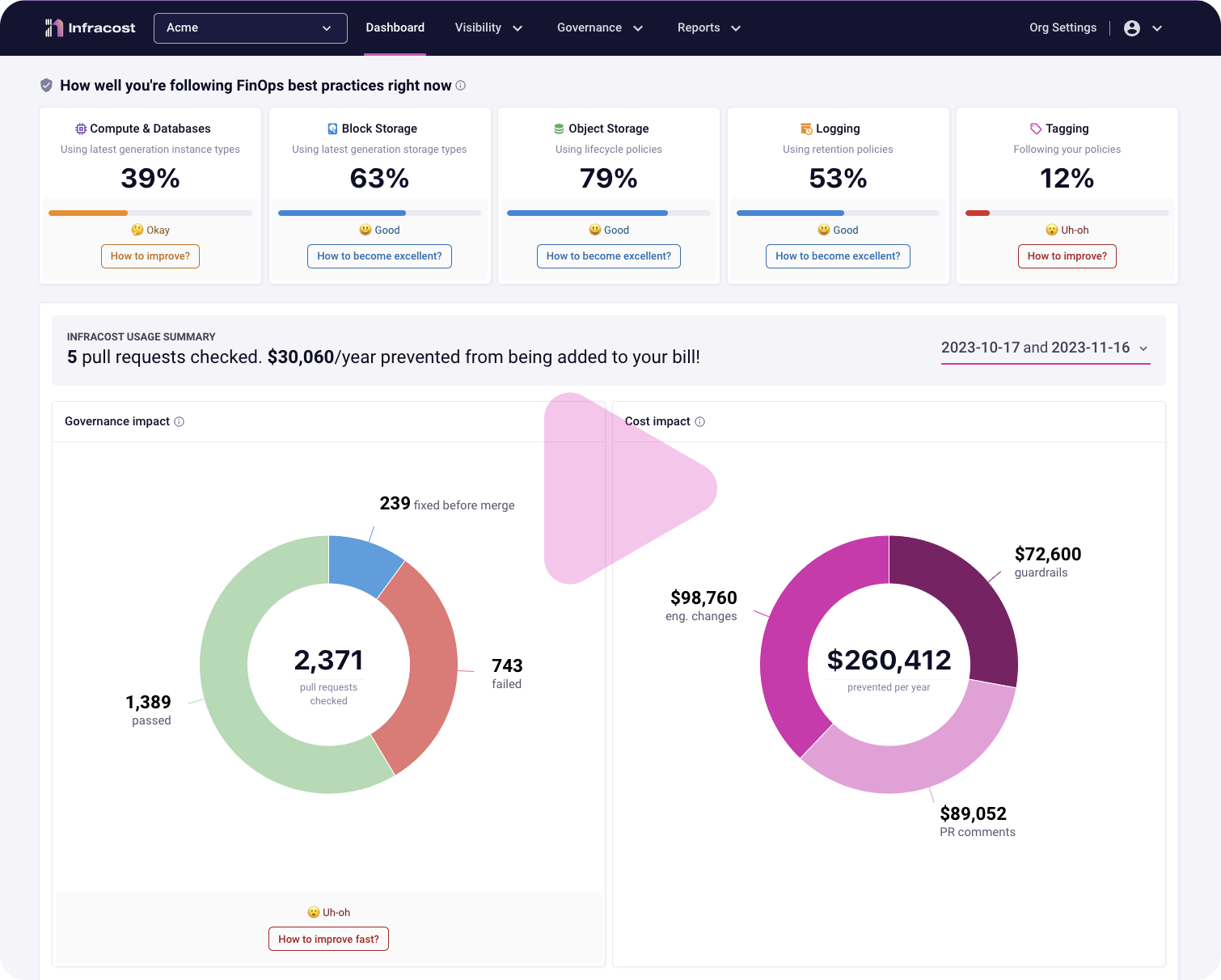
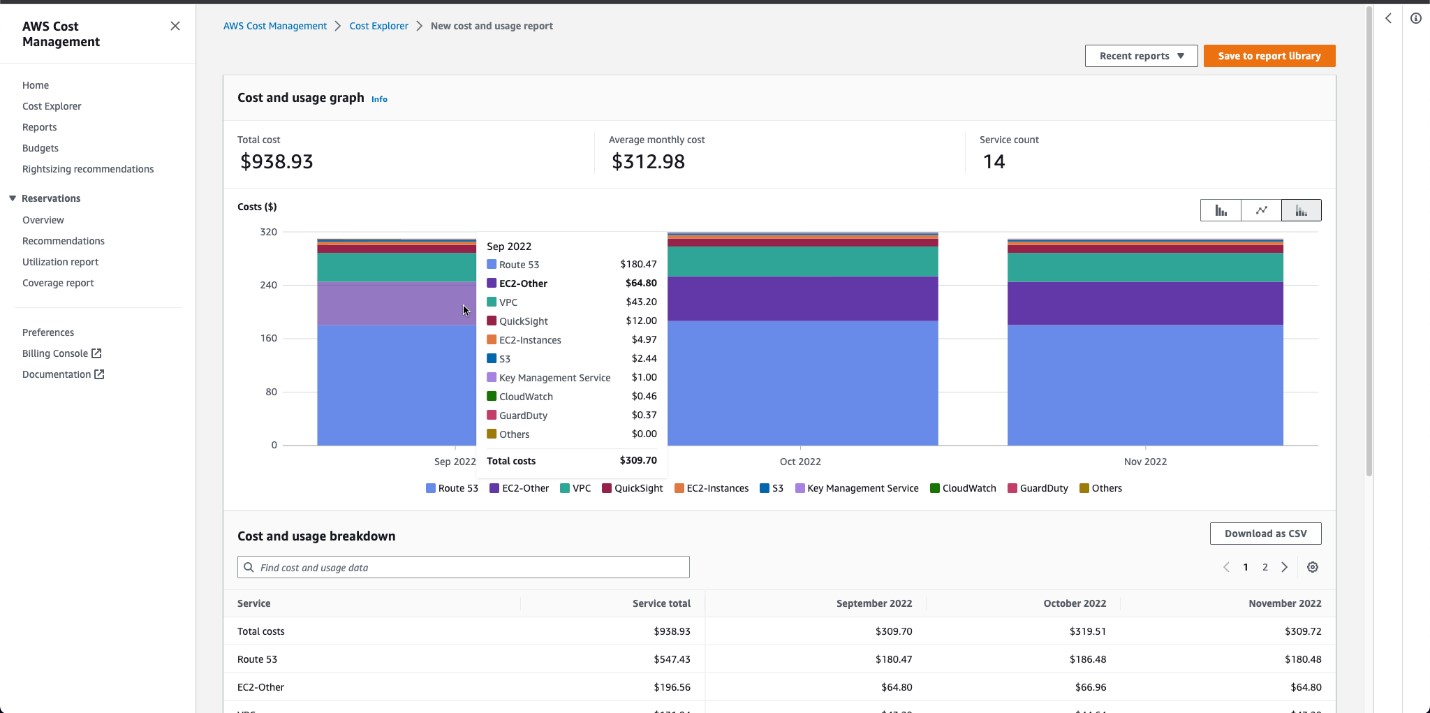
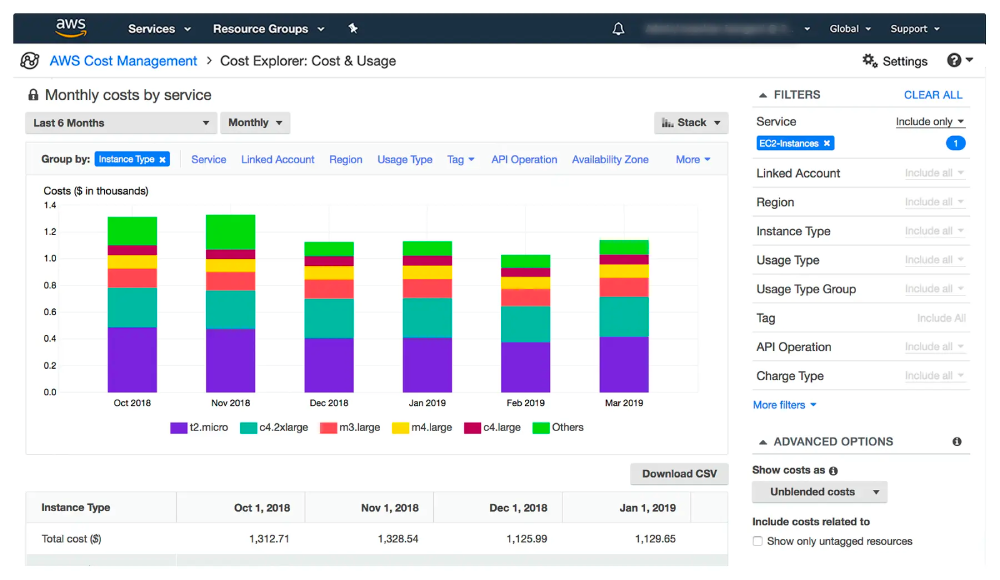
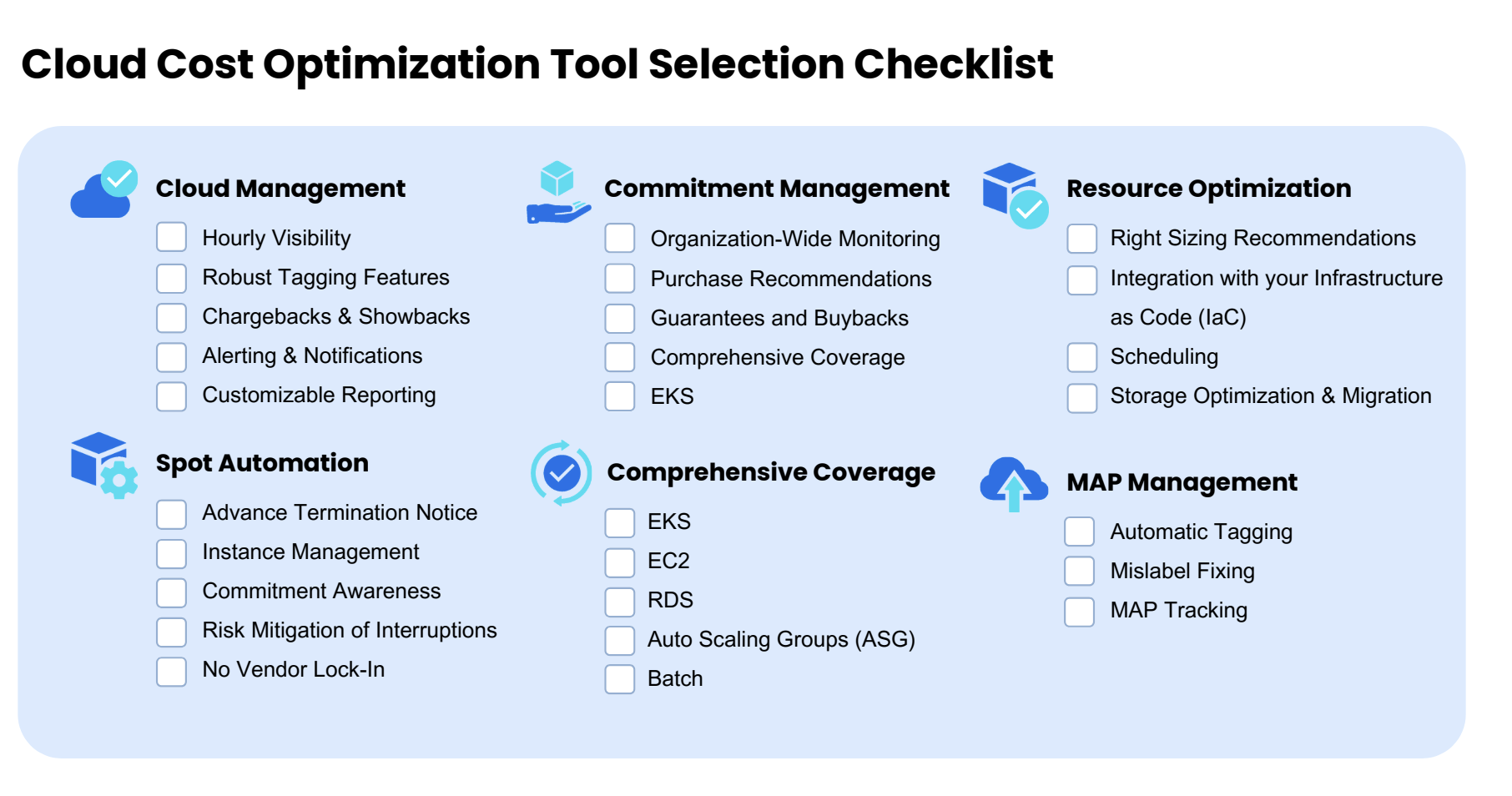
Cloud cost management tools monitor, analyze, and optimize spending across cloud providers, SaaS services, and AI workloads. They provide visibility into where money is spent, allocate costs by team or project, and recommend or automate actions like rightsizing, commitment planning, and waste elimination — helping teams reduce costs while maintaining performance.
How much do cloud cost management tools cost?
Pricing varies widely: flat monthly subscription ($500–$5K+), percentage of cloud spend (1–5%), or percentage of savings generated (10–30%). Some offer free tiers or trials. Tools charging on savings tend to align incentives better — you only pay when you save. Expect to spend 2–5% of your cloud bill on tooling at enterprise scale.
What’s the difference between cloud cost management and FinOps?
FinOps is the practice — a cultural framework for managing cloud costs collaboratively across finance, engineering, and leadership. Cloud cost management tools are the platforms that enable FinOps practices. FinOps defines the processes (allocate, optimize, forecast). Tools provide the data, automation, and workflows to execute those processes at scale.
Are AWS Cost Explorer, Azure Cost Management, and GCP native tools enough?
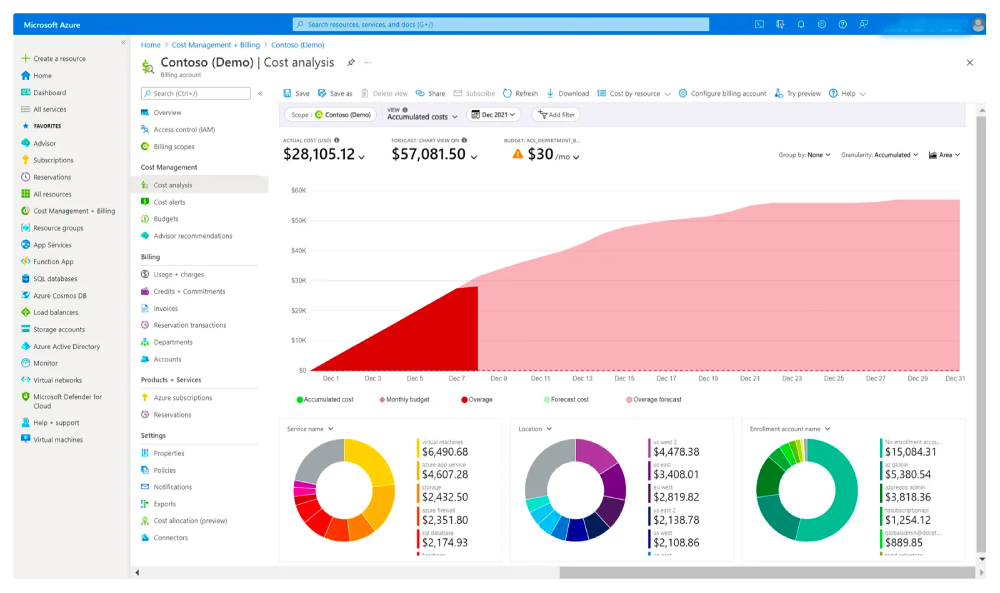
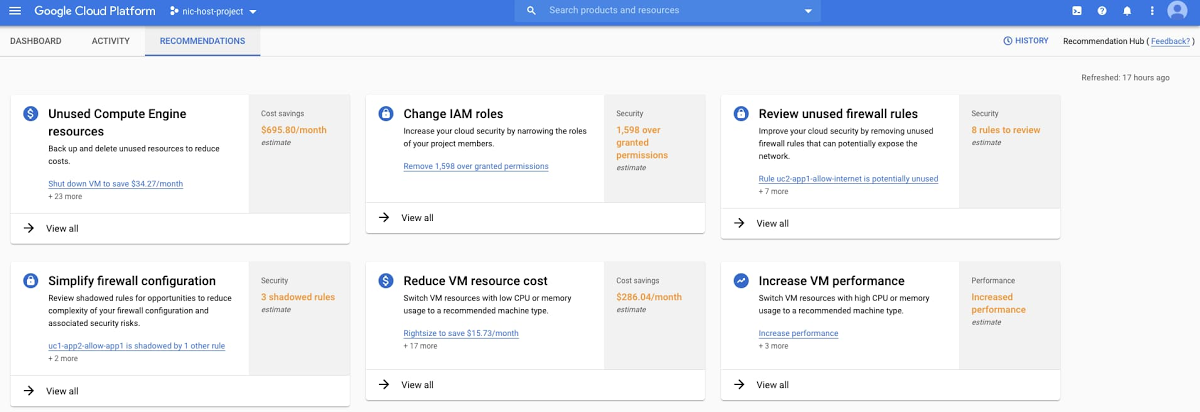
For spend under $10K/month, yes. Native tools provide visibility, budgets, and basic recommendations for free. But they won’t automate commitment management, allocate costs without perfect tagging, or optimize across multiple clouds. Once you hit $10K+/month, third-party platforms usually deliver ROI quickly through automation and deeper insights.
Can one cloud cost tool cover AWS, Azure, GCP, and Kubernetes?
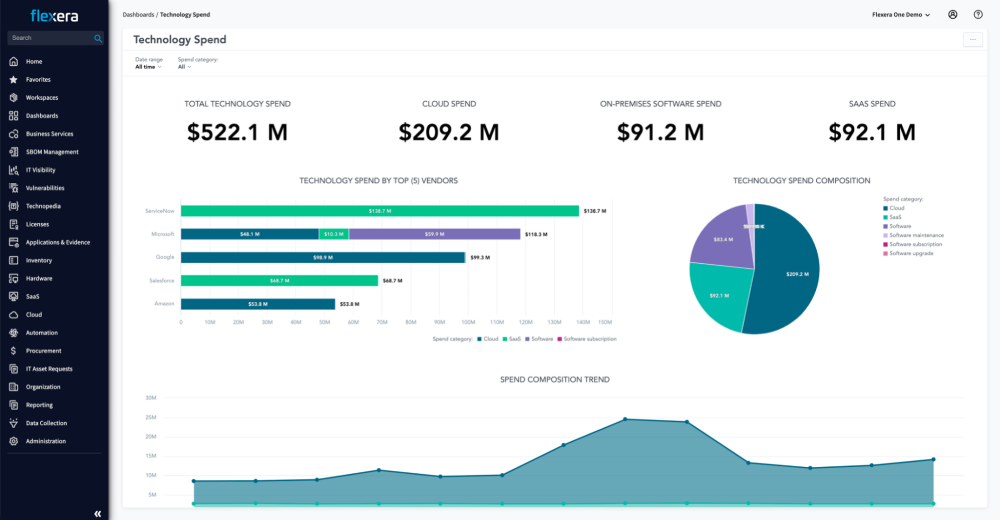
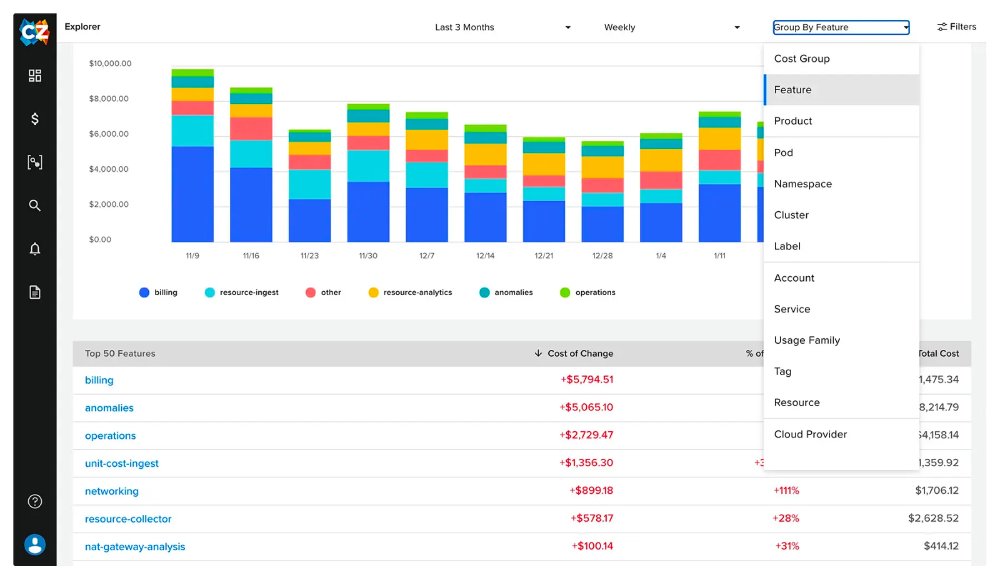
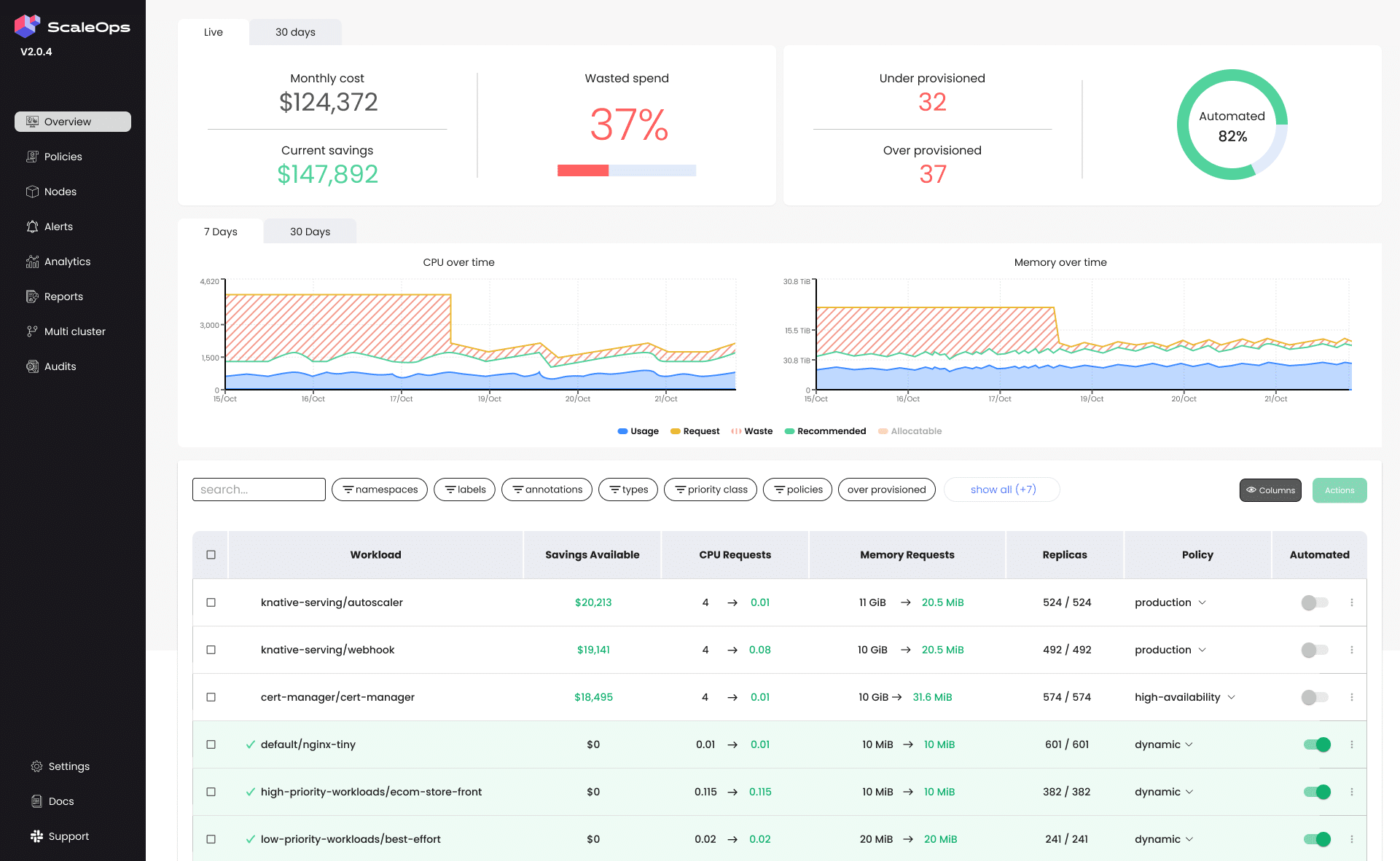
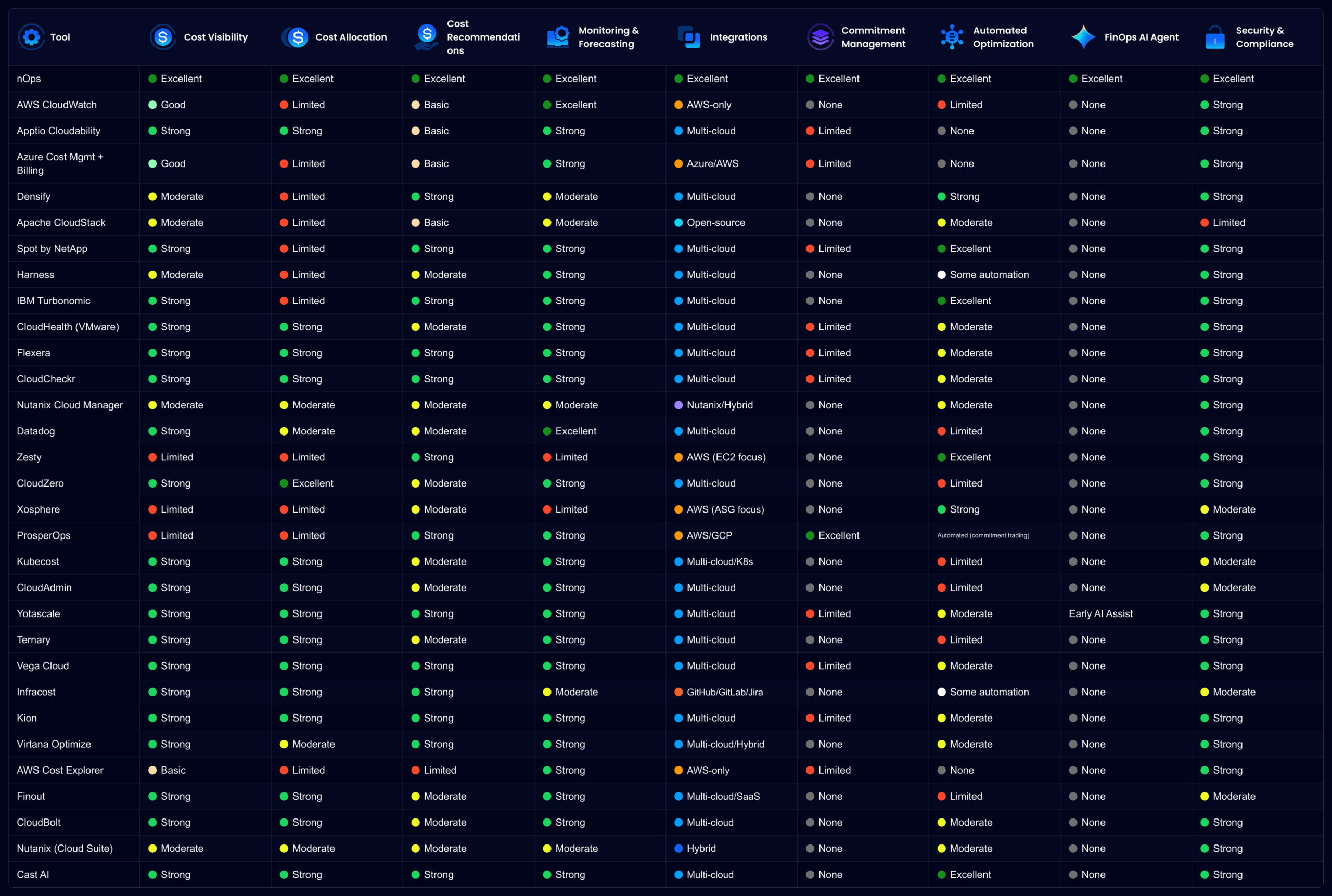
Some can. Platforms like nOps, Flexera, CloudZero, and Vantage support multi-cloud visibility and cost allocation across AWS, Azure, and GCP. Kubernetes cost allocation often requires specialized tools (Kubecost, Cast AI, ScaleOps) or platforms with dedicated K8s integrations. Most enterprises run one visibility platform plus specialized optimizers for specific workloads.
How do cloud cost management tools handle AI and GPU spend?
Most tools show AI/GPU costs as aggregate line items (SageMaker, Bedrock, Databricks). Newer platforms — nOps, Vantage, Finout, Kubecost — can break down spend by model, endpoint, job, or team, and track cost-per-token or cost-per-inference. This category is still maturing; many legacy tools haven’t caught up yet.
How fast do cloud cost tools deliver measurable savings?
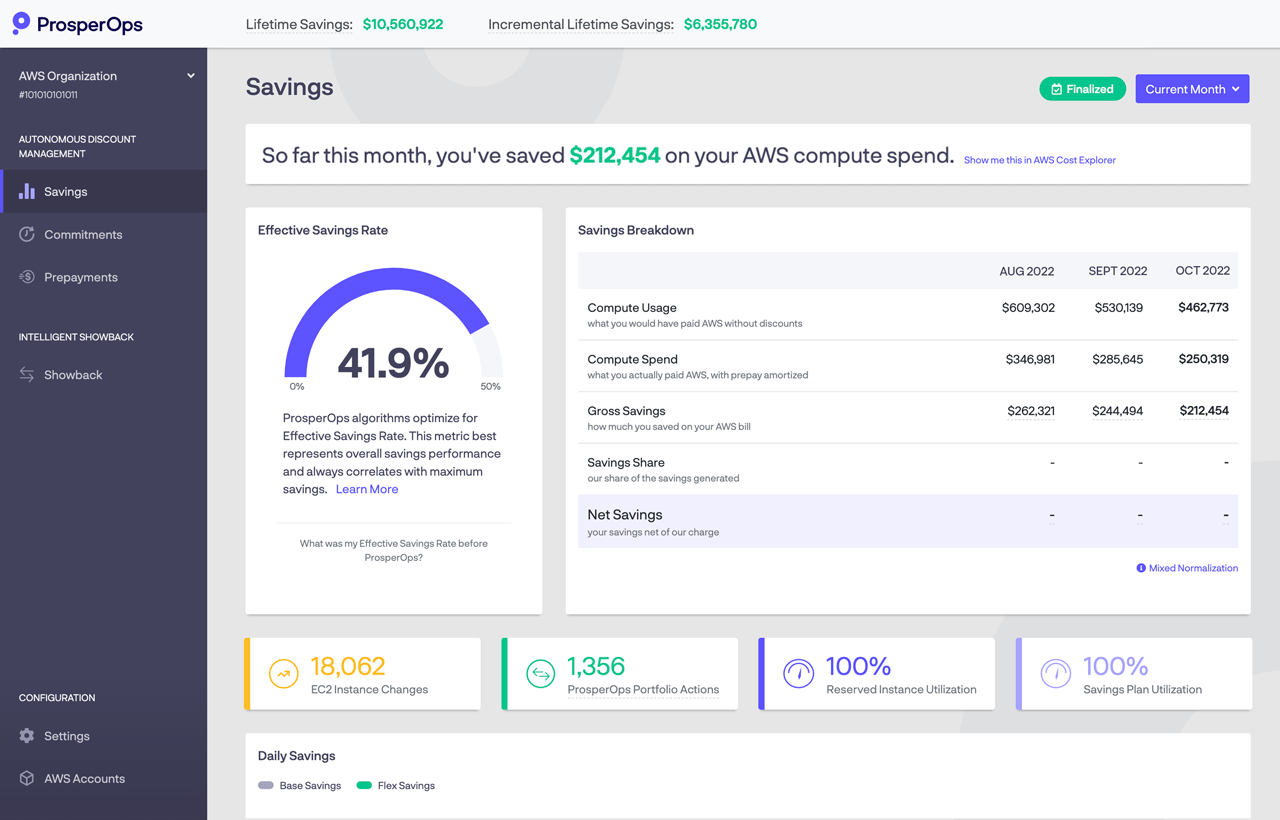
Commitment management platforms can deliver 10–30% savings within 30–60 days. Rightsizing and idle resource cleanup often show results in the first billing cycle after changes are applied. Full FinOps maturity (allocation, forecasting, cultural adoption) typically takes 6–12 months. Look for tools offering free trials or proof-of-concept periods to validate ROI before committing.
When should you use multiple cloud cost tools together?
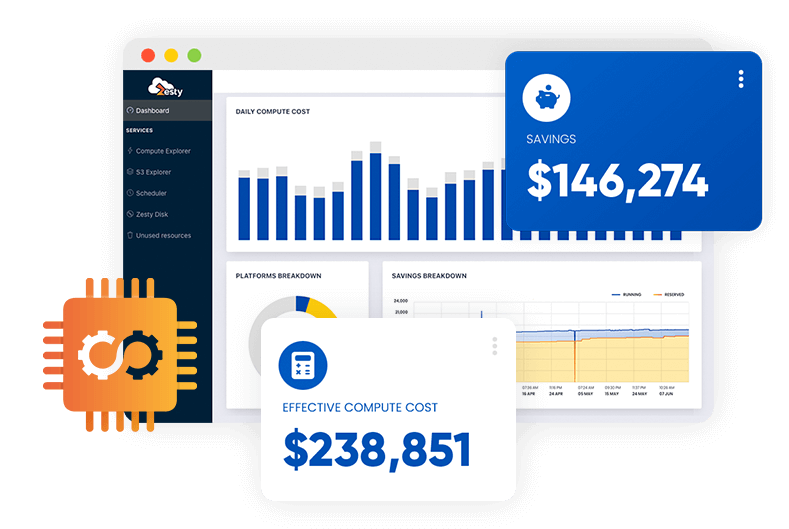
At $500K+/month, a single tool rarely covers everything. Most teams run a visibility platform (CloudZero, Cloudability, Datadog), a commitment manager (nOps, Flexera), and specialized optimizers for Kubernetes (Kubecost, Cast AI) or storage (Zesty, Lucidity). Multiple tools make sense when each solves a distinct problem better than an all-in-one suite.