
The launch of the RTX 50 series to consumers has been nothing short of disastrous for Nvidia. While most consumers couldn't even get their hands on them, those that did have been plagued by driver issues and, at worst, melting connectors. The 5070 released to minimal fanfare because of its relatively small performance gains over its predecessor, the 4070 family.
The 5060 looks to be no different, and although there are rumors of a decrease in price compared to the last generation and promises of stock stabilization, these just aren't enough to save the 5060. This GPU will be dead on arrival, and a lot of that is Nvidia's own doing.

The RTX 5060 Ti doesn't look promising in first benchmark, but don't throw in the towel yet
We're still waiting for a full performance picture, though.
3 Yet another tiny VRAM buffer
This is getting very tiresome
.jpg)
Nvidia and not putting enough VRAM on their mid-tier cards, name a better duo. In all seriousness, I was hoping to see Nvidia take at least one victory among all the losing they have been doing this generation, but unfortunately, they just continue to fumble. The 5060 Ti is coming in two different VRAM flavors yet again is also disappointing.
Enthusiasts on a budget will know which card to buy, but not everyone knows the difference that 8GB can make for gaming, especially for tech like ray tracing, which is slowly becoming mandatory. The non-TI 5060 seems to be locked in at 8GB according to rumors, which is simply not enough for gaming in 2025. The list of people that would benefit from upgrading to a 5060 is just so small, and first-time builders will be left with a GPU that they'll have to upgrade within a couple of years.
It's not like Nvidia can't put more VRAM on their cards, they're doing so presumably because it's a good way to segment their product line. Having a GPU that's dead on arrival is certainly one way to upsell your customers, that's for sure.

3 reasons why it's time for NVIDIA to start ponying up more VRAM on their mid-range GPUs
NVIDIA has been skimping on VRAM for far too long.
2 There won't be enough improvement over the 4060
Maybe 3060 owners could get value?
As we've gone through multiple hardware generations, Nvidia's 60-class of GPUs just continues to be neglected, and that trend will continue with the 5060. These GPUs occupy an affordable, budget-friendly slot in Nvidia's lineup, and while the card might be a decent upgrade over a 3060 or no GPU at all, 4060 owners should stay far away from the 5060.
As a reminder, on release, the 4060 was being beaten by the 3060 in some scenarios, and whether you want to chalk it up to lower VRAM buffer or memory bus width, it just doesn't excuse it at all. I fear similar things will happen this generation.
CUDA core count is also interesting to look at, as, year over year, the GPUs underneath the flagship continue to shrink in CUDA core count relative to where they were before. At one point, a 60-class GPU (the RTX 2060 12GB) had nearly 45% of the CUDA that the flagship (the Titan RTX) had. Fast-forward to today, and that number has dwindled to nearly 20% with the 4060 and 4090. This trend is concerning, and if the rumored specs are true, the 5060 will have roughly 21% of the CUDA to that of an RTX 5090.
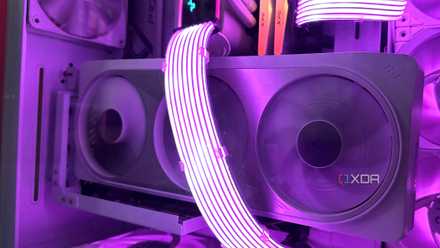
Nvidia's tight rope pricing is finally starting to fray
Gamers may want the cards, but not at these prices.
1 The 9070 and 9070 XT are too compelling
AMD have already mopped up
Nvidia has come far too late to the mid-range party, and while the 9070 and 9070 XT target a slightly higher price point, I can see a lot of builders simply waiting a bit longer so that they can afford a much better card. Being late to the party is one thing, but being late and being the worst option is just not a recipe for a good launch. The improvements in FSR and the raw performance improvements across the board with RDNA 4 make the RTX 5060 a moot point for most builders, unless they're married to the idea of buying green.
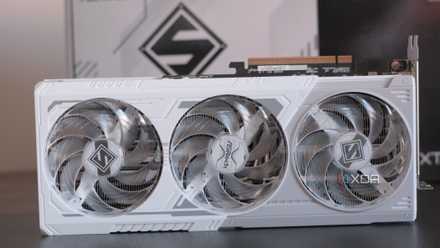
4 reasons AMD's RX 9070 XT is the perfect upgrade for RTX 3000 owners
Hear ye, RTX 30 owners, it's finally worth upgrading
The 5060 is not going to save the 50 series
The 5060 looks to be one of the most disappointing cards we'll see in 2025, which really says something. There is a market for this card, but with their product segmentation, Nvidia are doing their best to force their customers to spend as much as possible on a GPU that fits their needs. Unfortunately, the only saving grace that the 50 series has is the reliance on CUDA for productivity. The 5060 Ti 16GB could be a compelling budget productivity card, but if you're upgrading from a 40-series card, there are very few compelling reasons to do so.