
We've come a long way from the days of big, bulky and beige PCs. The sheer range of case shapes and sizes you can stuff parts into borders on overwhelming, and small-form-factor builds have become very popular in the last few years. It can be a great route for both aesthetic and functional reasons, but it has its drawbacks as well. Before you put together an SFF PC, consider these 5 pros and cons of a tiny system.

6 reasons your next PC should be a compact SFF challenge
Looking to try something new? Go with a small form factor PC build.
5 Pro: Saves space
Small builds can be great when space is at a premium
Not everyone has room for a big, full-tower-sized PC case, let alone a mid-tower. SFF PCs can be an excellent way to save a bit of space in your setup. You don't have to go full ITX, even mATX builds can be a worthwhile way to save desk real estate. If you need a PC to tuck away into a small area of your home, for something like an HTPC for example, it might be the only option.
5 reasons to avoid SFF PCs if you're new to PC building
An SFF PC might be the right one at the wrong time
4 Con: Difficult building process
Not recommended for the first-time builder
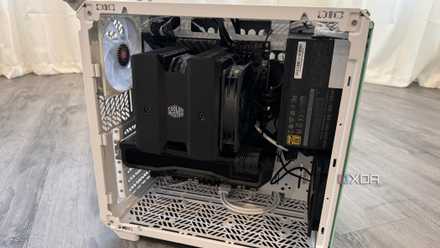
The first major drawback of small-form-factor PCs is the difficulty in building them. If you've never put together a PC before or your consider yourself a novice, I'd think twice before attempting to do it yourself. Not only is the actual building part more difficult because of the tight cable runs and limited space, but choosing compatible parts can take careful consideration. A huge part of building an SSF PC is the parts research, because if you make a mistake, it can cost you valuable time and money. Speaking of money, the actual cost of SFF components can be higher as well. Cases and power supplies specifically can be just as expensive as a full-sized case due to the complex design that they have in order to function.

Building your first PC? Use full size parts, you’ll thank me later.
Skip the small cases and mATX motherboards for your first foray into PC building
3 Pro: Enhanced Portability
SFF PCs can be easily moved
If your job necessitates moving often, or you're someone who frequents LAN parties, an SFF PC might actually be preferable to a full-sized rig. If lugging around a big ATX-sized tower sounds like a hassle, then you might like the sound of something a bit smaller and portable. I remember when I attempted to lug my dual tempered glass side-panel, full-sized ATX PC to my first LAN party. I learned very quickly that if you ever even consider attending an event like that, a small-form-factor rig can save you so much grief.

4 reasons it's worth it to spend big on your PC case
Splashing cash on your PC case can be difficult to justify with a small budget, but is it worth it?
2 Con: Thermal challenges
Smaller space means concentrated heat
Just like in a laptop, the heat produced by an SFF PC is contained in a much smaller area, making it more difficult to dissipate effectively. This is a key consideration to take not only when choosing the core parts of your PC, but also regarding what cooling systems you'll be using. Big, bulky air coolers with sizable heatsinks aren't going to cut it here.
Depending on the case you choose, some manufacturers will have specific recommendations for the type of cooling to use in their case. It's better in most scenarios to choose a case first, and then build the rest of your system around that, as the actual volume will dictate every other hardware choice. This aligns more with the prior point about building difficulties, but fan placement, if not done for you by the case manufacturer, can be challenging to get right. For example the Fractal Terra uses a slightly unconventional fan layout that might be counter-intuitive to some, but has been specifically designed to work a certain way.

NVIDIA has massively stepped up their cooling game with the RTX 5090 Founders Edition
They've pulled off something really impressive with this series of Founders Edition cards.
1 Con: Limited upgradability
The original build will dictate your upgrade path
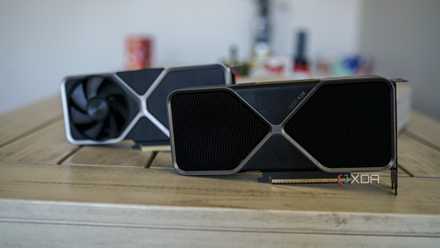
Just like in any build, the parts you pick in your initial build will heavily influence your upgrade path later on, but that's especially the case with SFF PCs. If you upgrade your GPU, it likely can't exceed the length of your current one. If you want to beef up your CPU, you might need to take your current cooling capacity into account. Most CPUs of the last couple generations haven't been running especially hot, but any CPU can run hot if it's in the incorrect environment.
Just give up — 5 reasons to skip PC upgrades this generation
You should break up with new PC components for a while
SFF PCs are excellent, but they're not for everyone
Building a small-form-factor PC is a great idea if you're trying to save space and need something a bit more portable. If you're not ready to deal with the challenge of building and maintaining one however, it might not be a bad idea to get one that comes prebuilt. Alternatively, you can go for some kind of middle ground with a mid-tower mATX form factor build.