
A lot has been written about SSD endurance on this site, including by yours truly, but SSD upkeep doesn't have to descend into usage anxiety. SSDs indeed have a limited lifespan, which can technically be exhausted once enough data has been written to them. This is precisely why writers like me recommend best practices to extend your SSD's lifespan, especially in this market when prices have skyrocketed. That said, the average user is highly unlikely to encounter a failed SSD because of writing too much data to it. The endurance ratings of consumer SSDs will take decades to exhaust, not years. SSDs are more likely to fail due to electrical or thermal reasons than overuse. That means you still need to take care of your SSDs, but worrying about SSD endurance is something you can safely forget about.
4 reasons your SSD might die early — even if you’re doing everything right
There are silent SSD killers among us
The origins of SSD endurance anxiety
We were made to believe SSDs were fragile
There's obviously a history of why people feel like babying their SSDs. The underlying storage medium, i.e., NAND flash, has a limited number of program/erase (P/E) cycles. To write new data, your SSD needs empty cells, which it creates by relocating data from partially filled cells. Once this process has been completed enough times for a particular cell, it is marked invalid by the SSD controller. Once the SSD runs out of reserved blocks and the number of invalid blocks exceeds a threshold, it enters a read-only mode. This is a sign that the SSD has entered the final stage of its lifespan, and is likely to fail soon. The most common indicator of SSD endurance is TBW (terabytes written), which predicts the amount of data you can write to the drive before it fails.
The earliest SSDs had lower TBW ratings, relatively weaker controllers, and less advanced wear management protocols, which gave rise to the idea that SSD usage is very different from HDD usage. Of course, the drives differ in the way they operate, but even older SSDs didn't require excessive care. You can absolutely deplete a consumer SSD's lifespan within a few years by running server workloads on it 24/7, but that's an experiment, not a use case. Hence, the fears of accidentally wearing out your SSD are highly exaggerated, and unnecessarily limit the usage habits of most consumers.

You'll build a new PC before replacing your SSD
Even consumer SSDs have absurdly high endurance
If you're buying a 1TB or 2TB SSD for your PC, you will most likely build a new PC before making a dent in your SSD's lifespan. The TBW rating of your drive is directly proportional to its capacity, since a larger drive means more cells to spread the data around, helping wear leveling. Most 1TB SSDs have a 600TBW endurance rating, and 2TB drives have double that. If you were to deplete the lifespan of your 1TB drive in, say, 7 years, you would have to write around 240GB of data to it every day. That's around 8 times what a typical user writes to their SSD in a single day. And by typical, I mean someone who plays games, browses the web, watches videos, streams video, and even runs productivity workloads. So, realistically, it will take 30–60 years to exhaust the TBW capacity of a 1TB SSD. A 2TB SSD will take double that, i.e., 60–120 years. The type of NAND flash also affects SSD endurance, but even QLC NAND is more than enough for the average user.
My primary SSD has been inside my PC for around 3.5 years, and CrystalDiskInfo reports 40.8TB of data has been written to it. This means I've written roughly 30GB of data every day, which lines up perfectly with my assumption above. In reality, SSDs don't last forever, since electrical failure, wear and tear of internal components, and overheating can kill them in 5–7 years. However, failure due to lifespan depletion shouldn't be one of your concerns. Modern SSDs have higher TBW ratings, better wear leveling algorithms, advanced controllers, and DRAM cache to ensure your SSD doesn't write any more data to itself than it needs to.
In 5–7 years, you will probably think about building a new PC, and your existing SSD will probably still be at 95% health, meaning you would have used only 5% of its lifespan. It's also possible you'll replace your SSD with a faster drive if you're switching generations. SSD endurance matters more for server environments, where the drives are hammered with relentless writes. That is why enterprise SSDs feature far greater endurance, more advanced internals, and power loss protection. For home use, even your consumer SSD has an absurd amount of endurance.
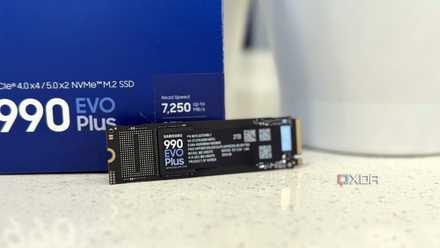
Samsung 990 EVO Plus
- Storage capacity
- 1TB, 2TB, 4TB
- Hardware Interface
- PCIe Gen 4 x4 / Gen 5 x2
- TBW
- 600TB per TB
- DRAM
- N/A

QLC isn't evil so long as you know its limits, but not everyone does
Let's set the record straight on modern QLC SSDs
It doesn't mean you become reckless with your SSD usage
You still need to avoid thermal and power failures
So, should you completely ignore SSD maintenance going forward? No, that's not the intent of this article. The lifespan of your SSD may be too long to realistically worry about, but you still need to protect it from other threats. The performance of your drive is something that is affected directly by your actions. If you ignore your SSD temperature, thermal throttling can tank performance in the workloads where you need it the most. If you're filling your SSD to the brim, you're creating an unnecessary roadblock for effective garbage collection, which leads to unexpected slowdowns as your drive struggles to locate empty cells during write operations. Skipping firmware updates can deprive your SSD of crucial performance and stability fixes, which can affect your day-to-day experience.
It's important to adhere to a basic checklist for optimum SSD performance. Ensure the TRIM command is enabled in Windows, so your SSD finds it easier to find blocks that can be safely erased. Having a surge protector or UPS will protect your PC from power surges, which can corrupt the data on your SSD or even kill it in the worst case. Check for firmware updates once every few months, so you're not missing out on critical updates. And don't use your drive like a workstation SSD. Avoid running multiple virtual machines, containers, databases, and 24/7 backups on it. Use a separate system for such workloads, ideally a home lab designed to sustain heavy and sustained write operations.
Your SSD is getting slower every month, and there's a built-in fix most people don't know
The TRIM command helps your SSD deliver maximum performance
Stop obsessing about your SSD endurance
Your SSD has years and years of life left in it, even if you've been using it for many years already. The endurance, construction, and firmware of modern SSDs translate into an absurdly long lifespan for 99% of users. As long as you don't hammer your drive like an enterprise SSD and keep it protected from overheating and power failure, you'll probably build a whole new PC before you even think about replacing it.