
Summary
- Raspberry Pi 5 offers a new 2GB model at $50, down from $60.
- The price cut is thanks to the reduced memory and a new cost-optimized chip.
- The 2GB model can still handle internet browsing and even GameCube emulation.
Until yesterday, the Raspberry Pi 5 lineup consisted of two 8GB and 4GB variants which have been available for around ten months now. Today, the company launched a new ultra-affordable model with just 2GB of RAM and a price tag of $50. The 2GB board is mostly identical to its siblings — it's still compatible with all the same accessories and cases, and you can still overclock it. The only differences are the amount of memory and the BCM2712 chip.
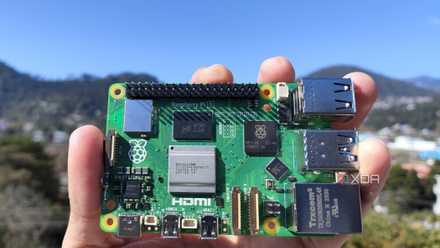
Raspberry Pi 5 review: The holy grail of DIY projects got even better (and rarer)
The Raspberry Pi 5 is one of the most powerful consumer-grade SBCs out there. Sadly, its limited stock means you'll have a hard time finding one.
What makes the new Raspberry Pi 5 cheaper?
The BCM2712 is a 16nm processor made by Broadcom, meaning it's not custom-made for Raspberry Pi. So, as well as all the features Raspberry Pi boards use, the processor also has various other functionalities that are permanently disabled when it's put on a Raspberry Pi chip. But even when disabled, they take up space and incur costs, which is where the BCM2712D0 variant comes in.
This new stepping includes only what the Raspberry Pi needs, and with fewer functionalities to incorporate, it costs less to make. Along with the reduced RAM, this has allowed the Raspberry Pi team to offer the $10 price cut. The new cost-optimized processor could also be used to bring down the prices of the 8GB and 4GB models, but there's no word yet on whether the company plans to do this.

10 best operating systems for Raspberry Pi 5
Unsure about which OS you should use with your Raspberry Pi 5? Here are ten operating systems worth running on the palm-sized system
A $10 price cut might not seem all that significant, but it's important to remember two things: firstly, it has always been Raspberry Pi's goal to bring computing to more people and any price cut helps with that. Secondly, people use the Raspberry Pi for all sorts of reasons, plenty of which require more than one unit. A $10 cut could help a school expand its computer science curriculum or give a small company a more cost-efficient option for its product.
If you're wondering how the reduced RAM affects the Pi's capabilities, it can still do a lot of the things you expect. It can launch browsers almost as quickly as its siblings, and handle at least 10 open tabs according to tests run by Tom's Hardware. That's admittedly far fewer than the 4GB and 8GB variants, but it's definitely still usable. It can even manage GameCube emulation — as long as you compile the emulator elsewhere first and choose an easier-to-handle game.
You probably wouldn't buy this model if emulation is the main thing you want to do, but it's useful to know just how much you can squeeze out of two little gigabytes of memory. The charm of Raspberry Pi is that you can use it for anything, and customers will surely come up with hundreds of niche and interesting projectsthat need no more than the 2GB they have — and we'll be sure to share any we come across. If you want a Raspberry Pi for yourself, the official website will point you to the resellers available in your region.
