
Guns and explosions might be what our parents have always considered video games to be, but there's so much more to this platform we all love. In fact, where going in guns ablazing is a different kind of power fantasy we all love from time to time, there's an entirely different kind of power fantasy that is just as rewarding — stealth.
Nothing takes the cake like a proper stealth game that puts you through your paces and makes you approach it methodically, staying unseen from all manner of threats. That's the reward of it all — knowing the enemy never saw you coming, and you were the smartest, most efficient person in the room. Over the years, the stealth genre as we know it has evolved and grown through some incredible, groundbreaking and timeless stealth titles, all of which still hold up today, and always will.
Tom Clancy's Splinter Cell: Chaos Theory
The greatest stealth game Ubisoft ever made
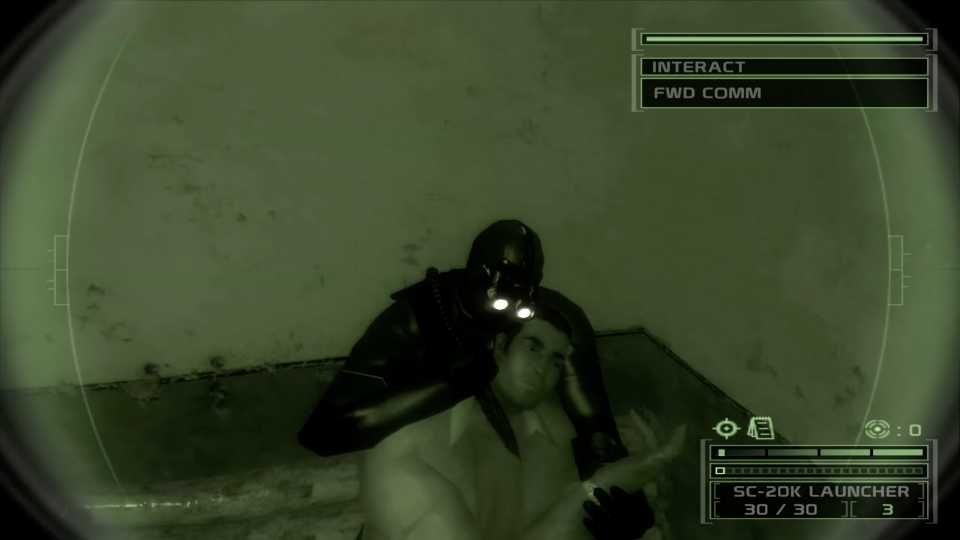
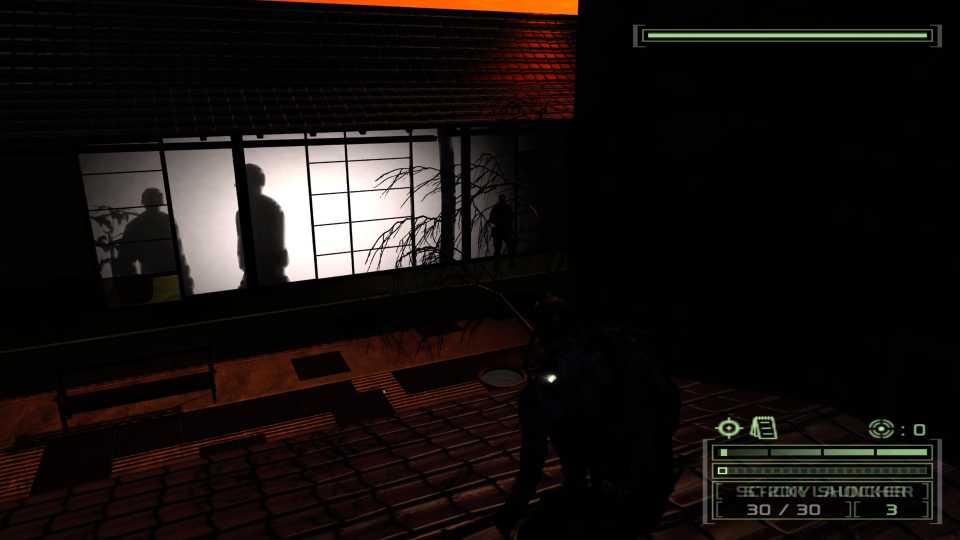
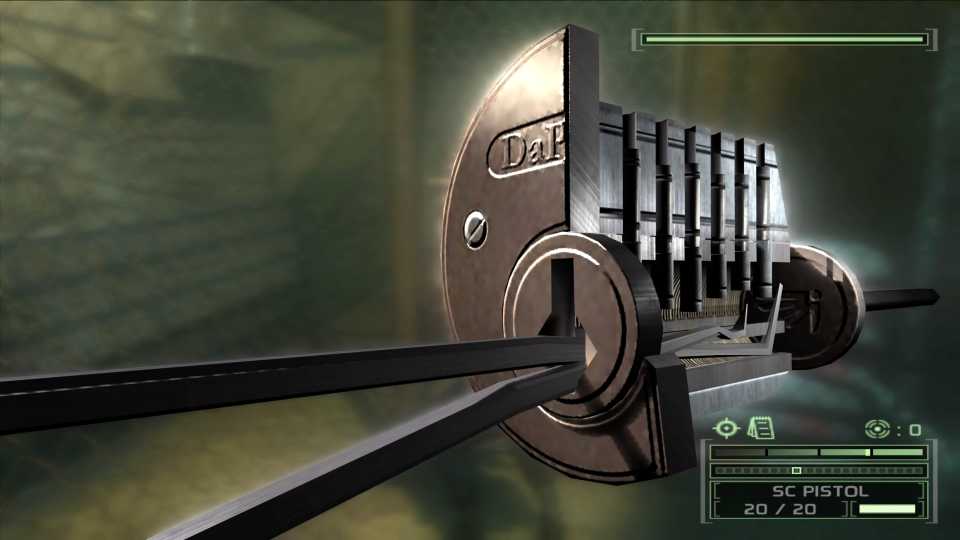
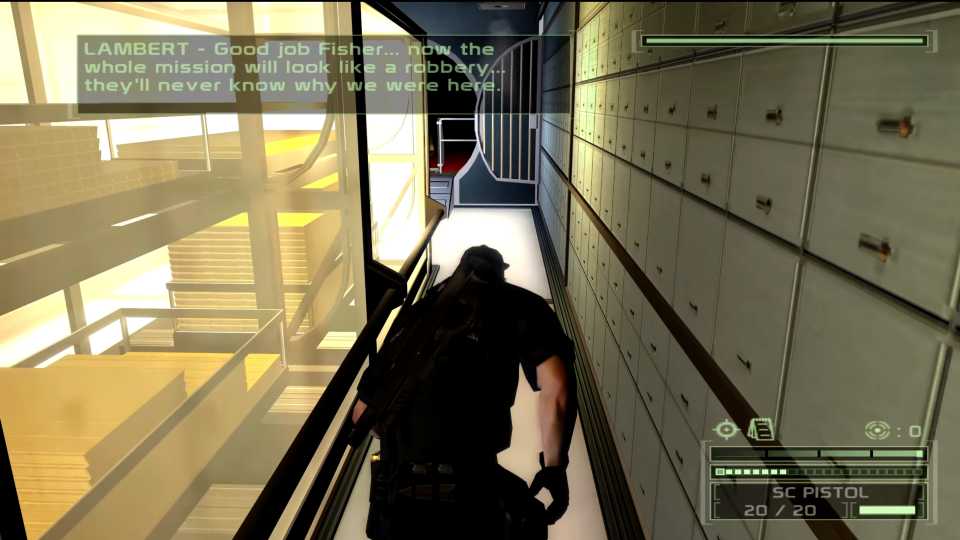
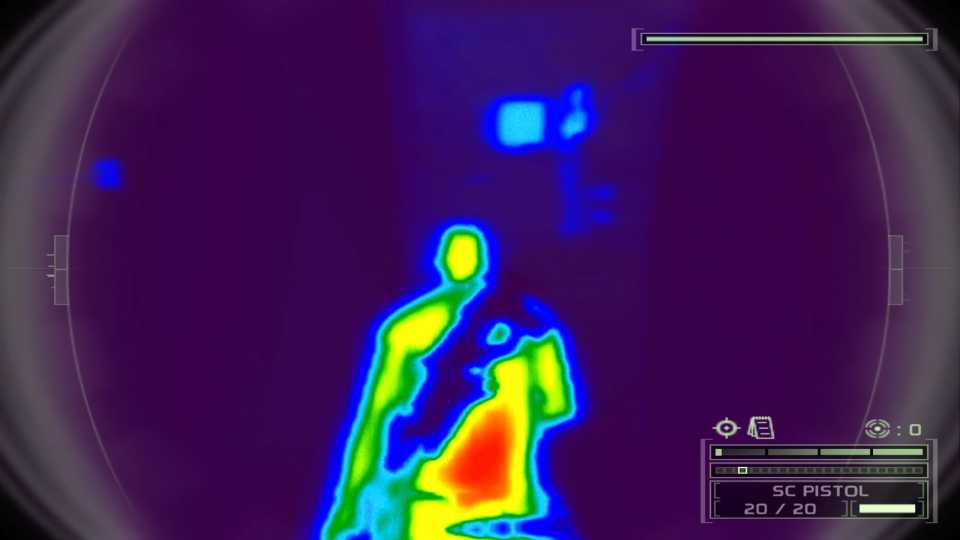
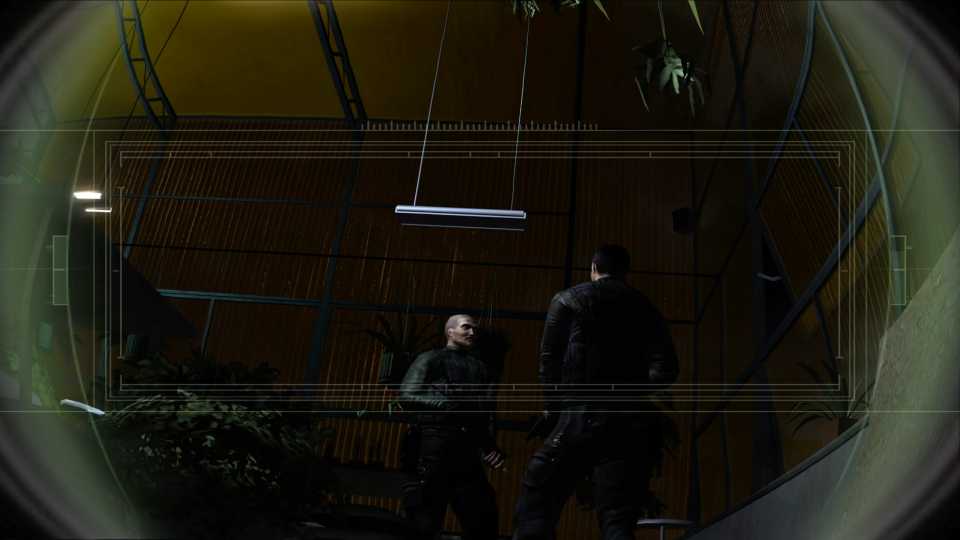
If there's one stealth game that has truly aged like fine wine, it's Splinter Cell: Chaos Theory. Believe me, I revisited the game just a couple of weeks ago with ShaderGlass on, and the gameplay remains pretty damn tense even today. This was the third entry in Sam Fisher's stealth series, and definitely a masterclass in level design, freedom, and atmosphere. We had the iconic lighthouse opening, where lighting played such a crucial role in the stealth, and told us what we're in for within the first hour itself.
Then, we had the fantastic neon-lit Japan level, too, among all the other sandboxes Chaos Theory threw us into, where we had to methodically play through each tense mission. Chaos Theory has aged incredibly well despite being 20 years old today, and that's because of how uncompromising it was about its stealth as the star. Sound meters mattered, and timing your movements around guards and enemies mattered even more. The game forced you to respect its systems, and you had no choice but to obey. Still, that's what resulted in the reward, too, since what you got at the end of the day was unmatched immersion.
- Released
- March 28, 2005
- ESRB
- M For Mature 17+ Due To Blood, Strong Language, Violence
- Developer(s)
- Ubisoft Montreal, Ubisoft Annecy
- Publisher(s)
- Ubisoft
- Engine
- Unreal Engine 2



WHERE TO PLAY


The year is 2008. Citywide blackouts ... stock exchange sabotage ... electronic hijacking of national defense systems ... this is information warfare. To prevent these attacks, operatives must infiltrate deep into hostile territory and aggressively collect critical intelligence, closer than ever to enemy soldiers.
- Genre(s)
- Stealth, Action
The Dishonored games pair incredible creativity with stealth
Where stealth meets the supernatural, creativity flourishes
Arkane's Dishonored series deserves its place in the stealth hall of fame, especially for the incredible amount of agency it gave us. Corvo and Emily sneak through Dunwall and Karnaca in these games, but they are also bending these worlds entirely to their will with immensely enjoyable supernatural moves and techniques. Blink across rooftops, possess a darn rat, or stop time in the middle of combat itself — the creativity the games offered is still unparalleled, and just talking about them makes me want to reinstall both games immediately.
In fact, even Dishonored 2 is nearly a decade old today, but both the games are incredible stealth experiences even today, because no other series has given players this much freedom, all while making sure that the stealth continues feeling weighty. The morality system in both these games still rewards you with real, narrative rewards instead of collectibles, making you go out of your way to continue hiding in the shadows. And when things go awry? Combat is just as fun. Stealth classics through-and-through, the Dishonored games will (and should) always be remembered as some of the best games in the genre.
-
👁 Placeholder Image
OpenCritic Reviews - Top Critic Avg: 87/100 Critics Rec: 89%

- Released
- November 11, 2016
- ESRB
- M for Mature: Blood and Gore, Intense Violence, Strong Language, Suggestive Themes
- Developer(s)
- Arkane Studios
- Publisher(s)
- Bethesda
- Engine
- Void
- Franchise
- Dishonored


WHERE TO PLAY


- Genre(s)
- FPS, Action
Thief II: The Metal Age is still incredibly tense
Shadows, silence, and old-school stealth
By modern standards, Thief II is absolutely ancient, but don't let its age fool you. It's still one of the purest stealth games we've ever seen. The devs made sure that the entire game was built around silence, shadows, and player creativity. And somehow, a quarter-of-a-century later, those design principles could still teach a thing or two to half the stealth games released today. You relied on light, sound, and cunning — a thief in every sense of the word.
There's an honesty and consequently, a difficulty, to Thief II's stealth design that modern games shy away from, because frankly, it would mean alienating a huge number of casual buyers who want a good time instead of pulling their hair out. Why? Because every footstep and shadow in Thief II matters, and you're going to be figuring out puzzles every step of the way when you've got a guard patrolling around you at every turn. Here's hoping we get a remake soon.
- Released
- March 21, 2000
- ESRB
- t
- Publisher(s)
- Eidos Interactive
- Engine
- Dark Engine

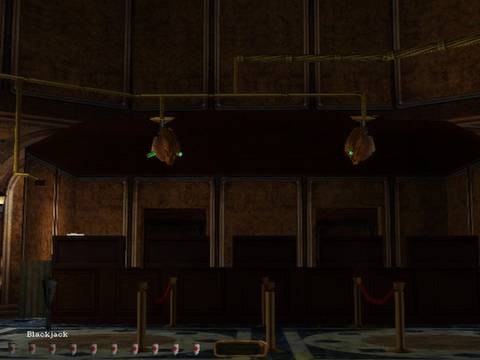
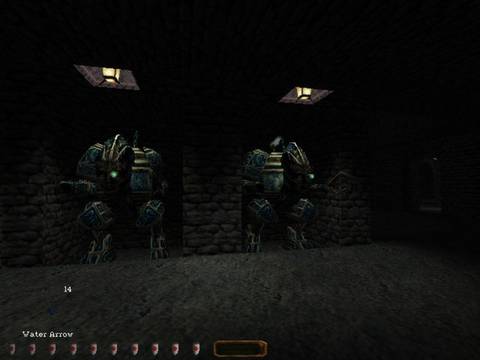
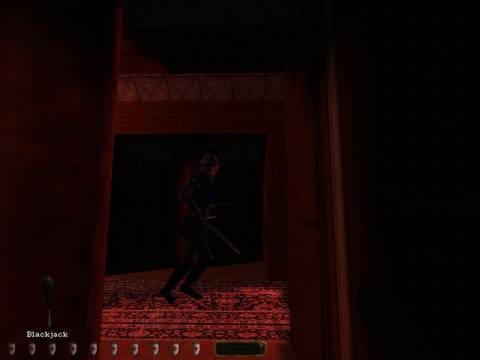

The ultimate thief is back! Tread softly as you make your way through 15 new complex, non-linear levels full of loot to steal and guards to outsmart. Improved enemy AI, new gadgets and a riveting story will draw you into the world of Thief™ II: The Metal Age, a place of powerful new technologies, fanatical religions and corruption.
- Genre(s)
- Action, Simulation, Stealth
Mark of the Ninja is stealth like you've never seen
One of the greatest stealth games that never needed to be 3D
If you tell the uninitiated that one of the greatest stealth games of all time is... a 2D side-scroller, they'd look at you funny. However, 2012's Mark of Ninja was exactly that — a stealth masterpiece that was more about masterful design than it was about perspective. This game takes everything great about this genre, from vision cones and sound cues, to shadows and gadgets, and melds them all together in a beautifully-animated and fast-paced experience that feels just as tense as any first or third-person stealth classic, if not more. In fact, I'd argue that it presents an even more stressful challenge, considering how you have to manage stealth all while making sure you familiarize yourself with the new 2D perspective and learn to master it, too.
The best way to play it today, of course, is the remastered version which came out in 2018. The game is incredibly accessible and doesn't sacrifice its depth (or that of the stealth genre) to achieve that. You can ghost through levels without ever leaving a trace, or just eliminate every guard in your path, and whatever playstyle you choose to adopt, the game will reward you for it.
-
👁 Placeholder Image
OpenCritic Reviews - Top Critic Avg: 90/100 Critics Rec: 100%
- Released
- October 9, 2018
- ESRB
- m
- Developer(s)
- Klei Entertainment
- Publisher(s)
- Microsoft Studios

WHERE TO PLAY
- Genre(s)
- Platformer, Indie, Fighting
Alien: Isolation is the scariest that stealth gets
Stealth isn't an option here — it's a survival method
When stealth meets survival-horror, you get a genre that's already pretty stressful meeting a genre that won't let your heart rest for a second. While you're learning enemy patterns and must remain hidden, at the same time, you're trying not to lose your calm because you're scared out of your mind. That's why 2014's Alien: Isolation is also one of the best horror games of all time, because it absolutely nails both aspects, and then some. You're no longer sneaking past guards or outsmarting cameras and their fields of vision — you're trying to stay alive while one of gaming's most relentless predators hunts you down, with an exemplary AI system that is still the gold standard for stalker-type enemies.
The best part? Alien: Isolation never gives you power over the situation, even for a second. The stealth here isn't empowering where you make fun of the enemies you're tricking. Here, you're hiding wherever you can, whenever you can, out of sheer terror and vulnerability, and that sense of fear doesn't fade away even on repeat playthroughs, making for a game that will never really get old.

-
👁 Placeholder Image
OpenCritic Reviews - Top Critic Avg: 81/100 Critics Rec: 76%
- Released
- October 7, 2014
- ESRB
- M for Mature: Blood, Strong Language, Violence
- Developer(s)
- Creative Assembly
- Publisher(s)
- Sega
- Engine
- Cathode
- Franchise
- Alien

WHERE TO PLAY

- Genre(s)
- Survival Horror
Metal Gear Solid V: The Phantom Pain
Kojima's swan song remains the best of the series
The Metal Gear franchise is often credited for having created the stealth genre, and introducing the world to cinematic gaming, too. It only makes perfect sense for its culmination to have redefined stealth by merging it with another massively popular genre — the open-world. Instead of tiny sandboxes full of enemies with scripts and timed movements, Hideo Kojima, for the final Metal Gear Solid game, gave us an infinite toybox, letting us figure things out instead. The result? One of the most endlessly replayable stealth experiences ever created. Both Afghanistan and Africa were living, breathing, and reactive playgrounds where guards learned and adapted... but so did you.
No two infiltrations in Metal Gear Solid V, even a decade later, have ever played the same. I can sneak in at night with tranquilizers, or storm in with a rocket launcher, then hide in a cardboard box just ten feet away. Every mechanic and system in The Phantom Pain talks to each other in a way that was ahead of its time, which is why the game still feels cutting edge. The story might fade from memory for being unfinished, but the gameplay flawlessly gave us stealth and player choice, for which MGS V will always be remembered as one of the GOATs.
Metal Gear Solid 5 The Phantom Pain
-
👁 Placeholder Image
OpenCritic Reviews - Top Critic Avg: 93/100 Critics Rec: 99%
- Released
- September 1, 2015
- ESRB
- m
- Developer(s)
- Konami, Kojima Productions
- Publisher(s)
- Konami
- Engine
- Fox Engine
- Multiplayer
- Online Multiplayer
- Prequel(s)
- Metal Gear Solid, Metal Gear Solid 2: Sons of Liberty, Metal Gear Solid 3: Snake Eater, Metal Gear Solid 4: Guns of the Patriots
WHERE TO PLAY
- Genre(s)
- Stealth, Action-Adventure, Shooter, Adventure
Hitman: World of Assassination Trilogy
Endless possibilities and replayability
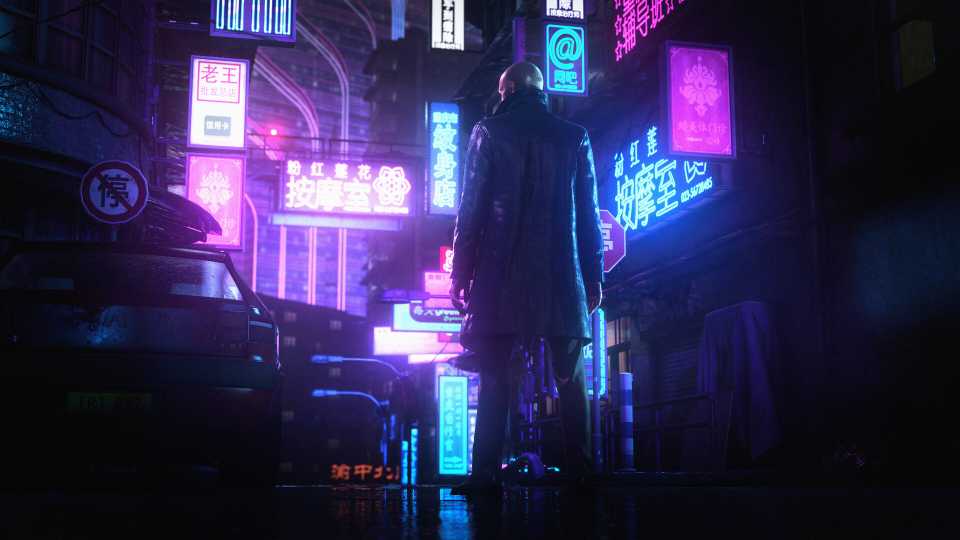
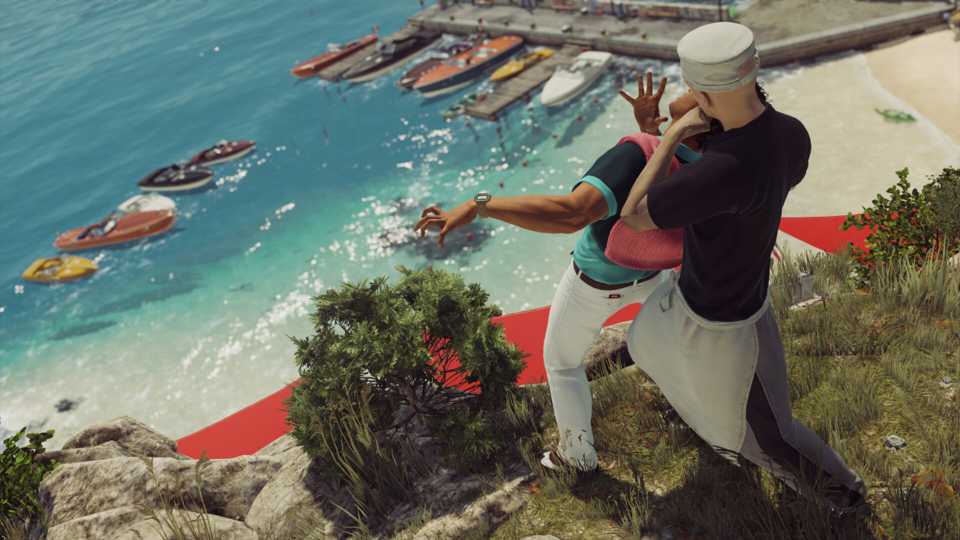
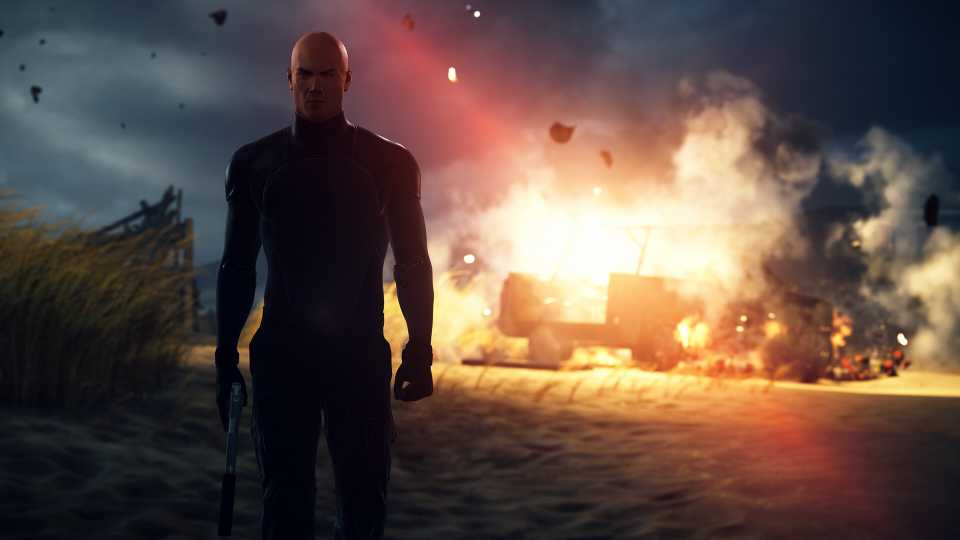
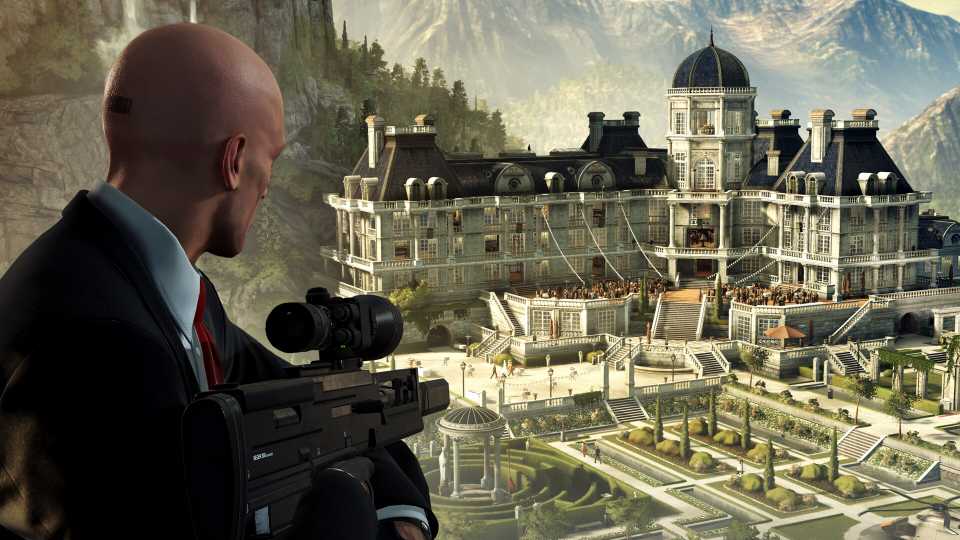
The original Hitman games were some of the best stealth games of their time, and the World of Assassination trilogy only improved each aspect of the series. They perfected the stealth sandboxes that only the Hitman games have achieved, where every level, every contract, and every new location is one of the most dense, intricately-designed, and lively puzzles. The moving parts here are almost infinite in each level, offering endless replayability while letting you become a master of stealth in your own way. There's a reason that Agent 47 goes down in just a couple of bullets, and that's because the games are built around stealth, and that is what you must center your gameplay around, too.
The magic of the Hitman games is such that here, stealth doesn't mean you're going to be hiding in one corner the entire time. You can walk in plain sight, as long as you've done your homework, watched the patterns, mastered patience, and, of course, donned the right outfit. All of those moving parts then slowly start forming a beautiful tapestry, revealing the perfect opportunity. This is what stealth is all about — creative problem-solving, and IO Interactive's brilliant trilogy achieved it masterfully.
-
👁 Placeholder Image
OpenCritic Reviews - Top Critic Avg: 85/100 Critics Rec: 91%
- Released
- January 20, 2023
- ESRB
- M For Mature 17+ Due To Use Of Drugs And Alcohol, Blood, Strong Language, Intense Violence, Sexual Themes, Drug Reference
- Developer(s)
- IO Interactive
- Publisher(s)
- IO Interactive




WHERE TO PLAY
- Genre(s)
- Stealth, Action, Adventure
The Last of Us Part II perfects every stealth element
Not groundbreaking, but flawless stealth
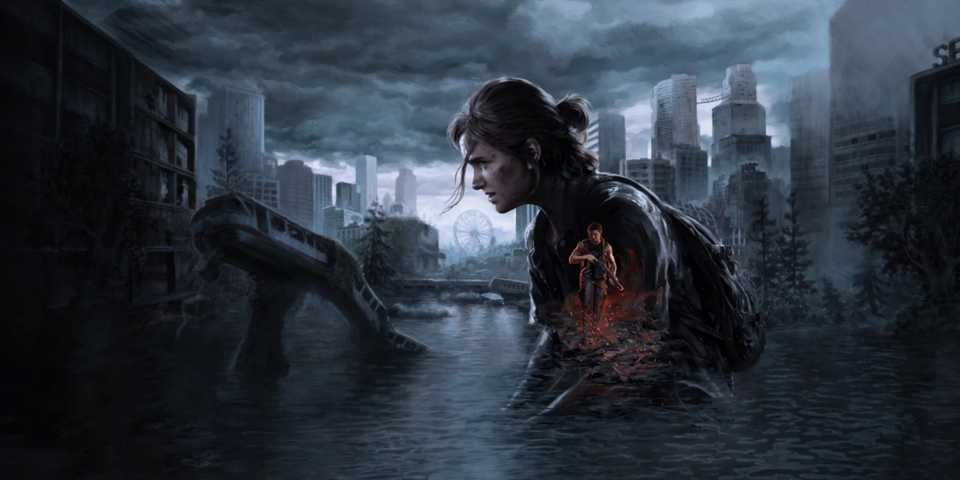
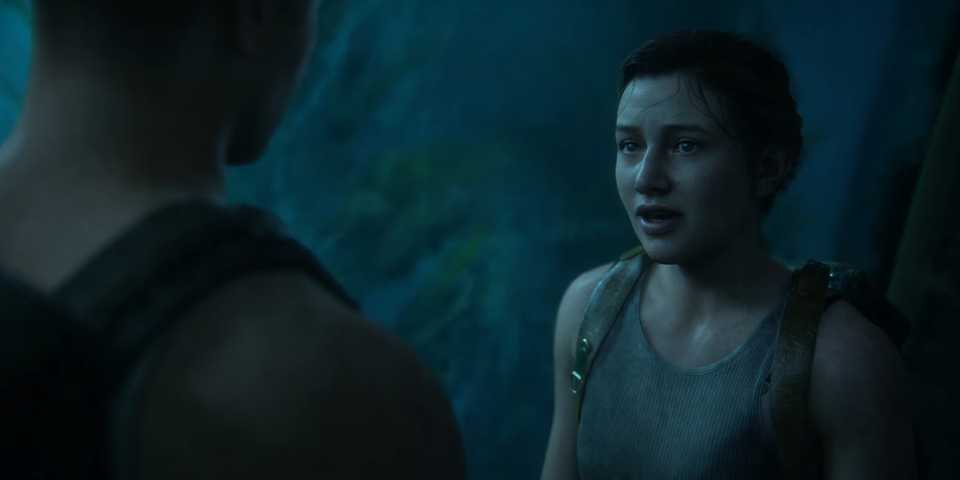
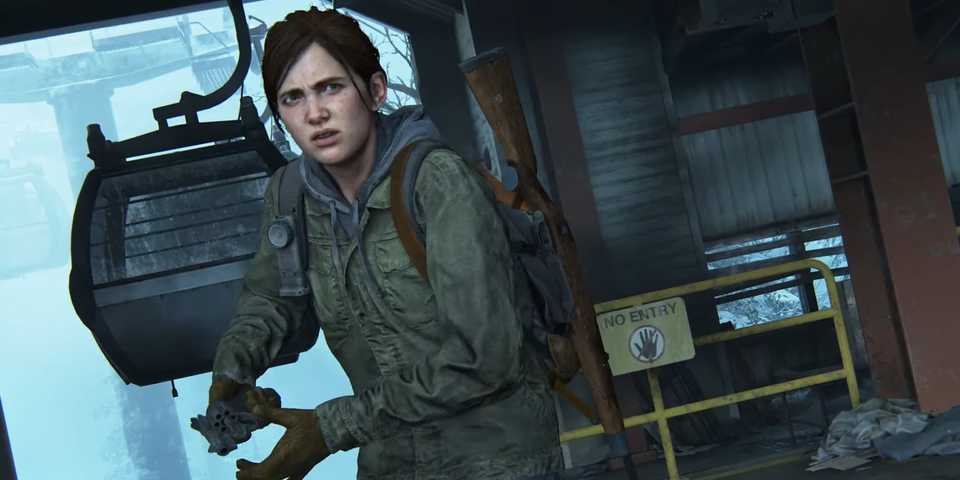
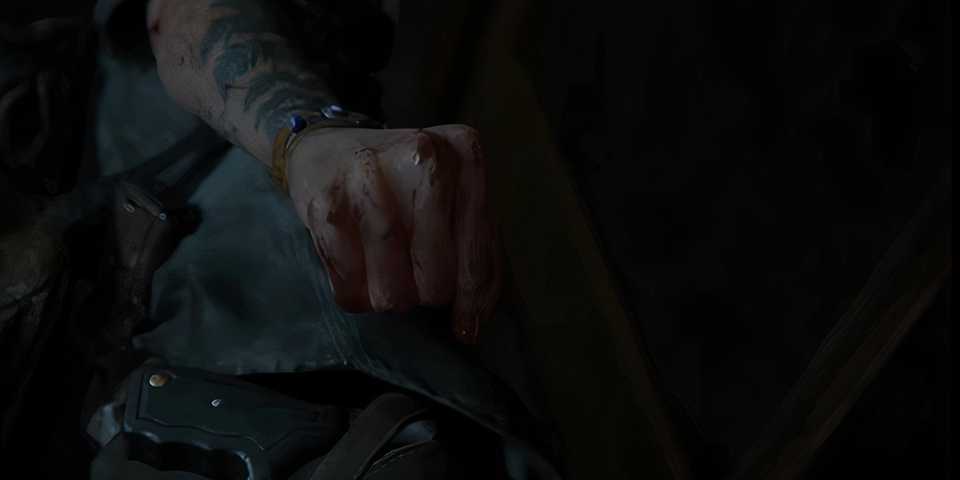
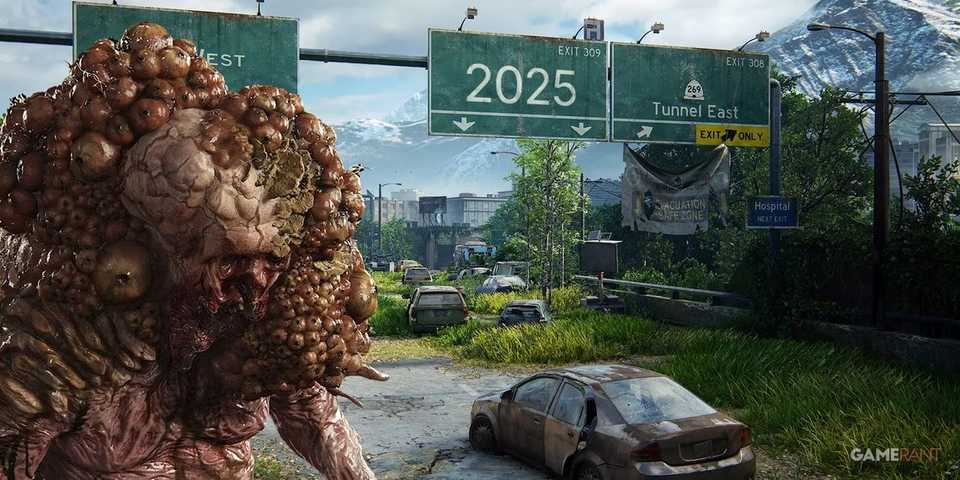
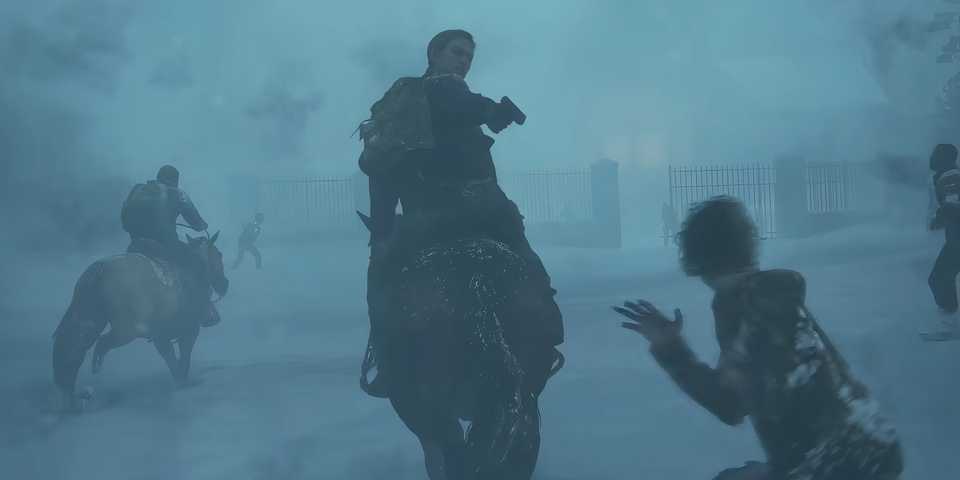
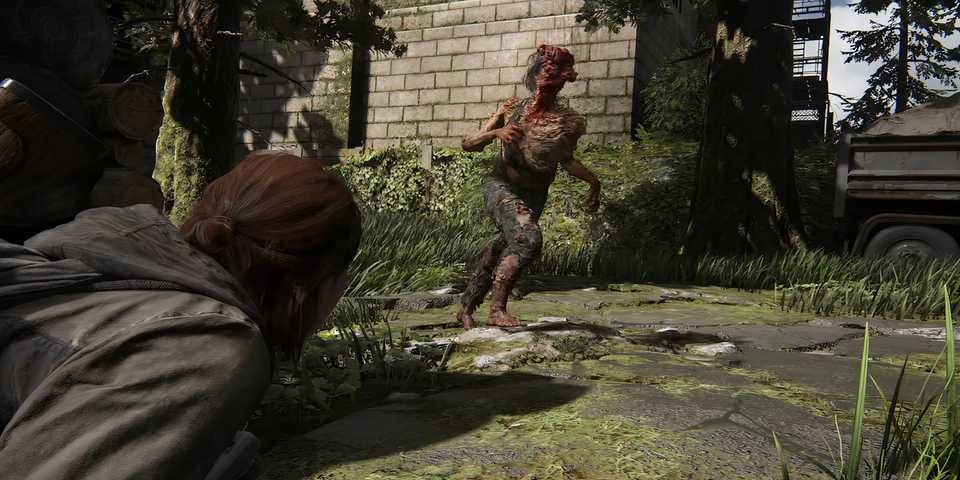
The Last of Us Part II, in my humble opinion, is the peak of the stealth genre, simply because of how incredibly refined its stealth mechanics and gameplay are. The moment-to-moment tension of sneaking through grass, crafting silencers on the fly, learning enemy patterns and then re-learning them after changing the slightest thing, all while animals track your scene, humans adapt to your moves, and zombies react to the slightest sound you make? That is what real tension feels like, and here, The Last of Us Part II features some of the best stealth design in recent years.
What makes its stealth unique is how it never makes you feel as if stealth is an 'option' you're choosing. Instead, it makes stealth feel natural, because there's no way you're going through encounter after encounter with tens of armed enemies and still be breathing at the end. The best part is always when something doesn't work out — a missed bullet, a forgotten silencer, or a dog too curious for its own good. That's when the panic sets in, and you go to Plan B through Z in a span of ten minutes. Truth be told, The Last of Us Part II didn't do anything groundbreaking or new in the stealth genre, but it presents its stealth mechanics with such an incredible amount of polish and refinement that it becomes the very best example of what truly intense stealth in games looks like.
-
👁 Placeholder Image
OpenCritic Reviews - Top Critic Avg: 89/100 Critics Rec: 90%
- Released
- January 19, 2024
- ESRB
- M for Mature: Blood and Gore, Intense Violence, Nudity, Sexual Content, Strong Language, Use of Drugs
- Developer(s)
- Naughty Dog
- Publisher(s)
- Sony Interactive Entertainment

WHERE TO PLAY
- Genre(s)
- Action-Adventure
Games that perfect stealth never go out of style
Stealth games aren't a rare breed by any means, but fantastic ones? They certainly are. They demand patience, creativity, and an appetite for tension, and these qualities simply never go out of style.