
A Network Attached Storage (NAS) system is often the central hub for home and enterprise users to store and manage their data. But what happens when disaster strikes — when data itself is at stake? Whether it’s ransomware, hardware failure, or an internal breach, the event could turn into a catastrophe if you are unprepared. While no storage system is entirely foolproof, you can mix prevention measures with rapid response and the right tools to make recovery faster and far less painful.
Here is everything you need to know about the preventive steps to keep your NAS safe in the first place, as well as what you can do to expedite post-incident recovery and maintain your data and sanity intact.
6 Prep up your NAS and manage access controls
Get the basics right and you’ll be sorted
Your first line of defense against NAS disasters is to minimize the potential for an attack. Start by disabling any unused services and ports on your NAS, such as Telnet, FTP, or UPnP, unless something critical relies on them. You can also consider changing default ports for essential services to something custom to make it hard for intruders to target your NAS in a mass-scale attack. Besides these, regularly updating the NAS firmware and installed applications helps patch the majority of vulnerabilities.
The second area that could use your attention is user access. Not all users and apps need access to all your data, so giving them only the absolutely necessary permissions according to their roles would be ideal. You can enforce unique passwords and two-factor authentication (2FA) for all accounts to minimize the risk of data leaks through an unsuspecting user’s account. But with tighter access controls, even if their account is compromised, your entire NAS wouldn’t be left exposed.
5 Implement a robust backup strategy
3-2-1 is the key here
While external attacks are a major threat, hardware failures too can severely impact your day-to-day work. The only way to keep things going, even in case of data events, is to have a solid backup system in place. For a robust system, follow the tried-and-tested 3-2-1 backup rule:
- Three copies of your data (one primary, two backups)
- Two different storage media types (for instance, NAS and external drives)
- One copy stored offsite (cloud or another physical location)
Take advantage of your NAS's ability to create scheduled snapshots that keep versions of your data at different points in time to help make the restoration process more granular. Snapshots make recovering from ransomware attacks or accidental deletions much faster. However, you should note that snapshots reside on the same device, so they are not substitutes for full offline backups, which are non-negotiable.

6 backup mistakes that put your NAS at risk
Let’s clear up NAS backup misconceptions
4 Isolate and contain the incident immediately
Time to isolate and diagnose without panicking
If you detect a breach, failure, or any abnormal behavior, the first thing to do is contain the damage. Disconnect the NAS from the network immediately to prevent malware from spreading or further data loss. Both physical and logical isolation are crucial to stop things from getting worse.
Once disconnected, resist the urge to poke around aimlessly, as this could potentially overwrite critical data or logs that might help diagnose the root cause of the incident. Treat the device like a crime scene — preserve logs, note the state of connected devices, and note down any signs of tampering or hardware failure. These small steps will come in handy soon when you move to recovery.
3 Start recovery using snapshots or verified backups
This is how you clean up the mess
Once you have secured the NAS and have some clarity about the source of the problem, you can now move on to the recovery process. If snapshots were enabled, they are usually the fastest way back to starting afresh. Just double-check you have validated the snapshot’s integrity before rolling back — you don’t want to restore corrupted or compromised data. This is one step you shouldn’t avoid at any cost.
If snapshots aren't available or safe to use, your next best options are offline or cloud backups. Start by restoring the most critical data first to minimize disruption, allowing your team to resume work. If you're dealing with large datasets, a staged recovery approach is most effective, restoring data in batches based on importance rather than attempting to recover everything simultaneously. Finally, keep a close eye on system behavior even after successful restoration to ensure no threats remain.
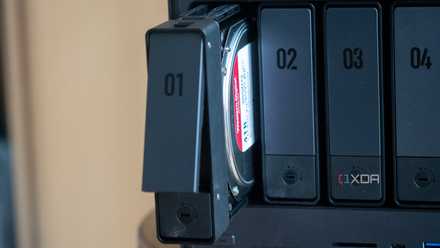
4 backup strategies for your personal NAS
If you want to back up your NAS, these are the backup strategies you should consider.
2 Get your backup and recovery software right
It’s the tools that can make or break the deal
Having reliable backup tools doesn’t just make life easier; it makes recovery possible when the worst happens. If you’re using a Synology NAS, Hyper Backup is a must-have to schedule regular backups to external drives, cloud storage, or even another NAS.
For more advanced needs, especially in enterprise setups, Veeam Backup & Replication offers more control and better backup verification features. If you’re a home or small business user looking for something simple, Acronis Cyber Protect Home Office offers both system imaging and file-level backups with built-in ransomware protection, though this tool is paid.
Whatever tool you pick, remember that the backup itself isn't enough — you need to regularly perform test restore runs from those backups to ensure their viability. A broken backup is as good as no backup at all.
1 Monitor smartly to catch issues early
Regular monitoring for the win
Prevention and recovery are two sides of the same coin, but it’s proactive monitoring that ties them together. Using real-time health monitoring tools like Netdata can give you early warnings about disk failures, resource overuse, or suspicious network activity before they turn into serious problems.
For additional protection, intrusion prevention tools like Fail2Ban can automatically block IP addresses after repeated suspicious login attempts, making it harder for attackers to brute-force their way into your NAS. Most NAS vendors also offer built-in security monitoring dashboards. These tools aren’t just optional extras; they are your early warning systems that can often make the difference between catching an issue early and dealing with a full-blown disaster. And if you decide not to use the tools mentioned here, even first-party alternatives that come preinstalled on all mainstream NAS models will do the trick, just make sure to use one or the other.

Follow these 5 steps to protect your NAS against ransomware and keep your data safe
Keep your data safe from malicious parties.
Keep your NAS drives from failing
Quite often, those spinning drives are the reason for NAS failures, resulting in extended downtimes and lost working hours. While NAS hard drives are less prone to failures, they are still hardware that could break down without warning. There are several ways to help you extend the lives of these drives and ensure that they run for years without fuss.
TerraMaster F4-424 Max
- CPU
- Intel Core i5-1235U
- Memory
- 8GB DDR5 non-ECC SODIMM (up to 64GB)
- Drive Bays
- 4 HDD bays + 2 NVMe SSD slots
- Ports
- 2x USB Type-A (10Gbps), 1x USB Type-C (10Gbps), 1x HDMI 2.0, 2x 10GbE RJ45
The TerraMaster F4-424 Max is a premium hybrid NAS enclosure that combines a solid Intel Core i5-1235U processor with ultra-fast 10GbE ports and ample storage capacity. It also supports up to 64GB RAM and is as amazing for home lab workloads as it is for storing your precious data,