
Windows 10 turns 10 this week, a ripe old age for any operating system. It's scheduled for end-of-life later this year, but it won't be forgotten, as many of the trend-setting features it introduced are now a staple of the computing landscape. Cortana might only live on in the Halo franchise, but the erstwhile voice assistant walked so that Copilot could run. OneDrive has permanently integrated the cloud into the desktop, and might never get untangled again.
Microsoft didn't have a smooth decade with Windows 10, with forced upgrades that caused chaos among the many missteps, but overall, Windows 10 will be remembered fondly, and some users have sworn to never upgrade to Windows 11. Maybe Windows 12 will catch their eye, which will undoubtedly carry many of the features on this list, along with new ones, to form firm opinions about.
Windows 10 is Microsoft's most successful failure
Over a billion users later, Microsoft didn't deliver most of its promises
10 Operating System-as-a-Service
The continuously upgradeable Windows model was born
Windows 10 introduced a new update model: a continuous rolling cycle that promised two major updates a year, when features were added, and smaller updates throughout the year, with security and bug fixes. That was a big change from expecting major versions of Windows every few years, and turned the operating system into a service, instead of a product. Now almost every operating system works similarly. Unlike Microsoft 365, Windows 10 (and now Windows 11) has never charged for updates, and hopefully that stays true.
The transition to the service model wasn't smooth, with growing pains over updates and a crunch timetable that saw the bi-annual updates turn into yearly ones. But the model is still going strong, and we expect Windows 12 will continue this. Windows 11 still has Windows 10 under its new paint job, so while the name has changed, the underlying service has not.

Tired of dealing with Windows updates? Here's how to automate them with PowerShell
Make your life easier
9 The free upgrade strategy
Would W11 have so many users without it?
Microsoft had a problem of its own making. Since it pretty much owned the PC operating system market, it was competing against its earlier versions of Windows, and that was a problem when the company wanted to modernize how the kernel worked. Gamers loved Windows 7, but they also loved Windows XP and had no plans to upgrade to the universally reviled Windows 8.
The solution was novel, especially for Microsoft, which famously planted the seeds of the paid software market all those years ago. Give away Windows 10 as a free upgrade to anyone on Windows 7, Windows 8.1, or Windows Phone 8.1, without increasing the hardware requirements to run it. It was a one-two punch, with Microsoft wanting a billion users by year three (which would take five years instead).
The OS-as-a-Service model was born, spreading to PCs, phones, VR and AR glasses, IoT devices, and many more. The free upgrade was never properly turned off, even though it was only supposed to last for a year, and Windows 10 became the largest operating system install base.

3 roadblocks for Windows 11 upgrades that still exist
Microsoft wants upgrading to Windows 11 to be a painless process, but there are still a few things preventing people from making the jump.
8 DirectX 12
Multicore CPU support and updated draw calls to the GPU made games better (once developers got used to it)
Windows 10 brought a huge leap forward for PC graphics in the form of DirectX 12. The latest version of the DirectX graphics library introduced more low-level APIs so that games could take advantage of more of the power in your graphics card. It also properly supported multicore CPU workloads for the first time, boosting overall performance.
DirectX 12 is continually getting new features. It now has DirectX 12 Ultimate, which adds DirectX Raytracing, Variable Rate Shading, and other improvements to Windows 10 and Windows 11 computers. The big change was to unify the graphics platform between PC and Xbox so that developers could build one version and have it run on both with the same feature set.

6 free apps that will level up your gaming PC
I couldn't imagine my gaming PC without these apps.
7 Windows Insider Program
Millions more beta testers made Windows 10 better
Windows 10 introduced a new way of handling beta testing, the Windows Insider Program. This program allowed anyone to sign up and test early builds of Windows 10, with the same access as developers. This marked a seismic change in the number of testers for Windows, with millions of people signing up early on, including me. I couldn't resist getting my hands on new features before the rest of the public, and the program was exciting. It became less so over time, with Microsoft doing A/B testing, so some users got different features than others, or would skip the Canary or Dev channels and go straight to the Beta or Release Preview channels, taking the shine off the experience for those like me who lived in the fast lane.

Explaining the Windows Insider Program channels for Windows 11 betas
Microsoft's Windows Insider Program can be confusing if you're new, so here's everything you need to know for testing the Windows 11 beta.
6 Inbuilt advertising
Not everything Windows 10 brought was good
The free upgrade to Windows 10 came with built-in advertising in the operating system's usual UI. Whether it was pinned tiles on the Start menu that took you to the Microsoft Store to install the game or app in question, or notifications that suggested you upgrade your OneDrive storage quota or other Microsoft products, it soured many users on Microsoft's tactics. The ads haven't gone away with Windows 11, and Microsoft has been putting new ones in both operating systems ever since.

Ranking all the Windows Start menus, from worst to best
The Start menu has evolved (and devolved) quite a number of times since its debut on Windows 95
5 Windows Hello
Biometric logins are fantastic
Windows Hello is one of my favorite features, and it was introduced with Windows 10. It allows for biometric unlocking of your computer, whether tied to your fingerprint, your face (thanks to an infrared camera), or a backup PIN code, just in case. It's one of the reasons Windows 11 requires a TPM chip, but that wasn't a requirement for Windows 10. Once set up, you can access your computer at a glance, making security easy and convenient.

How to set up Windows Hello on your PC
Fingerprint readers and facial recognition make it easier to unlock your PC. Here's how you can set up Windows Hello to get started.
4 WSL (Windows Subsystem for Linux)
Being able to run Linux VMs that integrate into Windows is awesome
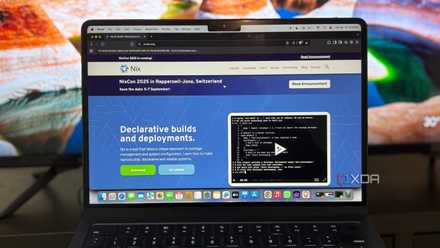
The Windows Subsystem for Linux has undergone some changes since it first appeared in Windows 10. While the first version didn't use a full Linux kernel, WSL 2 leverages Hyper-V to run the whole Linux kernel from your Windows desktop. Crucially, it sidesteps many of the issues of running VMs, allowing the WSL 2 installations to use your GPU with OpenGL passthrough. The other great thing? No having to worry about GRUB overwriting your Windows boot sector, or any of the other pitfalls of dual-booting.
4 reasons I use NixOS in WSL instead of Ubuntu or Fedora
NixOS outperforms popular Linux distros
3 Unified user experience across devices
Whether you were on PCs, tablets, or phones, it felt the same everywhere
Previous Windows versions had a fragmentation problem, with fundamentally different versions built for mobile, desktop, and console. Windows 10 took a unified approach, with a common core across all platforms. Remember, this wasn't just a desktop operating system. Microsoft still made an operating system for phones back then, and the HoloLens, which ran a version of Windows 10 designed for AR. There was a version for IoT devices in the works, and, of course, the Xbox core was Windows 10.
Microsoft then took this further with the Universal Windows Platform (UWP), making it technically possible to build one app and run it on every platform. It didn't work out so well, but the idea was great. And Continuum took the concept one step further, allowing those UWP apps to adapt between mobile, laptop, tablet, and desktop modes, scaling to fit the confines of the device you were using. It would have been perfect for Windows-based gaming handhelds like the ROG Ally X but alas, Microsoft no longer has UWP in active development.
2 Touchscreen PCs have become mainstream
I'm not sure if this was a good thing, but it happened
Microsoft tried several times to make touchscreen computers a viable option, including the ill-fated Windows 8 and its tile-based Start menu, which was one of the most polarizing Windows changes. But it wasn't until Windows 10 that touchscreens became a mainstream tool on laptops. Windows 10 has a tablet mode designed for touch-first interfaces, increasing the taskbar and other elements so they can be tapped more easily. Apps were designed with touch in mind, and a new generation of users who grew up on touch-first phone interfaces entered the workforce. And the importance of 2-in-1 convertibles with stylus support can't be understated in terms of touchscreen adoption, along with industries like healthcare and education embracing touchscreen tech.

Lenovo's Yoga 7 is (still) the convertible laptop most people should buy
This year you get OLED as part of the bargain.
1 Better security by default
Windows Defender, ransomware protection, Device Guard, and virtualization-based security all appeared
Before Windows 10, security was something you added after installing Windows. The highly profitable third-party antivirus marketplace clearly indicated this, but with the release of Windows 10, Microsoft brought many security features in-house. Windows Defender has become a capable security suite and has consistently ranked among the best antivirus programs for Windows since its introduction. App & browser control, core isolation, ransomware protection, and more are all included for free and only require a toggle to get protection running. It's a new era for security on Windows, away from the flashy, expensive subscriptions of third-party solutions. Plus, you get BitLocker for encrypted storage, Secure Boot to keep your PC safe before the OS loads, and other tools to keep your Windows PC secure.

I abandoned third-party antivirus tools, and here's what I do instead
Windows has excellent built-in security protection, and I abandoned antivirus software and do this instead.
It's no surprise that people don't want to upgrade because Windows 10 was awesome
Microsoft set the tone for many segments of the operating system market with Windows 10, and those ideas are still going strong in Windows 11 and OSes from other developers. It didn't always connect, but it swung for the fences with every feature, and some made it out of the park. I've upgraded all my PCs to Windows 11, but I can't fault those who want to keep the glory days of Windows 10 alive on their machines.