
Has your router or other networking hardware been running without a break for years now? Even if you haven't noticed your Wi-Fi connection slowing down or don't want multi-gig Ethernet, there's every chance your router needs an upgrade. Wi-Fi standards are updated every few years, Ethernet gets faster, and security features come out that make our home networks safer. Think about the last time you even logged into your router, let alone checked if it was overheating or working properly. If the answer is "a while ago" or anything other than "recently," it's time to think about whether you should replace it.

Five essential things to keep in mind when building your home network
Save yourself some time, effort and trouble by considering these things when building out your home network
8 Sluggish performance
If your network is performing below expectations you might want to upgrade things
While networking issues can result from a wide range of problems that might not involve your networking hardware, if every device on your network is having issues, it's more likely that your router or other home networking gear is at fault. Sluggish performance that persists after rebooting the router and your computer or phone is a clear sign that aging hardware is struggling with the network load.
If your router is old enough, it might be missing advanced features like Quality-of-Service that prioritize data accordingly so that every device gets its fair share of bandwidth and doesn't slow down other devices at the same time. If streaming media or large downloads clog up your home network for everyone, a newer router can help with the congestion caused and make it a better experience for everyone.
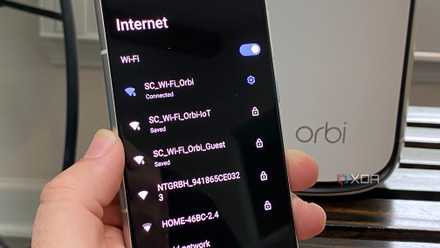
Is your internet connection slow? Try these steps to fix it
Save yourself some frustration
7 Frequent glitches
Dropped connections or random router reboots are a clear sign
The thing about networking equipment is that unless there's a problem, most people just forget it's there. That's okay, mostly, because consumer devices are designed to be left alone after the initial setup. But if you've started noticing that you have dropped Wi-Fi connections in parts of your home that worked fine before, or odd wired network behavior, random router reboots, and other oddities, those are all clear indications that it's time to replace your networking hardware.
The more frequent the glitches, the closer to the router's working life it is, and you should plan its replacement. Mesh router kits best serve larger homes or multi-floor ones, while apartments and smaller homes are fine with a single good Wi-Fi router.

10 ways to make your home network more resilient to outages
Nobody likes having their home network offline, especially if they work from home.
6 When it reaches the end of manufacturer support
You don't want to run network gear without ongoing security updates
Networking equipment gets firmware updates for security fixes, bug squashing, and new features, generally for a certain number of years after it first launches. It's no different from any other computing device in that regard, and that means one day, the manufacturer will pull the plug on updates. If you're lucky, you might get the occasional firmware update for severe security issues, especially if the router or whatever was manufactured in the last decade. If you're not lucky, like a whole bunch of D-Link owners found out recently, then you'll end up with an advisory to upgrade your hardware.
But really, even if you do get that odd security update from time to time, that's when you know you should start planning for that device's replacement. It's done its job faithfully for years, it's no longer really getting any support from the manufacturer, and it's becoming a security liability when it's supposed to be there to help keep your home network safe.

How to update your router firmware
Your router acts as your first line of antivirus defense
5 When you want support for new features
Wi-Fi version upgrades are a big reason, as is better security
Have you noticed your Wi-Fi speeds aren't what you expect from the device you're connecting from? Or have you upgraded to newer computers, phones, or other devices that come with 2.5GbE or 10GbE wired network ports and want to use them? It's time to upgrade your aging home network, which might be years behind in connectivity protocols. Maybe it's still using 2.4GHz wireless only, which isn't out of the question if the Wi-Fi router you are using is from 2009 or earlier. Adding 5GHz or even 6GHz support with new hardware will increase reliability and speed and reduce congestion on every wireless device in your home.
Newer networking equipment doesn't just mean support for the fastest and most stable Wi-Fi versions or Ethernet that's faster than 1GbE. It often means more than two Wi-Fi radios, so you can have more devices connected at one time. It also means better security standards, like WPA3 encryption, which is far more secure than even WPA2 and almost bulletproof compared to how easily WEP can be cracked.
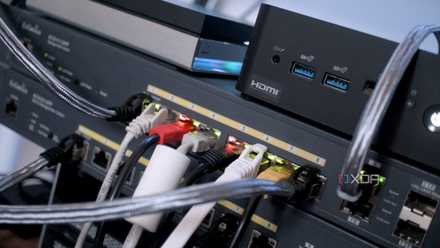
5 reasons you might want to upgrade to 2.5GbE for your home network
With more devices supporting 2.5GbE, upgrading your home network is worth thinking about
4 If you upgrade your internet plan
Your router might not be able to keep up
If you've had a network speed upgrade, either from upgrading your plan or from your ISP increasing your speeds, your existing network hardware might not be able to keep up. Cable modems recently started supporting DOCSIS 3.0, which enables faster-than-gigabit download speeds. If your modem is old, it's likely using older connectivity standards.
Even if you have fiber internet, there's no guarantee that the router you've got inside the house can comfortably use the speeds coming into it. The ONT outside that converts the fiber connection to internal wiring will be able to, but to take full advantage of the speeds available on your plan, you might want to ditch that old router and get a newer one.

4 reasons you should upgrade your router before your internet plan
If you want faster speeds and better performance, a new router might be all you need.
3 If you add more devices to your network
The newer the router, the more devices it can support
Networking devices like routers are designed to let a certain number of devices connect to them at any one time. These limits were often small in the days before smart homes, smartphones, and other portable devices like PC gaming handhelds. Manufacturers certainly weren't expecting that everything would be Wi-Fi enabled, that homes wouldn't all have Ethernet ports, and that any one family member could have a dozen or more devices to connect.
But that did happen, and the arbitrary limits of 50 or even 250 devices connecting to one router are no longer relevant to today's computing landscape. Once that limit gets reached, the router will start kicking off idle devices when new ones connect, and it could be perpetually doing that if you have enough devices. To increase your household limit, the easiest way is to upgrade to a mesh router setup. That's because each node will be able to connect the same number of devices, so you could 2x or 3x the number of supported devices overall.
It's a better option than adding Wi-Fi extenders, which come with a hefty speed penalty. However, you could also use wireless access points hardwired to your main router, which would increase the number of supported devices depending on the AP's limits.
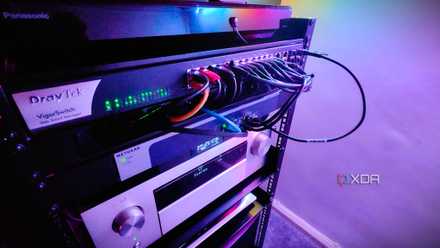
6 things you need to know before setting up VLANs on your home network
VLANs are super handy for organizing your network, but you need to do some prep work first
2 If you hate the ISP router
We get it. They're generally not very good
If you're still using the router your ISP installed when they first connected your internet, it's likely woefully out of date. ISPs will avoid upgrading you unless they absolutely have to because it's not in their interest to give you the latest Wi-Fi speeds or other connectivity features you might want. Most users don't even think about their router after that first install because as long as it's kind of working, they forget it's there.
But that ISP-provided router is probably the worst thing on your network. It might be enough for the internet plan you originally subscribed to, but it probably won't support connecting that many devices or the latest connectivity standards. If you've had it long enough, it won't have the latest Wi-Fi version, meaning your connectivity is already suffering. Upgrading your router, in this case, even if it's just asking the ISP for its latest model, will improve your home network.

7 reasons your ISP-provided router is the worst thing about your internet connection
If you're still using the router your ISP provided, it's time for a change.
1 If your equipment is overheating
All electronics get warm, but they shouldn't be too hot to touch
Network hardware, like any other electronic device, often produces heat. While prosumer and enterprise hardware often have metal enclosures to wick away heat or tiny fans to pull cool air across tortured PCBs, consumer tech is often left to its own devices. This isn't the best situation, but the hardware is designed to stay within the operating temperatures of the chips used.
But if you start seeing issues when multiple devices are streaming video, or playing games, or even browsing the net, do a quick check to see how warm your router, switch, or AP is. If it's too warm to touch, it's likely overheating and causing the issues. Try clearing a space around the hardware so it has plenty of air circulation, but if that doesn't work you might want to think about upgrading.

5 features you should always look for in a network switch
If you're planning to buy a new switch for your home network, you should give to top priority to these features
Networking equipment isn't designed to work forever
Your networking hardware wasn't designed to be in continuous service forever, whether it was a consumer router or enterprise gear. As a general rule of thumb, routers and switches are designed to last five years or so, Wi-Fi access points for three years, and cables are generally good for a decade. Any time your network equipment gets near those dates, it's time to start thinking about upgrades or replacements. Wi-Fi and security standards move that quickly anyway, and you'll want to keep your hardware current so that it provides less of an inviting target to cybercriminals.