|
VOOZH | about |
|
VOOZH | about |
THE ASAHI SHIMBUN
December 15, 2023 at 18:08 JST
👁 Photo/Illutration
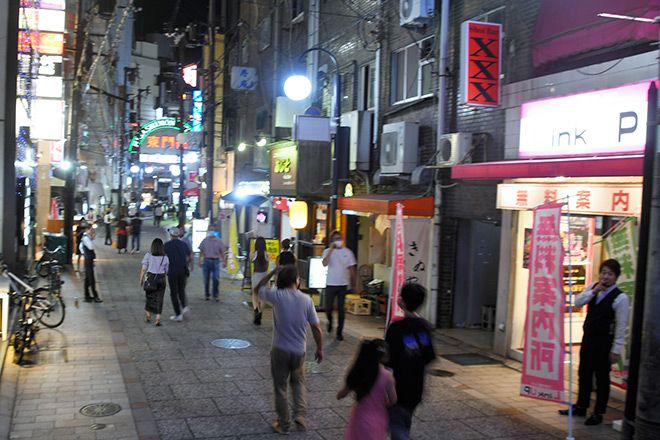
Entertainment districts are believed to be hotspots for extortion attempts by gangsters. (Asahi Shimbun file photo)
NAGOYA—A court here rejected arguments about the statute of limitations and sharply raised the compensation amount that a crime syndicate boss and another gangster must pay to an extortion victim.
The Nagoya High Court on Dec. 14 told Kenichi Shinoda, head of the Yamaguchi-gumi, the nation’s largest yakuza group, and a senior member of an affiliated organization to pay 7.51 million yen ($53,000) to a man in Aichi Prefecture.
That amount is up from the 470,000 yen awarded by the Nagoya District court.
According to the high court ruling, the man, a business operator, paid a total of 7.7 million yen in “protection money” to gangsters over 10 occasions between 2005 and 2016.
The district court calculated damages for only two installments for which the three-year statute of limitations under the Civil Law had not expired.
But the Nagoya High Court ruled that the gangsters’ collection of nine installments was illegal.
“(The accused) are not allowed to claim that the statute of limitations has run out because such arguments are tantamount to an abuse of rights,” the ruling said.
According to the plaintiff’s lawyers, the ruling is the first in Japan to reject gangsters’ claims against paying compensation because the statute of limitations has expired for their shakedowns.
“The decision offers hope for victims who have given up on seeking compensation because a long time has passed since they made payments,” a lawyer said.
Shinoda, also known as Shinobu Tsukasa, was held responsible for the affiliated gangster’s actions based on employer’s liability stipulated under the anti-organized crime law.
The high court acknowledged that the statute of limitations has expired for most of the extortion payments.
But it said the plaintiff was not in a mental condition that allowed him to make a reasonable response because he was threatened by the gangsters.
The ruling said the plaintiff could not claim compensation because of the gangsters’ illegal demand for protection money.
A peek through the music industry’s curtain at the producers who harnessed social media to help their idols go global.
A series based on diplomatic documents declassified by Japan’s Foreign Ministry
Here is a collection of first-hand accounts by “hibakusha” atomic bomb survivors.
Cooking experts, chefs and others involved in the field of food introduce their special recipes intertwined with their paths in life.
A series about Japanese-Americans and their memories of World War II
Some articles on this website may contain content generated by artificial intelligence programs.
Copyright © The Asahi Shimbun Company. All rights reserved. No reproduction or republication without written permission.