Cal AI review (2026): Calorie tracker accuracy and pricing


Last edited October 6, 2025
It feels like AI is popping up everywhere these days. From drafting emails to creating wild images, AI tools are trying to simplify just about every part of our lives. One of the most talked-about examples is the Cal AI nutrition tracker, an app that claims it can make the headache of calorie counting as easy as snapping a picture of your lunch.
In this post, we’ll take a look at Cal AI, how it works, and what actual users think about it. But we're going to dig a little deeper than that. The complaints and challenges that keep showing up in reviews offer some really important lessons. For any business thinking about using AI for something important like customer support, where things like accuracy and trust are non-negotiable, the story of Cal AI is a pretty good playbook on what to watch out for.
What is Cal AI? (and what it isn't)
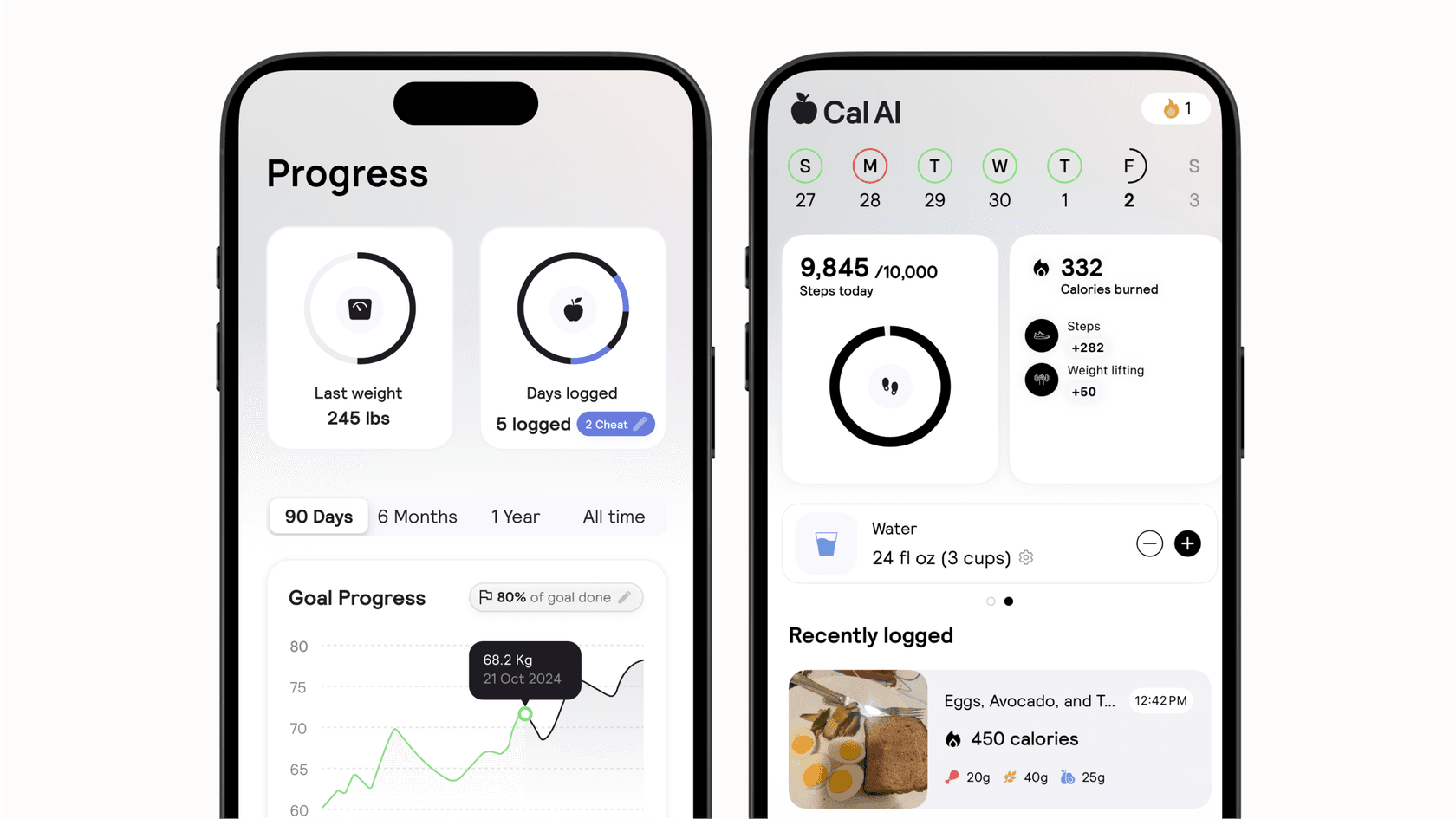
Simply put, Cal AI is a mobile app that wants to do the heavy lifting of nutrition tracking for you. You take a photo of your meal, and its AI model chews on the data to estimate the calories, protein, carbs, and fat. The whole point is to skip the tedious process of searching for every ingredient and making a wild guess at portion sizes.
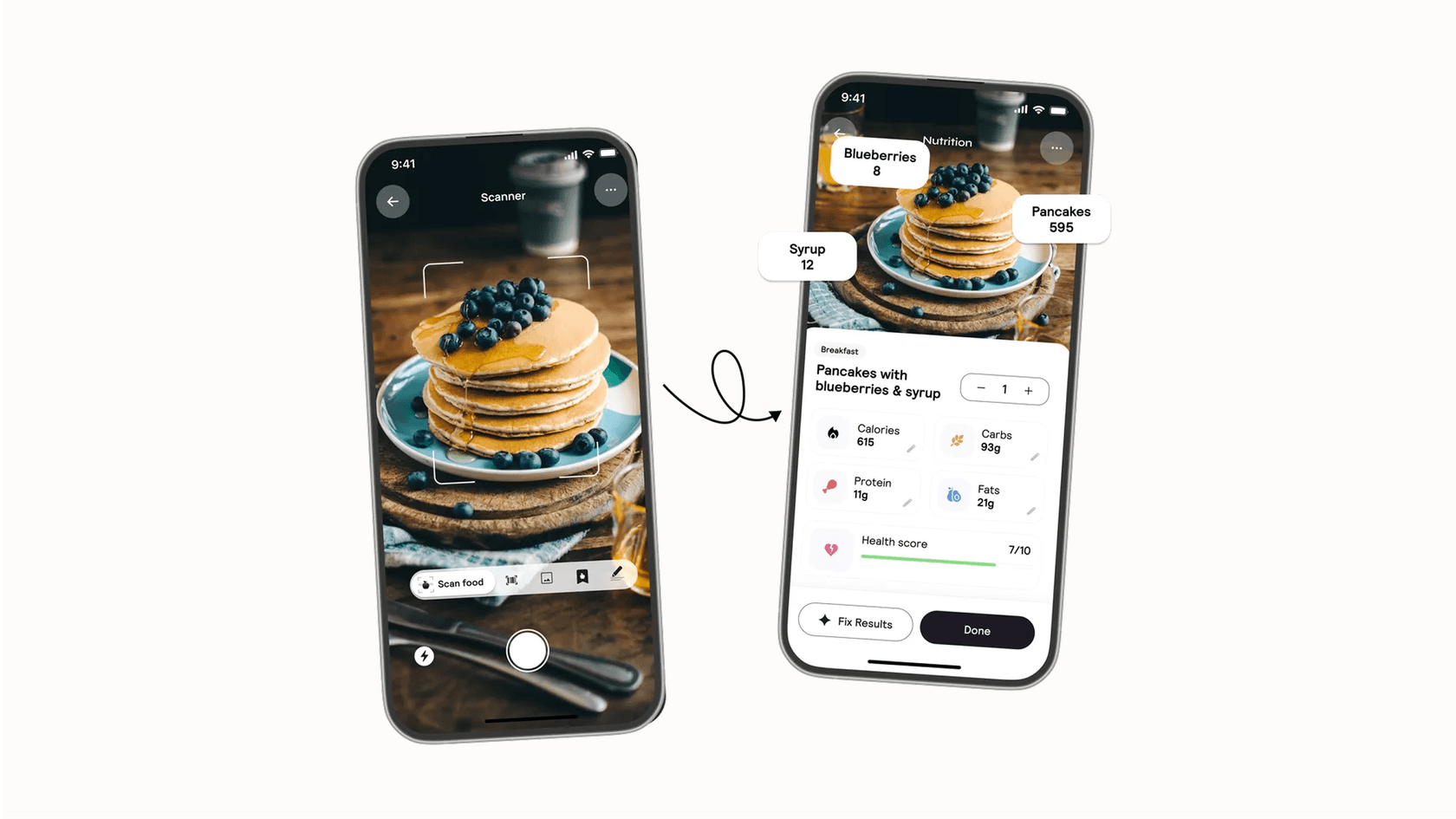
The app's origin story is as modern as its technology. According to CNBC, it was co-founded by an 18-year-old, Zach Yadegari, and it blew up almost overnight. It just goes to show how much people are looking for simple AI solutions to their everyday headaches.
It's also worth clearing up a bit of name confusion. If you search for "Cal AI," you might stumble upon a scheduling tool from "Cal.com" that has an AI feature with the same name. They’re totally different things. This article is all about the nutrition and calorie tracking app that you've probably seen on Reddit or in the App Store.
The promise of Cal AI: Convenience through AI
So, why did an app like Cal AI get so popular? It's pretty simple: it tackles a real pain point. Anyone who's ever tried to track their food knows what a drain it can be. You’re constantly weighing things, scrolling through databases, and logging every last bite. Cal AI’s big promise is to automate that whole mess, turning a chore into a quick photo.
This is a great parallel to the challenges businesses face, especially in customer support. Support teams are often drowning in repetitive, manual work. They spend hours answering the same basic questions, tagging tickets by hand, and figuring out who to send an inquiry to. It’s draining work that leads to burnout and slow response times, which is the last thing a waiting customer wants.
The dream of AI in business is basically the same as the promise of Cal AI: let the machines handle the grunt work so your team can focus on what people do best. And that’s the same goal for business tools, like an AI Agent. Instead of analyzing a photo of a salad, these agents can be trained on your company’s specific knowledge, your help docs, internal guides, and even thousands of past support conversations. They can handle those common questions instantly, freeing up your human agents to solve the tricky, high-stakes problems that really matter to customers.
The hidden costs of Cal AI: When convenience breaks trust
While the idea behind Cal AI is solid, the reality shows some of the cracks you often find in consumer-grade AI. When you start reading through Reddit threads and app store reviews, you see a pattern of complaints. These aren't just about one app; they're warning signs for any business looking to bring AI into their workflow.
The problem with Cal AI's 'good enough' accuracy
A running theme in user feedback is that Cal AI is "pretty good," but far from perfect. But that 10% gap is a big deal. The AI has trouble spotting hidden ingredients like cooking oil or sugar, it can’t always figure out what’s inside a sandwich, and it often gets portion sizes wrong. If you’re just casually watching what you eat, being off by 50-100 calories might not matter.
But for a business, 90% accuracy means a 10% failure rate. Can you imagine a customer support AI that gives the wrong answer one out of every ten times? If it messes up your refund policy, gives a faulty troubleshooting step, or gets an order status wrong, you haven't saved any time. You've just created a new problem, annoyed a customer, and given your human agents a mess to clean up. Trust disappears pretty quickly.
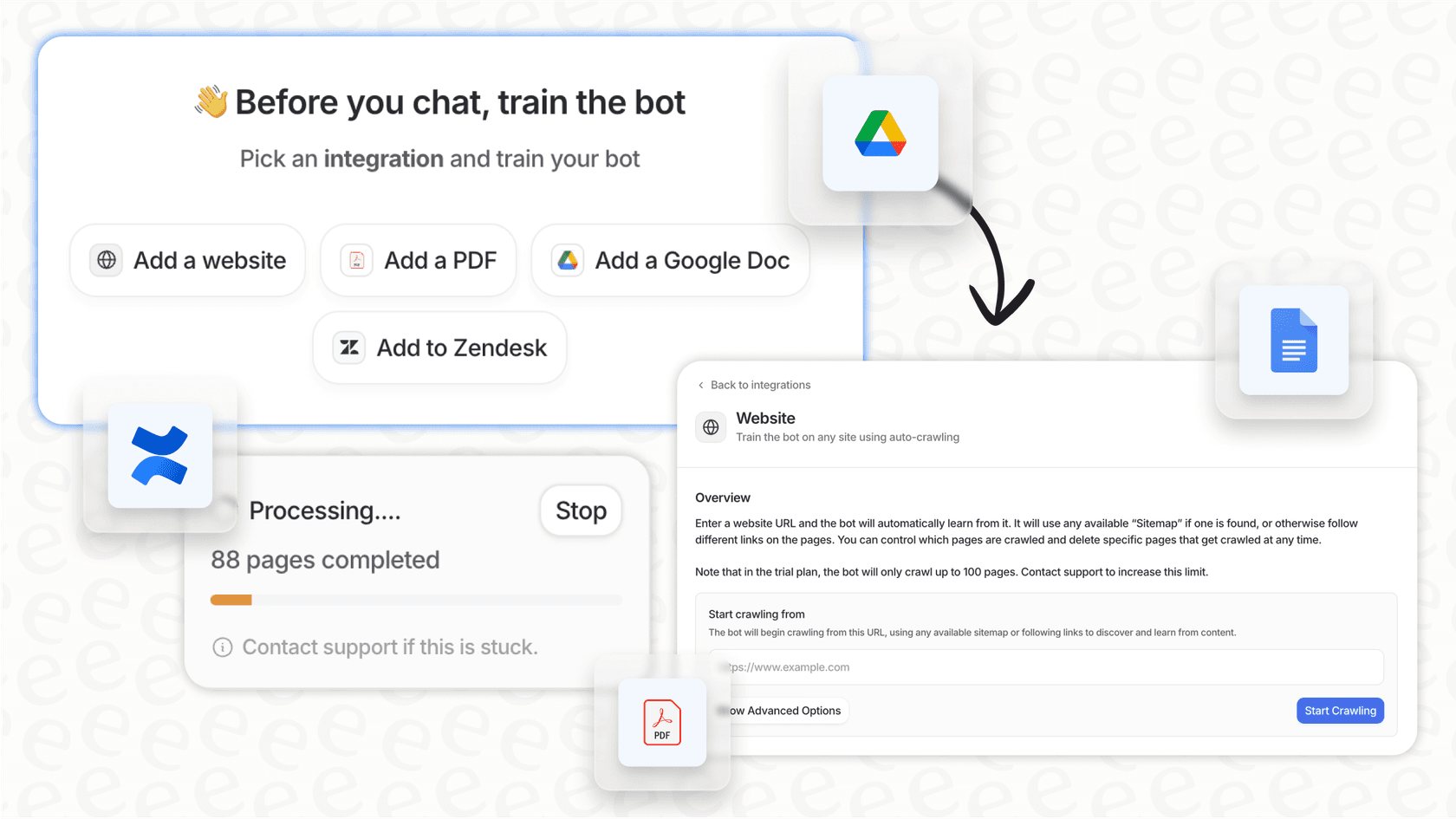
This is why AI built for business has to play by a different set of rules. It can't just pull from generic, public data. A serious AI platform like eesel AI has to learn from your verified company knowledge. By connecting it directly to your trusted sources, whether that's an internal wiki in Confluence, official docs in Google Docs, or the solutions buried in past Zendesk tickets, you can make sure the answers it gives are right on the money.
The Cal AI 'black box' issue: No control, no transparency
Another thing that frustrates Cal AI users is the lack of control. When the AI messes up and thinks sausage is steak, all the user can do is manually fix the entry afterward. There's no way to teach the AI or tell it what to look for. It just spits out an answer, and you have to take it or leave it.
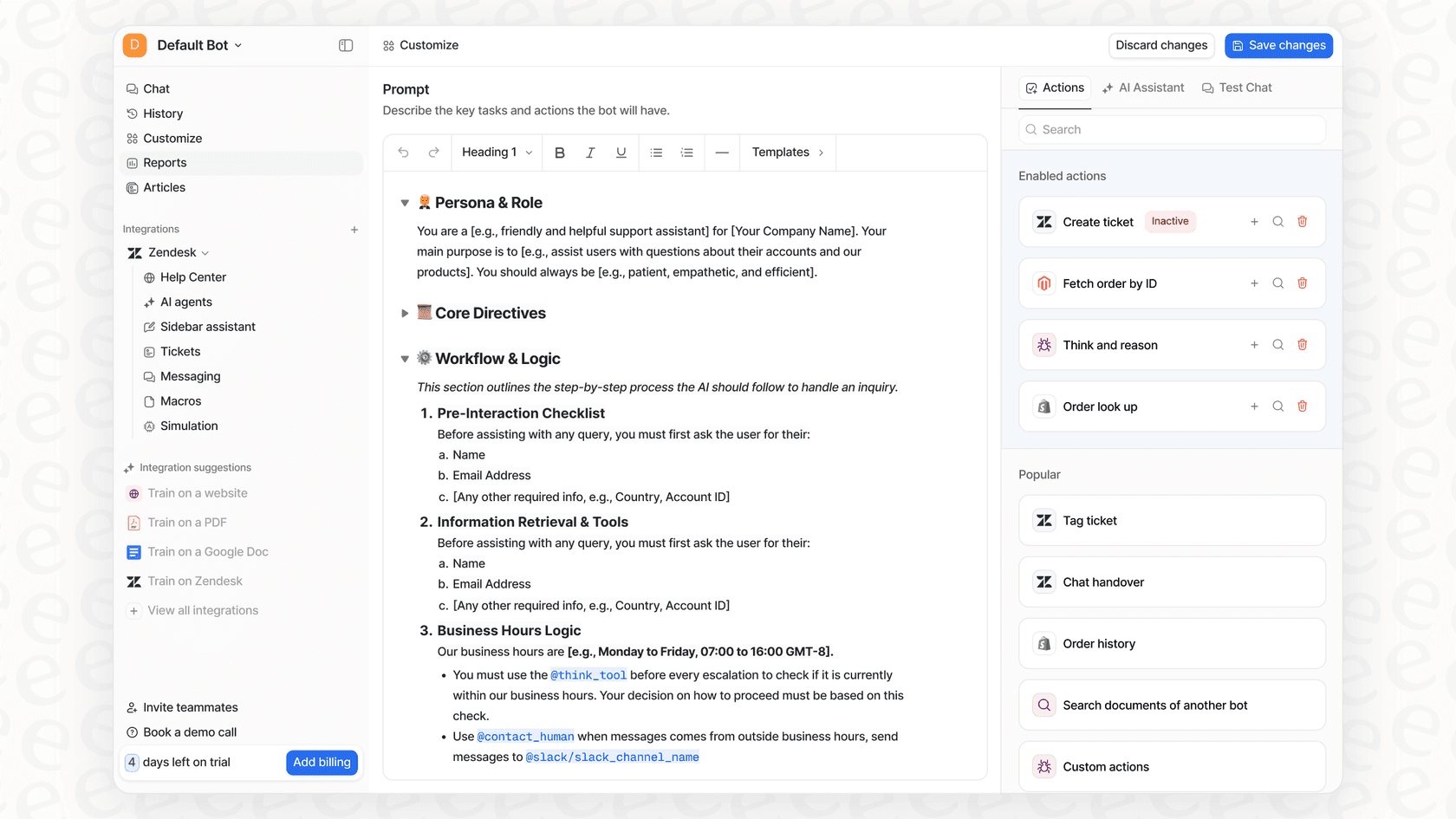
That kind of hands-off approach just doesn't fly in a business setting. You need to be in control. You have to define how the AI should talk, what it knows, and what it’s allowed to do. For example, what should happen if a customer uses the word "refund"? Should the AI try to handle it, or pass it straight to a human? You need the ability to make that call.
This is a huge difference with a business-focused AI platform. With eesel AI, for instance, you get that control. You can set the AI's exact tone of voice so it sounds like your brand. Even better, you can create custom AI Actions. This lets your AI do more than just answer questions; it can actually perform tasks. You could set it up to look up live order info from Shopify, update a ticket in your helpdesk, or send a conversation to a specific team based on certain keywords. You get full command over the workflow, turning the AI from a simple Q&A bot into a real automated agent.
The Cal AI risk of going live without a safety net
Cal AI users find its limits by just using it and seeing what happens. As one reviewer mentioned, they spent time double-checking its math only to find it was off. They're basically testing the product in real-time and finding its flaws along the way.
For a business, throwing an untested AI at your customers is a huge gamble. It's like hiring a new support agent and putting them on the phones without a single day of training. You're putting your reputation on the line with every conversation.
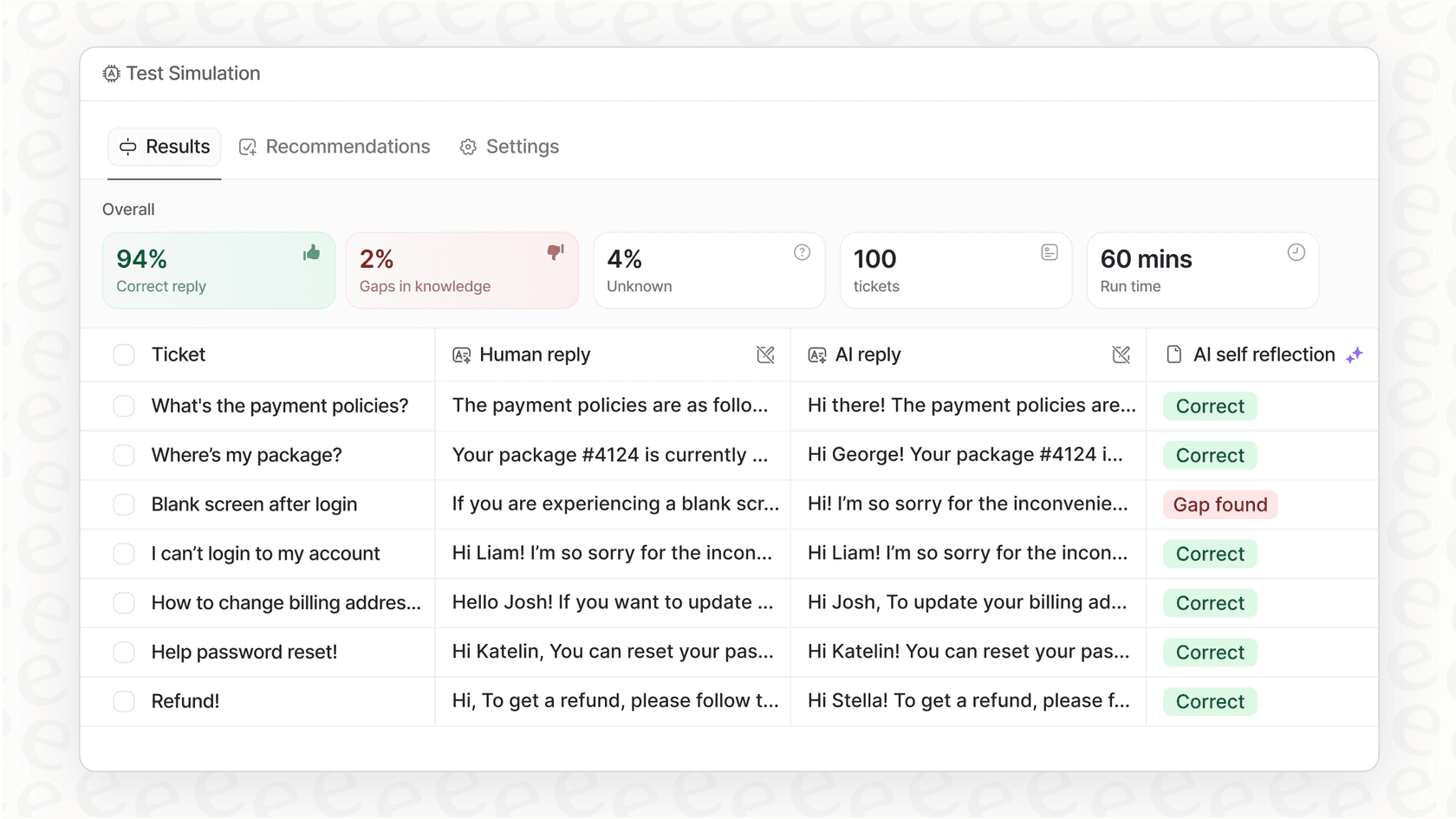
That's why a safe testing environment is so important for businesses. eesel AI was designed with this in mind, offering a simulation mode that lets you check everything before you go live. Before your AI ever chats with a customer, you can run it against thousands of your past support tickets. The simulation will show you exactly how the AI would have answered real customer questions, give you a solid forecast of your automation rate, and help you spot any holes in your knowledge base that you need to patch up. It lets you fine-tune the AI and launch it feeling confident about how it will perform.
Cal AI pricing
According to its App Store page and news articles, Cal AI is free to download, but the main feature, scanning your food, is behind a paywall. The price is listed as $29.99 per year, with other in-app purchases also available.
Unfortunately, the app's convenience seems to be a bit soured by its business practices. Several users on Reddit complained about confusing billing, "fake discount pages," and getting charged without a clear trial period. One user even described getting the "run around" while trying to get a refund, which just shows how important clear and honest pricing is.
For businesses, predictable pricing isn't just a nice little extra; it's fundamental for planning your budget. It’s a common story with some AI tools. They use a "pay-per-answer" model, which seems fine until you have a busy month and your bill suddenly shoots through the roof. That’s why eesel AI uses a simple subscription model with no per-resolution fees. You pay a flat rate, so your costs stay predictable, even when you get a surge in support tickets.
Cal AI: From consumer hype to business reality
Cal AI is a really interesting example of AI in the wild. It shows how excited people are for AI that can solve their problems. But if you look just under the surface, it also reveals the weaknesses of many consumer apps: spotty accuracy, no real user control, and murky business practices.
When you're picking an AI tool for your business, the stakes are way higher. You're not just logging a meal; you're dealing with customer relationships, your brand's reputation, and sensitive information. For things like customer service, IT support, or even internal helpdesks, you need AI that's built on a different foundation:
-
Accuracy: It needs to be accurate, learning from your actual company knowledge, not random data off the internet.
-
Control: You should be able to customize everything, from workflows to tone of voice, to fit your business.
-
Confidence: You need the ability to test and simulate everything safely before it ever touches a real customer.
-
Transparency: The pricing should be clear and predictable, so you're not in for any nasty surprises.
The limitations you see in apps like Cal AI are the very reason we built eesel AI for businesses. It's a platform that puts you in the driver's seat, lets you test with confidence, and brings all your scattered knowledge together in one spot. You can get up and running in minutes, not months, and see for yourself what a difference a business-ready AI can make.
Frequently asked questions

Share this article

Article by
Stevia Putri
Stevia Putri is a marketing generalist at eesel AI, where she helps turn powerful AI tools into stories that resonate. She’s driven by curiosity, clarity, and the human side of technology.