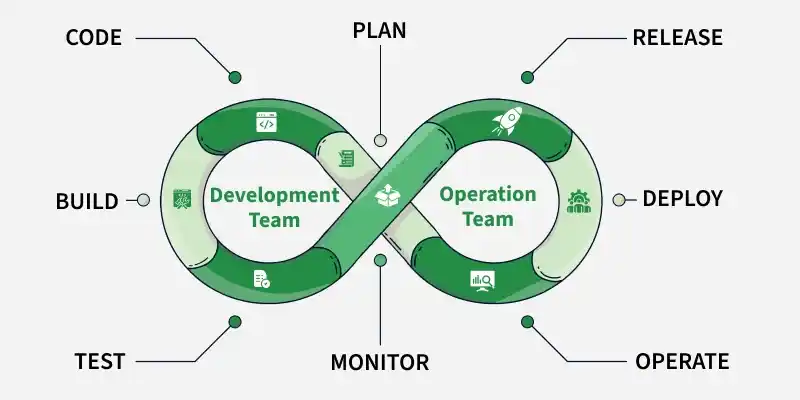
The DevOps Lifecycle is a continuous, looping process that bridges the gap between software development (Dev) and IT operations (Ops). Unlike traditional models where development and operations were siloed steps, DevOps integrates them into a single, infinite loop of collaboration, automation, and feedback.
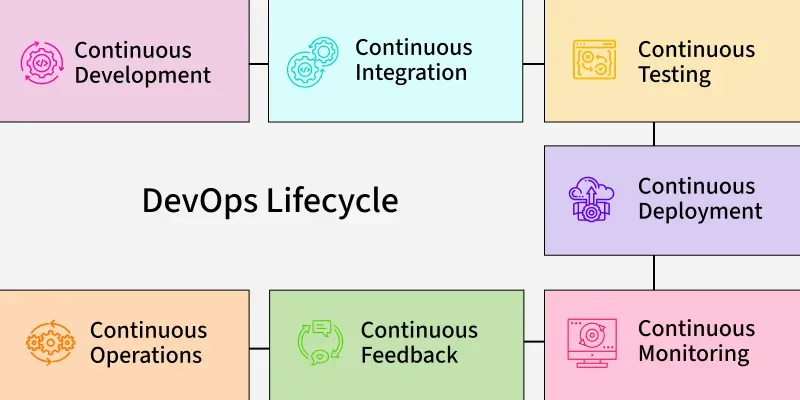
The 7 Cs of DevOps are core principles that help make DevOps successful. They guide how teams work together, build, test, and deliver software faster and more reliably. Each of these Cs contributes to a workflow that enhances the quality, speed, and reliability of delivering software products:
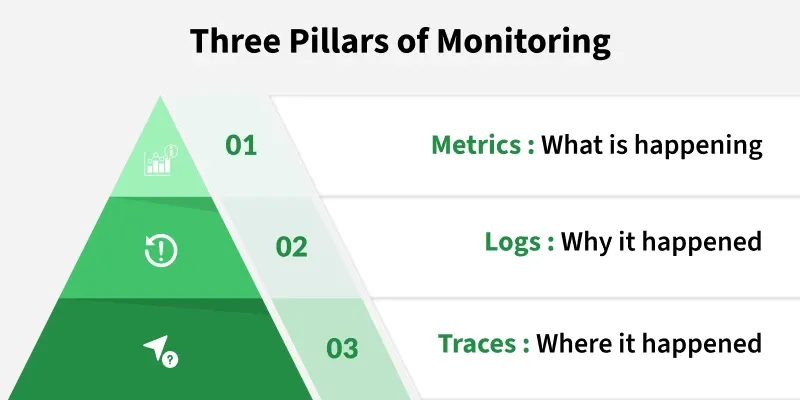
Example: If the app slows down during dinner rush, Prometheus alerts the team, and Grafana shows exactly which server is struggling.
6. Continuous Feedback
This involves collecting and analyzing data from end-users to improve the product. It creates a loop between the user and the developer.
Focus: App reviews, error reports, and user surveys.
Example: Users report that map tracking is laggy; the team analyzes this feedback and prioritizes a fix for the next update.
7. Continuous Operations
The goal is to eliminate downtime. Maintenance and updates are performed in a way that the application remains available to users at all times.
Focus: High availability and uptime.
Example: Updating the payment gateway in the background while users continue to order food without noticing any service interruption.
Best Practices of the DevOps Lifecycle
The DevOps lifecycle is a continuous loop of development and operations designed to bridge the gap between building and deploying software through automation and collaboration.
1. Culture & Collaboration
Foster Shared Responsibility: Break down silos between Dev and Ops to align on common goals and faster issue resolution.
Continuous Learning: Conduct retrospectives and prioritize iterative improvements based on team feedback.
2. Automation & Infrastructure
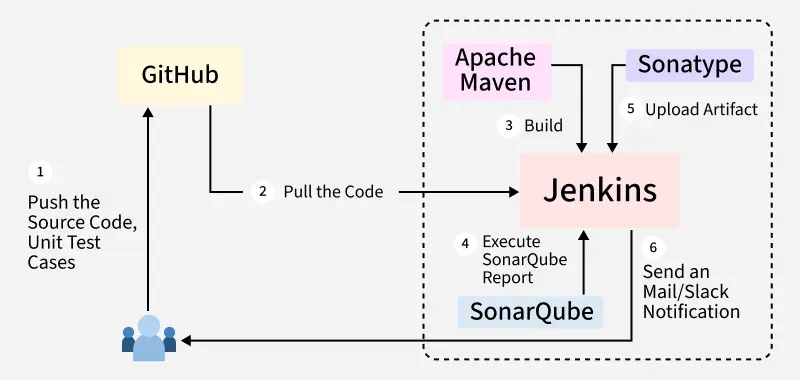
CI/CD Pipelines: Automate code integration and delivery to catch bugs early and accelerate release cycles.
Infrastructure as Code (IaC): Use tools like Terraform or Ansible to manage environments via code, ensuring consistency and repeatability.
Automated Testing: Implement robust test suites to validate changes instantly and reduce manual overhead.
3. Architecture & Security
DevSecOps: Shift security "left" by integrating vulnerability scanning and compliance checks early in the pipeline.
Microservices: Use independent, modular services to improve scalability and allow for isolated updates.
4. Visibility & Versioning
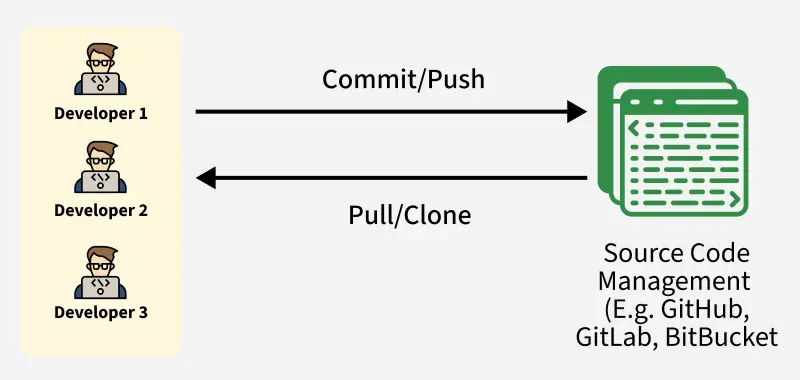
Version Control: Utilize Git to track every change, enabling seamless collaboration and easy rollbacks.
Continuous Monitoring: Use tools like Prometheus or ELK Stack for real-time visibility into system health and performance.
5. Feedback Loops
Continuous Feedback: Use data from stakeholders and monitoring tools to drive informed, user-centric development.
The Future: DevSecOps (Shifting Left)
In traditional models, security was a final checkpoint before release. In DevOps, security is integrated into every phase. This is known as DevSecOps or "Shifting Left."
Plan: Threat modeling.
Code: Secure coding standards.
Build: SAST (Static Application Security Testing) to find vulnerabilities in code.
Test: DAST (Dynamic Application Security Testing) to hack the running app.
Deploy: Scanning Infrastructure as Code (IaC) for misconfigurations.