|
VOOZH | about |
|
VOOZH | about |
Adding Git credentials to Jenkins securely stores authentication details so Jenkins can access Git repositories. It allows Jenkins to clone, pull, or push code during automated build and deployment processes.
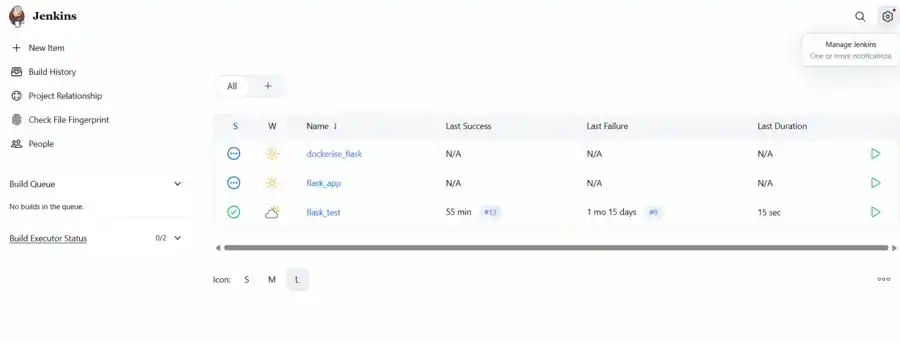
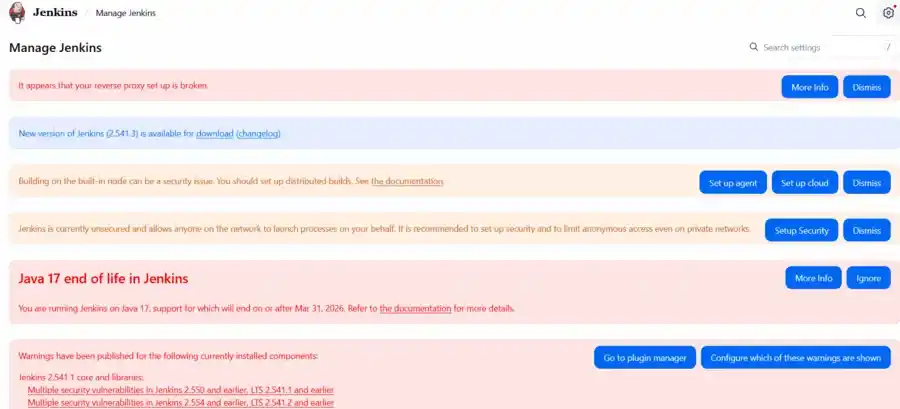
Open the Jenkins Dashboard. On the left-hand side of the screen, click on the Manage Jenkins option.
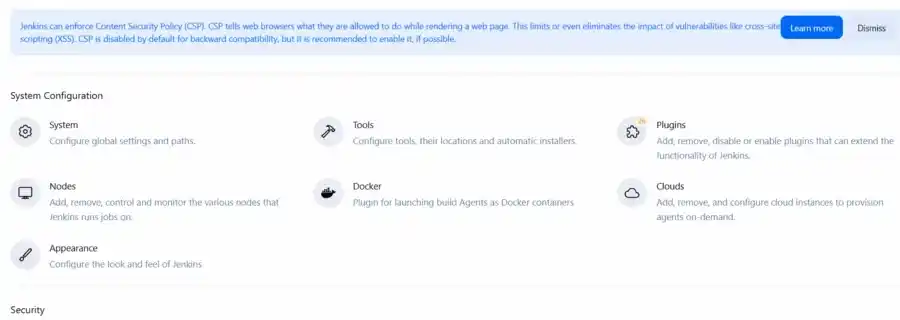
Click on Manage Plugins (or Plugins in newer versions) to manage installed plugins.
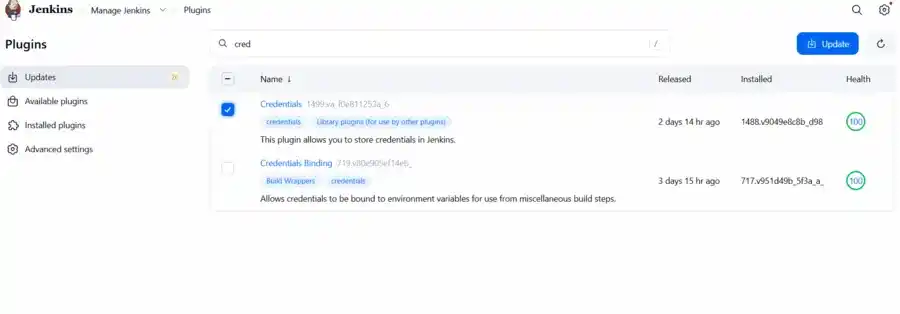
Go to the Available tab and search for Credentials in the search bar.
Select and install the Credentials Plugin (usually pre-installed in modern Jenkins).
Return to the Jenkins Dashboard and click on Manage Jenkins again. Scroll down to the Security section and click on Credentials (or Manage Credentials).
In the Credentials screen, look for the Stores scoped to Jenkins section. Click on the (global) domain link located next to the Jenkins store.
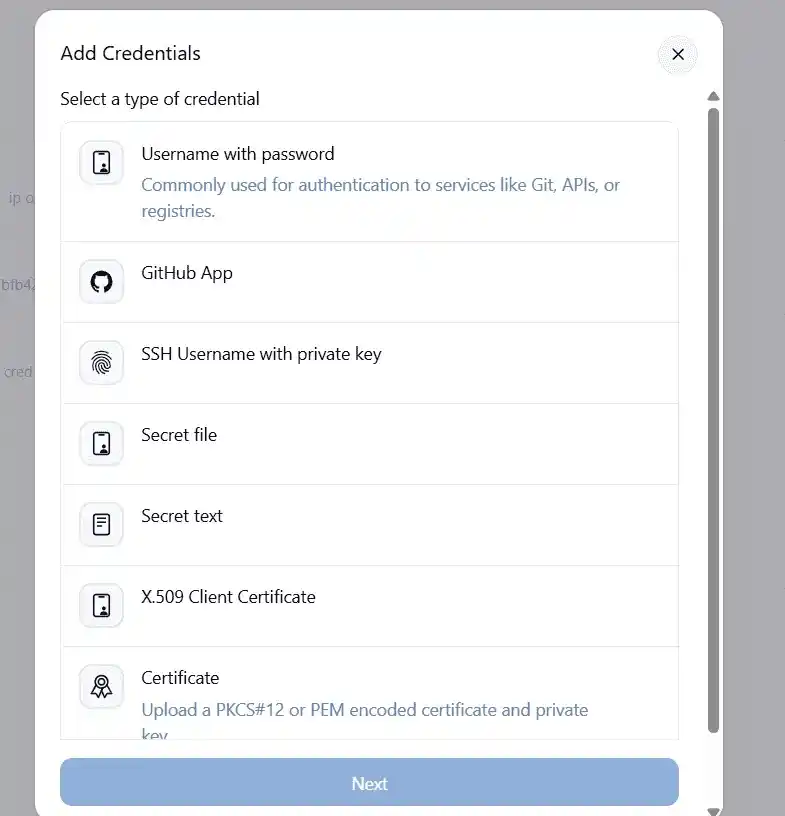
On the Global Credentials page, look at the left-hand menu and click on Add Credentials.
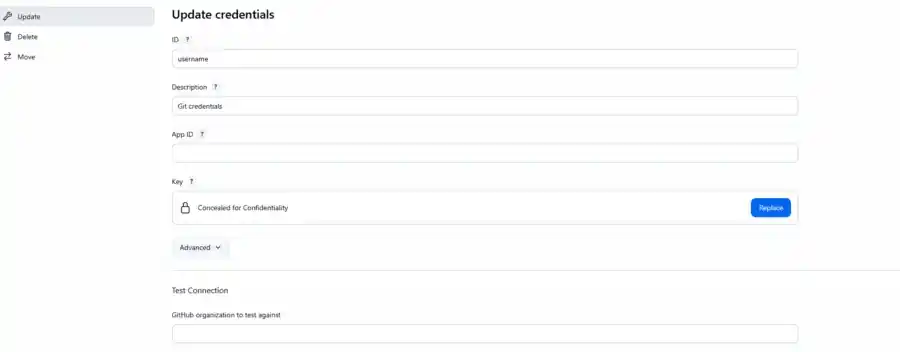
Select Username with password, set scope to Global, and enter Git username, password/PAT, ID (optional), and description.
github-creds) to easily identify it in your pipelines.Click the OK or Create button at the bottom of the screen to save the details.
You will be redirected back to the Global Credentials page. You will now see your newly added Git credentials listed in the table.