|
VOOZH | about |
|
VOOZH | about |
TrueFoundry recognized in Gartner Hype Cycle for Platform Engineering 2026. Read the full report →
Join our VAR & VAD ecosystem — deliver enterprise AI governance across LLMs, MCPs & Agents. Become a Partner →
Get instant access to a live TrueFoundry environment. Deploy models, route LLM traffic, and explore the full platform — your sandbox is ready in seconds, no credit card required.
Blazingly fast way to build, track and deploy your models!
AI agents are entering the enterprise faster than most organizations expected.
Teams are building them across every stack imaginable — Bedrock, Vertex AI, LangGraph, Google ADK, custom HTTP services, and increasingly, internal agent frameworks built specifically for company workflows.
But while building agents has become easier, managing them at scale has become significantly harder.
The problem is no longer creating an agent. The problem is everything that happens after.
Most organizations don’t have answers to these questions yet.
That’s why we built TrueFoundry Agent Gateway.
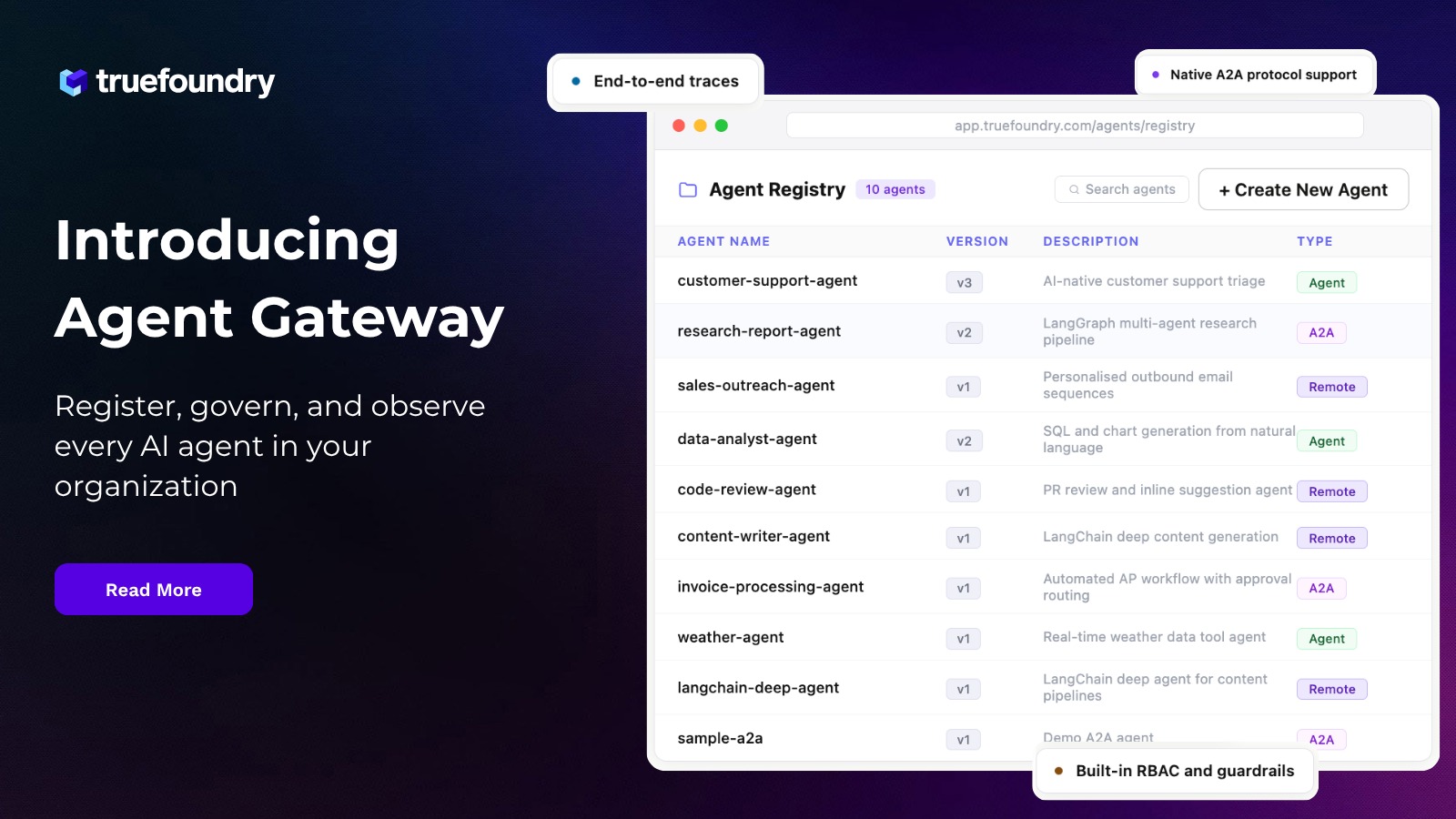
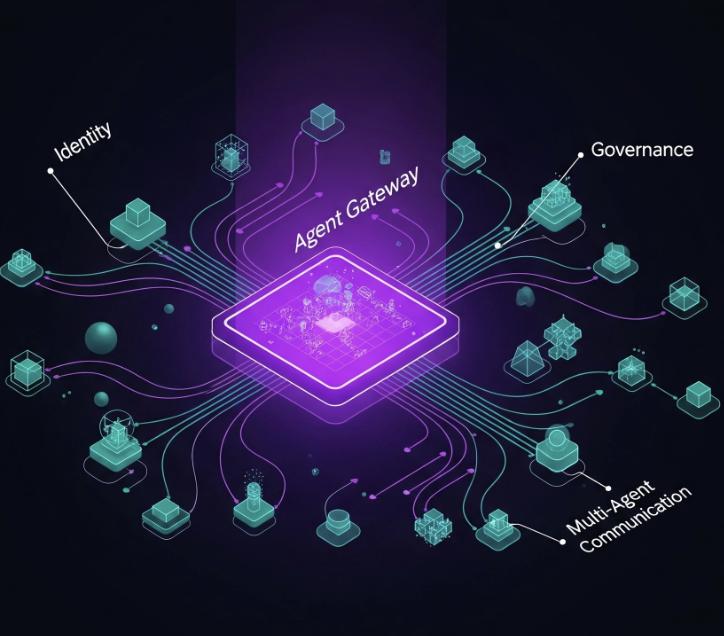
Agent Gateway is a unified control plane for every AI agent in your organization.
It provides a single layer to register, discover, govern, and observe agents — regardless of what framework they were built on or where they run.
An agent running on Bedrock can sit alongside one built on LangGraph. A custom HTTP agent can coexist with a TrueFoundry-native agent. Everything appears inside one shared registry with centralized governance, observability, and access control.
The goal is straightforward: enterprises should not need separate operational infrastructure for every agent framework they adopt.
Once an agent is registered with Agent Gateway, it immediately becomes:
Instead of scattered agent deployments across teams and clouds, organizations get a single operational surface for their entire agent ecosystem.
Also read our Agent Gateway Series ; a 7-part series where we dive into the crucial archicture pillars of an Agent Gateway.
The first wave of enterprise AI infrastructure focused on models.
Routing requests. Managing API keys. Tracking token usage. Handling fallbacks.
But agents fundamentally change the operational model.
Agents are not just isolated inference calls anymore. They invoke tools, maintain state, collaborate with other agents, and execute long-running workflows autonomously. Once multiple agents begin interacting with internal systems and with each other, governance becomes dramatically more complicated.
This is where most existing infrastructure starts to break down.
Traditional LLM gateways were built for stateless model traffic. They were never designed to govern agent-to-agent communication, inspect autonomous workflows, or apply security policies to tool invocations.
Agent Gateway is built specifically for this new agentic architecture.
At the center of Agent Gateway is the Agent Registry.
The registry acts as a centralized catalog for all agents across the organization.
Instead of relying on tribal knowledge or internal documentation pages, teams can discover available agents from a single interface. That means less duplicated work, fewer shadow deployments, and better reuse across teams.
What makes the registry especially important is that it is framework-agnostic.
Organizations can register:
The infrastructure underneath can vary completely. The operational layer remains consistent.
One of the biggest architectural shifts happening right now is the rise of agent-to-agent communication.
As enterprises move toward interconnected agent systems, interoperability standards like Google’s A2A (Agent-to-Agent) protocol are becoming increasingly important.
Agent Gateway includes native support for A2A agents out of the box.
This matters because enterprise agent workloads are becoming stateful and collaborative. Agents are no longer operating independently — they are coordinating with other agents to complete workflows across systems.
In several enterprise evaluations, native A2A support has already become a hard requirement. REST-only gateways are often eliminated immediately because they cannot properly support these workloads.
By supporting both A2A and generic HTTP agents, Agent Gateway allows enterprises to standardize governance even as the underlying agent ecosystem evolves.
Most AI governance systems today stop at the model API.
But enterprise risk increasingly exists above that layer.
The important questions are no longer just:
“Which model was called?”
They are:
Agent Gateway introduces governance at the agent layer itself.
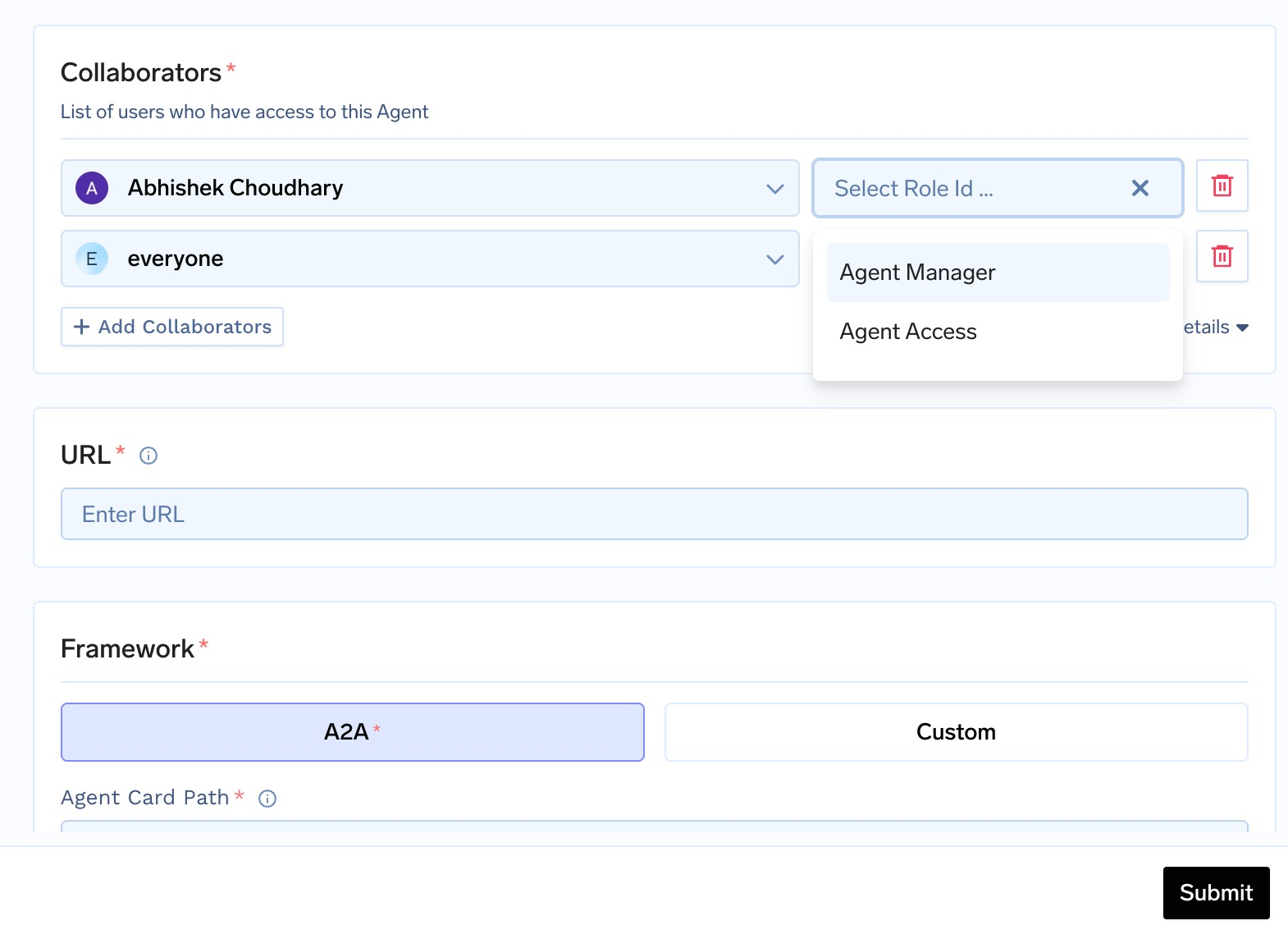
Organizations can apply RBAC, guardrails, audit logging, and policy enforcement consistently across every registered agent.
That includes governance over MCP-powered tool access, allowing security policies to apply directly to autonomous tool invocations instead of only to user traffic.
For regulated industries, this becomes especially critical. Many enterprises need auditability not just for user actions, but for autonomous agent behavior as well.
Debugging agents is fundamentally harder than debugging simple inference calls.
Failures can happen across multiple model invocations, tool calls, external APIs, or downstream agents. Without centralized visibility, tracing issues becomes nearly impossible.
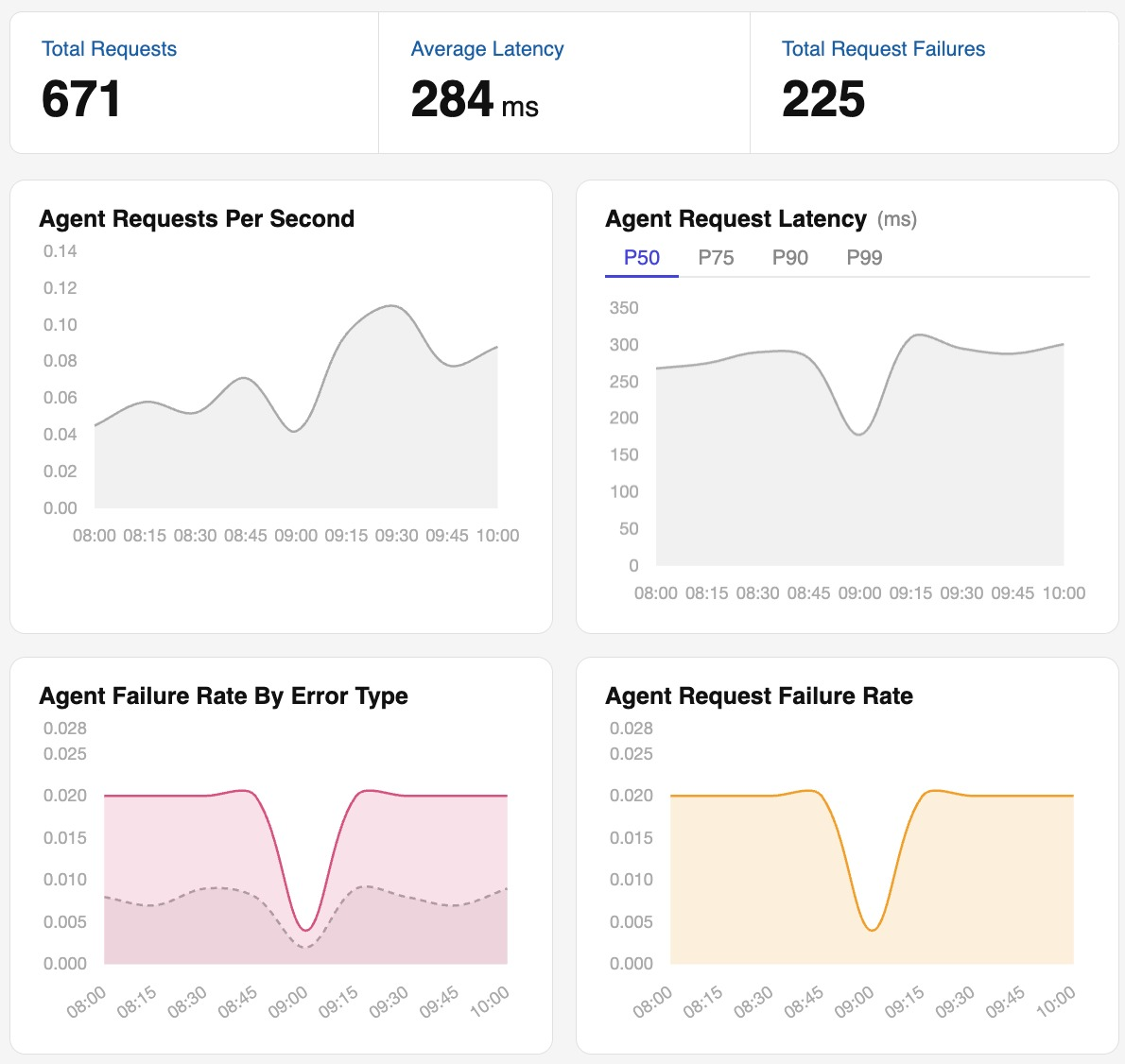
Agent Gateway provides unified observability across the entire execution chain.
Teams can inspect:
from a single monitoring layer.
Instead of isolated logs scattered across infrastructure stacks, organizations get a coherent view of how agents behave in production.
Most enterprises are not standardizing on a single cloud or framework.
And many regulated organizations cannot adopt SaaS-only agent infrastructure because agents need secure access to internal systems, MCP servers, and private data sources.
Agent Gateway is designed for these realities.
It supports SaaS, self-hosted, VPC, and air-gapped deployments, allowing organizations to keep governance and execution inside their own security boundaries.
This flexibility becomes increasingly important as agents move closer to sensitive operational workflows.
The industry is quickly moving from model-centric systems to agent-centric systems.
As that transition happens, enterprises need infrastructure that can govern not just inference calls, but autonomous workflows, agent collaboration, and secure tool execution.
Agent Gateway is designed to become that layer.
A unified control plane where every enterprise agent — regardless of framework, cloud, or runtime — can be registered, governed, observed, and securely operated at scale.
Learn more about TrueFoundry Agent Gateway here.
TrueFoundry AI Gateway delivers ~3–4 ms latency, handles 350+ RPS on 1 vCPU, scales horizontally with ease, and is production-ready, while LiteLLM suffers from high latency, struggles beyond moderate RPS, lacks built-in scaling, and is best for light or prototype workloads.
Product
Company
Resources









.webp)
.webp)
.webp)
.webp)
.webp)
.webp)

.webp)
.webp)