
We've all played hundreds, if not thousands of games that have told us where to go, what's going on, and how to go about the whole thing. However, there's just nothing like it when you boot up a game, and it looks you in the eye, shrugs, and says, "figure it out."
No tutorials, no beacons, no glowing arrows — that's what drives true immersion, driving the reminder home that you're a visitor in a new game world where you must figure things out for yourself. And while that might come off as a little harsh at times, it's what makes us tap into our knowledge of everything we've learned from gaming throughout our lives, resulting in an experience that is equal parts rewarding and unforgettable.
Elden Ring (2022)
Impossible not to fall in love with its brutality
Let's talk about the most obvious one right out of the gate. Truth be told, any game from the entire Soulsborne lineup of games could have been on this list (barring Sekiro, perhaps), because the Souls games pride themselves on being brutal and punishing. Your character will always be in danger, with an entire game world primed to attack you on sight, and the sorrowful, bleak environments only adding to the overall misery.
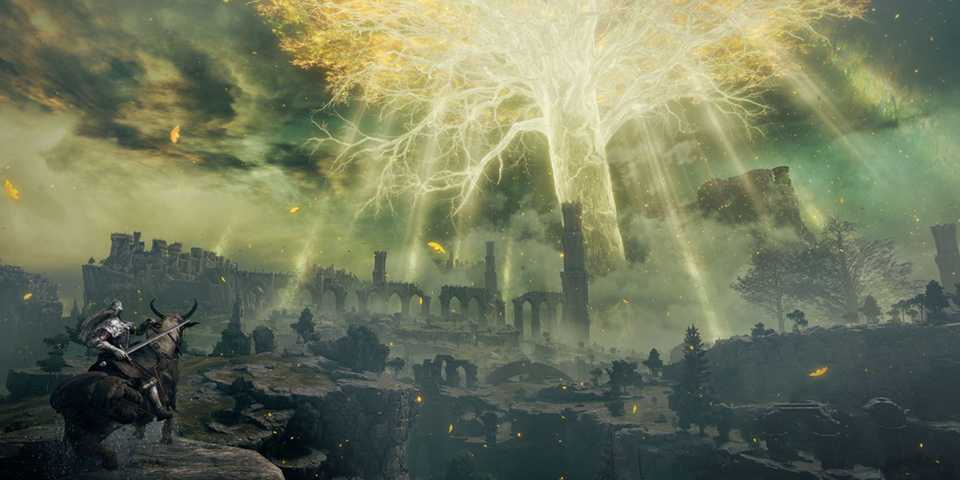
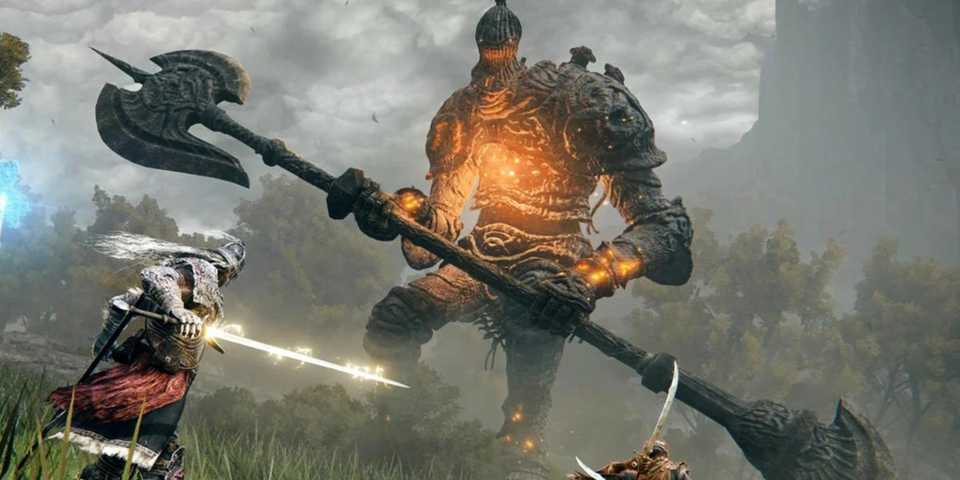
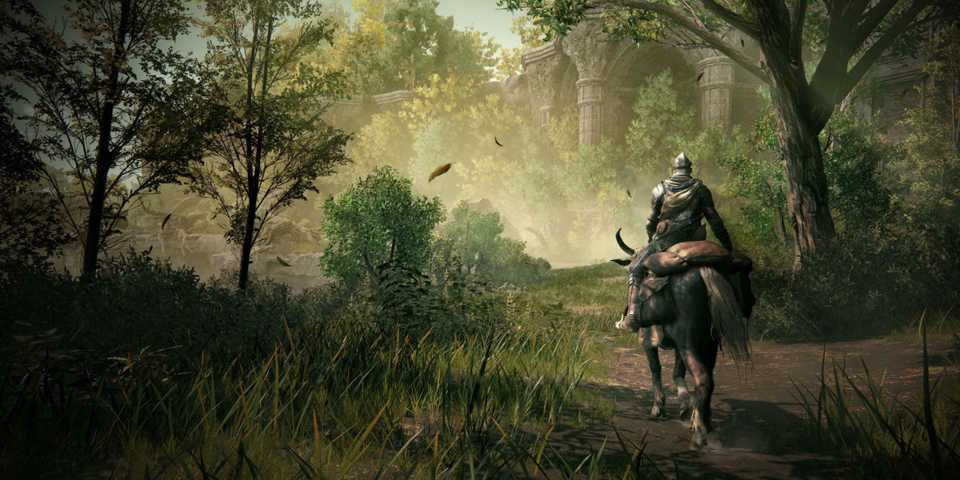
The best example? Elden Ring. This was the first proper open-world Souls adventure from FromSoftware, and if any Souls veterans had any doubts about the game being too accessible and easy because they were marketing it for a larger-than-ever audience, the very first day shut those doubts down. Elden Ring simply does not hold your hand. It gives you a small tutorial in the first five minutes, and then violently throws you into one of the most incredible open-world maps that is as oppressive as it is beautiful.
The very first enemy you encounter in the first section of the map alone, the Tree Sentinel, is more punishing than even the most iconic boss fights, and you could spend hours dying to him on your first day. That's a signal — Elden Ring won't hold your hand, and it also won't stop you from getting them cut off if you want.
Whether it's the countless mysteries and stories going on in The Lands Between, or even just a chance encounter with some unforgettable NPCs, this game won't ever tell you to 'go here' and 'do that'. Everything runs on context, and that's what makes Elden Ring the masterclass in game design that it is.
-
👁 Placeholder Image
OpenCritic Reviews - Top Critic Avg: 95/100 Critics Rec: 98%

- Released
- February 25, 2022
- ESRB
- M for Mature: Blood and Gore, Language, Suggestive Themes, Violence
- Developer(s)
- From Software
- Publisher(s)
- Bandai Namco Entertainment, From Software




WHERE TO PLAY


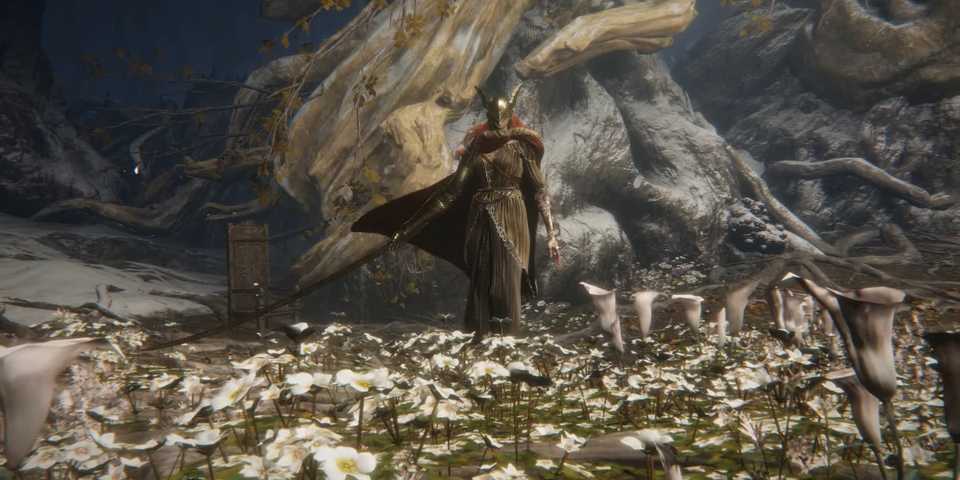
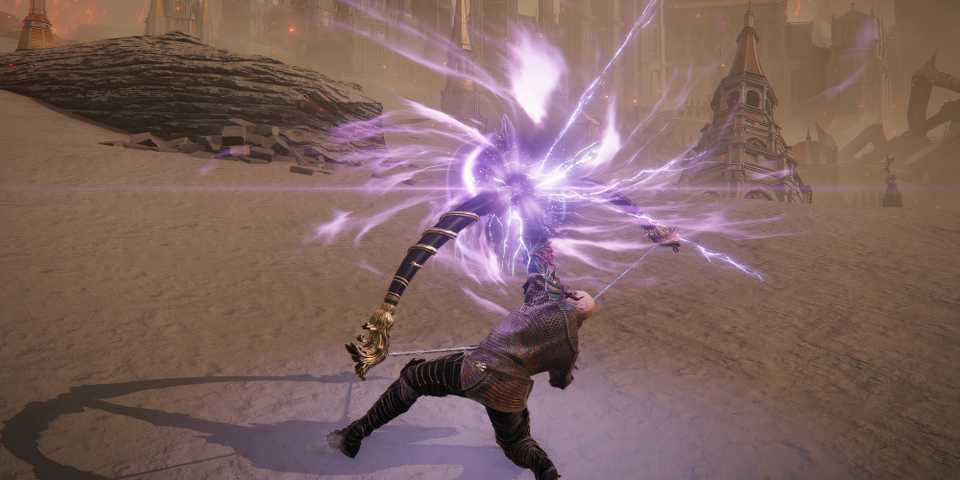
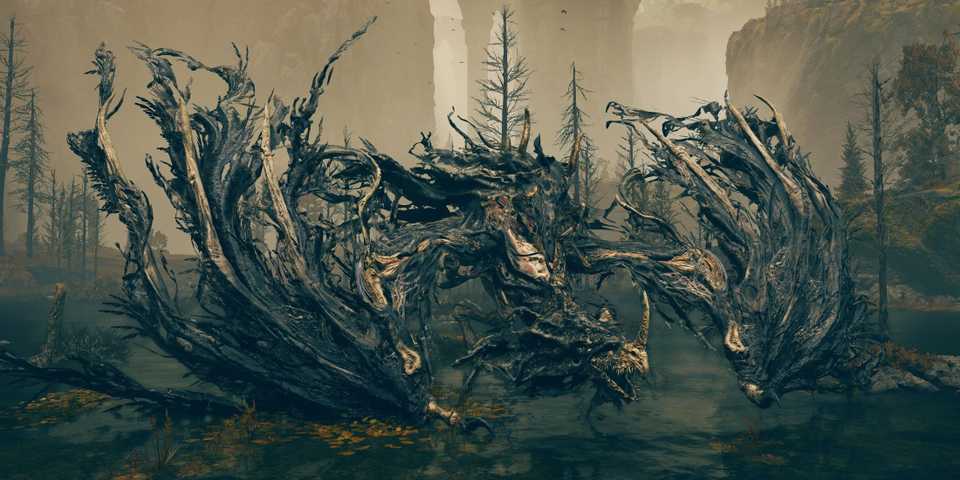
Elden Ring is an open world Soulslike RPG written by George R. R. Martin and developed by FromSoftware. It puts players in a ravaged realm known as the Lands Between, and let's you play as a warrior to restore the shattered Elden Ring and ascend as its ruler.
- Genre(s)
- RPG, Action
Hollow Knight (2017)
The definitive modern Metroidvania masterpiece
If ever there was a modern Metroidvania that absolutely redefined what it means to discover (and rediscover) a world on your own terms, it's Hollow Knight. You're dropped into the haunting ruins of Hallownest, and you're given almost nothing but a nail and a vague sense of direction. That's when the game tells you to figure out the rest for yourself. From then on, every turn, jump, shortcut, and hidden passage feels earned, because you had no other option than to find it yourself instead of something like a glowing arrow or beacon telling you where to go.
The beauty of Hollow Knight is in how much the game refuses to explain. Abilities and upgrades in the game often arrive without context, and even the immense amount of lore is buried in cryptic dialogue or environmental hints. This is a game that expects you to get lost because that's the point, both emotionally and literally. The map you slowly discover then becomes more than just an in-game tool. It becomes a canvas that you've made for yourself through your own steps and discoveries.
It took almost an entire decade, but we're glad that its much-awaited sequel, Silksong, did the game justice and only upped the ante for what a brilliant, textbook Metroidvania game looks like.
-
👁 Placeholder Image
OpenCritic Reviews - Top Critic Avg: 89/100 Critics Rec: 97%
- Released
- February 24, 2017
- ESRB
- E10+ for Everyone 10+: Fantasy Violence, Mild Blood
- Developer(s)
- Team Cherry
- Publisher(s)
- Team Cherry
- Engine
- Unity
- Franchise
- Hollow Knight

WHERE TO PLAY


While it's not made by Nintendo, Hollow Knight is a phenomenal Metroidvania game that looks fantastic and feels right at home on the Switch.
- Genre(s)
- Metroidvania
Myst (2021)
It's like LOST if there were no script
Perhaps one of the best examples of a game throwing you into the deep end of a pool and expecting you to figure out how to stay afloat, Myst puts you on an island and... that's it. Where you go from there, who you interact with, and how you figure out the game is all up to you.
You could talk to the NPCs on the island, and, sure, they talk back and will have you believing that they're subtly giving you quests, but sooner or later, you'll realize that a lot of quests are crossing paths, and what you need to do or who you need to do it for is for you to decide. It's only by making a consecutive string of very careful (and right) choices that you'll be able to see the true and proper ending of the game. And when you finally do? The payoff feels a whole lot more intimate and personal, because nobody nudged you there.
The Vanishing of Ethan Carter (2014)
A slow-burn horror mystery you won't soon forget
I absolutely adore a good mystery, and when it's done right in a game, there's just nothing like it. You slowly walk through the game world you're in, piecing together contextual clues to figure out what might have happened to reveal the truth, bit by bit. For me, one of the games I can confidently call the gold standard for that sort of game, is 2014's The Vanishing of Ethan Carter.
This AA game tells you that it won't hold your hand even before giving you control of your character. However, it isn't doing that just to be difficult or 'brutal'. Instead, the game makes sure you don't get any hand-holding or tutorials because it wants to preserve the integrity of the mystery it is built around.
This is a pretty short game, but when you have zero context about what's going on, you, of course, take your time with things, slowly pacing yourself through the emotionally-charged narrative that will certainly stick with you long after the credits roll.
-
👁 Placeholder Image
OpenCritic Reviews - Top Critic Avg: 79/100 Critics Rec: 72%
- Released
- September 26, 2014
- ESRB
- m
- Developer(s)
- The Astronauts
- Publisher(s)
- The Astronauts
- Engine
- unreal engine 4
WHERE TO PLAY
The Vanishing of Ethan Carter is a first-person story-driven mystery game that focuses entirely on exploration and discovery. It contains no combat or explosions of any kind. If our game leaves any scars, we hope you won’t be able to see them.
You play the game as Paul Prospero, an occult-minded detective who receives a disturbing letter from Ethan Carter. Realizing the boy is in grave danger, Paul arrives at Ethan’s home of Red Creek Valley, where things turn out to be even worse than he imagined. Ethan has vanished in the wake of a brutal murder, which Paul quickly discerns might not be the only local murder worth looking into.
Inspired by the weird fiction (and other tales of the macabre) from the early twentieth century, The Vanishing of Ethan Carter aims to significantly evolve immersive storytelling in games. While it features a private detective and quite a few mental challenges, The Vanishing of Ethan Carter is not an especially puzzle-ridden game. Our focus is on atmosphere, mood, and the essential humanity of our characters.
Still, the discoveries won’t happen on their own, or without your help. Using both Paul’s supernatural skill of being able to communicate with the dead, and your own powers of observation, you will discover the mystery behind a trail of corpses, the roots of a dark ancient force lurking in Red Creek Valley, and the fate of a missing boy.
- Genre(s)
- Adventure
Escape from Tarkov (2017)
Won't hold your hand, and might just cut them off, too
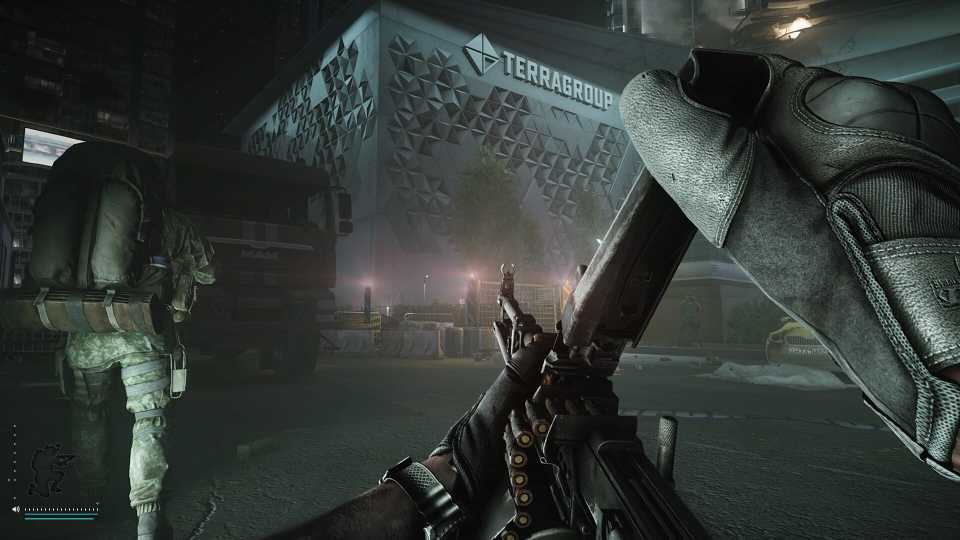
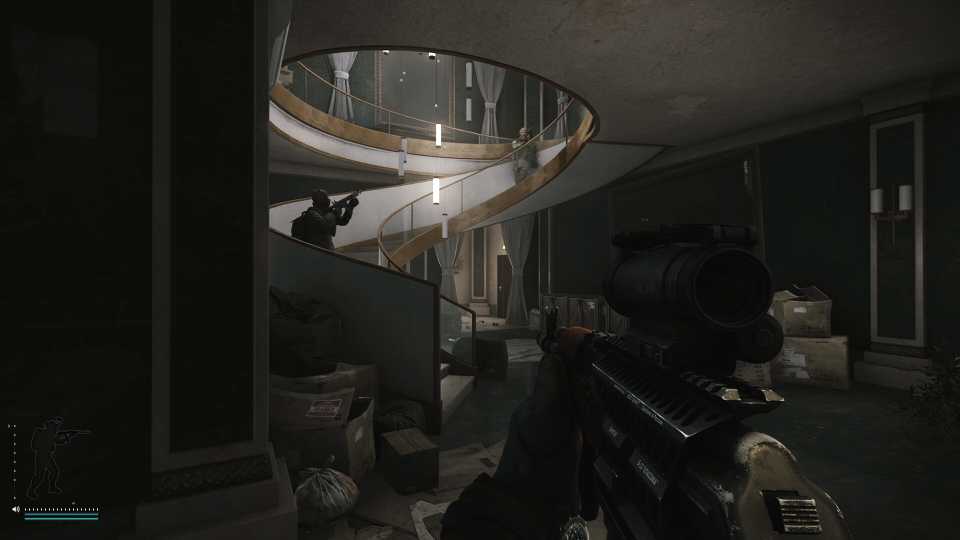
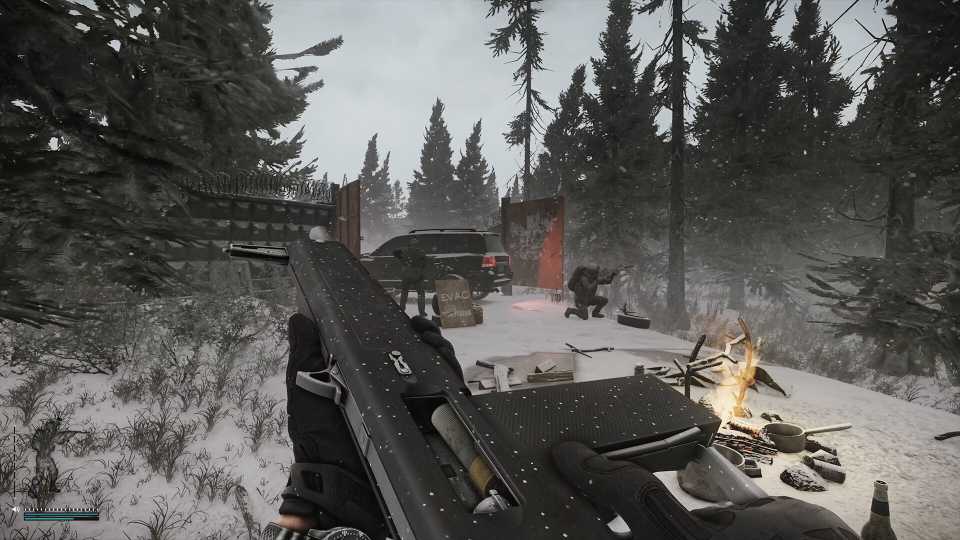
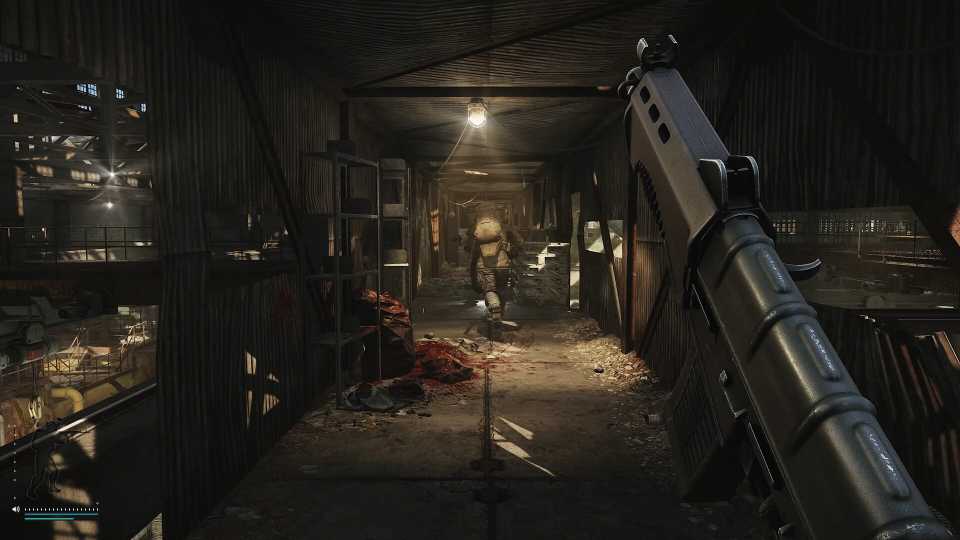
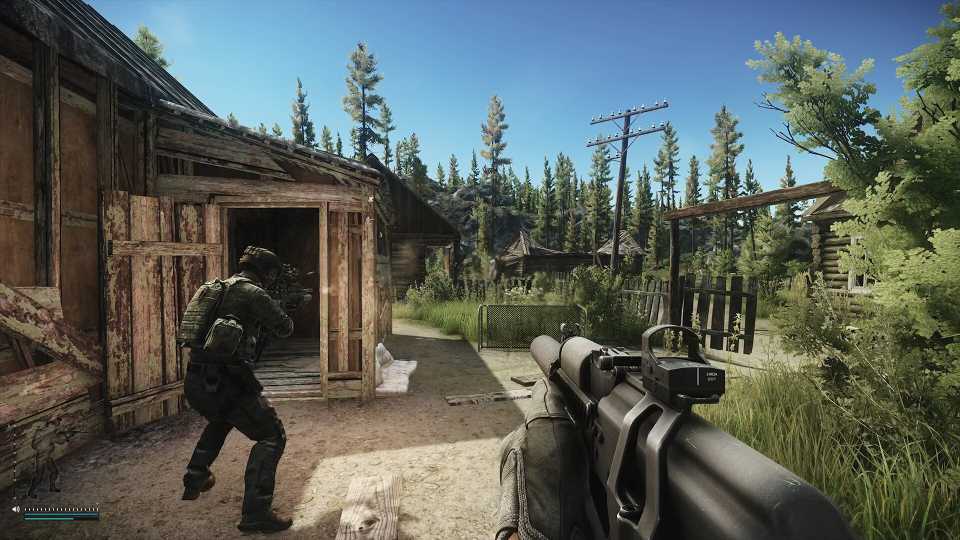
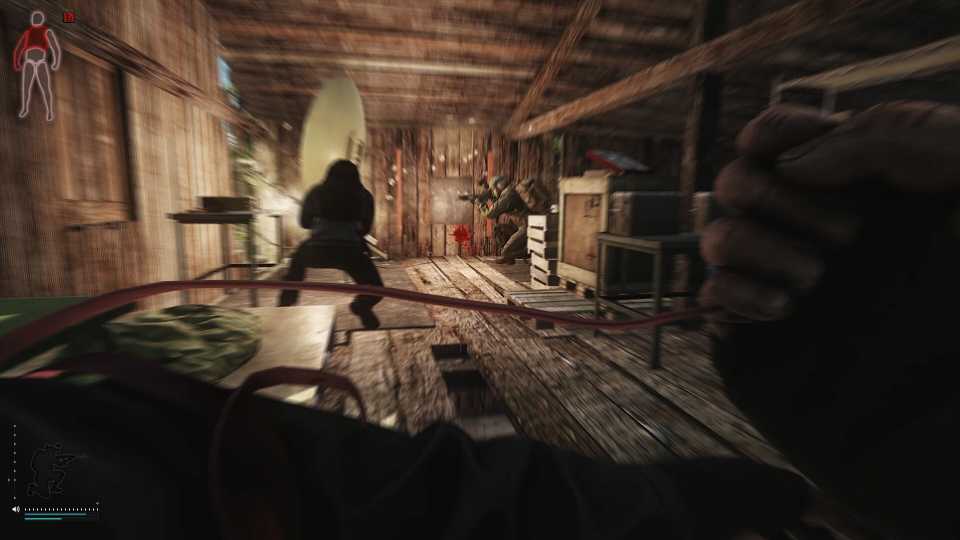
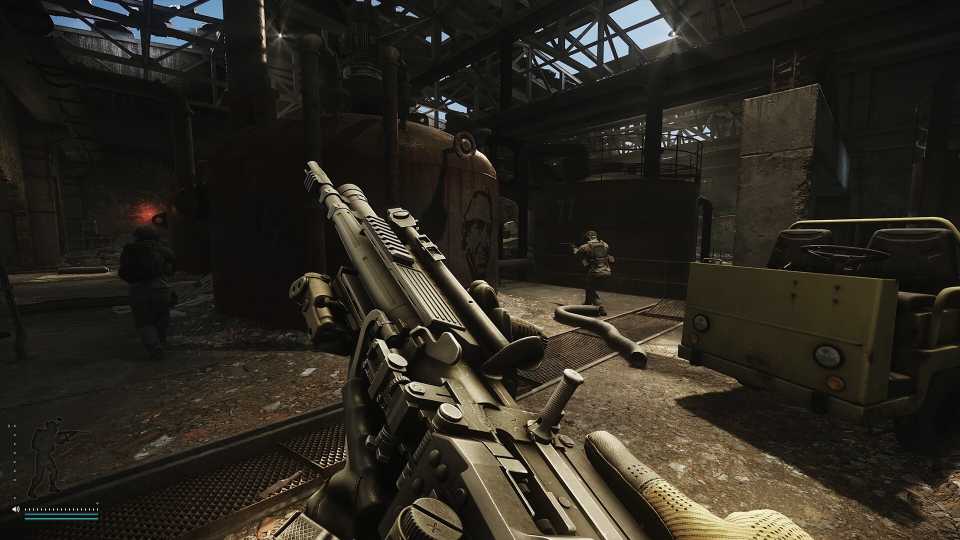
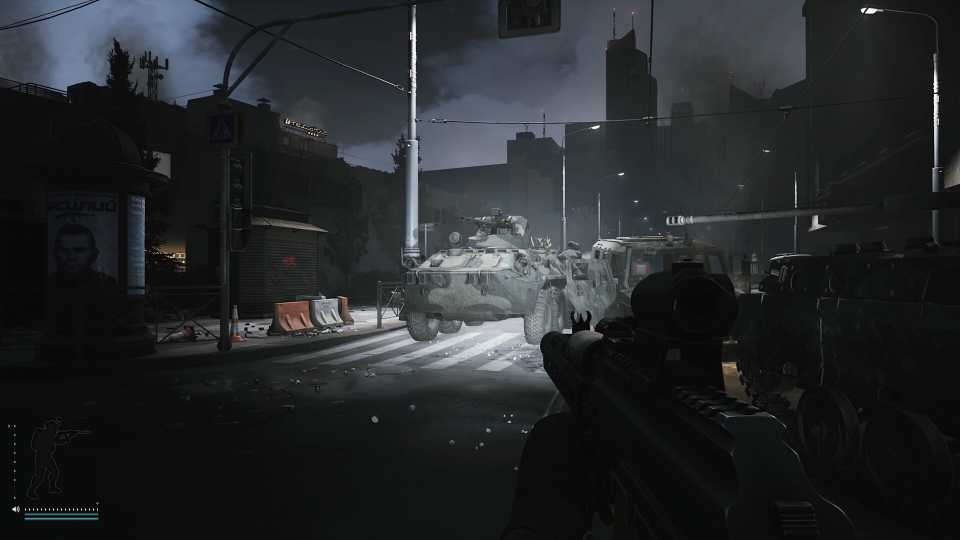
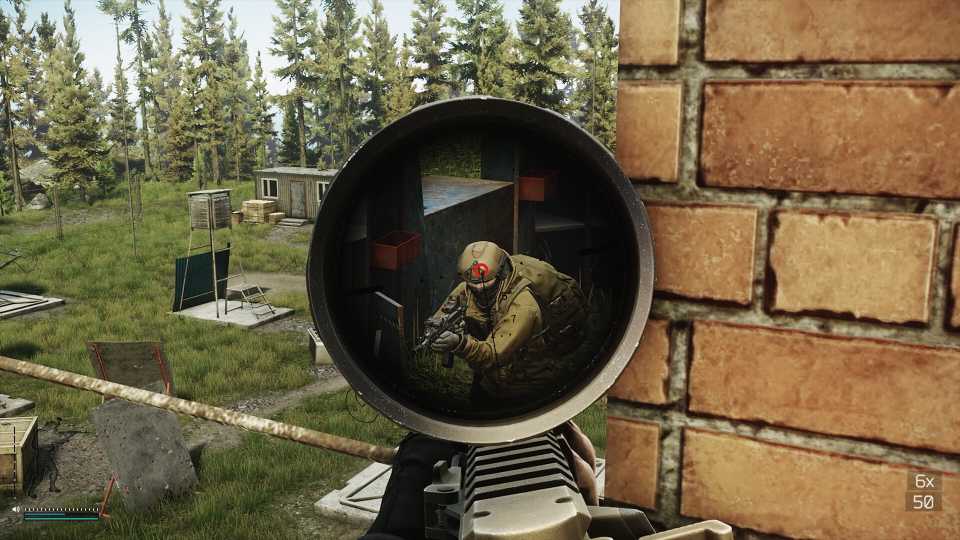
Now here's a game that takes "no hand-holding", and raises you a cruel grin while stealing the very ground from under your feet. Escape from Tarkov is part shooter, part survival sim, and all brutal immersion. It drops you into raids, and here, every single sound, shadow, and bullet could be your end. The worst part? You only figure that out after you die a few times, because the game doesn't bother with giving you even a single shred of guidance to start with.
In Escape from Tarkov, there is no mini-map, no quest log to rely on, and heck, even the in-game menus feel deliberately obtuse, which, in all honesty, they probably are. You have to learn what ammo works in which weapons, which items are worth keeping for that inventory space, and even how you're going to traverse across the terrain. If you're lucky, you get your questions answered in online communities, or you figure everything out yourself. Either way, the game itself is hell-bent not to help you.
Still, that's the fun of it, because when it clicks, Tarkov genuinely transforms into one of the most rewarding games you'll ever play. In a market where run-of-the-mill extraction shooters are a dime a dozen, Tarkov makes every extraction feel like a story you and your friends lived through because you survived a brutal world that never helped you at any step along the way.
- Released
- November 15, 2025
- ESRB
- m
- Developer(s)
- Battlestate Games
- Publisher(s)
- Battlestate Games
- Engine
- Unity


WHERE TO PLAY
- Genre(s)
- Extraction Shooter, Survival
The Elder Scrolls III: Morrowind (2002)
What many call the definitive Elder Scrolls experience
There's a reason that a lot of people consider Morrowind, the 23-year-old game, to be the definitive Elder Scrolls experience to this day, and it's not just nostalgia. There is no denying that Skyrim is the game that made TES a household name across the world, but before it streamlined quest markers and even Oblivion gave us a compass to follow, it was Morrowind in 2002 that tossed you into Vvardenfell and just told you to pay attention. An NPC would never give you quests directly, no. Instead, your log would simply fill up by itself according to the conversations you had, and you would get zero markers or beacons even if you fixated on one of them.
That's what the magic of Morrowind is. There's simply no traditional checklist here to play through. Instead, you inhabit a living, breathing world where the exploration need not be rushed through. The game isn't here to protect you from yourself, either, so when you walk into the wrong dungeon while hopelessly under-leveled, you know exactly how brutal Morrowind can be if you're not paying attention. Consequently, that's what makes every single discovery in this game feel all that more rewarding, and the story you craft, your own.
Hell is Us (2025)
This is one game you need to play if you like immersion
I had Rogue Factor's new game, Hell is Us, marked out as 'yet another Soulslike', but I couldn't have been happier to be surprised. This game prides itself in not holding the player's hand, and boy does it make you feel alone and miserable sometimes. With no quest markers, checkpoints, or targets, Hell is Us decides to put you in the war-torn country of Hadea, teeming with insanity-inducing creatures born out of an ancient curse, all while you have to navigate the tense geo-political and social strands that are tugging at this isolated nation.
Oh, and the entire while, you don't get a map, or even a mini-map, and all you have to rely on is a truck and your instincts. In Hell is Us, you must keep an eye (and ear) out for anything you might see or hear, because the game will never tell you what to do, or what might be important later on. Heck, a major chunk of the game is about discovering the significance of something you might have seen hours ago, and then going back to learn more about this strange, bleak world you're in. Harsh and refreshing, Hell is Us trusts you to play, explore, fail, and learn — and that’s exactly why it sticks.
Exploration and immersion make games infinitely more rewarding
Hand-holding makes games accessible, but it often takes away the true joy of immersion.
Hand-holding isn't a bad thing at all. In fact, that's what makes games more accessible — the markers, the quest logs, and the tutorials. But at the same time, it does tend to 'flatten' the edges of games. As such, exploration, mystery, and triumph often become muted for a lot of players, which is why when a game comes along that promises not to be more of the same, we always jump aboard to experience true virtual immersion.
That's the charm of a world that doesn't care whether you're ready or not. It just lets you discover its secrets and stories for yourself, and ultimately discover just how good that feels, too.