
Your home network could always use a little improvement, and single-board computers (SBCs) are a fantastic way to do so. You get to learn valuable skills and keep your network smarter and safer, and who doesn't love tinkering with an SBC in their downtime? You don't have to go with a Raspberry Pi for this, but it's often easier to find tutorials and ready-built images if you do.
If you're up for a bit more involved installation, then other single-board computers can provide more processing power or specialized features and are more suited for advanced home projects that a normal Pi setup might struggle with. Whatever board you go with, you can make your home network better to use while reducing your need for proprietary services.

Arm vs. x86 SBCs: Which one's better for your DIY projects?
Arm-based systems may dominate the SBC landscape, but x86 devices could bring about a change in the regime
6 Home Assistant
Got multiple smart home ecosystems? You need this app
The smart home hasn't really lived up to its potential because every device has a new ecosystem, and getting them all to work nicely together can be a chore. But not so with Home Assistant, an amazing smart home operating system that can connect to almost every smart gadget imaginable, including a few you might not know about yet.
Home Assistant
- OS
- Windows, macOS, Linux
- iOS compatible
- Yes
While you could run it in a Docker container or a VM, Home Assistant really comes into its own when you run Home Assistant OS, and that's where your trusty SBC comes in. Once you've got the relevant image on your SD card, you can start adding all your smart devices, integrations, and tools to customize the smart home dashboard of your dreams. There are tons of add-ons from manufacturers and the thriving community, and you can control your HAOS installation from anywhere with the mobile apps.

5 cool things you can do with Home Assistant
Home Assistant is the best way to control all your smart home devices, but it can be so much more if you use a little imagination.
5 Secure data storage
You can quickly make a home server out of almost any SBC
Single-board computers can be used as home servers, although you do have to temper your expectations accordingly, as the low-powered boards aren't going to be able to run multiple resource-heavy VMs or other tasks. But they're fine for file serving or many other tasks you'd want a home server for, and they make a great learning platform while you decide what server hardware you're going to upgrade to.
It's easier to stick to x86-based SBCs because Arm-based models can have compatibility issues with many operating systems, such as Proxmox or TrueNAS Scale, as they don't have ARM64 images for you to use. You'll also want more RAM than you could think, with at least 8GB being best for complex server installations. If possible, choose an SBC with SSD compatibility, which will make your server faster than any that runs on SD cards. And containers are going to become your best friend because the lightweight instances are perfect for SBC use.

5 tips for building a home server with an SBC
While SBCs can't hold a candle to high-end servers, you can use them as makeshift workstations for your home lab experiments
4 Network monitoring
Keep an eye on what's going on in your home network
It's wise to have some sort of network monitoring solution to monitor potential issues on your home network. While you could have an old PC running as a hardware firewall to host the monitoring software, why use up all that energy when you have SBCs at hand? Ntop is a great choice for use on a Raspberry Pi or other SBC as it's fairly lightweight and will give you deep insights into your network traffic.
Plus, you can chain it into other SBC-mounted network security tools, like a Pi-hole, or set up automated alerts with Zabbix so you get real-time notifications if there are unusual traffic spikes or devices trying to connect to your network. The tricky part is that many SBCs only have one Ethernet port, so you'll need to mirror your network switch ports to the one the SBC is mounted on for it to be able to monitor traffic.

9 reasons you should use ntop on your Raspberry Pi
To level up your network administration game, you should consider running ntop on your Raspberry Pi
3 Custom firewall
OpenWRT will get you a highly customizable firewall that doesn't need much in the way of resources
Adding a custom hardware firewall to your home network keeps your devices safer than relying on the router that connects you to the internet. It's a great way to protect every device from cyberattacks or to stop malware from sending data out of your home, and it's fairly simple to get one running on an SBC. You are going to need either an SBC with two Ethernet ports or a USB-to-Ethernet adapter because one will be the connection to your router, and the other one goes out to your network. You might also want an unmanaged switch to turn that one output cable into multiple so you can hardwire a few more devices.
This is also a good way to start a home lab, as the relatively simple firewall can be used between your lab network and your home network, keeping them apart from each other. That's important if you're going to be messing around with things in your home lab that could potentially damage data or your home network devices.

How to protect your home network with a Raspberry Pi firewall
Here's how you can configure a network-wide firewall with your Raspberry Pi
2 Self-hosted DNS
Make your DNS requests faster by running your own DNS caching server
Want to see an immediate difference in your web browsing experience? Turning a Raspberry Pi (or other SBC) into a DNS caching server will quicken the load times of your most-visited websites, by speeding up the translation between human-readable URLs and the IP addresses of the pages you want to visit. Pretty much any SBC can be used here, as making a DNS server isn't a resource-heavy use case, but you probably want one of the models that has an Ethernet port because a wired connection will give you lower latency than wireless.
Once the SBC is all set up, you'll want to go around all of your network devices and point them at the SBC IP address and not the external DNS records they were previously using. Now, all you need to do is use the internet as usual, and the DNS server will start caching as you browse. You might notice some slowdown the first time you browse a page, but after that, it'll be snappier than before you set the server up. Plus, you can set up custom DNS records for your devices and self-hosted apps, turning IP address and port numbers into human-readable URLs like media.server, or dns.sbc.

7 reasons you should turn your Raspberry Pi into a DNS server
If you aren't using your Raspberry Pi as a DNS server for your home network, there are plenty of reasons why you should
1 Pi-hole
Cut out the ads before they get to your device for safer and faster browsing
Pi-hole might be best known for ad blocking as a network wide solution, but that's not all it can do. You can use it to block malicious domains or use DNS-based family controls to keep unwanted content from appearing on your kid's devices. Plus, the dashboard logs every DNS query and where they're coming from, so you can see if any IoT devices are misbehaving or if you have malware that's trying to phone home. And because it works at the network level, it protects devices that can't run their own blocking software, like smart TVs, network streamers, or anything else on your home network.
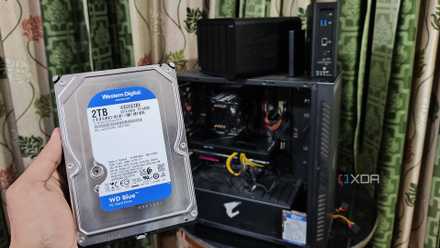
5 networking tools to safeguard your home lab from the inside out
Whether you’re a pro or new to home labs, securing your self-hosted systems is vital. These 5 networking tools will keep threats at bay.
SBCs can be fantastic for making your home network better to use
Making your home network smarter and more secure doesn't need expensive equipment, as you can run many of the services you'd want on an SBC. You'll be able to block ads, make searches faster and more secure, control your smart home devices from one place, and store important data so that the whole household can access it. Then you can start thinking about more improvements to add. Maybe you want a second DNS server for redundancy or a reverse proxy so you can access all of your SBCs from the same dashboard or when outside your home network. There really is no end to the projects you can find to improve your network experience.