
Oh boy do we love a new IP in gaming. Games that try something new, tread the road less taken, and experiment with novel designs or mechanics. Now, they might not always land, but I don't think any new IP or dev team should be judged on their first outing alone. In fact, it's the sequels that really define a series, because they come with a polish only maturity can bring, after the devs listen to feedback, expand and realize their full vision, and iron out the kinks from their previous outings.
Sometimes, however, these sequels turn out to be so damned good that they end up overshadowing what came before. Sure, the originals will always be credited for laying a solid foundation, but it's the sequels that really took off and raised the bar for their franchises, making their predecessors pale in comparison.

14 landmark games that prove 2007 was the greatest year for video games
Multiple landmark years have produced iconic games throughout the ages, but 2007 might just be the best
Dead Space 2 – 2011
The franchise and its horror peaked with the second game
Look, the original Dead Space from 2008 was a fantastic game, and it came out in the seventh generation, where survival horror had slowly become completely action-oriented and saturated with explosions. With Dead Space, the genre saw a bit of a revival, with a slower pace, atmospheric storytelling and horror, and a solid story you couldn't get enough of. A revisit today, however, is a bit of a problem, since the game's pacing and a few gameplay mechanics (zero-G) are pretty clunky.
Three years later, along came Dead Space 2, and it perfected the formula by adding more variety, tighter pacing, and an unforgettable setting. We were now going through sprawling, horrifying environments instead of one single ship, and each new chapter just upped the ante both cinematically and gameplay-wise. Plus, Isaac finally began talking, and we even had zero-gravity flying instead of the janky zero-G jump from the first game. Now, the fantastic 2023 remake really blows even the second game out of the water, for sure, but back in 2011, there was simply nothing like Dead Space 2, and it really left no reason to go back to the first game.
- Released
- January 25, 2011
- ESRB
- M for Mature: Blood and Gore, Intense Violence, Strong Language
- Developer(s)
- Visceral Games
- Publisher(s)
- Electronic Arts
- Engine
- propreitary engine
- Multiplayer
- Online Multiplayer, Local Multiplayer
- Franchise
- Dead Space



WHERE TO PLAY


- Genre(s)
- Survival Horror
Batman: Arkham City – 2011
It evolved into the perfect superhero game
There's no denying that Batman: Arkham Asylum is one of the most significant and impactful games of all time. It revamped combat in gaming forever, but more importantly, it told a Batman story like none other, especially not through this platform. It deserved every bit of praise it got from the world, but when Arkham City came out in 2011, it somehow improved upon perfection. This time around, Batman now had an entire open-world map to explore. Everything in Arkham City was bigger and sharper, and Batman had more weapons, more gadgets, and more foes to deal with.
With this sequel, Rocksteady managed to expand the world without losing that intimate detective feel, and the narrative carried a weight that very few superhero games have ever been able to achieve. Exploring rooftops, solving mysteries, and diving into thug-packed alleys never got old, and just like that, Arkham City became the gold standard for superhero games. Add to that the fact that Mark Hamill gave the performance of a lifetime playing the Joker, and you've got a game that just still hasn't really been topped.
- Released
- October 18, 2011
- ESRB
- T for Teen: Alcohol Reference, Blood, Mild Language, Suggestive Themes, Use of Tobacco, Violence
- Developer(s)
- Rocksteady Studios
- Publisher(s)
- Warner Bros. Interactive
- Engine
- Unreal Engine 3
- Franchise
- Batman

WHERE TO PLAY

- Genre(s)
- Action, Adventure
Red Dead Redemption 2 – 2018
I'll never play the first game again
A perfect sequel often just leaves you with no reason to visit the first game, and visuals are rarely ever a part of that conversation. Now, 2010's Red Dead Redemption was already an absolute masterpiece from start to finish, and while Rockstar could very well have just evolved the formula for the next generation and given us more of the same for a home run, they decided to raise the bar instead. This time, the world of RDR2 was incredibly massive, alive, and breathing with detail in every single nook and cranny.
John Marston's story was always full of heart, but with Arthur Morgan, the script was tighter and the storytelling just wrecked every single player as their tears fell on the controller. Every mission, every ride into the sunset, and every shootout felt cinematic, yet personal. With its massively improved attention to detail and performances, Red Dead Redemption 2 became a magnum opus, and one that remains the bar for all great open-world games, seven years later.
Mass Effect 2 – 2010
The perfect sequel before the finale missed the landing
Mass Effect was one of the most ambitious RPGs of its time. Sadly, it was as clunky as it was lofty, and with Mass Effect 2, BioWare finally got to polish up the product to what it was always meant to be. The world-building, the characters, and the choice-based storytelling remained in the sequel, but the overall experience improved with smoother combat, tighter pacing, and one of the greatest ensemble casts in gaming history.
To this day, the Suicide Mission in Mass Effect 2 remains fresh on my mind, thanks to its sky-high stakes and permanent consequences. Mass Effect 2 was more cinematic, way more intense, and endlessly replayable thanks to its further-branching outcomes, and where the first game stumbled (while still succeeding), it was the sequel that cemented itself as the crown jewel of the trilogy, because the finale, with Mass Effect 3, did leave a lot to be desired.
- Released
- January 26, 2010
- ESRB
- M for Mature: Blood, Language, Partial Nudity, Sexual Themes, Violence
- Developer(s)
- BioWare
- Publisher(s)
- Electronic Arts
- Engine
- Unreal Engine 3
- Franchise
- Mass Effect

WHERE TO PLAY

- Genre(s)
- Action RPG, Third-Person Shooter
Silent Hill 2 – 2001
There's a reason it redefined psychological horror
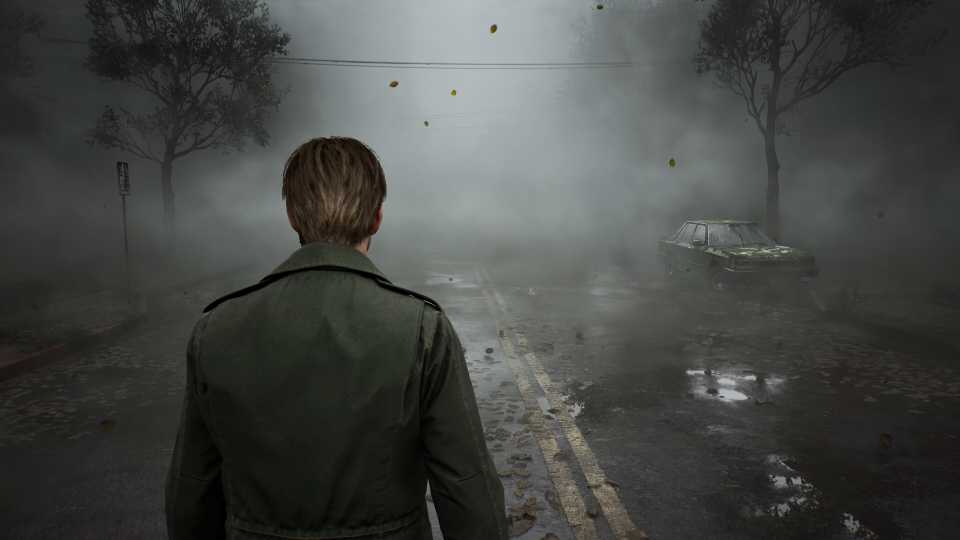
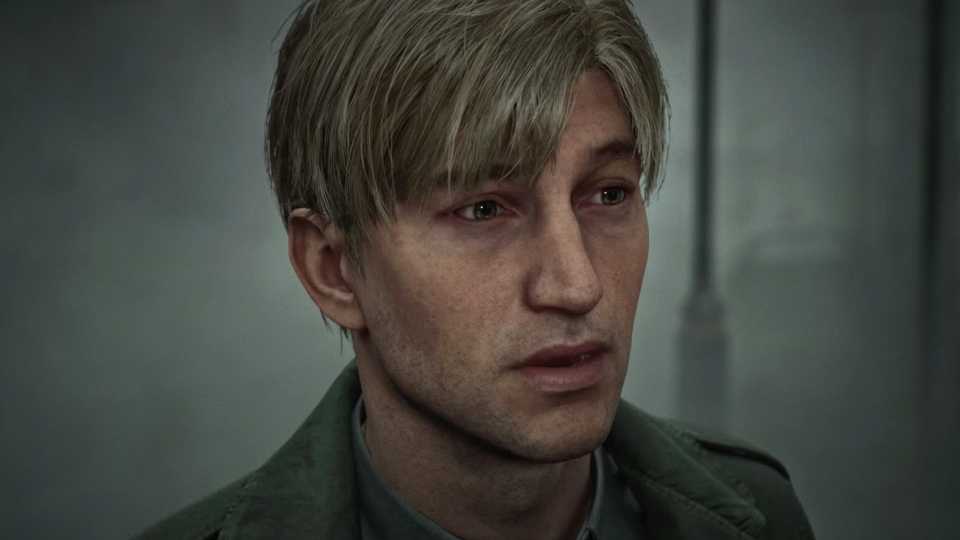
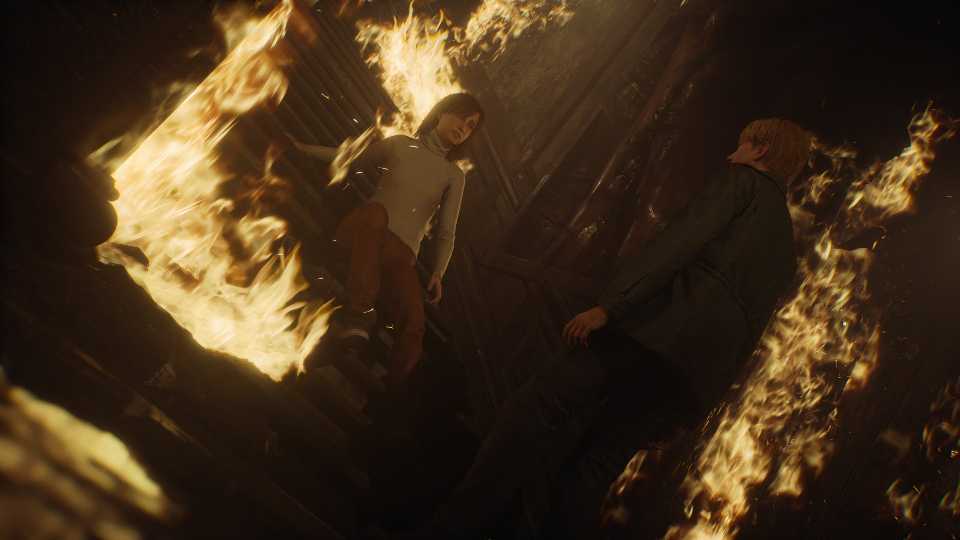
When Silent Hill came out on the first PlayStation in 1999, it was a novel experience for all gamers. However, the huge generational leap to the PlayStation 2 allowed Konami to make Silent Hill 2 something way deeper. It was more psychological, more tragic, and infinitely more haunting. The first game leaned on grotesque horror, but the second one? That gave us a narrative that felt human, with James Sunderland's guilt and grief pulling players into a story that, to this day, is still dissected on online forums.
The fog-drenched streets, the chilling sound design, and, of course, an iconic antagonist like Pyramid Head, all of which became symbolic. This was a time when horror games really crossed over into 'art' territory with Silent Hill 2, and honestly, it surpassed its predecessor by miles and miles. 2023's remake was downright perfect, yes, but there's just nothing quite like pulling up RetroArch and playing the original sequel.
-
👁 Placeholder Image
OpenCritic Reviews - Top Critic Avg: 87/100 Critics Rec: 94%

- Released
- October 8, 2024
- ESRB
- M For Mature 17+ // Blood and Gore, Language, Sexual Themes, Violence
- Developer(s)
- Bloober Team
- Publisher(s)
- Konami




WHERE TO PLAY


- Engine
- Unreal Engine 5
- Genre(s)
- Survival Horror, Horror, Adventure, Action
Uncharted 2: Among Thieves – 2009
Still the best action game from Naughty Dog
The first Uncharted game from Naughty Dog blew everyone away with its cinematic approach to third-person action shooting, and it felt like a breath of fresh air on the Tomb Raider template with Nathan Drake and Nolan North's wittiness and charm. However, Drake's Fortune was far from perfect. Still, it was clear that this was a winning idea, and with some more TLC, it could become a masterpiece easily. That's exactly what Uncharted 2: Among Thieves did two years later. The game's fantastic opening level alone begins with Drake hanging from a derailed train in the Himalayas, and from the word go, you immediately know that things are going to be immensely more serious and grander this time around.
Tighter gunplay, smart AI, globe-trotting set pieces and an incredible finale aboard a runaway train that will never be topped, Uncharted 2 really spoiled the series' future entries by going the hardest, and, to this day, it remains the best game in the phenomenal Uncharted franchise.
-
👁 Placeholder Image
OpenCritic Reviews - Top Critic Avg: 86/100 Critics Rec: 94%
- Released
- October 9, 2015
- ESRB
- T For Teen due to Blood, Language, Suggestive Themes, Use of Tobacco, Violence
- Developer(s)
- Bluepoint Games, Naughty Dog
- Publisher(s)
- Sony
- Engine
- Naughty Dog
- Franchise
- Uncharted


WHERE TO PLAY

- Genre(s)
- Action, Adventure, Third-Person Shooter
Half-Life 2 – 2004
The golden template for all future games to follow
Half-Life changed PC gaming forever, but it was Half-Life 2 that redefined it. The 2004 sequel, with its physics-based gameplay, was revolutionary at the time, and the gravity gun alone remains one of the most iconic weapons in gaming. A recent revisit revealed to me just fantastically the game has aged, and the pacing, world-building, and oppressive, dystopian atmosphere still holds up incredibly.
Between the fantastic Black Mesa remake and Half-Life 2 still looking amazing, it's impossible not to wish for Half-Life 3 every single time the franchise's name comes up, and it's only thanks to just how phenomenal this sequel was. Every chapter, from Ravenholm to City 17's hubs, offered something new, and Half-Life 2 evolved interactive storytelling for every future game to follow. This one truly cemented Valve as masters of the craft.


WHERE TO PLAY
- Genre(s)
- Shooter
The Witcher 3: Wild Hunt – 2015
The perfect RPG, ten years later
The Witcher 2 was a strong RPG, and I definitely gave it a fair shot in the five hours I tried it for. It's not for everyone, I'll say that much. The controls are still clunky, even though the game vastly improved on the first game's insane amount of jank and lack of polish. However, we all know that it was The Witcher 3 that made CD Projekt Red a household name.
This was world-building on an entirely different scale, and had side quests more compelling than most games' main stories. Geralt's journey this time around felt more personal and mature, and a lot fuller of moral gray areas that really stuck with players long after the credits rolled. Combat flowed smooth like butter, and the gorgeous open world was breathtaking to look at, making The Witcher 3 a genre-defining RPG that truly became the benchmark for open-world storytelling for years to come.
-
👁 Placeholder Image
OpenCritic Reviews - Top Critic Avg: 93/100 Critics Rec: 95%
- Released
- May 19, 2015
- ESRB
- M for Mature: Use of Alcohol, Blood and Gore, Intense Violence, Nudity, Strong Language, Strong Sexual Content
- Developer(s)
- CD Projekt Red
- Publisher(s)
- CD Projekt Red
- Engine
- REDengine 3
- Cross-Platform Play
- yes
- Cross Save
- yes
WHERE TO PLAY


- Genre(s)
- RPG, Action, Adventure
Assassin’s Creed II – 2009
"It's a good life we live, brother"
The first Assassin's Creed, borne out of the amazing Prince of Persia trilogy, sold us on a fantastic idea. Assassins, Templars, secret societies, pieces of a lost, futuristic civilization, and a centuries-long war. As invested as we became in this completely new IP, it did suffer from pacing and monotony issues in its gameplay loop, and that's exactly what Assassin's Creed II came and fixed. In fact, it was such an insanely improved sequel that it immediately made the first game obsolete.
Not only did it give us one of the most charismatic heroes of all time in Ezio Auditore, but it was also set in the vibrant world of the Italian Renaissance, compared to the dust-soaked Holy Land from the first game. Every mechanic was refined — the combat, the exploration, the progression, and, above all, the performances. AC II truly became a cultural force, putting the franchise on the map as one of the biggest in gaming history, and it's still going strong.
- Released
- November 7, 2009
- ESRB
- M for Mature: Blood, Intense Violence, Sexual Content, Strong Language
- Developer(s)
- Ubisoft
- Publisher(s)
- Ubisoft
- Engine
- havok, anvil
- Franchise
- Assassin's Creed
WHERE TO PLAY
- Genre(s)
- Action, Adventure
It's always a good thing when a sequel surpasses its predecessor
The best sequels are where ambition and execution finally align.
The best sequels have always elevated the story, often transforming their franchises in the process. They come with improvements that are only possible after the first outing, where ambition and execution finally align properly.
When a sequel surpasses its predecessor, it's always a good thing, because the franchise then becomes more confident in its voice and footing.