|
VOOZH | about |
|
VOOZH | about |
Angular provides powerful tools for handling forms, with FormControl and FormGroup being fundamental building blocks. While both serve similar purposes, they have distinct roles and functionalities within Angular applications. In this article, we'll learn more about FormControl and FormGroup and will also see the differences between them.
Step 1: Create a basic angular application
ng new my-appStep 2: Move to the project directory.
cd my-appStep 3: Start the application using the following command.
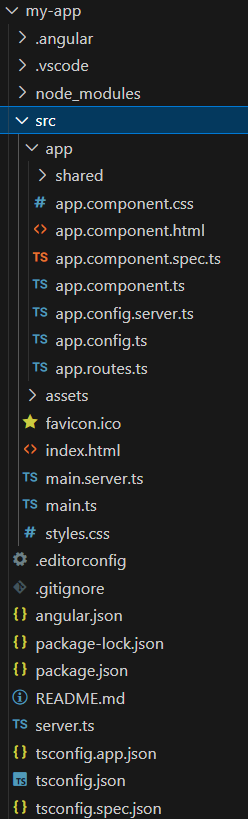
ng serve --openFolder Structure:
👁 Screenshot-2024-04-18-231615
The updated Dependencies in package.json file.
 "dependencies": {
 "@angular/animations": "^17.2.0",
 "@angular/common": "^17.2.0",
 "@angular/compiler": "^17.2.0",
 "@angular/core": "^17.2.0",
 "@angular/forms": "^17.2.0",
 "@angular/platform-browser": "^17.2.0",
 "@angular/platform-browser-dynamic": "^17.2.0",
 "@angular/platform-server": "^17.2.0",
 "@angular/router": "^17.2.0",
 "@angular/ssr": "^17.2.3",
 "express": "^4.18.2",
 "ngx-webstorage": "^13.0.1",
 "rxjs": "~7.8.0",
 "tslib": "^2.3.0",
 "zone.js": "~0.14.3"
 }
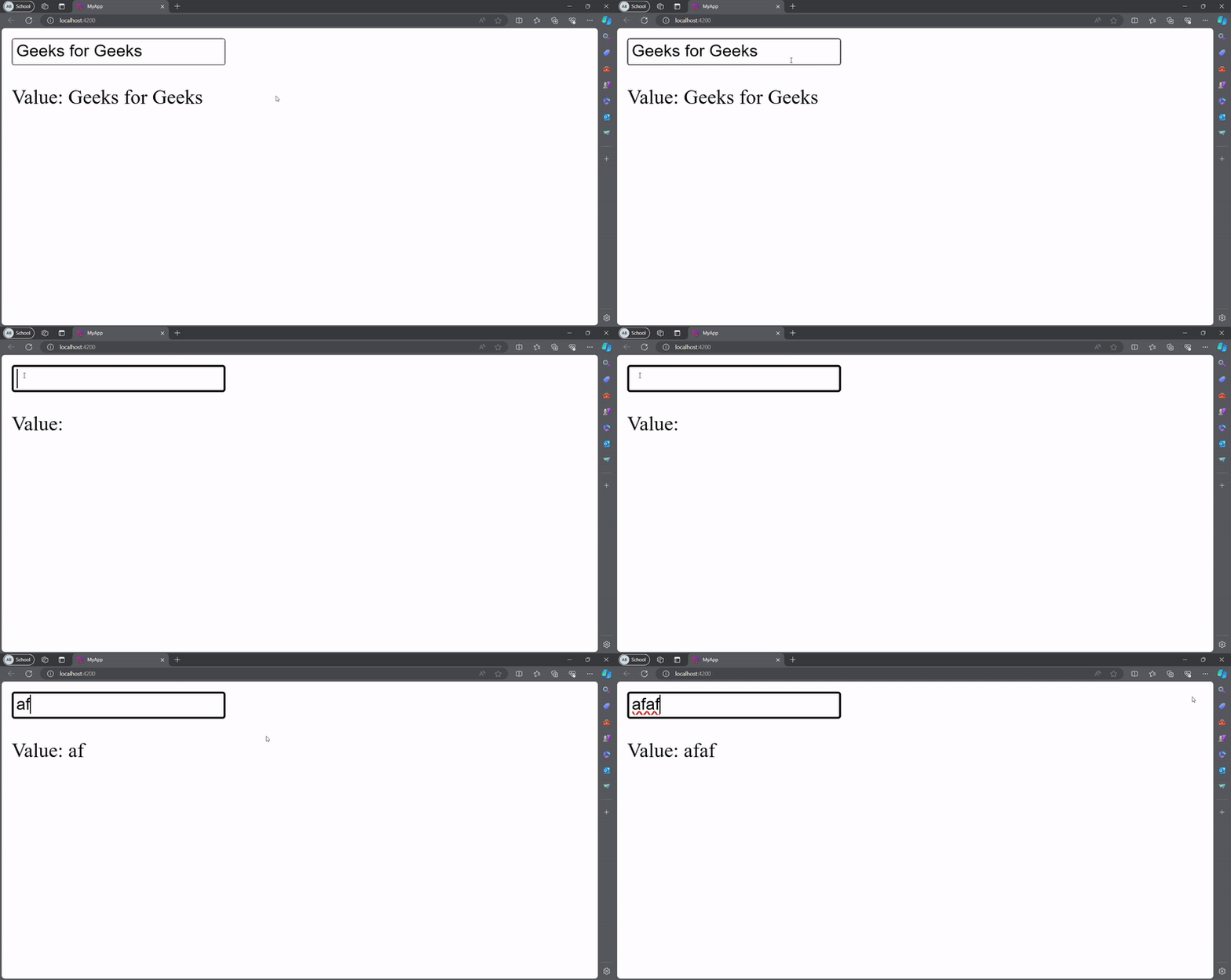
A FormControl represents a single form control element, such as an input field, a dropdown, or a checkbox. It tracks the value and validation status of that input field.
Syntax:
import { FormControl } from '@angular/forms';
const myFormControl = new FormControl('Initial Value', [Validators]);
Output:
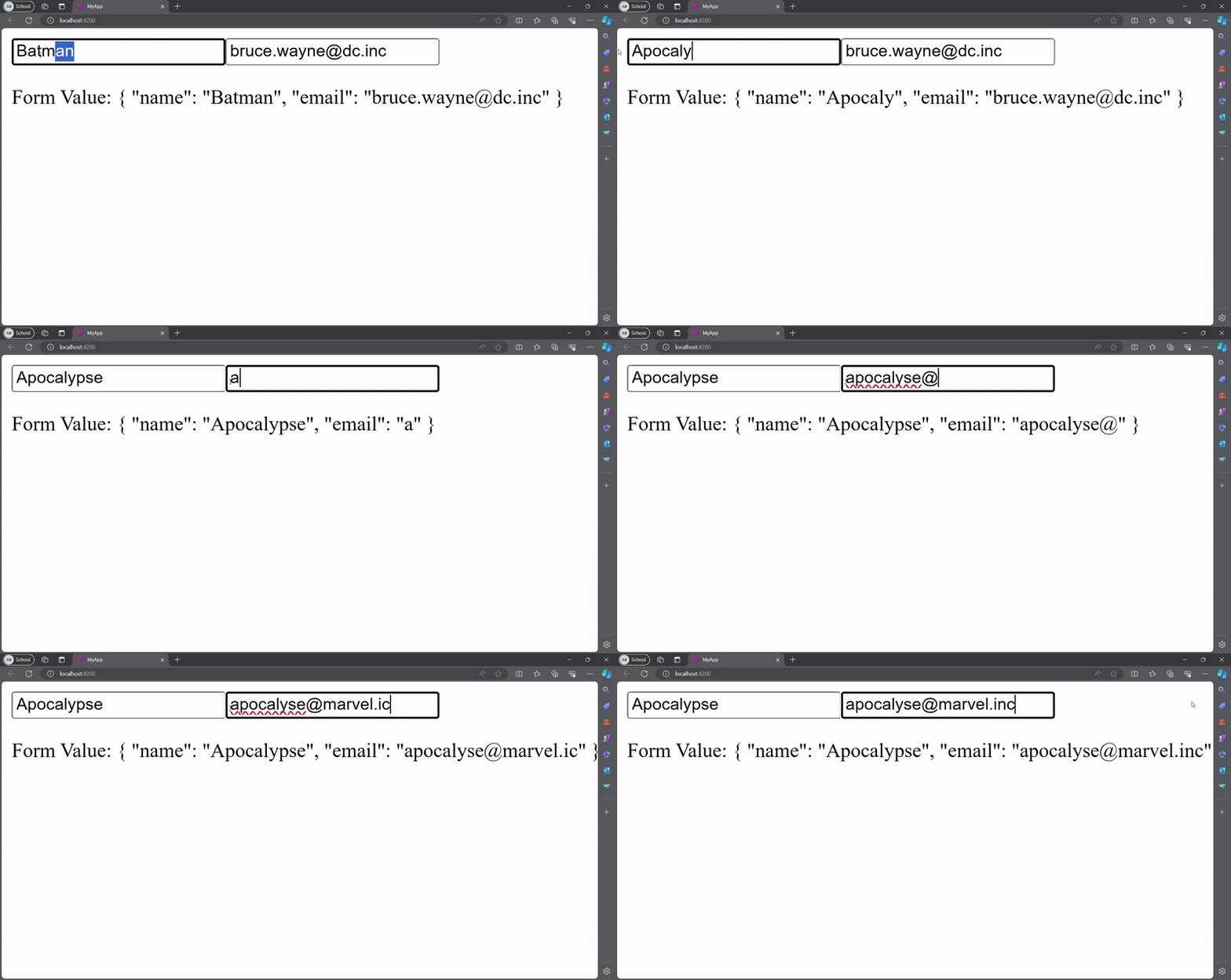
A FormGroup represents a collection of form controls as a single unit, allowing you to manage and validate multiple form controls together. It's used to group related form controls together.
Syntax:
import { FormGroup, FormControl } from '@angular/forms';

const myFormGroup = new FormGroup({
 control1: new FormControl('Value 1'),
 control2: new FormControl('Value 2')
});
Example:
Output:
Feature | FormControl | FormGroup |
|---|---|---|
Representation | Single form control element | Group of form controls |
Value Access | Provides access to the control's value | Provides access to values of all controls in the group |
Validation | Can have synchronous and asynchronous validators | Can have synchronous and asynchronous validators for the entire group |
Nested Structure | Cannot contain nested form controls | Can contain nested FormGroups and FormArrays |
Event Observables | Provides value changes and status changes for the control | Provides value changes and status changes for the entire group |
In Angular forms, FormControl and FormGroup play distinct roles in managing form controls and their validation. While FormControl is used for individual form controls, FormGroup is used to group related controls together. Understanding the differences between FormControl and FormGroup is important for effectively designing and implementing forms in Angular applications, ensuring better organization, validation, and user interaction.