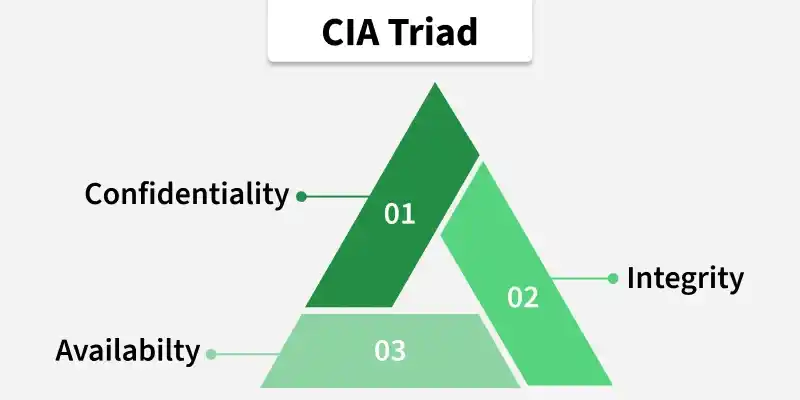
The CIA Triad is a fundamental framework in information security used to protect data and maintain secure, reliable systems. It guides policies to ensure information remains confidential, accurate and accessible to authorized users.
Defines the core principles of Confidentiality, Integrity and Availability
Provides a framework for protecting sensitive and important information
Guides organizations in implementing effective cybersecurity strategies
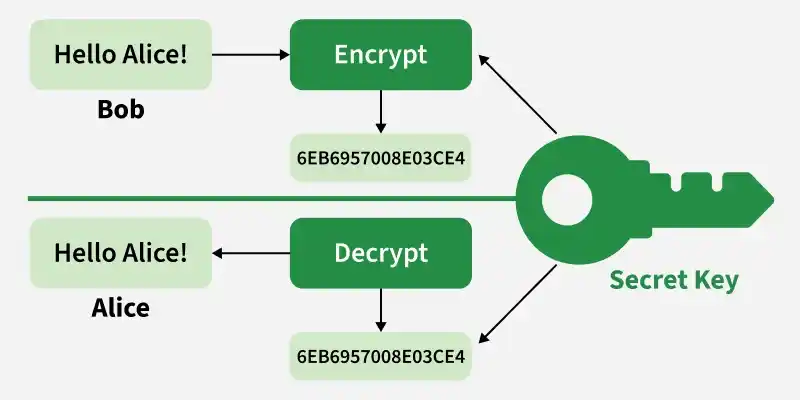
Confidentiality ensures that sensitive data is accessible only to authorized individuals or systems. Its purpose is to prevent unauthorized viewing, access or misuse of private information.
Risks to Confidentiality
Unauthorized Access: Attackers exploit vulnerabilities to access protected data.
Weak Encryption: Outdated or weak encryption can be easily broken, exposing sensitive information.
Insider Threats: Employees or trusted users may leak or accidentally expose confidential data.
How to Ensure Confidentiality
Encryption: Use strong encryption methods like AES or RSA to protect data from unauthorized reading. Avoid outdated algorithms like DES.
VPN: A Virtual Private Network creates an encrypted tunnel for internet communication, preventing interception.
Access Controls: Implement strict authentication and authorization policies to limit data access to only authorized users.
Integrity ensures that data remains accurate, authentic and unaltered during storage or transmission. Any unauthorized modification or corruption compromises the reliability of data.
Risks to Integrity
Data Tampering: Attackers may intentionally alter or corrupt data for malicious purposes.
Malware & Ransomware: Malicious software can modify, encrypt or destroy data, leading to loss and system disruption.
How Integrity Is Ensured
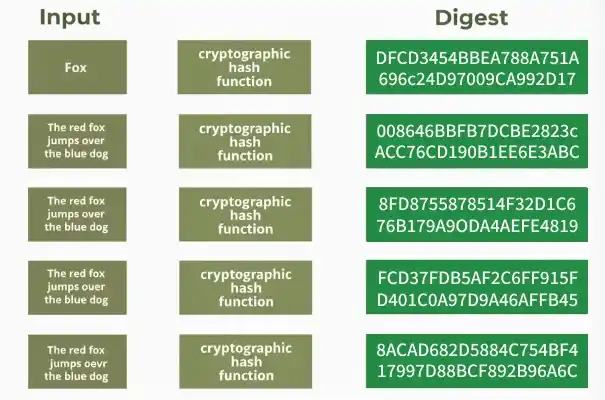
Hash Functions detects modifications by generating unique hash values for data. Common hash functions include
MD5: Produces a 128-bit hash value.
SHA Family: Includes SHA-1, SHA-2, SHA-3 with varying bit lengths.
Working of Hash Functions
1. Host A Sends Data: Host A creates a hash value (H1) using a hash function.
2. Attach Hash: H1 is sent along with the data.
3. Host B Verifies: Host B generates a new hash (H2) from the received data.
4. Compare:
If H1 = H2, the data is unchanged (integrity preserved).
Note: Even a small change in the input (like altering a single word or character) will completely change the resulting hash.
Availability
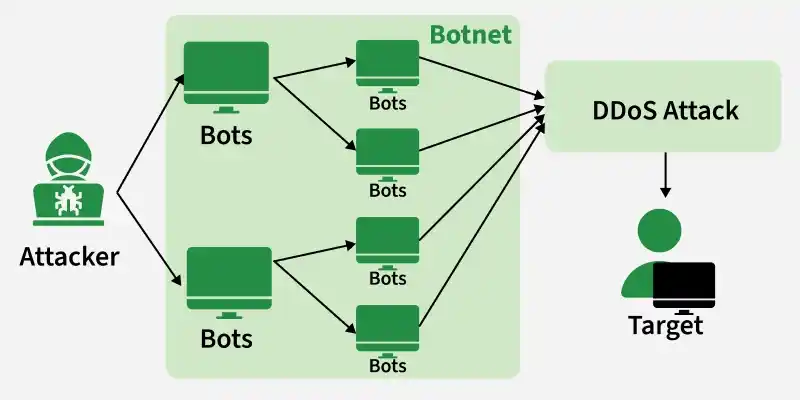
Availability ensures that systems, networks and data are accessible to authorized users whenever needed. Disruptions can halt operations and cause major losses.