|
VOOZH | about |
|
VOOZH | about |
In web development, index.html is the standard filename for a website's homepage. When users visit a website without specifying a particular page, the server automatically delivers the index.html file, ensuring a consistent and organized entry point for visitors.
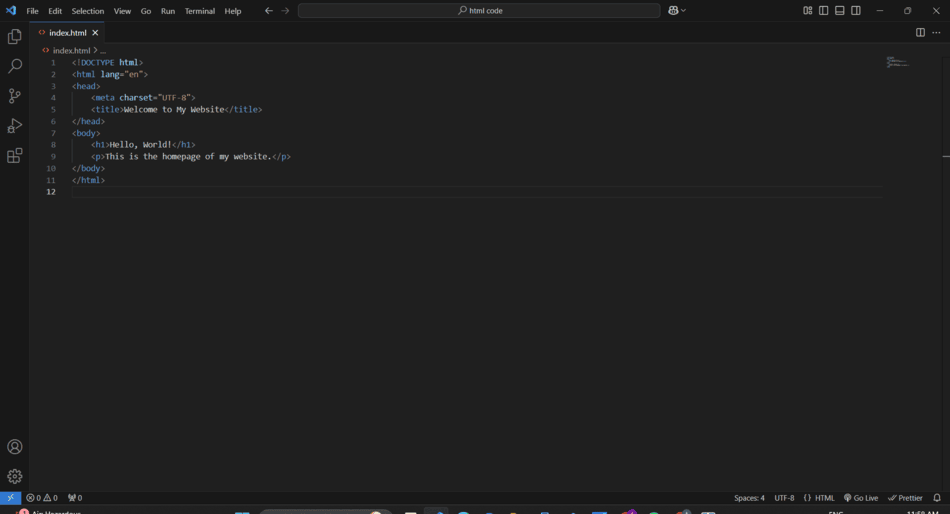
Here's a basic example of an index file in HTML:
The index.html file serves as the default landing page for websites, playing a crucial role in site architecture and user experience.
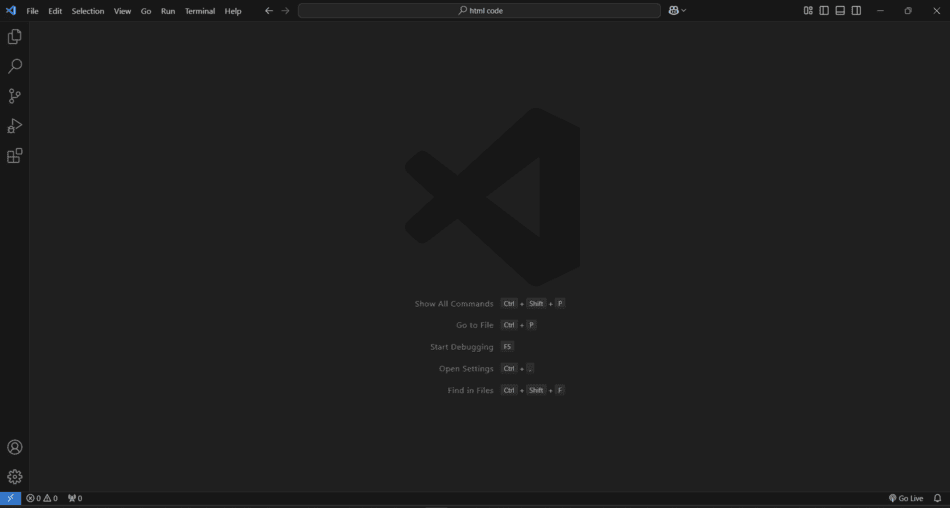
Before starting, ensure Visual Studio Code (VS Code) is installed on your Windows system. If not, follow this guide to install Visual Studio Code on Windows.
Select a code editor like Visual Studio Code, Sublime Text, or Notepad. Here, we’ll use VS Code.
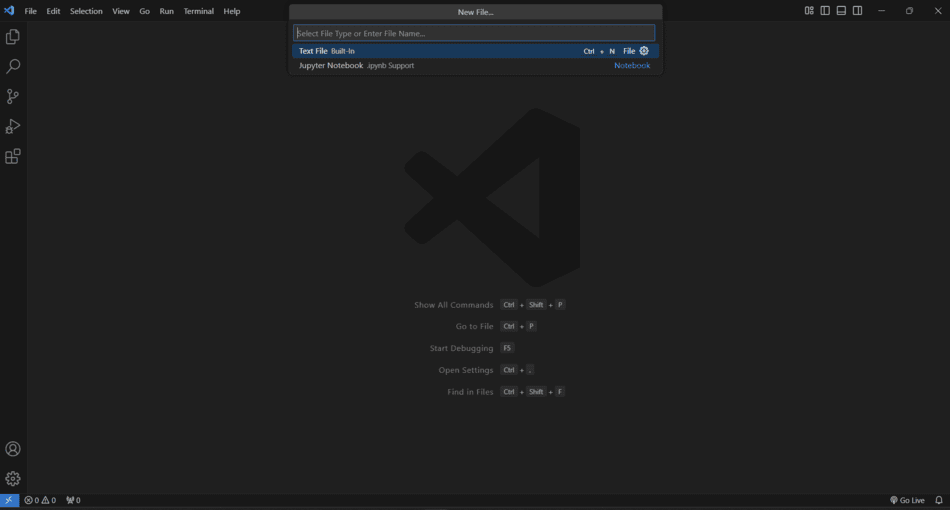
Open your selected editor and create a new file to start your project.
Begin with the <!DOCTYPE html> declaration, followed by <html>, <head>, and <body> tags to set up the page structure.
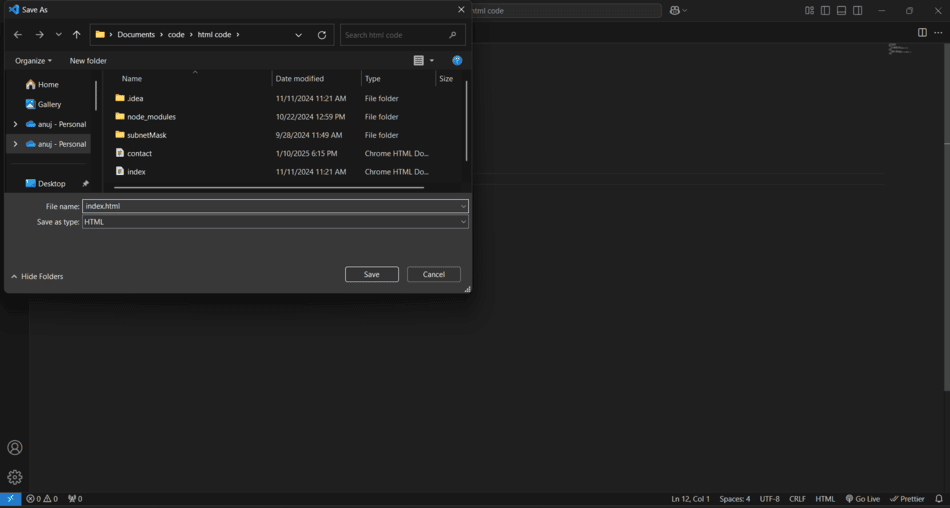
Save the document with the name index.html and place it in your project’s root directory for easy access.
Locate the saved index.html file and open it in any web browser to view the content.
Web servers often look for specific default page names when a user accesses a directory without specifying a file. While index.html is the most common, other default filenames include: