
I'm guilty of it, and I'm sure many of you are in the same boat. Despite having decent gaming rigs and the money to buy the games we love, we probably spend less time gaming than ever. Family, friends, and responsibilities take up a significant chunk of our time, but even in our free time, we rarely sit down to properly enjoy a game like we used to. Instead, we spend hours browsing Steam and Epic Games Store sales, optimizing our hardware, and arguing with strangers on Reddit. If this isn't you, then you're in the minority, but most PC gamers I know suffer from this OCD. I hope we can all turn a new leaf in 2026, and start enjoying our gaming PCs for, well, gaming more than anything else.

PC gaming is becoming a luxury: Why the RAM crisis is a win for consoles
Every day now, a new PS5 or Xbox makes undeniably more sense.
Hunting for game deals instead of clearing their backlog
To err is human
PC as a platform gets to enjoy much better sales than consoles. Gamers are frankly spoiled for choice, thanks to frequent Steam and Epic Games Store sales. A great deal on a wishlisted game can be too tempting to resist, which leads to PC gamers buying more titles than they ever intend to finish. Their backlog stares at them while they splurge on yet another online co-op or indie platformer title. I understand the excitement of buying new games at discounted prices, especially when you couldn't do it as often as a kid. However, while healing your inner child, you shouldn't lose sight of the fact that you built or bought your PC to play games.
Staring at your backlog for hours before switching to your phone or TV is one of the favorite pastimes of PC gamers. Finding enough motivation to go through a full gaming session might be tough, but we can at least stop buying more games before making a sizable dent in our backlogs. You could remember the last game you enjoyed and finished, and pick up a title similar to that. Another way to reduce your backlog is to sort your backlog by the average player or critic score, and start with the best-rated titles. These are simply methods to push through the stasis we often encounter as adult gamers, but the objective is to do more of the thing we all love so much.

I've wasted my high-end PC's potential, and I don't know how I feel about it
With great power comes great responsibility
Endlessly tweaking in-game settings for a few more frames
Recognize the point of diminishing returns
Finding the optimized graphics settings for your machine is essential, but it shouldn't become an obsession. When you launch a demanding title for the first time, it's second nature to head into the video settings to make a few quick changes to see what kind of FPS you can get. Once you've found the right balance between performance and visuals, it's time to enjoy the campaign, not go back into the settings to find more sliders to tweak. You might indeed have left some performance on the table, but in an effort to maximize your FPS, you compromise your overall experience. Instead of getting immersed in the game world and characters, you're constantly giving into the urge to make the FPS counter go up.
Most modern titles don't even need a lot of time to be wasted on the graphics settings. You simply decide whether to turn ray tracing on or off, select the DLSS or FSR preset, keep frame generation on or off, and disable settings like motion blur and lens flare. This should only take a few seconds, and finding the right balance is pretty quick once you play the game.
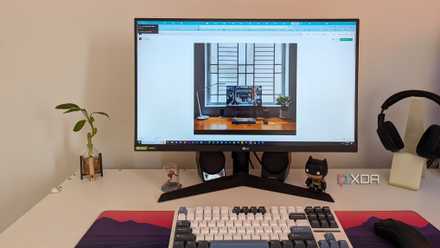
5 ways you are ruining your PC experience by chasing performance numbers
PC hardware is full of performance numbers, but don't miss the forest for the trees
Overclocking and undervolting for minimal gains
It might not be worth the hassle
Getting the most out of your hardware has always been the lifeblood of the hobby, at least for a small group of enthusiasts and power users. Others might not touch their rigs after building them, but overclocking and undervolting can have some real benefits for performance and thermals. The problem is, however, that the real-world gains from these tweaks aren't what they used to be. Overclocking isn't relevant anymore, since manufacturers already make modern silicon run close to its potential. Undervolting can unlock more performance, but only in some cases, and the thermal benefits aren't always worth the risk of unstable operation.
I'm not saying you should drop the idea altogether, but don't get lost in overclocking and undervolting your CPU and GPU. Today's chips are increasingly geared toward mainstream users who don't want to bother themselves with frequency, voltage, and power considerations. They want a stable and enjoyable out-of-the-box experience, even with a PC they build themselves. You're obviously free to optimize your build the way you want, but it can often become the sole focus instead of actually gaming on your rig. That's where you ought to draw the line.
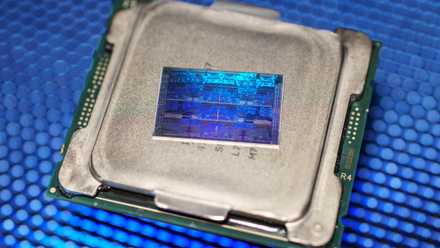
5 lies about tweaking PC hardware that you tell yourself
These hardware tweaking myths can chase you forever
Making unnecessary changes to the build
The paranoia needs to stop
Some people are never satisfied with how they assemble their PC. They're always looking for excuses to open it up and make one or the other modification to "improve" their build. This often looks like replacing the CPU's thermal paste prematurely or reseating the cooler's heatsink for "better contact." Others will take their graphics card apart to deep-clean it the moment it shows a slight uptick in temperature. Some builders will keep changing their fan configuration to experiment with different intake and exhaust fan combinations, even if their PC is running cool and silent already.
This behavior isn't limited to hardware. Users will often update their BIOS the moment they spot a new version released by their motherboard's manufacturer. They might also update each of their drivers too frequently, even if their system isn't experiencing any performance or stability issues. This compulsive need to keep your PC updated is rarely beneficial. Outside of Windows updates, you don't need every BIOS or driver update. Day-one GPU drivers are an exception, since they're essential for optimum performance and stability in the respective games. It's better to visit updates occasionally, and focus on using your PC for what you built it for.

Please stop using third-party drivers update utilities
Most driver update utilities are just bloatware
Arguing about PC hardware online
Don't be that guy
You might think you aren't like that random troll on Reddit, but you definitely are in someone else's book. We've all been guilty of defending PC parts, companies, and tips that are close to our hearts. Sometimes, this defense becomes thinly-veiled fanboyism. You might have had a great track record with Nvidia graphics cards, but that doesn't mean you stay blind to how far AMD has come, especially in the last few years. Similarly, your Intel CPU might have proven great value for money, but you should also avoid defending their overvolting 13th and 14th Gen CPUs. Fighting with strangers on the internet for billion-dollar companies isn't a good look for anyone.
More than anything else, you shouldn't spend more time arguing on Reddit than playing games on your PC. If you find yourself getting too passionate about some glorified sand, take a moment to breathe, and rethink how you spent the last few minutes of your life. We might be PC builders and gamers, but we also need to remember what's truly important. Pointless online debates certainly shouldn't make the cut.

7 worst habits PC enthusiasts need to abandon ASAP
The PC community tends to overdo some of its negative traits
Let's find our way back to gaming
We live in a time saturated with information and distractions. As PC gamers, this can often leave us with far less time for gaming than we'd like. That said, when you actually sit down to play a game on your PC, you should actively avoid wasting time on anything else. Needlessly monitoring CPU temps and FPS, checking for BIOS or driver updates, and buying new games instead of playing existing ones are some habits that gamers need to drop in 2026.
-
👁 Placeholder Image
OpenCritic Reviews - Top Critic Avg: 86/100 Critics Rec: 88%

- Released
- September 25, 2025
- ESRB
- Mature 17+ / Blood and Gore, Intense Violence, Partial Nudity
- Developer(s)
- Neobards Entertainment
- Publisher(s)
- Konami










WHERE TO PLAY


- Engine
- Unreal Engine 5
- Genre(s)
- Survival Horror, Action