
It's the massive, Godzilla-sized elephant in the room — Unreal Engine 5. Apparently the end all be all for nearly every AAA game in the space today, Unreal Engine 5 came to us in 2020 as a savior with tons of promises. No more worries about lighting, geometry, or polygons — just create the games and let your imaginations run wild, while the Engine handles everything on the tech side of things.
Over the last five years, though, it has been anything but smooth sailing. Broken launches, terrible optimization, stutters, lags, low FPS, crashes, and memory leaks have plagued the biggest AAA games, and even in 2025, these issues continue. And yet, having played them and suffered through a lot of performance issues on even the mightiest hardware today, players can't help but wonder if, for at least some of these AAA titles, moving to Unreal Engine 5 was the wrong call.
Unreal Engine 5 is not the problem... in isolation
At least it's not fully to blame
Here's the thing: Unreal Engine 5 isn't really the problem, despite what online users, players, and YouTube video essayists would have you believe. The issue lies in how complex this engine is, and how strained timelines are for games with a lot of stakeholder pressure on them. Pair that with how heavily optimization today is tethered to upscaling tech like DLSS and FSR, and you see why devs don't even bother optimizing their titles to native settings.
Heck, on consoles, upscaling is the only way for major UE5 titles to run — take Silent Hill F, which just came out, and it natively renders between the 360p and 700p range, according to Digital Foundry, before being upscaled to the consoles' 2K or 4K resolutions. This isn't the dream that players were sold, and it leaves people wondering whether some games would've been better off sticking to their old engines.
Borderlands 4 trades off way too much performance for very little upside
An open-world format and better resolutions shouldn't have resulted in a broken game
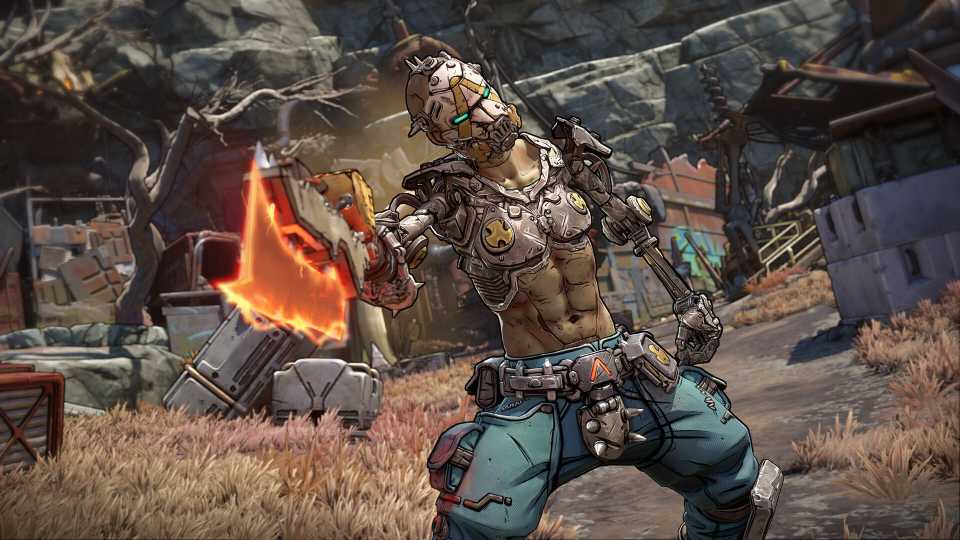
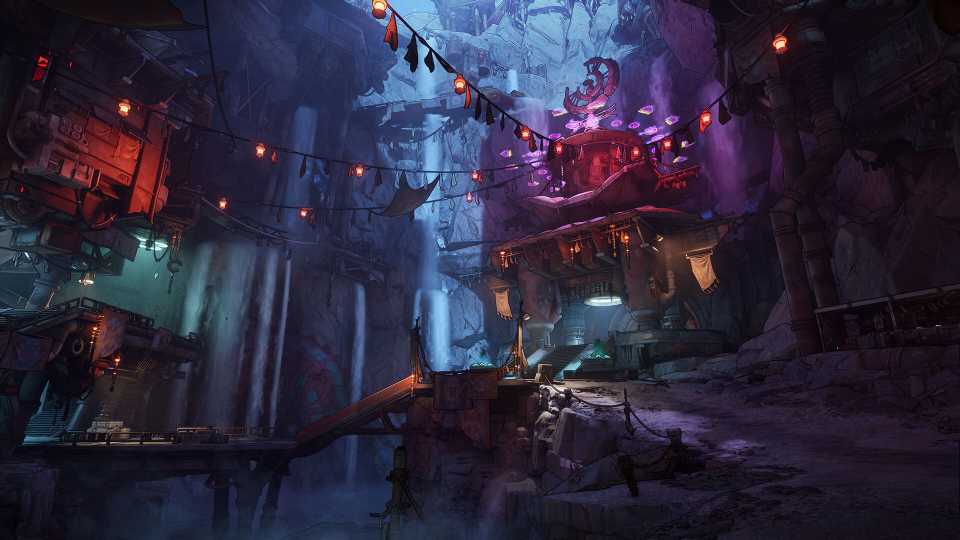
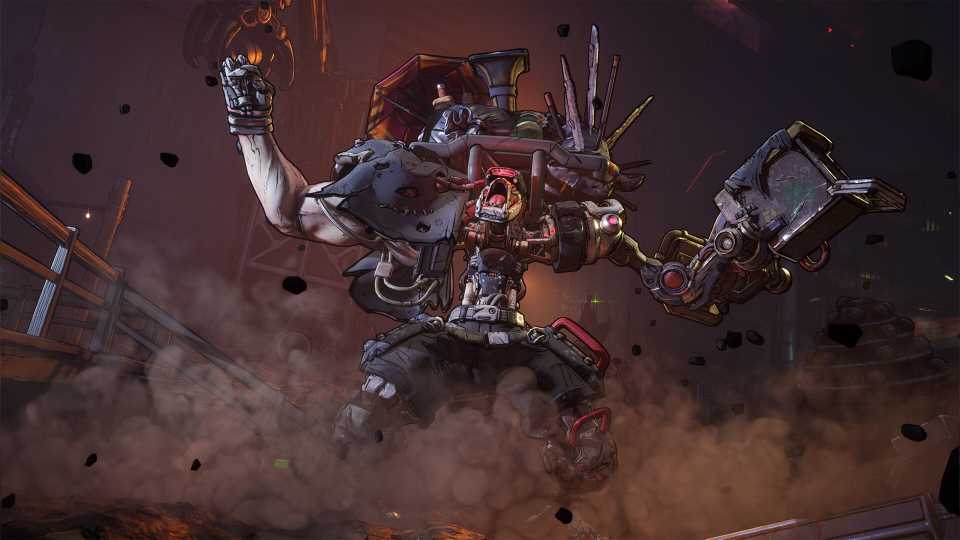
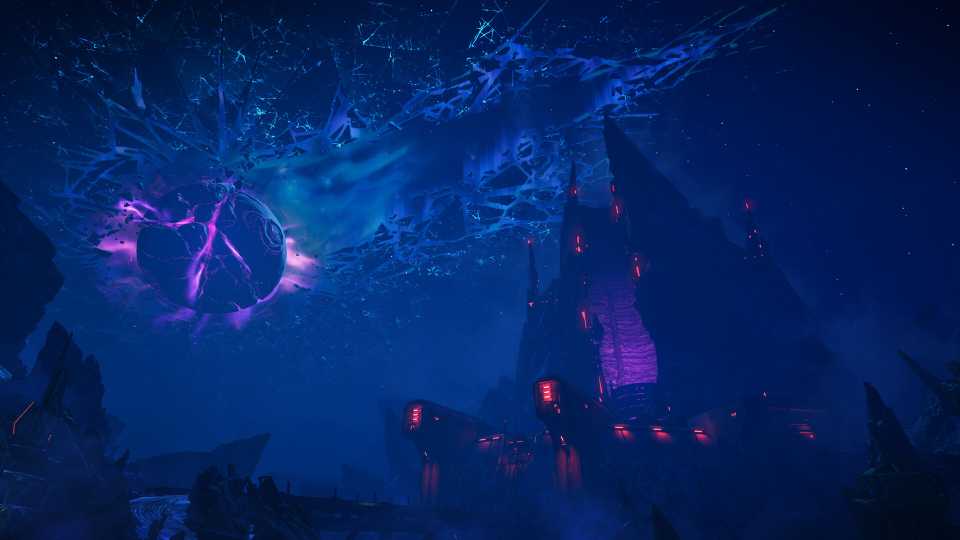
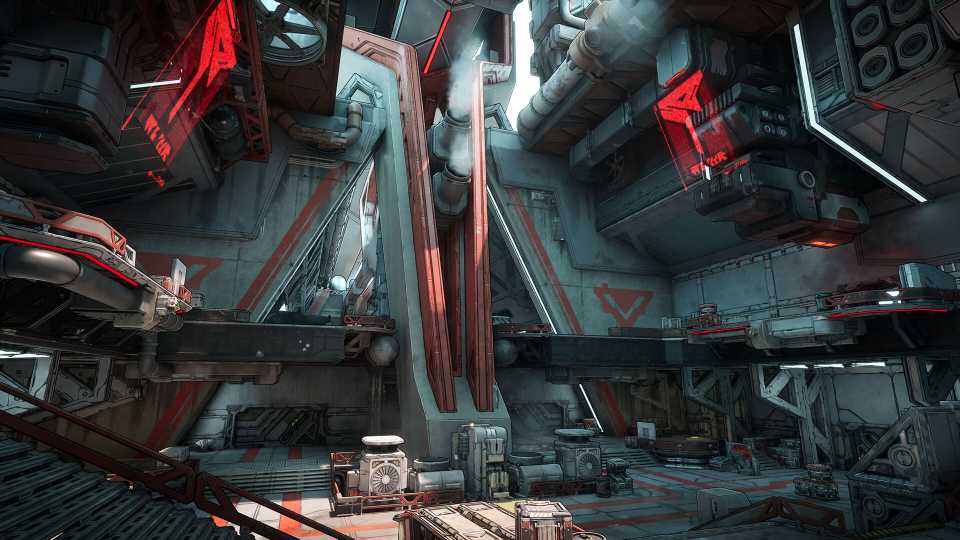
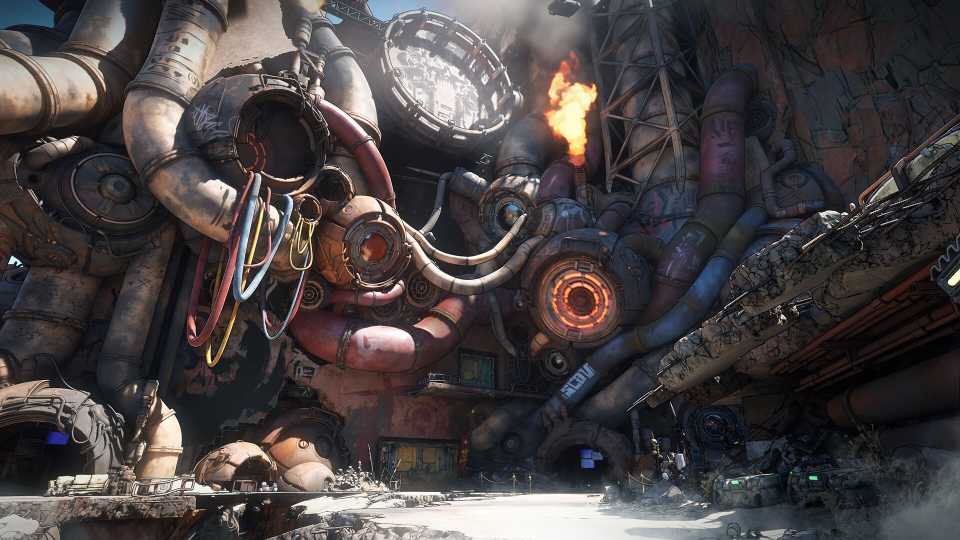
Borderlands 4 is a case study in "just because you can, doesn't mean you should." Borderlands 3 was already running on Unreal Engine 4, and while it wasn't perfect, the balance between visuals, performance, and gameplay was rock solid. But with Borderlands 4, Gearbox decided to jump to UE5 and push the franchise into an open-world format. On paper, that sounds fantastic. In practice? Not so much.
The game genuinely doesn't look all that dramatically better than its predecessor, despite UE5's tech. What does feel dramatically different, though, is the performance, and I don't mean in a good way. Even on a top-tier 5090, the game struggles to stay above 50fps on native 4K at maxed-out settings, with DLSS Quality only netting about 70fps. On consoles, the game struggles to maintain 60fps after an hour or so due to memory leaks, which, for now, is only fixed with a reboot of the game to get back into the flow of things.
This begs the question: why abandon UE4, which was already delivering reliable results, especially on today's hardware, while still looking gorgeous? Lies of P: Overture is on track to become one of the best DLC expansions of the year, and that game is still on Unreal Engine 4 in 2025. Nobody in their right mind would be calling it outdated, either visually or mechanically.
Instead of feeling like a true leap, Borderlands 4's open world feels like a cautionary tale because of its visuals-to-performance trade-off ratio, which is wildly off.
-
👁 Placeholder Image
OpenCritic Reviews - Top Critic Avg: 82/100 Critics Rec: 87%

- Released
- September 12, 2025
- ESRB
- Mature 17+ / Blood and Gore, Intense Violence, Sexual Themes, Strong Language, In-Game Purchases, Users Interact
- Developer(s)
- Gearbox Software
- Publisher(s)
- 2K






WHERE TO PLAY


- Engine
- Unreal Engine 5
- Genre(s)
- Looter Shooter, Action, Adventure, RPG
Metal Gear Solid Delta did not need to move from the FOX engine
$1500 cards struggle to run this linear game at 4K60fps
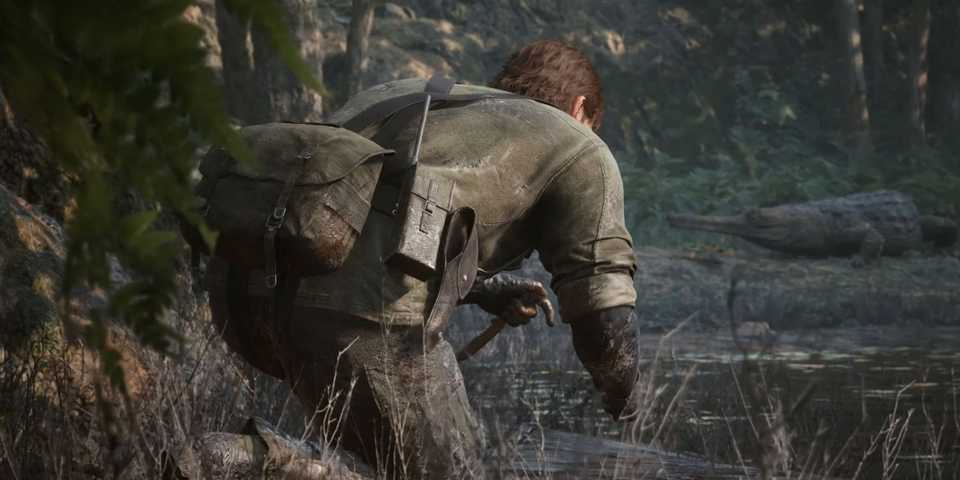
This one hurts. Snake Eater is a masterpiece, and Metal Gear Solid Delta had all the hype in the world behind it. But Unreal Engine 5 did this remake no favors in the optimization department. The game struggled to hit 4K 60fps even on medium settings with a $1500 card like the RTX 5080, and even when it does, the frametime stutters are so massive that they render certain parts unplayable. For a linear stealth-action game with contained environments, that's just... baffling.
The FOX engine, which powered both Metal Gear Solid V and Metal Gear Survive, was already one of the most efficient and versatile engines around. It delivered massive open worlds, fluid stealth mechanics, and smooth framerates across consoles and PC hardware. There wasn't anything inherently wrong with it, so why the shift? The answer, of course, is standardization. Konami, like many studios, wants to move in line with the rest of the industry and embrace UE5.
But, in doing so, they've traded proven efficiency over growing pains. More AAA studios moving to UE5 means that the next few years will see better-optimized games, since everyone will be pooling resources, manpower, and R&D into one engine to figure out what sticks to the wall and what doesn't, instead of spending years developing and updating their own engine that must keep up with the industry standard, which, like it or not, is Unreal Engine 5.
-
👁 Placeholder Image
OpenCritic Reviews - Top Critic Avg: 85/100 Critics Rec: 89%
- Released
- August 28, 2025
- ESRB
- Mature 17+ // Blood, Sexual Themes, Violence
- Developer(s)
- Konami
- Publisher(s)
- Konami






WHERE TO PLAY
Konami is set to return to the Metal Gear series with a remake of Metal Gear Solid 3: Snake Eater. Next-gen visuals, improved gameplay, and a chance to play as Snake once again make this one of the most anticipated games of 2025.
- Engine
- Unreal Engine 5
- Genre(s)
- Shooter, Adventure, Stealth
MindsEye is the poster child for Unreal Engine 5's troubles
Way too much went wrong with this one
This one is genuinely mind-boggling. If ever there was a poster child for UE5's teething troubles, it's MindsEye. Built with high ambitions and an eye for realism, this game looked like a generational leap in trailers, even though everyone and their dog had their suspicions about it. To be fair, the game did deliver in terms of fidelity and fidelity alone. The problem? It pushed so hard on photorealism that even high-end rigs couldn't keep up without leaning heavily on DLSS and frame generation. Native rendering in this game, even with a 5090, doesn't deliver 60fps on 4K, and if you were to turn on DLSS Quality, you'd still be looking at constant stutters and below-60 dips. Add to that game-breaking bugs every few minutes and an overall experience of a nothing burger, and you've got one of the biggest gaming flops in recent history.
This is where Unreal Engine 5's complexity becomes a double-edged sword. The engine offers cutting-edge features, no doubt, but those features require equally cutting-edge optimization. The kind that studios don't always have the time, budget, or resources to deliver. MindsEye feels like a game caught right in the middle of this trap. It wanted to be the face of UE5's future, but instead, it ended up reminding us all just how far optimization still has to go, especially for studios that aren't already-established AAA behemoths. Unreal Engine 5 isn't to blame alone, but it sure makes a convenient scapegoat, doesn't it?
Mafia: The Old Country is gorgeous, yet performs terribly
Unreal Engine 5 wasn't this game's USP at all
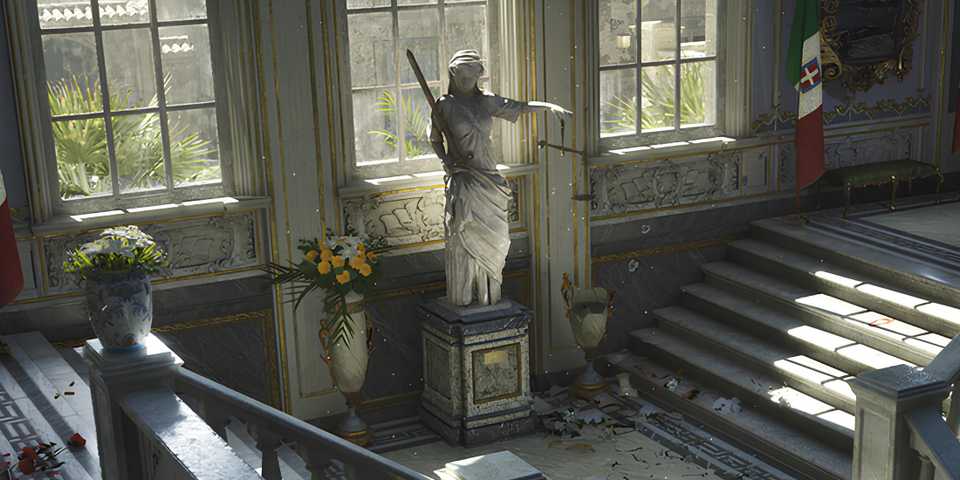
Mafia: The Old Country had the potential to be a love letter to its roots. The game's rich cityscapes and cinematic storytelling were tailor-made for Unreal Engine 5's strengths, but the performance issues genuinely dragged it down. Like Borderlands 4, the game leans heavily on upscalers to even approach smooth performance. In my experience of playing the game, I couldn't get anything north of 40fps on native 1440p resolution at maxed-out settings, and it wasn't until I moved to DLSS Quality + Frame Generation that I got anything above 70fps to make the game playable. On a 5090, the game renders at a maximum of 70fps on native 4K settings at max quality, showing just how big of a hit performance takes in modern AAA UE5 titles.
The immersion that the beautiful lighting system and environments aim to deliver is genuinely undercut when you're dealing with frequent dips and stutters. And the kicker? The Mafia series never needed to jump engines for visual relevance. Havok and Illusion had their quirks, yes, but they were optimized for their specific use cases. The move to UE5 feels less like a creative choice and more like following suit with other developers. Mafia: The Old Country is gorgeous, undoubtedly, but it feels technically unstable every step along the way, making it hard to appreciate a game that anyway failed to do anything impressive narratively.
Mafia: The Old Country
-
👁 Placeholder Image
OpenCritic Reviews - Top Critic Avg: 74/100 Critics Rec: 66%
- Released
- August 8, 2025
- ESRB
- Mature 17+ / Blood and Gore, Intense Violence, Strong Language, Suggestive Themes, In-Game Purchases
- Developer(s)
- Hangar 13
- Publisher(s)
- 2K





WHERE TO PLAY
Uncover the origins of organized crime in Mafia: The Old Country, a gritty mob story set in the brutal underworld of 1900s Sicily. Fight to survive as Enzo Favara and prove your worth to the Cosa Nostra in this immersive third-person action-adventure set during a dangerous, unforgiving era.
This thrilling narrative is brought to life by stunning visuals, cinematic storytelling, and the authentic realism that the critically acclaimed Mafia series is known for. Enzo's story unfolds in a time when skill with a stiletto blade was a deadly asset, a lupara sawed-off shotgun was a go-to firearm, murderous vendettas raged for decades, and mafiosi patrolled their protection rackets on foot, horseback, or behind the wheel of turn-of-the-century motorcars.
Through grit and determination, Enzo has survived a childhood of indentured labor in Sicily’s hellish sulfur mines. Now, through a twist of fate, he has the opportunity to join Don Torrisi's crime family, and will do whatever it takes to carve out a better life for himself.
By swearing an oath, Enzo has committed himself to the Torrisi family's code of honor, with all the power and hardship it entails. He must never forget this simple truth:
Family Takes Sacrifice.
- Genre(s)
- Action, Adventure, Crime
The exceptions: Clair Obscur: Expedition 33 and Hell is Us
With enough TLC, games on Unreal Engine 5 can shine bright
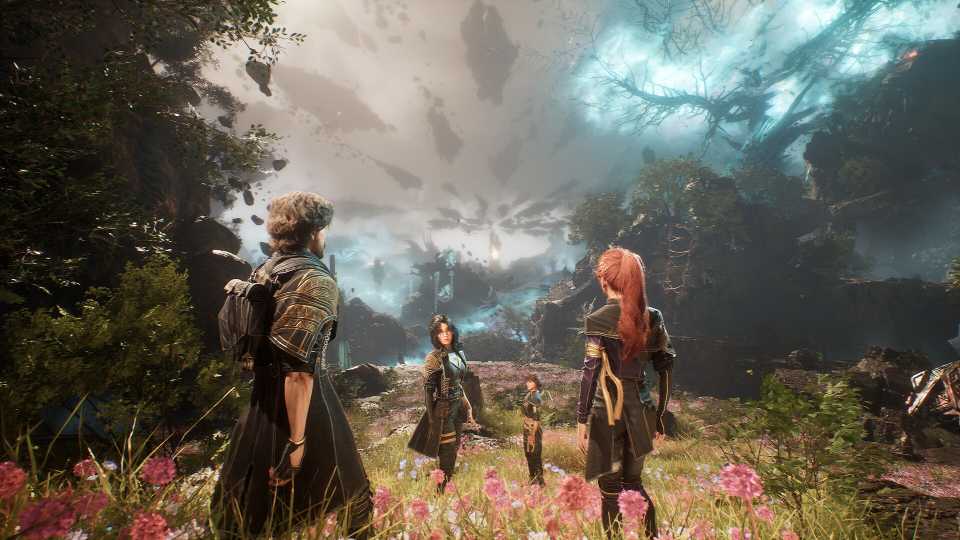
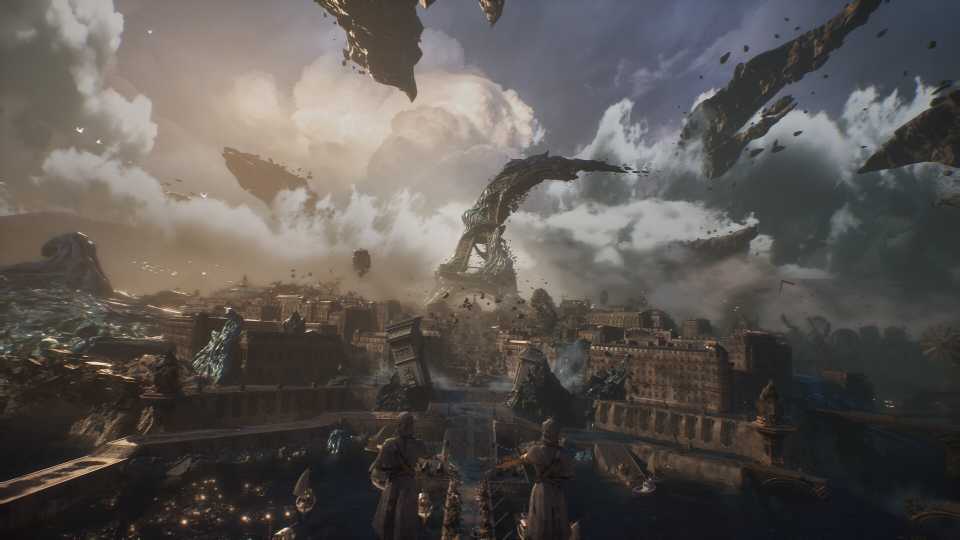
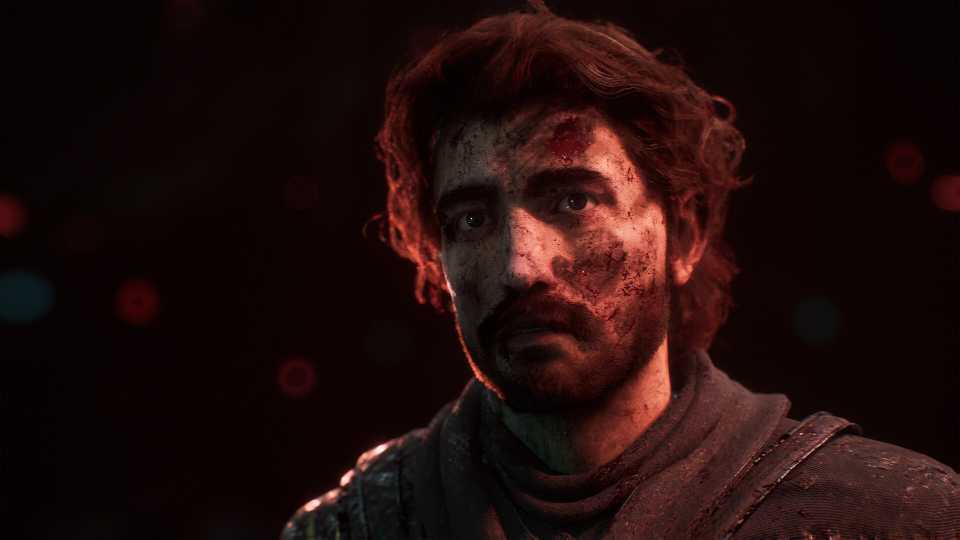
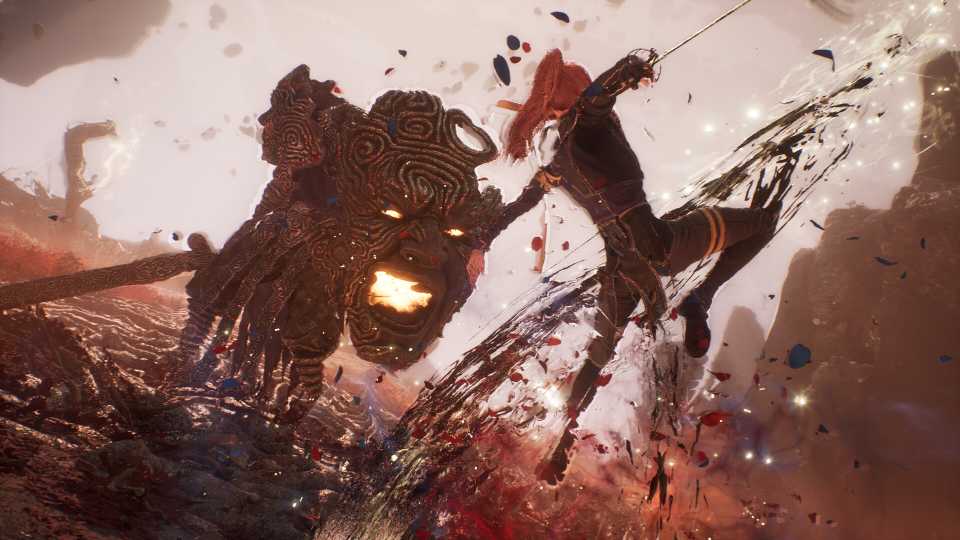
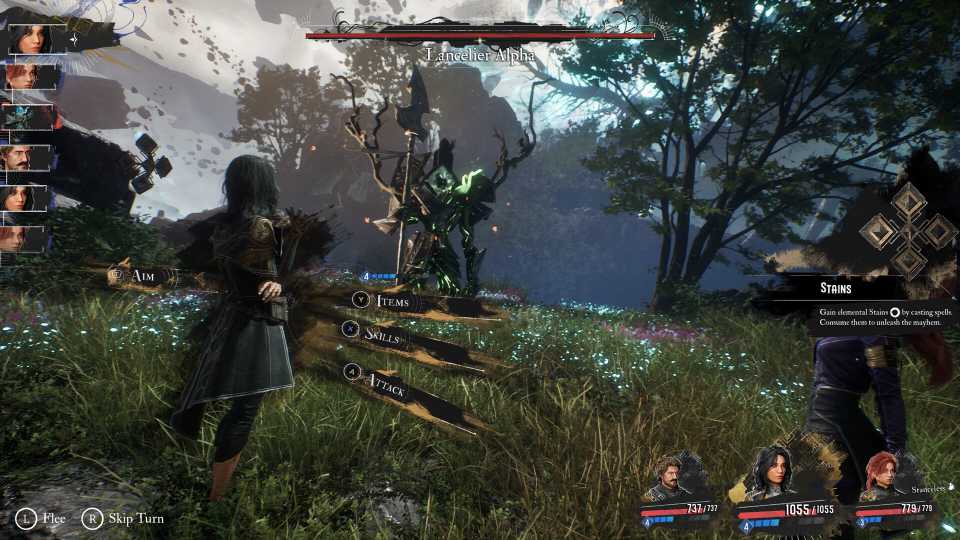
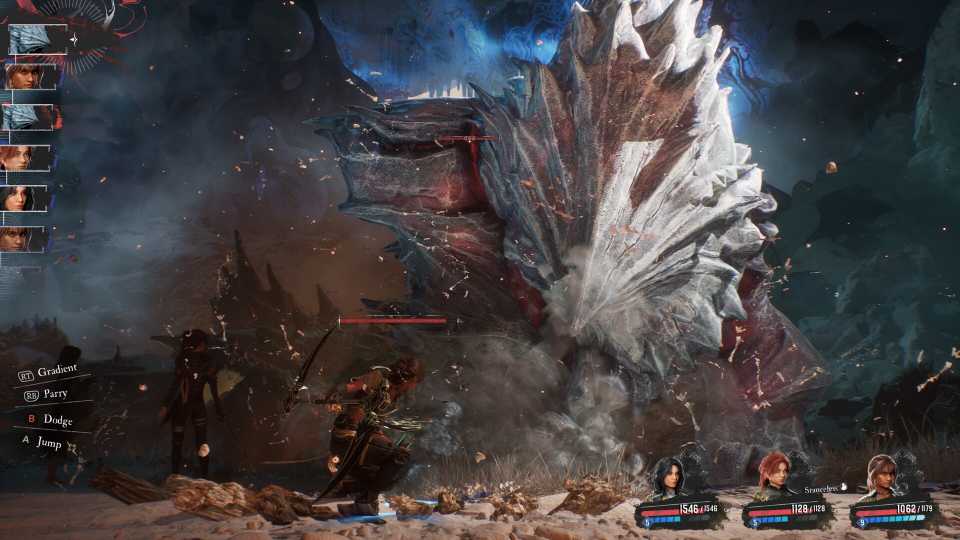
Look, it's not all doom and gloom when Unreal Engine 5 enters the chat, though. Games like Clair Obscur: Expedition 33, which blew the entire world away earlier this year and could very well be on track to win Game of the Year come December, performs splendidly from 30-series cards to 50-series cards, with barely any stutters or crashes that people raised as pain points. It only goes to show that Unreal Engine 5, when properly handled, can shine brilliantly. It was polished, optimized, and immersive, and when devs have the right tools and time, games and the UE5, can both work well.
Similarly, Rogue Factor's Hell is Us performed brilliantly despite its massive biomes and areas filled to the teeth with detail and NPCs, and despite its massive scale, the game performed phenomenally well. Neither game became a stutter-fest on the Unreal Engine 5, showing how, for a UE5 game to look great, play well, and perform stably, the dev team, the optimization team, and the engine itself, have to be locked in, hand-in-hand.
Unreal Engine 5 isn't doomed by design. It's just unforgiving, and when studios take the time to really master its workflow, they can succeed.
-
👁 Placeholder Image
OpenCritic Reviews - Top Critic Avg: 92/100 Critics Rec: 98%
- Released
- April 24, 2025
- ESRB
- Mature 17+ / Blood and Gore, Strong Language, Suggestive Themes, Violence
- Developer(s)
- Sandfall Interactive
- Publisher(s)
- Kepler Interactive





WHERE TO PLAY


- Genre(s)
- Turn-Based RPG, JRPG, Fantasy
The bigger picture — more studios are rapidly moving to UE5
The reality is that Unreal Engine 5 is the industry standard now. CD Projekt Red is abandoning its REDengine for The Witcher 4 and Cyberpunk 2, both moving to UE5. That shift means studios are pooling more and more resources into solving the optimization puzzle. In time, this should lead to better stability, more consistent performance, and a smoother workflow for everyone.
However, that time hasn't come yet. Right now, what we're seeing is growing pains where teams have had to rebuild their pipelines from scratch, learning new workflows and struggling to deliver the kind of seamless experiences that Epic Games promises in their tech demos. In all of that chaos, players are pointing fingers at Unreal Engine 5 itself, when the real issue is deeper: dev time, budgets, and the sheer difficulty of optimizing across countless hardware setups.
The next few years will decide if UE5 become the golden standard we were promised.
UE5 sure is powerful, but it definitely isn't magic. It demands more optimization, and until the industry adjusts, we'll keep seeing games that feel like they are punching above their weight in visuals but tripping above their own framerates.
The engine isn't the villain here. It's a highly-complex, ambitious tool that can deliver breathtaking results, but only in the right hand, with enough time and TLC invested. The next few years will tell us whether UE5 really becomes the golden standard we were promised, or if it just becomes another technological cautionary tale.