|
VOOZH | about |
|
VOOZH | about |
Solution:
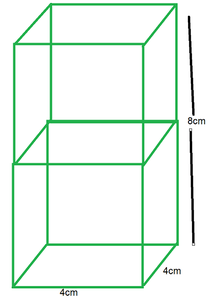
Volume of cube=64cm3 = (side)3
(Side)3 = 64
Side = (64cm3) 1/3
= (2*2*2*2*2*2 cm3)1/3
= 2*2
= 4 cm
Hence, now
Length = 8 cm
breadth = 4 cm
Height = 4 cm
Surface area of cuboid=2(lb+bh+hl)
=2(8*4+4*4+4*8)
=2(32+16+32)
=2(80)
=160cm2
👁 Image
Solution:
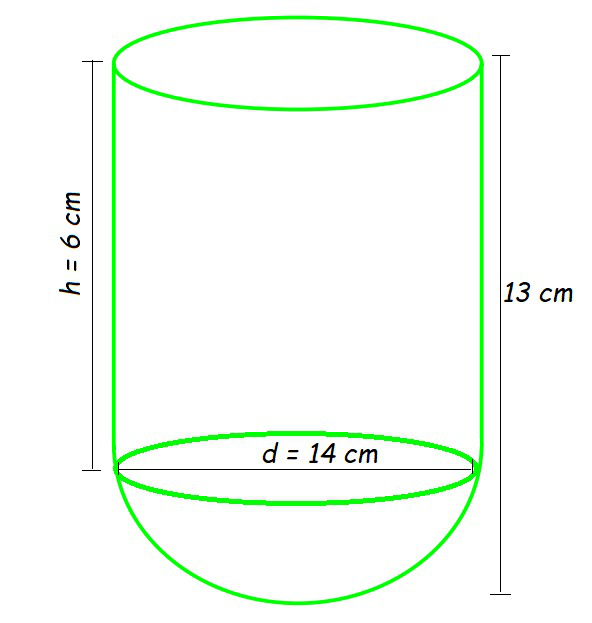
Height of cylinder = 13-7 = 6 cm
Inner surface area of vessels=C.S.A of cylinder+ C.S.A of Hemisphere
=2πrh+2πr2
=2πr(h+r)
=2*22/7*7(6+7)
=44(13)
=572cm2
👁 Image
Solution:
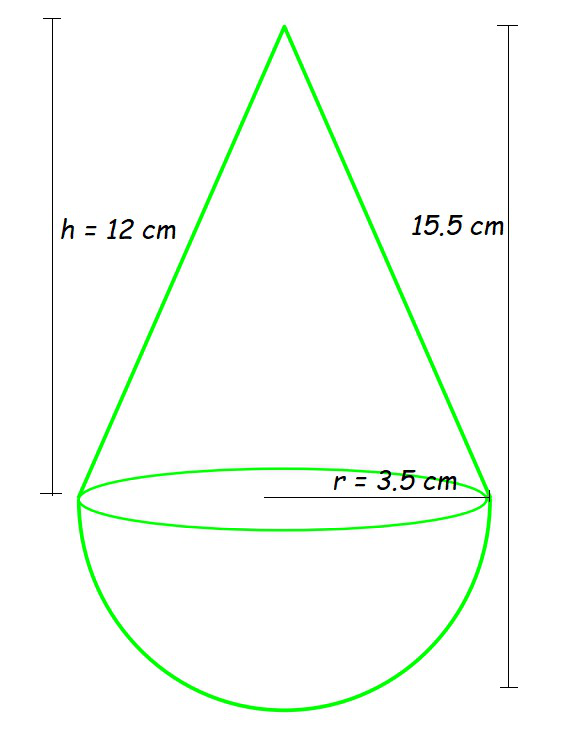
Height of cone(h)=15.5-3=12cm
l=√(h2+r2)
l=√(122+3.52)
l=√(144+12.25)
=√256.25
=12.5cm
Total surface area of toy=C.S. A of cone+ C.S.A of hemisphere
=πrl+2πr2
=πr(l+2r)
=22/7*3.5(12.5+2(3.5))
=11(12.5*7)
=11(19.5)
=214.5cm2
👁 Image
Solution:
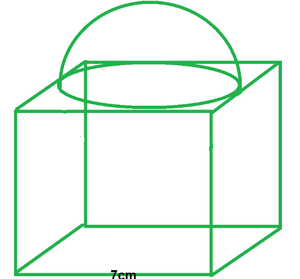
Surface area of solid=T.S.A of cube-Area of circle+ C.S.A of hemisphere
=6*side*side-πr2+2πr2
=6*side*side+πr2
=6*7*7+22/7*7/2*7/2
=294+72/2
=294+38.5
=332.5cm2
👁 Image
Solution:
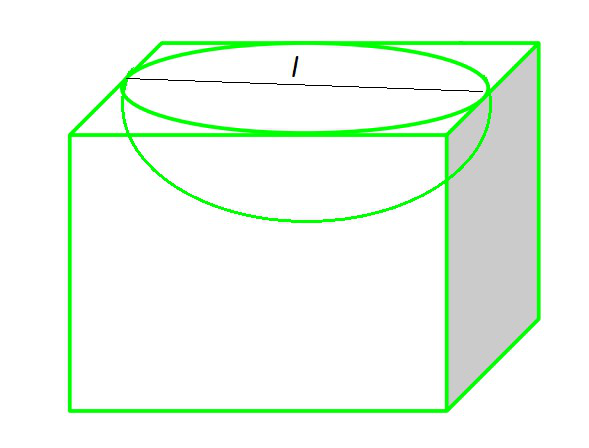
Surface area remaining solid=T.S.A of cube -Area of circle+ C.S.A of hemisphere
=6*side*side- πr2+2πr2
=6*l*l- πr2
=6l2-πr2
=6l2 - π(l/2)2
=6l2 - πl2/4
=(24l2+ πl2)/4
=l2(24+π)/4
👁 Image
Solution:
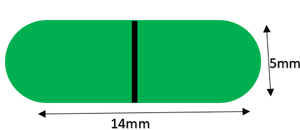
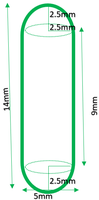
D=5mm r=5/2mm
h=14-5=9
Surface area of cylinder=C.S. A of cylinder+ C.S.A of 2 Hemisphere
=2πrh+2πr2*2
=2πr(h+2r)
=2*22/7*5/2(9+2*5/2)
=110/7(9+5)
=110/7*14
=220mm2
👁 Image
👁 Image
Solution:
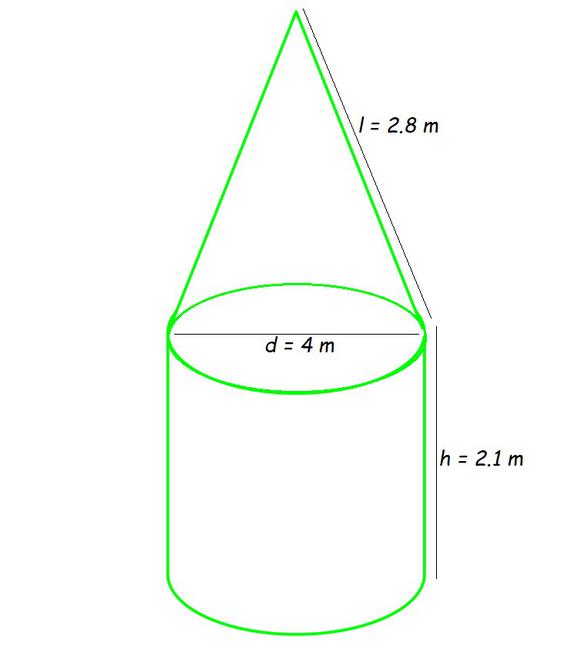
i) d=4m r=4/2=2m
Area of canvas =C.S.A of cone+ C.S.A of cylinder
=πrl+2πrh
=πr(l+2h)
=22/7(2.8+2*2.1)
=44*(2.8+4.2)/7
=44*7/7
=44m2
ii) cost of canvas=Area*rate
=44m2*Rs. 500/m2
=Rs. 22,000
👁 Image
Solution:
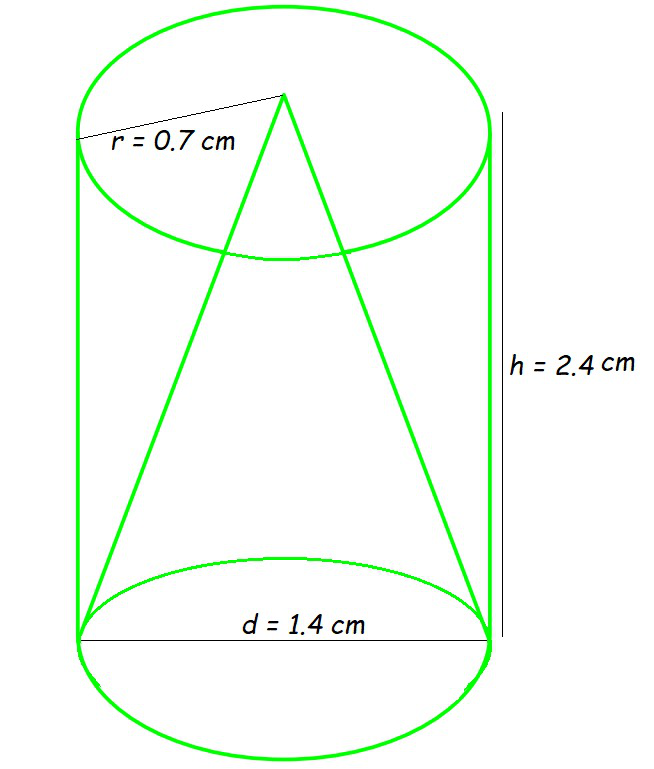
D=1.4 cm, r=1.4/2=14/20=7/10=0.7
l= √(h2+r2)
= √((2.4)2+(0.7)2)
= √(5.76+0.49)
= √6.25
= 2.5cm2
Total surface area of remaining solid=C.S.A of cylinder+ C.S.A of cone+ Area of circular base
= 2πrh+πrl+πr2
= πr(2h+l+r)
= 22/7*7/10(2(2.4)+2.5+0.7)
= 22(4.8+2.5+0.7)/10
= 22(8)/10
= 176/10
= 17.6cm2
Nearest ten=18cm2
👁 Image
Solution:
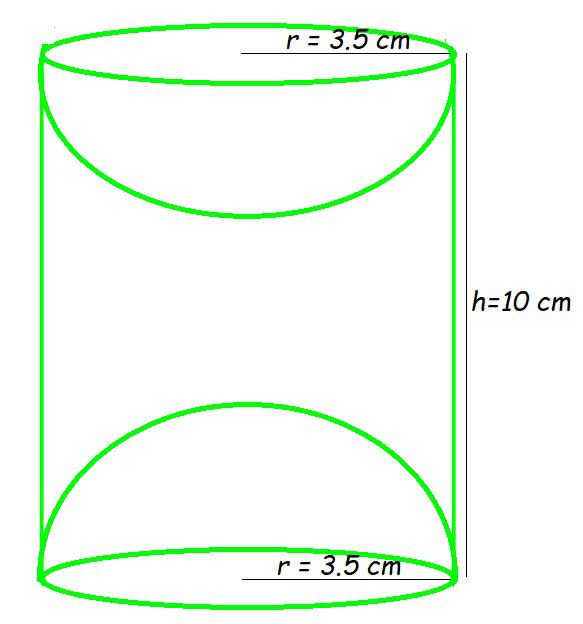
Total surface area of article=C.S.A of cylinder+2*C.S.A of hemisphere
=2πrh+2*2πr2
=2πr(h+2r)
=2*22/7*3.5(10+2(3.5))
=22(10+7)
=22(17)
=374cm2
👁 Image
Exercise 13.1 focuses on the surface area and volume of right circular cylinders and cones. It covers calculating the curved surface area, total surface area, and volume of these 3D shapes. Students learn to apply formulas in various practical scenarios, including problems involving cost calculations, capacity of containers, and comparisons between different shapes. The exercise also introduces the concept of slant height in cones and its relationship with the radius and height.