|
VOOZH | about |
|
VOOZH | about |
Ant Design, also known as AntD, is a popular React UI library that provides the Skeleton component that is used for improving the user experience during content loading. It provides a placeholder that looks like the shape of the content is loaded, making the waiting period smoother for users.
In this article, we’ll explore the basics of using the Ant Design Skeleton component and discuss its features.
The Skeleton component in Ant Design serves as a loading placeholder that simulates the layout of the actual content being fetched. When data is being loaded, a skeleton screen (usually consisting of grey boxes resembling text, images, or other content) is displayed. Once the data has been fetched, the real content replaces the skeleton screen.
Skeletons help create a smoother user experience by reducing the perceived loading time and keeping the user interface responsive.
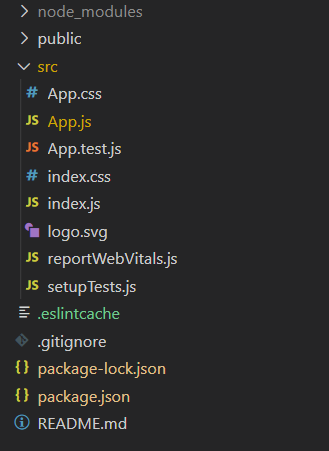
npx create-react-app foldername
cd foldername
Step 2: Install the required module using the following command
npm install antd"dependencies": {
"@testing-library/jest-dom": "^5.17.0",
"@testing-library/react": "^13.4.0",
"@testing-library/user-event": "^13.5.0",
"antd": "^5.21.2",
"react": "^18.3.1",
"react-dom": "^18.3.1",
"react-scripts": "5.0.1",
"web-vitals": "^2.1.4"
}
Example: Now write down the following code in the App.js file. Here, App is our default component where we have written our code.
Run the application using the following command
npm startOutput: Now open your browser and go to http://localhost:3000/, you will see the following output: