|
VOOZH | about |
|
VOOZH | about |
Data Flow Diagram (DFD) and Entity Relationship Diagram (ERD) are used for data flow representation. In this article, we will look into DFD and ERD and we will also see the difference between DFD and ERD.
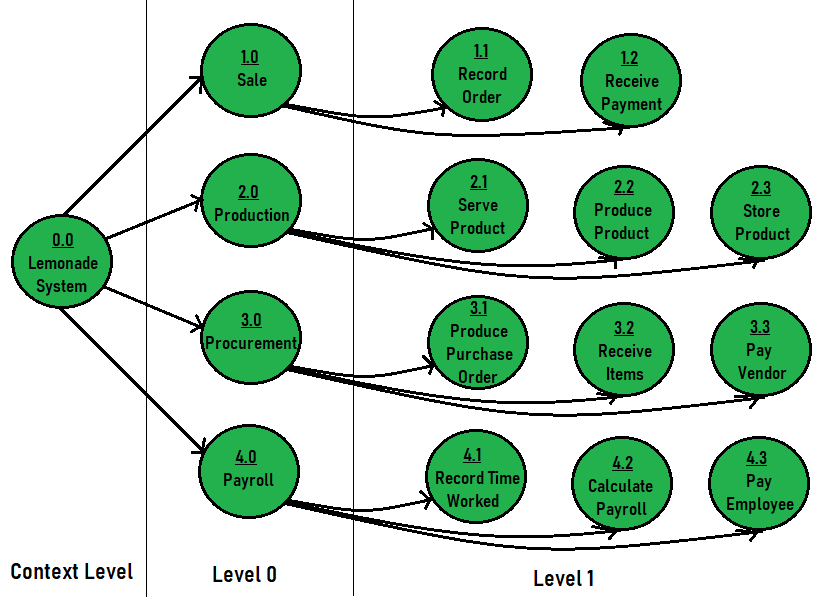
Data means information, flow means to move, and a diagram means a picture to represent something. So, DFD is simply the graphical representation of the flow of data or information. It is a framework or pattern of the data systems. It includes data input, data output, and storing data. DFD describes the process of taking the data as input, storing the data, and giving the data as output. DFD describes the path of data that completes the process. There are mainly two types of DFD: Physical Data Flow Diagram, and Logical Data Flow Diagram.
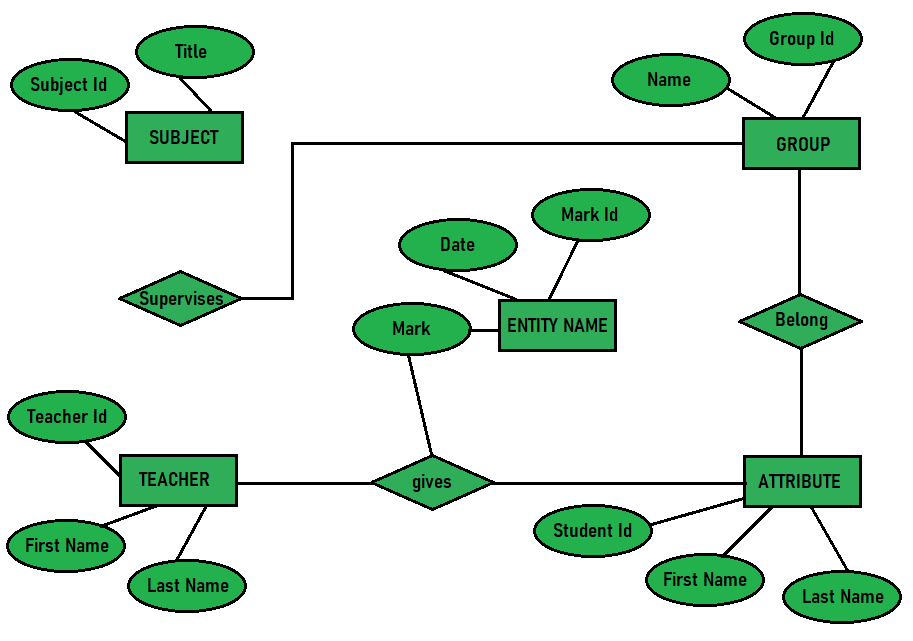
ERD is also known as the Entity-Relationship Model. ERD was originally proposed by Peter Chen. Entity means any object used to store information and are distinguishable, relationship means connection, and diagram/model means a picture uses to represent something. So, ERD is simply the diagram or model that is used to represent or show the relationship between the entities or data objects that are stored in a database. The main components of the E-R model are an entity, attributes, and relationship. It is a very easy way to represent the database design.
| DFD | ERD |
|---|---|
| It stands for Data Flow Diagram. | It stands for Entity Relationship Diagram or Model. |
| Main objective is to represent the processes and data flow between them. | Main objective is to represent the data object or entity and relationship between them. |
| It explains the flow and process of data input, data output, and storing data. | It explains and represent the relationship between entities stored in a database. |
| Symbols used in DFD are: rectangles (represent the data entity), circles (represent the process), arrows (represent the flow of data), ovals or parallel lines (represent data storing). | Symbols used in ERD are: rectangles (represent the entity), diamond boxes (represent relationship), lines and standard notations (represent cardinality). |
| Rule followed by DFD is that at least one data flow should be there entering into and leaving the process or store. | Rule followed by ERD is that all entities must represent the set of similar things. |
| It models the flow of data through a system. | It model entities like people, objects, places and events for which data is stored in a system. |
(A) A data store with no inbound flows
(B) A data store with only inbound flows
(C) A data store with more than one inbound flow
(D) None of these
Solution: Correct Answer is (B).
(A) LEVEL-0 DFD
(B) LEVEL-1 DFD
(C) LEVEL-2 DFD
(D) LEVEL-3 DFD
Solution: Correct Answer is (A).
(A) what processes will be used
(B) who generates data and who processes it
(C) what each person in an organization does
(D) which data will be generated
Solution: Correct Answer is (B).
For detailed explanation, refer to ISRO | ISRO CS 2007 | Question 77.