
The Linux desktop market share is ridiculously tiny next to the sheer dominance of Windows 11, and there's simply no denying that. However, after spending more time with modern distros lately, I've realized something rather interesting. Linux no longer feels like an alternative, niche operating system that people need to fight their way through. In many ways now, Linux has become more forward-thinking than Windows itself.
We can talk about flashy visuals or niche terminal commands all the livelong day, but the most refreshing part about modern Linux systems is how some genuinely useful features are significantly more enjoyable on Linux, while Windows still approaches them with limitations or compromises. Even in 2026, there are areas where Linux can feel more flexible, respectful, and user-focused in ways Windows still hasn't properly replicated.
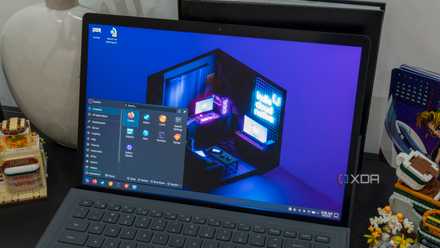
SteamOS proved the Linux desktop doesn't need to look like Windows to succeed
Desktop only when one's needed.
Linux lets you change the entire desktop experience
Windows still treats customization like a controlled sandbox
One of Linux's biggest strengths is that it doesn't force users into a single desktop vision. On Windows 11, you can tweak the wallpaper, use something like Windhawk to mod taskbar behavior and icons, and maybe install a few more third-party apps. However, what greets you on the screen when you boot up every time — the core desktop experience — remains fundamentally locked to Microsoft's own design philosophy.
It works, no doubt, but Linux takes a wildly different approach that's impossible not to be impressed by. You can swap between KDE Plasma, GNOME, Cinnamon, Xfce, or even ultra-minimal tiling environments, depending on how you want your PC to behave. Some prioritize aesthetics, while others will make their Linux-based desktop all about productivity.
Spend enough time experimenting, and the difference will be impossible to miss. Linux allows customization, and even more importantly, it encourages ownership. Your desktop can become keyboard-centric, retro-inspired, gaming-focused, ultra-lightweight, or visually modern, and you'll never have to reinstall the OS entirely. Comparatively, Windows feels like a carefully-fenced garden. It's beautiful and properly upkept, sure, and I myself enjoy a decent stroll through said garden, but even with all the recent personalization improvements Microsoft has added, Linux's desktop environment is simply a whole different ball game.

I tested every Linux desktop and realized fragmentation isn't a problem anymore
Choose your desktop worry-free
Linux package managers still feel generations ahead
Installing software shouldn’t involve hunting random EXEs online
A rather immediate way Linux starts making sense when you shift from Windows, is through its package management systems. Most distros let you install, remove, and update applications from centralized repositories using a single interface or command. The OS, the drivers, libraries, and applications, all update together cleanly with nary a hiccup.
On the other hand, Windows does feel fragmented, comparatively. While some apps update through the Microsoft Store, others launch startup updaters in the background. Then there are apps that require downloading installers directly from their websites, and even demand a full restart once they're done. I'll admit that the Windows Package Manager has improved things significantly, but it still feels plastered on top of Windows, rather than natively integrated into the experience itself. Linux package managers, on the other hand, manage to feel cohesive in a way Windows still struggles to replicate.
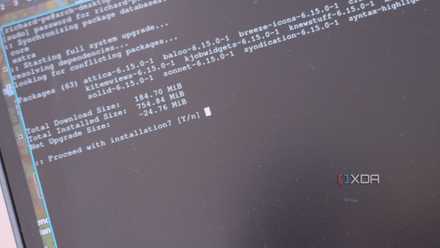
Linux package managers are the main reason I'll never switch back to Windows, ever
You'll have to pry them out my CLI.
Linux live USB sessions feel futuristic in 2026
Booting an entire OS from a flash drive still feels so cool
A rather surprising Linux feature that's blown me away is the ability to run a full desktop operating system directly from a USB drive without installing anything onto the PC itself. As someone who has tried and failed to run an OS from a USB thumb drive and an external HDD on Windows, being able to do this with barely any hurdles on Linux feels oddly futuristic. Most modern Linux distros let you boot into a fully functional live environment where you can browse the web, install apps, recover files, test hardware, or troubleshoot broken systems entirely from removable storage. If your main OS dies, Linux can easily become a portable emergency toolkit within minutes.
The equivalent of this on Windows 11 still feels infuriatingly limited. Yes, Windows PE does exist, but it's nowhere near as polished or consumer-friendly as simply booting into something like Ubuntu or Fedora from a flash drive, and getting straight to work. This is a Linux feature that genuinely makes the OS feel more flexible and user-focused than Windows ever has.
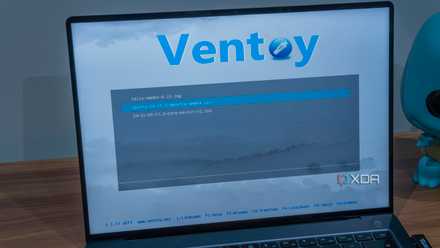
I keep these operating systems on a Ventoy USB drive
Learn about the ISO files I prefer to always keep on my cherished Ventoy drive.
Linux snapshot rollback systems are absurdly powerful
Some distros can literally undo broken updates in minutes
If you've ever dealt with a bad Windows update, driver conflict, or corrupted install, Linux snapshot systems almost sound too good to be true at first. Certain Linux distros can create full system snapshots that let you roll the OS back to an earlier working state within minutes. You've got tech like Btrfs snapshots, Timeshift, and Snapper, which essentially function like save states for your PC. If you run into a broken package, bad GPU driver, or system instability, you can always just roll back and pretend it never happened.
I can't pretend that System Restore points in Windows don't exist, though. However, I've had to use them a few too many times, and they still feel inconsistent and strangely unreliable, despite existing for decades. Sure, they're useful when they work, but they rarely inspire the kind of confidence I've seen Linux rollback systems instill in users. It's particularly impressive just how transparent this process has become on modern Linux distros.
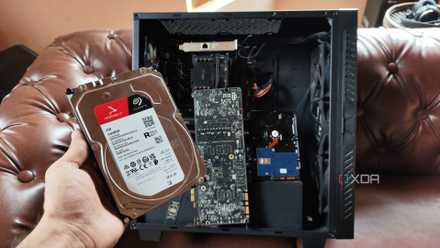
Your NAS should snapshot more often, and here's what I do and why
Snapshots are a solid way to safeguard your precious data
Proper headless operation is still a Linux superpower
Linux was built for remote management before it became mainstream
One of Linux's biggest advantages is something most regular desktop users never even think about, but that's only until they actually need it. Linux systems can run perfectly fine without a monitor, keyboard, mouse, or even a graphical desktop environment attached. That's why Linux dominates things like home servers, NAS systems, Raspberry Pi projects, Docker environments, self-hosted applications, and enterprise infrastructure. You can tuck a tiny Linux box into a corner somewhere and manage the entire machine remotely through SSH from another device for years.
In this regard, Windows has improved massively in this area, especially with remote desktop tools and WSL, but Linux still feels fundamentally designed around remote administration in ways Windows simply does not. The operating system expects modularity and remote workflows from the very beginning. So when you start experimenting with media servers, game servers, home lab setups and the like, you'll quickly come to realize just why Linux has become the backbone of so much modern infrastructure. It's lightweight, efficient, and incredibly comfortable operating entirely behind the scenes.
Raspberry Pi 5
- CPU
- Arm Cortex-A76 (quad-core, 2.4GHz)
- Memory
- Up to 8GB LPDDR4X SDRAM
- Operating System
- Raspberry Pi OS (official)
- Ports
- 2× USB 3.0, 2× USB 2.0, Ethernet, 2x micro HDMI, 2× 4-lane MIPI transceivers, PCIe Gen 2.0 interface, USB-C, 40-pin GPIO header
- GPU
- VideoCore VII
- Starting Price
- $60
The Raspberry Pi is back, and the fifth iteration of the SBC is a lot more capable than the older models. From a new quad-core Arm Cortex-A76 CPU, support for dual monitor setups at 4K 60Hz, and a dedicated power button, there's a lot to love about this palm-sized computer.

Microsoft keeps promising WSL will finally feel native, and I'm tired of waiting
WSL works, until your homelab doesn't.
Immutable Linux distros might secretly be the future
Ironically, Linux can sometimes feel more stable than Windows
Immutable Linux distros are one of the more interesting modern ideas happening in desktop computing right now. Instead of allowing core system files to constantly change, these operating systems lock down the base installation while separating applications and user modifications into isolated layers. The result is surprisingly elegant. Updates become safer, system corruption becomes harder, and recovering from mistakes gets dramatically easier. Distros like Fedora Silverblue, Bazzite, and even Steam Deck-style environments are helping push this concept into the mainstream.
This approach actually makes Linux feel more appliance-like and dependable than Windows at times. Rather than endlessly accumulating years of leftover junk, broken registry entries, and inconsistent software remnants, immutable systems stay remarkably clean over time. This Linux feature really feels like a glimpse into the future of desktop operating systems, and I don't think anyone would be surprised if Microsoft eventually moves toward something very similar itself.
Linux Mint
Linux and Windows still succeed for completely different reasons
Linux explores ideas that I desperately want to see become native features in Windows someday.
Despite all of these features, I completely understand why Windows continues dominating desktop computing worldwide. Its software compatibility, gaming ecosystem, enterprise presence, and familiarity still make it the easiest choice for millions of users, myself included in many cases.
But Linux continues offering ideas that feel refreshingly different in 2026, which prove to be genuinely practical features that can make everyday computing feel smarter, safer, and more flexible. So, no, Linux isn't going to replace Windows entirely, nor does it need to, but it does explore ideas that I desperately and passionately want to see become native features in Windows someday.