Most Ukrainians notice rise in popularity of Ukrainian language, understanding of Russian threat and intolerance of injustice — poll
Use of the Ukrainian language and popularity of Ukrainian-language cultural products have increased since the start of Russia's full-scale military aggression against Ukraine, 71% of Ukrainians believe.
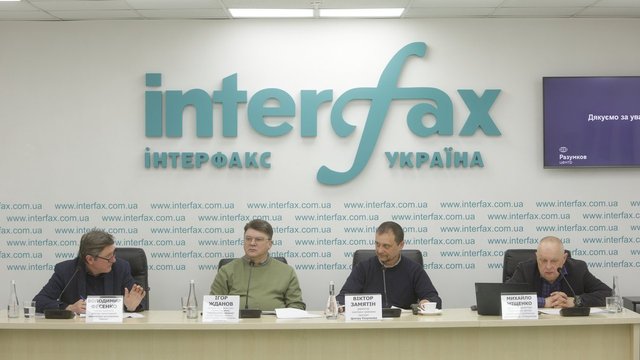
This is according to a sociological poll conducted by the Razumkov Centre's sociological service on November 11-18, 2025, and presented at a press conference at Interfax-Ukraine on Wednesday. The poll was conducted as part of the project "Ukraine: Socio-political challenges of the transition from war to peace and post-war recovery," implemented with support from the Konrad Adenauer Foundation's representation in Ukraine.
Some 64.3% of respondents noticed growing public understanding of the inevitability of a permanent threat from Russia, 57.2% noticed growth in national identity among Ukrainian citizens, 57.3% noticed support for de-Russification processes, and 56% noticed rising patriotism.
Some 62.3% reported a noticeable increase in negative attitudes toward oligarchs, 57.4% noticed intolerance of social injustice, 55.1% noticed a desire for political elite change, and 54.1% noticed a growing distance between authorities and society.
A plurality (45.1%) noticed growing support for traditional family values (10.2% of respondents noticed a decline), 48.4% noticed a rising sense of unity among residents of different Ukrainian regions (19.2% noticed a decline), and 43.2% noticed support for decommunization processes (14.6% a decline).
Some 38% of respondents noticed a growing willingness in society to accept temporary territorial losses to achieve peace (18.2% a decline). Meanwhile, 43.1% noticed rising belief in Ukraine's victory in the war with Russia (24.7% noticed a decline).
Some 37.5% noticed growing social activism among Ukrainian citizens, 24.1% a decline. Some 29.8% saw rising tolerance in interethnic relations, 16.4% a decline. Some 26.6% reported rising support for liberal values in society, 16.6% a decline, while 32.2% reported rising support for democratic values, 24.5% a decline. Some 29.2% of respondents noticed increased political activity among citizens, 27.1% a decline.
At the same time, more Ukrainians noticed declining tolerance in interchurch relations (26.3%) than growth (25%), declining sense of unity between representatives of different social groups and classes (29.9%) than growth (28.5%), and especially declining social optimism (38%) than growth (23.7%).
The poll was conducted using the face-to-face method in all government-controlled regions of Ukraine where fighting is not taking place, among 2,008 respondents aged 18 and older. The poll used a stratified multistage sample with random selection at the initial stages of sample formation and a quota method for selecting respondents at the final stage, when respondents were selected according to gender and age quotas. The sample structure reproduces the demographic structure of the adult population of the territories where the poll was conducted as of early 2022 by age, gender and settlement type. The theoretical margin of error does not exceed 2.3%, but additional systematic sample deviations are possible due to the consequences of Russia's aggression.