|
VOOZH | about |
|
VOOZH | about |
In the dynamic realm of technology, Computer Vision stands as a beacon of innovation, rapidly evolving and pushing the boundaries of what’s possible. As we bid farewell to 2025, a year that witnessed remarkable strides in this field, it’s evident that the landscape of Computer Vision is continually shifting. Achievements abound, from groundbreaking applications in healthcare and space exploration to the integration of generative AI, signaling a paradigm shift in how we perceive and interact with the visual world.
As we embark on the journey into 2026, the anticipation for what lies ahead is palpable. Edge computing promises faster, cheaper, and more efficient storage solutions while emerging technologies like object detection, image segmentation, and facial recognition are set to redefine the landscape of data analytics. Join us on the comprehensive learning path to master Computer Vision in 2026. It’s not just an education; it’s an invitation to be at the forefront of innovation.
Let’s start with the basics of Computer Vision, that is, Python and Statistics. By the end of the first month, you will have a basic understanding of what computer vision is. You will also be comfortable with Python and Statistics, the core topics in your computer vision journey. On an average you should spend 5 to 6 hours per week.
You can also refer to the below courses to be a step ahead.
Next month, you will have a basic understanding of Machine Learning. You should be comfortable with different image pre-processing techniques and will be able to solve image classification problems using Machine Learning models. The ballpark time you should spend on it weekly is 5 to 6 hours.
Here are some resources for you to learn about the basics of Machine Learning and other things:
The third month will teach you one of the most commonly used deep learning tools – Keras. You will also understand what neural networks are and how they work. By the end of March, you can solve image classification problems using neural networks. On average, you should spend about 4 to 5 hours per week on this module.
Additional Resources:
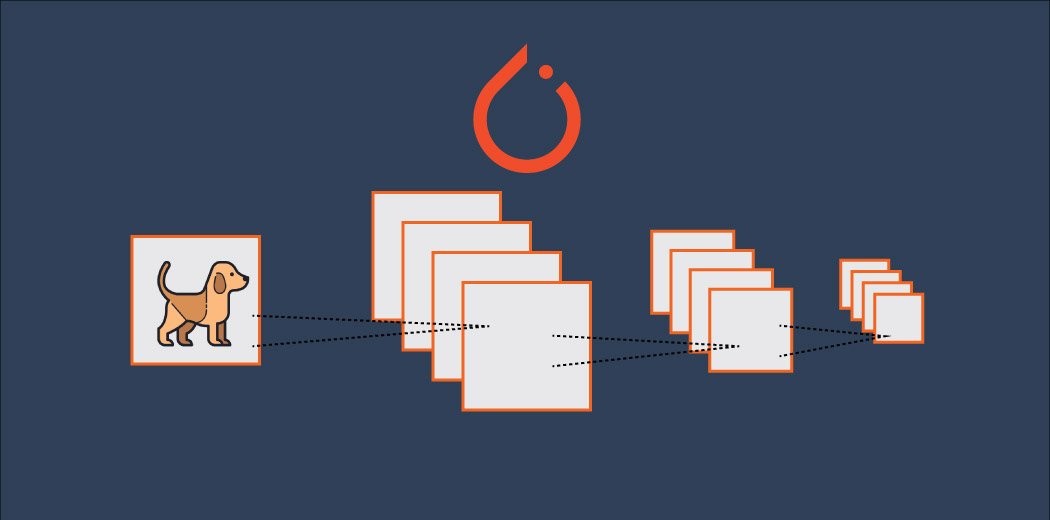
This next month is your “moving” month in your computer vision journey. This is where things move up a notch with the introduction of convolutional neural networks (CNNs). These CNNs are behind many of the recent computer vision applications around us, including object detection. At this point in your journey, you should also start building your profile by participating in competitions. Suggested time for spending on this aspect of the course is 6 to 7 hours per week.
Suggested Resources:
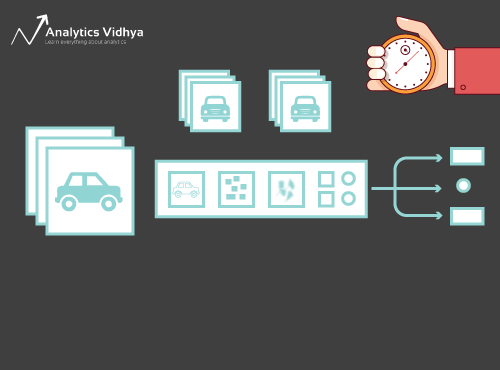
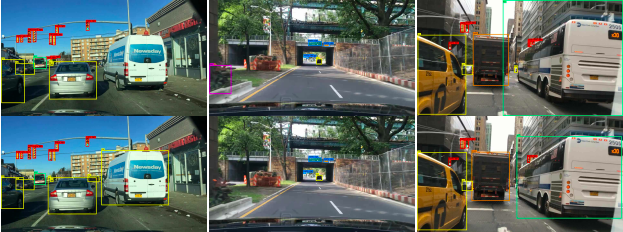
Object detection is perhaps the most widely used computer vision technique. This month is all about getting familiar with the different object detection algorithms. On an average you should spend 6 to 7 hours per week.
You can also refer to the below courses to be a step ahead.
Here are a few challenges your can try to test out your skills:
In June, you will learn how to solve image segmentation problems. You will also understand what attention models are (both theoretically as well as in a practical manner). This is where your deep dive into computer vision starts to pay off. Recommended time allocation for this segment of the course 6 to 7 hours per week.
You can consider these recommended sources are:
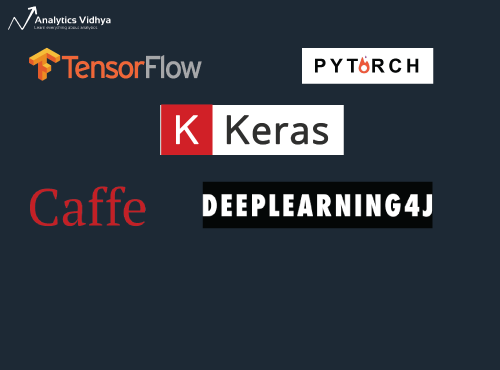
You have a really fun learning month ahead! We have covered a lot of computer vision concepts so far – now it’s time to get hands-on with state-of-the-art deep learning frameworks! This comes down to choice, but we recommend the two most common ones in the industry right now – PyTorch and TensorFlow. Try to implement all the concepts that you have covered till now in either of these tools. The suggested timeframe dedicated to this specific course component to 6 to 7 hours weekly.
Explore the suggested materials for further information:
Here’s a chance to combine your deep learning knowledge with Natural Language Processing (NLP) concepts to solve image captioning projects.
Time Suggested: 6-7 Hours per Week
Basics of Natural Language Processing (NLP):
Here is another challenge for you: COCO Captioning Challenge
In September, you will understand about Generative Adversarial Networks (GANs). GANs have exploded since Ian Goodfellow’s officially introduced them in 2014. There are a lot of real-world applications of GANs these days, including inpainting, generating images, etc. The proposed time allotment for engaging with this aspect of the curriculum is 6 to 7 hours.
Utilize the following materials as suggested references
Video analytics is a thriving application of computer vision. The demand for this skill is only going to increase so it’s a good idea to at least have a working knowledge of how to work with video datasets. Appropriate time frame for focusing on this course element is 5 to 6 hours per week.
Refer to the recommended resources for additional support:
The final two months are all about gaining practical experience and participating in multiple projects and competitions. We have so far covered projects alongside learning concepts – now is the time to unleash your learning on real-world datasets.
In the ever-evolving field of Computer Vision, knowledge is a dynamic force. This ‘Comprehensive Learning Path to Master Computer Vision in 2026’ is not just an education; it’s a bridge to the forefront of technological innovation. As we stand at the crossroads of theory and application, the anticipation for what lies ahead is palpable. Embrace the challenges, master the tools, and be prepared to shape the future of Computer Vision in 2026 and beyond.
A. Becoming a computer vision engineer involves mastering math fundamentals, learning programming (Python), exploring libraries like OpenCV, and progressing to machine learning and deep learning, all while gaining hands-on experience.
A. The time to learn computer vision varies; basic understanding takes months, and proficiency demands a year or more with consistent learning and project work.
A. Learning C++ for computer vision is beneficial but not mandatory. Proficiency in Python is crucial, but C++ can expand your capabilities and job opportunities in high-performance scenarios.
A. Computer vision’s difficulty varies. It’s multidisciplinary, involving math, programming, and image processing, demanding commitment and practical projects. Feedback and mentorship can ease the learning journey.
My research interests lies in the field of Machine Learning and Deep Learning. Possess an enthusiasm for learning new skills and technologies.
Start your MLOps Journey! Learn MLOPs fundamentals with free certification.
GPT-4 vs. Llama 3.1 – Which Model is Better?
Llama-3.1-Storm-8B: The 8B LLM Powerhouse Surpa...
A Comprehensive Guide to Building Agentic RAG S...
Top 10 Machine Learning Algorithms in 2026
45 Questions to Test a Data Scientist on Basics...
90+ Python Interview Questions and Answers (202...
8 Easy Ways to Access ChatGPT for Free
Prompt Engineering: Definition, Examples, Tips ...
What is LangChain?
What is Retrieval-Augmented Generation (RAG)?
Information you provided is very helpgul. Thank you.
What are some good competitions to participate in?
Hi Akira, You can check out the Handwritten Grapheme Classification by kaggle.
You are using copyrighted images without giving the proper credit to the original source.
Edit
Resend OTP
Resend OTP in 45s