|
VOOZH | about |
|
VOOZH | about |
In the world of data management, the terms database and schema are frequently used, yet they are often misunderstood or used interchangeably. For anyone involved in database management, software development or data analytics, understanding the distinction between these two concepts is important. While they are closely related, a database and a schema serve very different purposes within the realm of data storage and organization.
Note: A database is the container that stores data, while a schema is the framework that defines how the data is structured within that database.
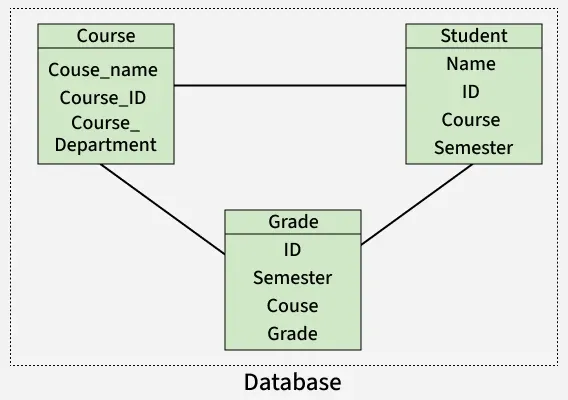
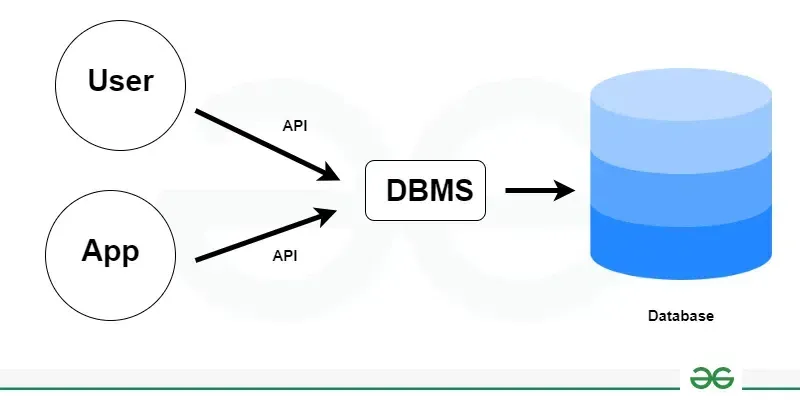
A database is an organized collection of data stored and accessed electronically. It is designed to manage large volumes of information efficiently, enabling quick retrieval, modification and management. Databases are widely used by organizations to handle information related to customer management, inventory tracking, financial transactions and more.
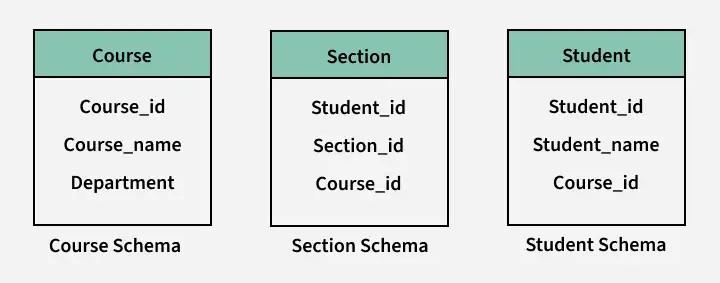
A schema is the blueprint or structural design of a database. It defines how data is organized, including tables, fields, relationships and constraints. Essentially, a schema provides a logical framework for storing and managing data within a database.
| Feature | Database | Schema |
|---|---|---|
| Definition | A collection of related data | A structural blueprint of the database |
| Purpose | Stores and manages data | Organizes and structures data |
| Frequency of Change | Data changes frequently | Structure is generally stable |
| Components | Includes schemas, records and constraints | Includes tables, fields, data types and constraints |
| Management | Managed using DML (Data Manipulation Language) | Specified and modified using DDL (Data Definition Language) |