|
VOOZH | about |
|
VOOZH | about |
React.js, a popular JavaScript library for building user interfaces, affords a robust mechanism for handling errors gracefully within component trees. This mechanism is referred to as "error boundaries." Error limitations are React components that capture JavaScript mistakes everywhere in their baby thing tree, log the ones errors, and show a fallback UI in place of crashing the entire component tree. This article will delve into how error limitations propagate errors inside the issue tree, with a focal point on implementation details, examples, and first-class practices.
Error barriers are additives that catch mistakes at some stage in rendering, in lifecycle methods, and in constructors of their entire toddler thing tree. They log the errors and show a fallback UI to save you the complete software from crashing.
When an mistakes occurs in a React thing, it bubbles up the element tree until it encounters the nearest mistakes boundary. Here is how the propagation works:
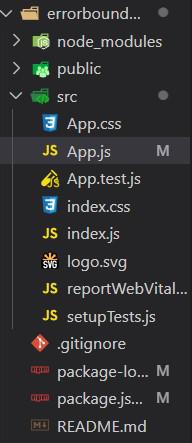
Step 1: Run the following command to set up your react project in the desired location in vs code terminal.
npx create-react-app errorboundarydemoStep 2: Make sure to have node.js and npm installed on your machine. verify version with below commands.
node -v
npm -v
If you haven't installed npm and node.js yet follow this article.
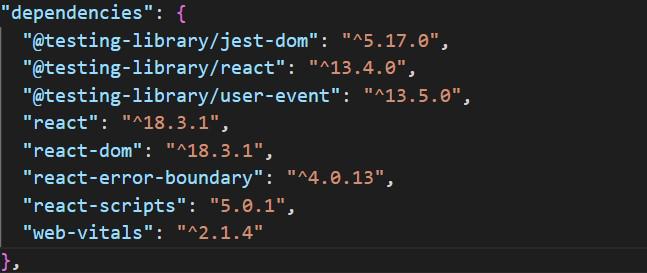
Step 3: Installing the required module to show the demonstration of error boundary.
npm install react-error-boundaryThe react-error-boundary library allows creating error boundaries in functional components by using the ErrorBoundary component to wrap your components, unlike conventional class component methods.
Example: Implementing error boundary using react-error boundary library.
Output:
Note: The ErrorBoundary factor from the react-mistakes-boundary library wraps the MyComponent thing. If MyComponent throws an error, the ErrorFallback factor will be rendered, showing an blunders message and a button to retry.
Error obstacles are a powerful function in React for managing mistakes gracefully in the issue tree. By propagating errors to the nearest errors boundary, React ensures that the software can hold running even if a few components fail. Implementing errors limitations the usage of useful additives with the help of libraries like react-mistakes-boundary makes it simpler to manipulate mistakes and enhance the resilience of your software. By following satisfactory practices, you may make sure a strong and user-friendly React software.