|
VOOZH | about |
|
VOOZH | about |
Scikit-learn, a popular machine learning library in Python, is renowned for its simplicity and efficiency in implementing a wide range of machine learning algorithms. However, one common question among data scientists and machine learning practitioners is whether scikit-learn can utilize GPU for accelerating computations. This article delves into the current state of GPU support in scikit-learn, the challenges involved, and the available alternatives and extensions that enable GPU acceleration.
Table of Content
Scikit-learn is designed to provide simple and efficient tools for data mining and data analysis. It is built on top of NumPy, SciPy, and Matplotlib, and it emphasizes ease of use, performance, and interoperability with other libraries. However, this design philosophy also means that scikit-learn has certain limitations, particularly when it comes to GPU support.
As of now, scikit-learn does not natively support GPU acceleration for most of its algorithms. The primary reasons for this are:
Despite these challenges, there have been some developments to enable partial GPU support in scikit-learn:
For users who want to experiment with GPU acceleration in scikit-learn, here are some steps to get started:
To use Intel's extension for scikit-learn, you need to install the scikit-learn-intelex package:
pip install scikit-learn-intelexThen, you can patch scikit-learn to use Intel's optimizations:
Output:
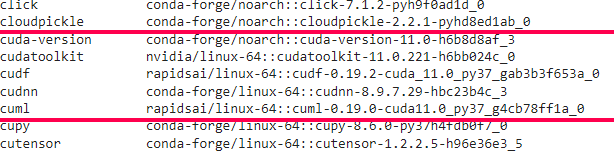
To get started with RAPIDS cuML in Google Colab, you'll need to install the necessary packages. Here's a step-by-step guide to do so:
Step 1: Install RAPIDS in Google Colab
RAPIDS is a suite of open-source software libraries and APIs that enable GPU acceleration for data science and analytics pipelines. The following script sets up RAPIDS in a Google Colab environment.
Output:
While there have been significant strides in enabling GPU support for scikit-learn, several challenges remain:
In conclusion, while scikit-learn does not natively support GPU acceleration for most of its algorithms, there are several ways to achieve GPU acceleration through complementary libraries and extensions. Intel's extension for scikit-learn and RAPIDS cuML are notable examples that provide significant performance improvements for certain tasks. As the machine learning ecosystem continues to evolve, we can expect more developments in this area, making it easier for practitioners to leverage the power of GPUs in their workflows.