|
VOOZH | about |
|
VOOZH | about |
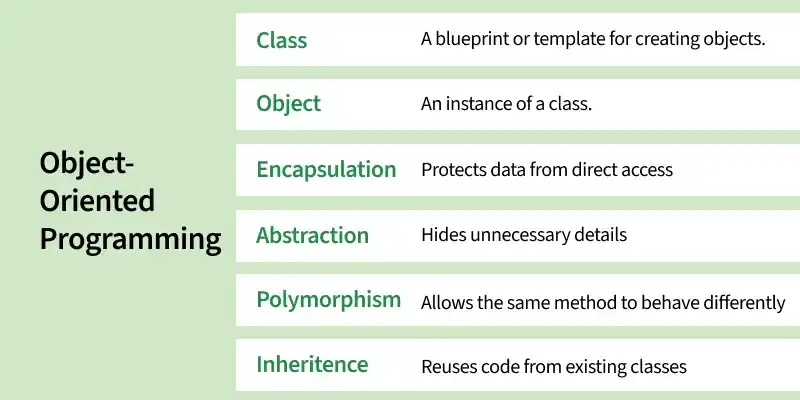
Object Oriented Programming empowers developers to build modular, maintainable and scalable applications. OOP is a way of organizing code that uses objects and classes to represent real-world entities and their behavior. In OOP, object has attributes thing that has specific data and can perform certain actions using methods.
A class is a collection of objects. Classes are blueprints for creating objects. A class defines a set of attributes and methods that the created objects (instances) can have.
Here, class keyword indicates that we are creating a class followed by name of the class (Dog in this case).
Explanation:
An Object is an instance of a Class. It represents a specific implementation of the class and holds its own data. An object consists of:
Creating an object involves instantiating a class to create a new instance of that class. This process is also referred to as object instantiation.
Buddy
Canine
Explanation:
Four Pillars of Object-Oriented Programming (OOP) form the foundation for designing structured, reusable and maintainable software.
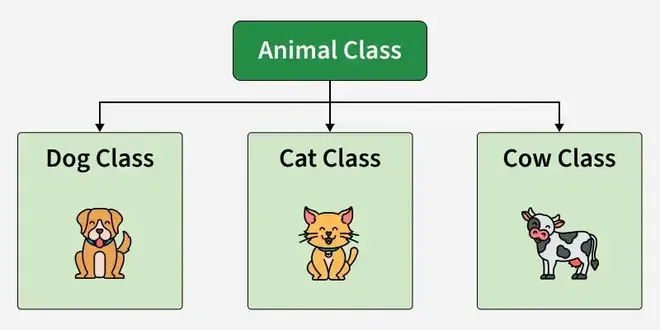
Inheritance allows a class (child class) to acquire properties and methods of another class (parent class). It supports hierarchical classification and promotes code reuse.
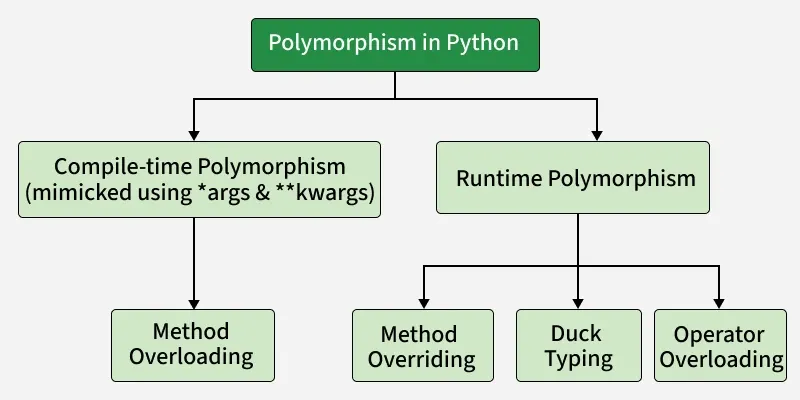
Polymorphism means "same operation, different behavior." It allows functions or methods with the same name to work differently depending on the type of object they are acting upon.
The flowchart below represents the different types of polymorphism, showing how a single interface can exhibit multiple behaviors at compile-time and run-time.
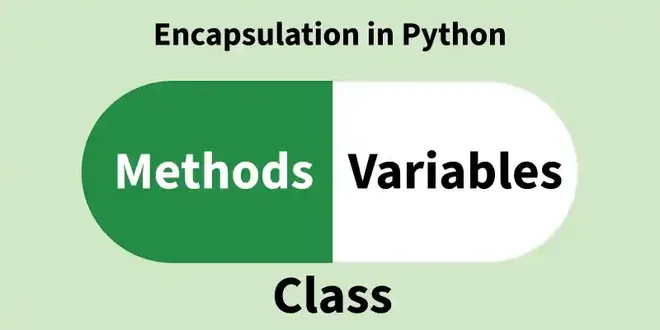
Encapsulation is the bundling of data (attributes) and methods (functions) within a class, restricting access to some components to control interactions. A class is an example of encapsulation as it groups together member functions, variables and other related data in a single unit.
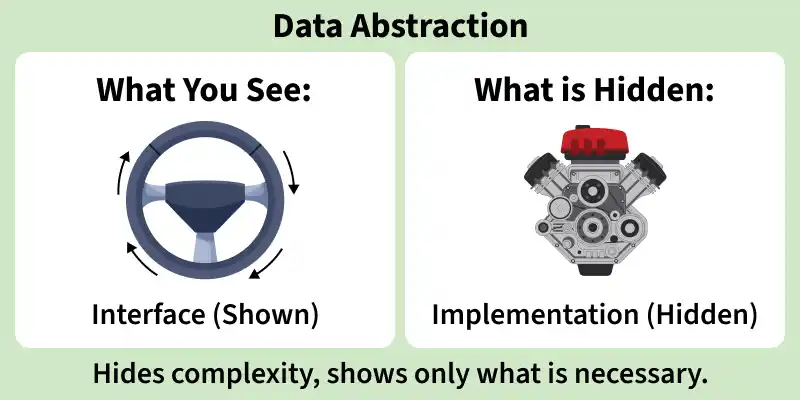
Abstraction hides the internal implementation details while exposing only the necessary functionality. It helps focus on "what to do" rather than "how to do it."