|
VOOZH | about |
|
VOOZH | about |
No audio on Windows 11 is one of the most common and annoying problems, especially after updates. The good news? In most cases, it’s fixed in just a few clicks. Follow these proven steps in order, and your sound will be back in minutes.
If your Windows 11 has no sound, try the following methods to fix the sound issue in Windows 11.
Securely and correctly connect your speakers or headphones. For wireless devices, confirm they're paired and connected to your system.
To troubleshoot the no sound issue from your computer, simply restart your PC.
It might be possible that there is no sound issue in your computer, instead, your audio is muted or maybe at a low volume. So check if the audio is muted or at low volume to solve no sound issue.
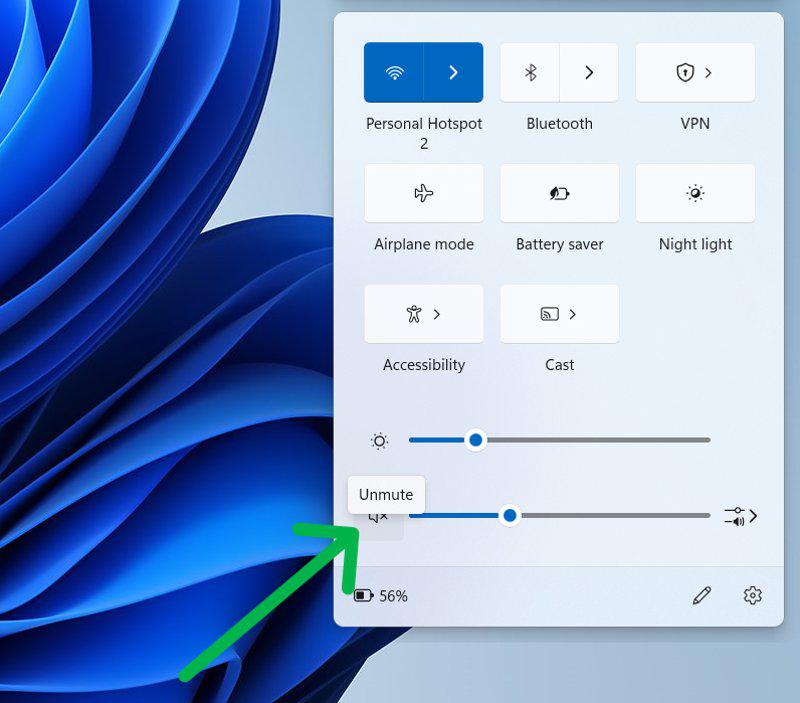
Step 1: Press Win + A to open the Action Center.
Step 2: Click the speaker icon with an X to re-enable the sound.
👁 Check-Audio-Muted-Low-Volume-Levels
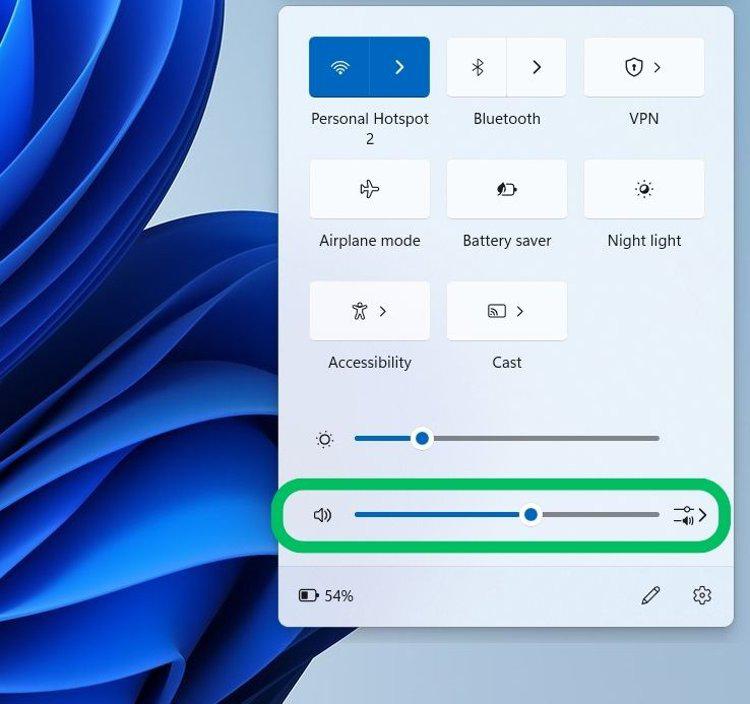
Step 3: Increase the volume to check if the sound issue resolves on your PC.
Step 4: To increase the volume slide the slider of volume.
👁 Check-Audio-Muted-Low-Volume-Levels--1
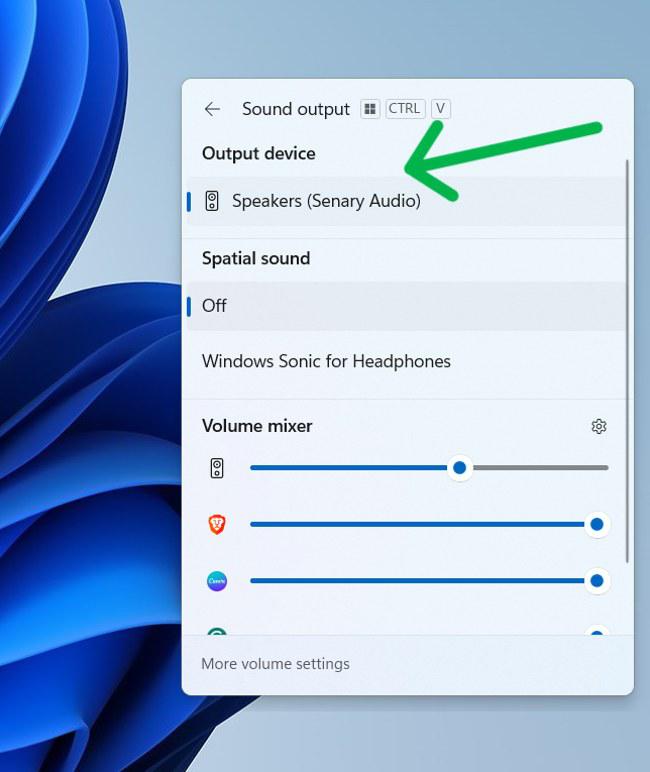
Another possible reason could be that your audio source might not be correct, causing the sound to be misdirected. To resolve the no sound issue, check if the correct sound source is chosen.
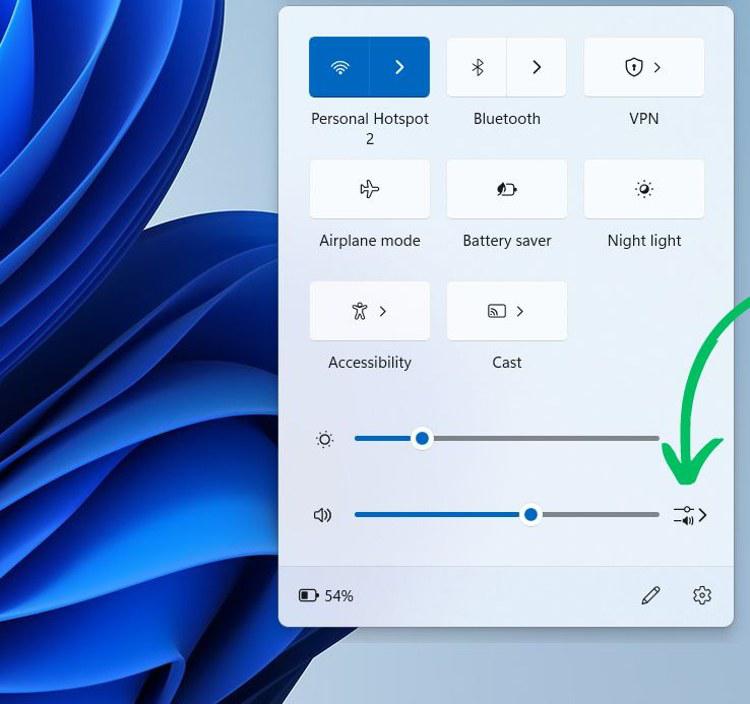
Step 1: Press Win + A to open the Action Center.
Step 2: Next to the volume slider click on the arrow.
👁 Choose-the-Right-Audio-Source
Step 3: Select the correct output device for sound playback.
👁 Choose-the-Right-Audio-Source-1
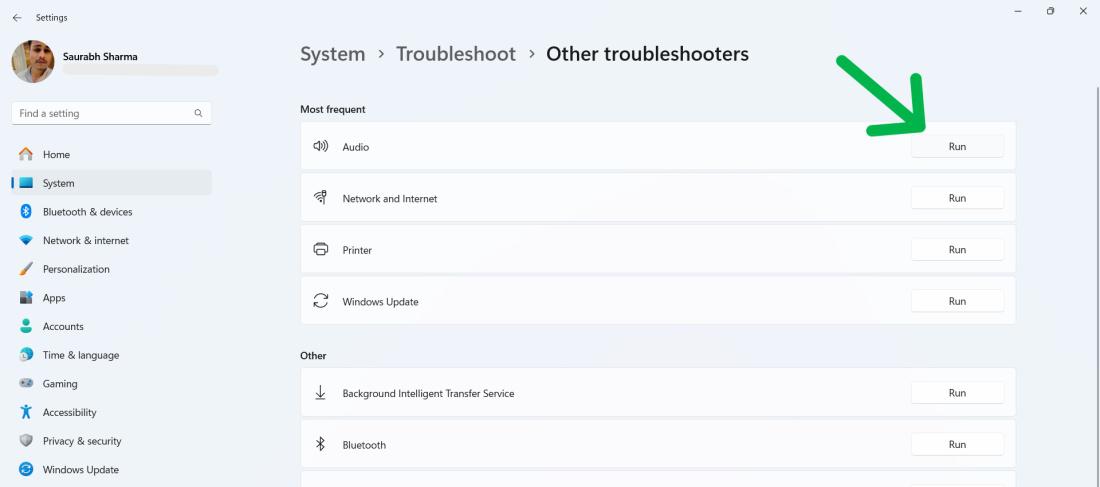
The Windows Audio Troubleshooter is a helpful tool for resolving sound or audio issues on a computer. It automatically identifies and fixes common problems related to audio settings, drivers, or hardware conflicts.
Step 1: Open the Settings app by pressing Windows Key + I.
Step 2: Go to the System > Troubleshoot > other troubleshooters.
Step 3: Click on the “Run” button next to “Audio”.
Step 3: Diagnose and potentially fix any sound issues by following the on-screen instructions.
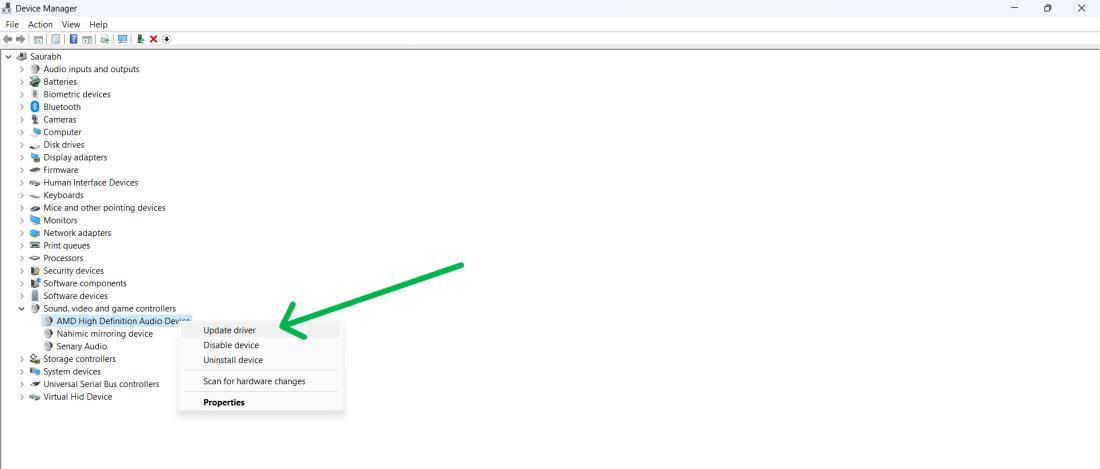
Step 1: Press Win + S, then type "Device Manager" into the search bar.
Step 2: Expand the "Sound, Video, and Game Controllers" section.
Step 3: Right-click "High Definition Audio Device" and then click on "Update Driver".
Step 4: Restart Your system
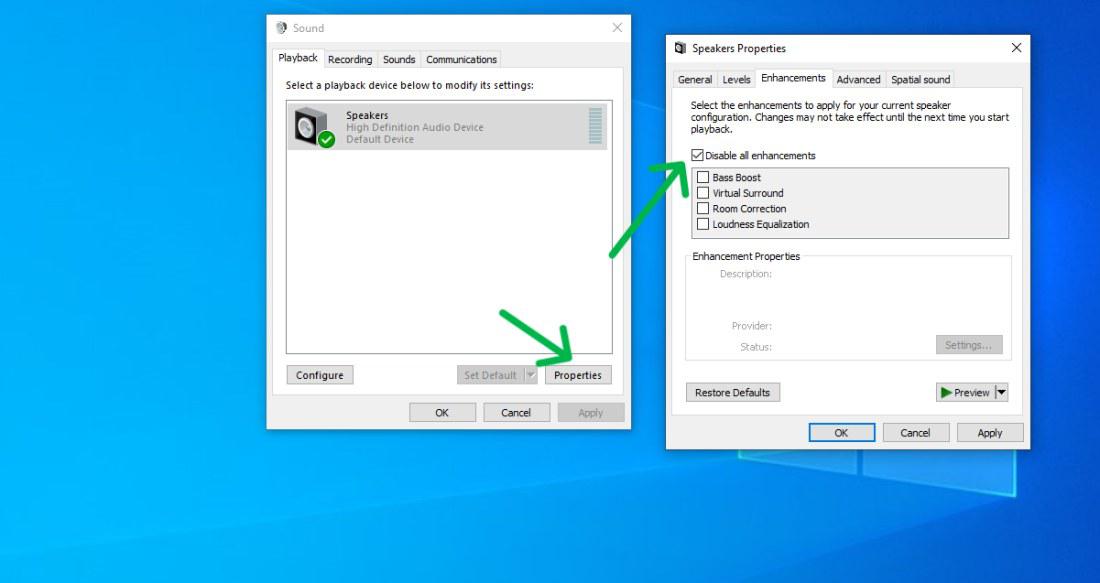
Audio enhancements, while intended to improve audio quality and performance, can occasionally cause compatibility issues or conflicts with specific audio devices or applications. To address this, consider turning off the audio enhancements. Follow these steps to do it:
Step 1: Right-click on the "System Tray" and select "Sounds."
Step 2: in Headphones properties, navigate to the "Playback" tab .
Step 3: Then, Select "Properties".
Step 4: In the next window, navigate to the "Enhancements" tab.
Step 5: Check the "Disable all enhancements" box and then click the "Apply" button.
Step 6: Click on Apply
Sometimes outdated audio driver often causes sound issues in your computer devices. So reinstalling the audio driver in Windows 11 can troubleshoot audio-related conflict from your system.
Step 1: Press Win + S, then type "Device Manager" into the search bar.
Step 2: Expand the "Sound, Video, and Game Controllers" section.
Step 3: Right-click on "High Definition Audio Device" and select "Uninstall Device".
Step 4: Restart Your system.
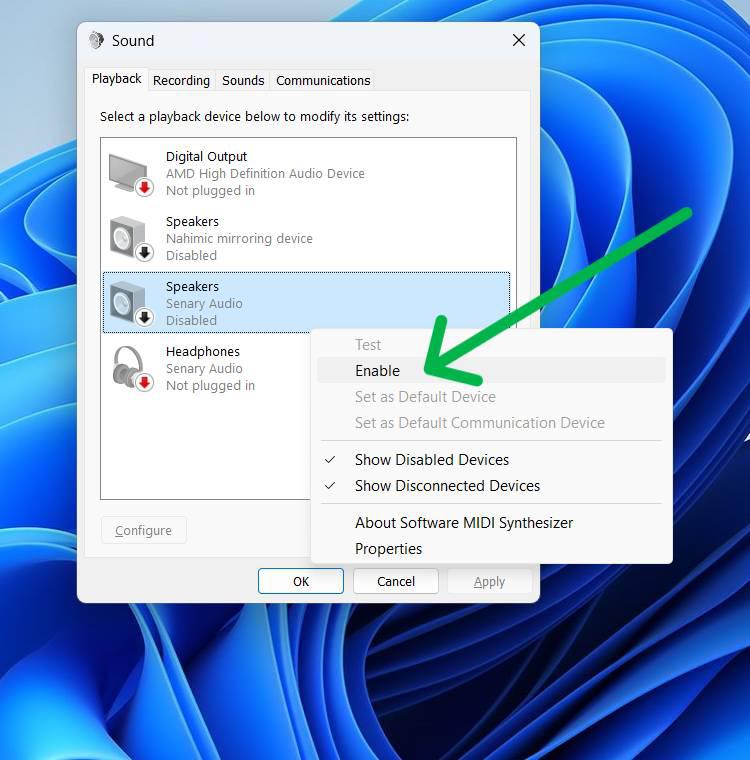
Step 1: Press Win + R then on run dialog type "mmsys.cpl" and hit Enter.
Step 2: Right Click audio output device then select "Enable".
👁 Make-Sure-the-Playback-Device-Is-Enabled
Windows Audio Service manages all the audio-related issues. Try this last final option to fix the Windows no sound issue.
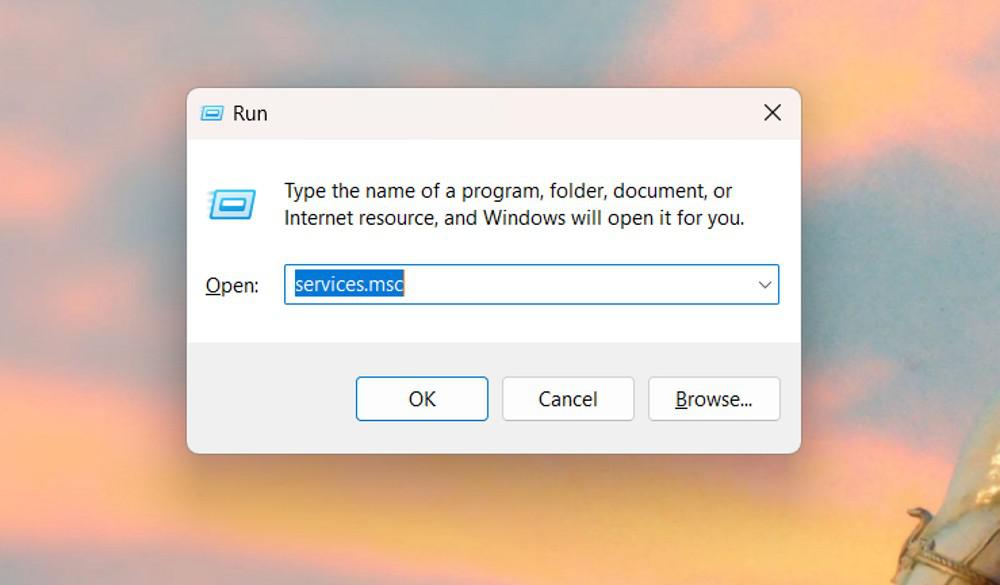
Step 1: Press Win + R and type "services.msc" in the Run dialog box.
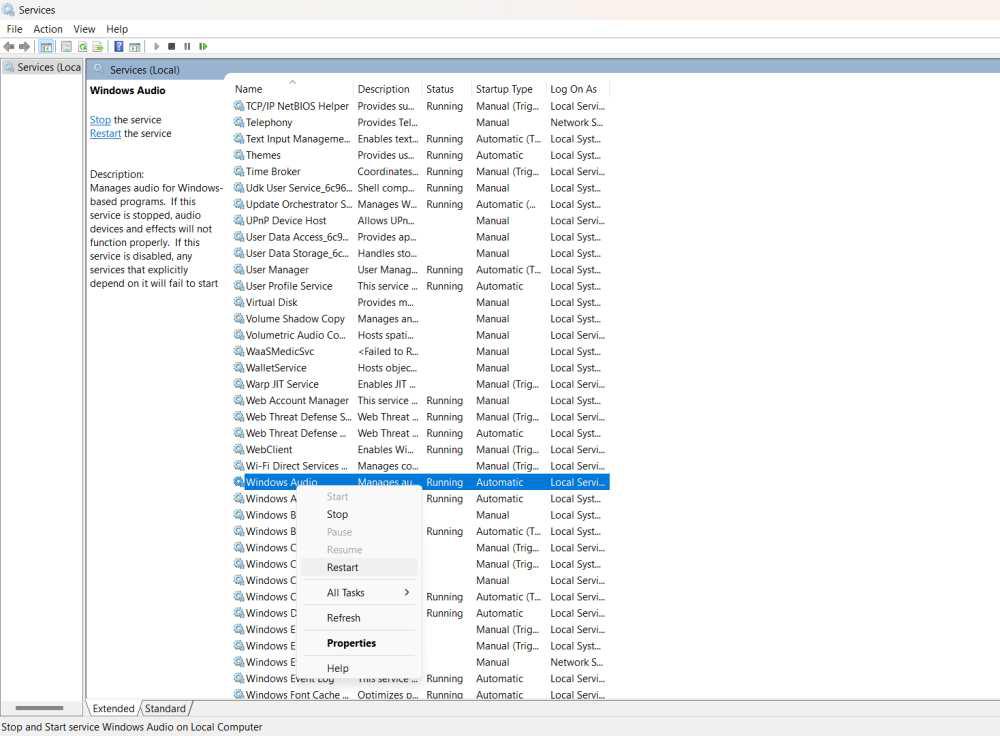
Step 2: Find "Windows Audio" and right-click it.
Step 3: Choose "Restart" and wait for the service to reload.