|
VOOZH | about |
|
VOOZH | about |
Imagine controlling your computer entirely with your voice—no keyboard or mouse needed. That’s exactly what Voice Access in Windows 11 offers—a powerful feature designed for hands-free PC control. Whether you’re looking to enhance accessibility or prefer a more convenient way to interact with your device, this feature simplifies daily tasks with intuitive voice commands in Windows 11. From opening apps to dictating text, Voice Access is a game-changer for those seeking smarter and more efficient ways to use their computers. This guide will walk you through everything you need to know to get started with Windows 11 accessibility features.
Voice Access in Windows 11 is an accessibility feature that allows users to control their computer using voice commands. This feature is designed to help individuals perform tasks like opening apps, navigating the desktop, and typing without needing a keyboard or mouse.
Voice Access is particularly beneficial for:
Voice Access makes computing more inclusive and efficient, allowing a wide range of users to interact with their devices more effectively.
Windows 11 Voice Access lets you control your PC using voice commands for hands-free navigation and tasks. Follow these steps to set it up and start using it efficiently.
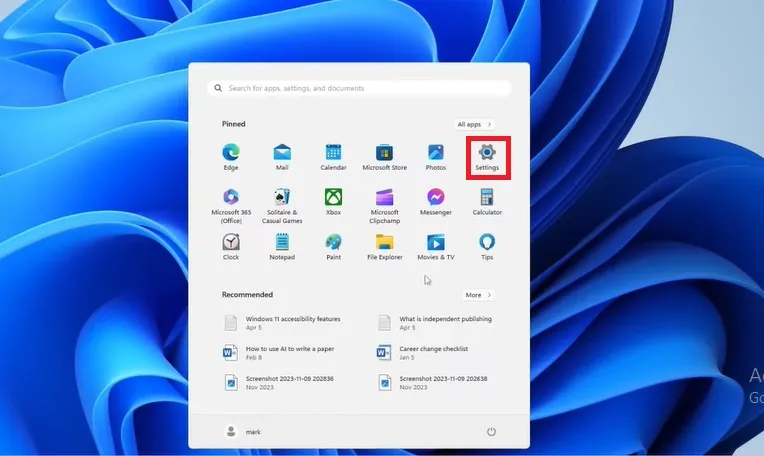
Click on the Start menu and select the gear-shaped Settings icon.
Shortcut: Press Windows + I to quickly open the Settings menu.
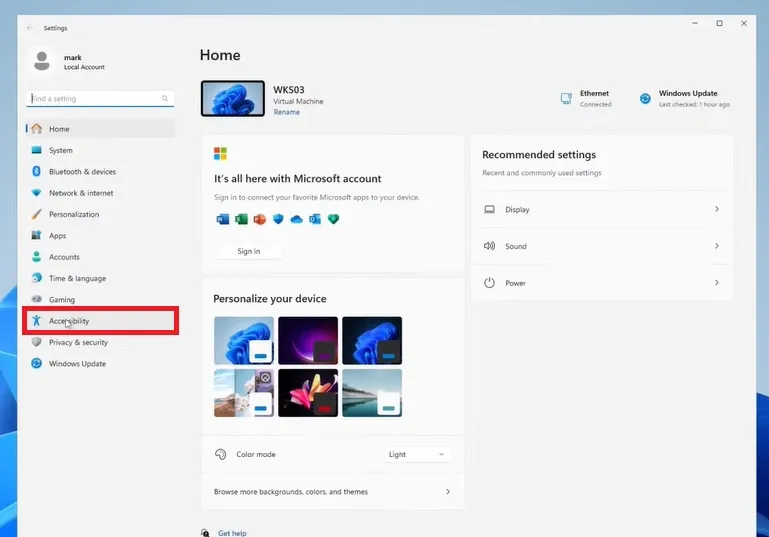
This will take you to the main settings menu where you can adjust system preferences.
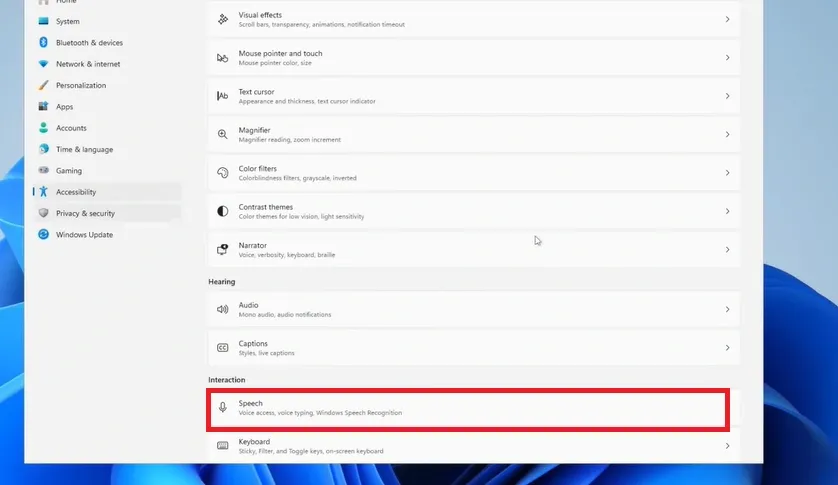
Under the Accessibility menu, locate and click on the Speech option. This section allows you to configure speech recognition settings, manage voice commands, and set up voice interaction for controlling your PC.
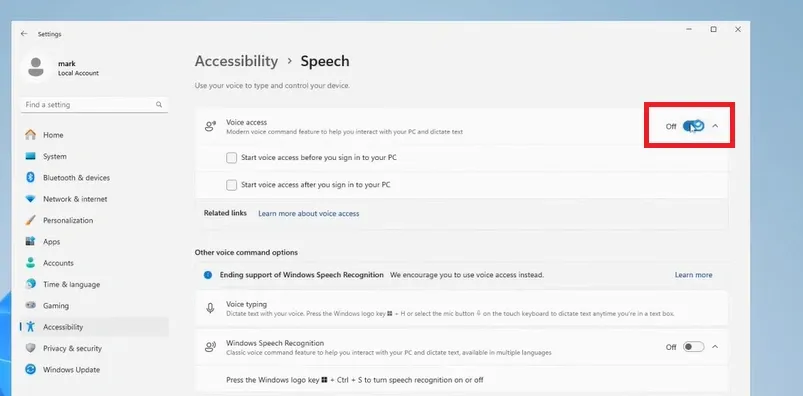
Toggle on the Voice Recognition feature to enable the system to listen and respond to your commands. The first time you enable it, Windows may prompt you to download a speech model to ensure accurate recognition. Follow the on-screen instructions to complete the setup.
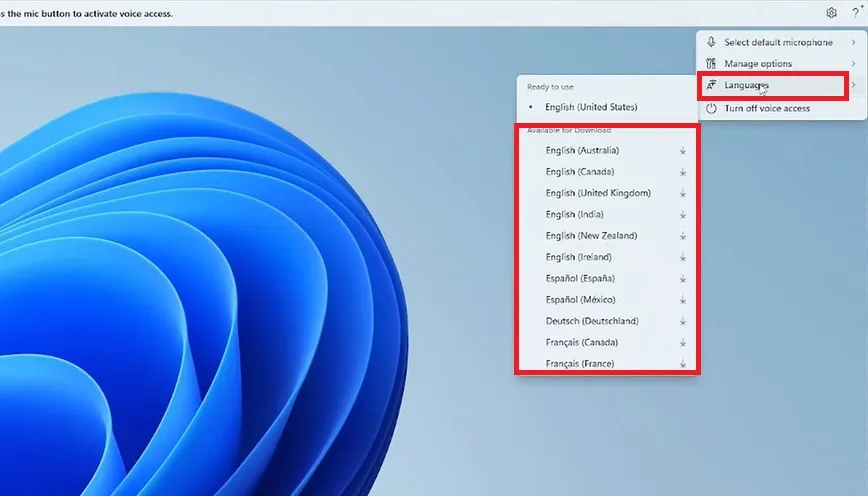
Once Voice Recognition is enabled, you can manage supported languages for voice commands. Go to the Language Preferences section within the Speech settings to select or add your preferred languages. Ensure the desired language pack is installed for optimal performance.
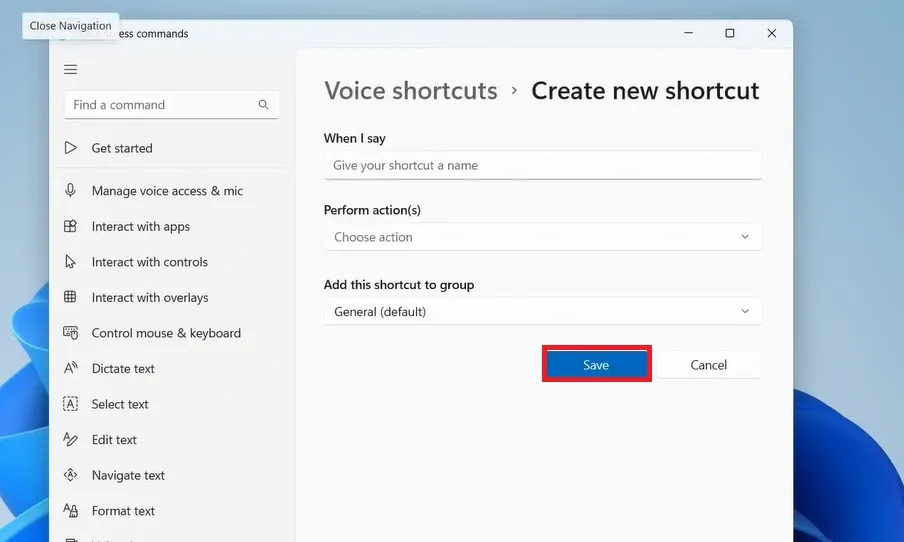
Personalize your experience by creating custom voice shortcuts. This allows you to map specific commands to frequently used actions or apps. Navigate to the Voice Shortcuts section, add a new shortcut, and specify the action or app it corresponds to. This helps streamline your workflow and enhances hands-free control.
If you're having trouble with voice commands in Windows 11, don’t worry! This guide explains simple steps to fix common issues with Voice Access and get it working smoothly.
Check Connections: Make sure your microphone is plugged in or paired correctly if it’s wireless.
Run Microphone Setup:
Update Drivers:
Test Your Microphone:
Reduce Background Noise: Work in a quiet space to improve accuracy.
Check Your Language Settings:
Retrain the System:
Restart Voice Access:
Using Voice Access in Windows 11 opens up a whole new way to interact with your computer, making it easier to accomplish tasks without traditional input methods. From enhancing accessibility to providing a hands-free experience, this feature ensures more flexibility for users. Try out Windows 11 accessibility features today and see how voice commands can transform the way you navigate your PC.