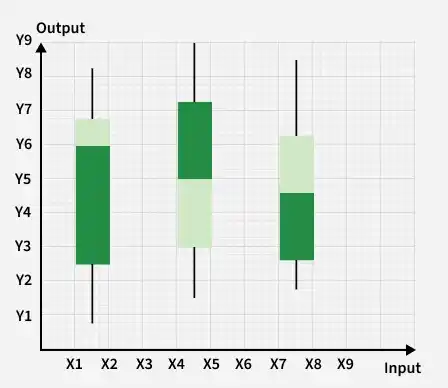
Graphical Representation is a way of representing any data in pictorial form. It helps a reader to understand the large set of data very easily, as it gives us various data patterns in a visualized form.
Types of graphical representation of data:
Line Graphs
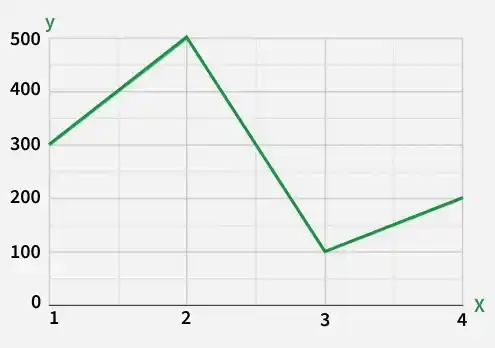
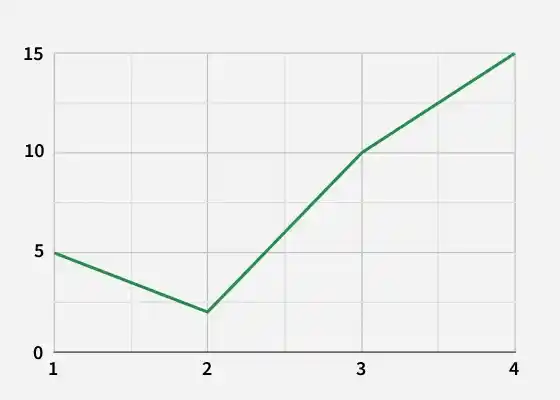
A Line Graph is used to show how the value of a particular variable changes with time. We plot this graph by connecting the points at different values of the variable. It can be useful for analyzing the trends in the data and predicting further trends.
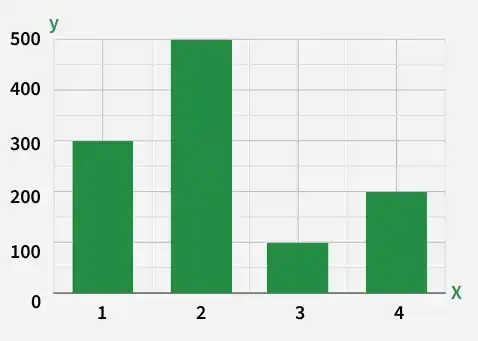
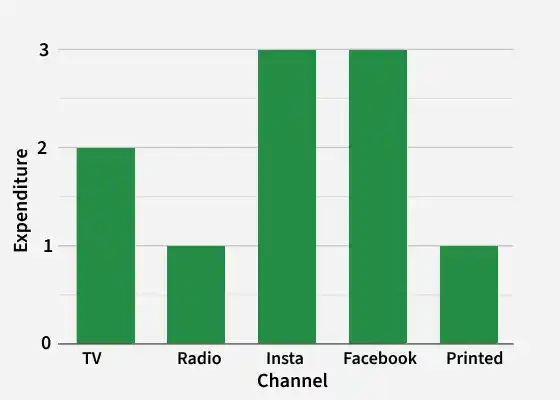
A bar graph is a type of graphical representation of the data in which bars of uniform width are drawn with equal spacing between them on one axis (x-axis usually), depicting the variable. The values of the variables are represented by the height of the bars.
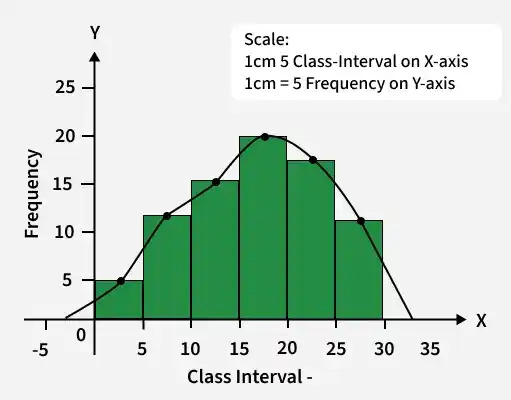
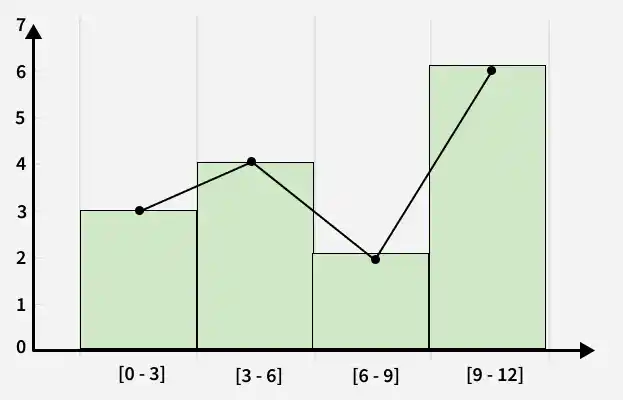
A frequency polygon is a graphical representation of a frequency distribution. It is formed by plotting the midpoints of class intervals on the x-axis and their corresponding frequencies on the y-axis, and then joining the points using straight lines. It is commonly used to study the shape of the distribution and compare multiple data sets.
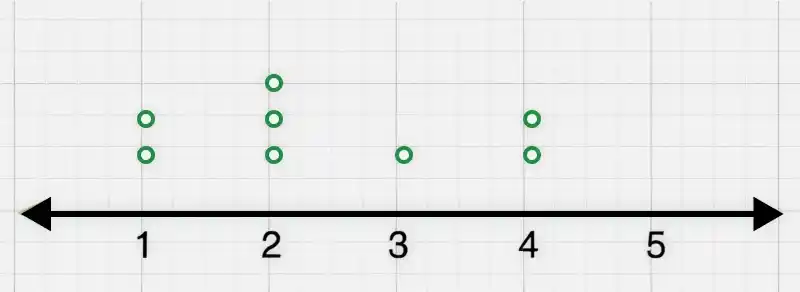
A Line Plot is a type of graph used to display data points along a number line. It helps show how frequently different values occur in a dataset. Each value is marked with symbols such as dots above the number line.
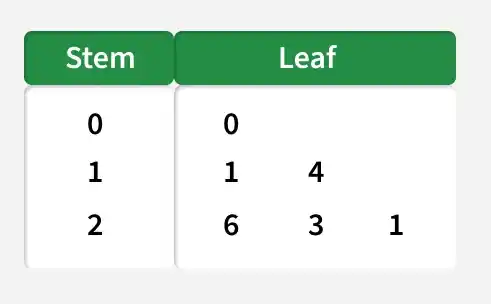
The Stem and Leaf Plot is a type of plot in which each value is split into a "leaf"(in most cases, it is the last digit) and"stem" (the other remaining digits). For example: the number 42 is split into leaf (2) and stem (4).
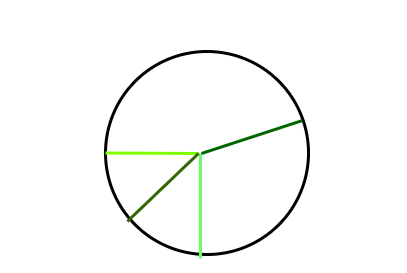
A Pie Chart is a circular graph used to represent data as parts of a whole. The circle is divided into sectors (slices), and each slice represents a category’s proportion or percentage of the total data.
The following things should be kept in mind while plotting the above graphs:
Whenever possible, the data source must be mentioned to the viewer.
Always choose the proper colors and font sizes.
The measurement Unit should be mentioned in the top right corner of the graph.
The proper scale should be chosen while making the graph, it should be chosen such that the graph looks accurate.
Last but not least, a suitable title should be chosen.
Solved Examples
Question 1: What are different types of frequency-based plots?
Types of frequency-based plots:
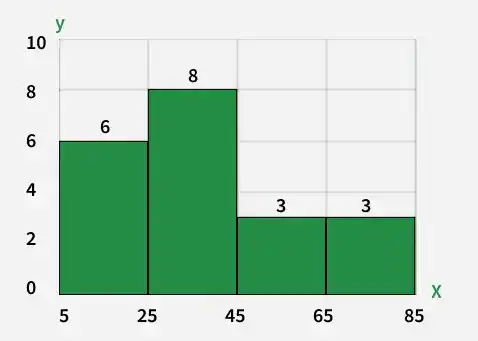
Histogram
Frequency Polygon
Frequency Curve
Question 2: A company with an advertising budget of Rs 10,00,00,000 has planned the following expenditure in the different advertising channels such as TV Advertisement, Radio, Facebook, Instagram, and Printed media. The table represents the money spent on different channels.
Advertising Channel
Expenditure (In Crores)
TV Advertisement
2
Radio
1
Facebook
3
Instagram
3
Printed Media
1
Draw a bar graph for the following data.
Steps:
Put each of the channels on the x-axis
The height of the bars is decided by the value of each channel.