|
VOOZH | about |
|
VOOZH | about |
Windows 10 is one of the most well-known operating systems around the world, providing users with a wealthy set of highlights designed for both efficiency and security. Launched in 2015, this operating system has proceeded to advance, advertising a mix of conventional desktop computing and advanced functionalities. In this article, we will explore the key highlights, diverse versions, security improvements, system requirements, deployment methods, and common issues faced by users.
Table of Content
Before installing Windows 10, it’s critical to check the system requirements to guarantee compatibility.
Windows 10 is designed to be a unified platform that works consistently over different devices, including PCs, tablets, and smartphones. This operating system combines the familiar user interface of past adaptations with modern, imaginative highlights aimed at improving user experience. By focusing on user-friendly design, Windows 10 makes it simpler for everybody, from casual users to IT professionals, to explore their systems efficiently.
Windows 10 is accessible in several editions, each custom-fitted to meet different user needs. Understanding these versions is important for selecting the right one for your use case.
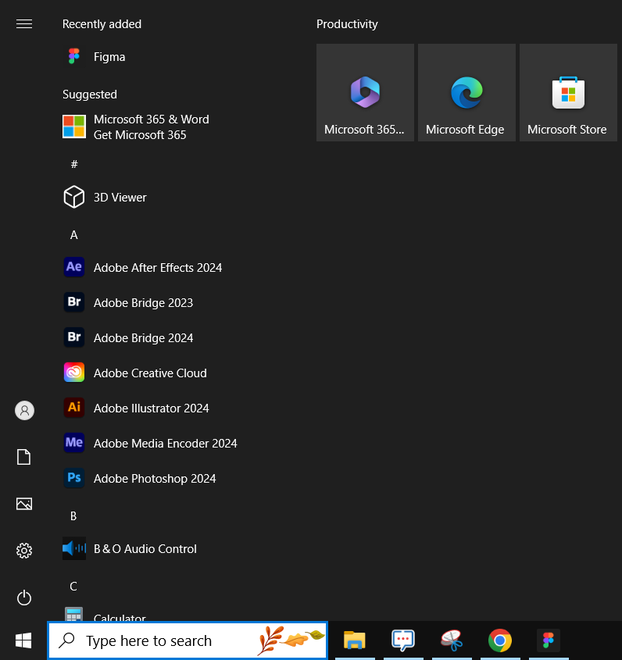
The Windows 10 Home edition is planned for casual users and offers all the fundamental highlights, including the revamped Start Menu, Cortana, and Microsoft Edge. It is perfect for individual use and home environments.
Windows 10 Pro is aimed at professionals and businesses, including progressed highlights such as BitLocker encryption, Farther Desktop, and Group Policy management. This version is perfect for small to medium-sized businesses that require upgraded security and administration tools.
The Windows 10 Enterprise version includes all features of the Professional version, along with extra security and administration capabilities. It is planned for large organizations that require comprehensive IT infrastructure and security features.
Windows 10 Instruction is custom-fitted for academic institutions, giving highlights similar to the Enterprise version. It offers a secure and manageable environment for students and educators.
The updated Start Menu permits simple customization, empowering users to pin their favorite applications and get to settings quickly. The taskbar features live tiles that give real-time upgrades from apps, keeping users informed.
Cortana acts as an individual collaborator, making a difference users organize tasks, set reminders, and finding information using voice commands. Virtual Desktops enable users to separate different workspaces for enhanced organization.
Microsoft Edge is built for speed and proficiency. It includes highlights like reading mode, annotation tools, and integrated Cortana support, making web browsing more agreeable and productive.
Windows Ink gives a suite of tools for users to draw, outline, and clarify directly on their screens. This feature is especially valuable for artists and experts who prefer to write or draw digitally.
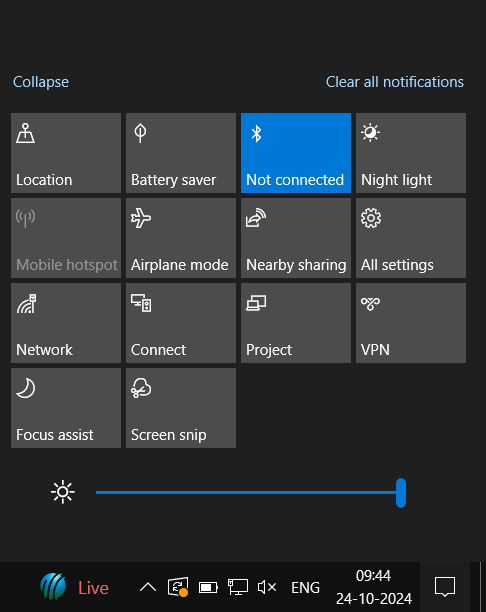
The Action Center consolidates notifications and quick settings, permitting users to manage alerts and access critical features without interrupting their workflow.
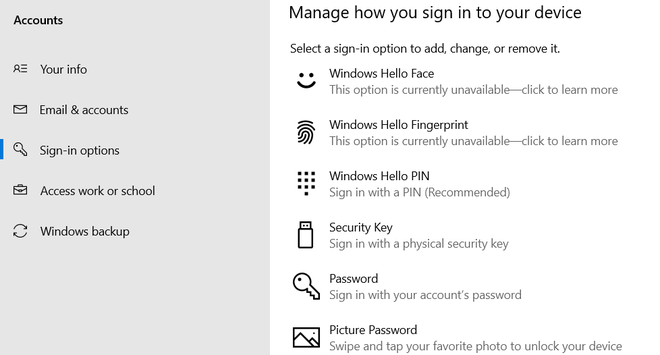
Security is a top need for Windows 10. With features like Windows Hello, users can log in using biometric verification, such as facial recognition or fingerprints. Furthermore, Windows Shield offers real-time assurance against malware and other dangers, ensuring that your system remains secure.
Device Guard protects against unauthorized applications, whereas BitLocker gives full disk encryption, protecting important data. These security features are crucial for businesses and users concerned about information privacy.
Windows 10 offers a streamlined update process through Windows Update, guaranteeing users get the latest features and security patches. Users can manage their update settings through Settings > Update & Security.
For businesses, Group Policy allows IT administrators to oversee and design Windows settings over multiple devices. MDM gives a cloud-based approach to overseeing devices and applications, making it simpler to secure corporate data.
Understanding the support lifecycle of Windows 10 is basic for businesses and users to arrange their upgrades effectively.
Microsoft gives a particular support lifecycle for each Windows version, guaranteeing that users get updates and security patches for a defined period. Windows 10 follows a Windows-as-a-Service model, with regular updates.
Older versions of Windows 10 will inevitably reach their end of support, meaning they will no longer get updates. Users are encouraged to upgrade to the most recent version to guarantee continued support and security.
Despite its strong features, users may experience issues while using Windows 10. Here are a few common issues and their solutions:
Windows 10 is packed with features that cater to a wide range of users, from gamers to experts. This comprehensive guide secured 17 key highlights, counting the revamped Start Menu, Cortana, DirectX 12, progressed functionalities like Windows Subsystem for Linux, and progressed openness choices. By understanding and utilizing these features, you can maximize your efficiency and appreciate a more productive computing experience.