|
VOOZH | about |
|
VOOZH | about |
Windows provides several built-in methods to check your computer’s specifications, including details like RAM, CPU, motherboard, BIOS/UEFI version, graphics card, model number, system type, storage, and drivers. Knowing your PC specs helps you troubleshoot performance issues, upgrade components, install compatible software, and understand the overall capability of your system.
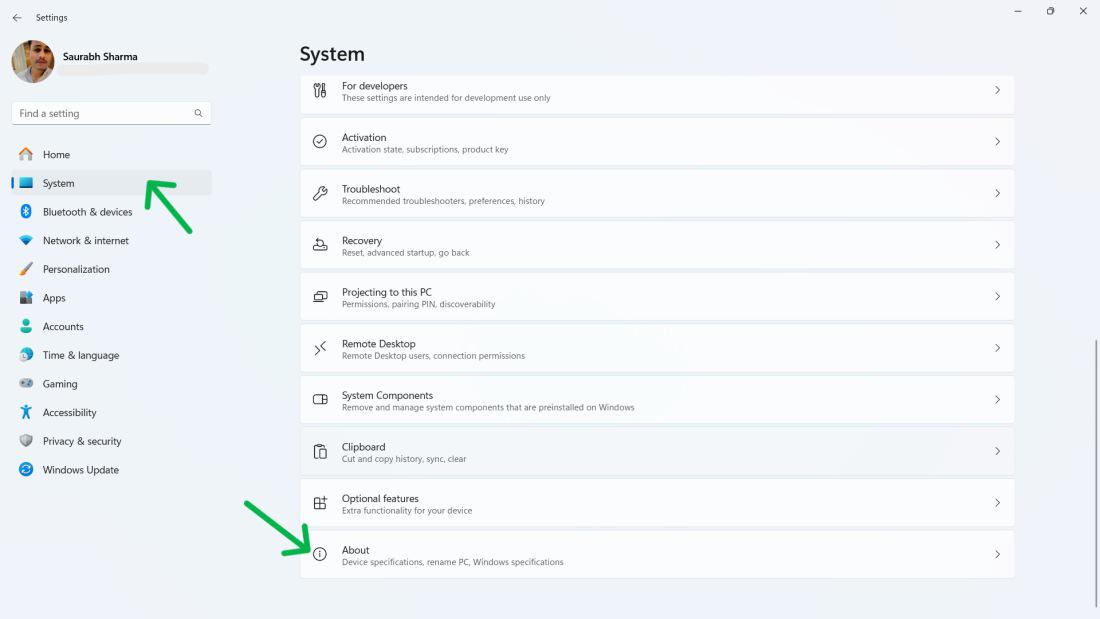
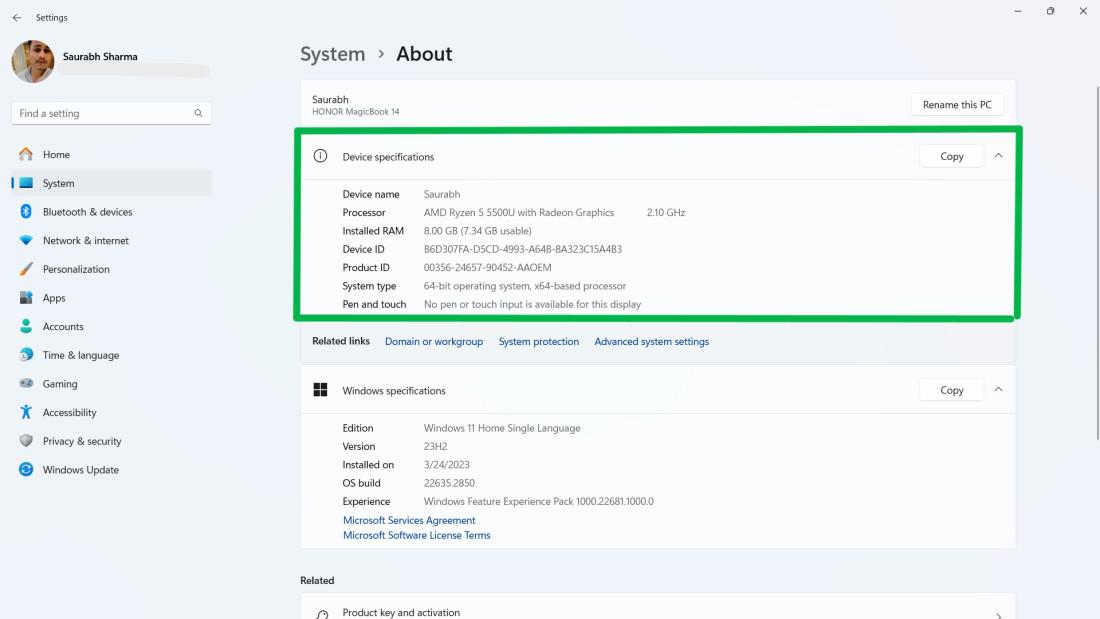
The Settings app is the simplest way for Windows 11 and Windows 10 users to view basic system specs like processor, RAM, system type, and device name.
Step 1:
Step 2:
Step 3:
👁 How-to-Find-Computer-Hardware-Specifications-from-Settings-1
Step 4:
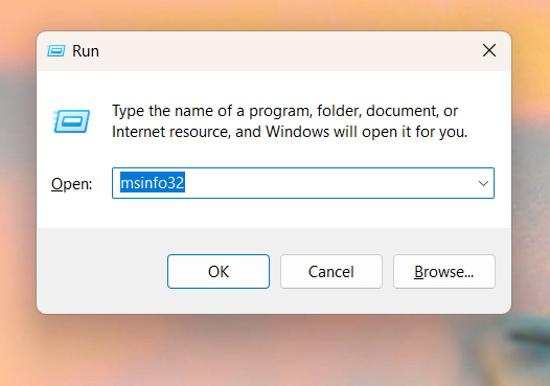
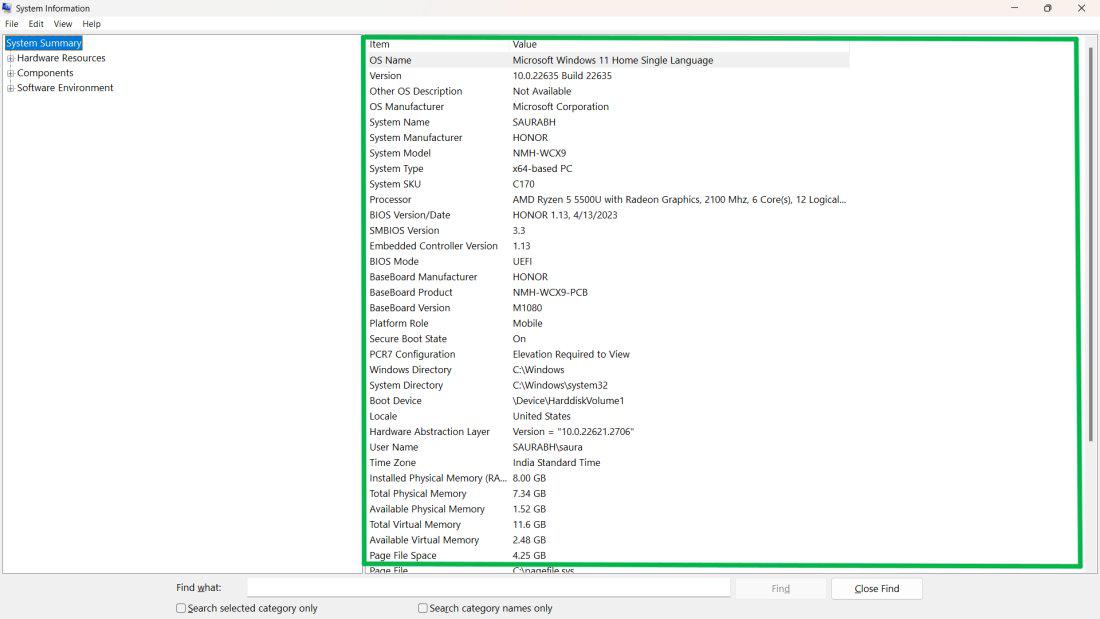
System Information is one of the most detailed tools for viewing in-depth PC hardware details. This method is widely used to check PC specs.
Step 1:
Step 2:
👁 How-to-Check-Computer-Specifications-from-System-Information
Step 3:
👁 How-to-Check-Computer-Specifications-from-System-Information-1
You can now view details such as System Model, Processor, Installed Physical Memory, and more in the right pane.
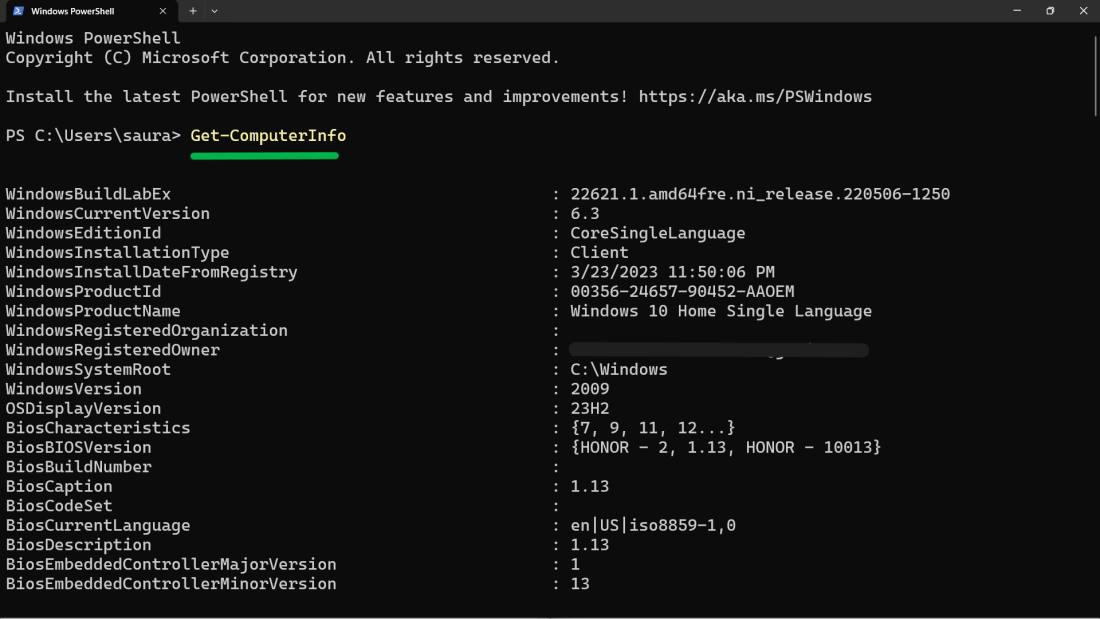
PowerShell is a powerful command line tool that retrieves detailed hardware information.
Step 1:
Step 2:
Get-ComputerInfo
Step 3:
👁 How-to-Find-Computer-Specifications-from-PowerShell
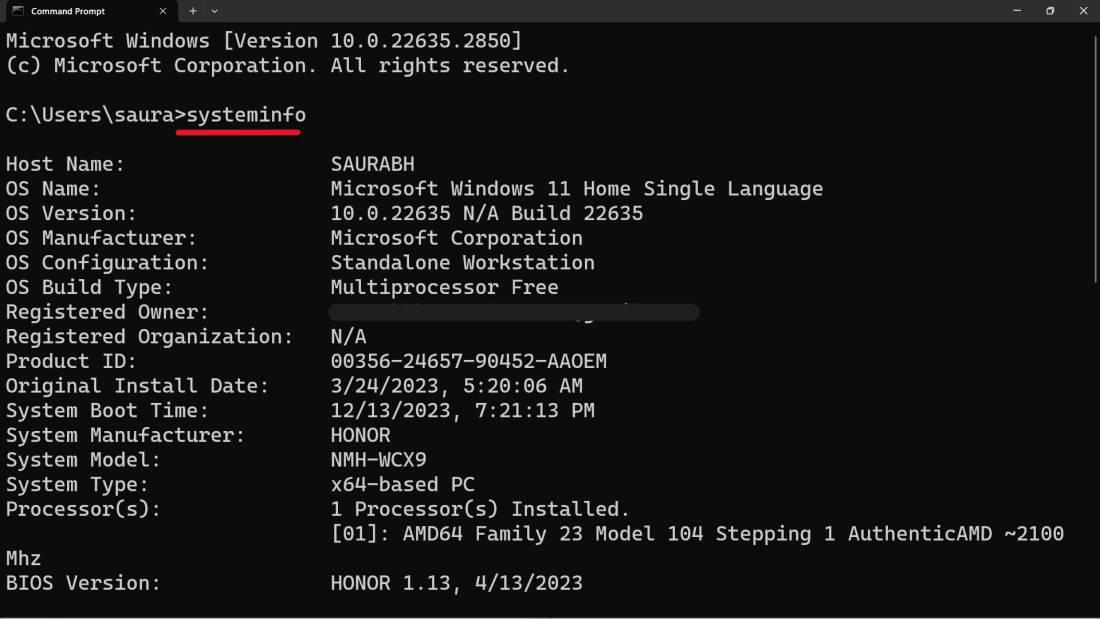
Use the following simple command to check my computer specifications.
Step 1:
Step 2:
systeminfo
👁 How-to-Find-Computer-Specs-from-Command-Prompt
Step 3:
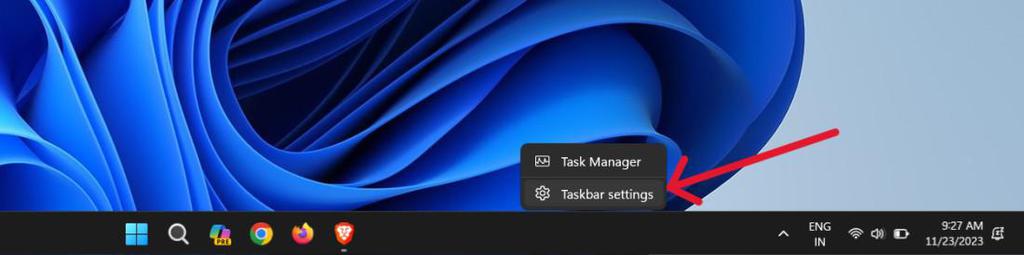
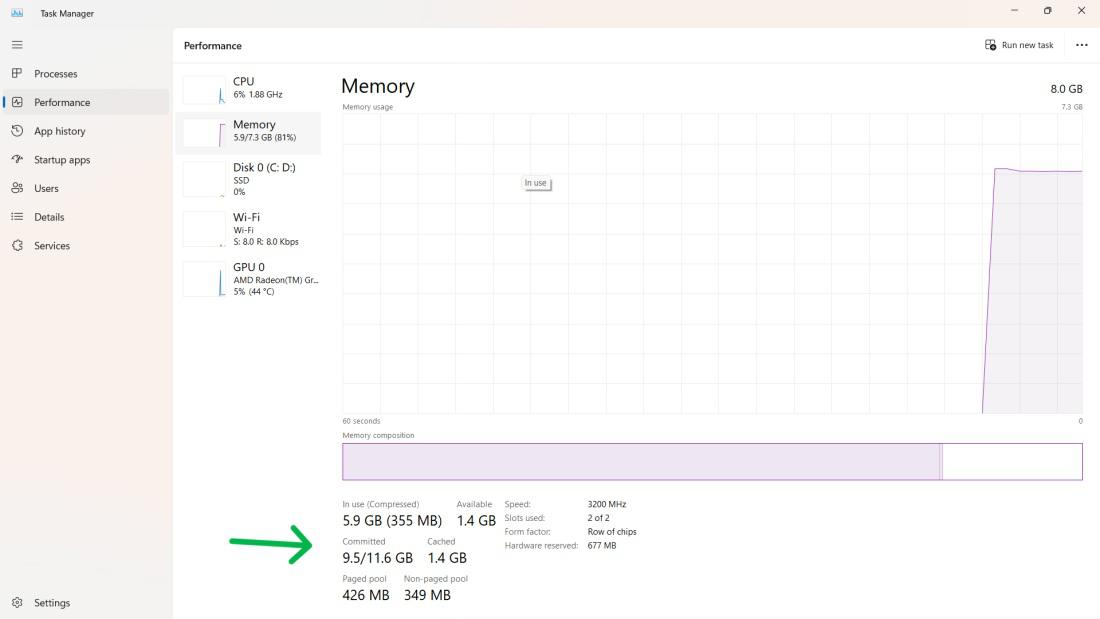
Task Manager is a useful tool for monitoring system performance and viewing hardware details.
Step 1:
Step 2:
👁 How-to-Check-Computer-Specifications-from-Task-Manager
Step 3: